Engineered to resist the tropical humidity and heavy shear strain common in Philippine industrial operations.
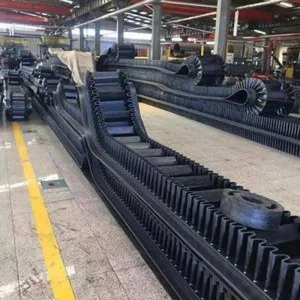
The Philippines' geographic and economic structure relies heavily on bulk material handling across its prominent sectors: mining (nickel, copper, gold) in regions like Caraga and Surigao, cement production in Rizal, Bulacan, and Cebu, and rapid port infrastructure development in Manila and Batangas. However, operators face harsh environmental challenges: high atmospheric humidity, intense seasonal precipitation, and highly corrosive marine environments.
Standard horizontal belt systems require massive footprints that are often unavailable in mountainous mining sites or cramped metropolitan port facilities. This spatial constraint has driven the demand for corrugated sidewall conveyor belts, which permit steep-angle transport (up to 90 degrees vertical) of coal, ores, limestone, and aggregates.
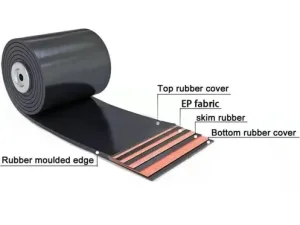
Under tropical Philippine climates, standard rubber belts deteriorate rapidly due to ozone degradation and humidity-driven inner ply rotting. Hebei Boao Rubber Technology solves this with specialized multi-ply polyester (EP) and steel cord structures that prevent moisture penetration, maintaining tensile strength under prolonged high-temperature and wet environments.
Get Local Project Feasibility SupportCauses core delamination in lower-grade nylon (NN) belts. Boao implements chemically stable EP fabric cords that do not lose adhesion when damp.
Hard igneous rocks and high-grade nickel laterite mud generate immense friction. High-abrasion resistance rubber compound (DIN 100/ISO 90) is vital.
Dense municipal port layout requires pocket or sidewall lifts to avoid long conventional footprint conveyors.
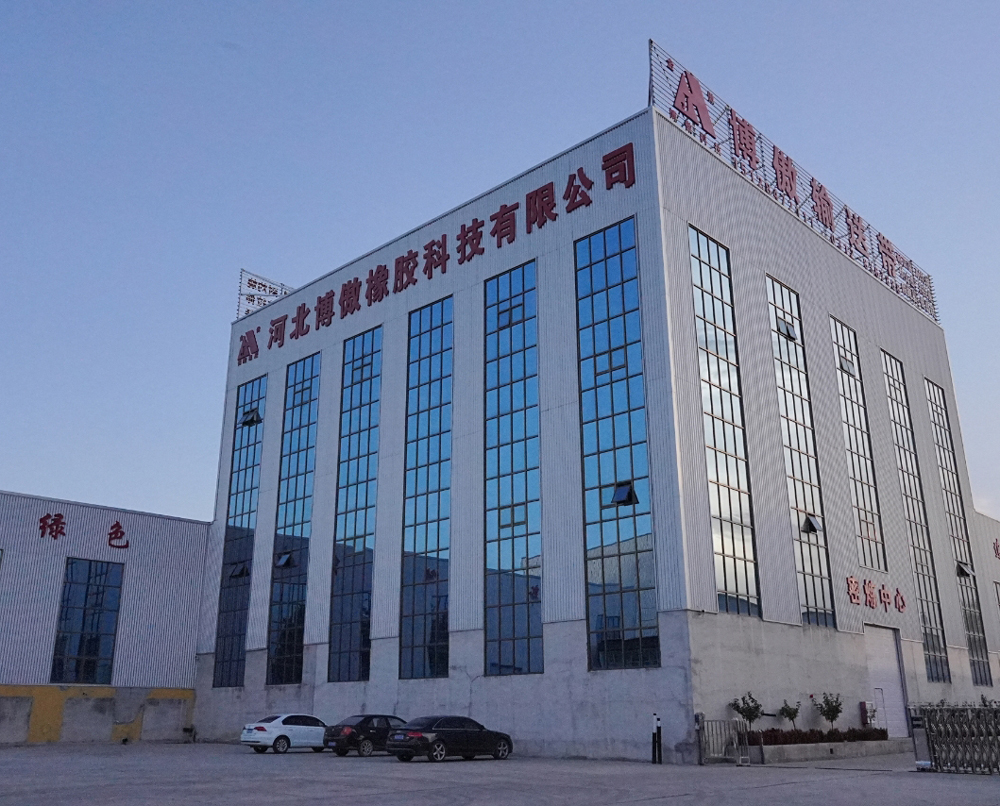
Located in the Boye Rubber Industrial Park, Baoding, Hebei Province, Hebei Boao Rubber Technology Co., Ltd. has served the heavy industrial bulk material handling market since 2004. Spanning an expansive 30-acre state-of-the-art facility, we operate multiple automated production lines for raw compounding, fabric calendering, precision vulcanization, and thorough quality inspection under the globally recognized "Jinao" brand.
We are a vertically integrated manufacturer, meaning we carry out design, formulation engineering, weaving, molding, and vulcanizing on-site. Our physical testing laboratories ensure that no conveyor belt exits the factory gates without undergoing tensile, elongation, hot air aging, and dynamic fatigue tests. This rigorous quality system ensures conformance to global standards including DIN 22102, AS 1332, and ISO 14890.
By working directly with Boao, industrial operations in the Philippines bypass trading intermediaries, receiving verified Chinese manufacturing quality coupled with custom technical engineering tailored to local site dynamics.
An expert structural analysis of high-inclination conveyor components designed for long service life.
The base belt must possess high transverse rigidity to resist structural deflection at return run support idlers while maintaining longitudinal flexibility for pulley wrapping. Boao employs specialized cross-stabilized polyester-nylon (EP) fabrics and transversal steel wire mesh inserts (type XE-types) to prevent sag under high pocket loading.
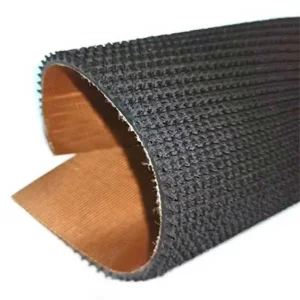
Molded from premium synthetic and natural rubbers, the sidewall profile flexes seamlessly over high-tension pulley turns. We utilize fabric-reinforced inserts within our higher corrugated sidewalls (above 120mm) to offer superior structural stiffness and impact resistance against lateral forces.
Available in T, C, and TC patterns. The TC (T-Cleat with curved side wings) is highly recommended for inclinations exceeding 60 degrees. Cleats are hot-vulcanized or mechanically secured directly to the base belt, ensuring tear-free operations even during continuous transport of heavy ores.
| Parameter Class | Design Specifications | Operational Advantage in Philippines |
|---|---|---|
| Base Belt Type | EP100 to EP400 / NN100 to NN300 (Multi-ply) | Maintains high tensile strength, highly resistant to biological decay in tropical moisture. |
| Sidewall Heights | 40mm to 400mm (Standard, customized profiles) | Enables maximum capacity scaling within reduced footprint configurations. |
| Cleat Profiles | T, C, TC patterns (reinforced rubber bases) | Prevents bulk back-slide on extreme mining inclines up to 90 degrees. |
| Rubber Covers | Abrasion resistant (100-150 mm³ loss), Heat, Oil, Acid-Alkali resistant | Safeguards compound integrity from harsh acidic runoffs in nickel/copper leaching mines. |
Review real-world applications of Jinao brand industrial conveyor solutions deployed in complex processing operations.
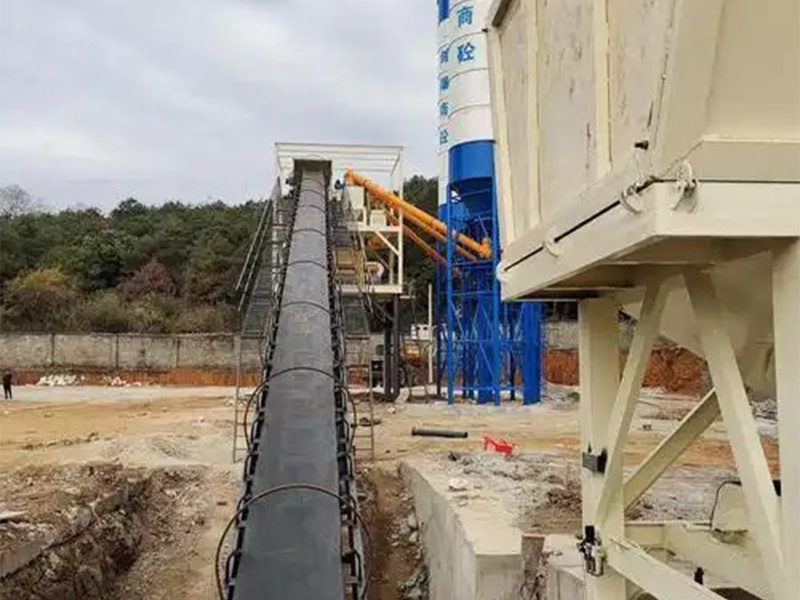
High-performance vertical sidewall system transporting heavy concrete aggregates under continuous duty cycles.
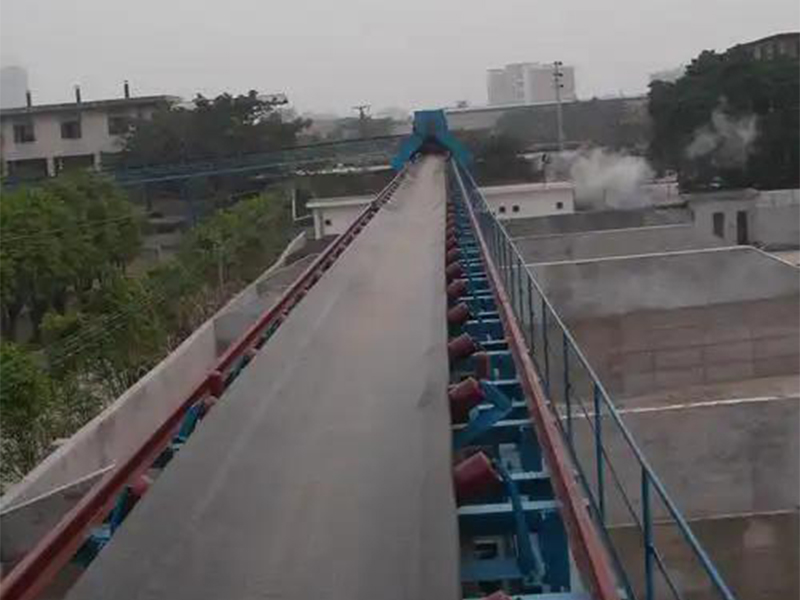
High-temperature conveyor systems handling hot raw clinker under extreme temperatures up to 200°C.
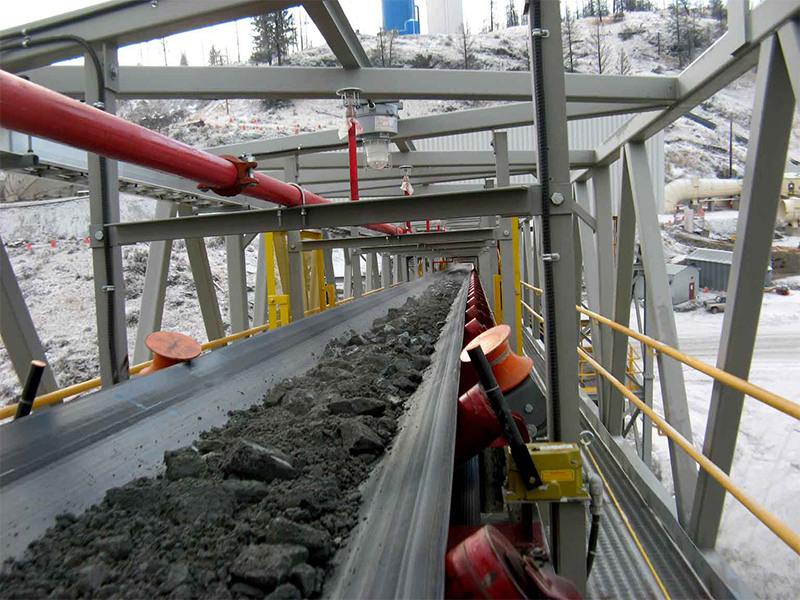
Flame-retardant steel wire core belts ensuring underground transport safety and fire hazard mitigation.
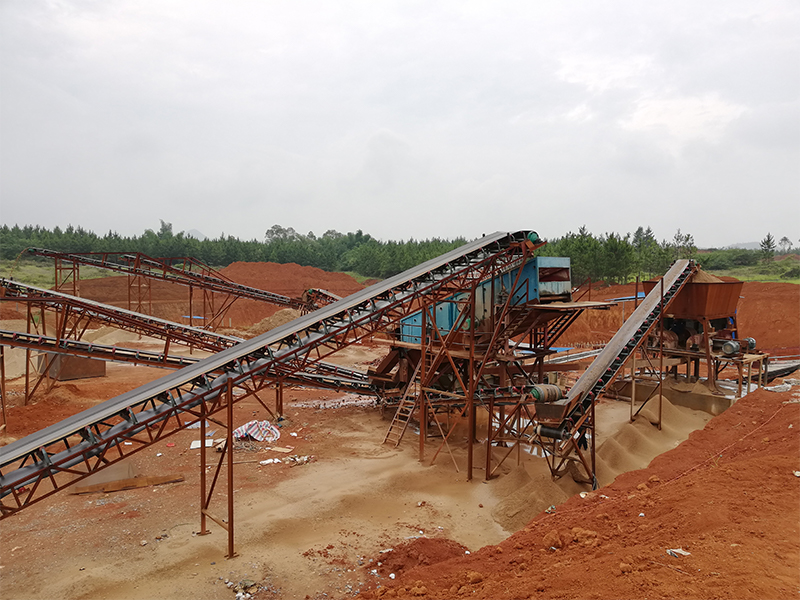
Acid and alkali resistant belts handling aggressive metal ores throughout heavy chemical leaching cycles.
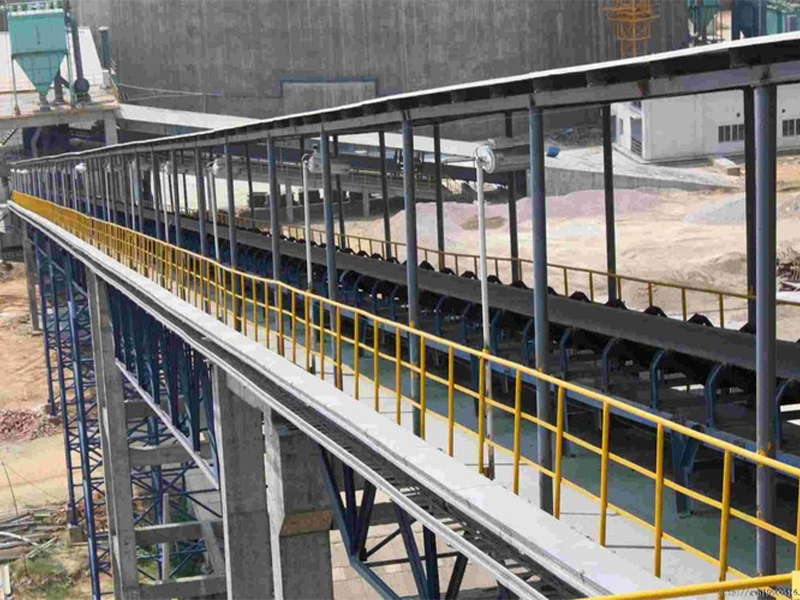
Continuous steep angle limestone conveying, utilizing anti-abrasive synthetic rubber formulations.
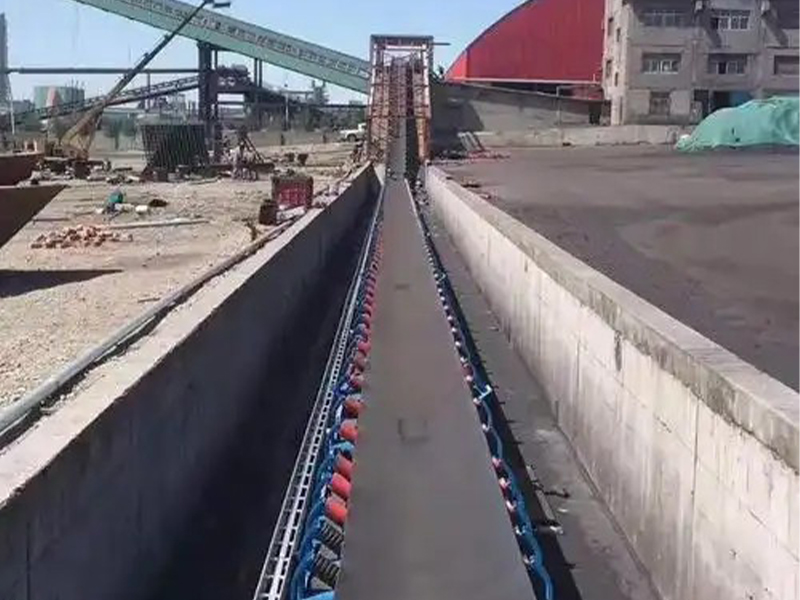
Integrated high-incline raw coal sorting line with customized anti-tear steel mesh components.
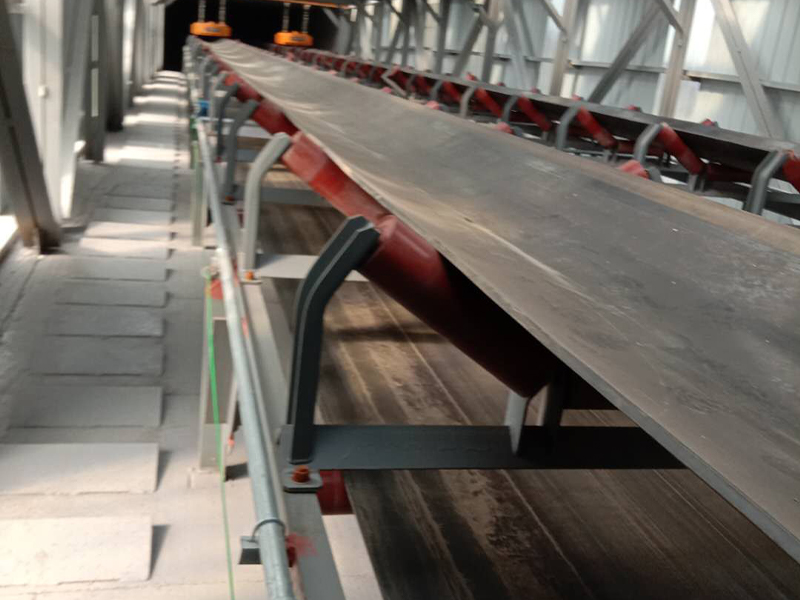
Durable high-temperature sintering belt installations designed to limit heat cracking.
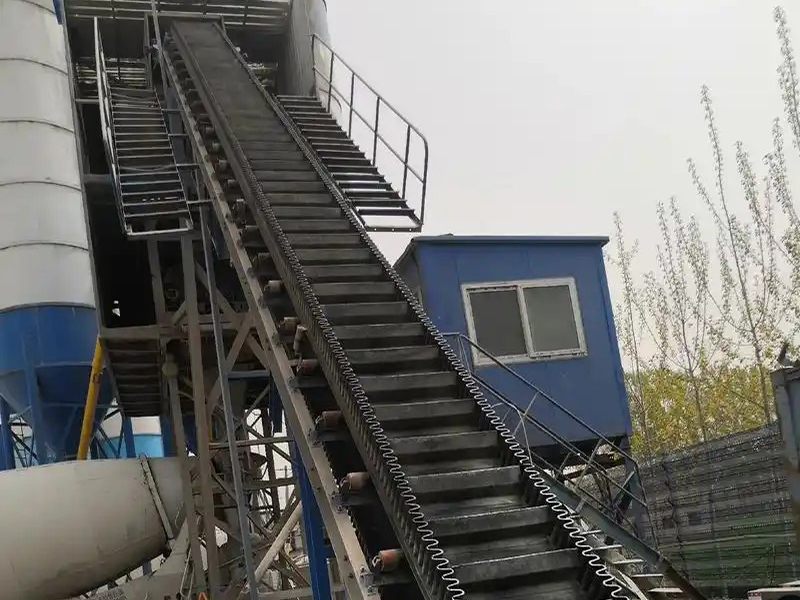
High-tension belt installations that provide zero slippage and reliable bulk feeding.
At Boao Rubber Technology, we offer a comprehensive technical service program to support our client operations in the Philippines. Our scope of support includes: planned replacement engineering, splice installation guidelines, belt line safety audits, and customized rubber formulations optimized for local challenges.
Our physical and chemical laboratories verify mechanical properties at every stage. Our testing procedures include:
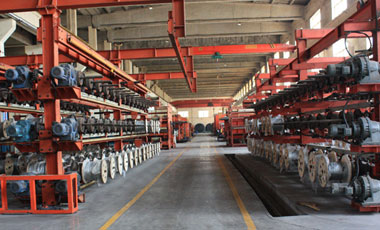 Steel Cord Belt Line
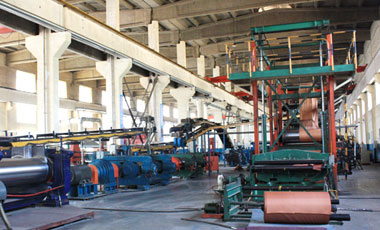 Calendering & Shaping
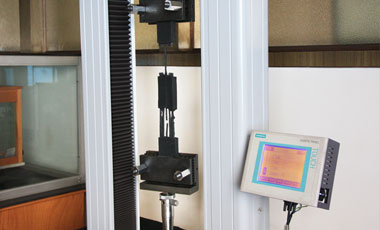 Pull-out Testing
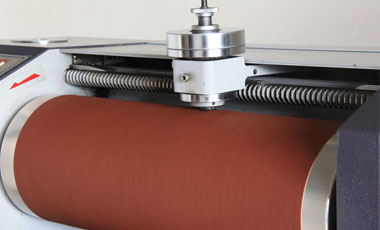 Abrasion Testing
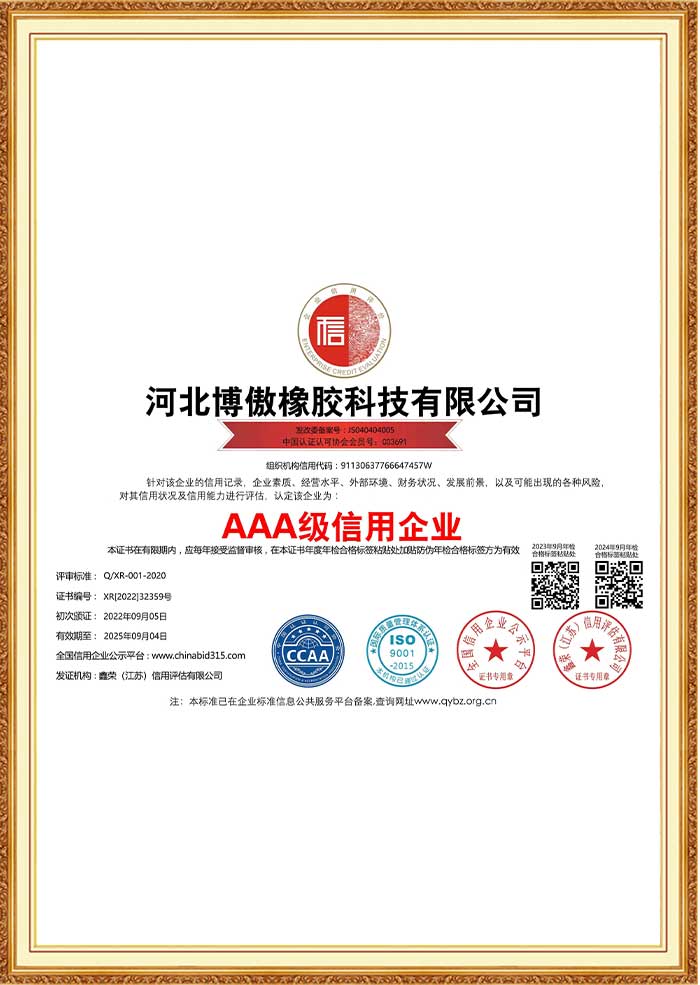
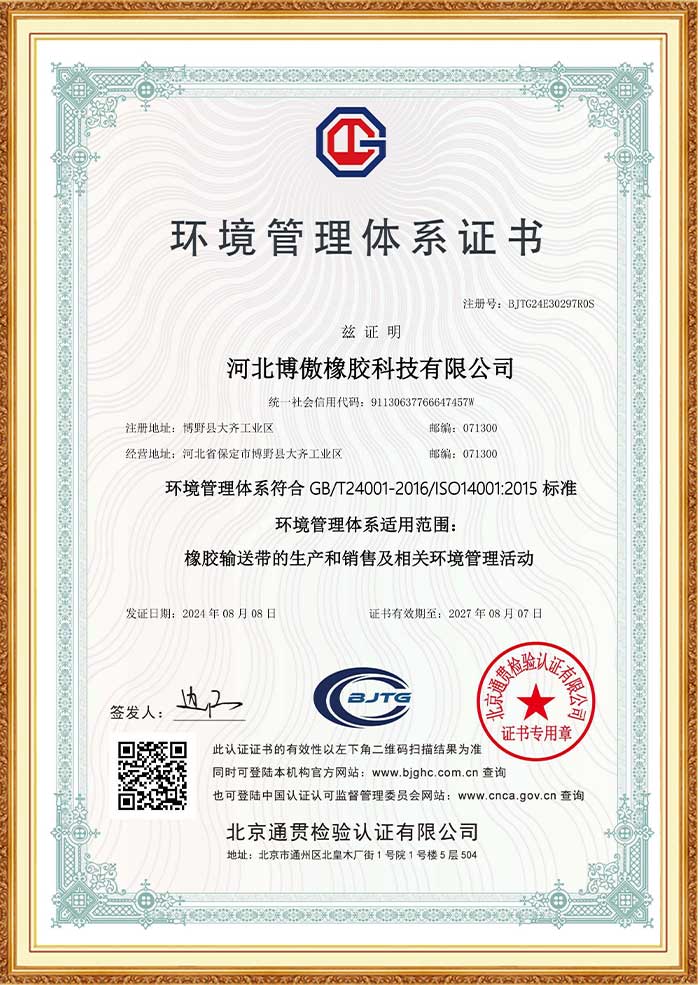
Verified systems and product certifications that ensure our conveyor belts meet national safety and durability standards.
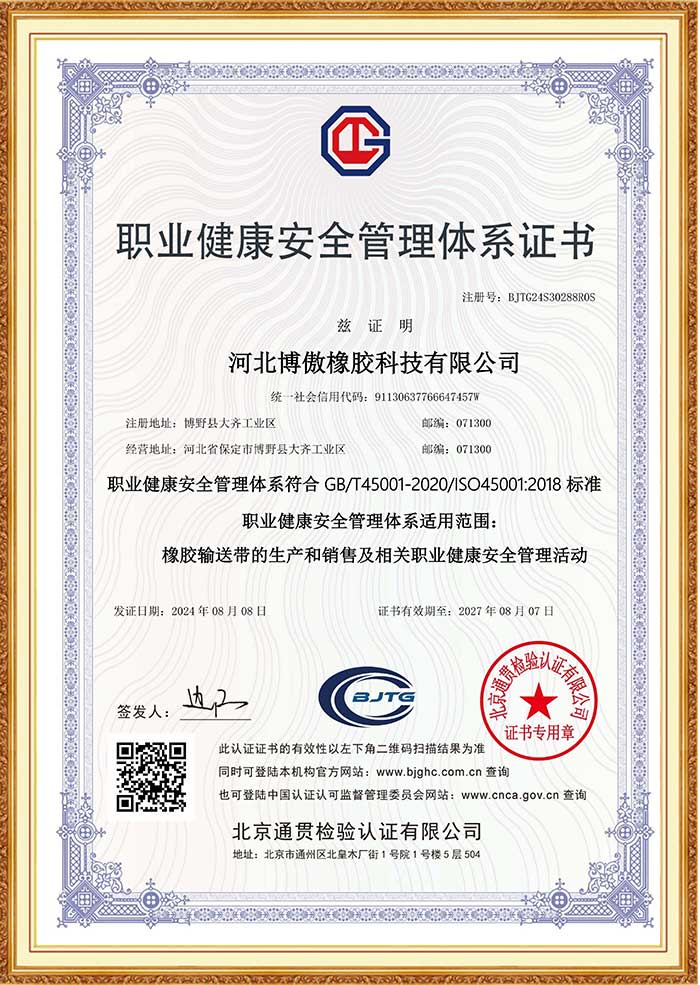
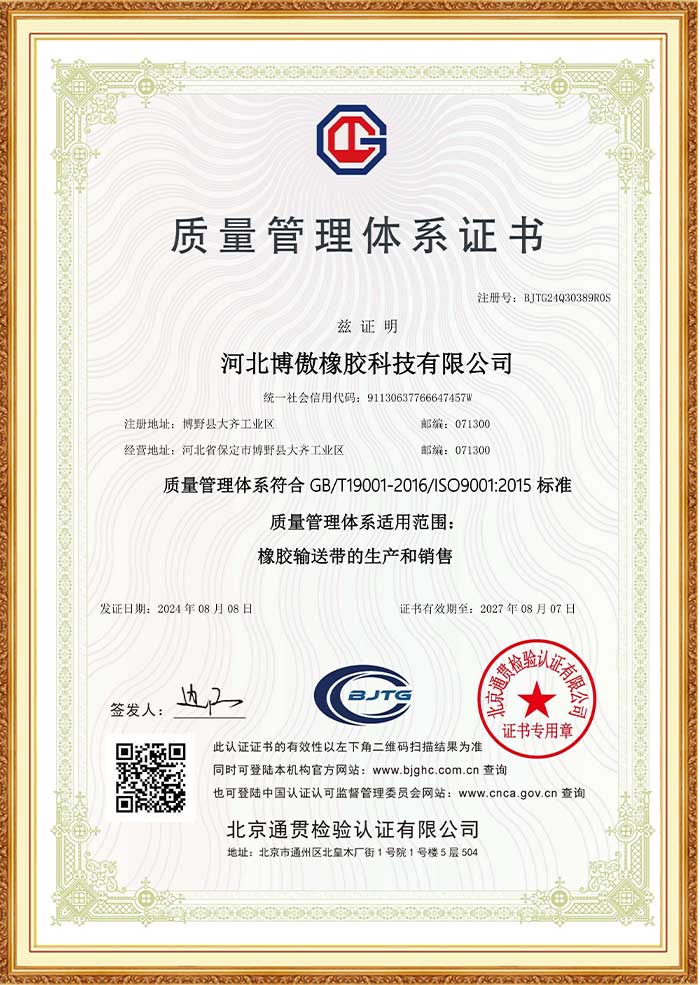
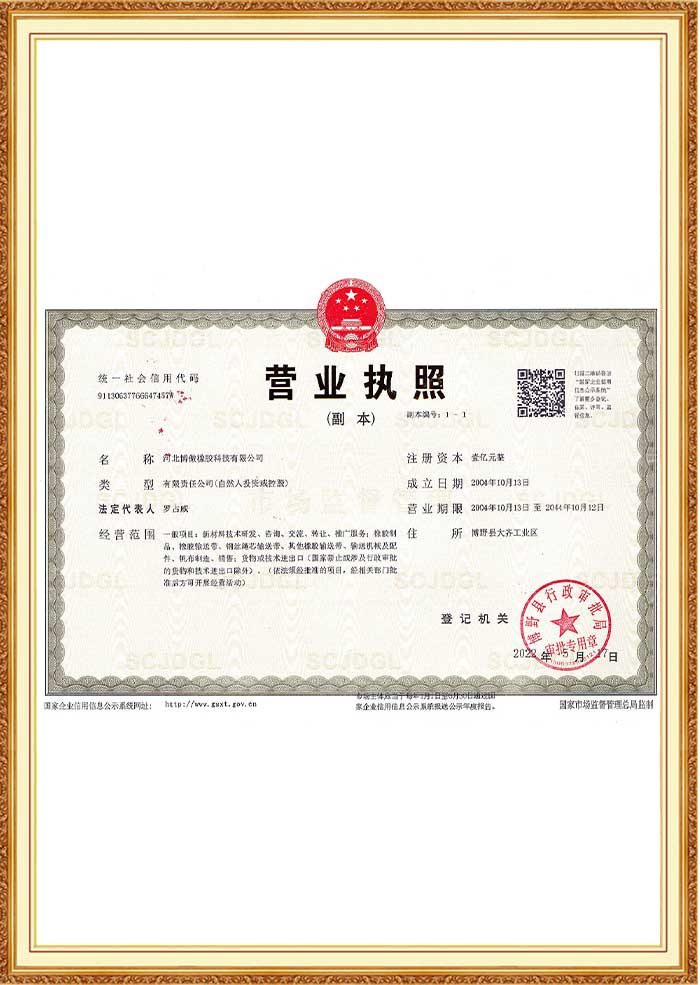
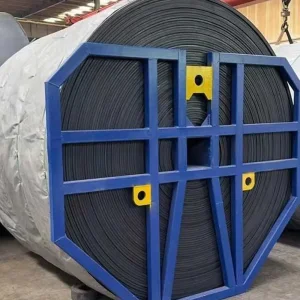
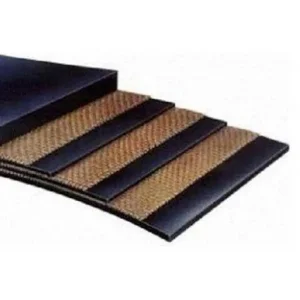
Complete components and belt structures engineered to perform in challenging mineral and industrial applications.
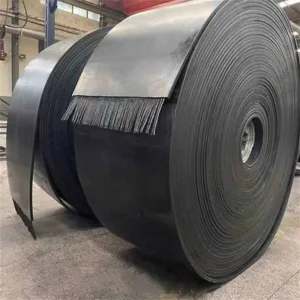
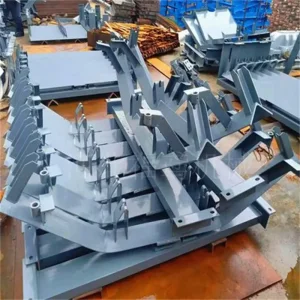
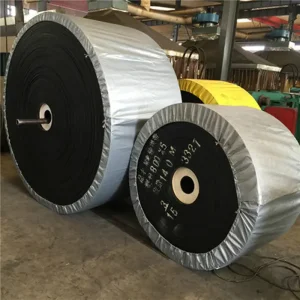
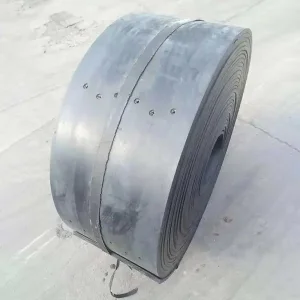
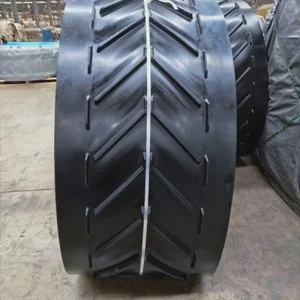
Sourcing conveyor belts directly from our Hebei manufacturing facility offers concrete economic and mechanical advantages for operations throughout Luzon, Visayas, and Mindanao:
We adjust base belt thickness, cover compounds, cleat styles, and sidewall heights to match the specific layout of your conveying equipment.
Philippine customers pay direct manufacturing rates, bypassing distributor markups, and receive certified chemical testing logs before shipment.
Our proximity to Tianjin Port enables fast container logistics to Manila (North/South Harbor), Cebu, and Davao, ensuring consistent spares inventory.
Please prepare these basic layout parameters when contacting our engineering office:
Expert answers to common engineering questions regarding the selection, application, and maintenance of sidewall conveyor systems.
We recommend Polyester (EP) fabric over traditional Polyamide (NN) fabric. EP fabric has significantly lower moisture absorption characteristics. Under high humidity, NN fabric can absorb water, leading to mold growth, internal ply rotting, and splice failure. EP maintains excellent dimensional stability, ensuring minimal stretch and consistent tracking under wet tropical conditions.
Delamination is prevented by utilizing advanced high-pressure hot vulcanization processes. The base belt, corrugated sidewall, and cleats are vulcanized as a unified structure under controlled temperature parameters. For maintenance situations requiring cold-bonding, we utilize premium double-compound adhesives along with fabric-backed mounting feet, achieving peel adhesion values that exceed international ISO standards.
For wet materials and steep angles above 45 degrees, the TC (T-Cleat with curved side wings) or C (Curved Cleat) is highly recommended. The curved design creates a pocket that cradles wet ores or muds, preventing back-spill and lateral discharge. For dry limestone and aggregates, standard T-Cleats provide excellent capacity and clean discharge characteristics.
We maintain an on-site testing facility including a chemistry lab and physics testing room. Raw rubber polymers, fabrics, and compounding agents undergo entry inspections. During production, vulcanizing pressures and heat signatures are monitored continuously. Finished belts undergo tensile testing, abrasion loss measurement, and thickness audits. Every shipment is dispatched with certified testing reports showing full conformance to ordered parameters.
Partner with Hebei Boao Rubber Technology Co., Ltd. for engineered sidewall conveyor belts designed for reliability and performance. Get direct factory pricing, verified ISO quality standards, and dedicated engineering support for your operations in the Philippines.
Send Inquiry Now Boao Rubber