Premium grade belts and system accessories direct from Boye County's leading chemical technology manufacturing facilities.
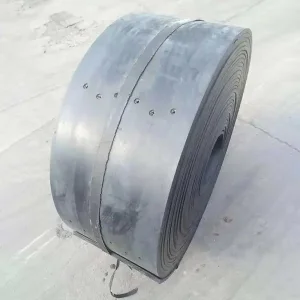
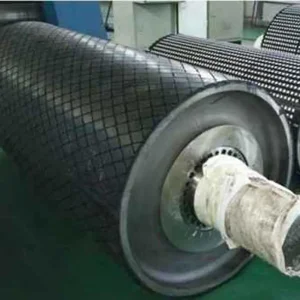
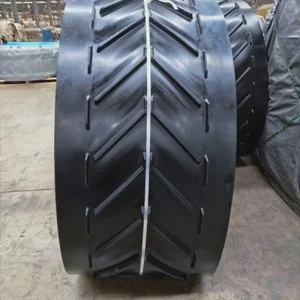
A comprehensive overview of global synthetic conveyor systems and material handling demand.
In modern B2B manufacturing and high-throughput distribution, lightweight synthetic conveyor belts based on Polyvinyl Chloride (PVC) and Thermoplastic Polyurethane (TPU/PU) have emerged as the backbone of automated sorting, packaging, and food processing lines. Historically dominated by heavy, high-energy-consumption rubber plies, global operations are undergoing a rapid shift towards lightweight alternatives. This transition is motivated by energy efficiency, reduced mechanical strain on conveyor pulleys, and the critical need to comply with stringent FDA, EU, and USDA food-handling hygiene regulations.
The global market for lightweight conveyor belts is experiencing a steady compound annual growth rate (CAGR), propelled by the rise of global e-commerce and subsequent mega-sorting hubs, logistics infrastructure investments, and agricultural modernization. Manufacturers require solutions that deliver high oil resistance, anti-static safety compliance (such as ISO 284 standards), and optimized tracking coefficients to maintain system uptime in non-stop, high-velocity environments.
The industrial push for sustainability is driving a transition towards fully recyclable thermoplastic polyurethane materials, offering reduced VOC footprint and longer operational life cycles.
Embedding RFID chips and color-coded wear indicators directly into lightweight belt surfaces allows logistics centers to execute predictive maintenance protocols and avoid unscheduled downtime.
For poultry, meat, and bakery processing, TPU compounds modified with active antimicrobial properties prevent bacterial growth and maintain compliance with global food safety standards.
A detailed chemical and physical properties breakdown for procurement managers and mechanical design engineers.
| Performance Criterion | Polyvinyl Chloride (PVC) Belting | Thermoplastic Polyurethane (PU/TPU) Belting | Industrial Selection Rule |
|---|---|---|---|
| Shore Hardness Range | 70A - 90A (Flexible to semi-rigid) | 80A - 98A (High hardness, high flexibility) | Choose PU for low-stretch, precision tracking. |
| Abrasion Resistance | Moderate (DIN loss: ~150 mm³) | Exceptional (DIN loss: < 40 mm³) | Use PU for high-friction and abrasive environments. |
| Food Grade Compliance | FDA compliant variants available (Non-toxic PVC) | Naturally FDA & EU 10/2011 compliant | PU is standard for direct fat/oil food contact. |
| Chemical & Oil Resistance | Good against acids; poor against hydrocarbons | Outstanding against vegetable fats, mineral oils | Specify PU for oily environments; PVC for light acids. |
| Operating Temperature | -15°C to +80°C | -30°C to +110°C | PU is preferred for sub-zero frozen food and bakery ovens. |
| Cost Profile | Highly cost-effective (B2B mass volume option) | Premium initial investment (Longer lifecycle) | Use PVC for high-mileage logistics; PU for performance. |
Pioneering conveyor innovation since 2004 under the trusted brand name "Jinao".
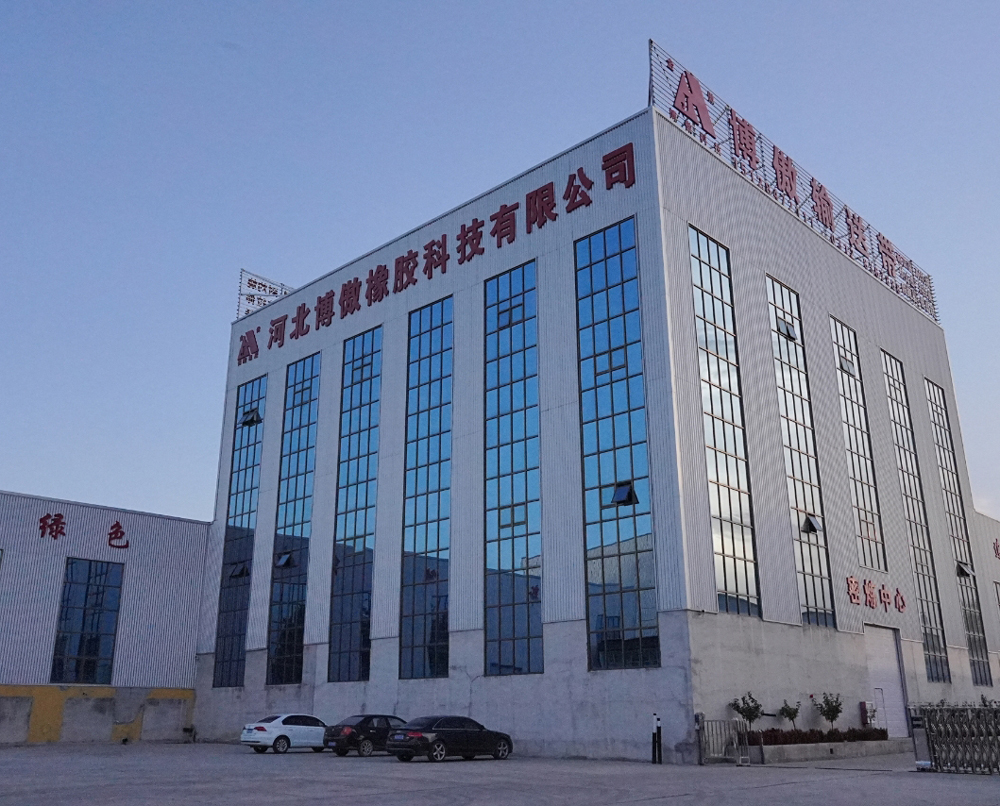
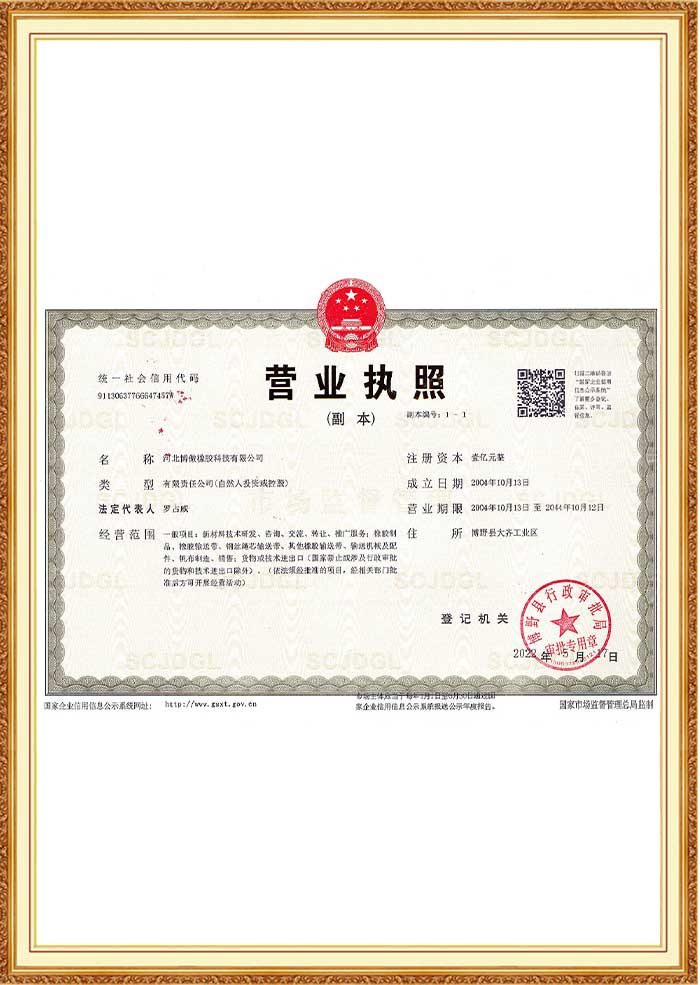
Established in 2004, Hebei Boao Rubber Technology Co., Ltd. is situated in the Boye County Rubber Industrial Park, Baoding, Hebei Province, China. Over the past 22 years, the company has grown to encompass over 30 acres of dedicated production and testing space. As an industry-leading B2B factory, we integrate the complete lifecycle of product research, formulation design, calender vulcanization, and global logistics service for industrial conveyor belt lines and associated components.
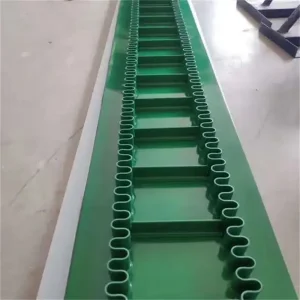
Our core brand, "Jinao", is recognized for reliability and performance. Our advanced facility houses complete production lines for calenders, internal mixers, forming stations, and multiple heavy vulcanizing presses. Our product portfolio spans EP, NN, and CC fabric conveyor belts, specialized steel wire rope core belts, chevron textured belts, heat-resistant, chemical-resistant, and high-inclination corrugated sidewall belts, alongside our high-tech lightweight PVC-PU product families.
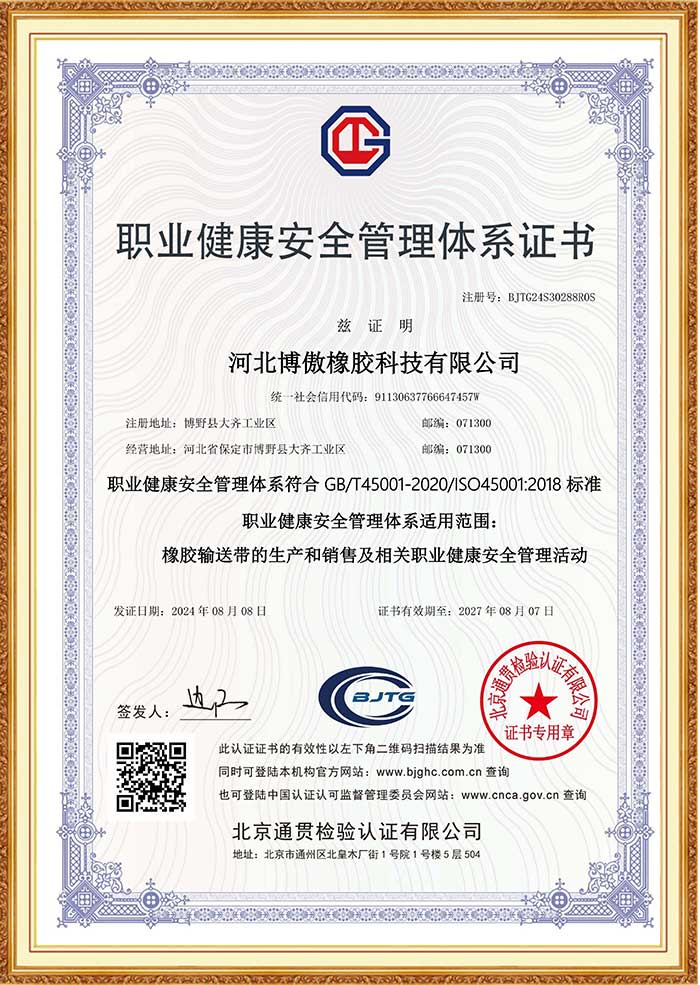
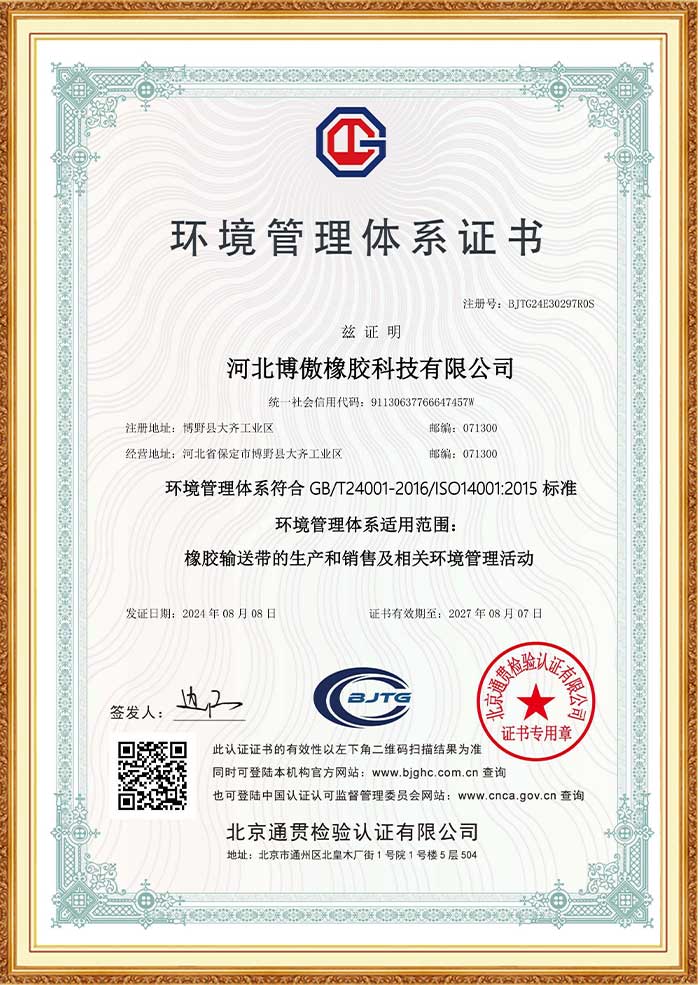
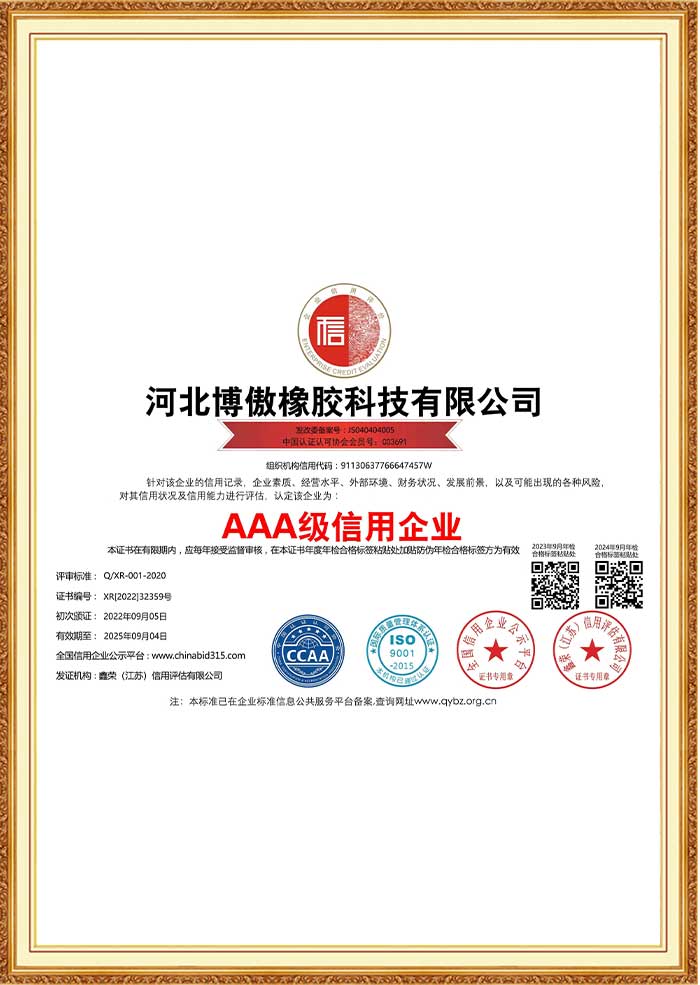
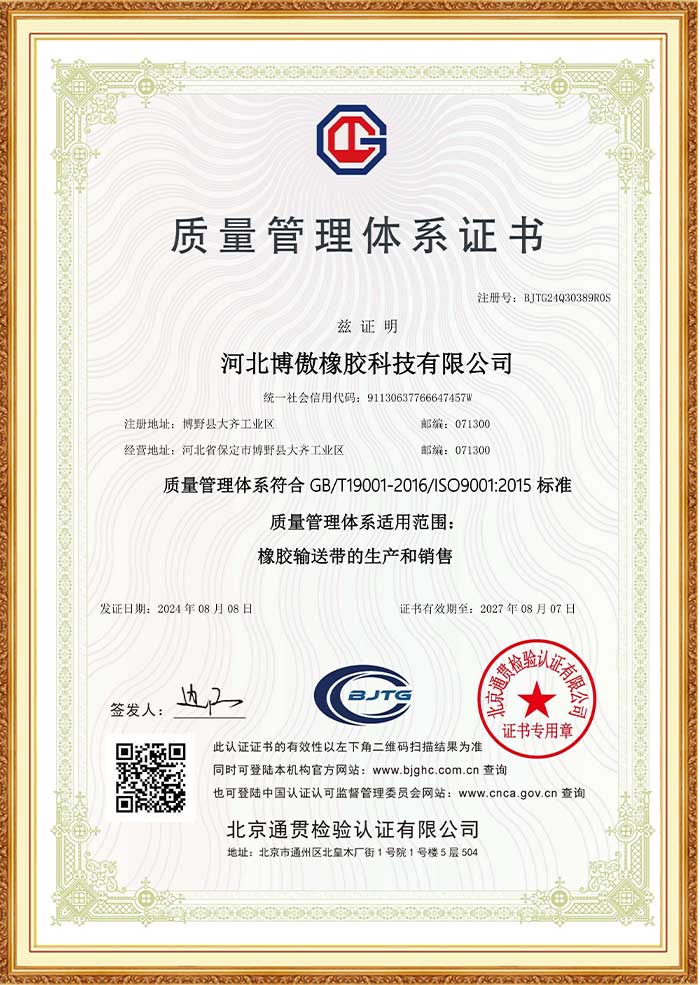
Hebei Boao maintains ISO 9001, ISO 14001, and ISO 45001 certifications. We run an independent in-house physical testing laboratory and chemical analysis facility to ensure raw materials and finished goods meet global standards before shipment.
Our systematic laboratory tests ensure zero-defect B2B delivery for global logistics and heavy handling operations.
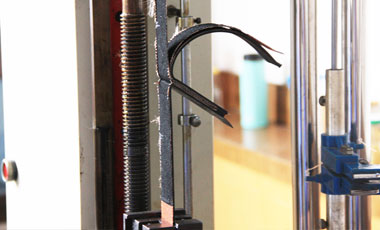
Measures the interface adhesion strength between cover polymers and carcass fabric to ensure no delamination under high tension load.
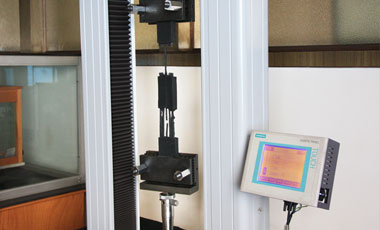
Validates the bonding strength between steel cords and surrounding core compounds, critical for high-tension industrial designs.
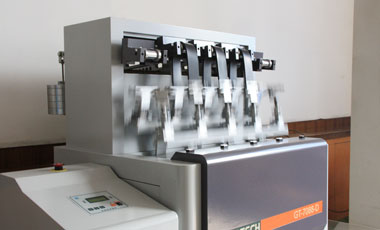
Simulates millions of pulley bend cycles to identify fatigue wear patterns, defining the service life of our heavy-duty belting.
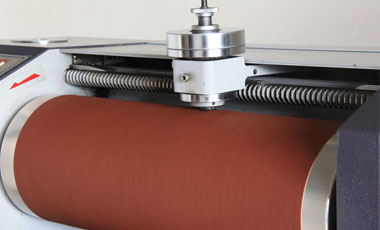
Determines volumetric wear resistance under high-speed abrasive friction, ensuring long belt lifecycle in bulk logistics.
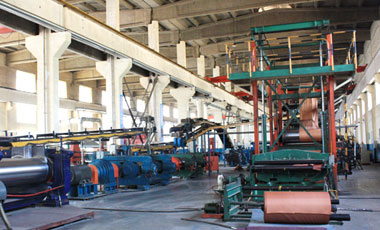
Boao's production capability is anchored by modern processing gear: automatic carbon black dosing centers, high-volume Banbury mixers, four-roll calendar systems, and continuous multi-platen vulcanization lines. This scale of equipment allows our engineering team to control compounding density, plies tensioning, and surface texturing with high precision.
Our automated compounding and dosing systems minimize batch-to-batch variation, ensuring consistent shore hardness and thermal profiles. This level of quality control is essential for long-run B2B supply agreements with logistics distributors and global industrial buyers.
Our belts are designed for reliable performance in demanding B2B material handling applications.
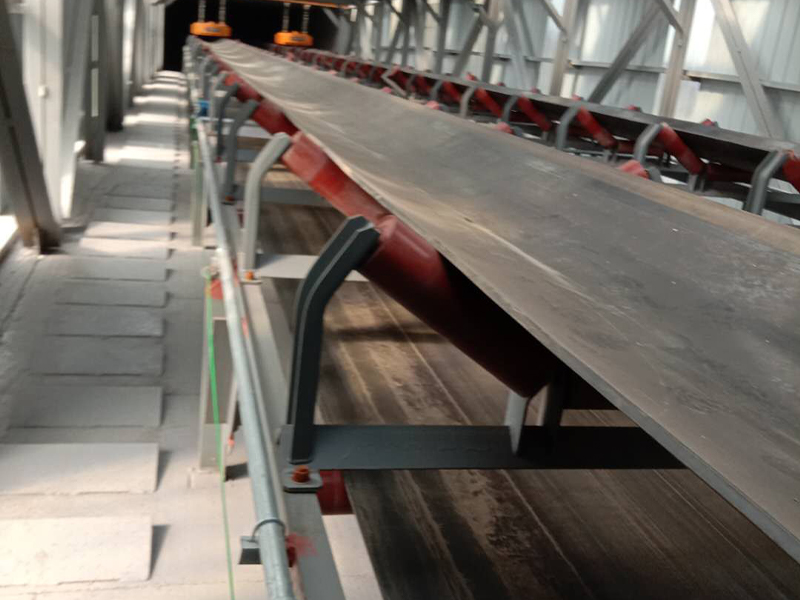
High-tension EP and steel cord belts designed to withstand high temperatures, oil contaminants, and heavy mechanical impacts on slag lines.
Flame retardant and anti-tear belting that maintains structural integrity when moving heavy bulk coal, iron ore, and limestone.
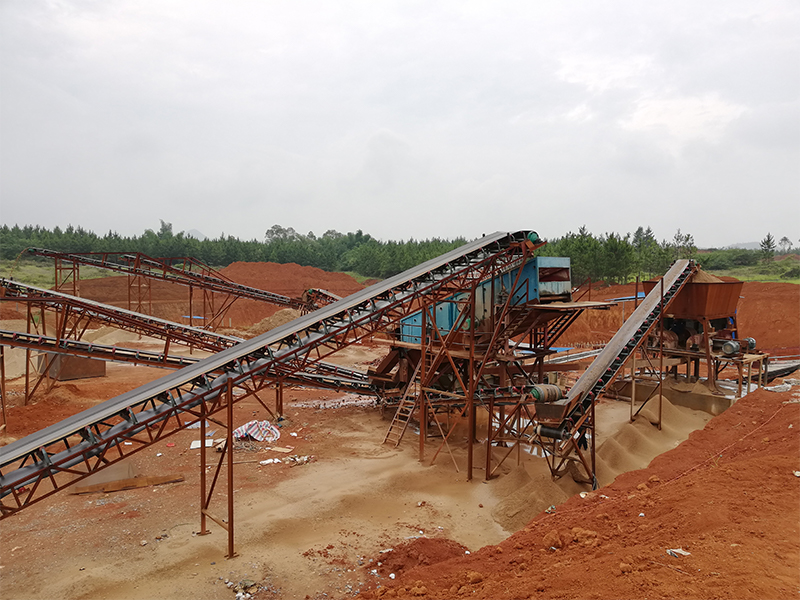
Abrasive-resistant rubber formulations designed to transport hot clinker and crushed aggregates under steep inclination angles.
Quiet, lightweight PVC & PU belts designed for high-speed sorting systems, dynamic turns, and low-friction slider beds.
Taihang Steel
Tsingshan Group
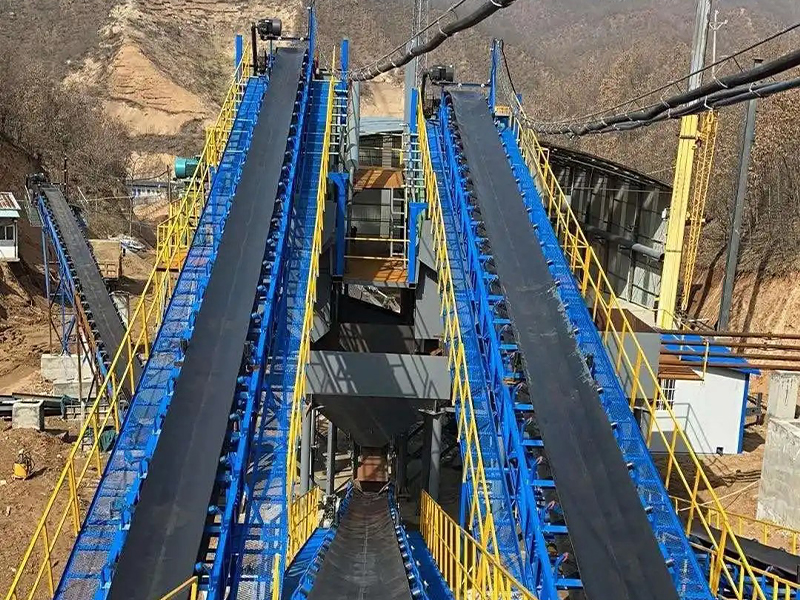
Zijin Mining
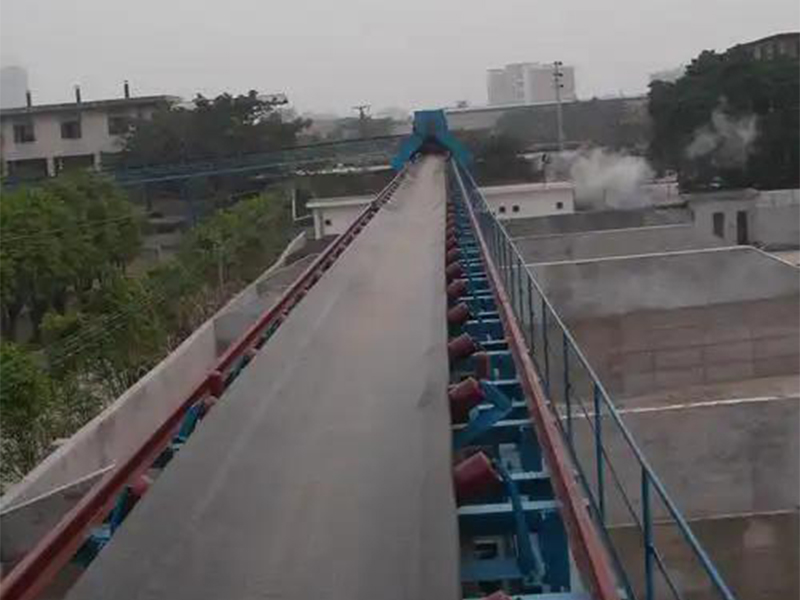
Conch Cement
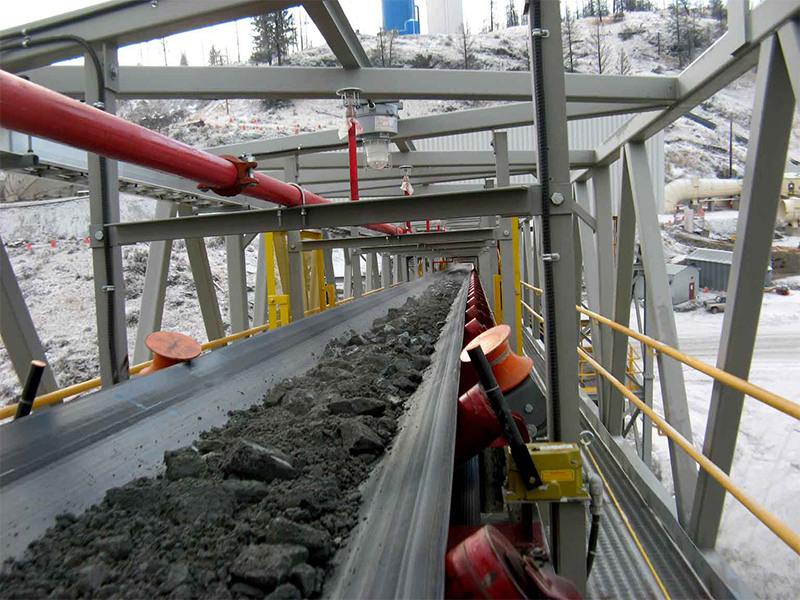
Datong Coal Group
Explore our complete range of high-performance fabric, steel cord, and lightweight belting options.
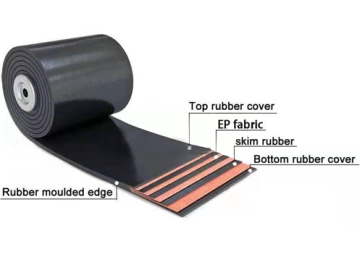
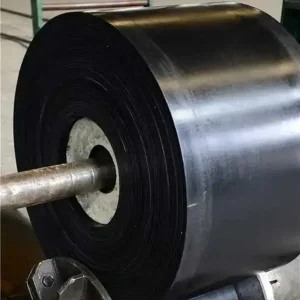
High modulus polyester plies with low elongation.
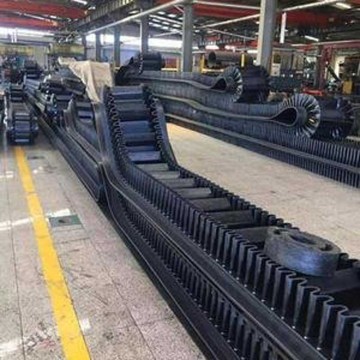
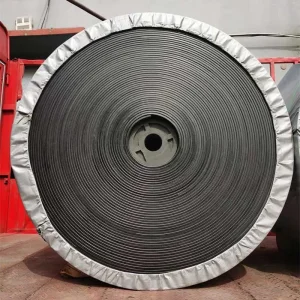
Reinforced edges to prevent fraying and wear.
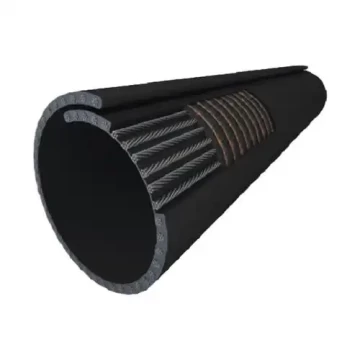
Enclosed pipe profile for dust-free bulk material transport.
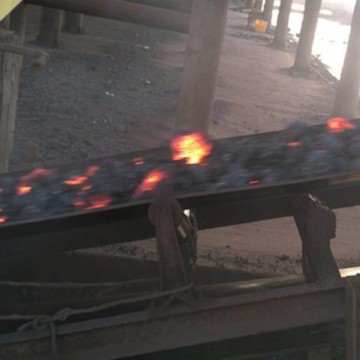
Engineered for high-temperature material handling.
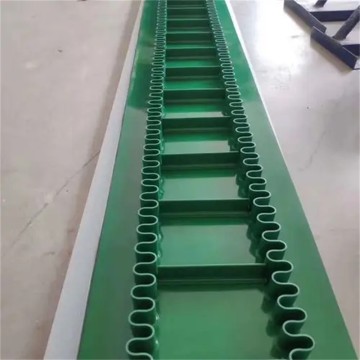
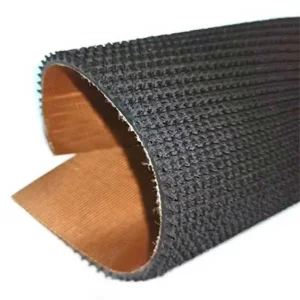
Food-grade and antistatic synthetic belts.
Aligning with next-generation manufacturing technology to meet changing global demands.
Looking forward, the lightweight conveyor belt industry is focused on developing bio-based plastics and smart systems. Our engineering department is actively testing plant-derived polyurethane compounds to replace petroleum-based materials without compromising tensile strength or abrasion resistance.
In parallel, we are designing smart-belt systems that work with optical sorting sensors. By refining the surface reflectance of our PVC coatings, sorting machinery can identify packages more accurately, supporting faster processing speeds in logistics hubs.
We continue to research high-strength, low-friction fabrics for the backing of our belts. Minimizing the coefficient of friction on slider beds allows logistics centers to reduce the motor power required to drive systems, helping to lower carbon footprint and operating costs.
Our testing labs are also working on high-performance cold-resistant compounds for freezing tunnels and high-altitude transport, helping clients maintain reliable operations under extreme conditions.
Common questions from B2B buyers and engineers regarding lightweight PVC-PU conveyor systems.
For PVC belts, thermal finger splicing and mechanical fast fasteners are commonly used. For food-grade TPU/PU belts, we recommend thermoplastic hot-melt finger splicing to create a seamless, sanitary joint that prevents bacterial buildup and maintains belt strength.
Our PU raw materials are formulated using FDA-approved and EU 10/2011 compliant monomers. Production takes place on dedicated lines to prevent cross-contamination, and each batch is certified for food-contact applications.
Standard rolls are usually ready to ship within 7 to 15 days. For custom fabrications, including special profiles, cleats, V-guides, or custom width slitting, our typical lead time ranges from 15 to 25 days depending on the complexity of the design.
Standard PVC becomes brittle below -10°C. For cold storage and freezing applications, we offer customized low-temperature plasticizers or recommend PU-based belts, which remain flexible down to -30°C.
Explore our wider range of rubber, fabric, and steel-reinforced conveyor options designed for heavy material handling.
 Boao Rubber