Engineered to minimize conveyor friction, absorb energy impact, and optimize heavy material handling pathways across rugged operations.
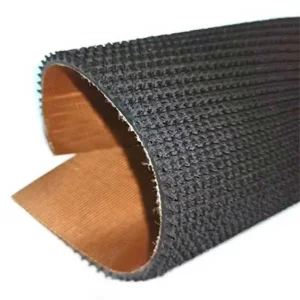
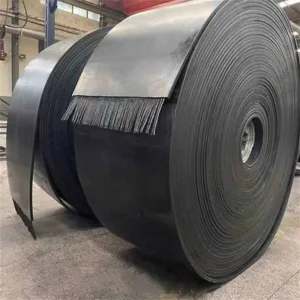
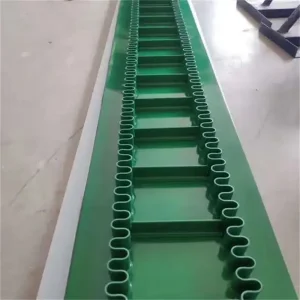
In the modern bulk material handling sector—encompassing heavy metallurgy, coal extraction, cement processing, ports, and power plants—conveyor accessories and rubber belting are not merely consumables; they are the baseline elements of operational throughput. System breakdowns translate to high financial losses, meaning procurement directors prioritize component wear rates, environmental compliance, and structural integrity.
Managing global supply chains requires addressing factors like premature rubber degradation, splice slippage, roller bearing failures in high-abrasion zones, and environmental regulations. Global logistics and heavy industrial facilities depend on manufacturing plants that offer complete visibility into raw material supplies, standard testing methods, and predictable lead times.
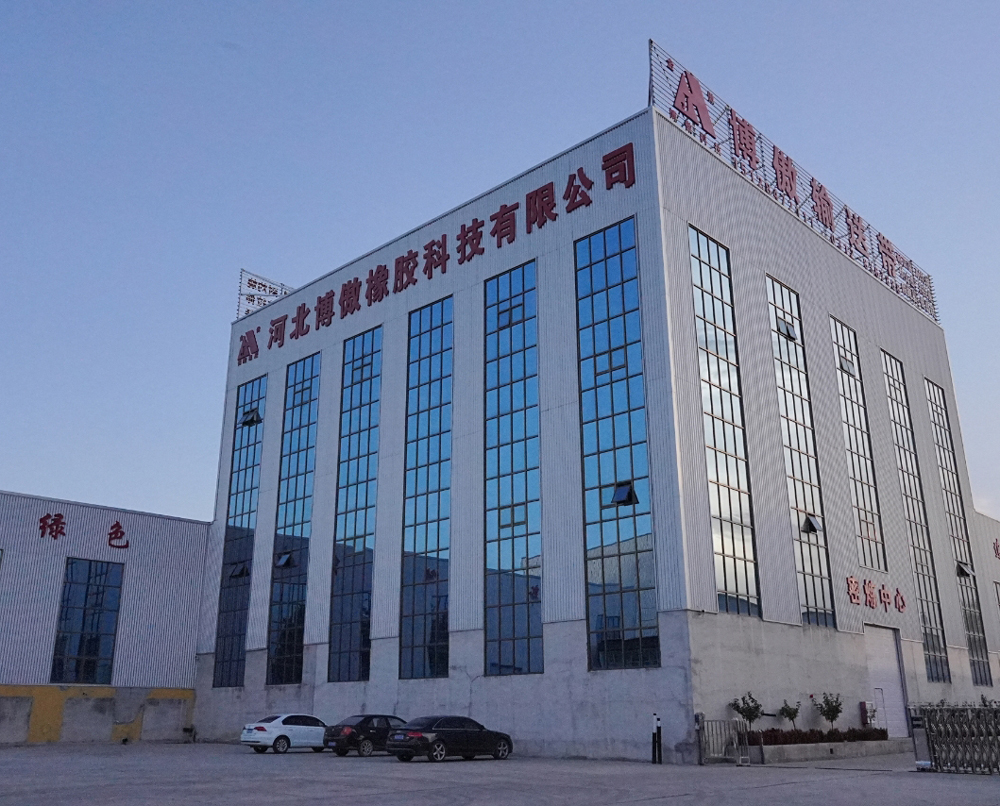
How Hebei Boao Rubber Technology integrates industrial manufacturing capacity, compound technology, and quality control systems to support global operations.
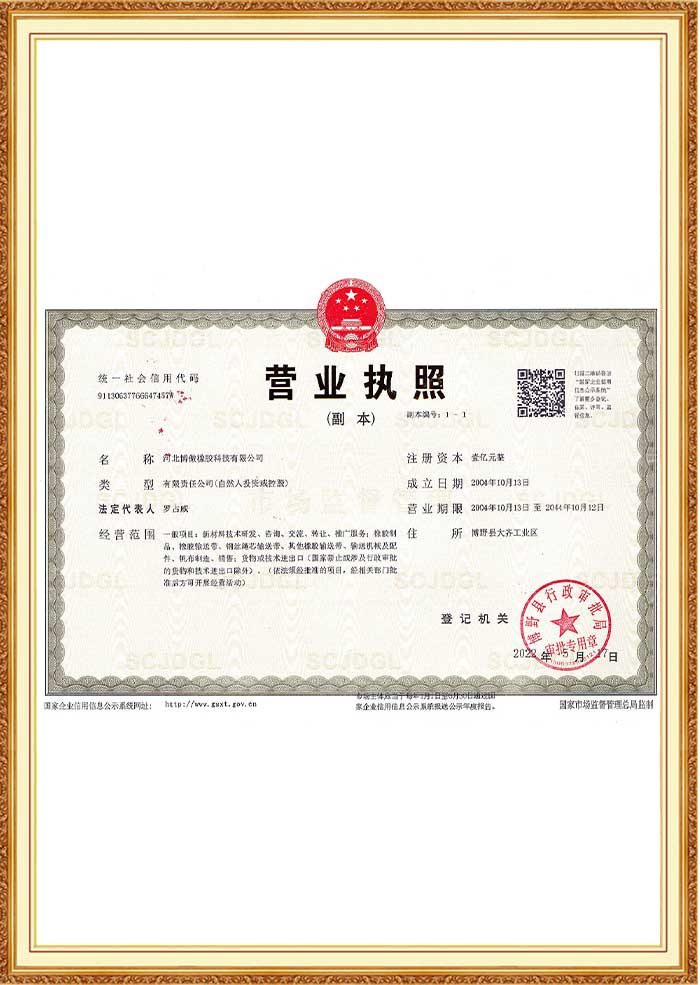
Founded in 2004 in Boye County Rubber Industrial Park, Baoding, Hebei, China, Boao Rubber has developed into an enterprise covering over 30 acres, specializing in "Jinao" brand conveyor accessories and heavy-duty belts.
From compound mixing and rubber calendering to fabric shaping, vulcanization, and test verification, we manage all production stages on advanced machinery lines to help ensure product quality.
We maintain an independent chemical analysis room and physical laboratory. Our testing processes ensure raw materials and finished items meet performance specifications before leaving the facility.
A technical guide to polymer compounds, structural fabrics, and reinforcement cores engineered for challenging bulk handling processes.
| Belt Type Classification | Reinforcement Core | Key Operational Advantages | Typical Industrial Applications |
|---|---|---|---|
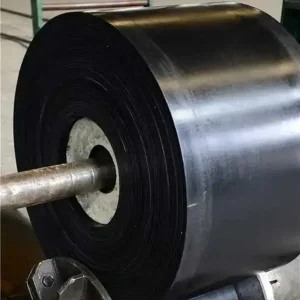
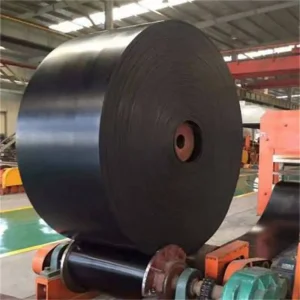
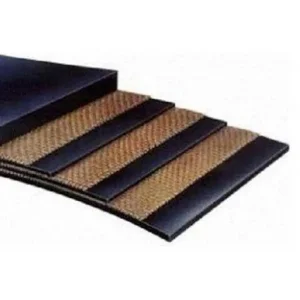
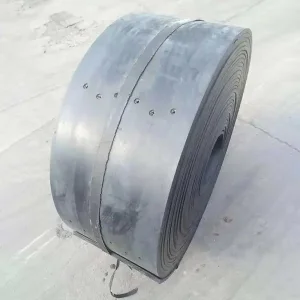
| Layered Fabric Belts (NN, EP, PP) | Polyamide (NN) / Polyester-Nylon (EP) Plies | High tensile strength, minimal elastic stretch, and good flexibility for deep troughing. | Bulk sand, gravel quarrying, iron ore transfer, and cement production. |
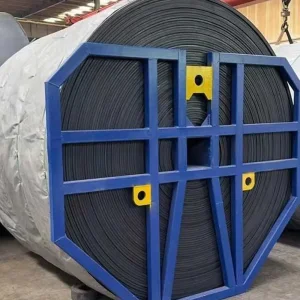
| Steel Wire Rope Core Belts | Zinc-Coated Steel Wire Rope Matrix | High load capacity, tear resistance, and minimal elongation over long distances. | Underground mining operations, steel mills, and port terminals. |
| Flame Retardant Belts | Self-Extinguishing Rubber Compounds | Engineered to limit flame spread, complying with safety codes for explosive environments. | Coal processing, underground mining, and grain storage. |
| Acid & Alkali Resistant Belts | EPDM / Synthetic Elastomer Cover | Designed to resist degradation from chemical exposure, maintaining physical properties. | Chemical processing plants, fertilizer handling, and pulp mills. |
| Patterned & Chevron Belts | Molded Cleats (Herringbone / Convex) | Improves material transport on steep inclines, preventing slide-back of bulk loads. | Steep-angle crop transport, aggregate batching, and waste recycling. |
A conveyor system is an integrated mechanical framework. The performance of the conveyor belt is closely linked with the supporting accessories that manage tension, alignment, and impact.
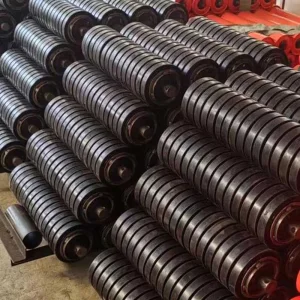
Includes trough-type rollers, steel return rollers, impact-buffering rollers, and self-aligning systems designed to reduce mechanical drag and protect the belt shell.
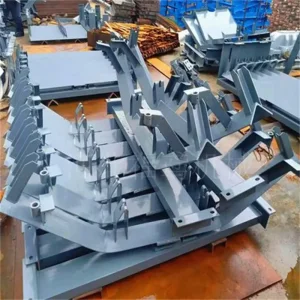
Heavy-duty steel brackets, including trough, self-aligning, tensioning, and centering designs, built to maintain alignment under high load variations.
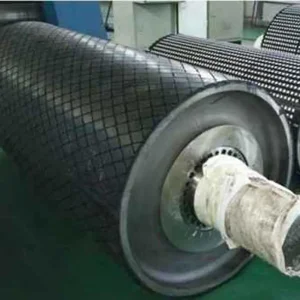
Drive, tail, and snub pulleys with vulcanized rubber or ceramic lagging to improve belt traction, reduce wear, and manage water shedding.
A look at the diagnostic equipment, calendering units, and physical test systems used inside our manufacturing plant.
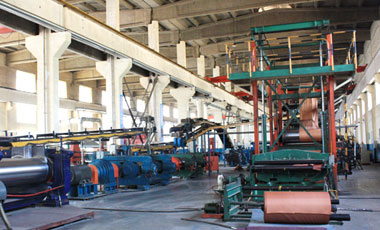
Calendering & Shaping Machine
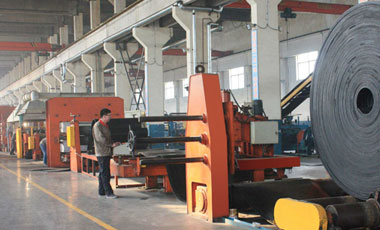
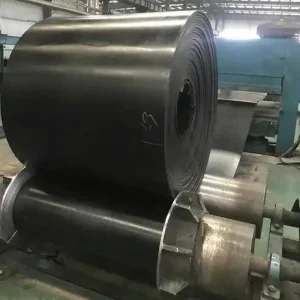
Production Line of Fabric Conveyor Belt
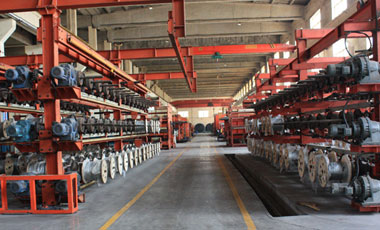
Steel Cord Conveyor Belt Production
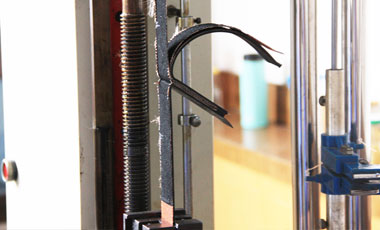
Cover Adhesion Peeling Test
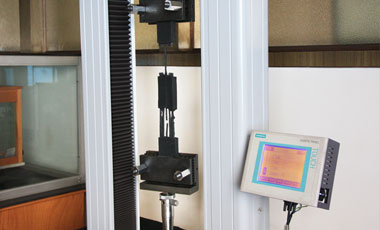
Steel Cord Pull-out Resistance Tester
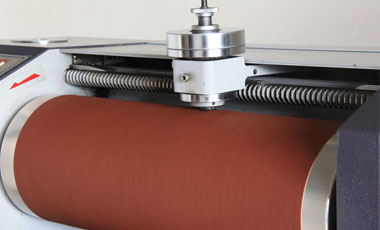
Volumetric Abrasion Wear Tester
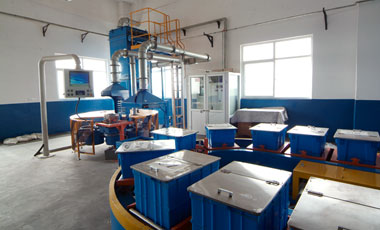
Proportioning Room of Mixing Center
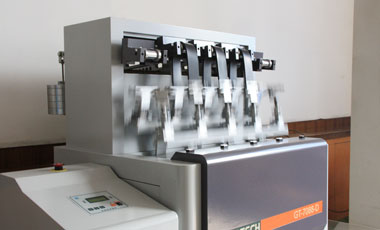
Dynamic Flexing Fatigue Tester
Meeting global engineering standards, safety certifications, and performance testing requirements for bulk materials handling.
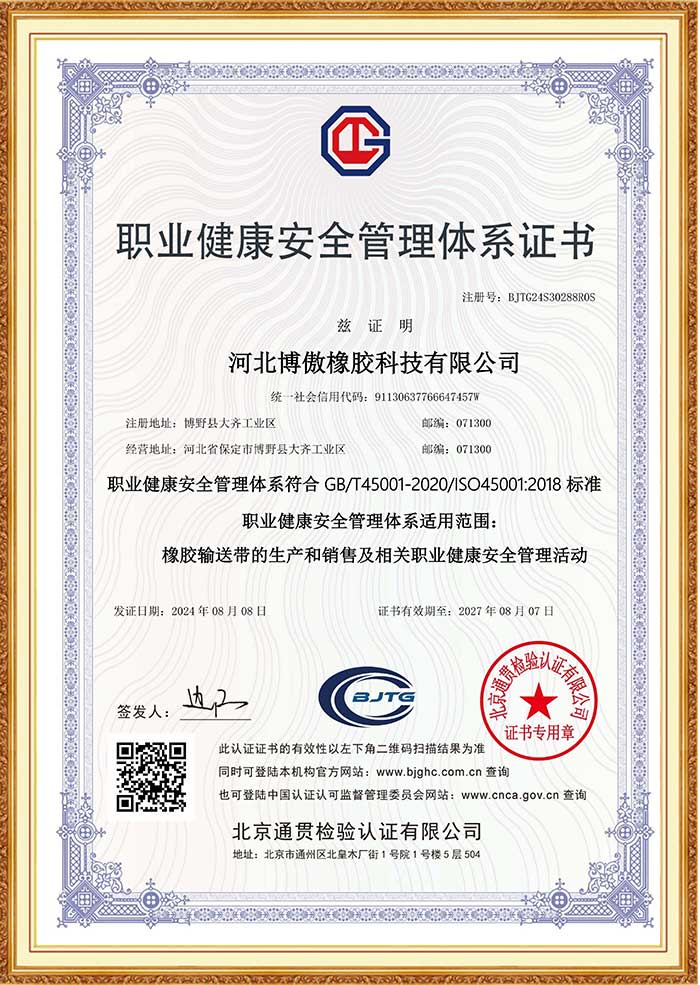
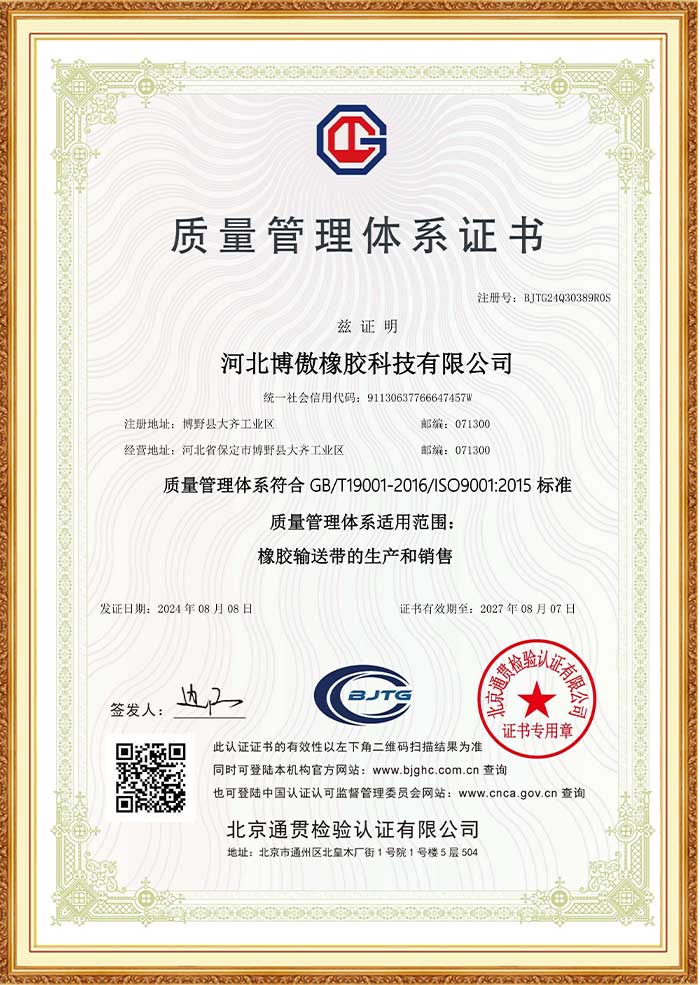
Our manufacturing processes conform to international standards, including ISO 9001 (Quality Management), ISO 14001 (Environmental Systems), ISO 45001 (Occupational Health & Safety), CE markings, API guidelines, and national TS safety criteria.
We run systematic tests on raw materials and finished products: cover tensile strength, ultimate elongation, DIN abrasion loss, steel wire adhesion pull-out resistance, electrical resistance, and flame propagation limits.
We provide engineering support plans, wear-rate tracking, safety stock recommendations, and site-splicing guidance to help facilities maintain runtime and manage maintenance schedules.
Our products support material handling systems across steel works, mine sites, cement plants, and distribution centers.
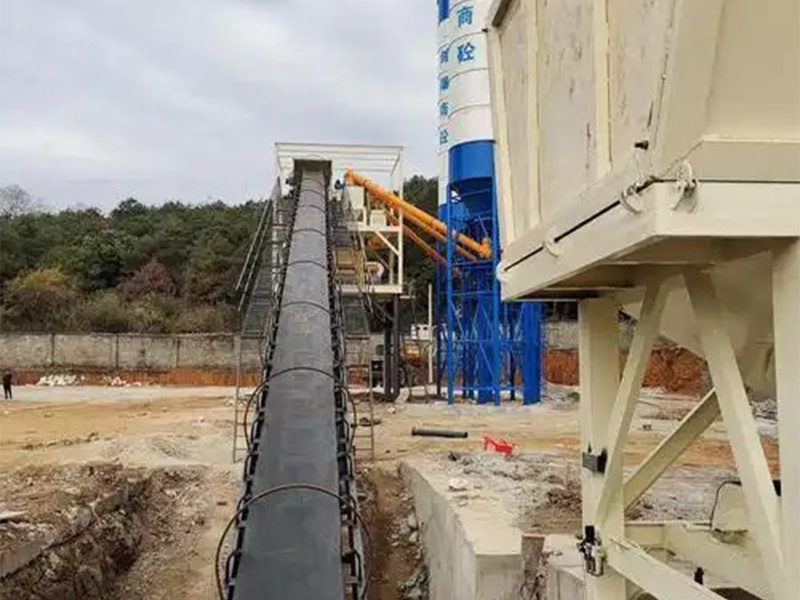
China Railway Group Mixing Plant
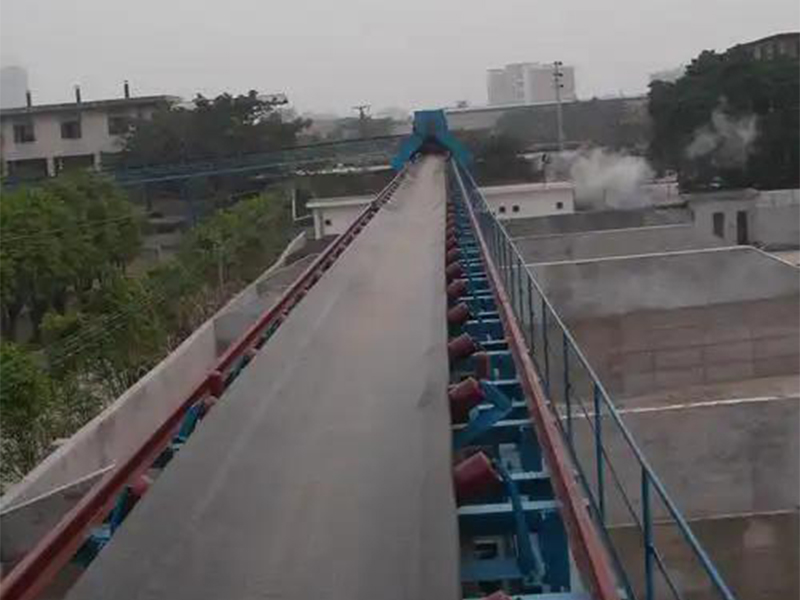
Conch Cement Co., Ltd.
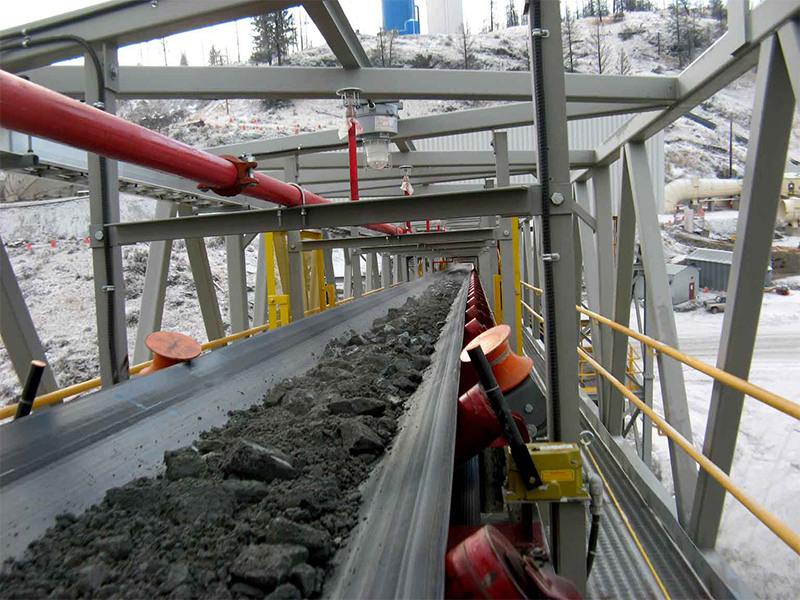
Datong Coal Group
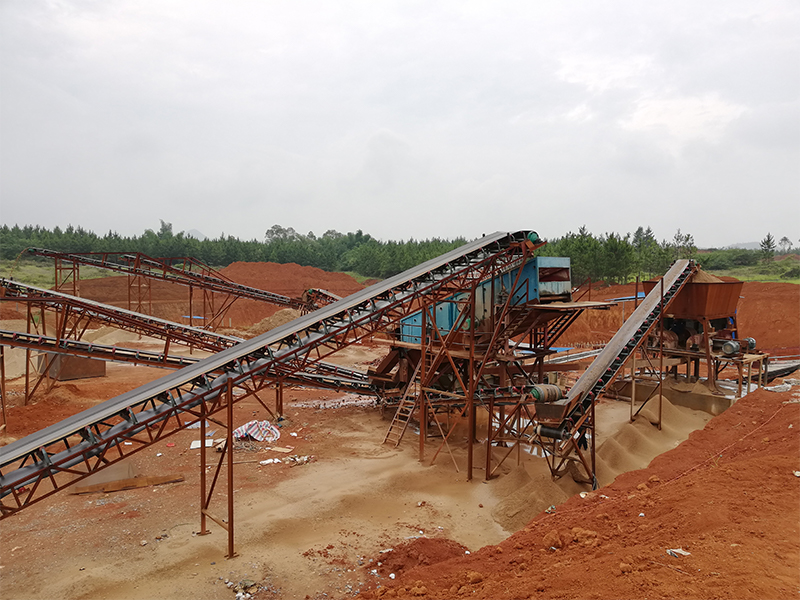
Tsingshan Group Nickel Smelters
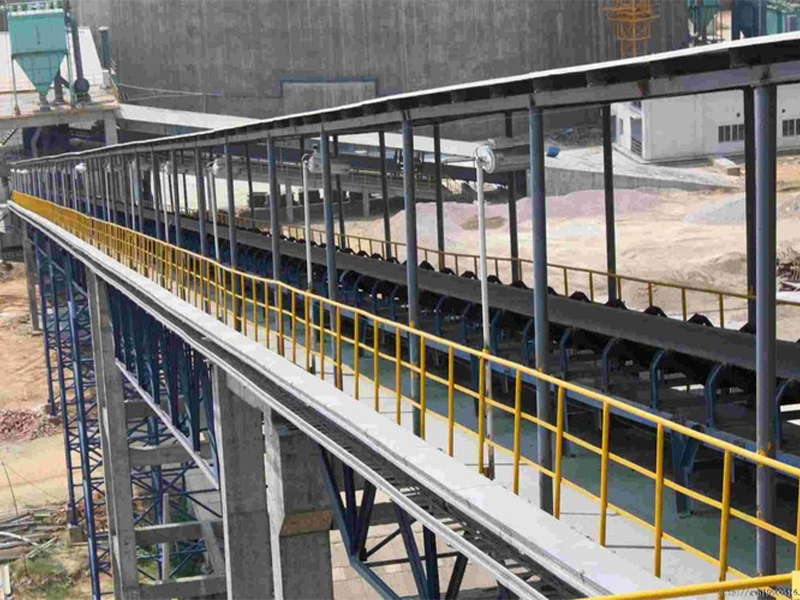
Jidong Cement Group
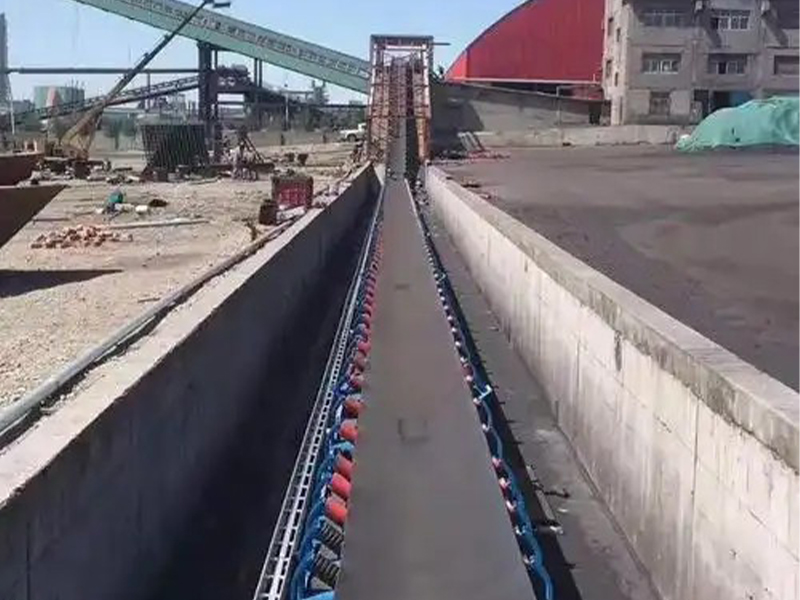
Jinmei Group Coal Conveying Line
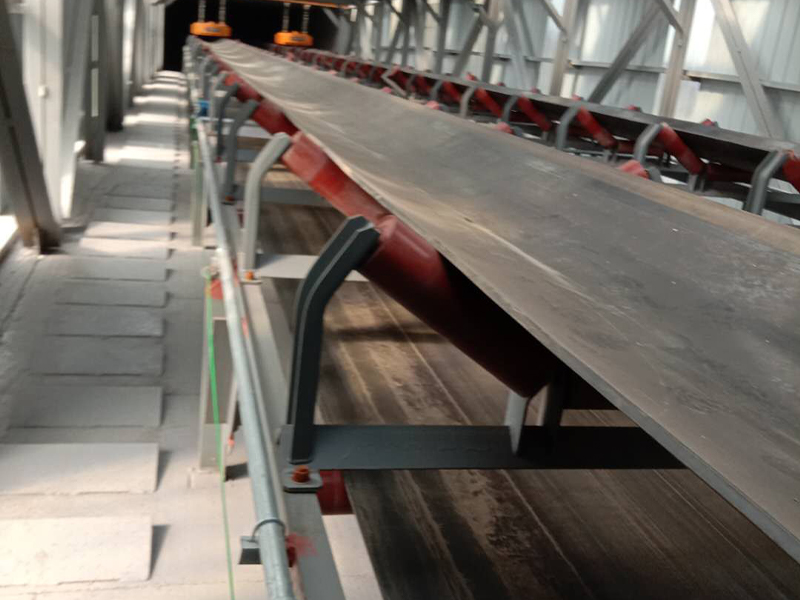
Taihang Iron & Steel Group
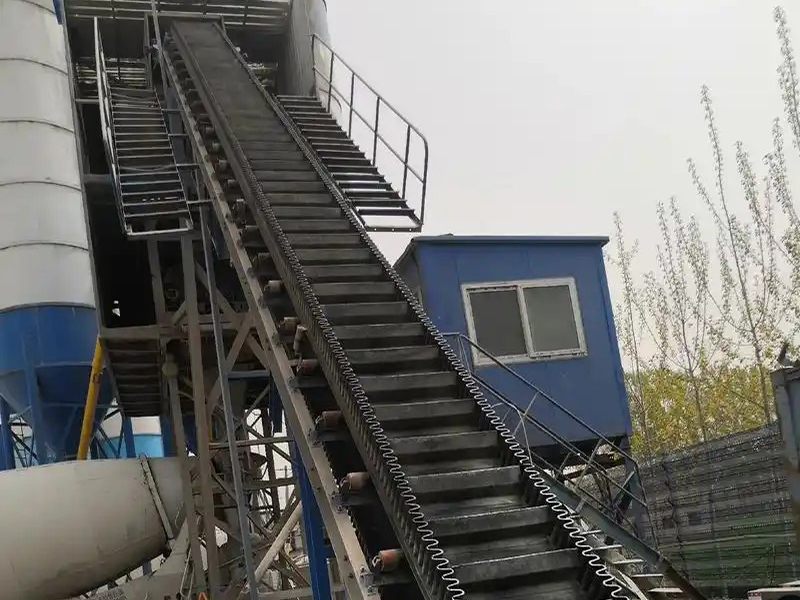
Puyang Steel Group
Technical answers to common questions about selecting, specifying, and sourcing conveyor systems and components.
EP (polyester-warp and polyamide-weft) fabric belts offer high tensile strength, good flexibilty, and low elongation. This makes them suitable for long-distance conveyors where tension stretch needs to be managed. NN fabric belts (polyamide-warp and polyamide-weft) are highly impact resistant and elastic, which helps absorb energy in heavy drop-zones, though they require longer take-up travel due to higher natural stretch.
DIN abrasion wear rates measure the volume loss of a rubber compound under friction testing, expressed in cubic millimeters (e.g., 90 mm³, 120 mm³). A lower value indicates higher wear resistance. When selecting cover thickness (e.g., 6mm top cover + 3mm bottom cover), matching the rubber grade's DIN abrasion rating to the material density and drop-height helps balance belt life against capital costs.
Mistracking is often caused by off-center material loading, poorly aligned structure frames, frozen idler rollers, or incorrect belt tension. Using self-aligning training idlers and ensuring square splices during installation are standard steps to maintain tracking along the conveyor path.
Material drop-zones subject the belt to high impact energy. Standard steel rollers cannot absorb this kinetic energy, which can lead to ply separation or cord breakage. Impact idlers, built with durable rubber rings, compress under load to dissipate shock energy and protect the conveyor belt.
Underground mining safety standards require self-extinguishing covers to prevent friction or electrical fires from propagating. Belts must meet international standards such as ISO 340, EN 12882, or MSHA rules, which test burn duration, glow persistence, and drum friction heat dissipation.
Partner directly with our Hebei factory to optimize your conveyor system components and rubber belt specifications.
Explore our range of heavy-duty conveyor belts, impact-resistant rollers, and supporting accessories built for demanding industrial applications.
 Boao Rubber