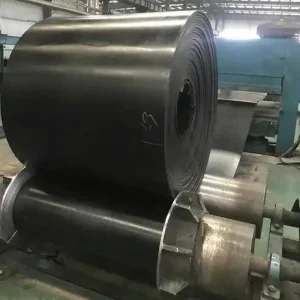
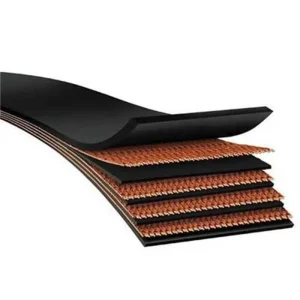
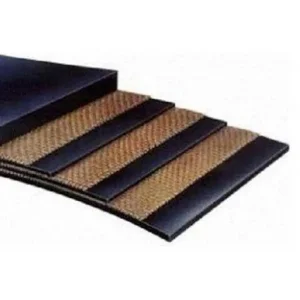
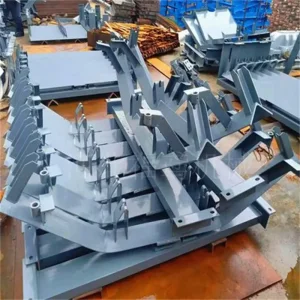
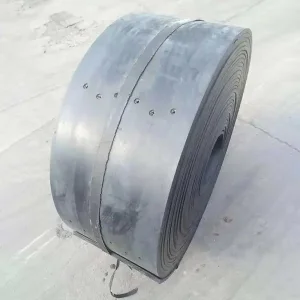
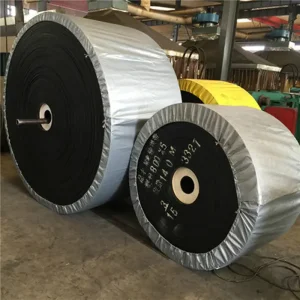
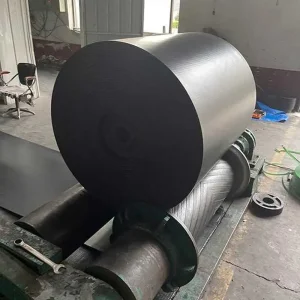
In modern bulk material handling, the term "Layered Conveyor Belt" (often referred to as multi-ply fabric conveyor belting) represents the backbone of high-capacity extraction and transportation lines. Composed of multiple layers of high-tensile fabric cores (primarily EP—Polyester-Polyamide, and NN—Nylon-Nylon), these belts are engineered to provide maximum flex life, outstanding impact load damping, and custom elasticity to suit various industrial architectures.
As global industries move toward extreme environmental conditions, heavy-load handling, and energy-conserving operations, the requirements for layered conveyor belting have expanded from basic movement of aggregate to highly specialized operations. Layered conveyor belt factories are now forced to transition from typical vulcanized assembly lines to automated compounding facilities. This evolution has introduced specialized chemical formulas that integrate synthetic elastomers like EPDM, Butyl rubber, and Nitrile with structural reinforcements. These configurations prevent premature cover wear, interlayer delamination, and heat-induced carcass breakdown.
Current technology demands focus on lower rolling resistance compound configurations to significantly scale down power consumption in long-distance conveyor runs, paired with micro-sensor integrations for real-time carcass stress and rip monitoring.
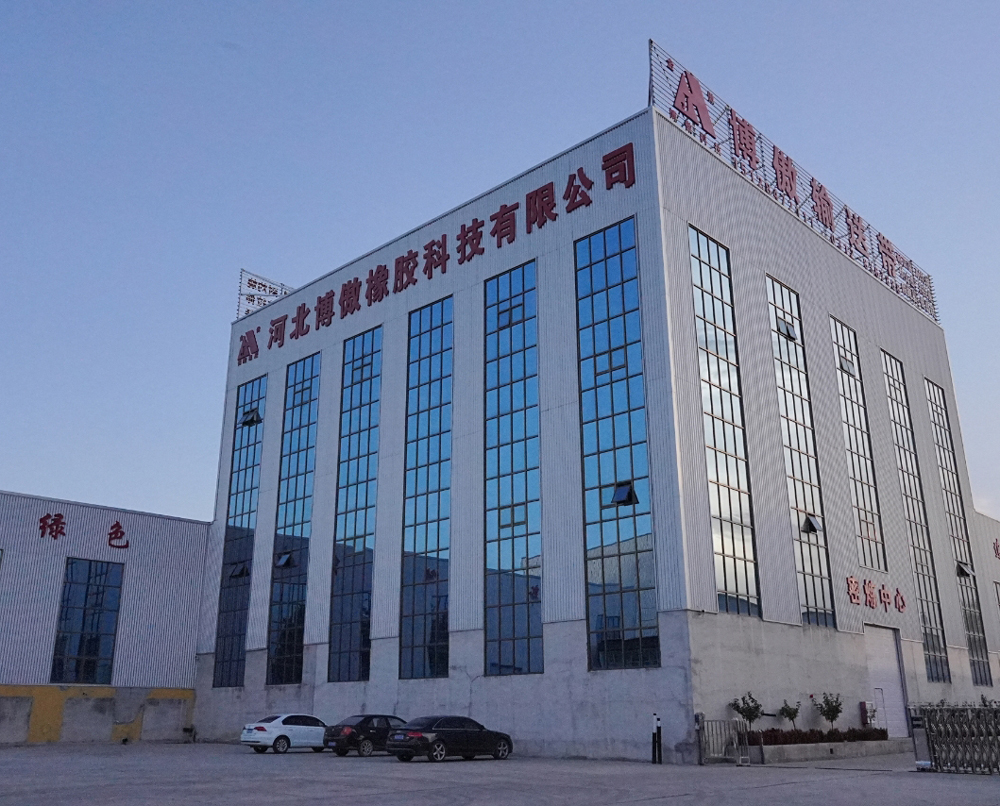
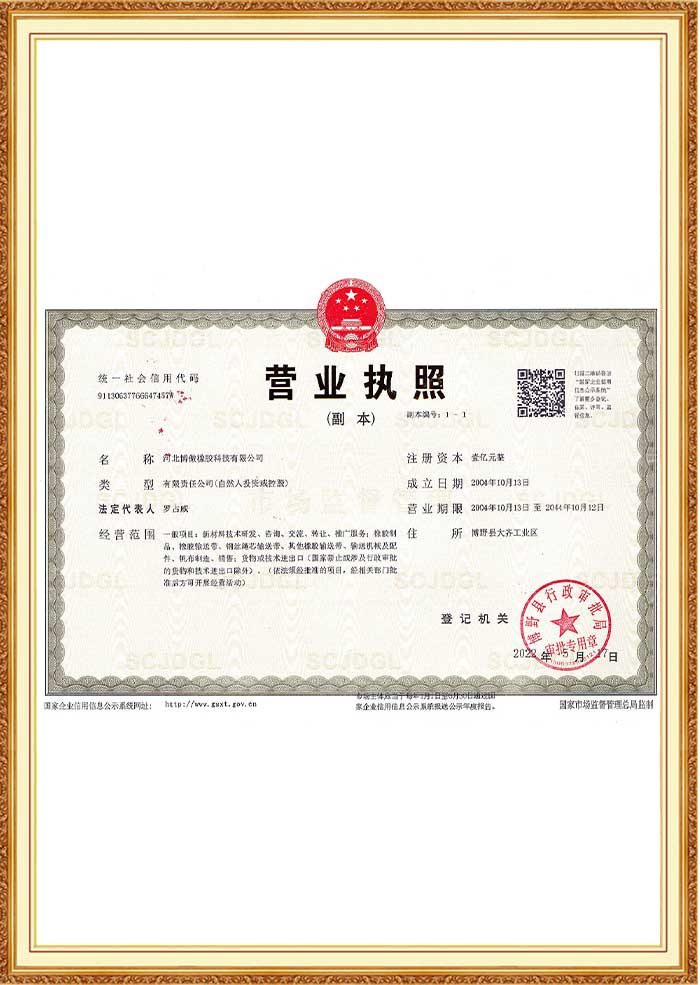
Founded in 2004, Hebei Boao Rubber Technology Co., Ltd. (operating under the signature "Jinao" brand) is located in the Boye County Rubber Industrial Park, Baoding, Hebei Province. As an industry-leading manufacturer, we control every step of production, from raw compound mixing to structural calendering, forming, vulcanizing, and exhaustive laboratory testing.
We operate an independent physical laboratory and chemistry analysis department. Unqualified raw rubber, plasticizers, and fabric rolls are immediately rejected. We maintain a non-compromise standard: raw materials must align with certified tolerances before passing to our mixing center.
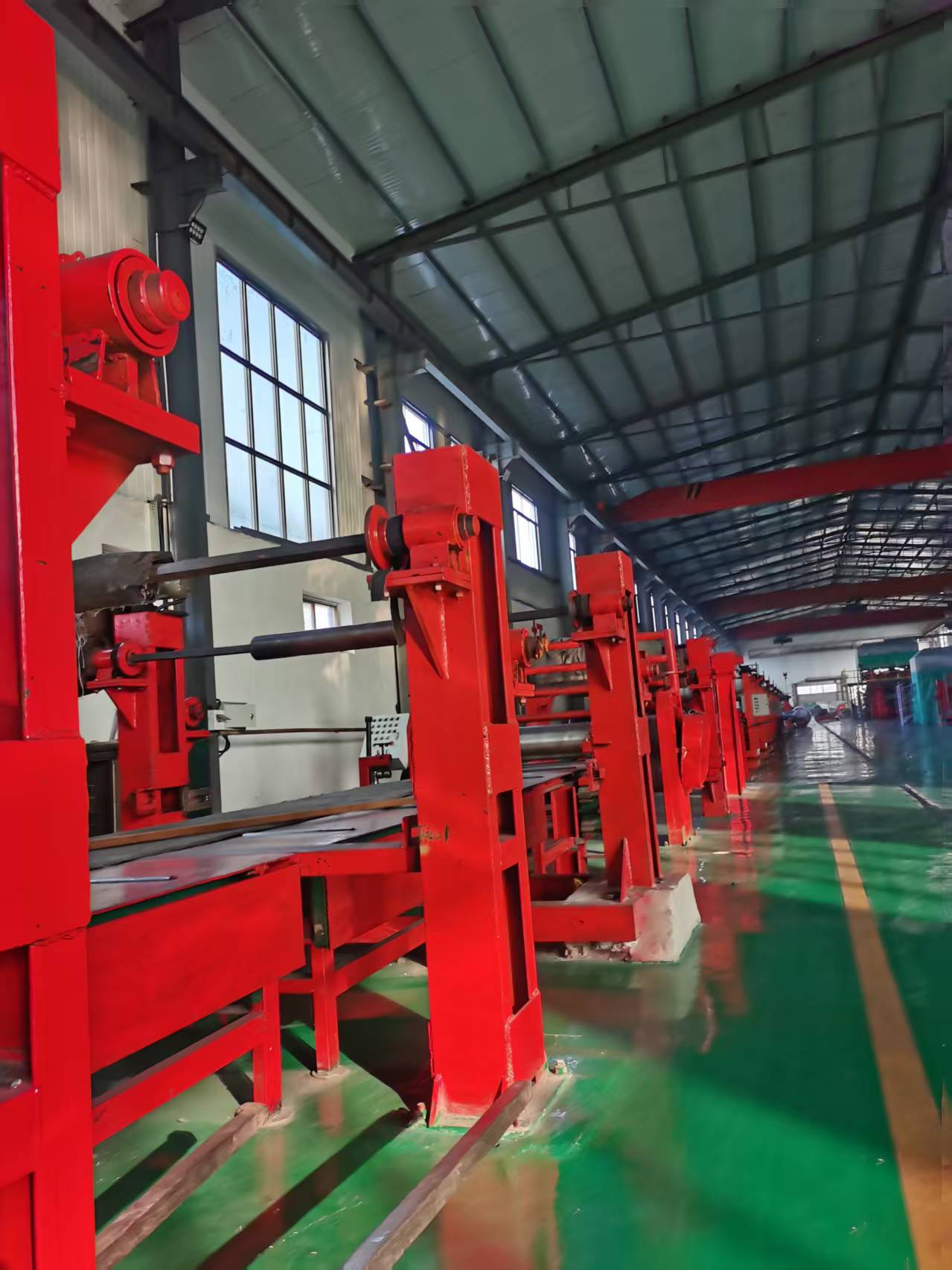
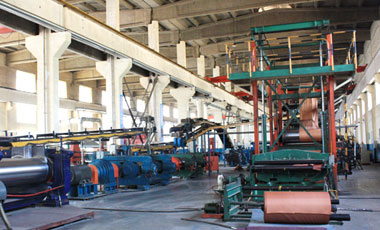
Boao operates advanced equipment lines for calendar-forming, computer-controlled batch proportioning, and hydraulic curing presses. Our modern vulcanizing units guarantee uniform heat and pressure distribution, completely eliminating air pockets and internal structural voids in the belt core.
Backed by robust technical services and proactive after-sales dispatch, Jinao conveyor products are utilized heavily across key national projects, ports, power stations, fertilizer plants, coal hubs, and metallurgical facilities.
To assist design engineers in planning their material handling systems, the below technical specifications cover our standard multi-ply rubber conveyor belt classifications:
| Carcass Type | Tensile Strength (N/mm) | Standard Plies | Max Width (mm) | Common Cover Thickness | Primary Industrial Applications |
|---|---|---|---|---|---|
| EP (Polyester) | 100 - 630 N/mm per ply | 2 - 8 Plies | 2400 mm | Top: 3-8mm / Bottom: 1.5-4.5mm | Mining, Aggregates, Cement, Long-Distance Handling |
| NN (Nylon) | 100 - 500 N/mm per ply | 2 - 8 Plies | 2200 mm | Top: 3-10mm / Bottom: 2-5mm | High-impact chutes, heavy quarrying, crushing feed lines |
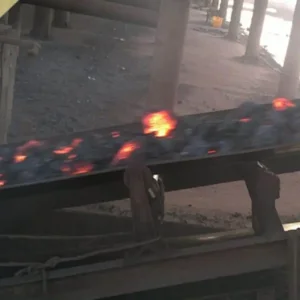
| Heat-Resistant (T150/T200) | 100 - 400 N/mm per ply | 3 - 6 Plies | 2000 mm | Top: 4-8mm / Bottom: 2-4mm | Sintered Ore, Clinker handling, metallurgical plants, fertilizers |
| Flame Retardant (FR/AS) | 125 - 500 N/mm per ply | 3 - 6 Plies | 2200 mm | Top: 3-6mm / Bottom: 1.5-3mm | Underground coal mining, power generation, grain depots |
Industrial sourcing is no longer about checking unit prices. Procurement managers and engineering teams must evaluate the total life-cycle cost (TCO) of their material conveyor belts. A belt failure in a deep quarry or iron ore sinter plant can cost hundreds of thousands of dollars per hour in unscheduled downtime.
Whether dealing with the thermal pressures of cement clinkers (temperatures exceeding 200°C), the high chemical concentrations in acidic and alkaline environments, or the abrasion challenges of granite aggregate processing, our specialized layered conveyor belts provide the solution. We work closely with our partners to supply custom compound mixtures designed for specific operating environments.
By integrating structural elements with custom edge-capping technologies, we minimize edge fraying—a leading cause of premature failure in multi-ply conveyor belts.
Quality is not a slogan; it is verified by state-of-the-art laboratory testing. We inspect each production run against ASTM, DIN, ISO, and GB standards.
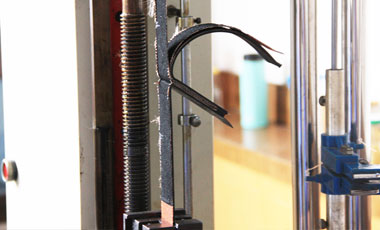
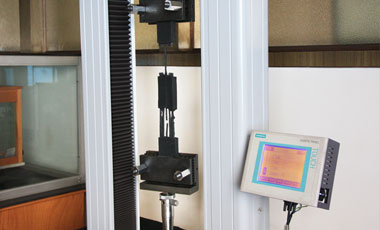
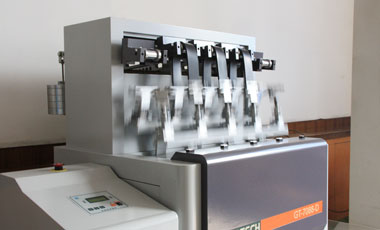
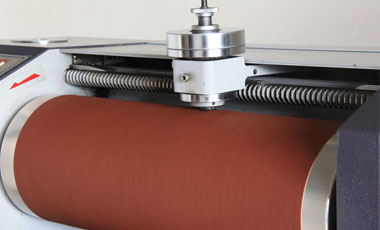
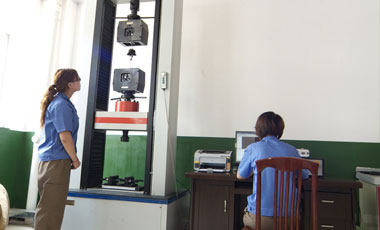
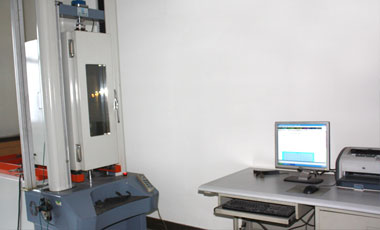
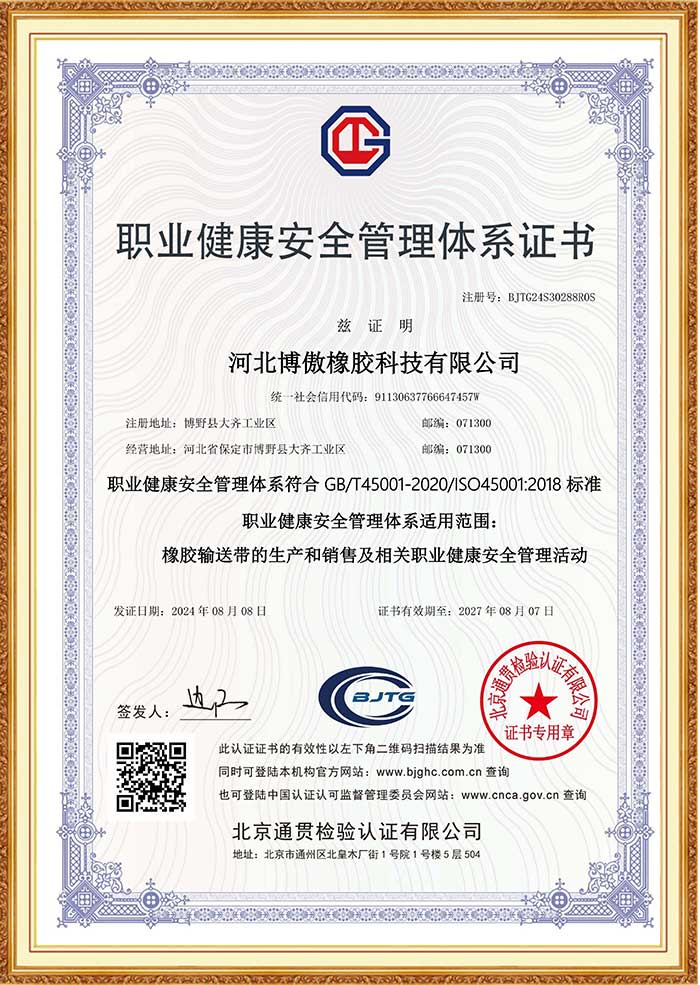
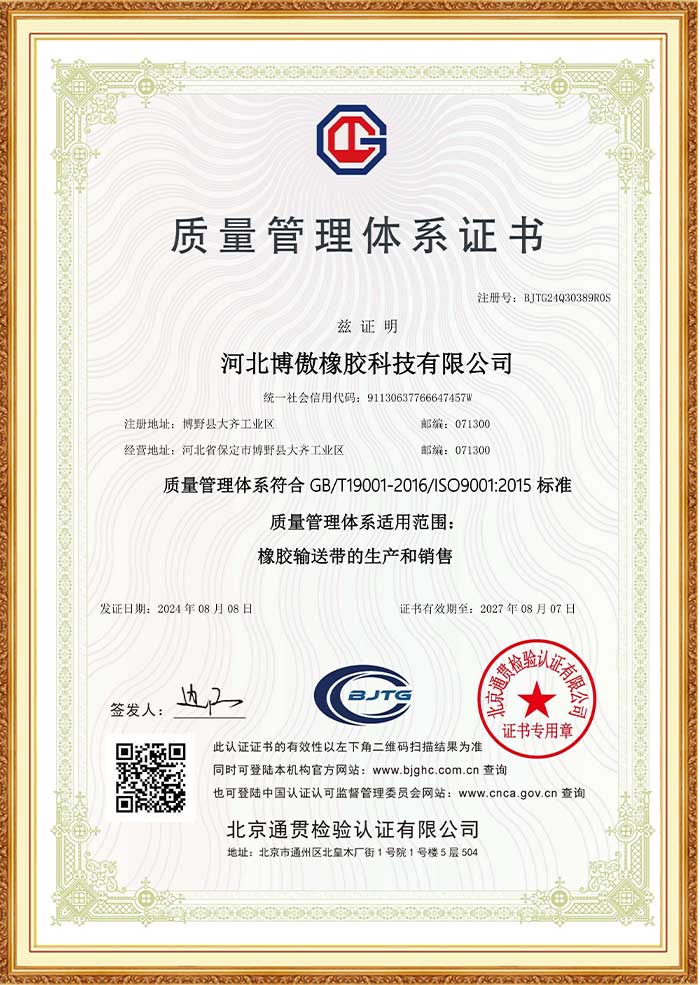
We manufacture our products in compliance with international requirements, including API 6D, API 607, CE, ISO9001, ISO14001, ISO18001, and TS standards. If you need copies of our certificates, please contact our export team directly.
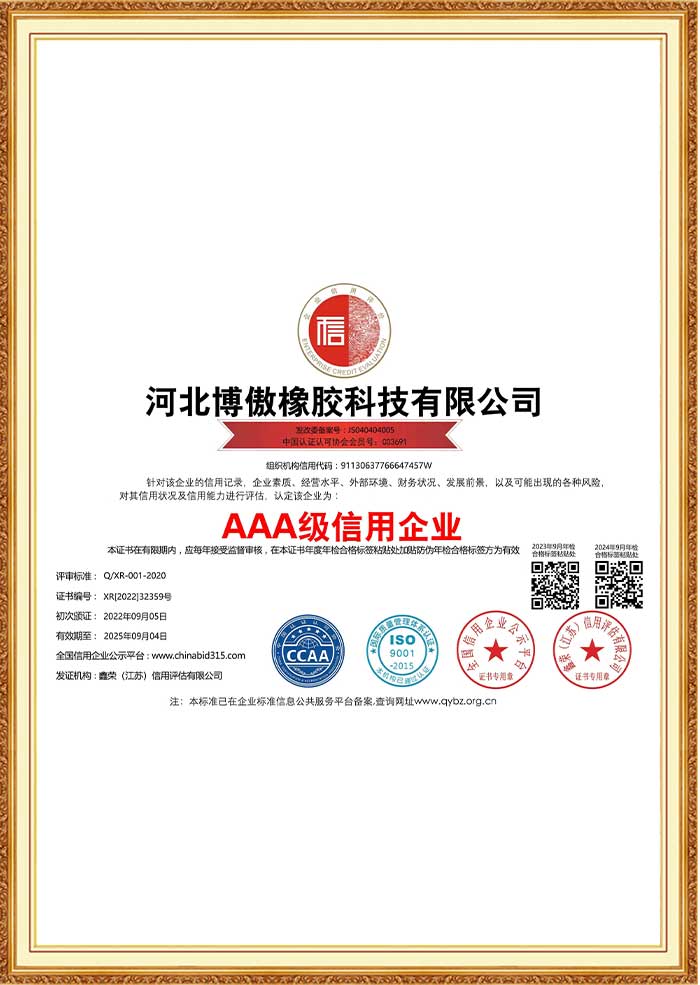
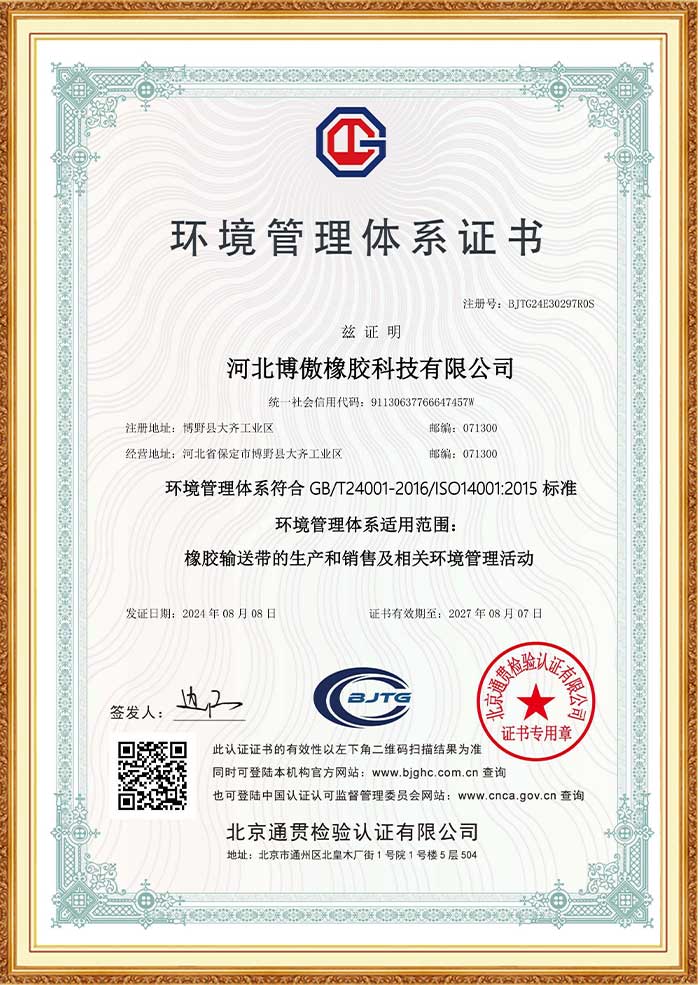
Our "Jinao" conveyor systems operate in demanding mining sectors, metallurgical plants, and heavy bulk hubs. The following partners rely on our products for their daily operations:
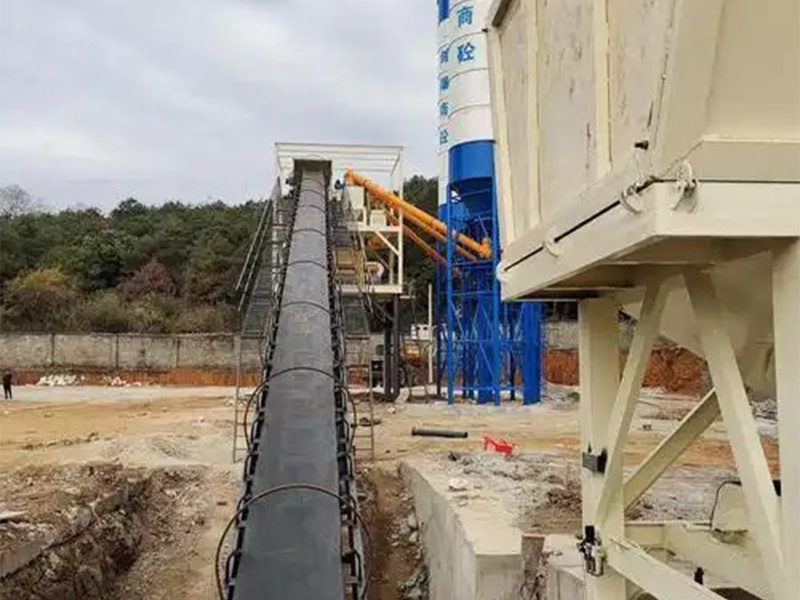
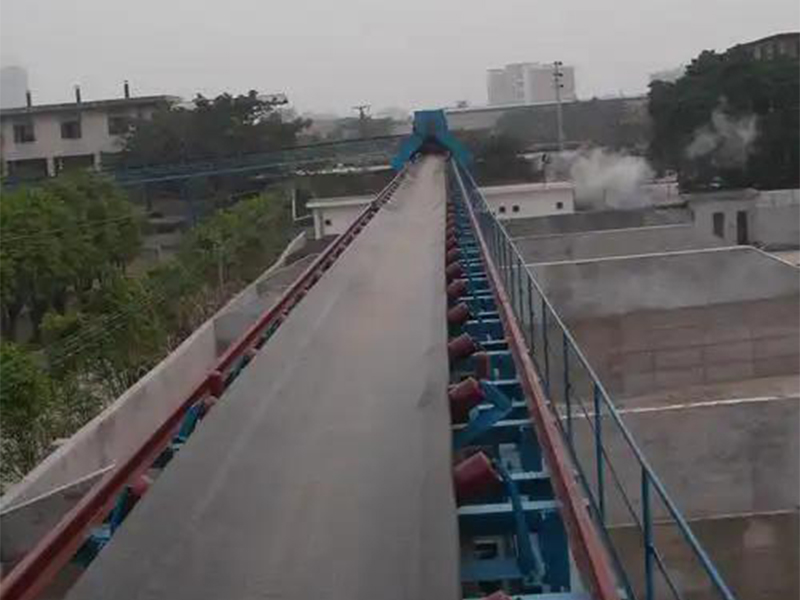
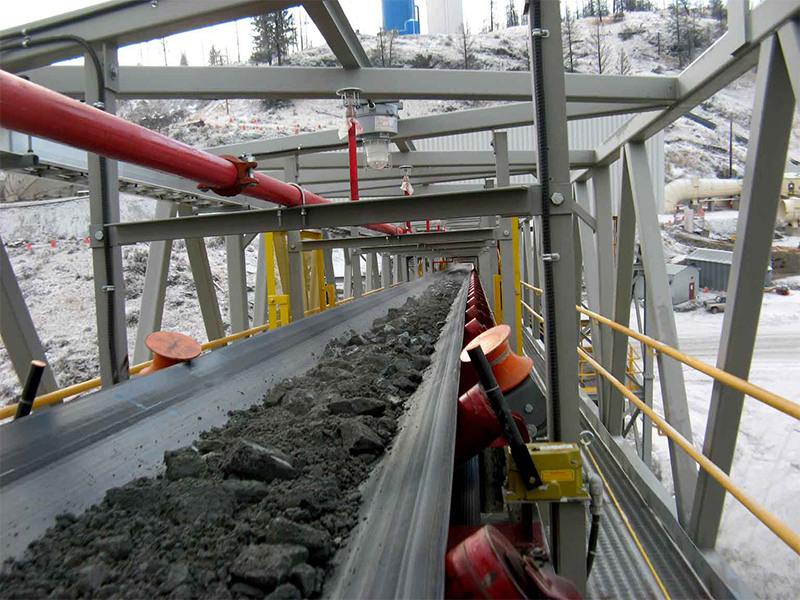
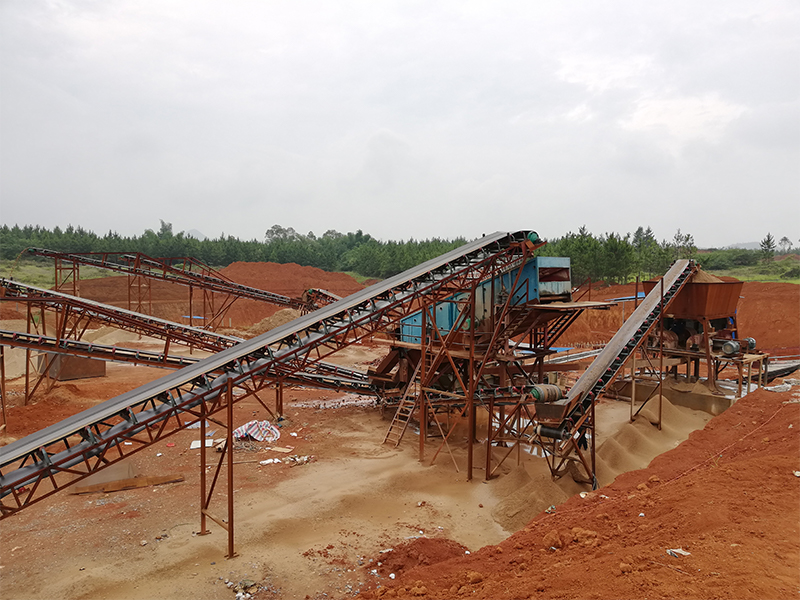
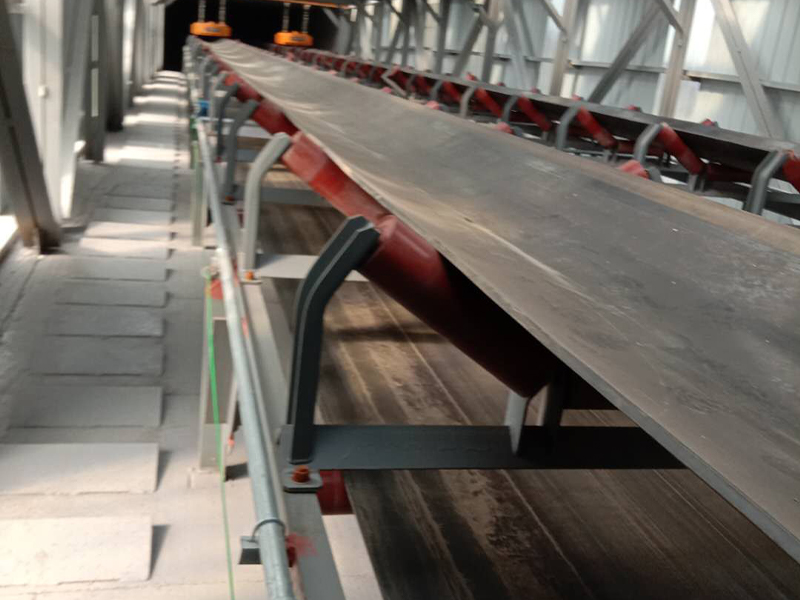
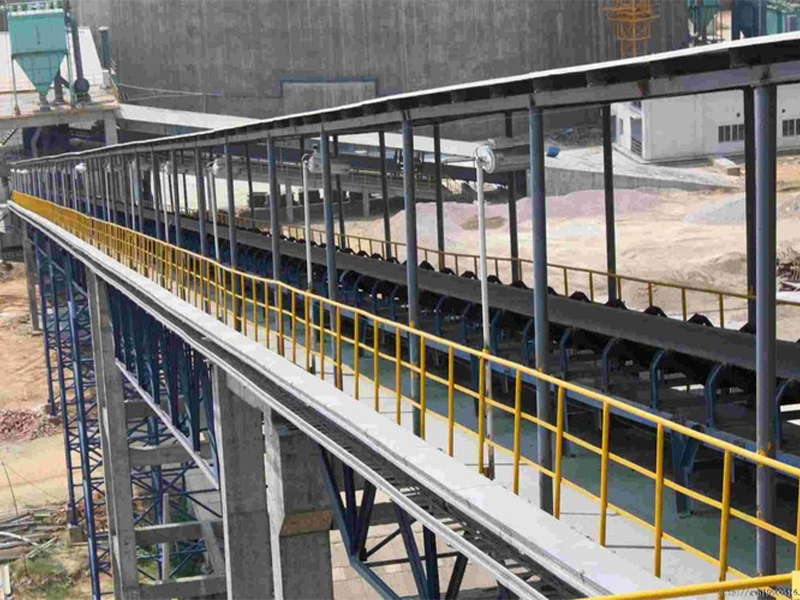
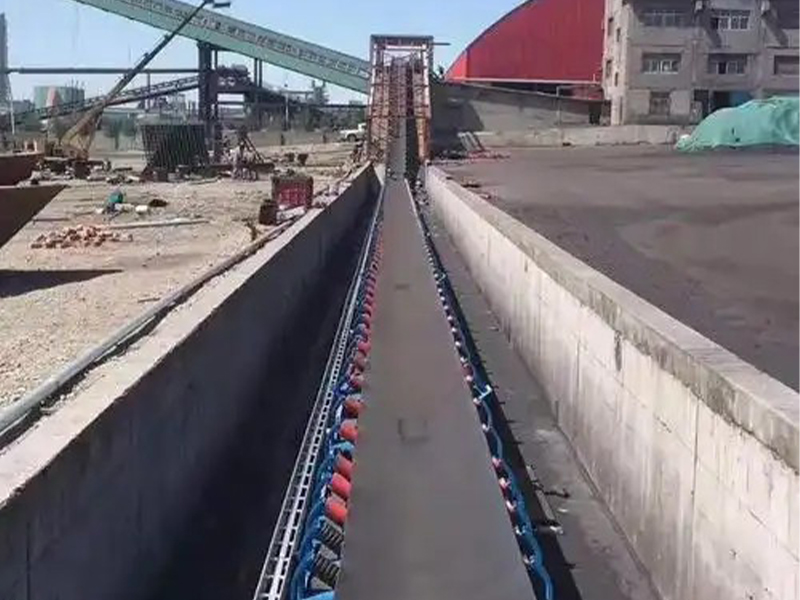
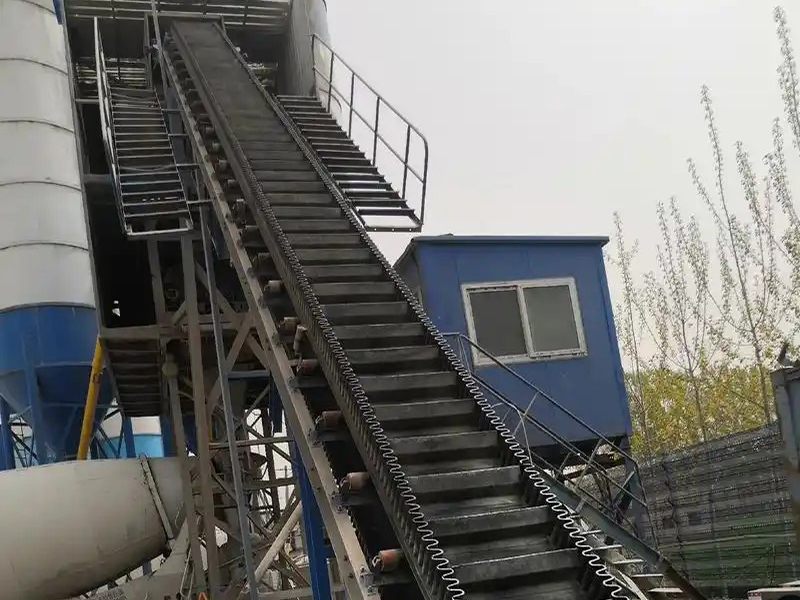
Hebei Boao Rubber provides end-to-end site service contracts, shifting conveyor management from a reactive repair model to a predictive operations standard.
We manage supply loops for high-abrasion conveyor belts and cold/hot vulcanized bonding compounds, keeping safety stock reserves near project sites to minimize emergency lead times.
Our services include on-site vulcanized splicing, steel cable belt repairs, cover repairs, and routine inspections to identify tracking errors before they cause edge wear.
Our goal is to optimize system availability, reduce electrical load draw through precise alignment, and lower total wear costs for the operator.
Hebei Boao continues to focus its research and development on environmental sustainability, high-tensile carcass designs, and smart monitoring technology.
Production scale-up of ultra-low rolling resistance bottom cover compounds, designed to reduce system energy usage on long-distance overland runs by up to 15%.
Integration of conductive rubber loops and RFID-equipped fabric cores to detect cuts and cover separation, triggering automatic shutdown before a complete belt tear occurs.
Implementation of bio-sourced plasticizers and devulcanized recycled rubber structures to lower our product carbon footprint while maintaining core adhesion strength.
 Boao Rubber