Product Comparison
▶
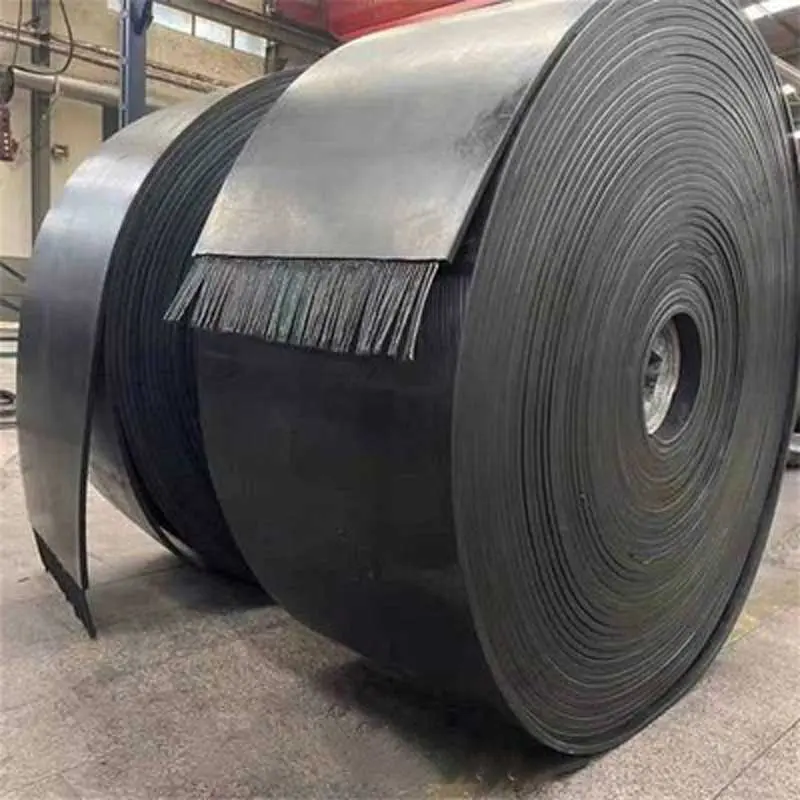
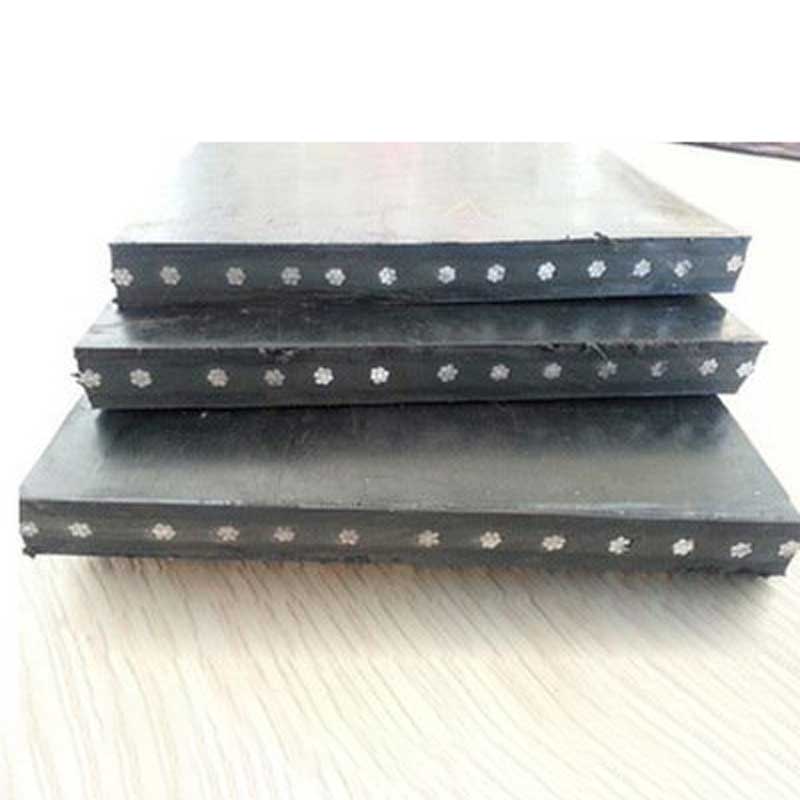
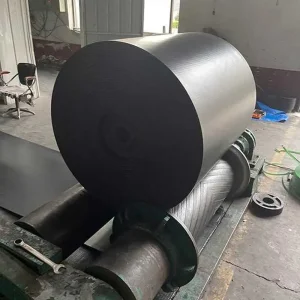
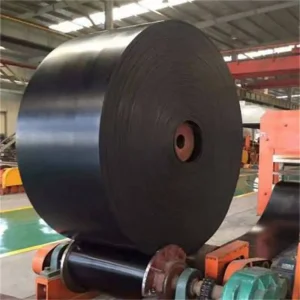
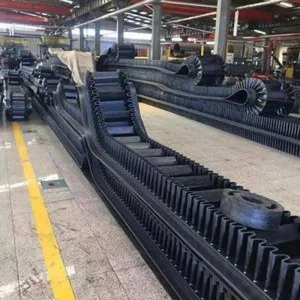
Folding Ordinary Structural Steel Wire Rope Core Conveyor Belt Features
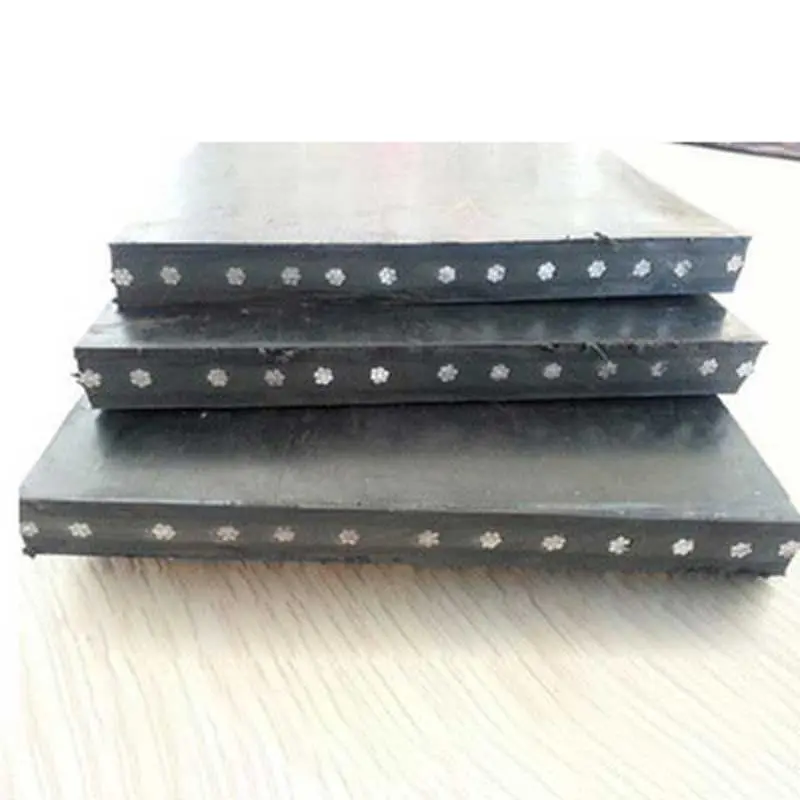
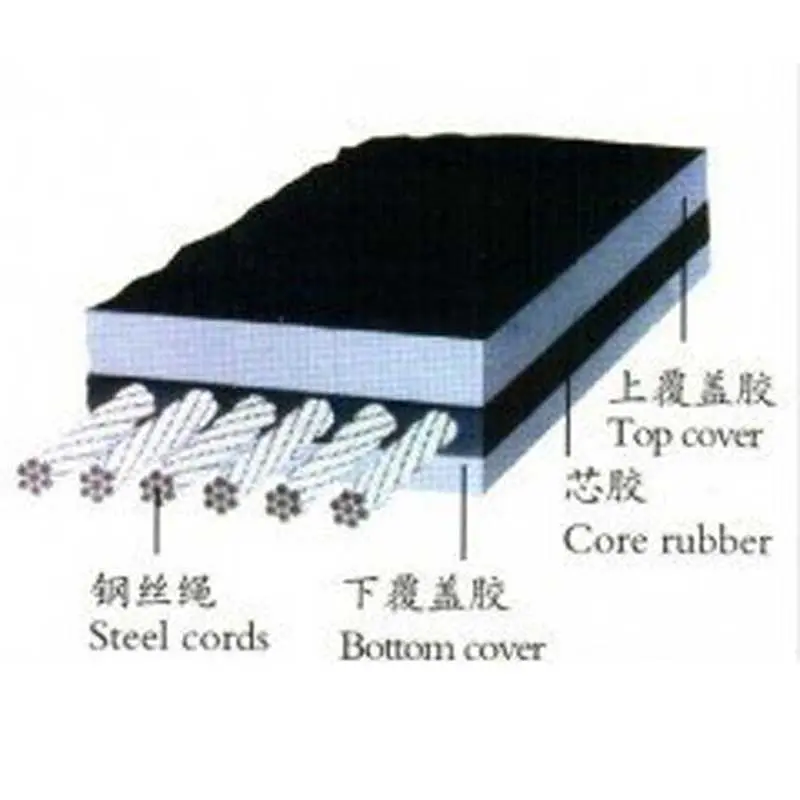
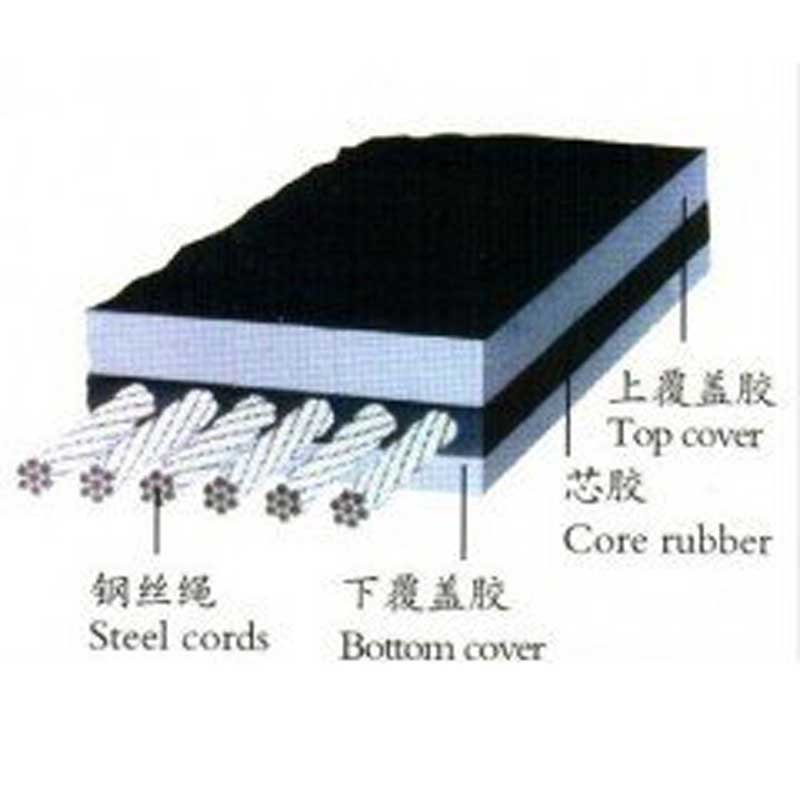
Adopting a new type of structural steel wire rope as the tensile body, it has high tensile strength, low elongation, good groove forming ability, and good bending flexibility, suitable for long-distance, high-capacity, and high-speed material transportation.
▶
Characteristics of Rubber Penetration in New Structural Steel Wire Rope
The core adhesive has sufficient penetration space to enter between each strand, and the bonding strength between rubber and steel wire rope is high, with good rust resistance, alleviating mutual shear and twisting between strands, and excellent dynamic fatigue resistance, giving the product a longer service life.
▶
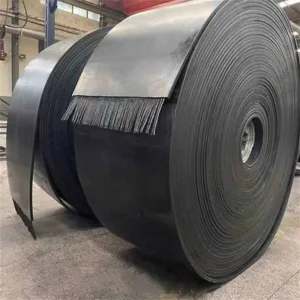
Tear Resistant (Horizontally Reinforced) Steel Wire Rope Core Conveyor Belt
Structure: A new type of steel wire rope is used as the tensile body, with one or both sides perpendicular to the longitudinal steel wire rope, and reinforcement layers such as steel wire rope, steel wire cord, fiber rope, and fiber fabric evenly laid horizontally.
Frequently Asked Questions
Q
What makes steel wire rope core conveyor belts suitable for long-distance transportation?
Steel wire rope core conveyor belts feature high tensile strength and low elongation, which makes them ideal for single-machine large-span and long-distance transportation. The uniformly arranged steel wire ropes ensure consistent tension and smooth, stable operation over extended distances.
Q
How does rubber penetration enhance the performance of the conveyor belt?
The new structural design provides sufficient space for core adhesive to penetrate between each strand of the wire rope. This results in high bonding strength between the rubber and steel wire rope, excellent rust resistance, reduced mutual shear and twisting between strands, and superior dynamic fatigue resistance — all contributing to a significantly longer service life.
Q
What is the purpose of the horizontally reinforced (tear-resistant) design?
The tear-resistant design incorporates reinforcement layers — such as steel wire rope, steel wire cord, fiber rope, and fiber fabric — laid horizontally perpendicular to the longitudinal steel wire rope. This structure greatly improves the belt's resistance to transverse tearing and impact damage during heavy-duty operations.
Q
Why is the grooving ability of the belt important for material transportation?
Good grooving ability allows the belt to form deep grooves easily, which increases the volume of material it can carry in a single pass. This also helps keep materials centered on the belt and significantly reduces the risk of spillage or scatter during operation.
Q
How does X-ray inspection help maintain conveyor belt safety?
X-ray inspection allows operators to detect internal structural defects — such as broken wire ropes or hidden damage — that are not visible from the surface. This non-destructive testing method enables early identification of potential failures, helping to prevent safety accidents and unplanned downtime.
Q
What are the advantages of galvanized steel wire rope in conveyor belt construction?
Galvanized steel wire rope provides a protective zinc coating that significantly enhances rust and corrosion resistance, especially in humid or chemically active environments. When combined with high-adhesion rubber compounds, the galvanized surface achieves strong bonding performance, impact resistance, and a long operational service life without delamination or rope exposure.
 Boao Rubber