Explore our elite range of custom vulcanized rubber sheets, high-strength fabric plies, and reinforced impact components designed for continuous operating loads.
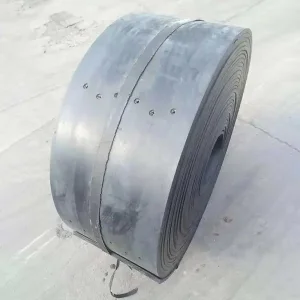
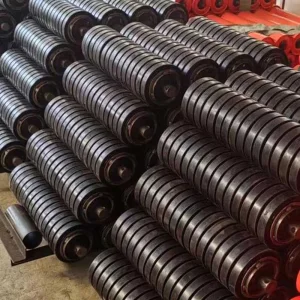
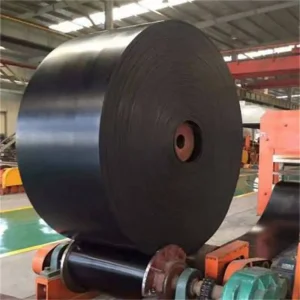
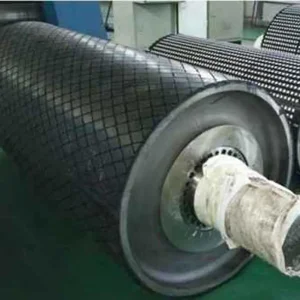
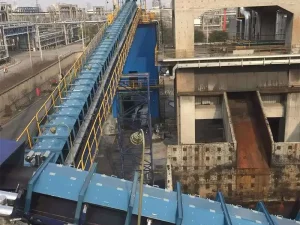
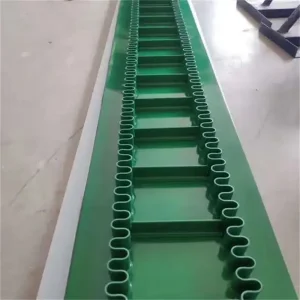
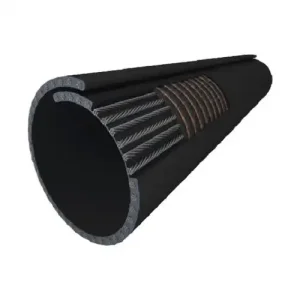
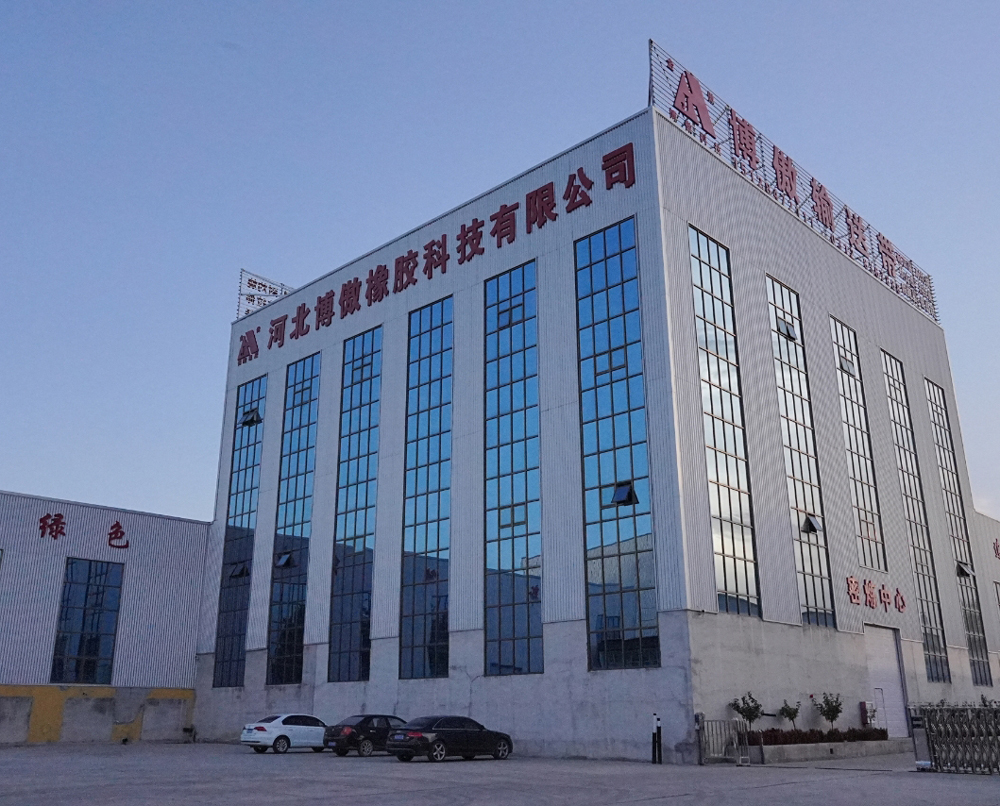
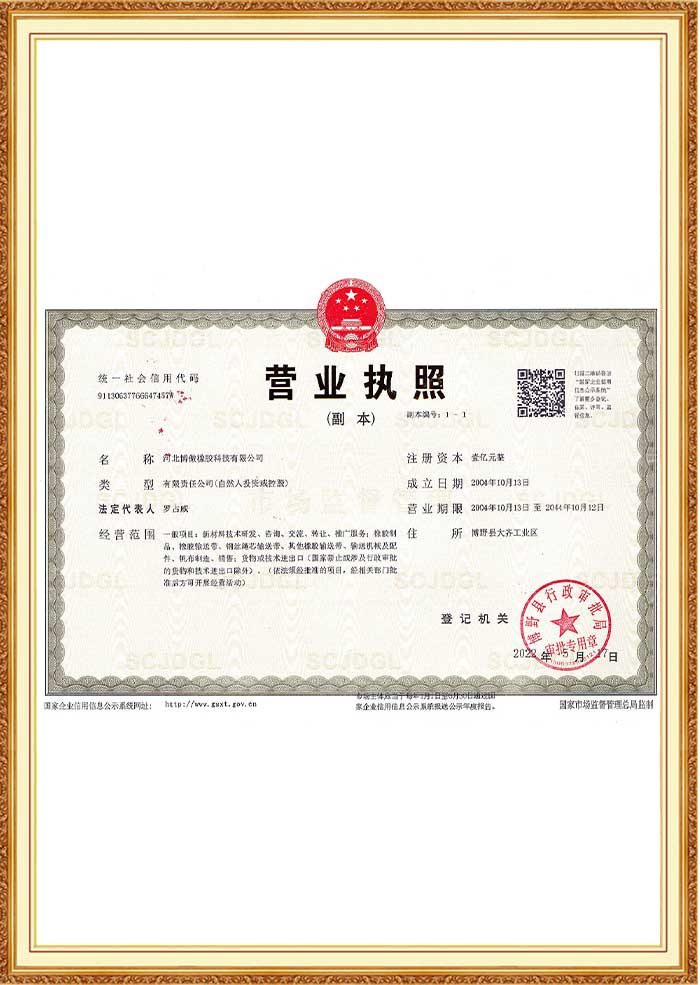
Founded in 2004 and operating within the specialized Rubber Industrial Park of Boye County, Baoding, Hebei Province, Hebei Boao Rubber Technology Co., Ltd. stands as a premier design, manufacturing, and technical research center for heavy-duty conveyor belt configurations and mechanical accessories. Under our trusted proprietary brand "Jinao", we have committed more than two decades to overcoming the complex wear challenges faced by extraction, processing, and handling industries.
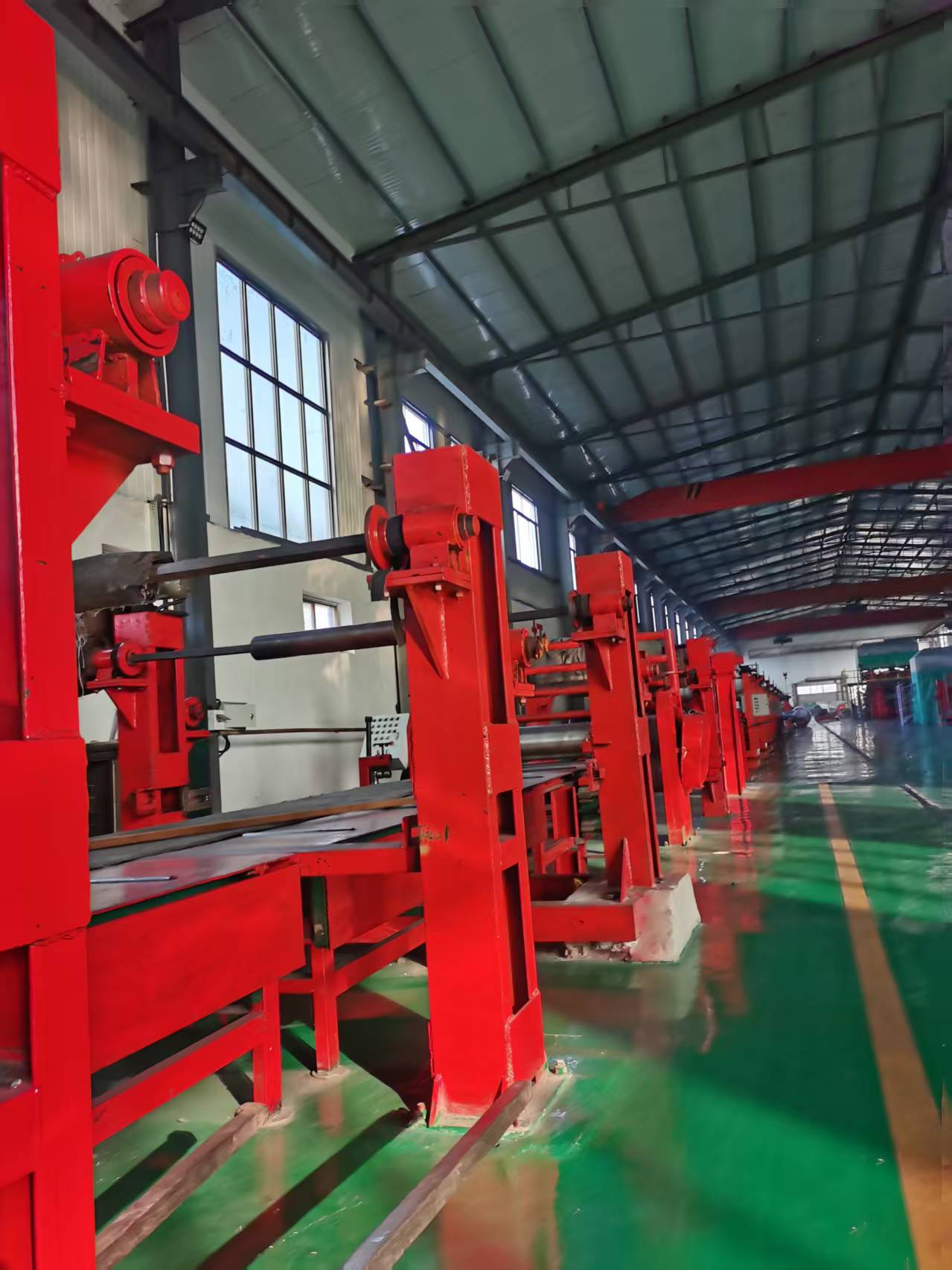
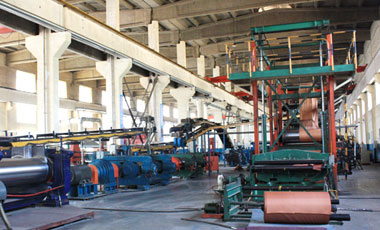
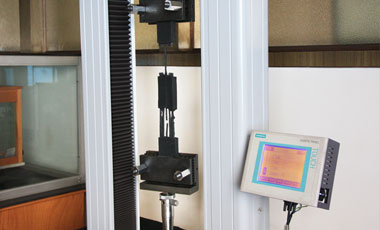
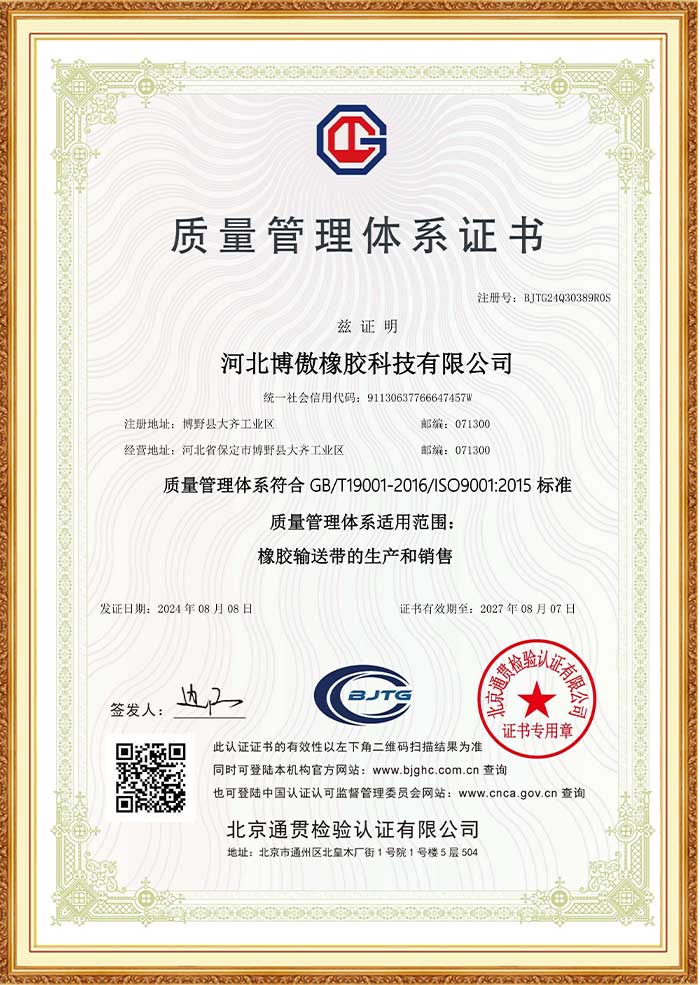
Equipped with state-of-the-art continuous mixing centers, multi-roll calendering lines, advanced vulcanizing presses, and a comprehensive raw-material-to-finished-product laboratory, our organization maintains strict conformance to global criteria. Our quality management system has successfully passed ISO9001 certifications in a single audit, ensuring that every square meter of rubber sheeting or conveyor ply leaving our facility has undergone rigorous verification.
An authoritative deep-dive into the material science, global procurement requirements, and application configurations of rubber sheets in high-wear modern systems.
In modern bulk logistics, the demands placed on material handling networks have expanded exponentially. No longer are simple mechanical systems sufficient. Global infrastructure operations—ranging from deep-pit iron ore mines in Australia to high-volume coal processing ports in Indonesia—require conveyor rubber sheets capable of withstand extreme dynamic loads, physical shearing, chemical corrosion, and intense heat degradation. The global market is rapidly shifting toward high-compounding formulations where custom SBR (Styrene Butadiene Rubber), NBR (Nitrile Butadiene Rubber), EPDM (Ethylene Propylene Diene Monomer), and premium natural rubber matrices are blended to maximize elongation at break, tear resistance, and tensile durability.
The lifetime of a conveyor rubber sheet is directly proportional to its vulcanization quality and reinforcement architecture. To withstand continuous abrasive impacts, the rubber compound must possess a tailored viscoelastic response. When sharp rocks or coarse aggregate hit the belt surface, a high-quality conveyor rubber sheet disperses the kinetic impact energy laterally rather than absorbing it locally as micro-fractures. We analyze rubber compound properties using standardized metrics:
Evaluating volume loss under defined abrasive stress. Standard products are kept below 150mm³ loss, while premium heavy-wear grades achieve below 90mm³ loss (DIN W/X criteria).
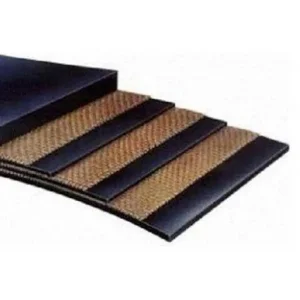
Ensuring multi-layer carcass structures (using premium EP polyester-nylon or NN nylon-nylon fabric) do not delaminate under tensile stresses exceeding 24 MPa.
Providing flexibility of up to 450% elongation to manage rapid transition angles, mechanical trough configurations, and dynamic impact damping.
China's smart industrial upgrading has transformed manufacturers like Hebei Boao into high-precision, low-deviation operations. Our factory integrates real-time digital compounding systems in our mixing center. The computerized raw material proportioning room measures elastomers, carbon blacks, accelerators, and plasticizers down to sub-gram tolerances, preventing structural inconsistencies. Our advanced calendering and shaping lines execute uniform pressure profiling across the rubber width, ensuring no micro-voids or localized thinnings exist. The digital continuous vulcanizers manage constant thermal curves, preventing under-curing (which leads to rapid rubber tearing) or over-curing (which leads to surface embrittlement).
Our Jinao brand components deliver operational continuity across high-stress installations globally. Discover our proven case records.
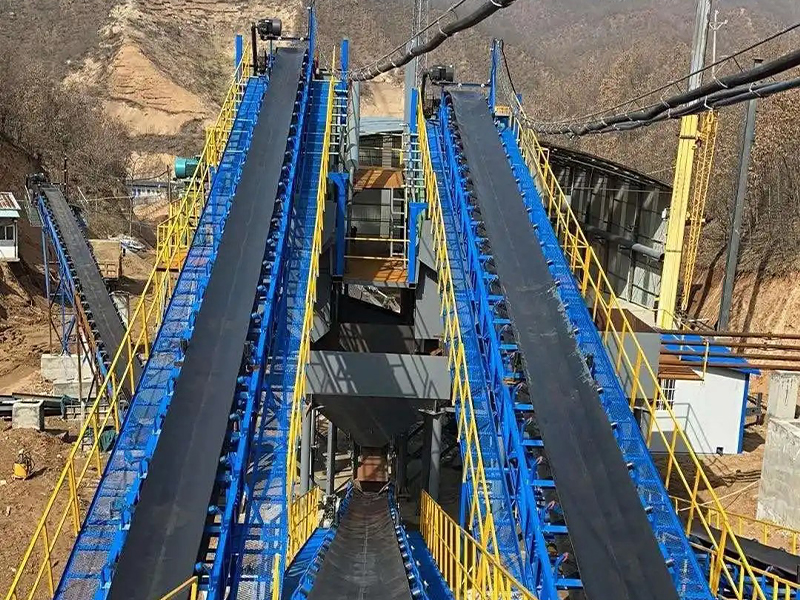
Supplying high-strength steel cord reinforced rubber belting to withstand severe impact from abrasive primary crusher discharge containing mineral ores.
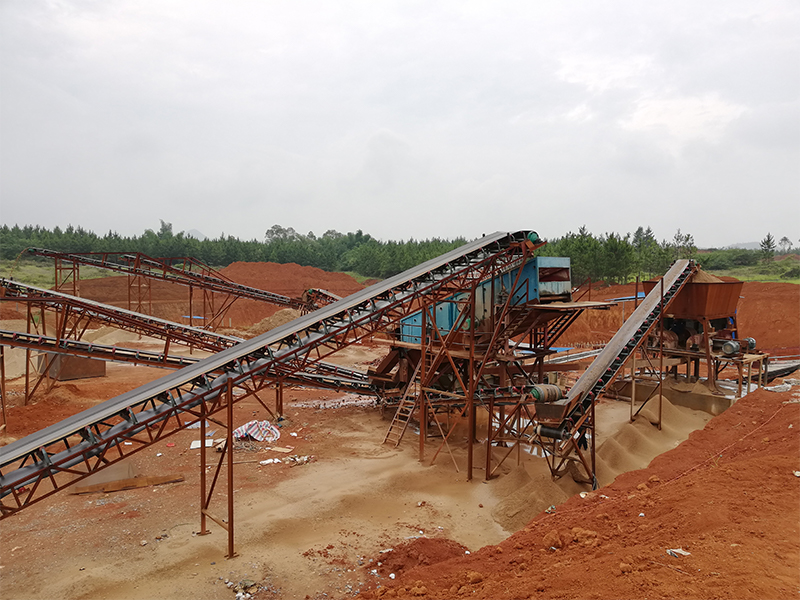
Equipped with flame-retardant and oil-resistant synthetic rubber conveyor surfaces operating in intensive nickel processing and smelting facilities.
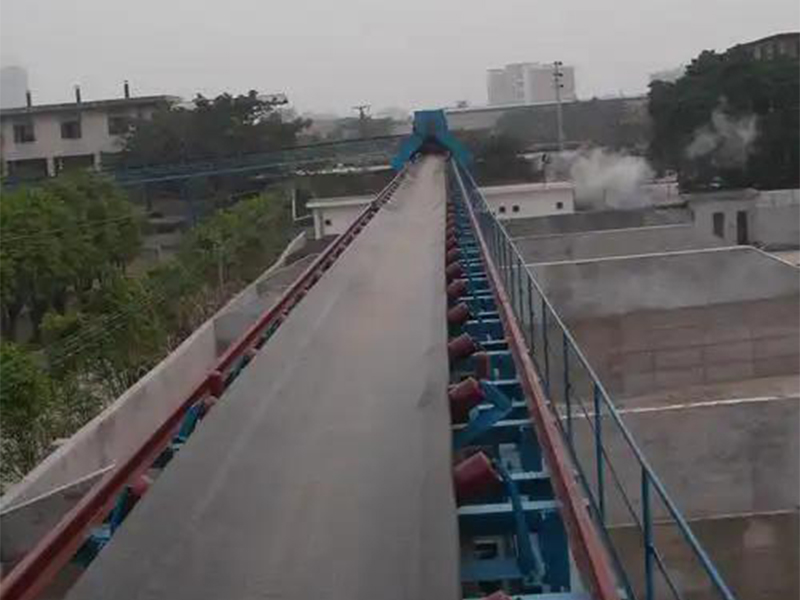
Continuous high-temperature resistant rubber conveying solutions managing hot raw meal and clinker discharge at operational levels above 180°C.
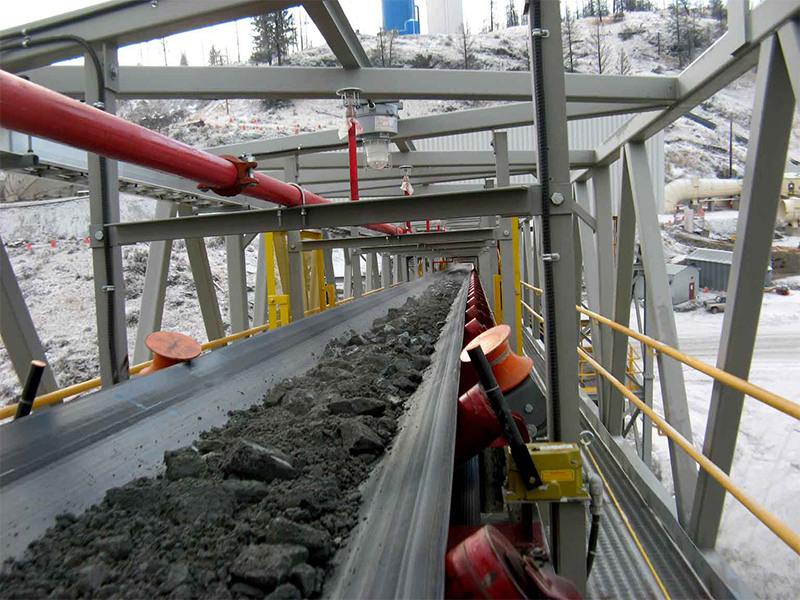
Underground coal transportation networks relying on our static-conductive, self-extinguishing flame-retardant (MT914 compliant) rubber systems.
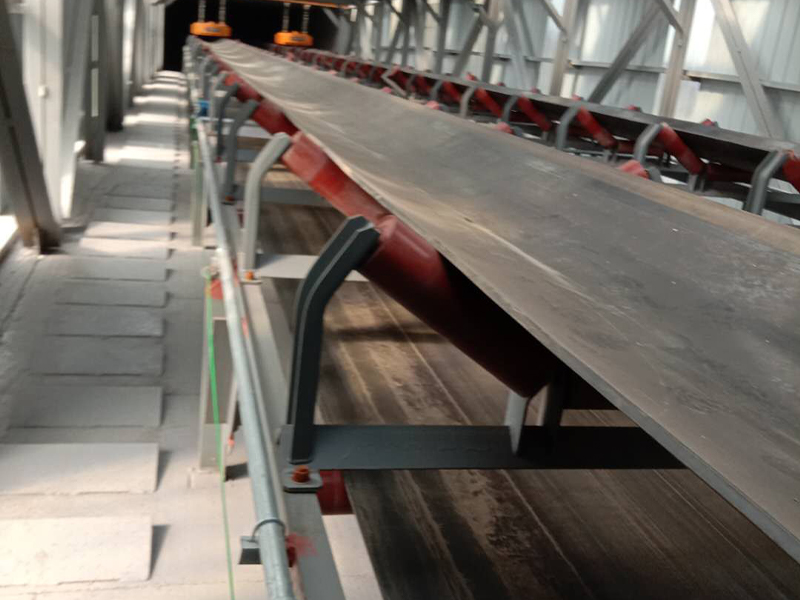
High-wear coke screening and blast furnace charging lines, operating under abrasive, chemical-heavy, and high-frequency cyclical stress profiles.
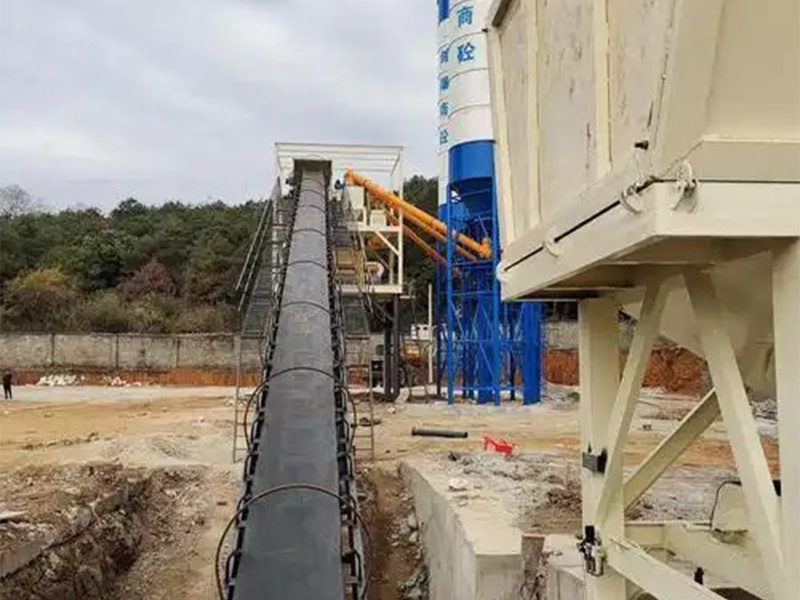
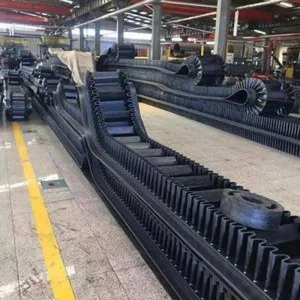
Robust aggregate transport in concrete mixing yards using textured chevron rubber patterns to avoid product backslip during high-incline elevation.
We eliminate the risk of sourcing from fragmented suppliers by providing a unified, end-to-end framework. From site planning to emergency rubber vulcanization splice installation, Hebei Boao supports operational maintenance schedules around the clock.
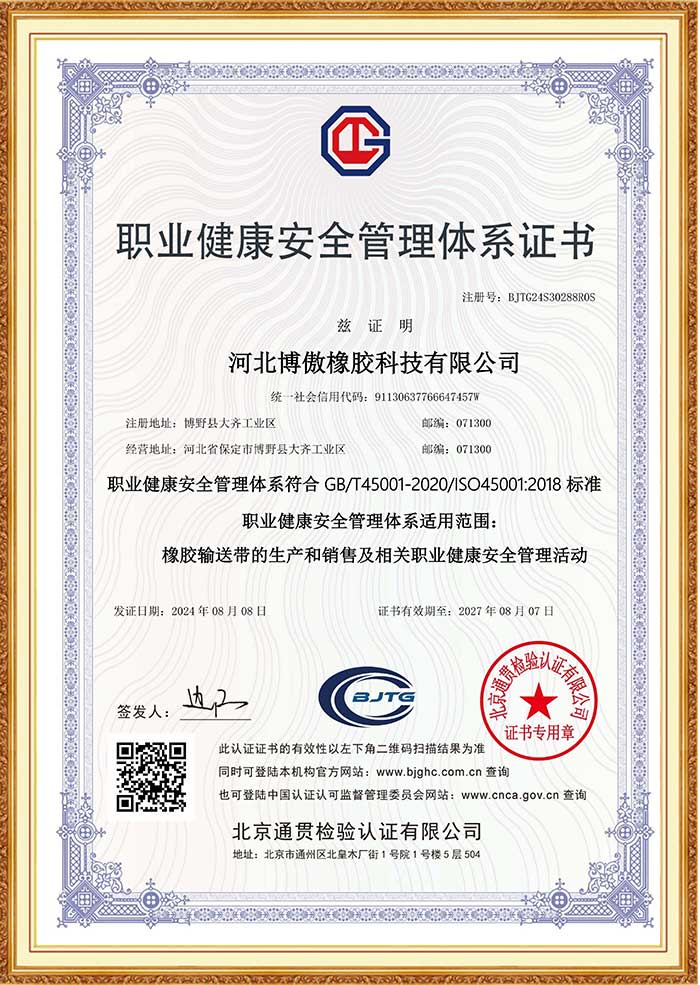
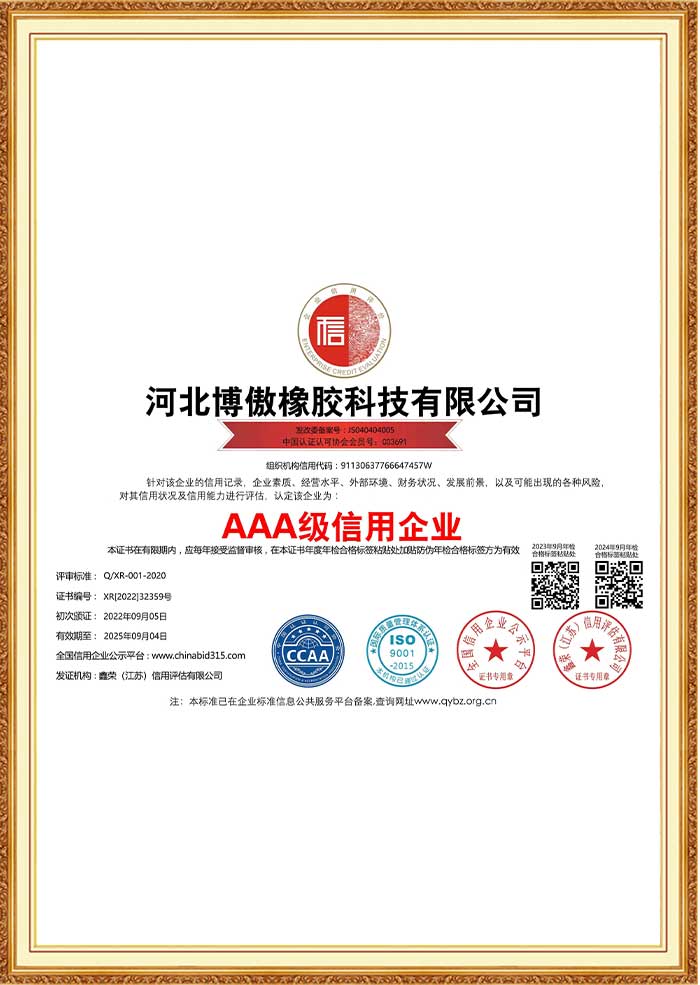
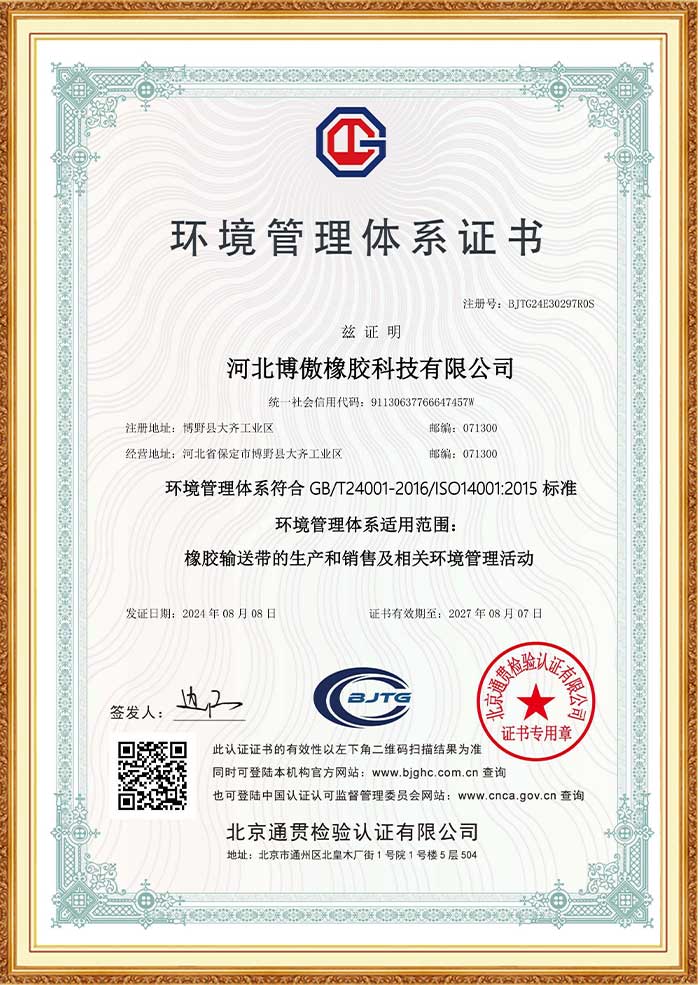
Our Jinao conveyor products are manufactured under rigorous QA/QC oversight. Our certifications and process validations include API 6D, API 607, CE, ISO9001, ISO14001, ISO45001, and TS classifications.
Critical engineering answers to assist procurement managers and technical engineers in sourcing and inspecting conveyor rubber sheets.
EP (Polyester-Nylon) fabric plies offer high tensile strength, minimal elongation under load, outstanding dimensional stability, and excellent resistance to moisture rotting. It is optimal for long-distance, high-tension systems. NN (Nylon-Nylon) fabric plies provide high elasticity, superior impact cushioning, and excellent flexibility, making them the preferred selection for heavy-impact conveyor feeds, short transition spans, and tight drum bends.
For temperatures exceeding 150°C and spiking up to 200°C (or 300°C for short cycles), an EPDM-based rubber matrix is mandatory. EPDM resists oxidative heat degradation, cross-linking hardening, and heat cracking far better than standard SBR or NR. The vulcanized rubber sheet must be designed with adequate thickness on the top cover to insulate the carcass fabric plies from thermal destruction.
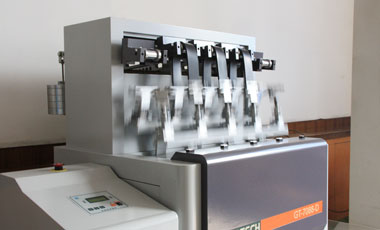
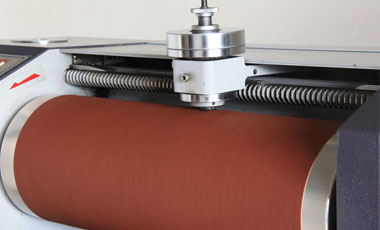
We perform DIN 53516 / ISO 4649 rotating cylindrical drum abrasion tests in our factory laboratories. A sample of the vulcanized compound is pressed against a rotating drum wrapped with calibrated abrasive paper. The volume loss in cubic millimeters (mm³) is calculated. For high-wear applications, such as gold or copper ore mining, we guarantee a volumetric loss of less than 120mm³.
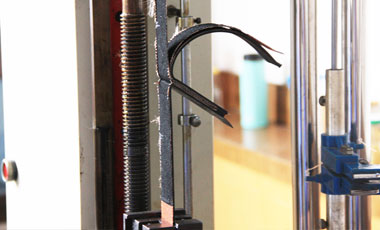
Delamination typically occurs due to poor chemical compatibility between the rubber compound and the fabric impregnation agent, insufficient pressure or temperature during the vulcanization process, or extreme mechanical bending tension. At Hebei Boao, we test adhesion levels on every batch using advanced peeling tester instrumentation, ensuring adhesion limits between plies meet or exceed 4.5 N/mm.
For underground mining operations, conveyor sheets must comply with strict safety regulations, such as MT914 (China) or MSHA (USA), which require the belt to self-extinguish when exposed to open flame, and prevent static discharge accumulation. For surface industrial facilities, less stringent standards like ISO 340 or DIN 22103 are typically sufficient. Hebei Boao manufactures custom chemical compounding lines to meet both criteria.
Molded edges are vulcanized concurrently with the belt core, providing a sealed rubber border that prevents moisture intrusion and protects the internal plies from chemical exposure and fraying. Cut edges are trimmed after curing, revealing the raw fabric ends. Molded edges are recommended for aggressive, wet, or chemically corrosive environments, while cut edges are cost-effective for dry, general-purpose material handling.
Optimize the efficiency and operational lifetime of your conveying systems with our high-grade wear-resistant assemblies.
 Boao Rubber