Home >
Hot Products >
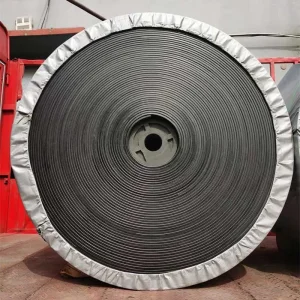
Best Flame Retardant Rubber Conveyor Belt from China Suppliers | Reliable Factory for Industrial Applications Manufacturer, Supplier
1 / 3
Best Flame Retardant Rubber Conveyor Belt from China Suppliers | Reliable Factory for Industrial Applications Manufacturer, Supplier
,
,
,
, ,
,
Core Performance Specifications
,
,
,
Flame Retardancy
,
Our belts pass the stringent alcohol lamp flame test, showing an average flame duration of under 60 seconds after flame removal. No re-ignition occurs in any test, ensuring superior flame protection.
,
,
,
Anti-static Property
,
With a surface resistivity not exceeding 3×10⁸ Ω, our conveyor belts effectively dissipate static charges to mitigate the risk of sparks and fires.
,
,
,
Mechanical Strength
,
The cover layer exhibits a tensile strength of at least 10 MPa and an elongation at break of no less than 350%, ensuring long-lasting durability for material handling.
,
,
,
, ,
,
Main Structure and Materials
,
,
,
Cord Material
,
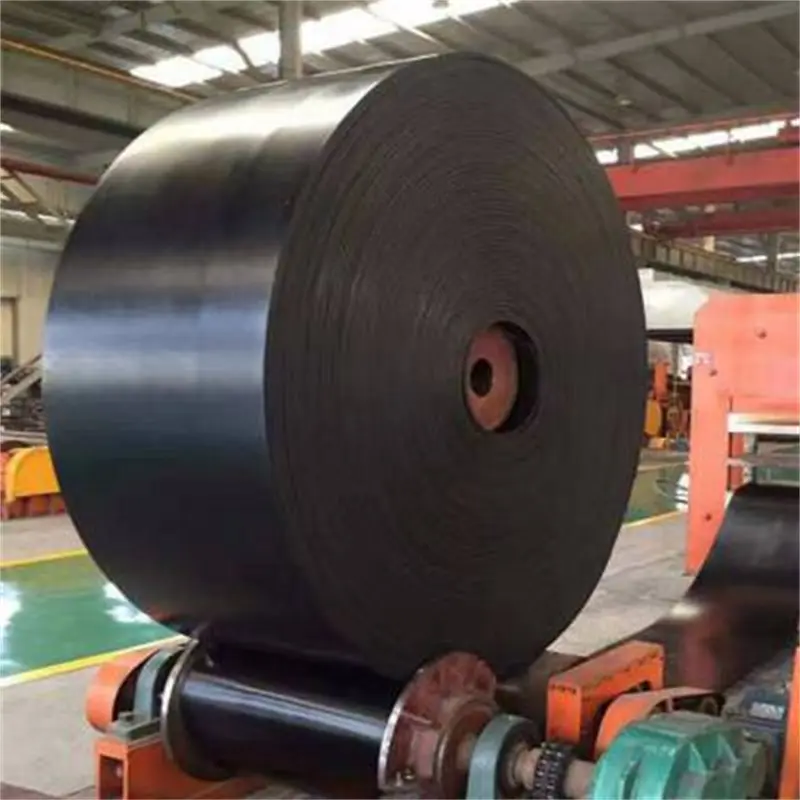
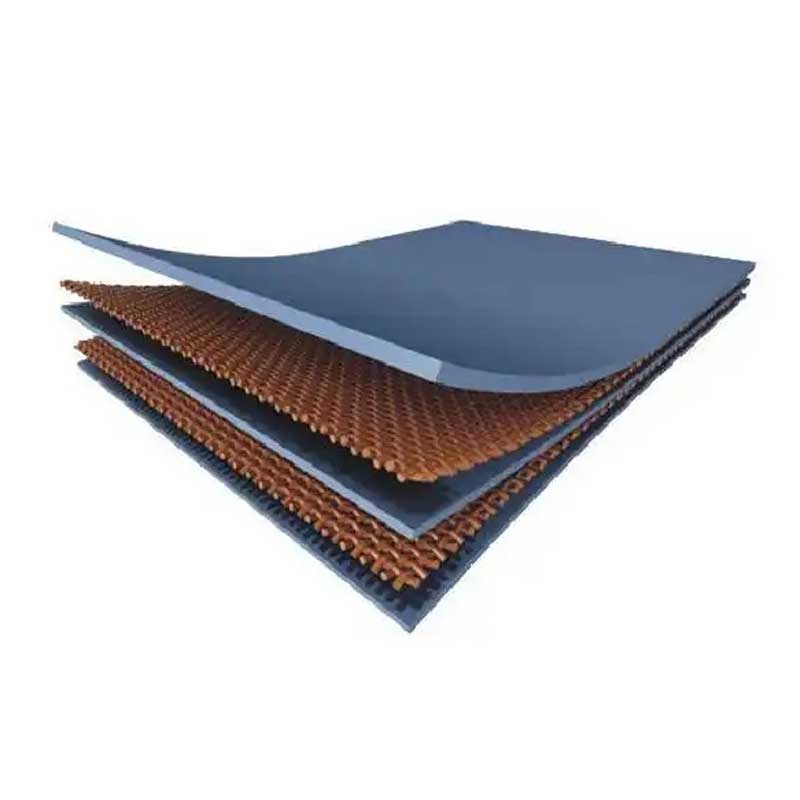
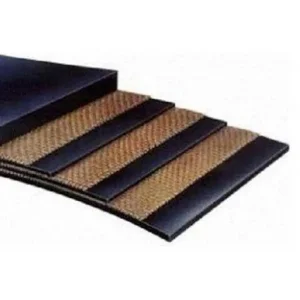
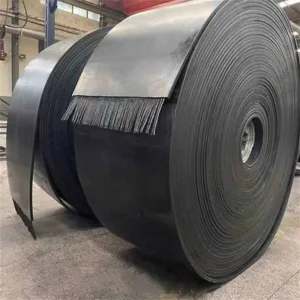
Constructed from high-quality materials such as cotton canvas, nylon canvas (NN), polyester canvas (EP), or blended canvas, our belts undergo thorough processing, including calendering, shaping, and vulcanization.
,
,
,
Cover Rubber
,
Incorporating advanced flame retardants and carbon black, our cover rubber achieves an optimal balance between mechanical strength, flame resistance, and anti-static performance.
,
,
,
Common Models
,
Our conveyor belts are available in various grades for strength, including 680 N/mm, 800 N/mm, and 1000 N/mm. Belt widths range from 500 mm to over 1600 mm, catering to diverse industrial needs.
,
,
,
, ,
,
Applications and Limitations
,
,
,
Applicable Environments
,
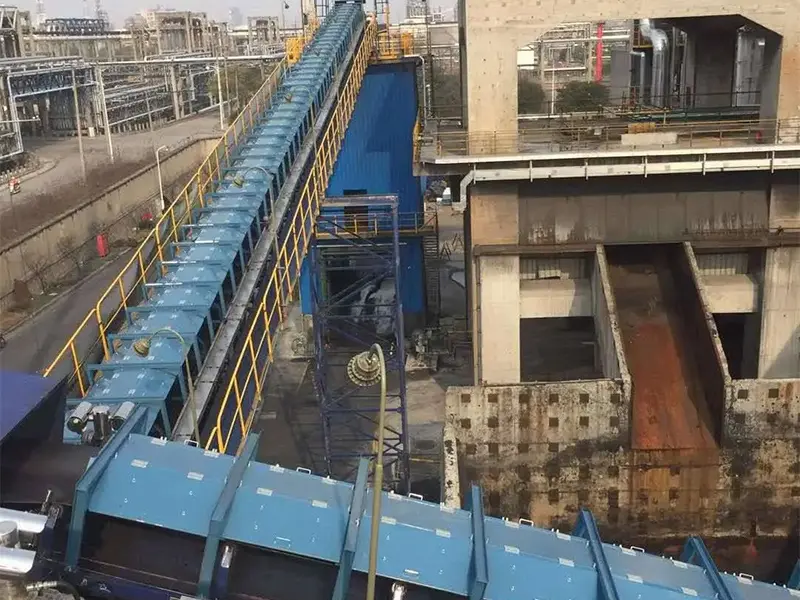
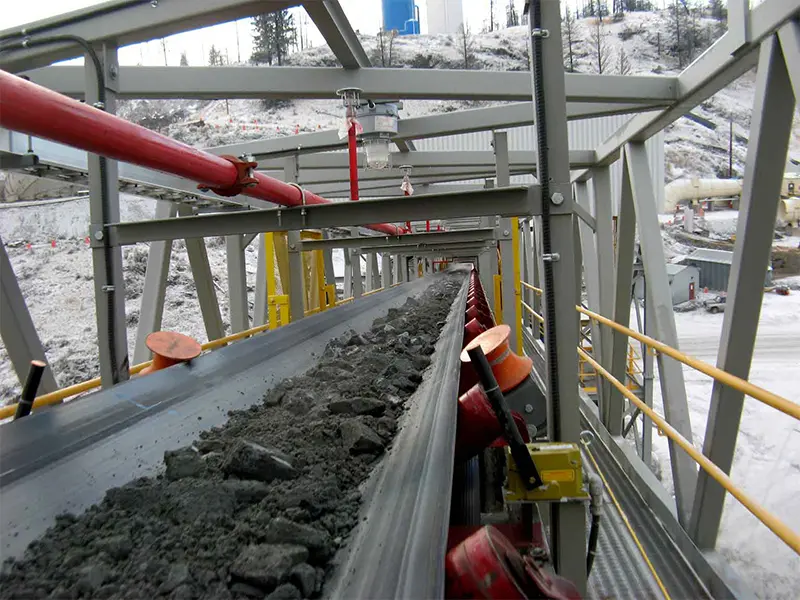
Our flame-retardant conveyor belts excel in bulk material conveyance, effectively handling coal, ores, and powders in surface coal handling lines, power plants, ports, and chemical processing facilities.
,
,
,
Usage Restrictions
,
Standard flame-retardant belts are not suitable for direct use in underground coal mines where gas and coal dust pose explosion risks. For such environments, mine-use flame-retardant conveyor belts that meet strict standards are required.
,
,
,
Splicing Methods
,
Our conveyor belts support a variety of splicing methods, including mechanical splicing, cold vulcanizing, and hot vulcanizing, with hot vulcanizing providing the highest joint strength, reaching up to 90% of the belt's tensile strength.
The flame retardant performance of conveyor belts: Currently, the main formula used by conveyor belt manufacturers is flame retardants, and the selection of flame retardants mainly focuses on the following categories:
1 Inhibitory effect
Suppresses the occurrence of oxidation reactions, achieving the effect of spontaneous combustion.
2 Endothermic reaction
Compound releases crystalline water or dehydrates when heated, suppressing temperature rise.
3 Covering effect
Stable covering layer or foam material is generated under high temperature, and the covering surface plays the role of heat insulation and air isolation.
4 Dilution effect
Generates a large amount of non combustible gas when heated, and dilutes the combustible gas to a concentration range that is non combustible.
5 Transfer effect
Changes the mode of thermal decomposition of polymer materials and suppresses the generation of combustible gases.
6 Synergistic combination
The combination of synergistic flame retardants has little or no significant effect when used alone.
From the above, it can be seen that flame retardants have a certain cooling effect on high temperature resistance, and improving them to a certain extent has no effect. However, using them together can greatly improve the flame retardant effect.
The function of flame retardants
1. Isolate or dilute combustible gases
2. The cooling suppression achieves the high temperature resistance of the rubber conveyor belt to the ignition level. The design of rubber conveyor belt formula must be adjusted according to the on-site working conditions. The conveyor belt has passed flame retardant testing and electrostatic testing, and has obtained a certificate of conformity, coal safety mark, and customer recognition.
Product Features
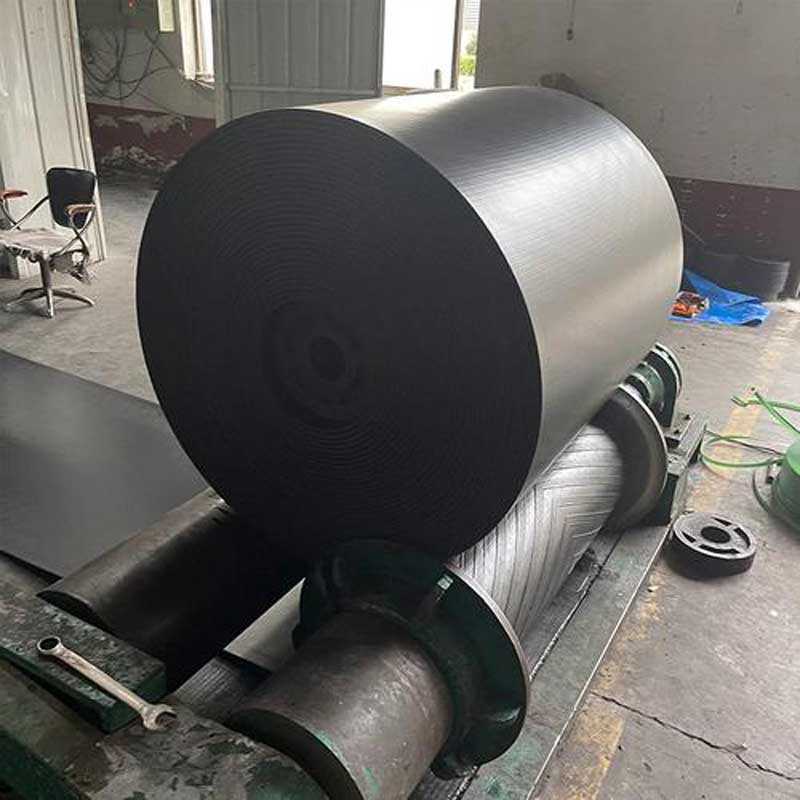
This product uses integral core as the skeleton material, and is made by impregnating and coating PVC material with excellent anti-static, flame retardant and other properties, and then plasticizing it.
The maximum service life of the belt body is determined by the following factors:
(1) A dense core woven from warp and weft filaments and covered cotton;
(2) Immersing with specially formulated PVC material achieves extremely high bonding strength between the core and the cover adhesive;
(3) Specially formulated cover adhesive; So as to make the belt resistant to impact, tear, and wear.
Mechanical properties:
Flame retardant conveyor belts have excellent mechanical properties and can provide users with the longest service life and economical installation and use.
Frequently Asked Questions
Q What is the main formula base used for flame retardant conveyor belts?
Conveyor belt manufacturers primarily use flame retardants in their formulas. These flame retardants work through mechanisms like inhibitory effects, endothermic reactions, covering effects, dilution effects, transfer effects, or synergistic combinations.
Q How does the covering effect of flame retardants work?
Under high temperatures, the flame retardants generate a stable covering layer or foam material. This layer covers the surface of the conveyor belt, providing vital heat insulation and isolating the air to suppress combustion.
Q What material is used for the skeleton and coating of these conveyor belts?
The conveyor belt utilizes an integral core as its skeleton material. It is manufactured by impregnating and coating this core with a specially formulated PVC material that offers excellent anti-static and flame retardant properties, followed by plasticization.
Q What factors directly determine the service life of the belt body?
The maximum service life is determined by three key factors: a dense core woven from warp and weft filaments with covered cotton, a specialized PVC formulation that ensures high bonding strength between the core and cover, and a specially formulated cover adhesive that resists impact, tearing, and wear.
Q Have these flame retardant conveyor belts passed safety certifications?
Yes, the conveyor belts have successfully passed both flame retardant testing and electrostatic testing. They have obtained certificates of conformity, the official coal safety mark, and wide recognition from customers.
 Boao Rubber