China High-Quality Rubber Lifting Conveyor Belt Suppliers in China - Factory Direct Pricing and Durable Solutions Manufacturer, Factories

,

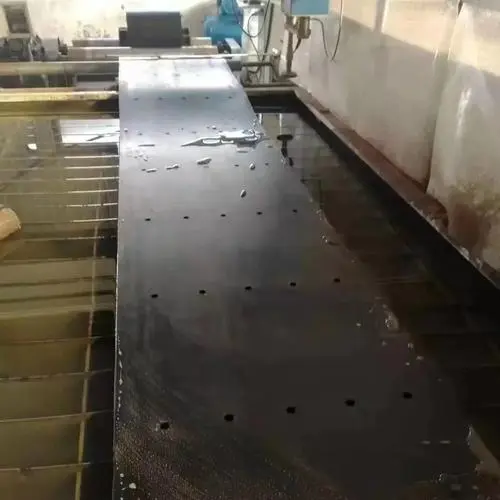
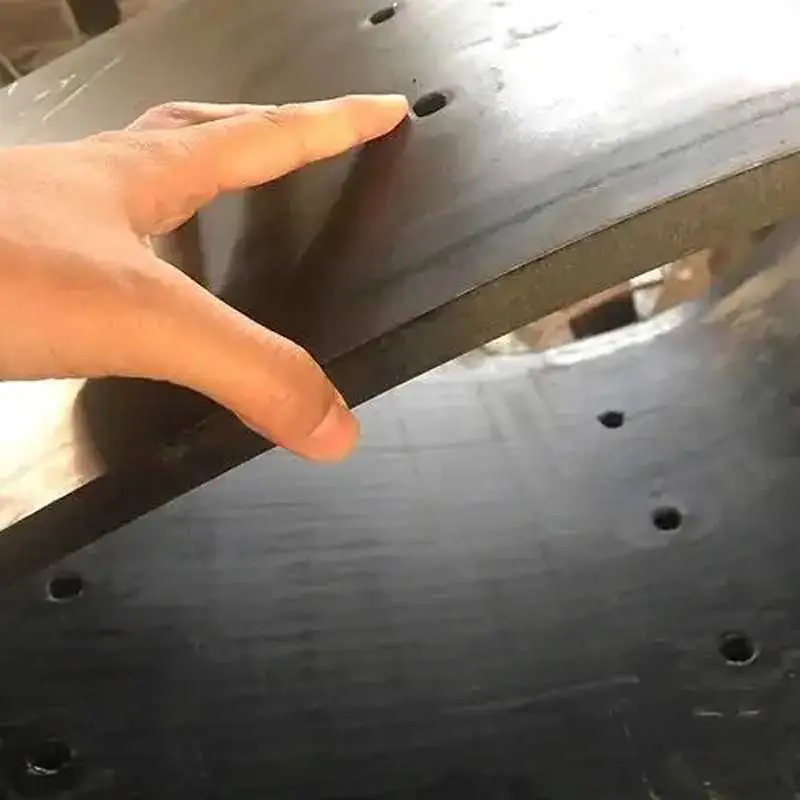
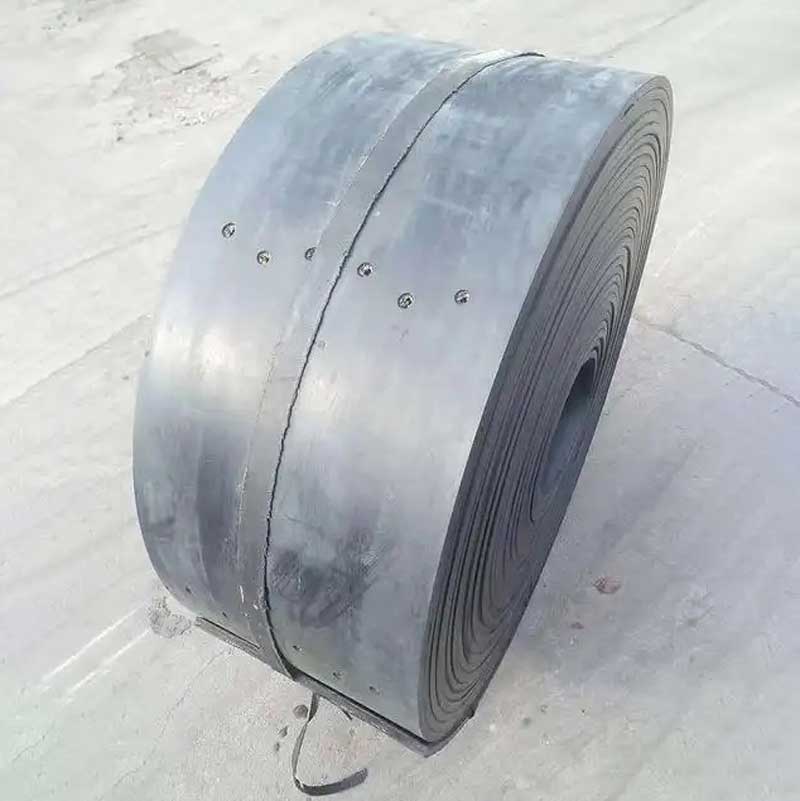
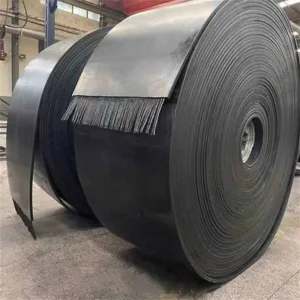
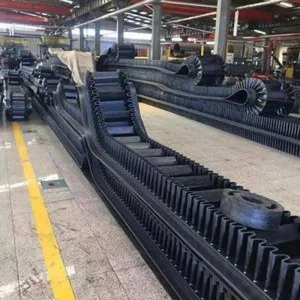
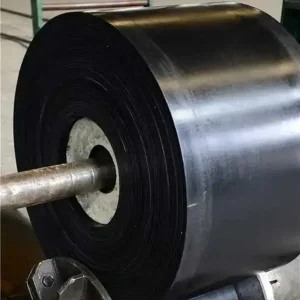
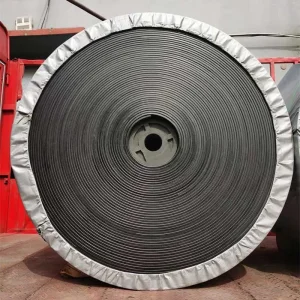
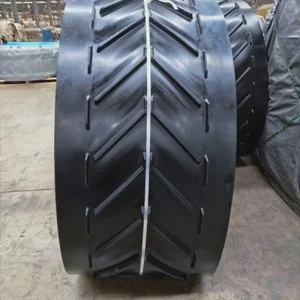
Discover our high-quality Rubber Lifting Belts, a premier product from a leading factory in China. These industrial rubber conveyor belts are designed specifically for installing hoppers and serve as essential traction components for bucket elevators, effectively lifting and transporting various materials. Our belts come in two core structures: fabric core and steel wire rope core, ensuring versatility for different applications. Depending on the wear resistance and load capacity needed for your conveyed materials, we offer options including strong wear (D-type), moderate wear (L-type), and heat-resistant (T-type) belts for transporting high-temperature materials. As trusted suppliers, we guarantee products that meet your industrial needs and exceed expectations.

,

Product Description

⚙️

Product Introduction

Fabric Core Lifting Belts: Strength (N/mm): 100, 125, 160, 200, 250, 315, 400, 500+
Width (mm): 150, 200, 300, 400, 500, 600, 650, 700, 800, 1000, 1200, 1400, 1600
Steel Wire Rope Core Lifting Belts: Strength (N/mm): St630, St800, St1000, St1250, St1600, St2000, St2500
Width (mm): 200, 250, 300, 350, 400, 450, 550, 600, 680, 800, 850, 1000, 1050, 1200, 1300, 1400
Marking Example 1: 1000 B 9508 4.5T × 3.0 1000 NN5 indicates a bucket type lifting belt (1000N/mm) produced in Aug 1995. It features a 4.5mm upper cover with reinforcement, 3mm lower cover, 1000mm width, and 5 layers of nylon canvas core.
Marking Example 2: St1000 B 9508 5T × 5T 1200 φ 3.5 indicates a steel wire rope core bucket type belt (1000N/mm) produced in Aug 1995. Both covers are 5mm with reinforcement. Belt width is 1200mm with a 3.5mm wire rope diameter. Complies with HG/T 2577-1994.
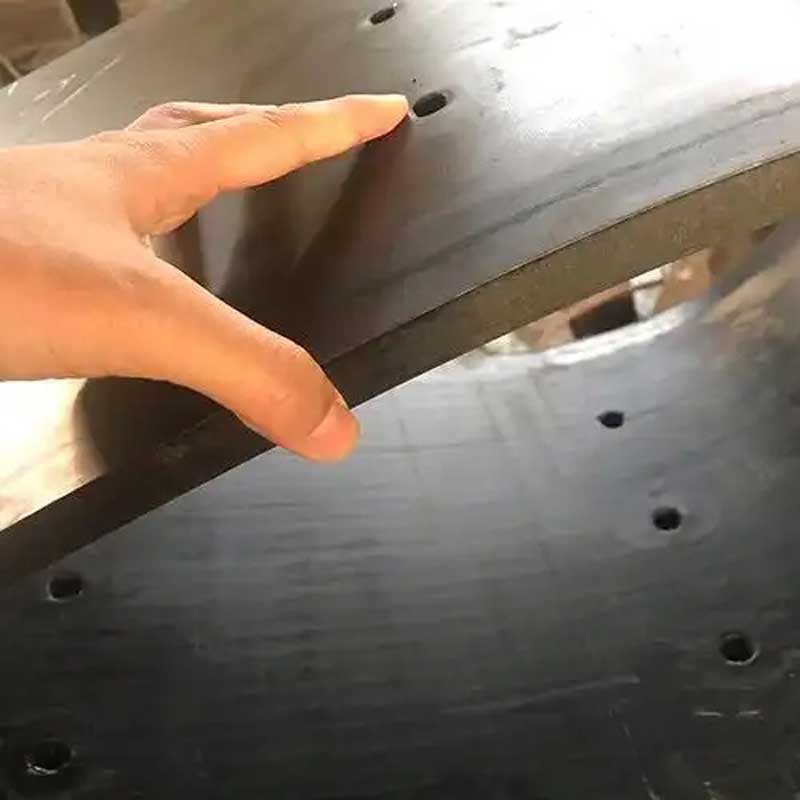
The standard was revised in 2005 (renamed "Rubber or Plastic"). Strength and width specifications for fabric and steel wire cores now align with general-purpose conveyor belt standards. Covering layer performance is categorized into: General environmental (L-type), Heat resistance up to 150 ℃ (T3 type), and Heat resistance up to 175 ℃ (T4 type). The standard also specifies punching and drilling requirements.

🔍

Expand & Technical Details

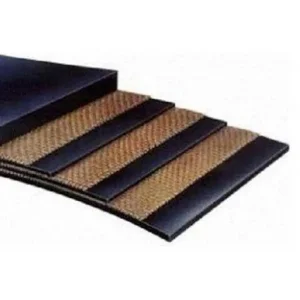
Rubber lifting belts consist of multiple adhesive fabric layers, typically with a covered core. They are classified based on several factors:
Core Materials: Full cotton, polyester cotton interwoven, nylon, and EP (polyester) lifting belts.
Wear Resistance Grades: • Strong wear (D-type)
• Moderate wear (L-type)
• Heat-resistant (T-type)
Usage Temperatures: Divided into heat-resistant and ordinary lifting belts.
Width Specifications: Main sizes include 150, 200, 250, 300, 350, 400, 500, 600mm, etc.

Frequently Asked Questions

What are the available core materials for rubber lifting belts?
Lifting belts are available with various core materials including full cotton, polyester cotton interwoven, nylon (NN), EP, and steel wire rope cores to suit different industrial requirements.
How are the belts classified by heat resistance?
They are categorized into ordinary lifting belts and heat-resistant types. Specifically, T3 type supports up to 150 ℃, while T4 type is designed for temperatures up to 175 ℃.
What do the D, L, and T types signify in covering adhesive?
These indicate the physical grade based on wear resistance and load: D-type is for strong wear, L-type for moderate wear, and T-type for heat-resistant applications.
What is the standard width range for these belts?
Fabric core belts range from 150mm up to 1600mm, while steel wire rope core belts range from 200mm up to 1400mm, covering a wide variety of bucket elevator sizes.
What industrial standards do these lifting belts comply with?
Currently, these products comply with the chemical industry standard HG/T 2577-1994 "Rubber Lifting Belt," with updated specifications aligning with general-purpose conveyor belt standards.
How do I interpret the marking "NN5" on a belt?
The "NN" stands for Nylon canvas core material, and the "5" indicates that the belt is constructed with a total of 5 reinforcement layers.

Related Products