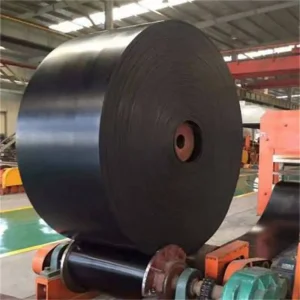
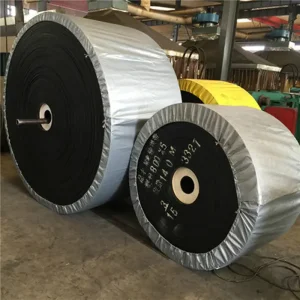
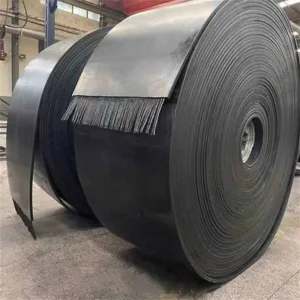
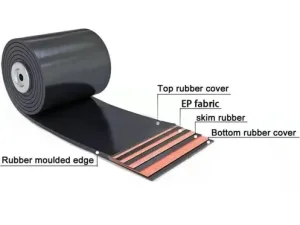
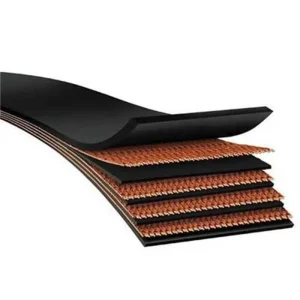
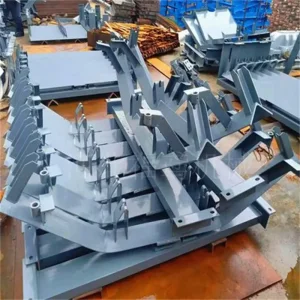
Round rubber drive belts, traditionally used as simple elastomeric loops in light transmission networks, have evolved into highly engineered components critical to today's automation, food processing, logistics, and heavy manufacturing sectors. Originally designed as rubber O-rings, modern round belts utilize sophisticated thermoplastic elastomers (TPE), polyurethanes (PU), and custom vulcanized synthetic rubber compounds to deliver consistent friction, high elasticity, and superior resistance to chemical deterioration.
As assembly lines and conveyor systems move toward higher speeds and complex paths (including multi-axis directional shifts), the demand for high-coefficient of friction (CoF) drive belts has increased. In these environments, round drive belts act as flexible links that maintain torque even when misaligned or twisted. This mechanical adaptability makes them indispensable for running rollers, transfer lines, packaging sorting networks, and industrial manufacturing lines where rigid transmission belts are impractical.
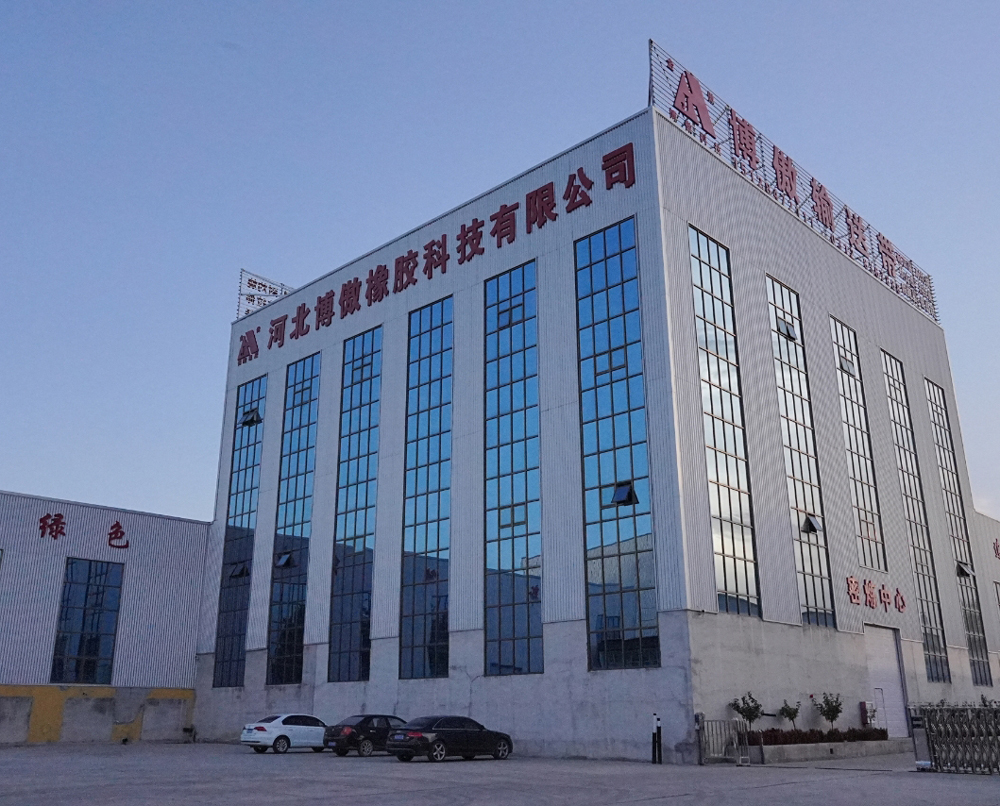
Located in the Boye County Rubber Industrial Park of Baoding, Hebei Province, Hebei Boao Rubber Technology Co., Ltd. (under our signature brand "Jinao") has been pioneering advanced conveyor belt and mechanical transmission accessory engineering since 2004. Spanning over 30 acres, we stand as a certified enterprise combining material research, design, production, and field engineering service.
Industrial round drive belts must maintain their tensile memory over millions of cycles. Buyers look for materials that resist hysteresis and mechanical creep, ensuring minimal tension decay to prevent slippage and loss of speed control.
Achieving the correct coefficient of friction (CoF) ensures efficient torque transfer. Belts with optimized durometer hardness provide grip without binding, allowing smooth travel in deep-groove pulleys.
In manufacturing lines, drive belts are exposed to washdown detergents, machine oils, greases, and high working temperatures. Chemically crosslinked rubbers or custom fluoropolymers prevent ozone cracking and swelling.
Whether choosing endless extruded belts or open-ended chords spliced onsite via thermal welding, joint reliability remains the single biggest failure point. Modern factories employ precision thermal-welding equipment to eliminate weak zones.
| Belt Material & Composition | Tensile Strength (MPa) | Elongation Limits (%) | Operating Temperature Range (°C) | Chemical & Oil Resistance | Primary Industrial Applications |
|---|---|---|---|---|---|
| Nylon Rubber (NN) Belt | 15 - 25 MPa | 12% - 20% | -20°C to +80°C | Moderate resistance to oils, high moisture proofing | Heavy mining, metallurgy, long-distance dry transport |
| Polyester (EP) Belt | 18 - 30 MPa | 8% - 15% | -30°C to +90°C | High acid/alkali resistance, excellent wet stability | Coal prep, cement works, aggregate docks |
| Steel Wire Rope Core Belt | Up to 150 MPa | < 0.5% | -40°C to +120°C | Excellent structural integrity under extreme load | High lift vertical elevation, heavy ore extraction lines |
| Round Rubber Drive Belt (PU/TPE) | 8 - 18 MPa | 30% - 100% (Elastic) | -25°C to +60°C | Outstanding oil, ozone, and hydrocarbon resistance | Roller conveyor lines, light packaging drive shafts |
At Hebei Boao Rubber Technology, we operate under a zero-defect policy. Our facilities are equipped with an independent chemical analysis lab and a physics testing laboratory. From raw material inspection to vulcanization control, our testing devices ensure every run meets international tolerances.
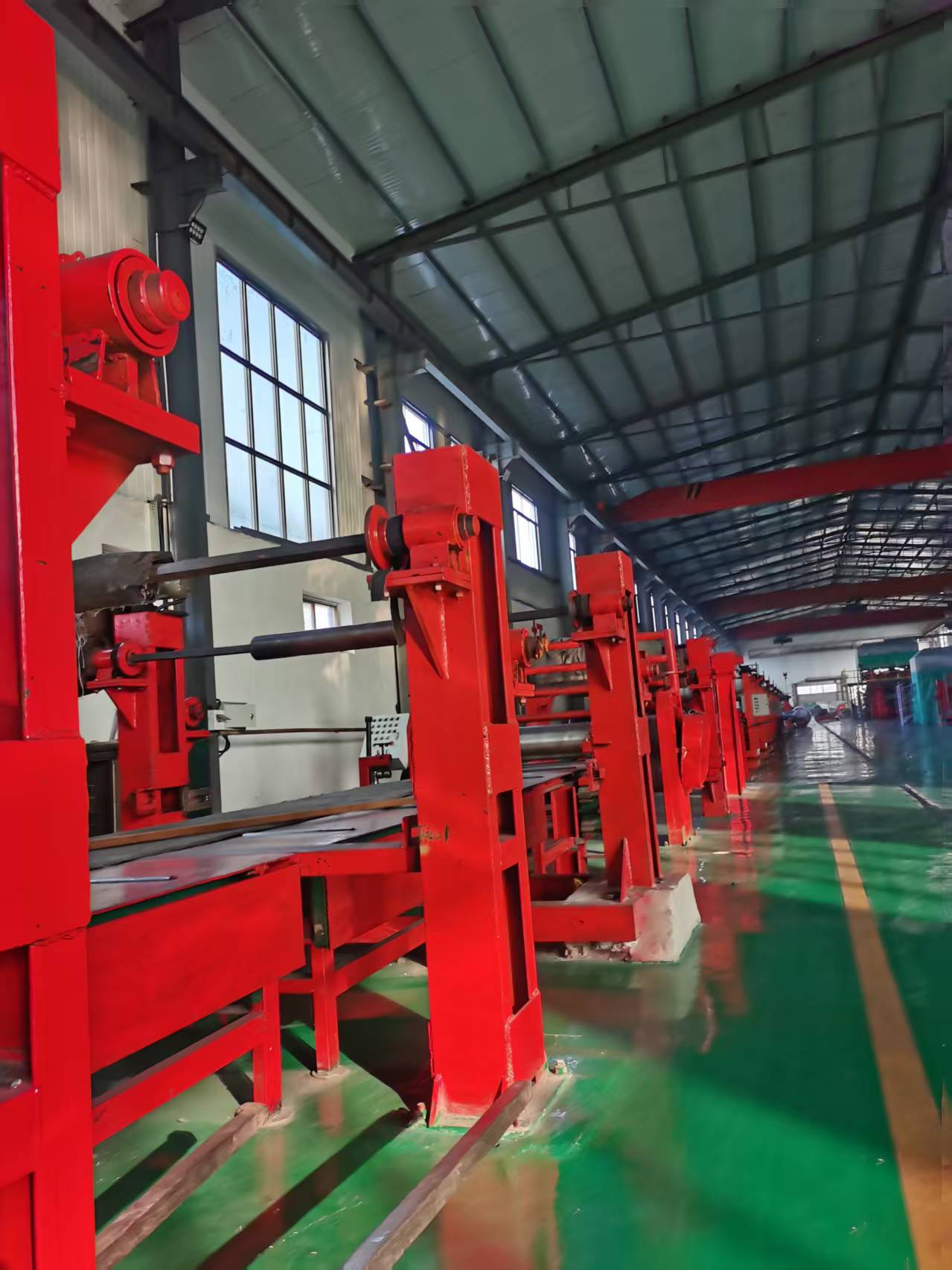
Processing & Splicing Line
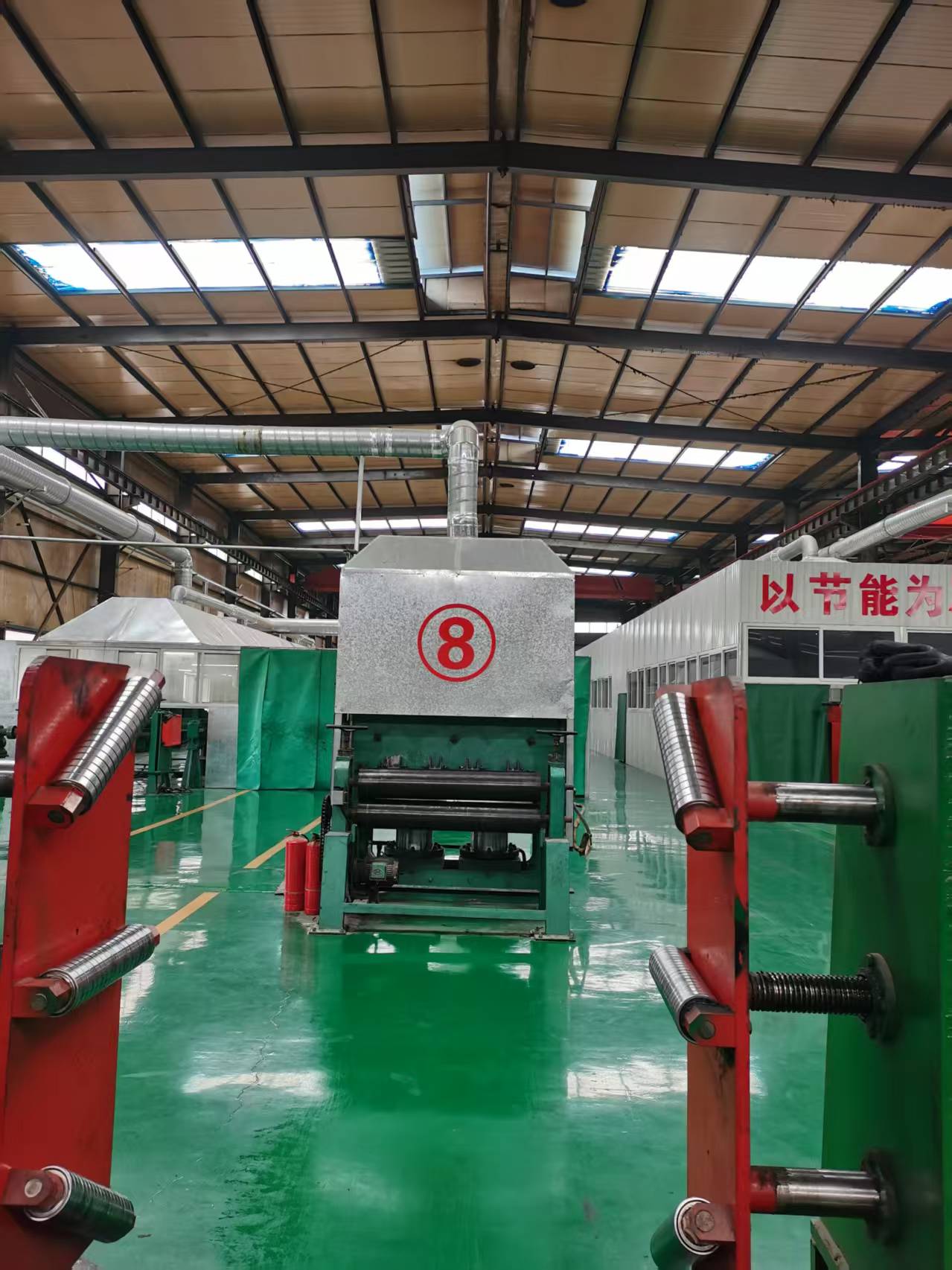
Continuous Vulcanization Control
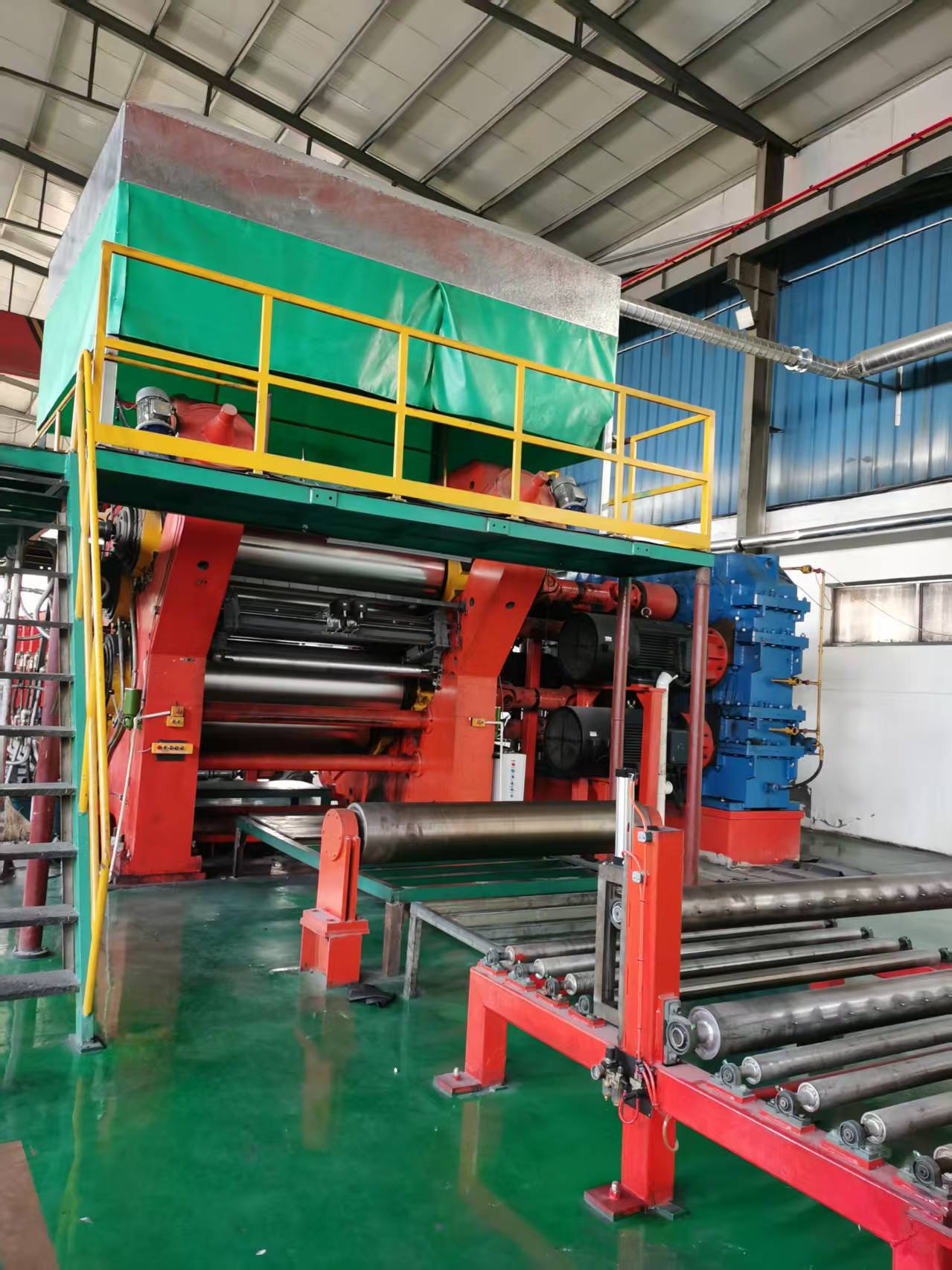
High Temperature Curing System
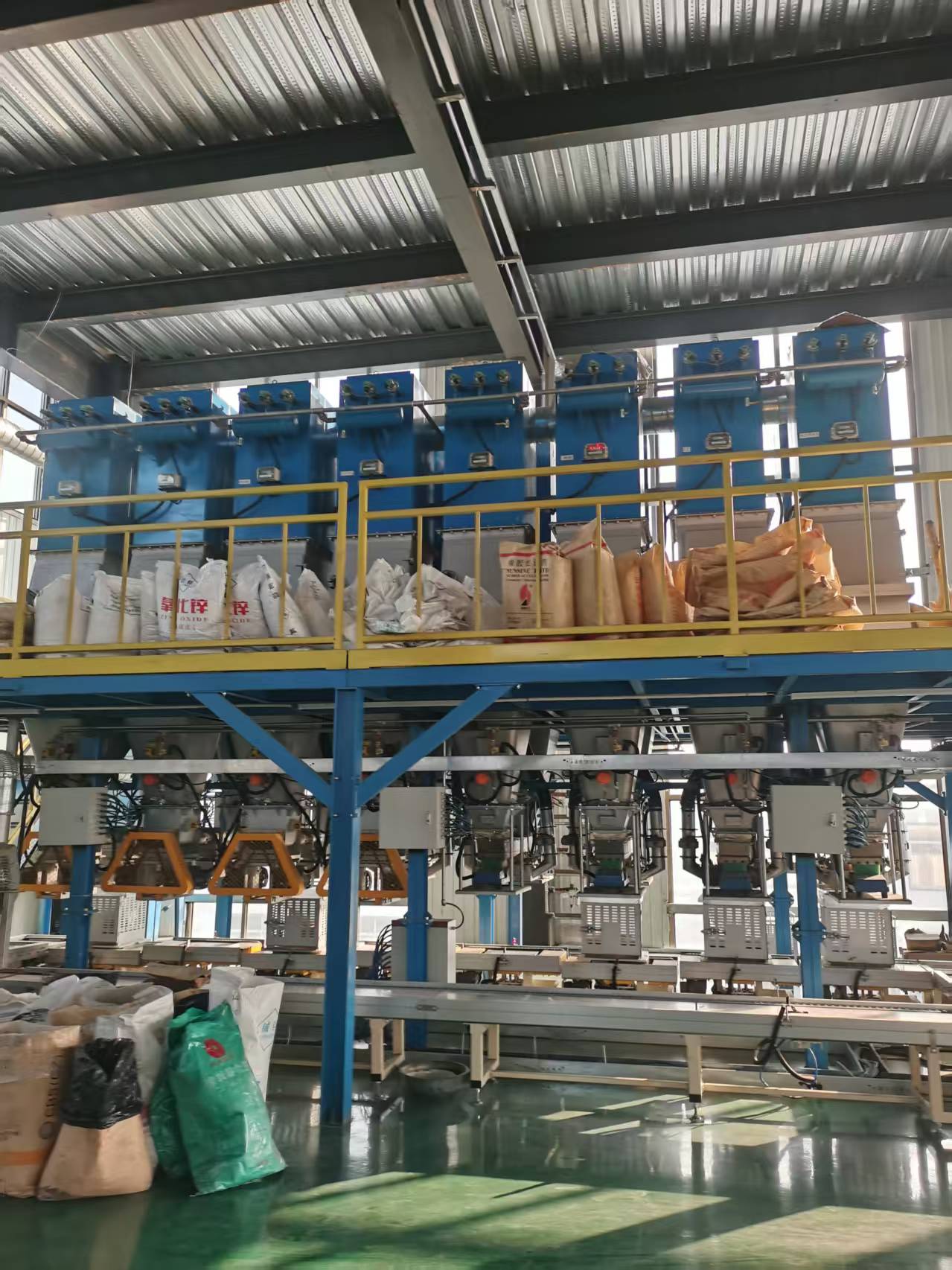
Precision Slitting Machine
Fabric Conveyor Belt Production
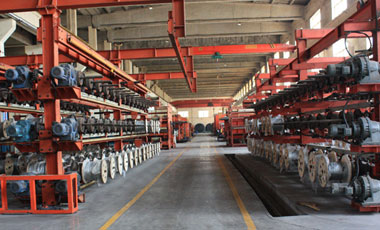
Steel Cord Production Equipment
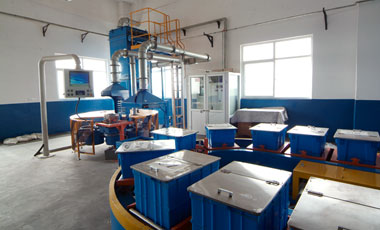
Mixing Center Proportioning Room
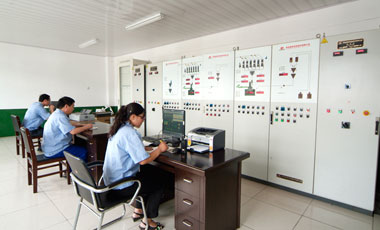
Automated Mixing Proportioning System
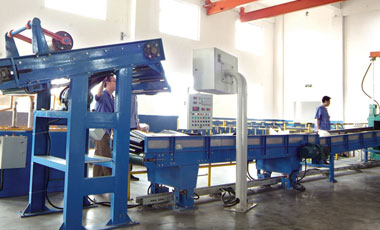
Continuous Feeding Device
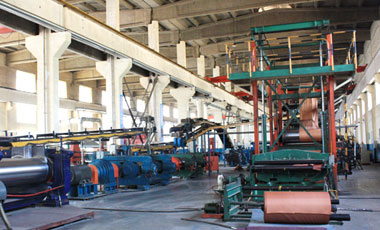
Calendering & Shaping Unit
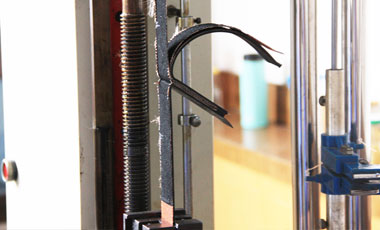
Peeling Test Station
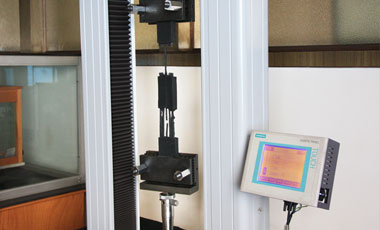
Steel Cord Pull-out Tester
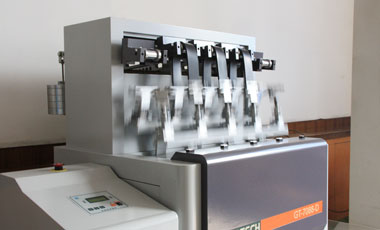
Dynamic Fatigue Tester
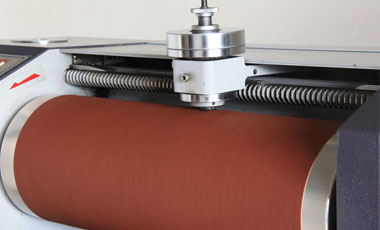
DIN standard Abrasion Tester
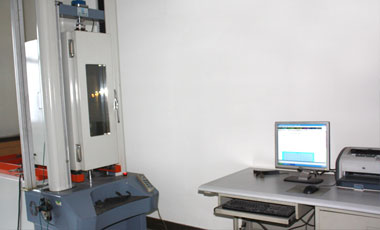
Physical Property Analyzer
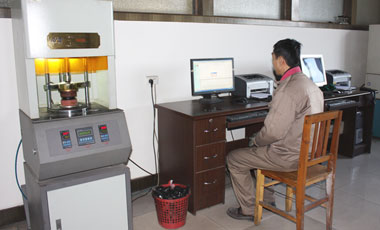
Elastomer Tension Test Unit
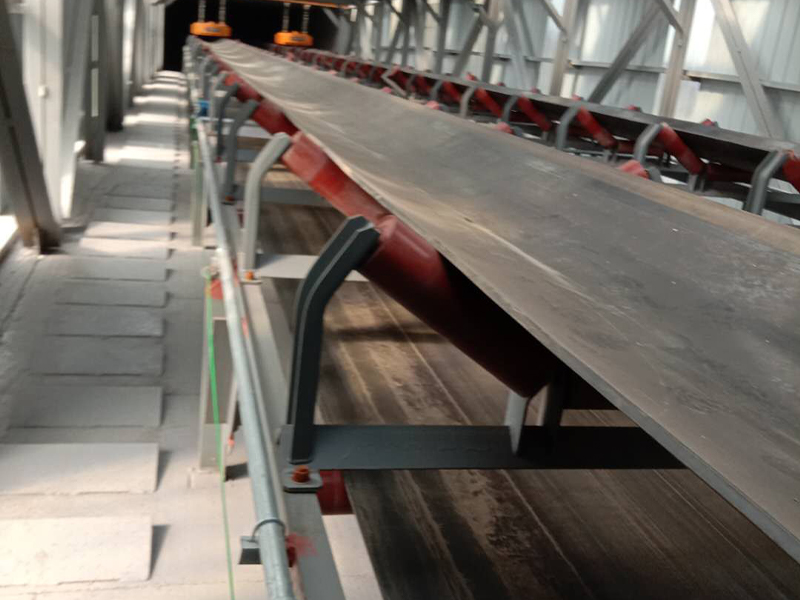
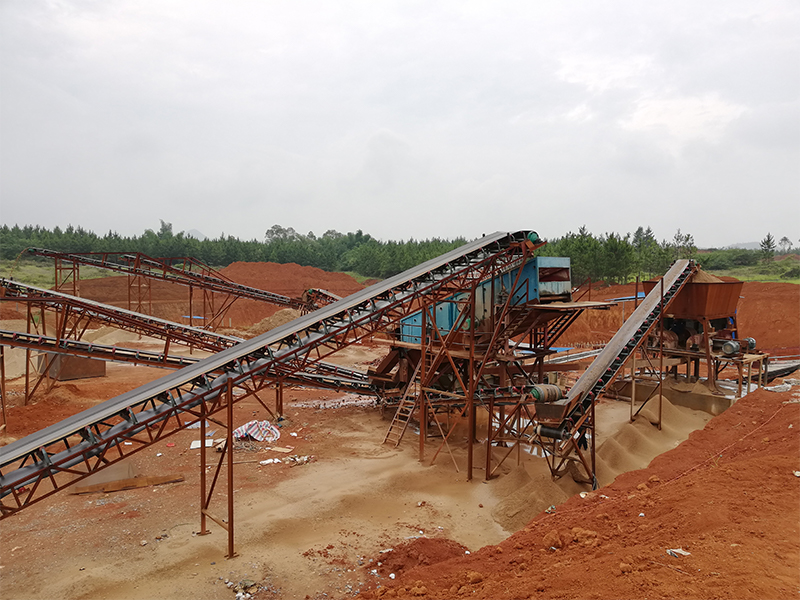
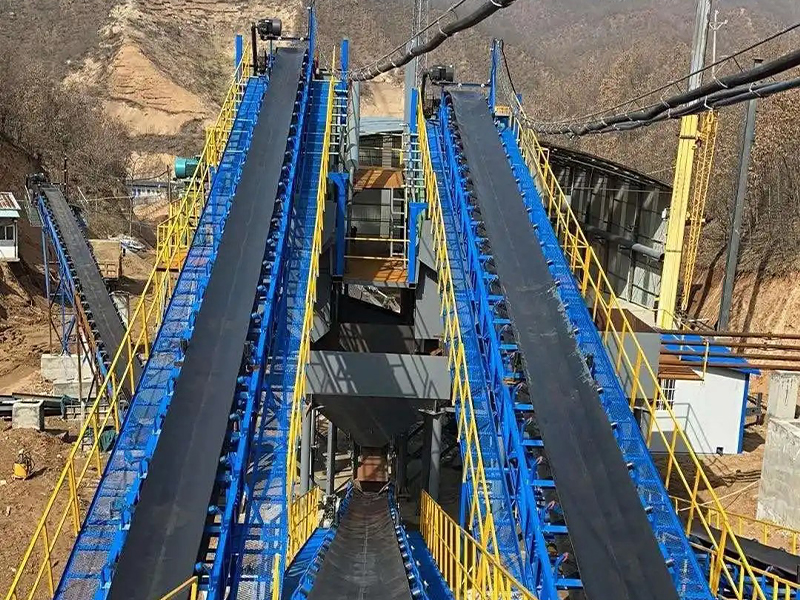
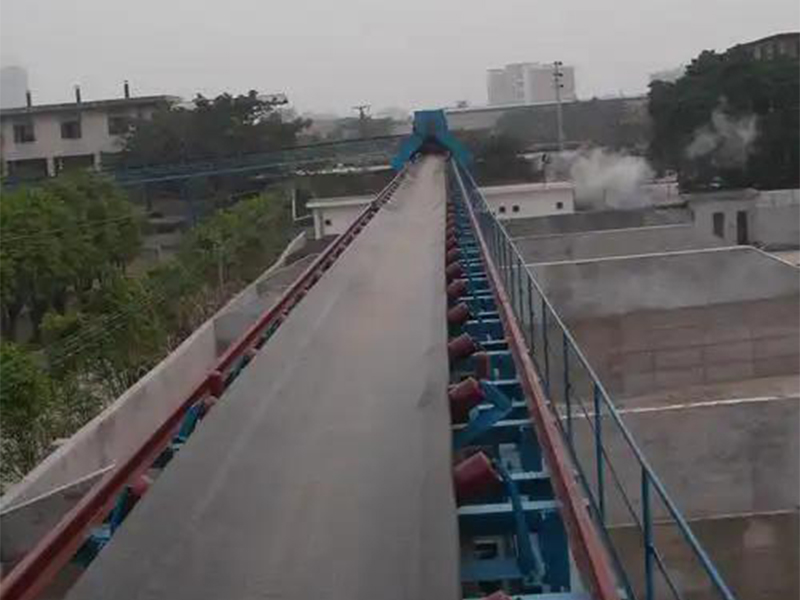
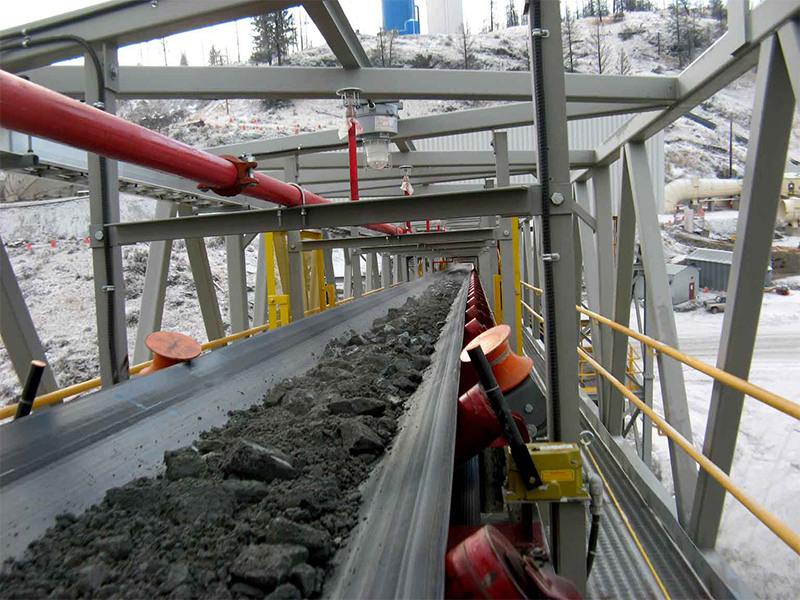
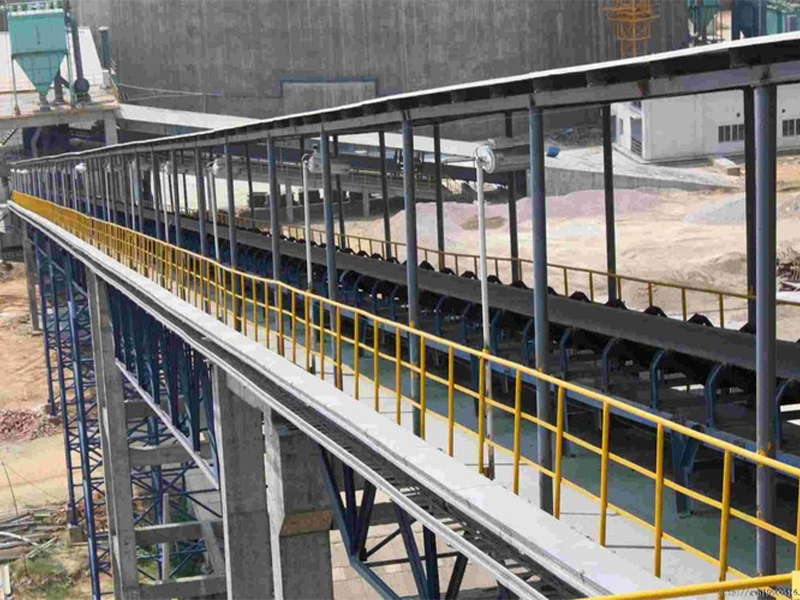
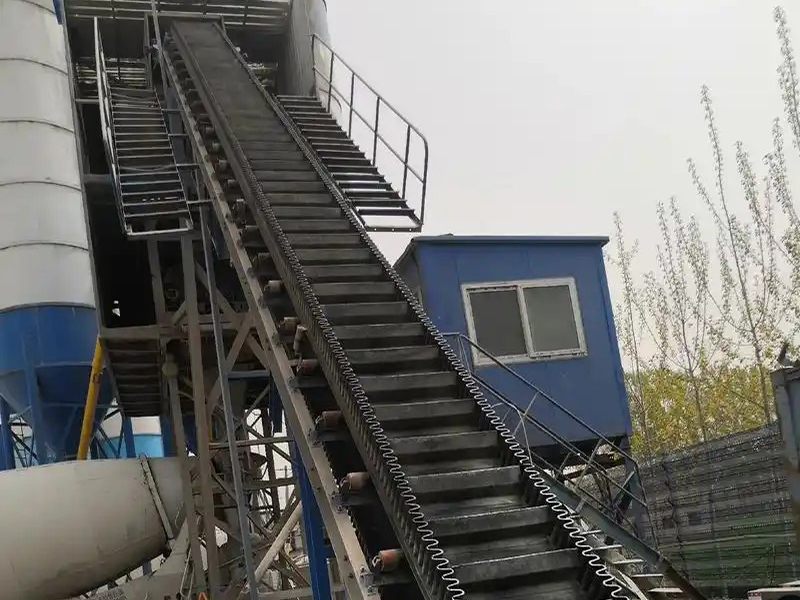
Our components are integrated within demanding operating plants worldwide, serving sectors including steel manufacture, iron smelting, coal mining, seaport bulk terminal operations, and large infrastructure concrete plants.
Taihang Steel Group
Tsingshan Group
Zijin Mining Group
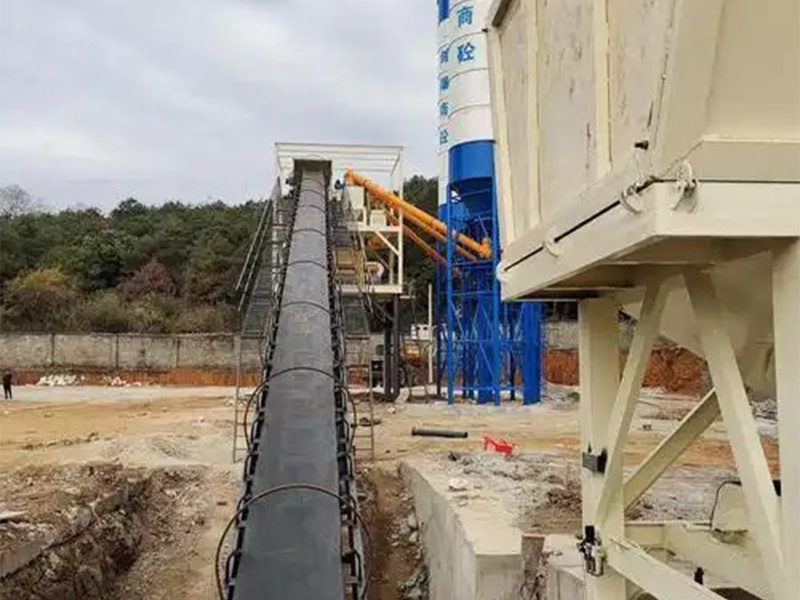
China Railway Mixing Facility
Conch Cement Industry
Datong Coal Group
Jidong Cement Group
Puyang Steel Group
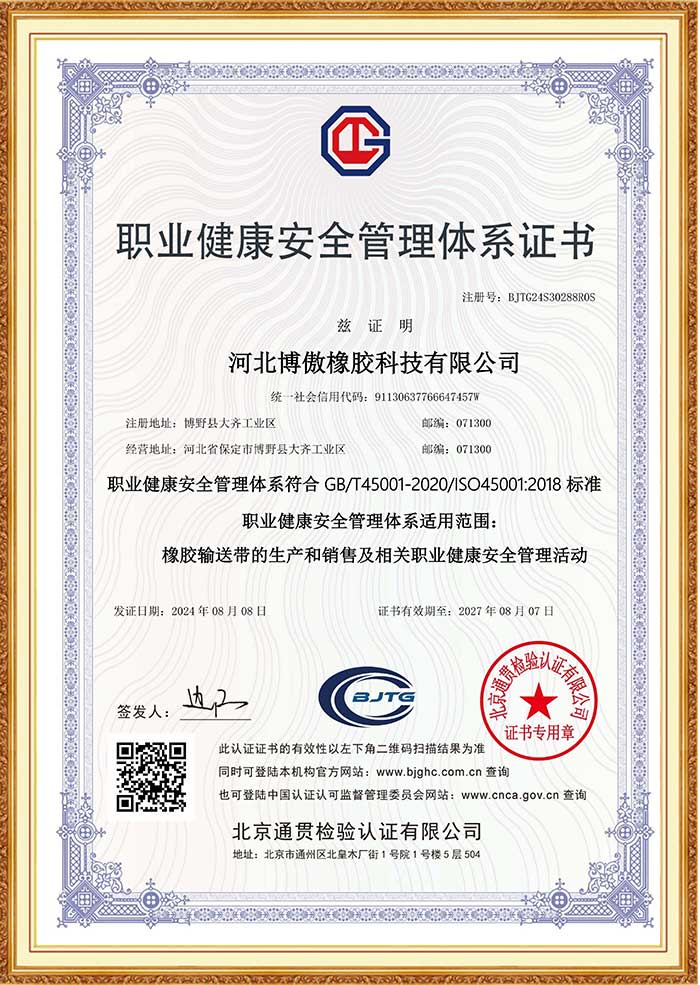
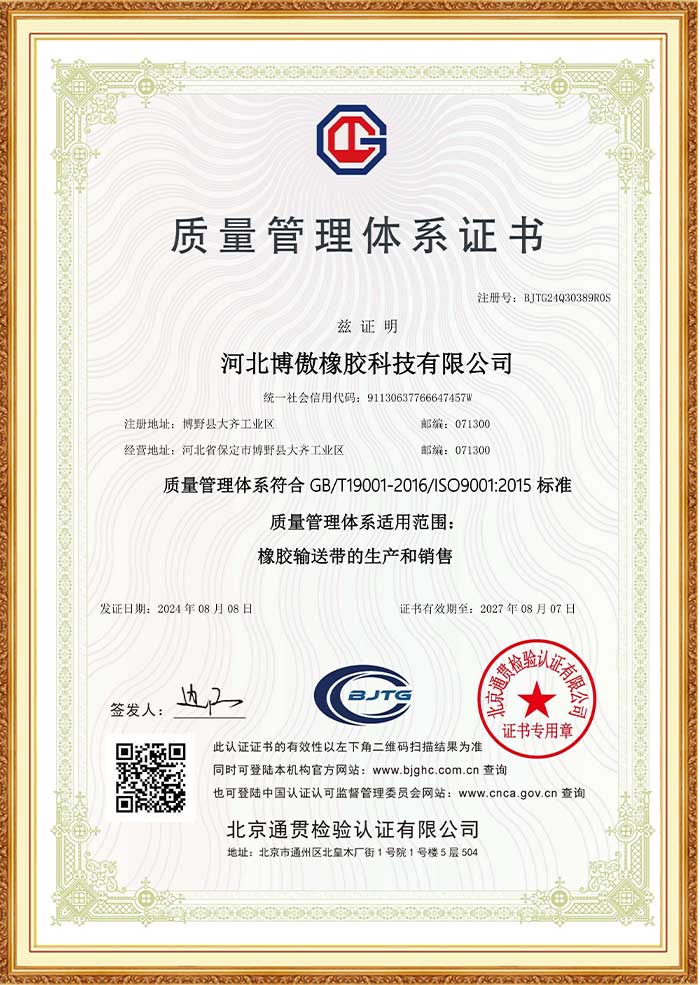
Hebei Boao Rubber Technology runs systematic manufacturing protocols aligned with international quality marks including API 6D, API 607, CE, ISO9001, ISO14001, ISO18001, and TS. Our quality inspection monitors raw elastomer sourcing, polymer compounding, cord laying, pressure curing, and test runs.
This systematic validation keeps every batch of "Jinao" branded belts performing consistently under heavy mechanical loading, damp conditions, and thermal variations.
We provide full onsite mapping, replacement scheduling, belt vulcanizing, and line tensioning services to ensure zero start-up slippage and correct dynamic calibration.
Our engineers perform periodic ultrasonic belt health checks, splice repair operations, cover wear inspections, and alignment checks to prevent sudden line failures.
We help buyers setup safety stock buffers tailored to their production cycles, limiting supply-chain vulnerabilities and avoiding costly production halts.
We analyze dynamic variables like conveyor drive speed and dynamic wrap angles, tweaking structural configurations to reduce power use and extend drive belt lifetime.
Unlike flat or V-belts that rely on specific surface matching, round drive belts operate in semicircular pulley grooves. This design allows multi-axis movement, turning tight corners, and driving dynamic angles. Their elastic qualities often eliminate the need for tensioning systems, absorbing shocks and start-up surges.
Durometer hardness measures the rubber's resistance to indentation. A lower durometer rating (e.g., 75A to 85A) offers a higher coefficient of friction for better grip, but wears faster. Higher durometers (90A to 95A) increase load-bearing capability and tensile modulus, but require larger pulley diameters to prevent premature flexing crack failures.
Tensile decay, or material creep, happens under continuous elongation. As polymer chains slide, the belt stretches and loses drive tension. Boao prevents this by using precise curing times, incorporating high-purity polyurethane and chemical cross-linking agents that limit plastic deformation over time.
Thermoplastic polyurethane (TPU) round belts are typically butt-welded via hot-plate welding, heating the ends to a molten state before pressing them together. Vulcanized rubber cords require heat-and-pressure splicing with vulcanizing compounds. This process ensures the joint matches the raw tensile strength of the base material.
Procurement teams must specify continuous peak operating temperatures, compound class (e.g., EPDM vs. Chlorobutadiene), and carcass fabric type (EP/NN). For temperatures over 150°C, custom compounding is required to prevent compound hardening, checking, and cover cracks.
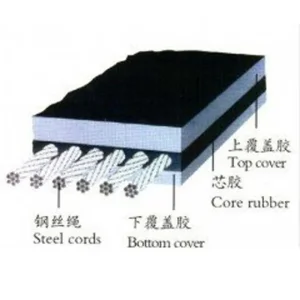
These belts combine vertical steel tension ropes with transverse reinforcement layers (high-strength nylon mesh or cross-laid steel cords). If a sharp object pierces the cover, the horizontal cords stop the cut from traveling along the belt, preventing costly long-running tears.
 Boao Rubber