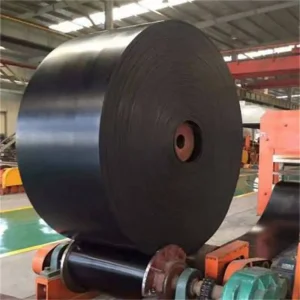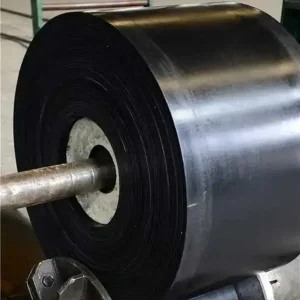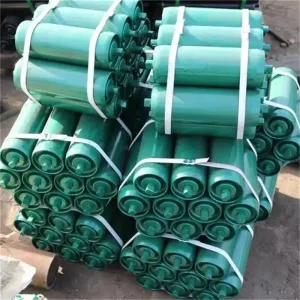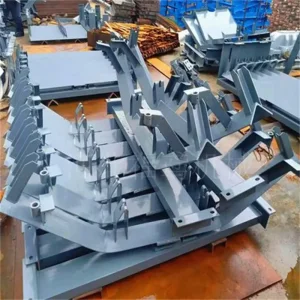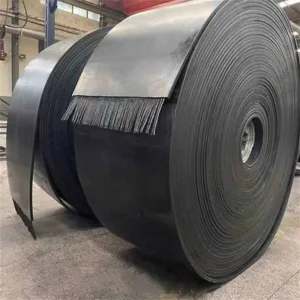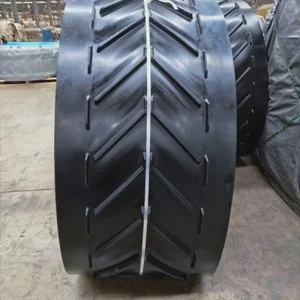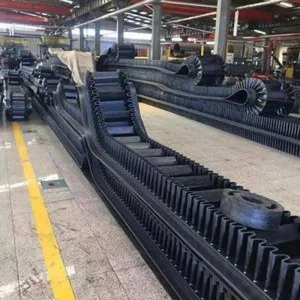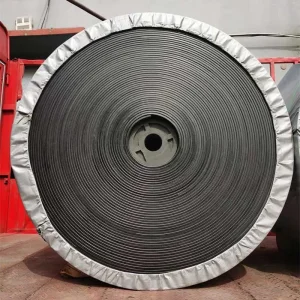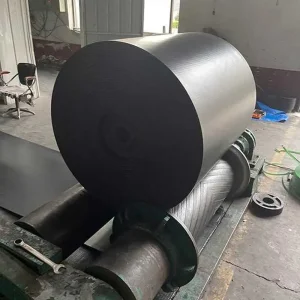
Steel Wire Rope Core Conveyor Belt Supplier & Suppliers in the South Africa Market

Premium High-Tension Industrial Steel Cord Conveyor Belts Configured for Extreme Deep-Level Mining and High-Capacity Bulk Transport across South Africa.

Send Inquiry Now
Market Overview

Understanding the South Africa Mining & Bulk Handling Environment

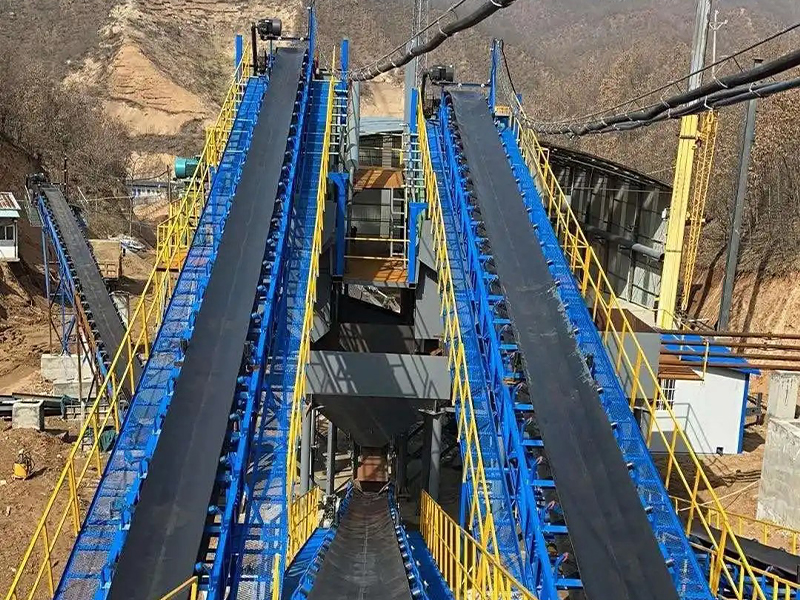
South Africa represents one of the world's most intense geological mining landscapes. Deep-level gold mines in the Witwatersrand Basin, vast platinum reserves in the Bushveld Igneous Complex, and massive coal extraction hubs in Mpumalanga present unmatched physical demands on heavy conveyor systems. Conveying ore across vertical declines, horizontal curved corridors, and thousands of meters of subterranean networks requires mechanical systems built for zero-failure configurations.

Traditional fabric-core belts fail under extreme tensile loads and abrasive friction of manganese, chromite, and iron ore. High-grade Steel Wire Rope Core (Steel Cord) Conveyor Belts are the industrial standard for South African operators seeking reliable, high-capacity, and long-distance bulk material handling. As mine operators face rising electricity costs and operational overheads, minimizing unscheduled conveyor downtime becomes the single most critical factor in retaining operating margin.
  • Capable of spanning massive overland routes without intermediate transfer points.
  • Low operational elongation (under 0.2% at rated working tension) simplifies structural design.
  • High mechanical energy efficiency reduces electrical draw on drive pulleys.
Download Technical Catalog
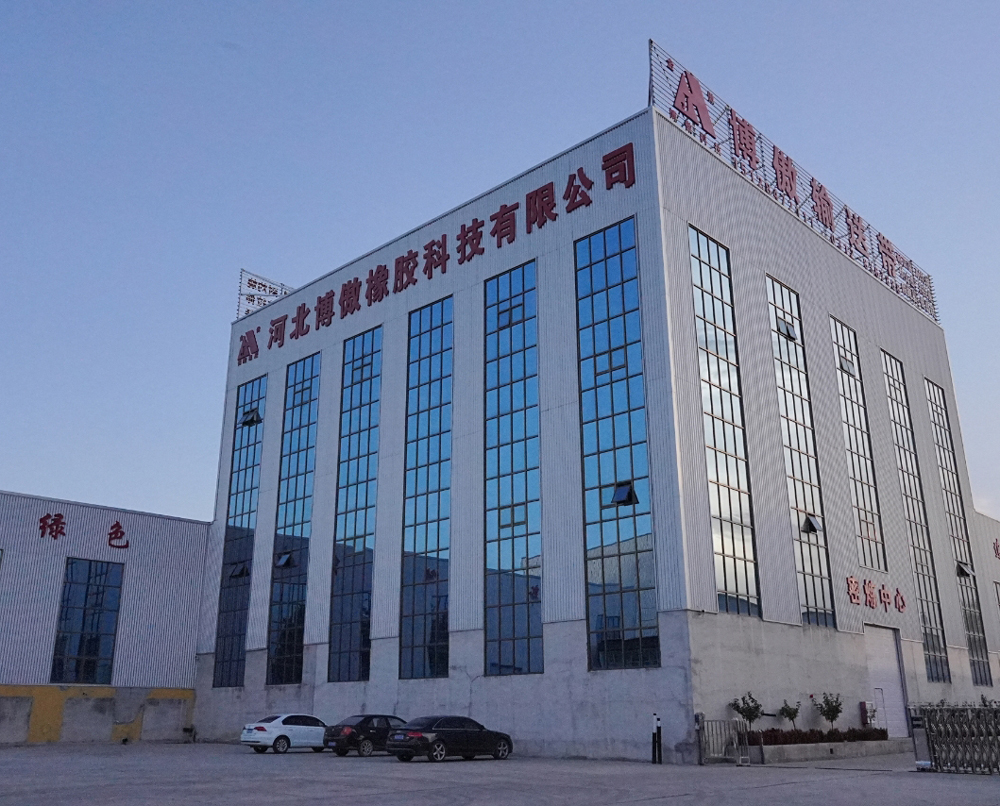
Steel Wire Rope Core Conveyor Belt Manufacturing Hebei Boao
22+
Years Industry Experience
30+
Acres Production Footprint
100%
SANS & ISO Compliance
0.2%
Max Elongation Performance
Manufacturing Powerhouse

Why South African Procurement Partners Trust Our China Facility

Strict Quality Assurance Labs

Our Boye County facility houses independent chemical analysis and physical testing chambers. Raw natural rubbers, synthetic compounds, and high-tensile steel wire strands are audited prior to formulation. We do not permit non-compliant compounds to approach the calendar rollers.

Advanced Testing Machinery

Equipped with specialized dynamic adhesion pull-out rigs and vulcanization test loops, our products conform to DIN 22131 and ISO 15236 parameters. We measure fatigue resistance under continuous flex cycles to guarantee performance in deep mine declines.

Supply Chain Cost Advantages

Located in the Rubber Industrial Park of Hebei, China, we source key inputs directly. This proximity allows us to supply top-tier conveyor belts at highly competitive prices, managing bulk logistics to South African ports like Durban and Richards Bay efficiently.

Technical Depth

Structural Properties of Jinao Steel Cord Belting

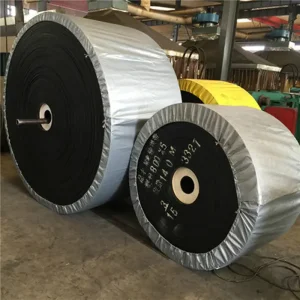
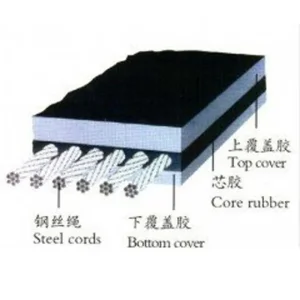
A steel wire rope core conveyor belt acts as the backbone of high-intensity operations. The tension member comprises high-tensile, zinc-galvanized carbon steel cords. The twist direction of adjacent steel ropes alternates (left-hand and right-hand lay) to keep the belt tracking straight. Our specialized rubber formulations cover this inner core, providing wear protection and high chemical resistance.

  • High-Bond Adhesion Rubber: Formulated to flow around individual steel filaments, creating a secure chemical bond that prevents internal shearing.
  • Transverse Anti-Tear Protection: High-tensile textile or steel transverse cords are embedded above the main rope matrix to resist piercing by sharp ores.
  • Optimized Cover Compound Grades: Designed to meet DIN X, Y, W, and Z standards, providing the correct balance of abrasion resistance, cut resistance, and low-rolling resistance.
Inquire for Custom Specifications

Quality Control Testing Standards

Adhesion Strength Guarantees steel cords do not pull free from raw rubber layers under high drive tension.
Dynamic Fatigue Verifies splice durability and cord flex life under continuous multi-pulley operations.
Abrasion Loss (mm³) Cover compounds lose minimal volume over time when handling highly abrasive ores.
Corrosion Resistance Galvanized zinc layer prevents rust spread even if the rubber cover is damaged.
Application Profiles

Engineered Solutions for South African Operating Contexts

Mpumalanga Coal & Power Sectors

Transporting raw coal from mine heads directly to power stations requires large-capacity conveyor systems. Our flame-retardant rubber conveyor belts conform to national safety regulations, minimizing fire hazards in underground shafts and silos.

Kalahari Iron Ore & Manganese Mines

Heavy iron ore and manganese present high impact forces at loading points. Our anti-tear steel wire rope core conveyor belts utilize transverse breakers to resist puncture damage and longitudinal ripping from sharp minerals.

Port Terminal Facilities

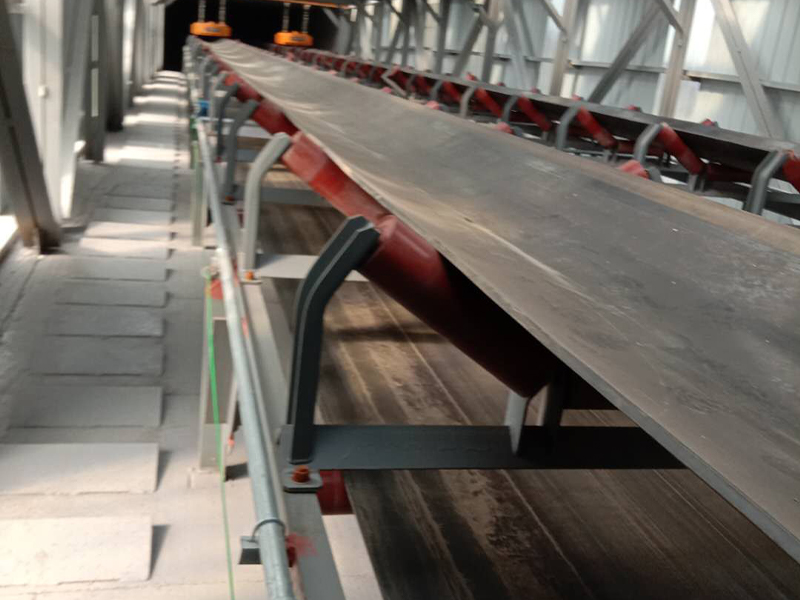
Export ports like Durban and Richards Bay require continuous operation to feed bulk carriers. Our low rolling resistance compounds reduce motor energy draw, lowering operating costs for overland coal and ore shipping lanes.
Field Proof

Global Partnerships & Track Record

Taihang Steel Heavy Conveyor System

Taihang Steel Operation

High-temperature coke conveying under extreme tension cycles.
Tsingshan Group Mining System

Tsingshan Group Industrial Line

Heavy-duty transport systems engineered for high-density alloys.
Zijin Mining Open-Cast Conveying

Zijin Mining Bulk Project

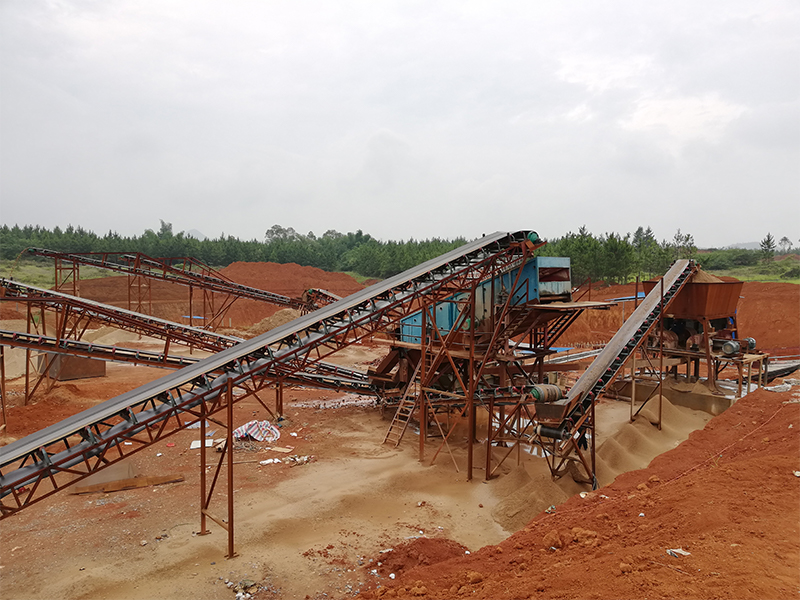
Overland belt installation over variable topography and steep inclines.
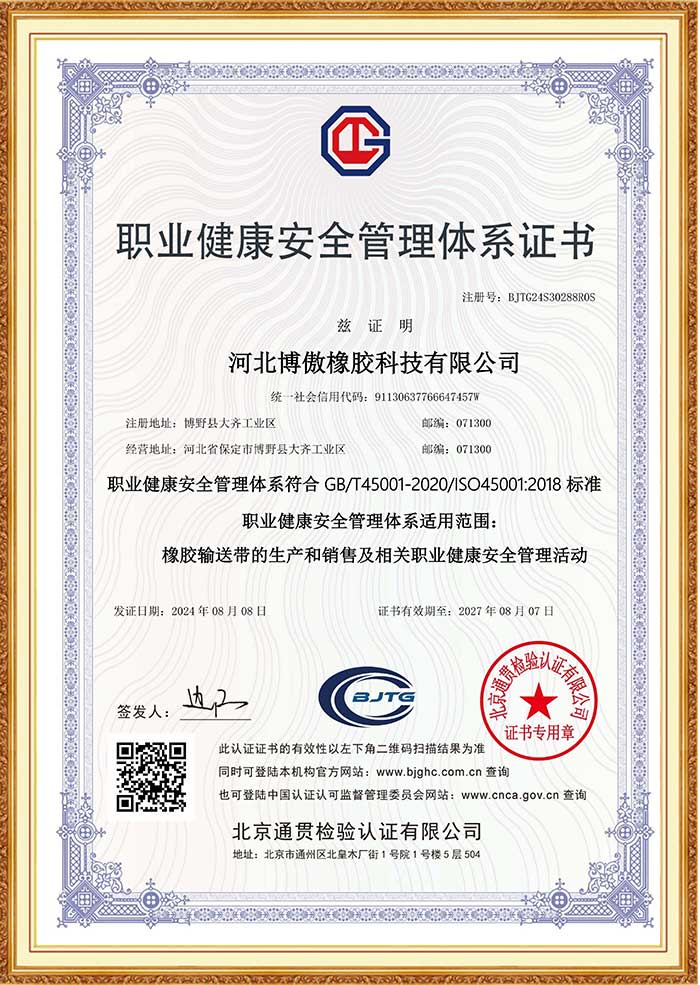
Hebei Boao Quality System Certification
End-to-End Care

Technical Maintenance and Service Frameworks

Industrial conveyor belt procurement is only the first step. Long-term performance relies on proper installation, splicing, and ongoing maintenance. We assist our customers with technical layouts and parameter guidelines designed to maximize belt operating life.

Our engineers provide detailed splice blueprints, cover vulcanization specifications, and recommend safety stocks based on project run time. These preventative steps reduce unexpected wear and optimize conveyor performance over years of heavy use.
  • Splice Optimization: Technical specifications for multi-stage finger splicing, guaranteeing high joint efficiency.
  • Wear Auditing: Guidelines for monitoring rubber cover wear profiles and planning repair interventions.
  • Emergency Repair Training: Provision of high-grade vulcanizing and cold-bonding materials for quick site repairs.
Verification & Standards

State-of-the-Art Quality Testing Laboratory

Peeling Test Equipment

Adhesion Peeling Test

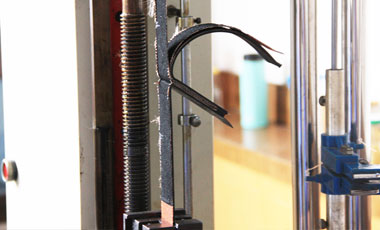
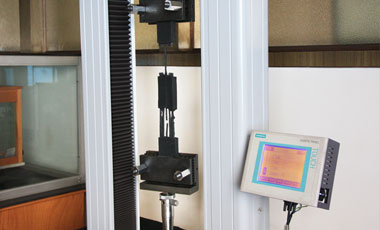
Steel Cord Pull-out Machine

Steel Cord Pull-out Machine

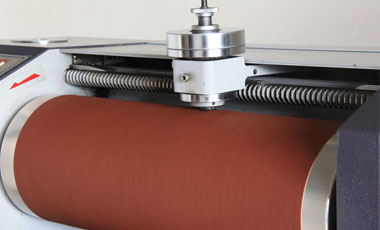
Abrasion Tester

DIN Cover Abrasion Tester

Industrial Q&A

Frequently Asked Technical Questions

What are the main advantages of using steel cord conveyor belts over fabric belts in South African mines?
Steel cord conveyor belts are designed for high-tension, long-distance operations. They exhibit very low elongation (under 0.2%), which reduces the required take-up pulley stroke and simplifies structural engineering. Their high tensile strength allows for longer single-flight conveyors, eliminating complex intermediate transfer points that cause material degradation and equipment wear.
How do cover compound selections affect belt service life when transporting abrasive ores?
The rubber cover protects the steel wire rope core. We design compounds to meet standard grades like DIN X, Y, and W. For high-impact iron ore and manganese mining, we recommend tough, cut-resistant compounds. For long-distance overland runs, we use low-rolling-resistance rubber to reduce power consumption.
What measures prevent corrosion of the internal steel cords?
All steel cord components are constructed from high-tensile, hot-dip galvanized carbon steel, providing resistance to rust. Additionally, our high-adhesion core rubber forms a chemical bond around each wire filament, sealing out moisture and preventing corrosion even if the outer cover experiences surface cuts.
Do your products conform to South African National Standards (SANS)?
Yes, our conveyor belts are manufactured in compliance with major global industrial standards, including ISO 15236, DIN 22131, and equivalent SANS specifications for tensile strength, elongation, and fire retardance in subterranean operations.

Connect with Our Industrial Design Engineers

Whether configuring long-distance overland runs or deep underground decline belts, our engineering team can design the proper specifications for your project. Request a quotation today for custom belt widths, tension classes, and cover compound packages.

Send Inquiry Now