 Boao Rubber
1 / 3
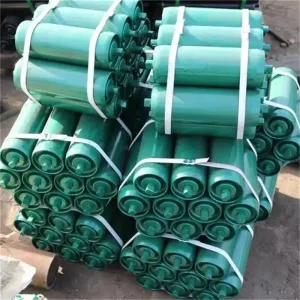
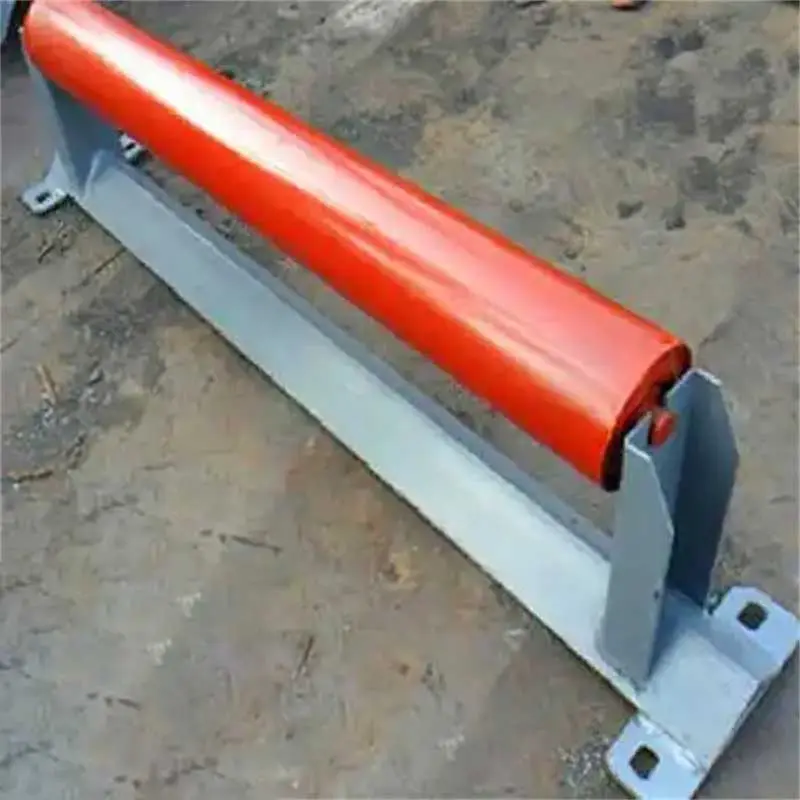
The standard groove angle for the groove type idler is 35 degrees, so the most commonly used in each conveyor are the 35 degree groove type idler and the 35 degree groove type forward leaning idler.
Buffer rollers have 35 degree and 45 degree options. When using canvas conveyor belts, only 35 degree groove type buffer rollers can be selected. When using a 45 degree groove type buffer roller, it can be used in the section of the guide groove that is not affected by material impact.
Large capacity, long-distance, high belt tension, and important conveyors should generally be equipped with transition sections.
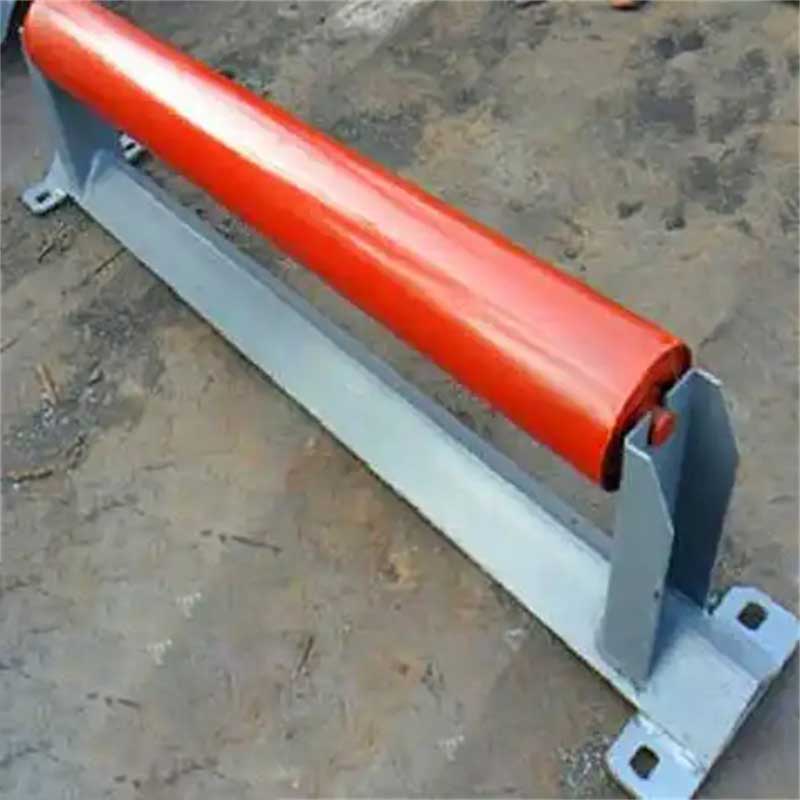
The return roller, also known as the parallel lower roller, is the most commonly used type of lower roller.
Self aligning rollers include ordinary self-aligning rollers, friction self-aligning rollers, and conical self-aligning rollers. The self-aligning roller is used to automatically correct excessive deviation of the conveyor belt during operation, ensuring the normal operation of the conveyor.
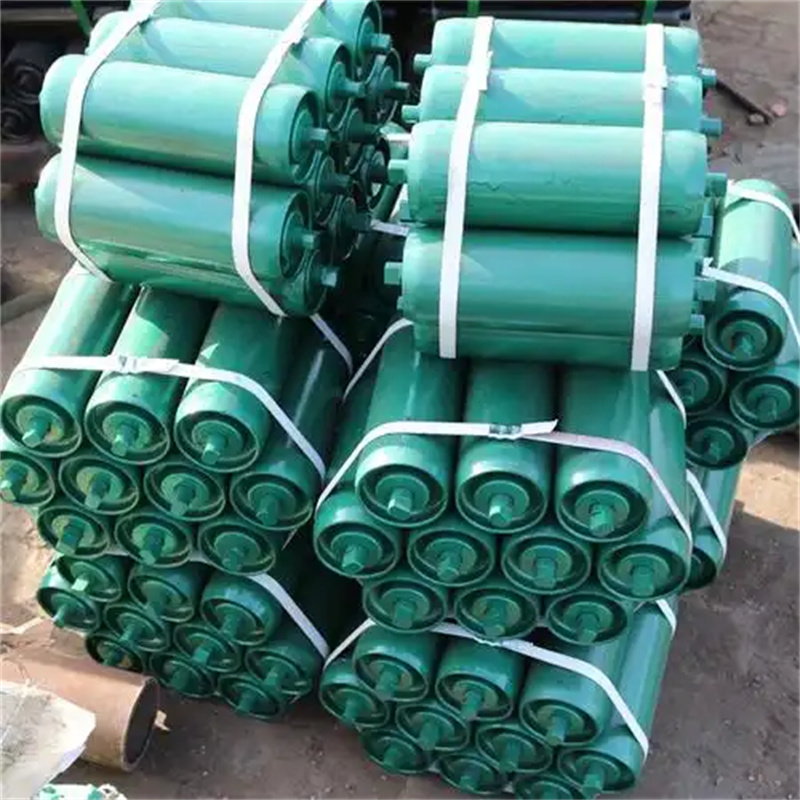
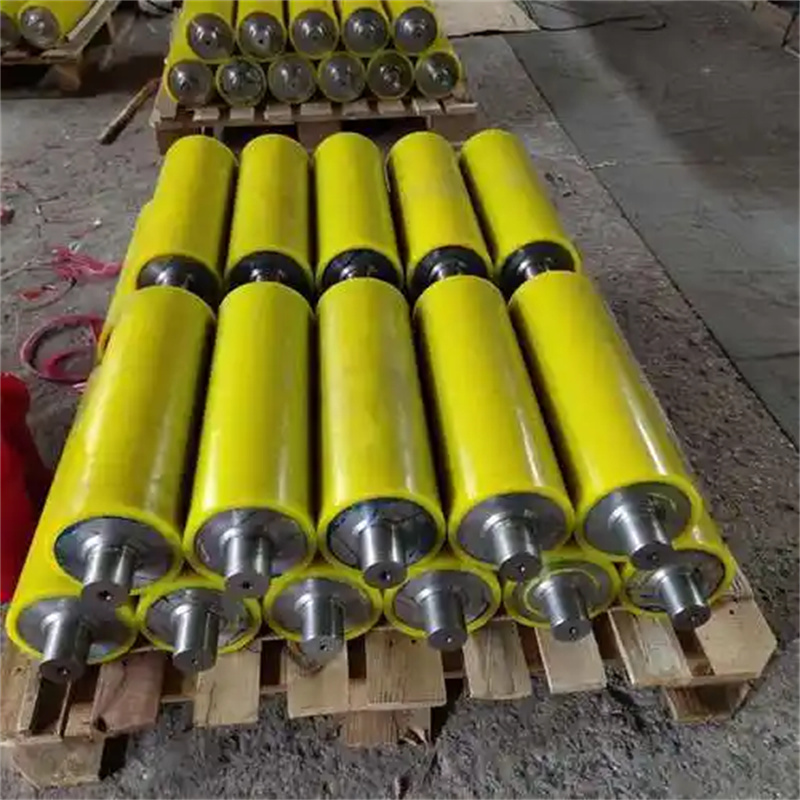
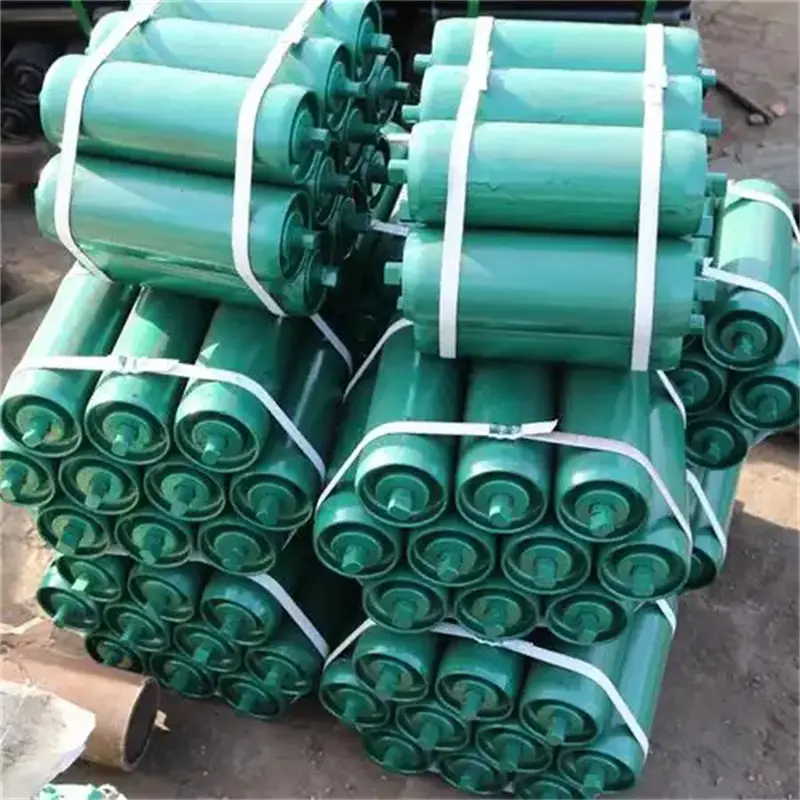
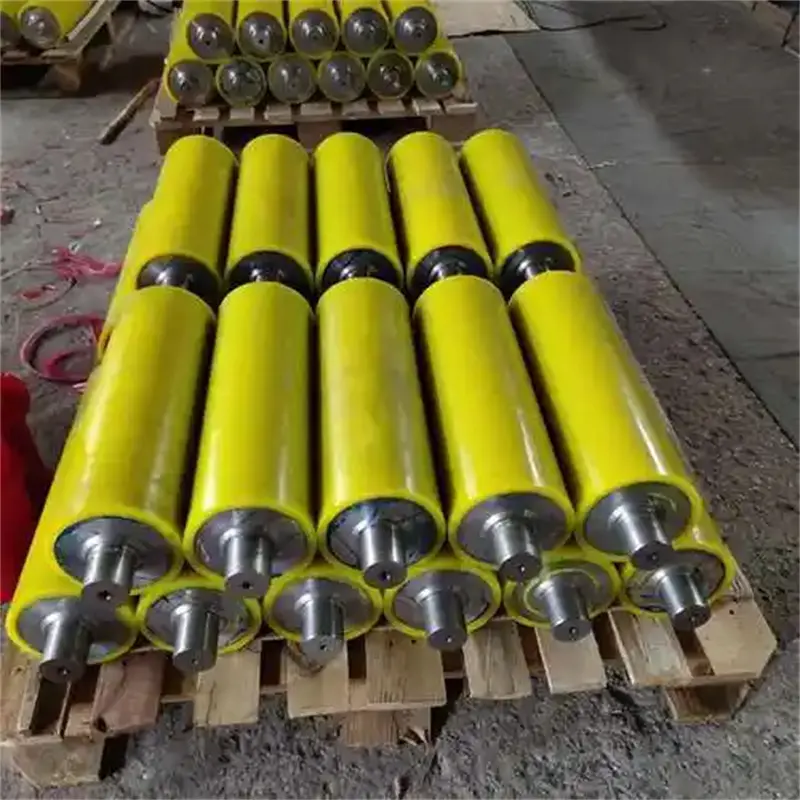
The idler roller supports the conveyor belt and the load being transported, ensuring smooth and consistent belt movement. It is the most critical and numerically dominant component in a belt conveyor system.
The standard groove angle for groove type idler rollers is 35 degrees. This is the most widely used configuration in conveyor systems, often paired with a 35 degree forward leaning idler for improved belt tracking.
When using canvas conveyor belts, only 35 degree groove type buffer rollers are suitable. The 45 degree groove type buffer roller is applicable in sections of the guide groove where materials do not directly impact the belt, offering flexibility in specific conveyor configurations.
Transition rollers are recommended for conveyors with large capacity, long distances, high belt tension, and high operational importance. They are typically installed at the transition sections to prevent belt edge stress and maintain belt shape.
Self-aligning rollers automatically correct excessive lateral deviation (misalignment) of the conveyor belt during operation. They come in three types — ordinary, friction, and conical — each designed to restore proper belt alignment and ensure stable conveyor performance.
Although idler rollers and unpowered drums share a similar appearance and basic composition, idler rollers on belt conveyors are engineered to handle significantly higher carrying capacities. They also operate within specific speed limitations to maintain system efficiency and belt integrity.