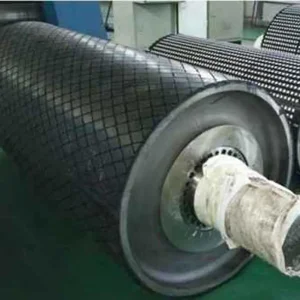
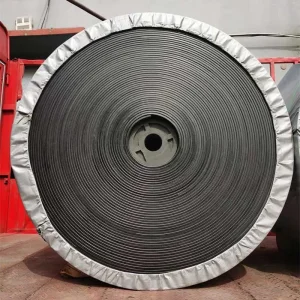
Featured products certified for heavy-duty material handling in maritime port terminals, mining pits, and cement production facilities across Portugal.
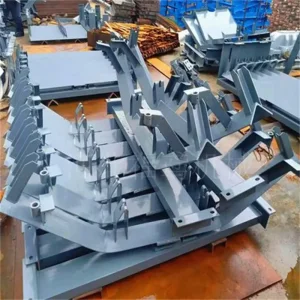
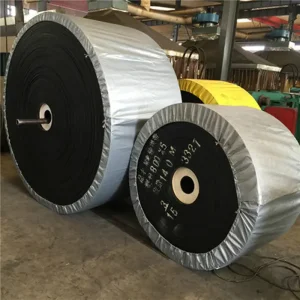
Portugal is experiencing a structural modernization across its heavy industrial sectors. Driven by the European Green Deal and strict national environmental regulations, industries such as cement manufacturing (Cimpor, Secil), deep mining (Neves-Corvo, Aljustrel), and maritime logistics terminals (Port of Sines, Port of Leixões) are moving away from traditional open conveyor systems to cut down on dust emissions, avoid material loss, and lower operational carbon footprints.
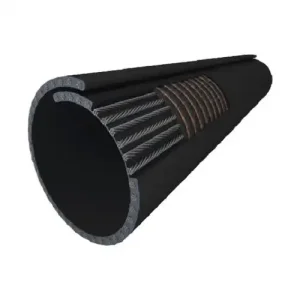
Enclosed pipe conveyor belts have become the preferred technical solution for modernizing these operations. By wrapping the conveyed materials in a sealed cylindrical rubber tube, pipe conveyor systems prevent fine particles of coal, clinker, ores, and woodchips from leaking into nearby ecosystems. This is especially critical in agricultural zones and tourist areas across Portugal, such as Setúbal and Alentejo, where environmental compliance is closely monitored.
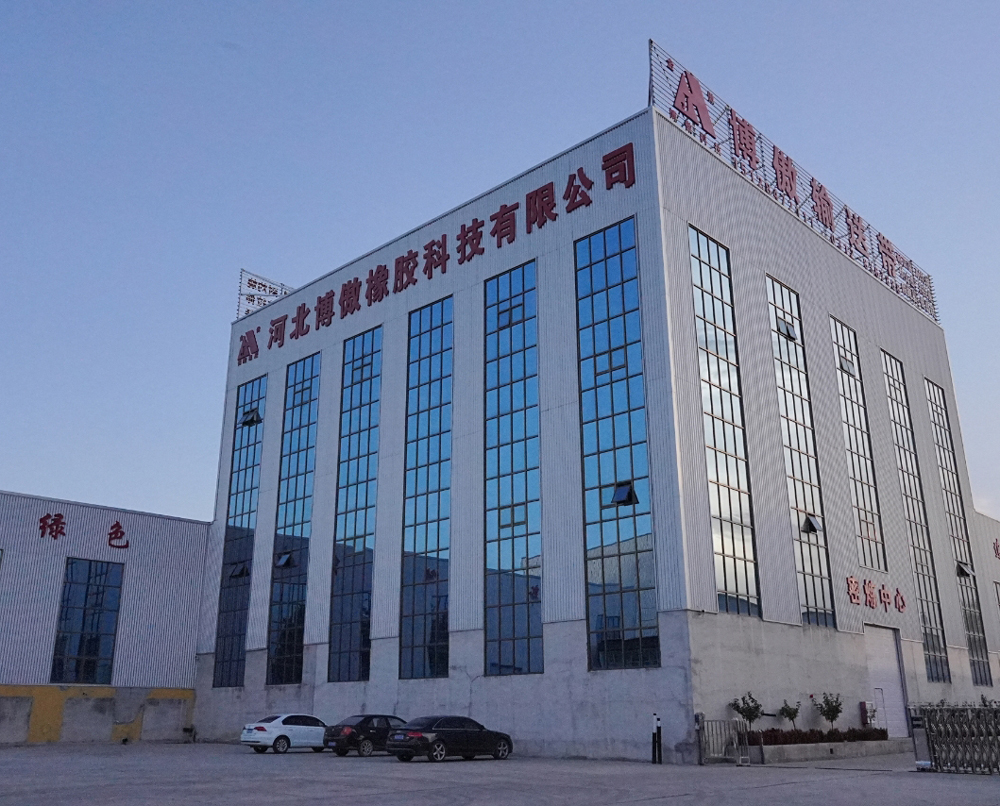
Years of R&D Excellence
Acres Factory Area
Compliance with ISO/DIN Standards
Dust Emission Rate
A deep look into the structural physics and formulation technology that enable pipe conveyor systems to operate efficiently over long distances.
Operating a pipe conveyor belt involves complex dynamic stresses. Unlike flat belts, a pipe belt must maintain a stable cylindrical shape while running, resist collapse along curves, and open flat at head and tail terminals. This requires specialized carcass design and compounding to ensure the right balance between transverse stiffness and longitudinal flexibility.
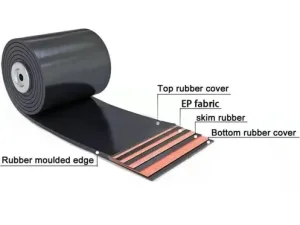
Our engineering team adjusts the carcass construction using high-modulus EP (Polyester-Polyamide) fabrics or premium steel cords. This provides the lateral stiffness needed to keep the belt round, preventing collapse under load while keeping the overlap seal tightly closed between support idlers.
To reduce power consumption at high-throughput port terminals, we use custom-developed viscoelastic rubber compounds. These compounds reduce indentation energy loss as the belt rolls over idler rollers, saving up to 12% to 18% in power consumption compared to standard rubber cover grades.
Our pipe belts undergo strict testing to verify their ozone and fatigue resistance. Because the belt is constantly flexing through transition zones, the rubber must resist cracking and ply separation over millions of cycles, ensuring a long service life under harsh maritime and industrial conditions.
| Property Parameter | DIN 22102 Standard Requirement | Jinao Brand Performance (Boao Group) | Engineering Benefit |
|---|---|---|---|
| Tensile Strength (MPa) | ≥ 18 MPa | 20 - 24 MPa | High safety factor under peak startup tensions | Elongation at Break (%) | ≥ 350 % | ≥ 400 % | Prevents micro-cracks under high flexural fatigue |
| Abrasion Loss (mm³) | ≤ 120 mm³ (DIN Y) / ≤ 90 mm³ (DIN W) | ≤ 75 mm³ | Extends life when handling abrasive materials like slag & clinker |
| Overlap Stability | Subject to local alignment | Self-correcting edge geometry | Minimizes structural twist on long-distance curves |
Custom-engineered conveyor setups designed to solve environmental, logistical, and temperature challenges across Portugal.
Ideal for rapid loading and unloading of grains, sulfur, and biomass at the Port of Sines, maintaining high conveying speeds without environmental spills.
Equipped with heat-resistant rubber compounds designed to withstand continuous operating temperatures up to 200°C for conveying hot cement clinker.
Engineered for high-strength requirements, transporting extracted copper and zinc ore at projects like the Neves-Corvo mine through long, curved inclines.
Operating from our modern facility in the Rubber Industrial Park of Boye County, Baoding, Hebei Province, Hebei Boao Rubber Technology Co., Ltd. (established in 2004, manufacturing the "Jinao" brand) has built a fully integrated supply chain over the last 22 years. This ensures high quality and reliable delivery times for large-scale engineering projects in Portugal.
By handling everything from automated raw material mixing and high-precision calendering to vulcanization and end-to-end laboratory testing in-house, we eliminate reliance on third-party suppliers. This centralized approach guarantees consistent performance, competitive pricing, and dependable production schedules.
Proof of reliability in highly demanding settings, delivering heavy-duty conveyor systems engineered to international standards.
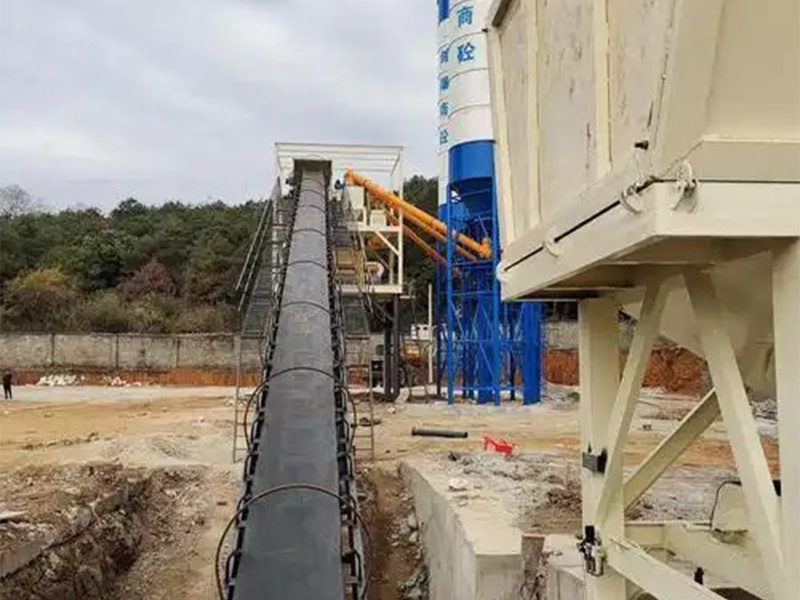
Optimized coal and biomass transport at major Portuguese maritime terminals, utilizing our low rolling resistance (LRR) pipe conveyor belts to achieve zero dust discharge and reduce energy costs.
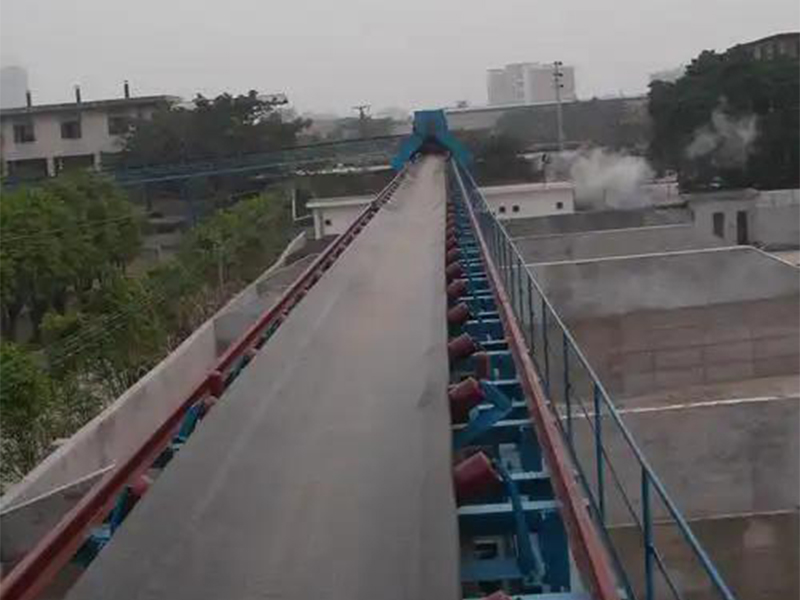
Supplied high-temperature resistant rubber conveyor belts designed to withstand continuous operating temperatures of 180°C, helping cement plants maintain continuous production.
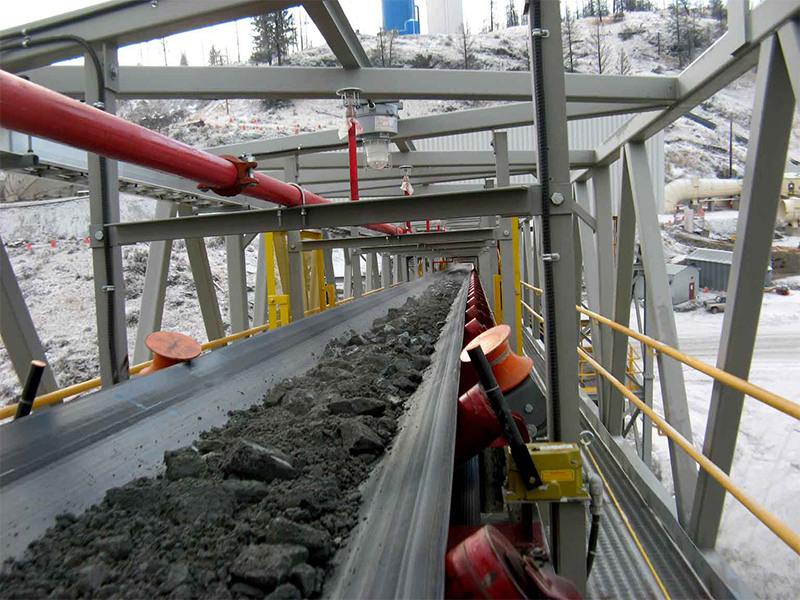
Designed and manufactured anti-tear steel wire rope core conveyor belts for underground operations, managing vertical inclines and high-stress curves without slippage or tears.
Beyond manufacturing: we partner with you from initial site surveys to installation support and preventive maintenance.
We provide full technical support for our clients in Portugal, helping you maintain operational efficiency, minimize downtime, and extend the lifespan of your conveyor belts.
Our technical service team coordinates with European service centers to supply replacement vulcanizing compounds, hot splicing kits, and troubleshooting guidance during plant upgrades.
Our typical service plan covers routine inspection guidelines, training for local maintenance crews on overlap alignment, and maintaining safety stocks of critical components at key regional transit points.
How we maintain the "Jinao" brand quality standard, from precision raw material mixing to dynamic fatigue testing.
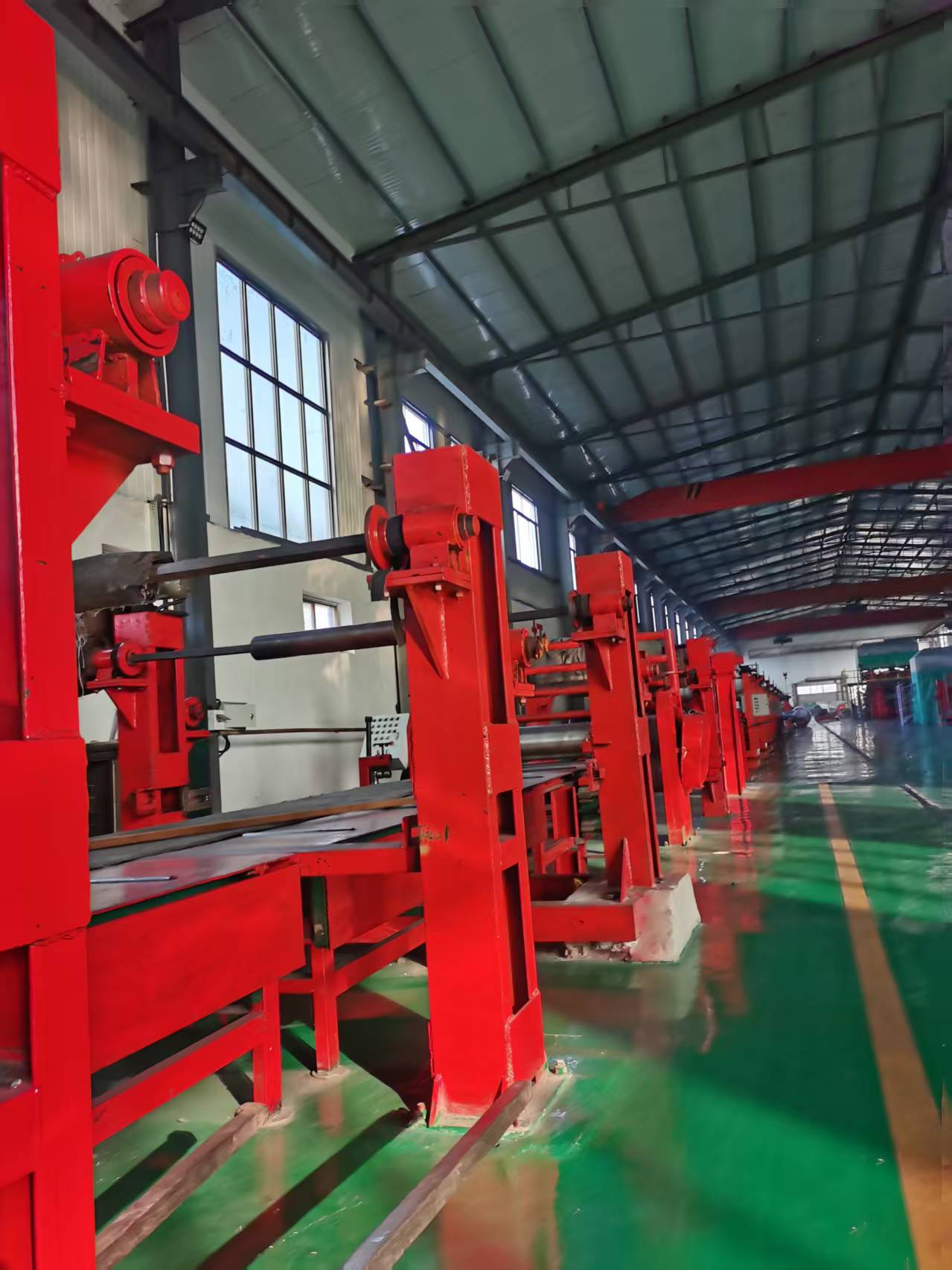
Fabric Conveyor Belt Curing Line
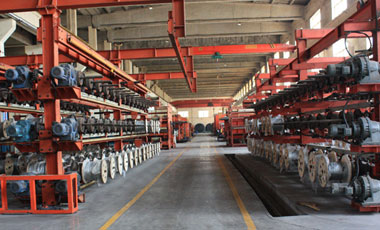
Steel Cord Curing Press
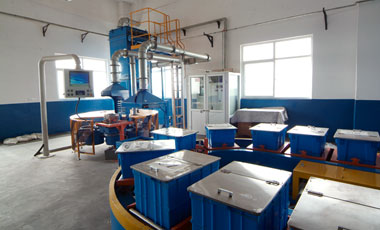
Proportioning Room & Mixing Center
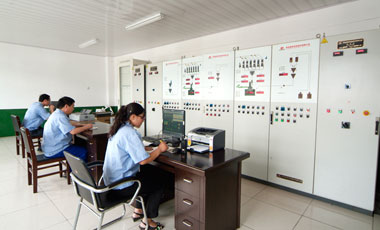
Automated Compounding System
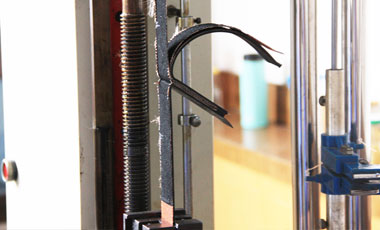
Ply Peeling Strength Tester
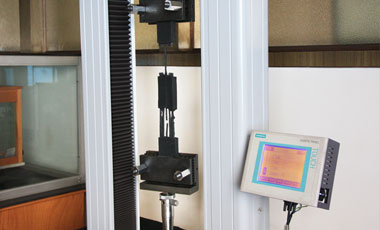
Steel Cord Pull-Out Machine
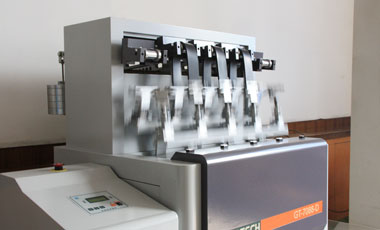
Dynamic Fatigue Tester
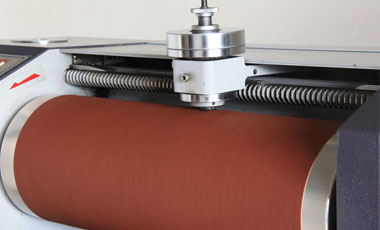
DIN Rubber Abrasion Tester
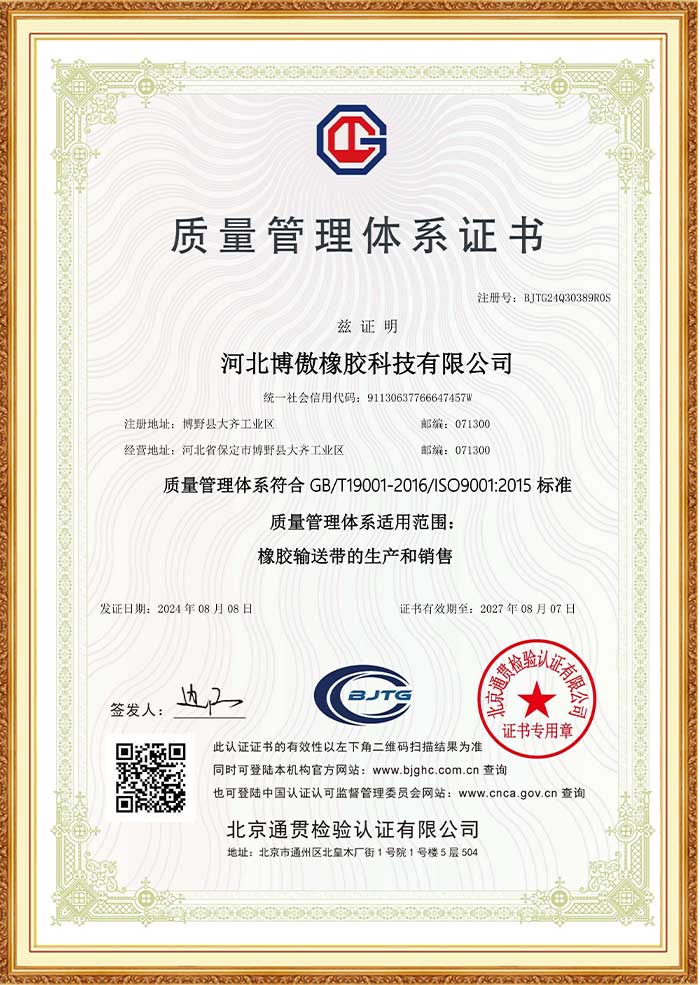
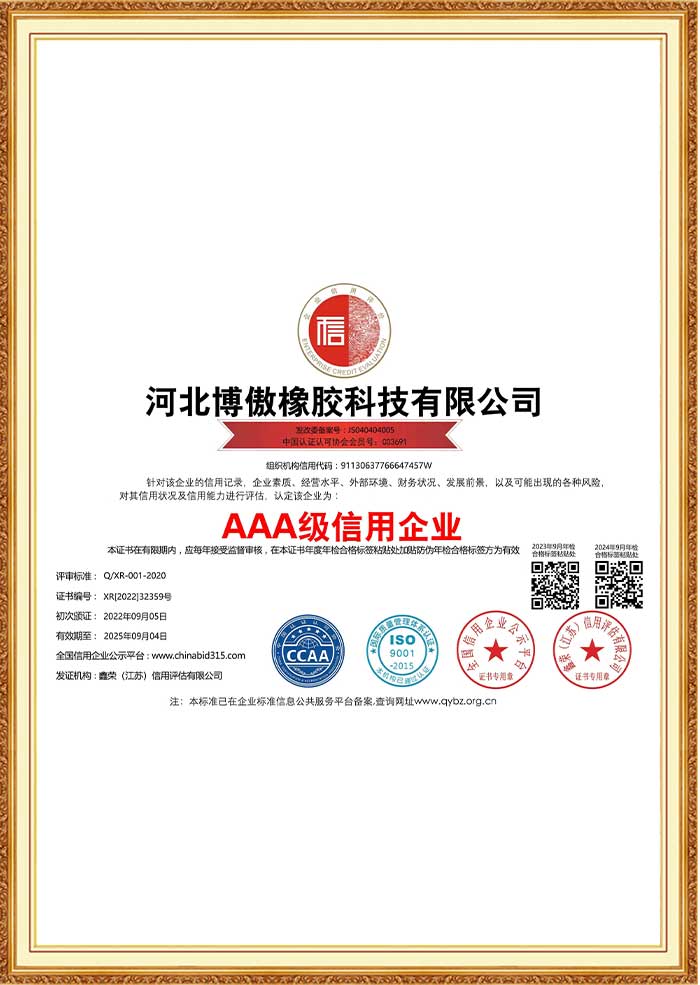
Our manufacturing and environmental systems are fully certified to meet EU industrial criteria and international standards.
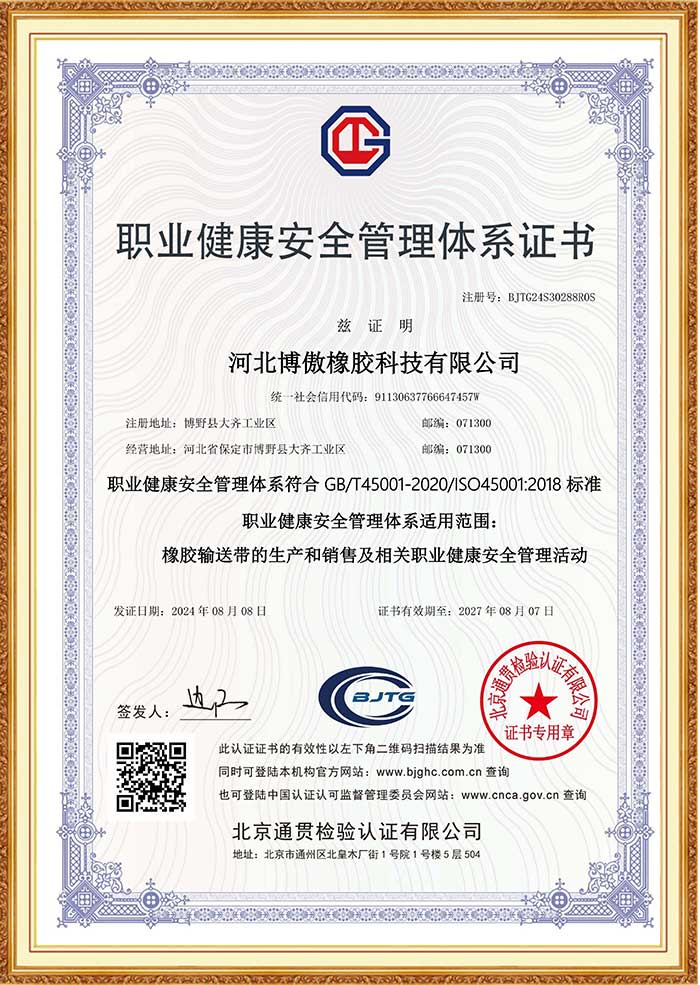
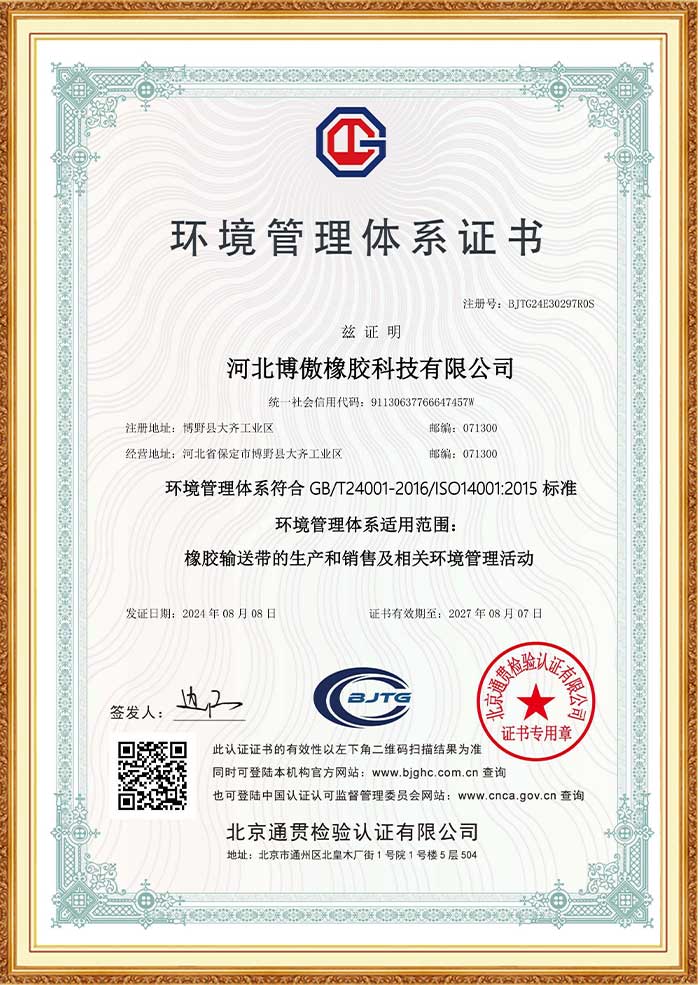
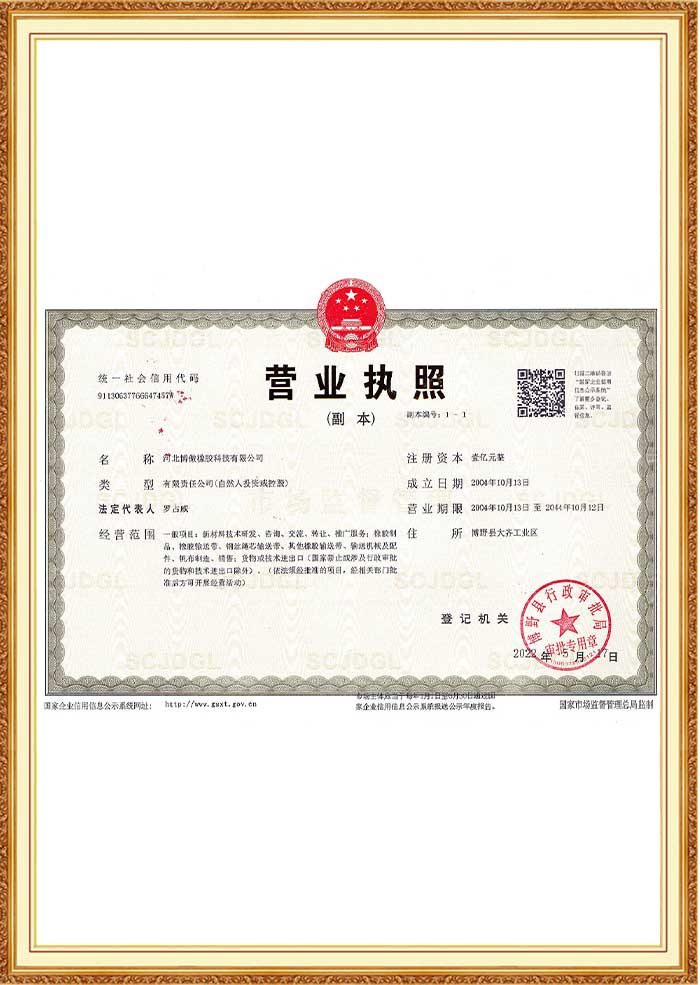
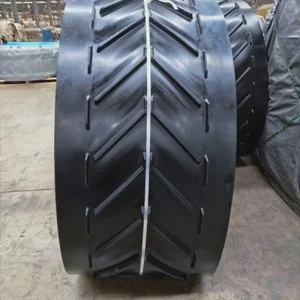
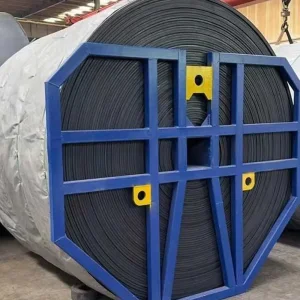
Explore our complete range of specialized fabric, steel cord, patterned, and acid-resistant conveyor belts engineered for heavy-duty industrial projects.
Common questions from engineering managers and procurement departments regarding selection, design parameters, and compliance.
Get in touch with our engineering team today for technical assessments, custom belt design assistance, or direct quotes for the Portugal market.
Send Inquiry Now Boao Rubber