Premium-grade vulcanized edge configurations engineered for demanding Turkish industrial conditions, handling extreme loads with minimized maintenance requirements.
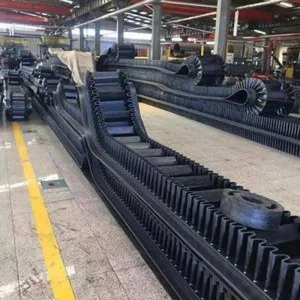
Premium wear-resistant properties built using advanced rubber compounding for heavy ore logistics.
View Specifications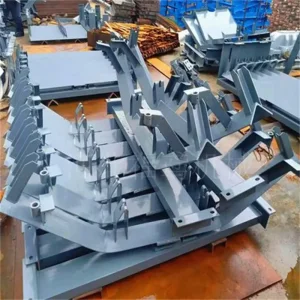
Structural brackets designed to resist extreme vibrations in harsh environments like crushing sites.
View Specifications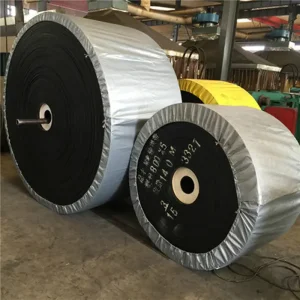
Engineered to sustain continuous temperatures up to 200°C for sinter plants and cement clinker transport.
View Specifications
Precisely balanced steel and composite idlers minimizing frictional resistance and overall system wear.
View SpecificationsTurkey sits as a critical logistical and manufacturing node bridging European quality requirements with highly competitive production dynamics. The region’s aggressive push in mining (particularly Boron, Lignite, and Iron Ore), cement processing (key hubs in Kocaeli, Izmir, and Eastern Anatolia), and metallurgical processing requires bulk material handling solutions capable of operations under demanding parameters.
Edge Conveyor Belts, specifically designed with reinforced vulcanized borders and corrugated walls, address the unique operational challenges of Turkey's steep-incline operations. From the underground mines of Zonguldak to the deep-water marine bulk terminals in Ambarli and Mersin, maintaining structural belt integrity along the perimeter is critical to preventing material spillage, minimizing wear, and cutting unplanned downtime.
As a global partner, Hebei Boao Rubber Technology Co., Ltd. deploys its "Jinao" brand products with specialized compounding configurations. Our focus is on delivering systems that withstand the abrasive dust, thermal fluctuations, and chemical exposure typical of Turkey’s heavy industrial zones.
Founded in 2004, our 30-acre state-of-the-art facility integrates raw chemical formulation, weaving, steel cord tensioning, and high-pressure vulcanization. This end-to-end oversight ensures our belts perform reliably under challenging loads.
Our systems meet or exceed international standards like DIN 22102, ISO, and EN requirements, ensuring direct drop-in compatibility with European-engineered conveying machinery operating across the country.
Industrial edge conveyor belts, particularly corrugated sidewall configurations, solve a fundamental mechanical issue: transporting loose materials vertically or at steep angles (up to 90 degrees) without spilling. Unlike standard flat belts, edge-reinforced and sidewall-configured belts feature vulcanized boundaries that act as dynamic containers. These boundaries contain material on the active carrying surface, even when routing over short deflection curves.
The base belt must possess high cross-rigidity to prevent bowing at redirection rollers, while retaining longitudinal flexibility for return run wrapping. At Hebei Boao Rubber Technology, we use cross-stabilized fabrics (specifically EP and NN matrices) along with high-tensile steel cord cores to achieve this balance. This configuration minimizes longitudinal stretch while maintaining stability across the belt width.
Turkey’s geographic location requires durable heavy industrial components. The regional market demands can be categorized into three main sectors:
The lifetime of an edge belt is determined by its elastomer compound. We use high-grade polymer blends of Natural Rubber (NR) and Butadiene Rubber (BR) to construct our outer covers. This formulation provides high tensile strength, elastic recovery, and resistance to gouging. For specialized environments, our Nitrile-Butadiene (NBR) and Chloroprene (CR) compounds resist oils, acids, and alkalis. This makes them suitable for chemical fertilizer plants and metal refinery applications across Turkey.
Our belts are tested in our in-house physics laboratories to match the following international benchmarks:
| Grade Standard | Tensile Strength (MPa) | Elongation at Break (%) | Abrasion Loss (mm³) |
|---|---|---|---|
| DIN-X (Extreme Abrasion) | ≥ 25 | ≥ 450 | ≤ 120 |
| DIN-Y (Standard Heavy-Duty) | ≥ 20 | ≥ 400 | ≤ 150 |
| DIN-W (Extra Wear-Resistant) | ≥ 18 | ≥ 400 | ≤ 90 |
Our Quality Assurance process begins with incoming chemical inspections and continues through to final vulcanization testing. Every production run undergoes peeling tests to confirm adhesion between plies, steel cord pull-out testing to assess dynamic bond strength, and abrasion index verification. This thorough evaluation prevents delamination, which can cause catastrophic failures on steep incline conveyor lines.
Our material handling systems are trusted by leading heavy industrial conglomerates worldwide to keep their core logistics operational.
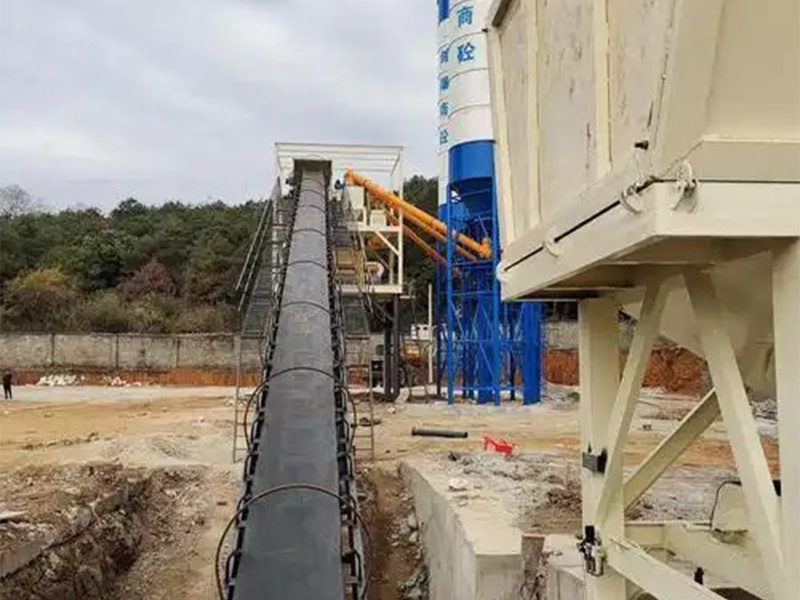
Providing continuous, high-volume aggregate conveying solutions to maintain mixing output under tight schedules.
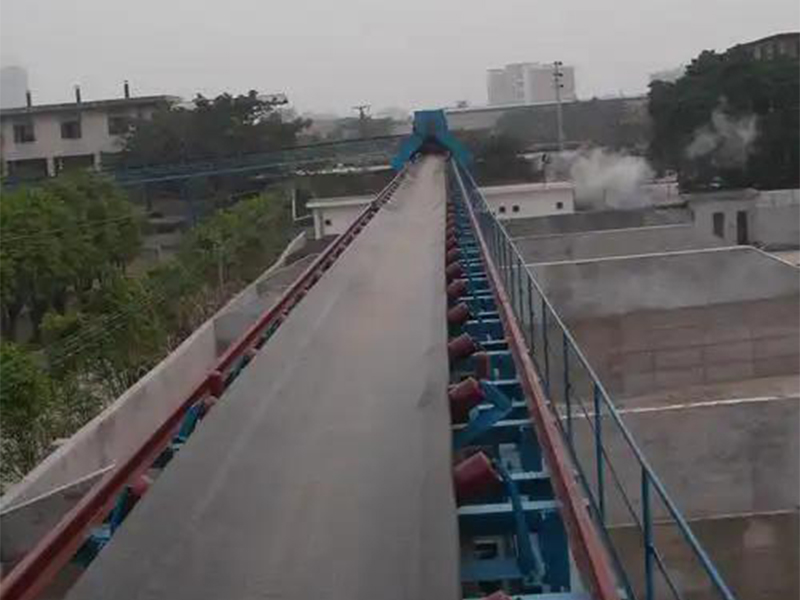
Heat-resistant clinker conveyor belts optimized to handle high-temperature materials continuously without failure.
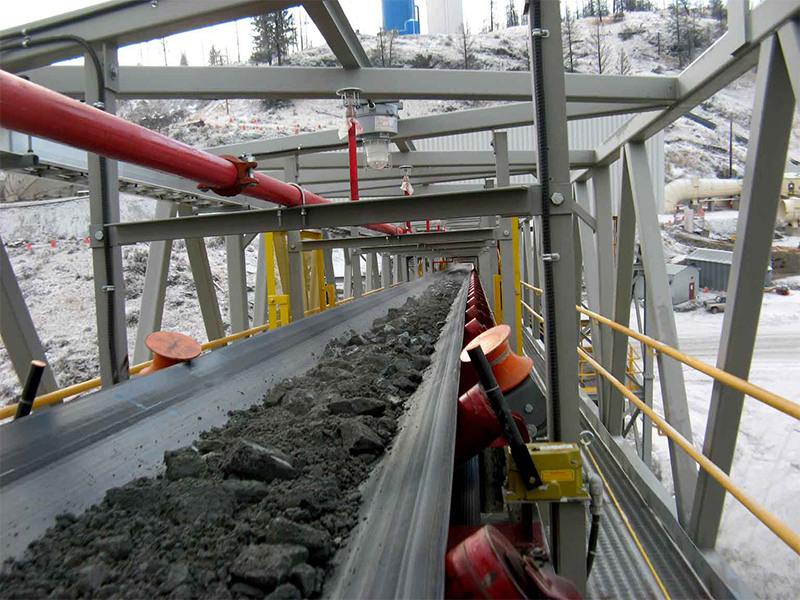
Heavy-duty steel cord core belts designed to transport high-tonnage raw coal safely in deep mine shafts.
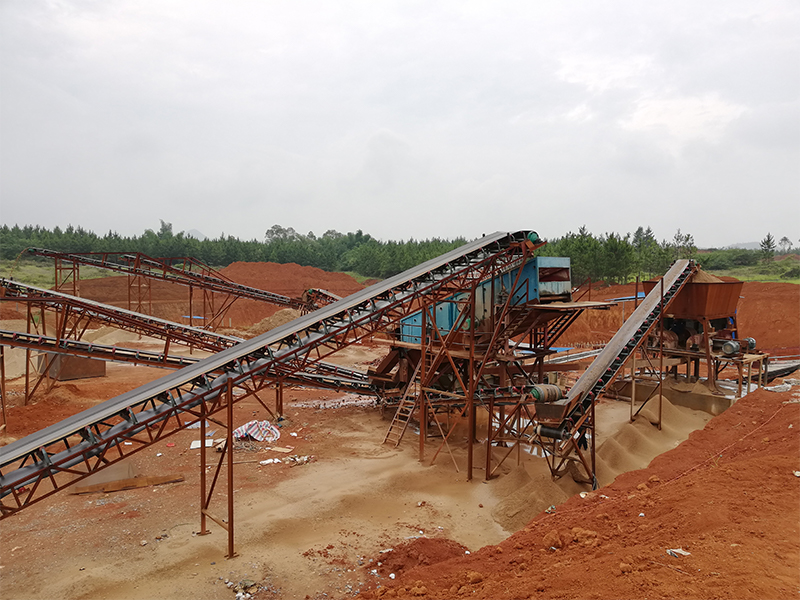
Corrosion and chemical-resistant belts supporting ore processing operations at nickel extraction facilities.
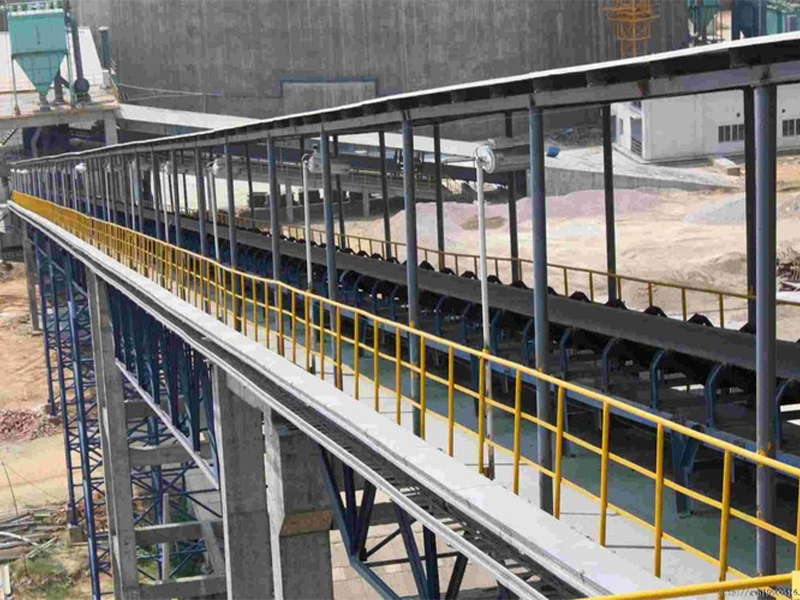
Reliable bulk raw materials conveying, minimizing dust dispersion and keeping system downtime low.
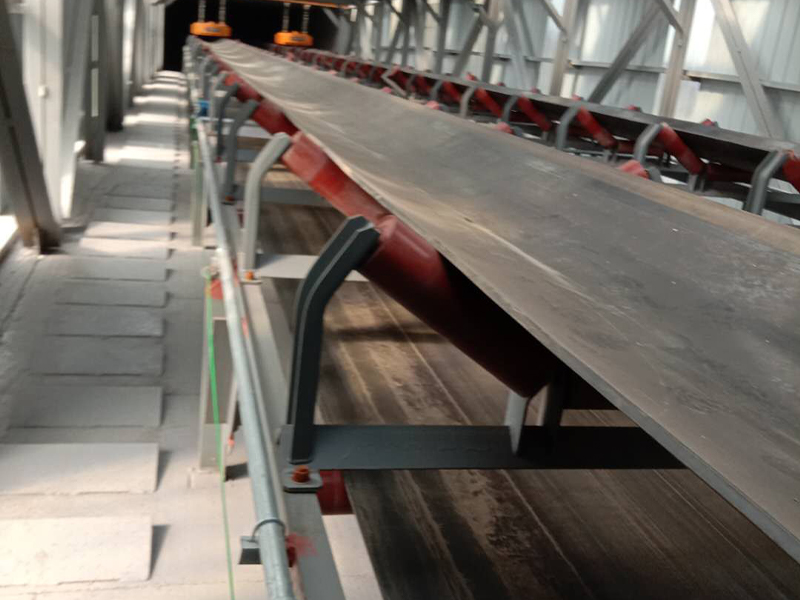
Extremely heat-resistant belts transporting hot sinter material under constant exposure to airborne abrasive dust.
We work to prevent operational issues before they start. Our technical support services cover the entire lifetime of your belt system, helping Turkish industrial operations run smoothly and efficiently.
Scheduled Replacement & Diagnostics: Our team helps schedule maintenance shutdowns based on belt wear indicators, ensuring components are replaced before they fail.
Hot and Cold Vulcanization Splicing: We provide splicing compounds, technical guidelines, and support to ensure splice zones achieve up to 90% of the base belt's tensile strength.
Preventative Audits: Our technical experts conduct on-site inspections of conveyor structures, idlers, pulleys, and belt alignment to address potential issues early.
Explore our full range of heavy-duty transport belts and support components, designed for industrial plants, mines, and logistics terminals.
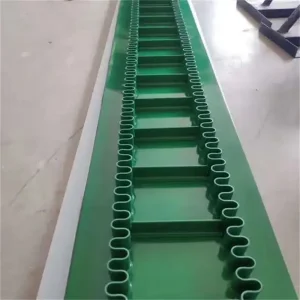
Food-grade and logistics packaging belts optimized for high speed and low noise.
View Details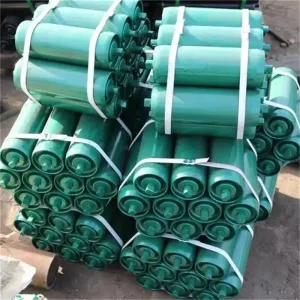
Self-aligning suspended roller systems designed to keep belts running straight on long spans.
View Details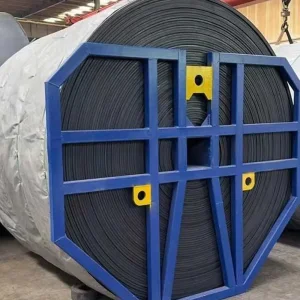
Reinforced steel wire rope core providing resistance to longitudinal tearing under impact.
View Details
Corrugated sidewall configurations designed to prevent material spillage on steep inclines.
View Details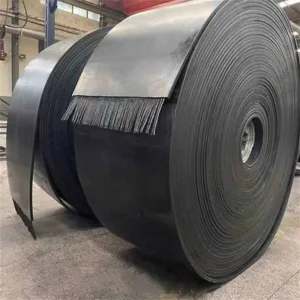
High-tension steel cables designed to prevent belt stretching on long-distance overland conveyors.
View Details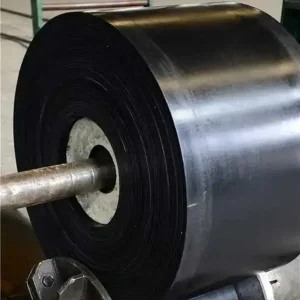
Specially formulated rubber covers designed to resist acids, bases, and chemicals in processing plants.
View Details
Reliable polymer transport systems designed for clean packaging and electronic assembly operations.
View Details
Excellent heat aging properties designed to extend service life in clinker and foundry production line environments.
View DetailsAnswers to common engineering questions regarding the selection, application, and maintenance of edge conveyor systems in Turkey's industrial sectors.
For abrasive materials like copper ore, boron, and lignite, we recommend cover compounds that meet the DIN-W or DIN-X standards. These formulations use high proportions of natural rubber (NR) and butadiene rubber (BR) to provide resistance to gouging and scratching from sharp mineral fragments.
Our heat-resistant rubber belts use ethylene-propylene-diene monomer (EPDM) matrices. EPDM has a saturated polymer backbone that resists oxidation, heat, and ozone. Our T3 grade handles continuous temperatures up to 200°C, and spikes up to 250°C, which is ideal for hot cement clinker discharge lines.
We recommend hot vulcanization splicing for steel wire rope core belts. This process uses uncured tie gum, cover rubber, and specialized vulcanizing heaters. Our splicing materials are designed to match the base belt's properties, providing dynamic splice strength of up to 90% under high tension.
Standard custom belt orders are typically manufactured within 15 to 25 days. Shipping to key Turkish ports like Istanbul (Ambarli), Izmir (Alsancak), or Mersin takes approximately 25 to 30 days via direct ocean freight, allowing for predictable scheduling of maintenance shutdowns.
Yes. We customize corrugated sidewalls from 40mm up to 630mm in height. Cleats can be configured in T, C, or TC patterns and spaced to fit your materials, incline angles, and conveyor geometries.
Yes, we manufacture flame-retardant conveyor belts that meet EN 12882 and DIN 22109-1 standards. These belts use chloroprene or special flame-retardant PVC/PVG blends that self-extinguish when the heat source is removed, helping prevent fires in underground tunnels.
Cross-rigidity prevents the belt from sagging or bowing between support idlers on the return run. Without proper cross-rigidity, the belt can rub against the support frame, causing uneven wear. Our XE fabric constructions provide cross-rigidity while maintaining the longitudinal flexibility needed for standard pulleys.
For steel cord belts, we recommend using electromagnetic scanning or real-time X-ray systems to inspect the internal steel cables. This non-destructive testing helps locate broken cords, corrosion, or splice slip before a complete belt failure occurs.
Contact our engineering specialists to discuss your system parameters, request custom samples, or obtain a detailed quote tailored to your plant layout.
Send Inquiry Now Boao Rubber