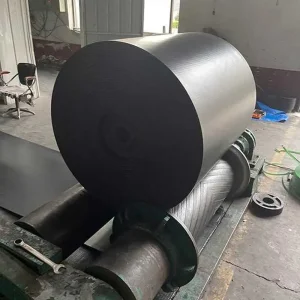
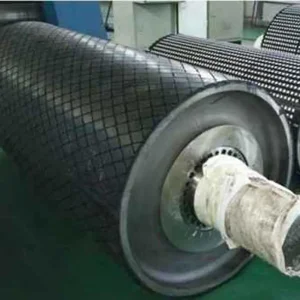
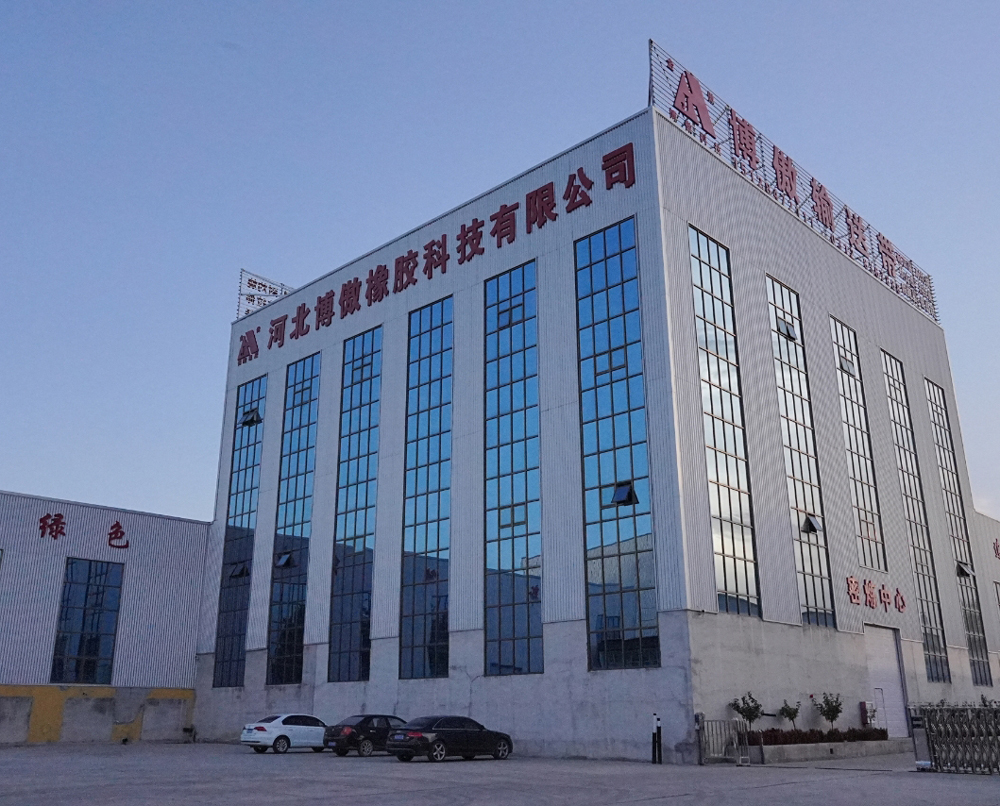
Founded in 2004, Hebei Boao Rubber Technology Co., Ltd. has developed into a premier industrial hub inside the Boye County Rubber Industrial Park, Baoding, Hebei Province, China. Spanning over 30 acres of high-precision production floor, Boao represents the pinnacle of modern polymer engineering under our proprietary brand "Jinao". As an integrated manufacturer, we bridge the gap between initial scientific research, mechanical custom design, advanced compound formulation, and massive-scale industrial supply.
Our facility integrates continuous rolling, automatic vulcanization, and state-of-the-art testing systems. Our focus remains on manufacturing high-performance conveyor belts and component accessories. In a globalized market demands resilience, low elongation margins, and high load capacities, Boao ensures that every product, from heavy steel-wire cord configurations to thin rubber specialty belting, is engineered for optimal performance.
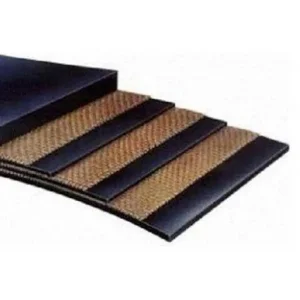
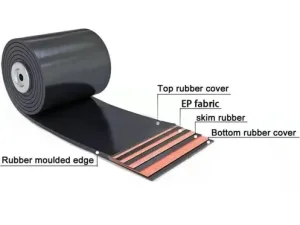
Fabric-reinforced thin rubber belts are engineered with synthetic fibers to establish targeted tensile properties. Polyester (EP) and Polyamide (NN) plies serve as the backbone, providing distinct elastic and mechanical parameters:
The durability of a thin rubber belt depends directly on its polymer cover compound. Our chemists design specialized formulas to survive extreme industrial conditions:
| Belt Specification Category | Tensile Strength Range (N/mm) | Cover Rubber Tensile (MPa) | Elongation at Break (%) | Primary Industrial Applications |
|---|---|---|---|---|
| Fabric (EP/NN) Belts | 100 - 3150 | 15 - 24 | ≥ 350 - 450 | Cement, Coal Plants, Aggregate Mines, Iron Ore Processing |
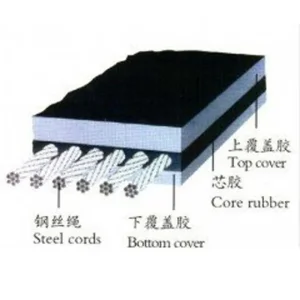
| Steel Wire Rope Core Belts | 500 - 5400 | 18 - 25 | ≥ 400 - 500 | Overland Bulk Handling, Ports, Under-ground Heavy Ore Mining |
| Heat-Resistant Series | 200 - 2000 | 12 - 18 | ≥ 300 - 400 | Sintered Ore Plants, Coke Ovens, Clinker Lines, Steel Works |
| Flame Retardant Series | 200 - 2500 | 15 - 20 | ≥ 350 - 400 | Underground Coal Mines, Power Generation Stations, Grain Silos |
| Acid & Alkali Resistant | 150 - 1600 | 12 - 18 | ≥ 300 - 450 | Chemical Processing Plants, Fertilizer Production, Salt Mines |
Our internal mixers feature closed-loop temperature and timing controls. Raw materials, carbon blacks, and plasticizers are accurately weighed to 0.1g by our computerized proportioning system. This prevents variances in hardness, elasticity, and abrasion resistance.
Multi-roll calendering ensures consistent ply-to-ply rubber penetration and thickness control. Thickness sensors detect deviations smaller than 0.1 mm, preventing delamination and extending belt service life in high-vibration applications.
Our vulcanizing presses run continuous thermal curing cycles with uniform temperature and pressure distribution. This ensures stable tensile properties across the entire length of the conveyor belt, eliminating weak points.
The next generation of thin rubber belts must meet demands for higher speeds, reduced energy consumption, and integrated digital monitoring. Boao's technology roadmap focuses on three main developments:
Developing low-rolling-resistance bottom covers. Reducing indentation losses at roller interfaces saves up to 12% in conveyor system energy usage.
Integrating RFID tags and smart sensors directly into the belt's fabric layers to enable real-time tracking of wear, temperature spikes, and tear hazards.
Refining double-network rubber vulcanization to ensure structural flexibility down to -50°C for arctic mining operations.
Boao's Jinao brand belts are engineered to meet the unique challenges of diverse heavy industrial operations.
Combating thermal stress from sintering, pelletizing, and coke conveying. Special covers resist cracking up to 300°C.
Designed for severe abrasive wear in clinker processing, limestone transport, and raw mill feeding systems.
Tear-resistant steel-cord and NN fabrics withstand sharp granite, iron ore, and high-impact loading drops.
Weatherproof, ozone-resistant, and high-speed belts built to handle heavy bulk shipping operations.
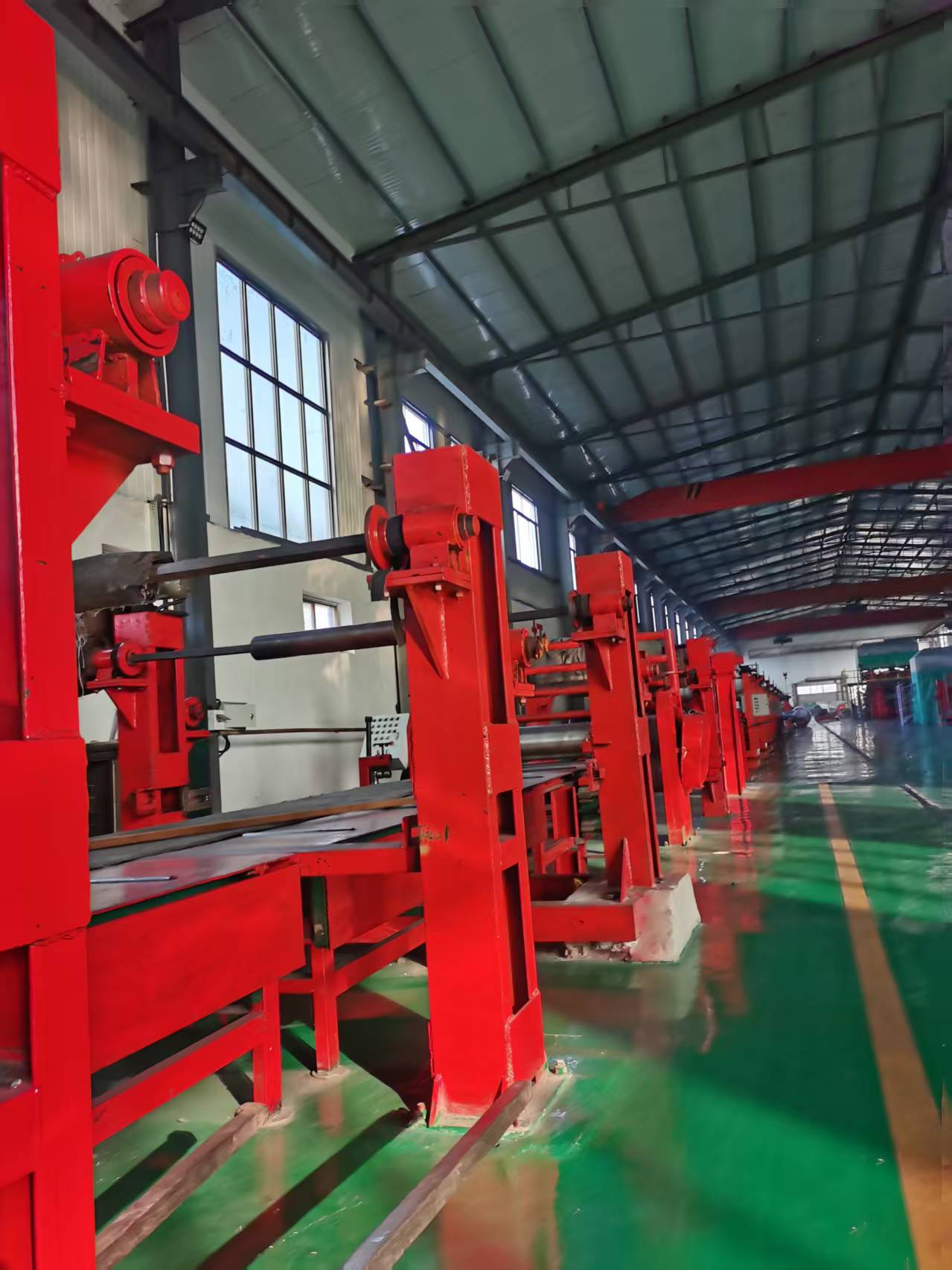 Fabric Conveyor Belt Line
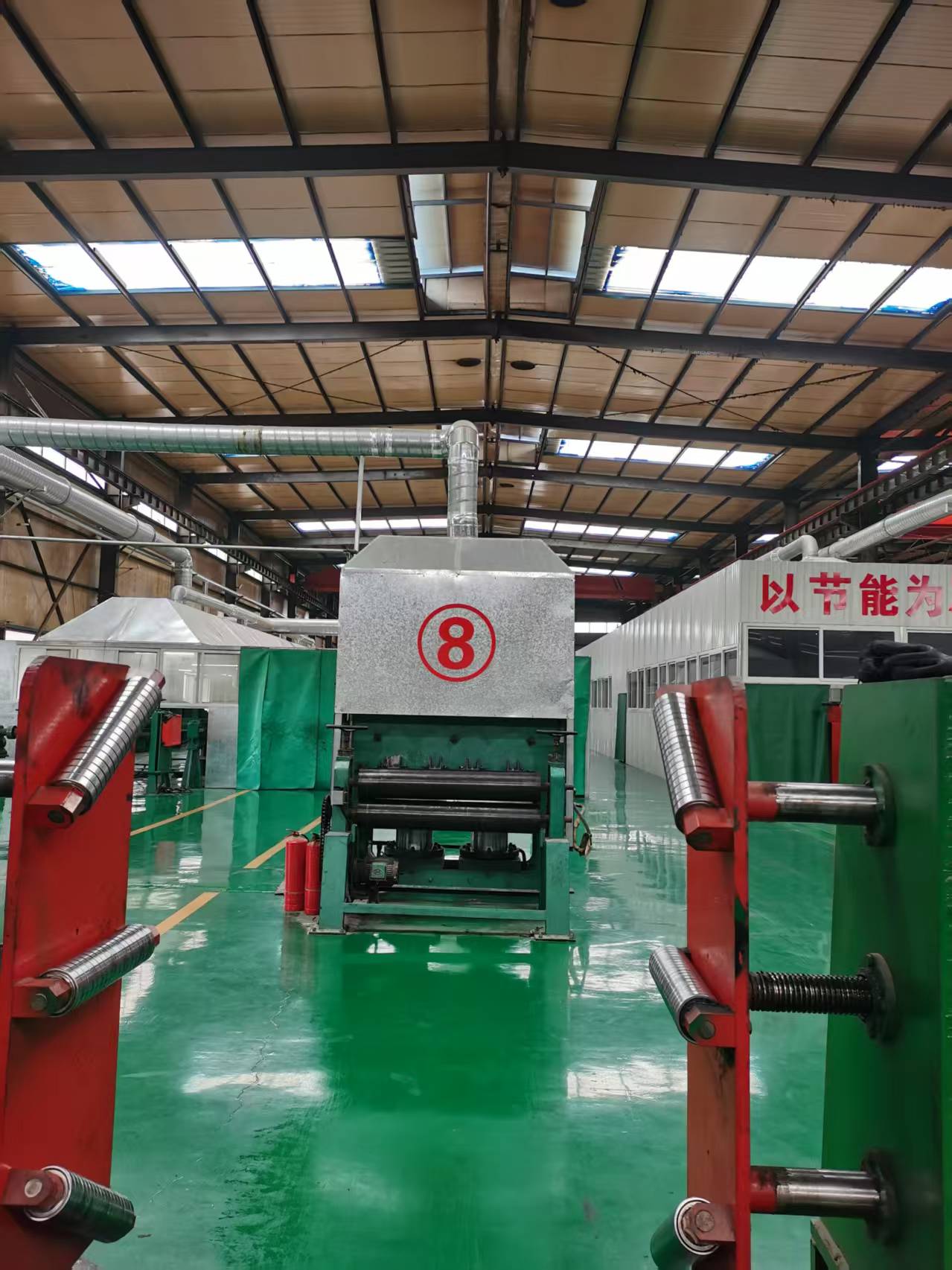 Steel Cord Production Line
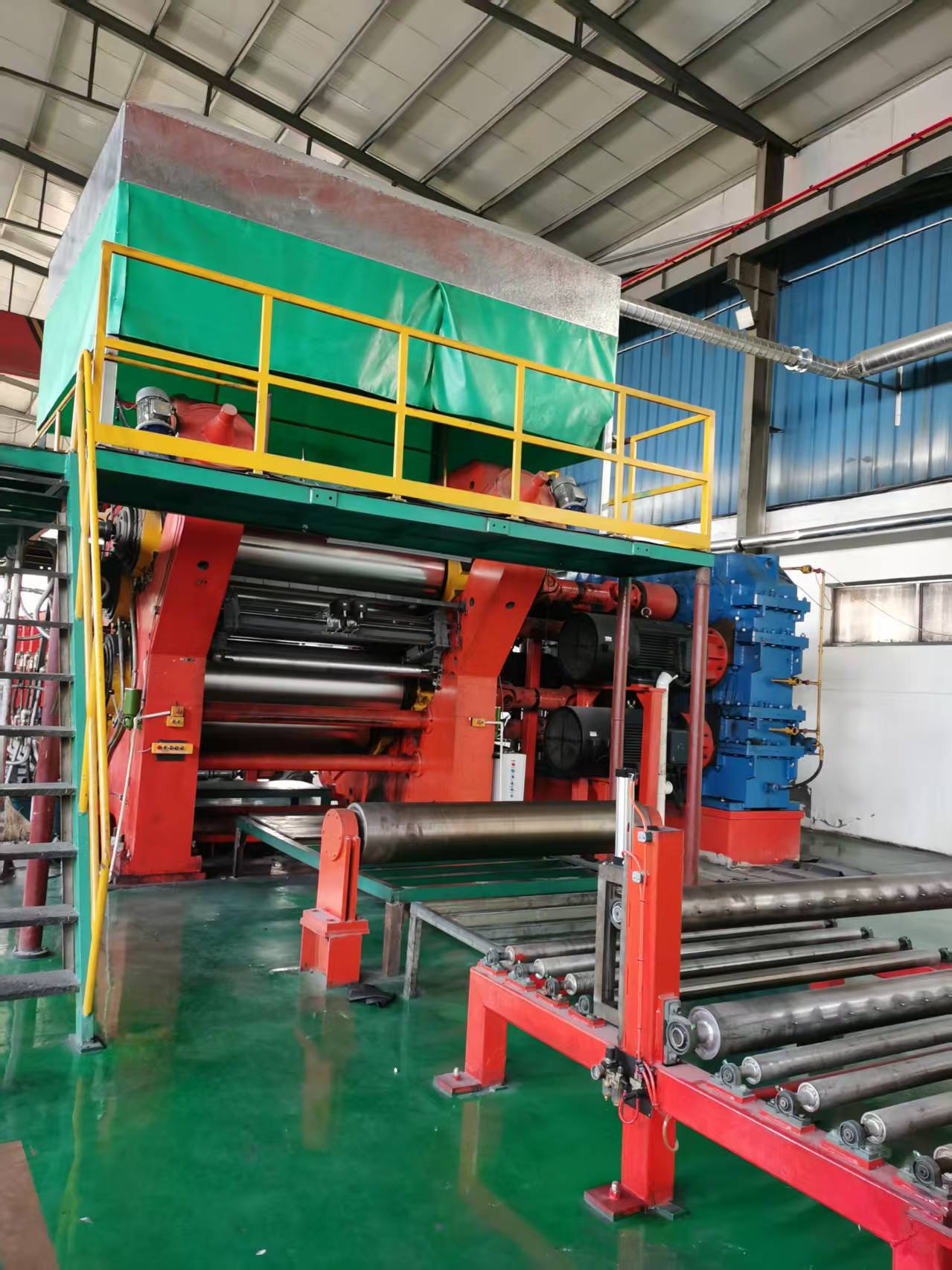 Mixing Control System
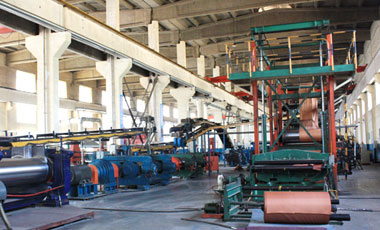 Calendering System
Our state-of-the-art laboratory features raw material checking and finished belt analysis equipment. We strictly adhere to the principle: "No unqualified materials enter the production floor, and no non-conforming products leave the warehouse."
Our quality control inspectors verify key mechanical and chemical performance benchmarks. Standard tests include cover-to-carcass adhesion tests, cord pull-out resistance tests, and abrasion tests (DIN 53516), ensuring each belt meets global standards.
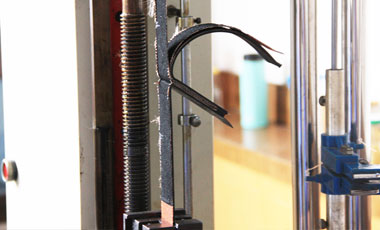 Peeling Adhesion Test
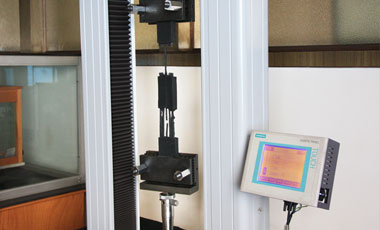 Steel Cord Pull-out Tester
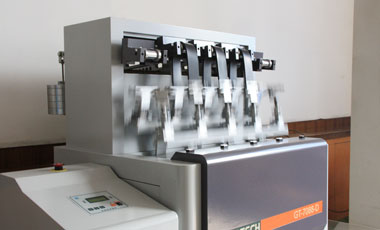 Dynamic Fatigue Tester
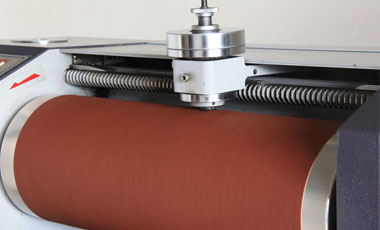 DIN Abrasion Tester
Our industrial-grade belts are field-tested in complex bulk handling facilities globally. We support major national and international infrastructure operations.
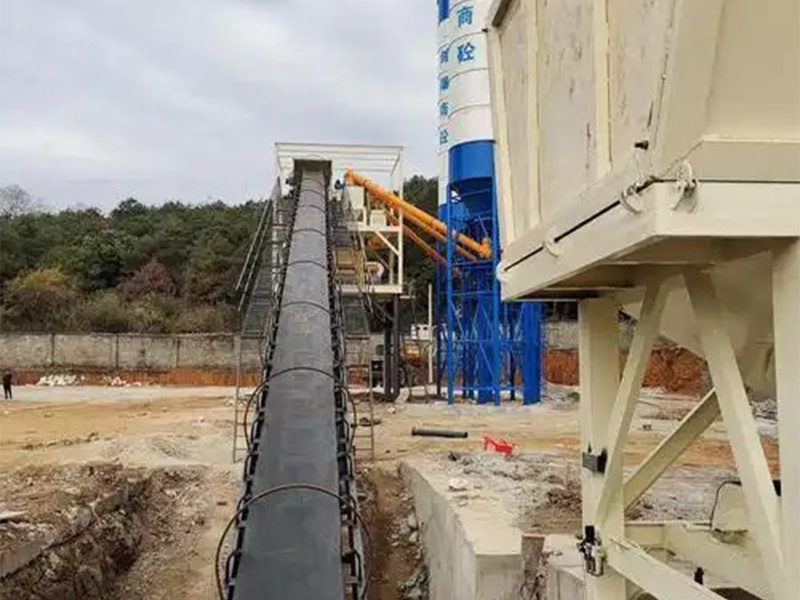
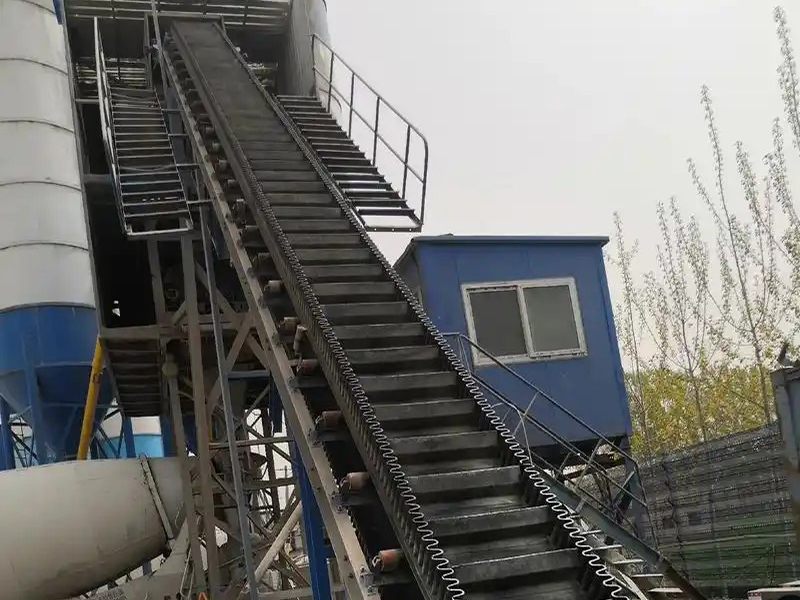
Mixing Plant Conveyors
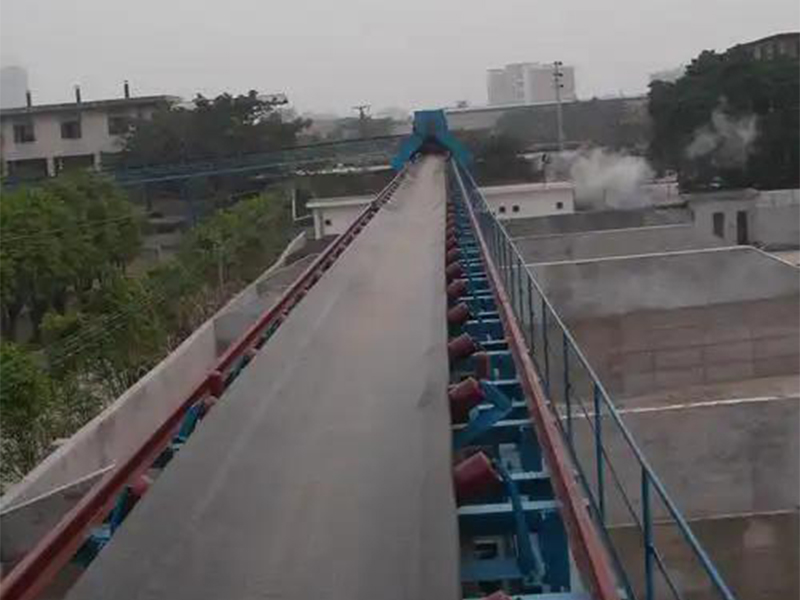
Clinker Transfer Systems
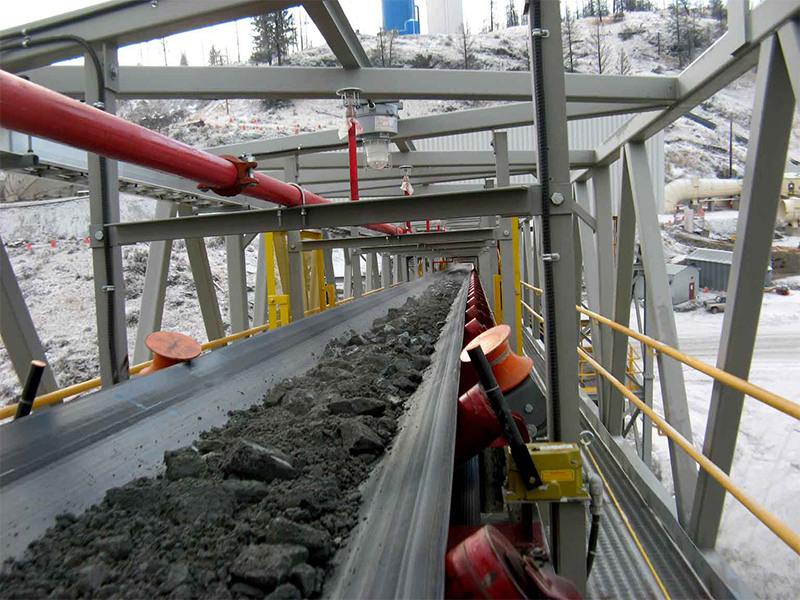
Underground Coal Conveyors
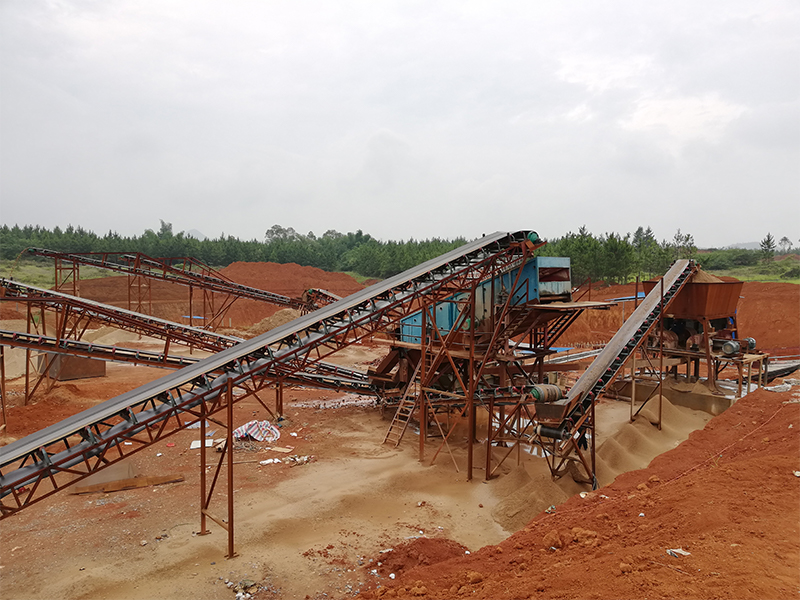
Heavy Smelting Ore Lines
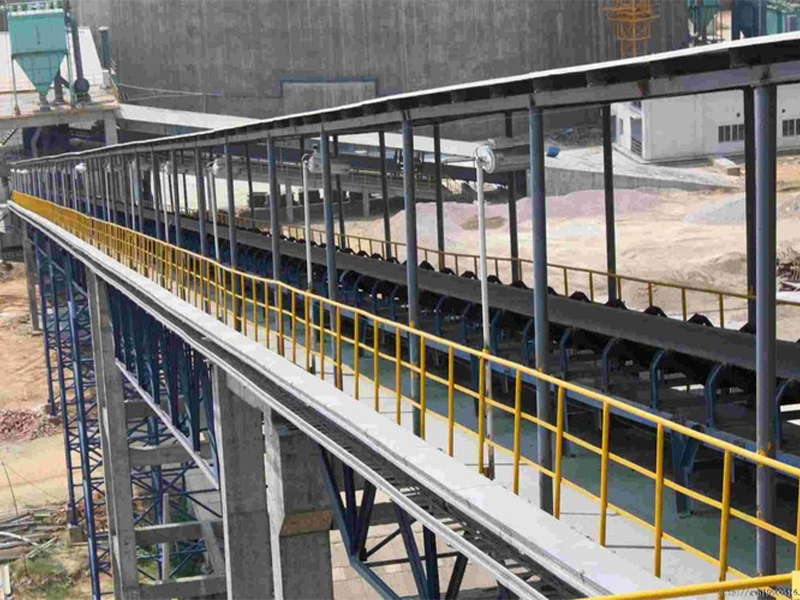
Clinker Logistics
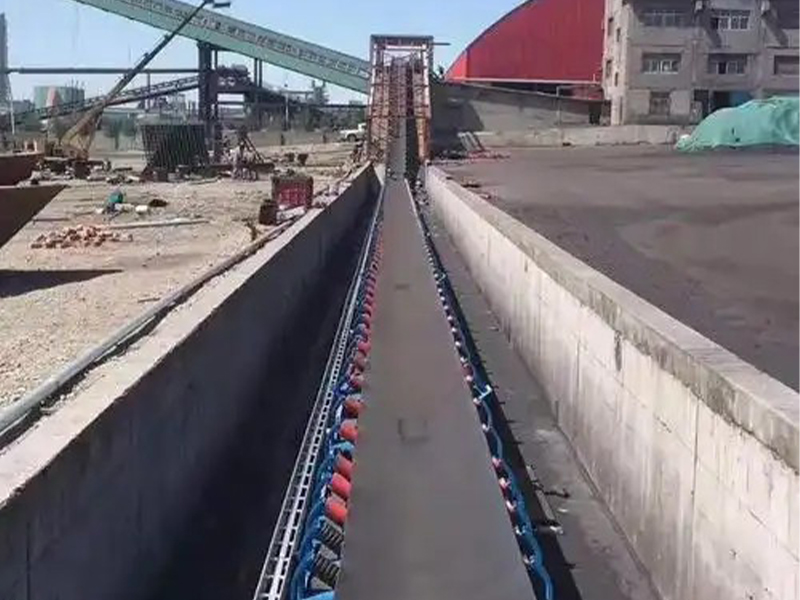
Coal Transport Infrastructure
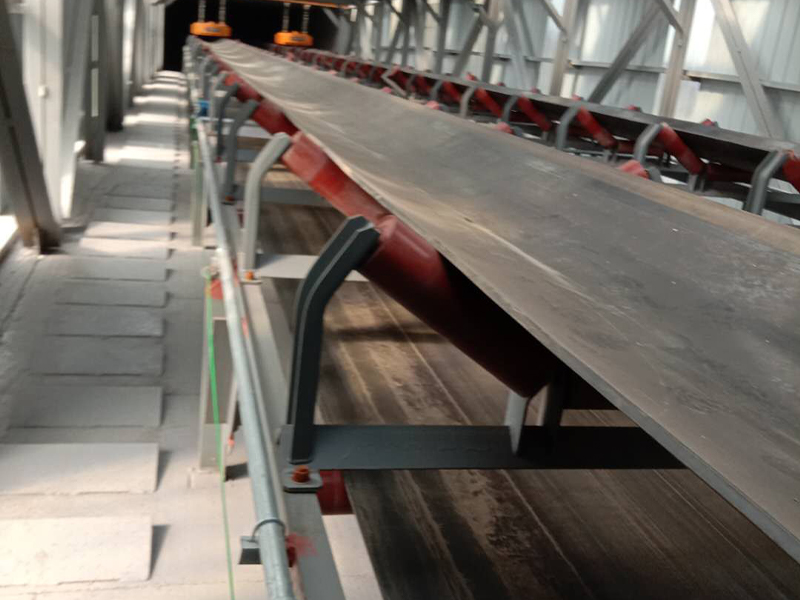
Sinter & Coke Feeding
Blast Furnace Feeding Lines
Preventive replacement schedules, field splicing, routine audits, and rapid-response emergency splicing support to minimize downtime.
Supplying matching cover compounds and high-grade cold repair materials to maintain custom setups.
Strategic stock programs matched to your annual usage schedules to minimize warehousing costs and lead times.
Shelf life depends on storage conditions. Keep rubber belts away from direct sunlight, ozone, moisture, and extreme temperatures. Store them between 5°C and 30°C to prevent dry rotting and compound hardening.
Polyester (EP) fabrics offer higher dimensional stability and minimal stretch. Nylon (NN) fabrics provide higher elasticity and impact recovery, making NN belts better for systems with high-drop drop zones and heavy impact.
Chloroprene, ethylene propylene diene monomer (EPDM), and butyl rubbers offer excellent chemical resistance. They resist swelling and cracking when exposed to acids, alkaline bases, and polar solvents.
Belts undergo standard flame and electrical resistance testing. We test to ISO 340 and MSHA standards, verifying self-extinguishing covers and dynamic friction safety to prevent underground fire hazards.
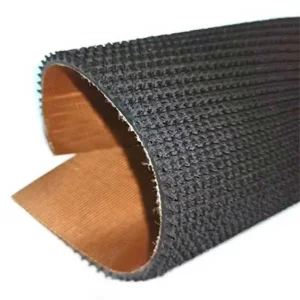
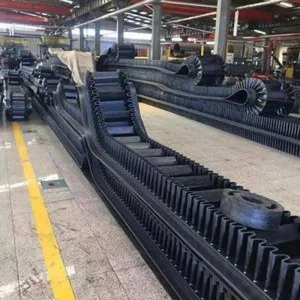
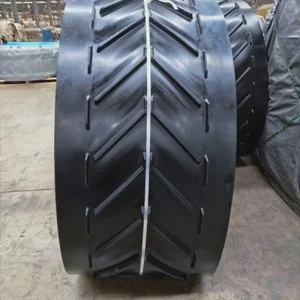
Patterned profiles (chevron, herringbone, or pocket styles) increase traction. This enables transport angles up to 40 degrees, preventing back-slip of wet sands, aggregates, and powdery bulk materials.
 Boao Rubber