 Boao Rubber
1 / 3
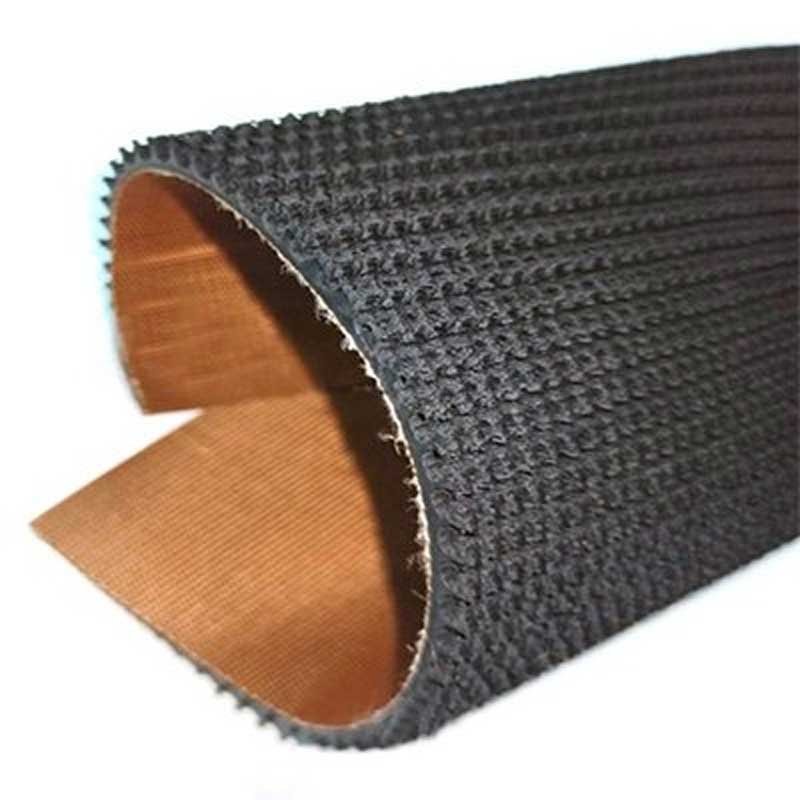
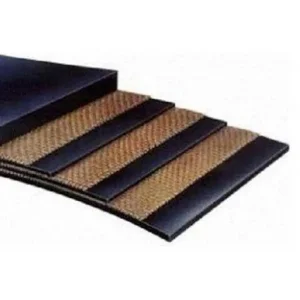
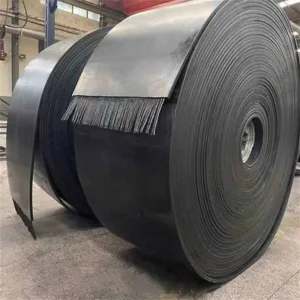
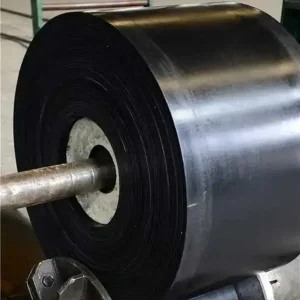
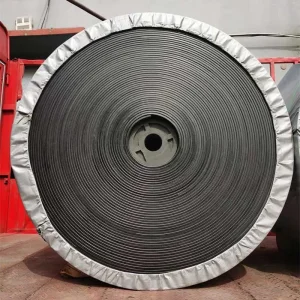
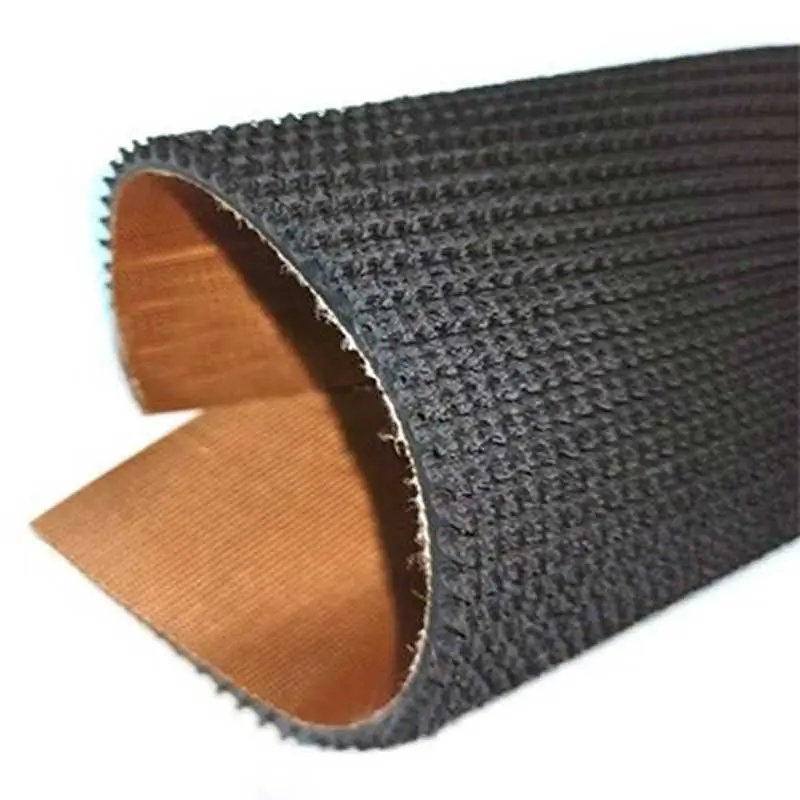
Usually composed of a belt, skeleton layer, and patterned layer. The belt body is made of high-quality rubber or other wear-resistant materials; The skeleton layer is generally made of Kevlar wire or EP skeleton, providing strong tensile strength; The surface patterns are specially designed to be uneven and uneven, in order to increase friction.
It has excellent anti slip performance, wear resistance, durability, and low temperature resistance, and can operate stably in harsh environments. Some magic carpet patterned conveyor belts also have good aging resistance, water resistance, UV resistance and other properties, with a long service life.
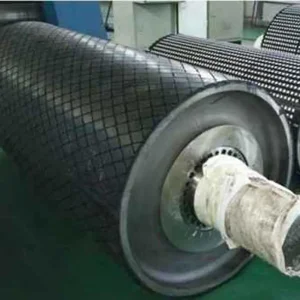
The belt or chain is driven by a motor and runs smoothly under the support of a drum, transporting tourists or items from low to high.
mainly used in ski resorts to transport skiers from the bottom to the top of the ski slope; It can also be used for sightseeing corridors in amusement parks, transporting kayaks, and other scenes, making it convenient for tourists to quickly reach designated locations.
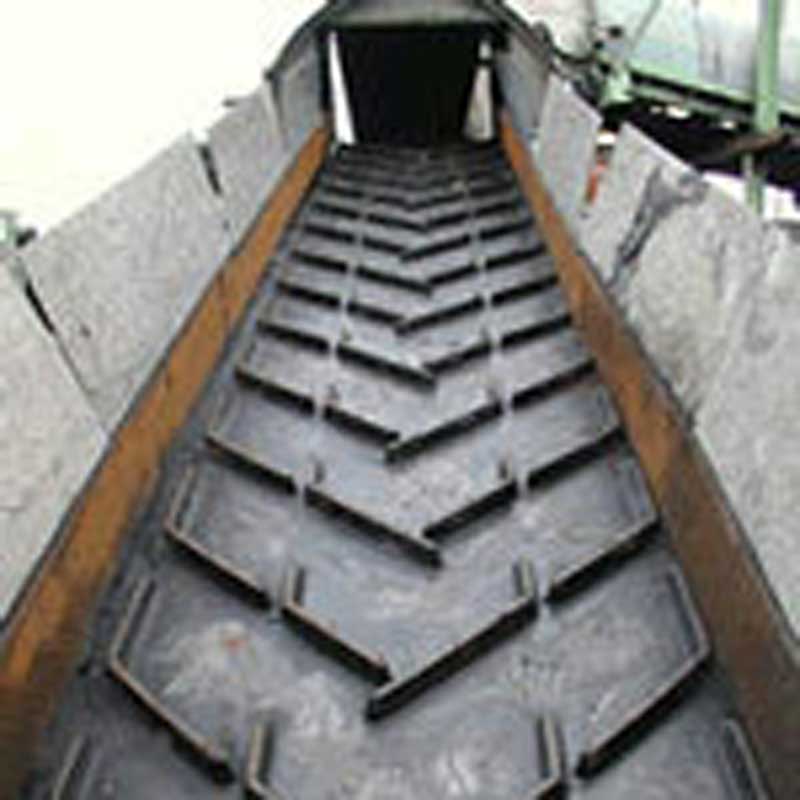
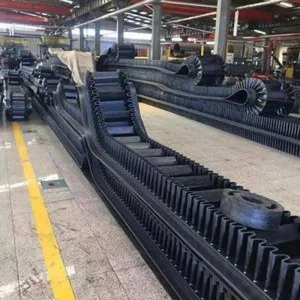
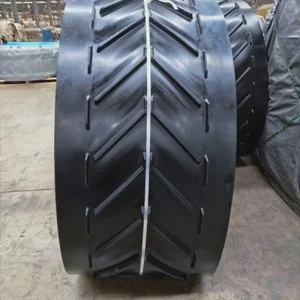
Common ones include concave herringbone patterns, pit shaped granular patterns, etc. The concave herringbone pattern is shaped like a "human" and can effectively prevent material sliding. The pit shaped granular pattern is a granular pit embedded in the belt, which can be made into square holes, edges, etc., suitable for conveying granular materials with an inclination angle of ≤ 45 degrees.
The concave pattern design increases the friction between the conveyor belt and the material, making it less likely for the material to slip during transportation, especially suitable for inclined conveying. Meanwhile, concave patterns can to some extent disperse pressure, reduce surface wear of the conveyor belt, and extend its service life. In addition, some concave patterned conveyor belts also have good wear resistance, acid and alkali resistance, heat resistance and other properties, which can adapt to different working environments.
Widely used in fertilizer plants, coal yards, grain transportation and other scenarios. It can also be used in industries such as mining, ports, and building materials to transport powdered, granular, and small block materials.
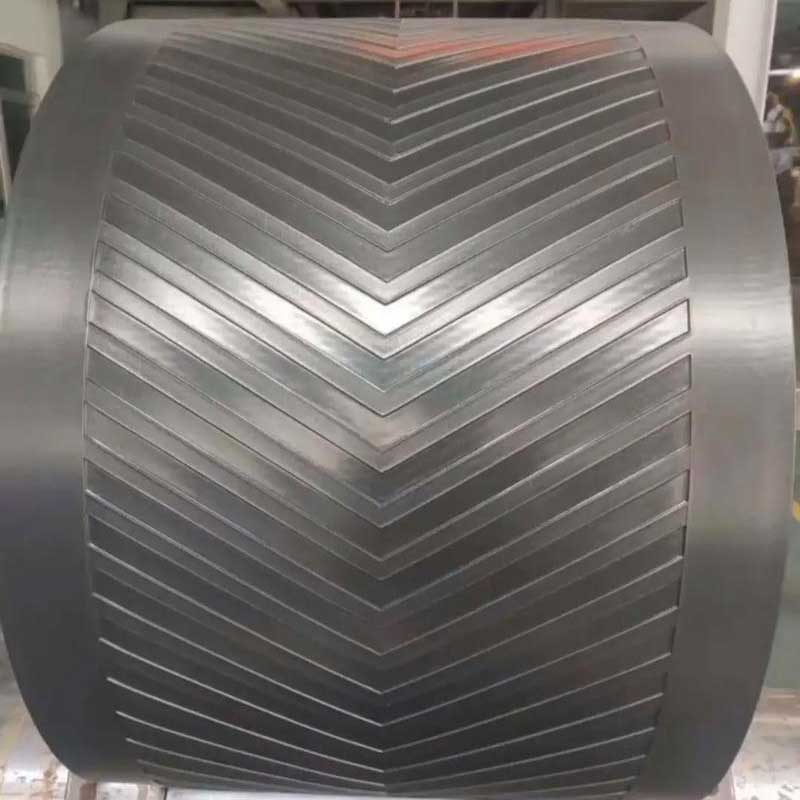
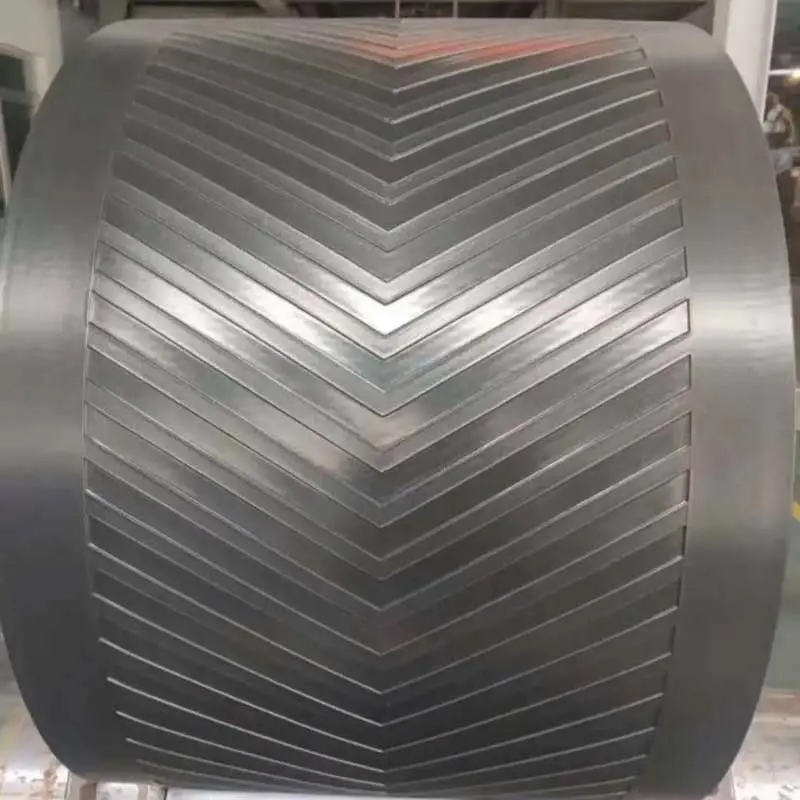
Common ones include herringbone patterns, fishbone patterns, U-shaped patterns, cylindrical patterns, etc.
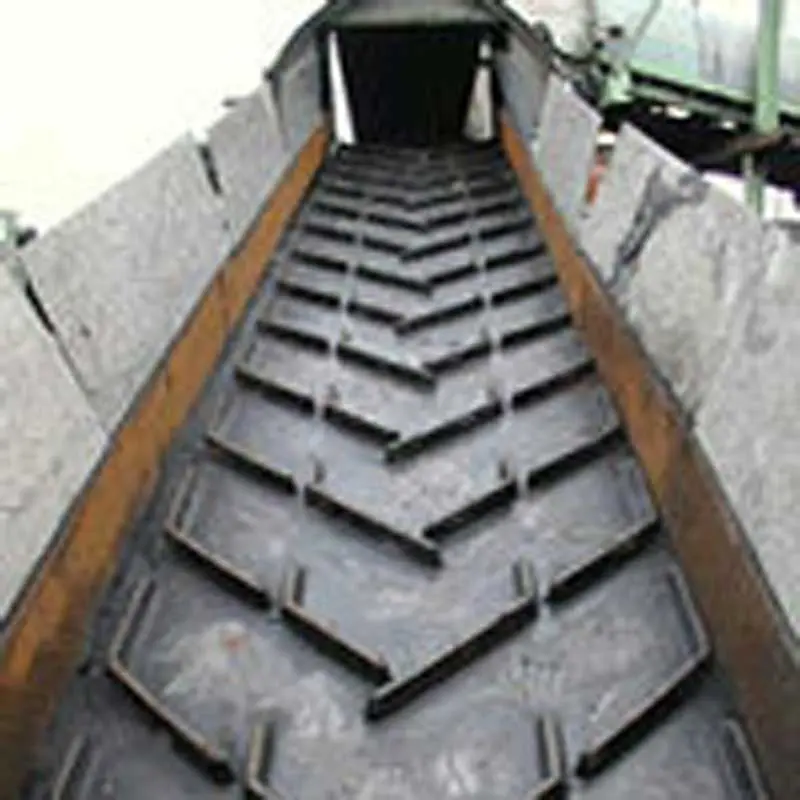
The convex pattern increases the friction between the conveyor belt and the material, effectively preventing the material from sliding during the conveying process, and is suitable for conveying scenarios with large inclination angles. At the same time, the pattern and base are formed by one-time vulcanization, which has good wear resistance and durability.
The bandwidth is generally 300mm-2200mm, and there are multiple options for pattern height such as 5mm, 10mm, 15mm, etc. The pattern spacing is available in specifications such as 125mm, 200mm, 250mm, etc.
Widely used in industries such as mining, ports, grain, construction, etc., it can transport various bulk and bagged materials such as ore, coal, sand, cement, etc.