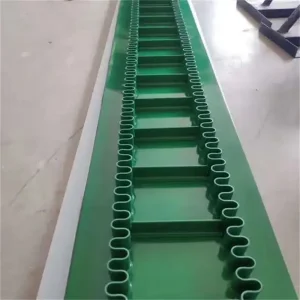
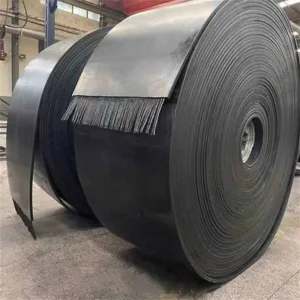
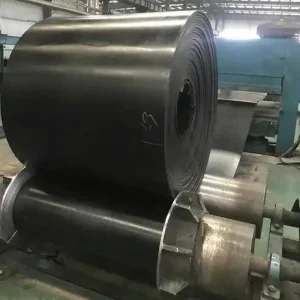
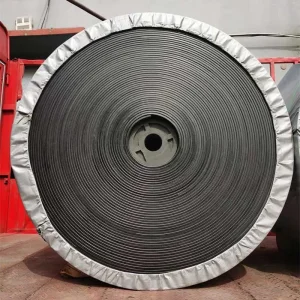
Our dynamic 6mm thickness configurations are engineered to provide maximum abrasion resistance, structural flexibility, and tensile load transfer. Discover our foundational materials direct from our state-of-the-art China facility.
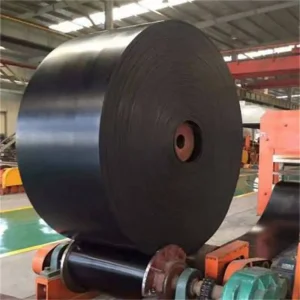
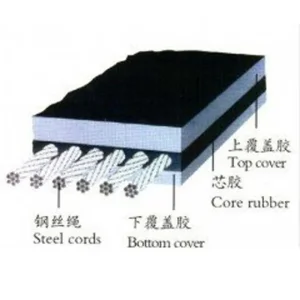
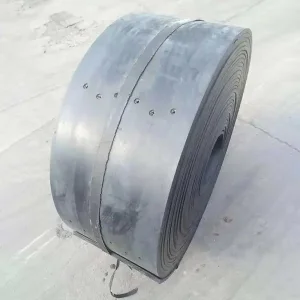
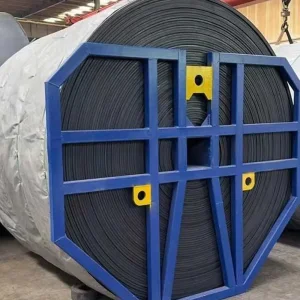
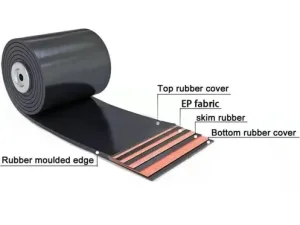
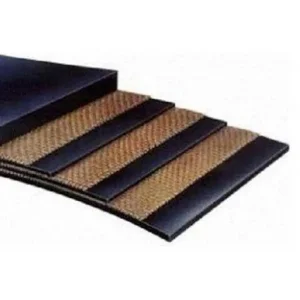
In modern bulk material transport systems, 6mm rubber belting represents a highly versatile thickness parameter. Widely utilized in aggregate processing, package sorting, agricultural feed conveyance, and mineral processing, a 6mm profile offers the optimal equilibrium between lightweight flex and critical puncture resistance.
Globally, heavy industries are moving away from overly thick, power-hungry conveyor belts. Instead, design engineers favor high-tensile 6mm multi-ply configurations (such as EP200/2 or EP300/3) that minimize pulley diameters and electric motor stress while retaining excellent cover-to-carcass adhesion. This operational shift has led to an exponential increase in demand across Europe, the Americas, and Southeast Asia for precision-calibrated rubber formulations.
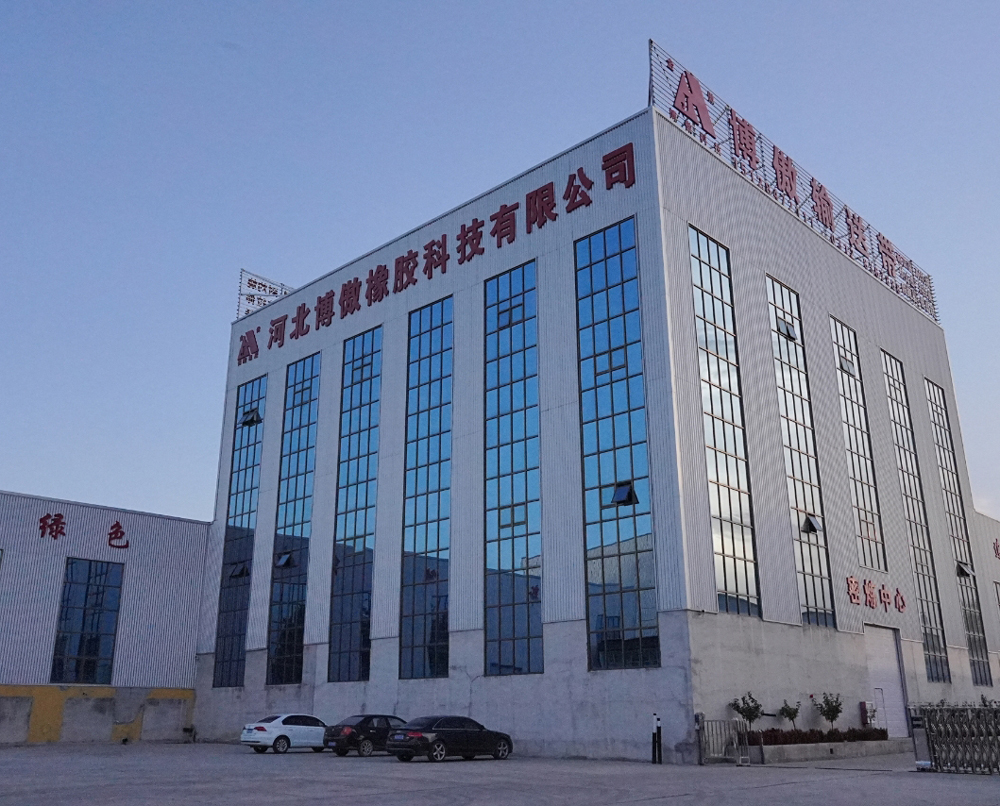
Established in 2004, Hebei Boao Rubber Technology Co., Ltd. (producing the signature "Jinao" brand) is located in the heart of Boye County’s Rubber Industrial Park, Baoding, Hebei Province. Over the last two decades, we have scaled our production facilities to span over 30 acres, deploying advanced automated production lines for compounding, calendering, forming, and continuous vulcanization.
China's manufacturing edge in the rubber belting industry is not merely about raw volume; it is defined by raw material supply chain integration, precision elastomer compounding, and rapid testing turnaround. At Boao, our automated vulcanization machinery ensures uniform pressure distribution and thickness consistency across the entire roll, eliminating localized weak points that cause premature belt tracking failures.
To assist procurement managers and systems designers in verifying performance compliance, we have categorized the physical configurations and compound properties of our standard 6mm rubber belting portfolio below:
| Parameter | Fabric Core (EP / NN) Options | Steel Wire Reinforced (Thin Core) | Testing Compliance Criteria |
|---|---|---|---|
| Total Thickness | 6.0 mm (e.g., 3 + 1.5 ply stack) | 6.0 mm (custom wire pitch) | ISO 583 / DIN 22102 |
| Tensile Strength | 100 N/mm to 400 N/mm per ply | St 500 to St 1000 equivalent | GB/T 7984-2013 |
| Cover Grade Types | DIN-X, Y, W, Z / RMA I & II | Flame Retardant, Anti-Tear | DIN 22102 / ISO 10247 |
| Elongation at Break | ≤ 4.0% (for EP fabric) | ≤ 0.25% (Steel Cord) | ISO 251 |
| Abrasion Loss | < 90 mm³ (Super Wear-Resistant) | < 120 mm³ (Standard Heavy Duty) | DIN 53516 / ISO 4649 |
| Temperature Range | -30°C to +150°C (Heat Resistant) | -40°C to +70°C (General Use) | ISO 4195 |
Our raw compound design integrates state-of-the-art butadiene-rubber (BR) and natural rubber (NR) matrices to deliver excellent elasticity, low mechanical hysteresis, and high cross-link density under dynamic load stresses.
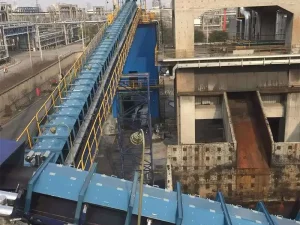
Due to its balance of structural integrity and operational flex, Boao’s "Jinao" brand 6mm rubber conveyor belting is deployed in heavy-duty commercial scenarios globally:
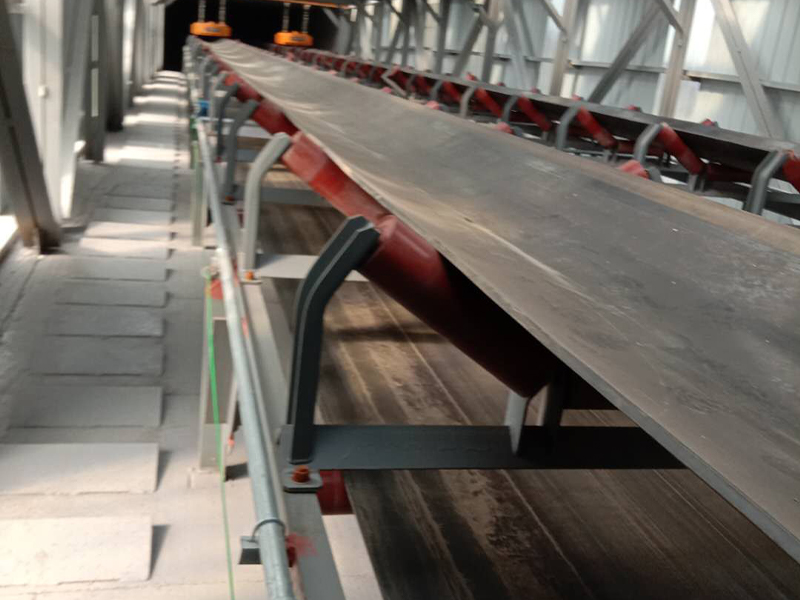
Utilized at sintering plants and scrap metal transfer points. High abrasion resistance prevents steel slag from cutting into the core fabrics, optimizing the belt's overall service life.
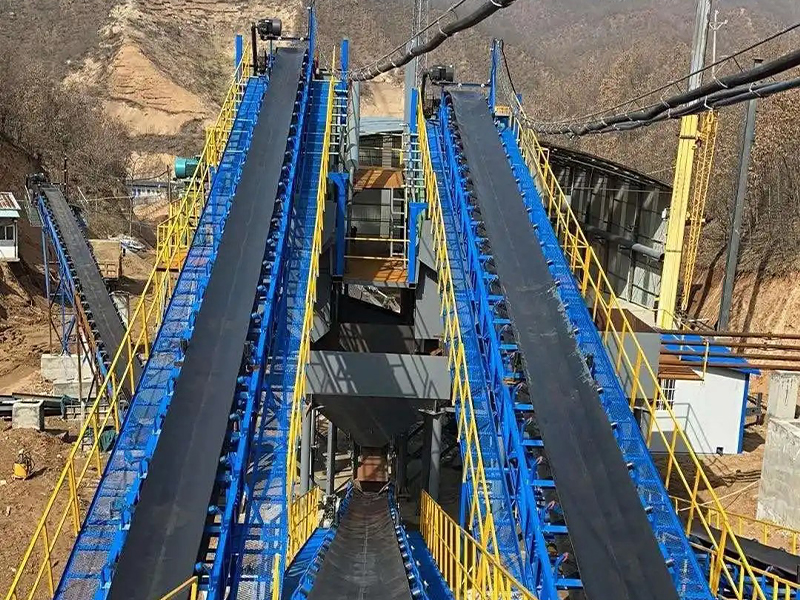
Designed for coal mines, copper concentrators, and gold tailing systems where continuous bulk material transport requires low stretch, reliable splice strength, and flame-retardant safety.
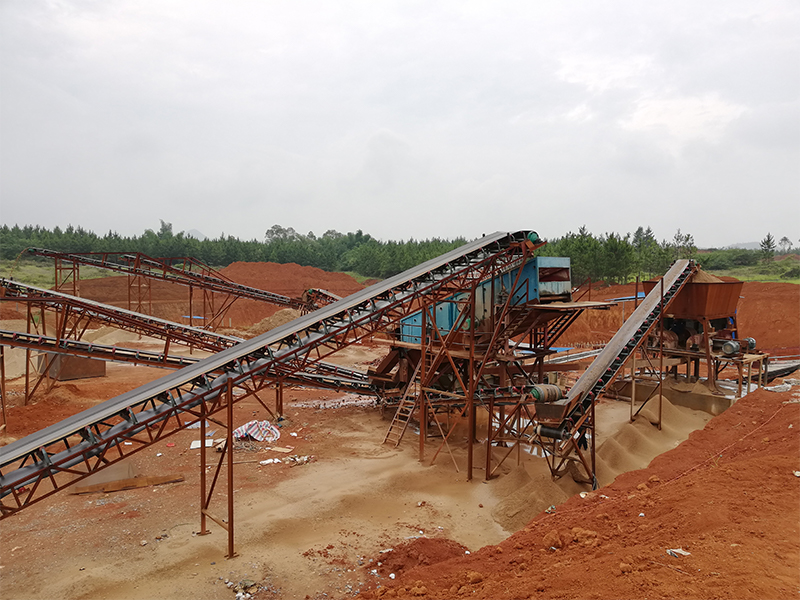
Perfect for sorting screen discharge belts and batch plant feed conveyors. Resists persistent abrasion from raw limestone, clinker, and sharp gravel.
Our commitment to global buyers extends far beyond shipment. Hebei Boao provides detailed Technical Service Plans to streamline installation, lower operational wear, and reduce unplanned downtime:
The global conveyor belt sector is evolving rapidly. As an industry leader, Hebei Boao continues to innovate through two primary industrial trends:
Industrial clients now require belts that actively alert operators to tear risks. Our anti-tear steel wire rope cores can be fitted with sensor loops that communicate with automated monitoring systems, enabling auto-shutdowns before minor tears turn into catastrophic failures.
With global net-zero targets, our R&D laboratory focuses on reducing Volatile Organic Compound (VOC) emissions during vulcanization and utilizing highly recyclable rubber feedstocks without compromising the belt's critical mechanical properties.
Our brand "Jinao" is trusted by prominent industrial enterprises, mining groups, and steel plants across China and international markets. Below are some of our key partners:
Taihang Steel
Tsingshan Group
Zijin Mining
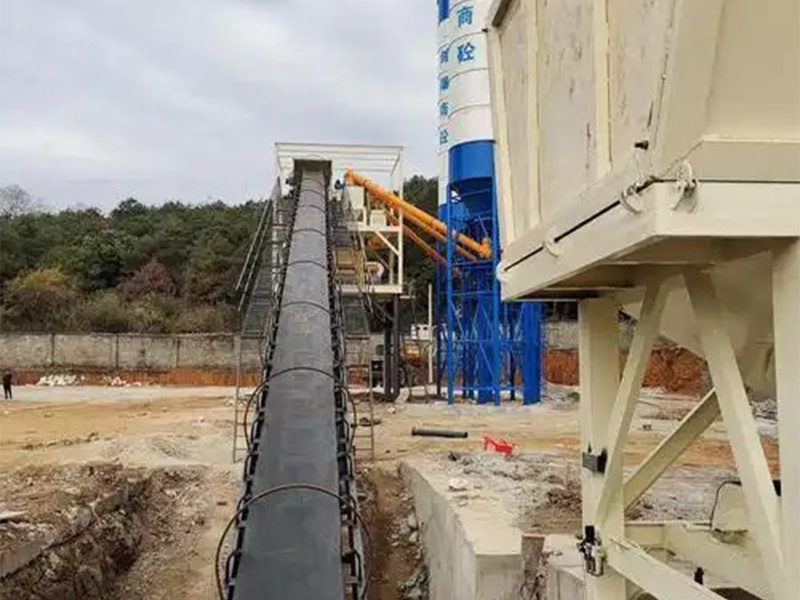
China Railway Group Mixing Plant
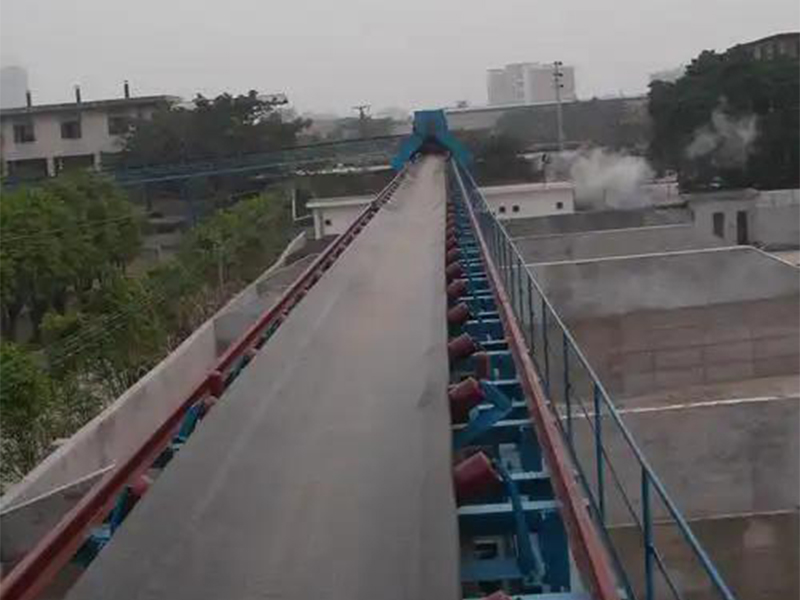
Conch Cement
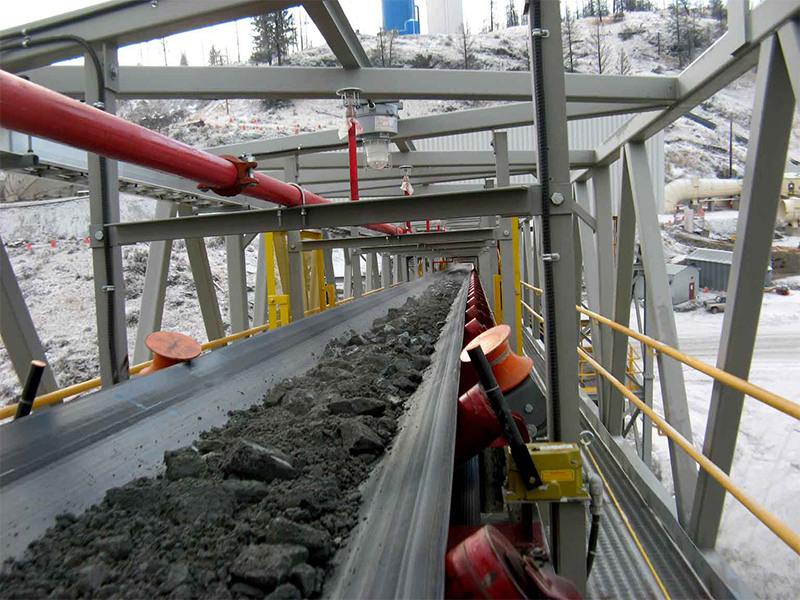
Datong Coal Group
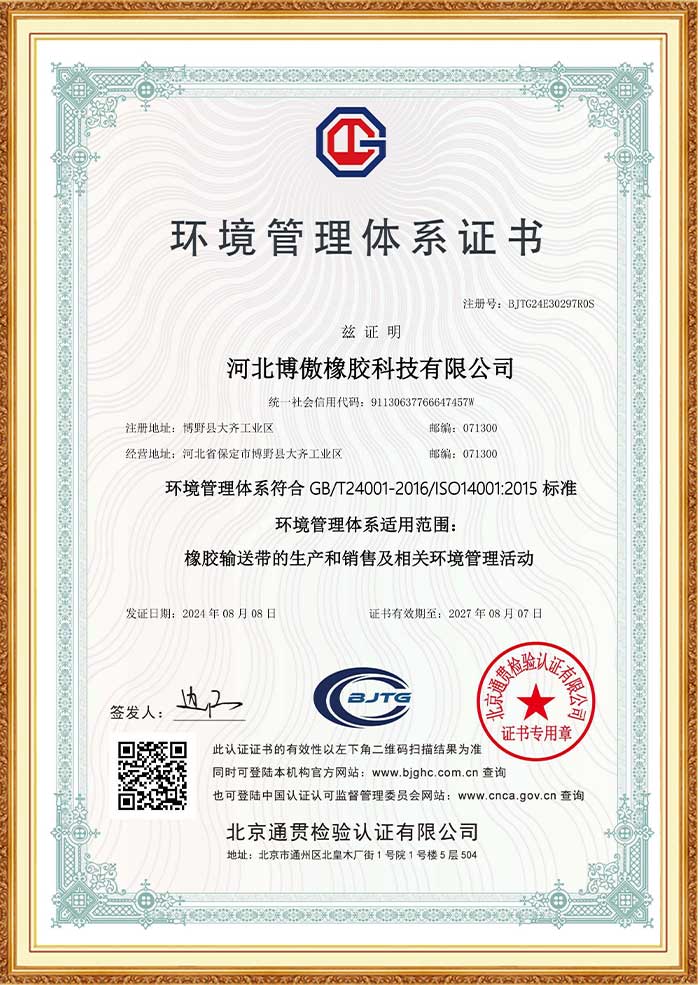
Quality control at Boao is maintained by our independent chemical analysis room and physics laboratory. We test materials at every stage, from raw rubber to the final vulcanized belt.
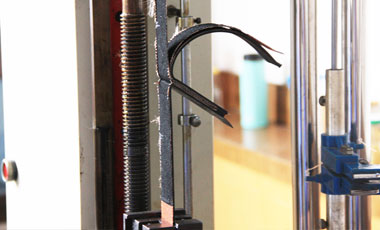
Peeling Test
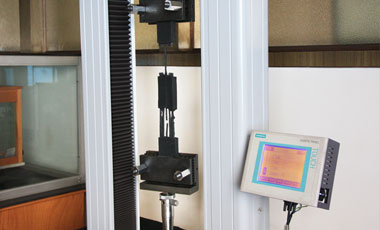
Steel Cord Pull-out Machine
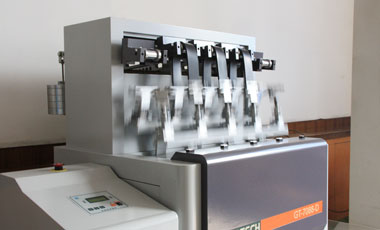
Dynamic Fatigue Tester
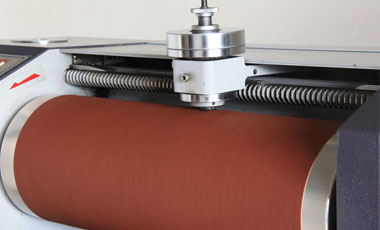
Abrasion Tester
Review our specialized and extreme-service conveyor solutions. If your project requires custom parameters or specific compounds, please reach out to our engineering department.
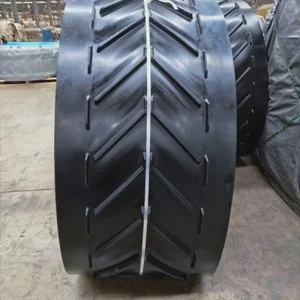
 Boao Rubber