Explore our foundational range of heavy-duty, impact-resistant, and high-tensile strength conveyor belts engineered for extreme system longevity.
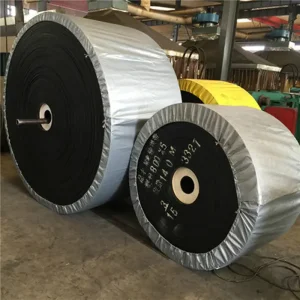
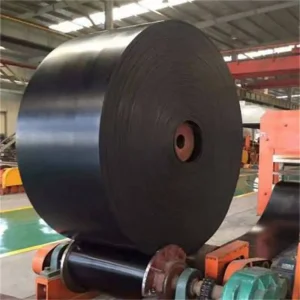
Understanding System Cost Optimization and Life Cycle Performance Metrics in Bulk Cargo Logistics.
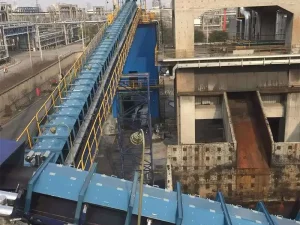
In modern industrial production, bulk material transport systems form the arterial networks of global logistics. In key economic domains like underground heavy mining, metallurgy, cement processing plants, thermal power generation, and bulk maritime shipping terminals, conveyor belts function continuously. Unplanned downtime in these systems is extremely costly. Industrial statistics indicate that up to 75% of unexpected belt failures relate directly to abrasive degradation, carcass puncture, localized shear loading, or joint fatigue. These failure modes render basic rubber components inadequate for high-performance operations.
Global procurement teams in mining and processing sectors focus heavily on reducing Total Cost of Ownership (TCO) rather than just minimizing initial purchase price. Highly wear-resistant conveyor belts are essential engineering investments. Under demanding transport conditions—such as handling granite aggregate, copper tailings, raw iron ore, or abrasive coke—standard belts degrade rapidly. This degradation requires frequent replacement and costly splicing work, while also posing structural risks to idler systems. Operating high-wear systems demands cover compounds that withstand cutting, gouging, and abrasive rubbing under continuous high-tension load cycles.
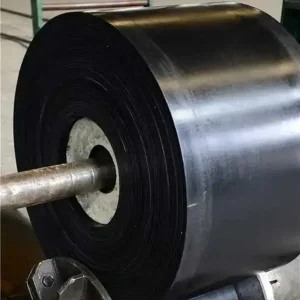
Extending belt service life requires advanced elastomer chemistry. Rubber cover design involves balancing natural rubber (NR) for high tear strength with synthetic rubbers like Styrene-Butadiene (SBR) and Polybutadiene (BR) for improved abrasion resistance. Incorporating structured carbon black reinforcements provides resistance to surface micro-cracking and propagation during mechanical friction. We use precision vulcanization control to optimize crosslink density, ensuring our rubber matrix handles extreme mechanical stresses while keeping the core reinforcement plies intact.
Switching from standard grade belts to specialized wear-resistant formulations reduces annual maintenance labor and system splicing costs, while minimizing production losses from system downtime.
Through systematic laboratory modeling of micro-cutting, fatigue, and impact wear, our design matches cover compounds directly to the specific density and drop-height characteristics of your materials.
Engineered to satisfy major international standards, including DIN 22102, AS 1332, ISO 10247, and MSHA criteria for fire-retardant safety in underground operations.
Providing specialized engineering solutions for highly demanding and abrasive operating environments.
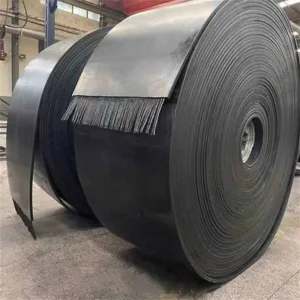
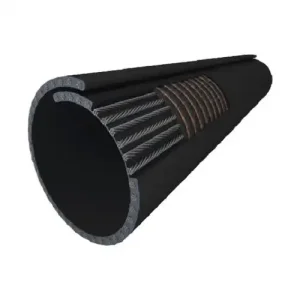
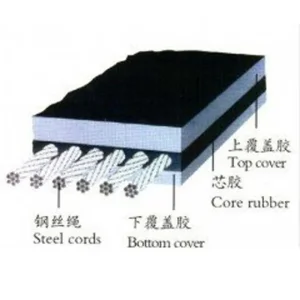
Transporting primary run-of-mine ore requires excellent impact resilience. Our steel-cord, anti-tear reinforced belts withstand high-velocity rock impact, preventing longitudinal tears and carcass damage.
Abrasive dry dust and raw limestone particles cause rapid surface wear. Our specialized abrasion-resistant compounds withstand micro-scraping, ensuring long-term wear performance in dusty environments.
Handling iron ore concentrates and metallurgical coke exposes systems to both abrasive wear and high temperatures. Our integrated heat-and-wear resistant compound formulations remain stable up to 250°C without cracking.
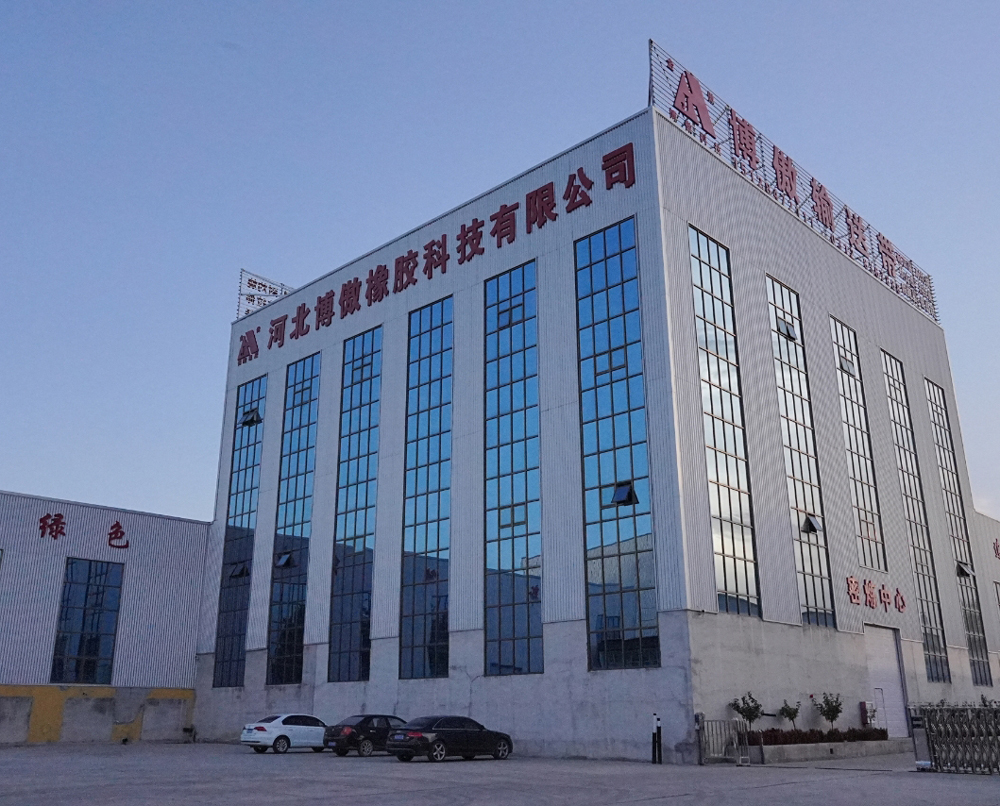
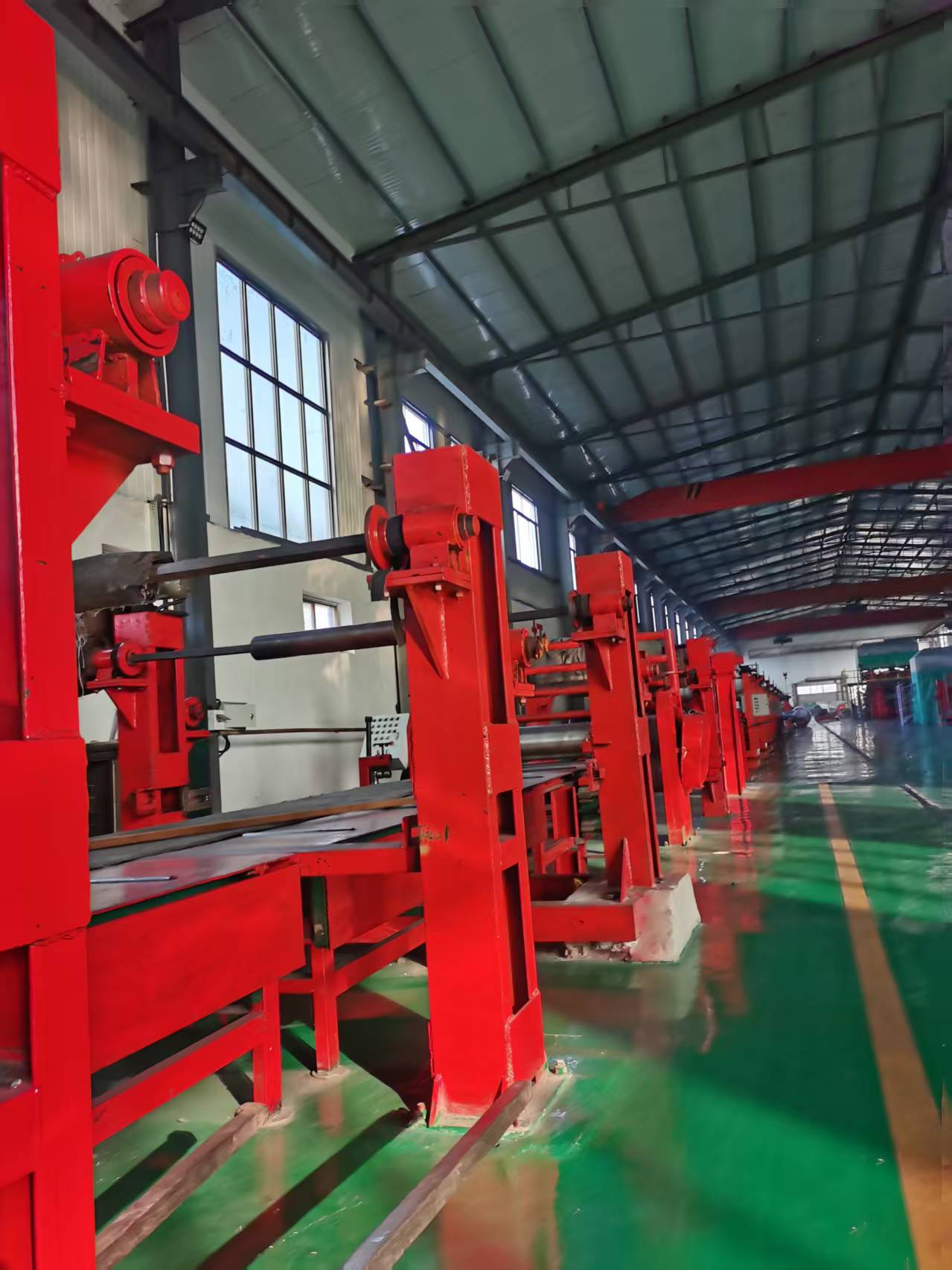
Hebei Boao Rubber Technology Co., Ltd. is located in the Rubber Industrial Park of Boye County, Baoding, Hebei Province. Founded in 2004, the company covers an area of over 30 acres. Under our proprietary "Jinao" brand, we have established a fully integrated facility coordinating research, mechanical design, raw material testing, vulcanization processing, and custom engineering services.
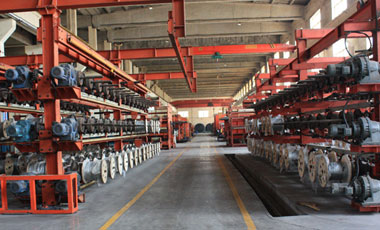
We operate multiple advanced manufacturing lines for rubber compounding, steel cord assembly, calender forming, continuous vulcanization, and finished product quality control. Our facility is certified under global ISO management protocols, ensuring that all conveyor belts and matching idler assemblies satisfy our high-performance design specifications.
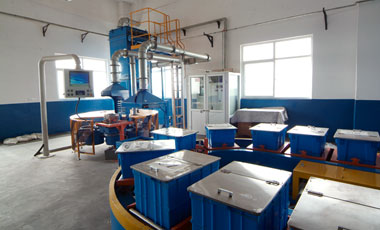
Our chemical and physical laboratories analyze incoming polymers and compounds to ensure complete batch consistency.
Our conveyor systems support major industrial applications in coal, power, ports, metallurgy, and chemical sectors.
Providing heavy-duty, high-integrity conveyor systems for major industrial plants and infrastructure operations.
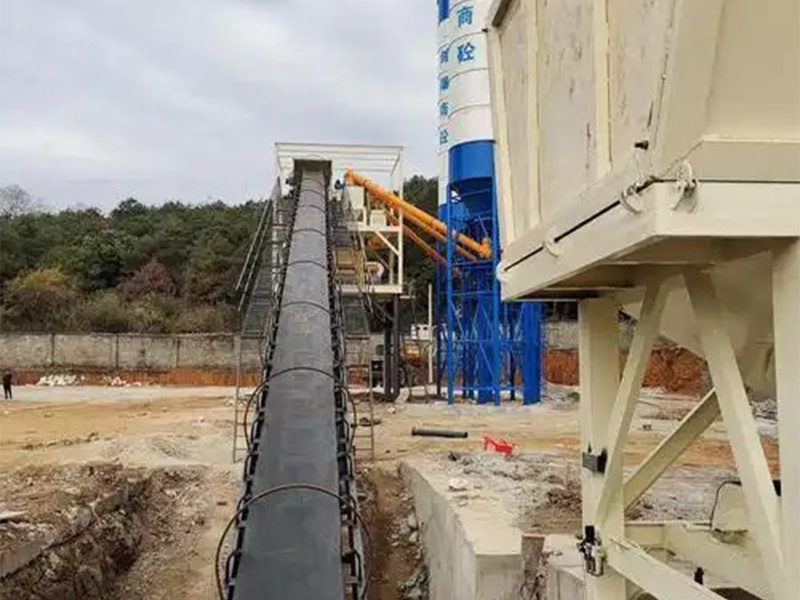
High-frequency concrete aggregate distribution lines.
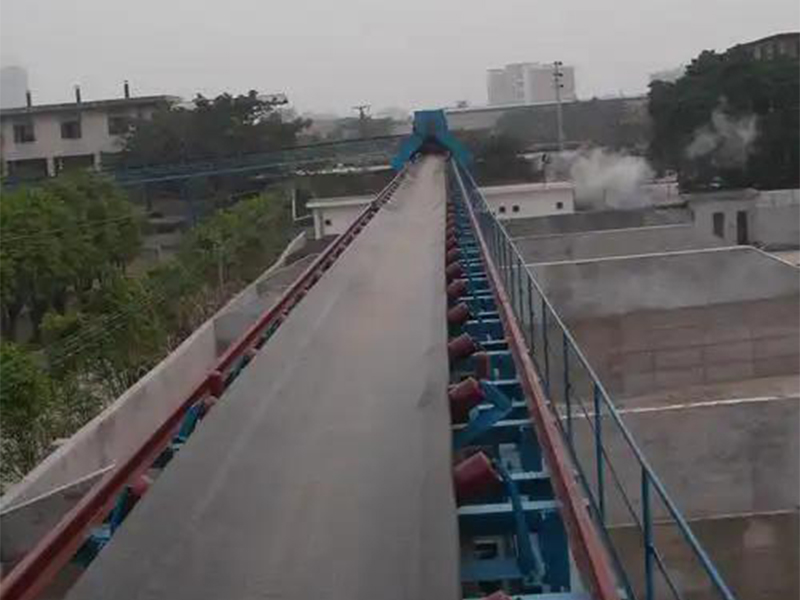
Highly abrasive hot clinker extraction and loading lines.
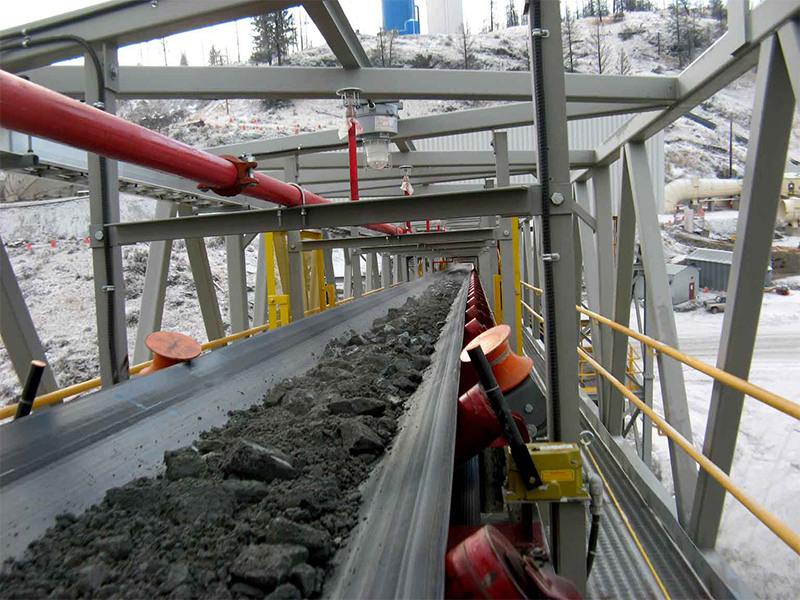
High-capacity underground coal transport belts.
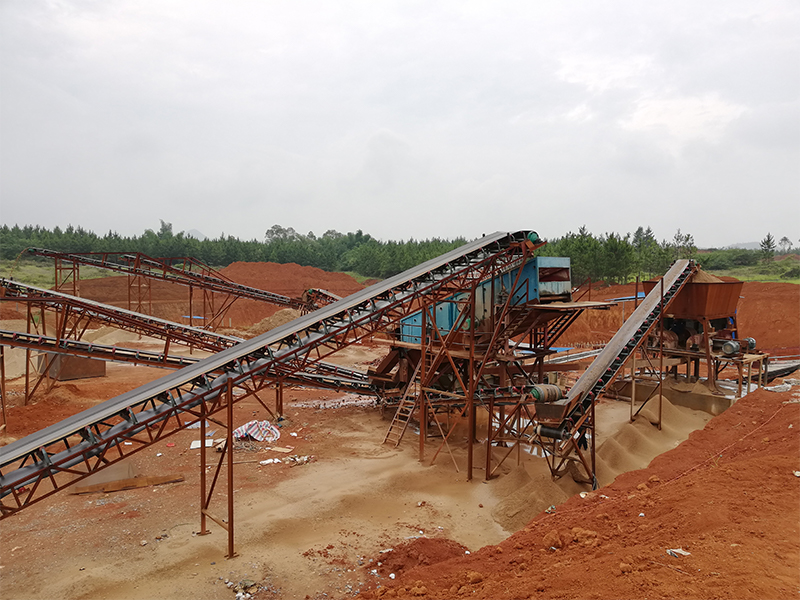
High-density nickel and iron ore processing lines.
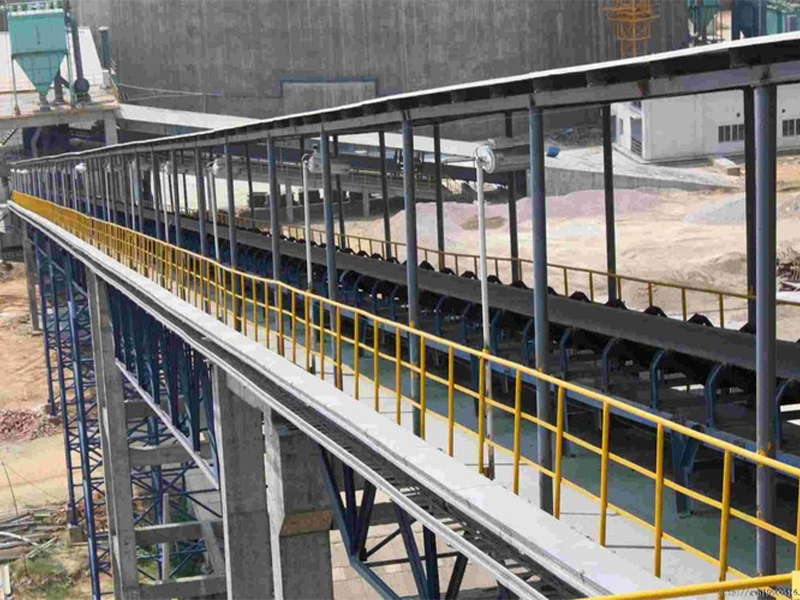
Long-distance raw material overland conveyor system.
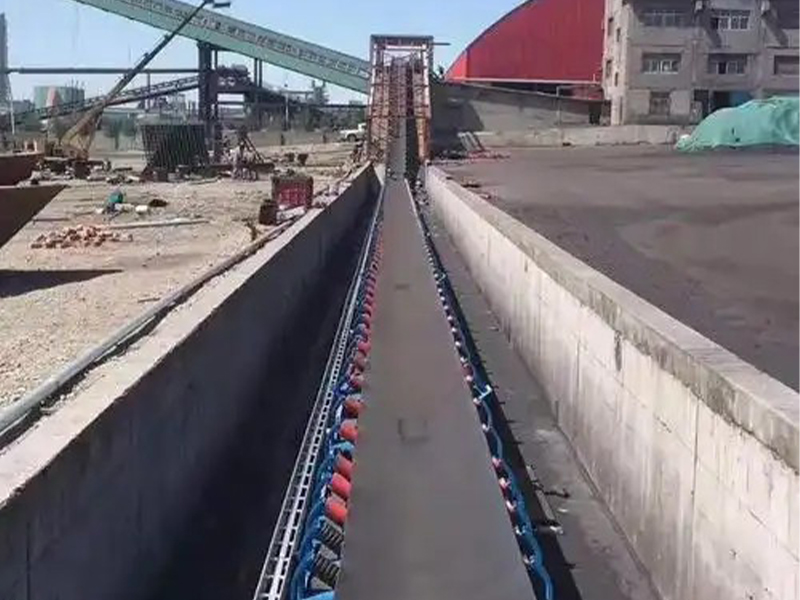
Flame-retardant and oil-resistant dual-spec coal transport lines.
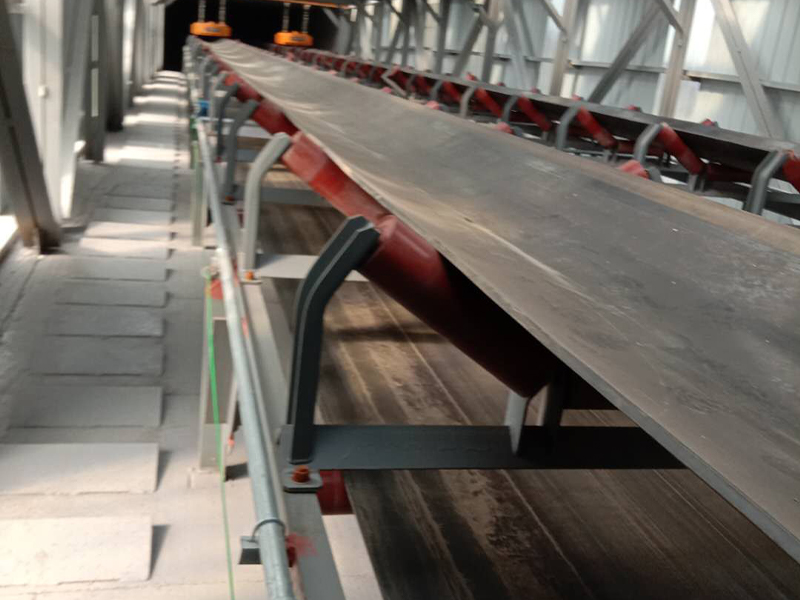
Sintered ore feeding and raw materials transport line.
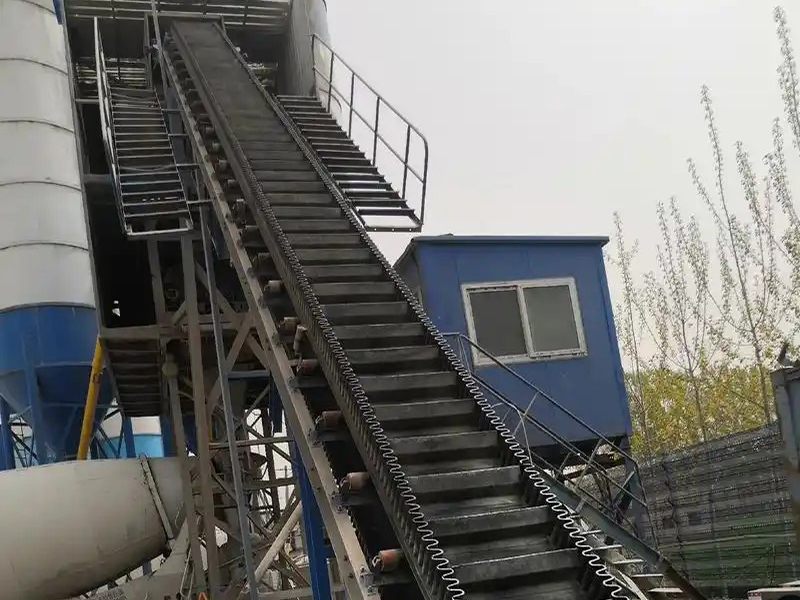
Continuous heavy-duty coke transport systems.
Maintaining strict manufacturing tolerances through raw material verification and physical performance testing.
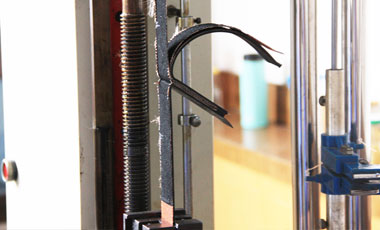
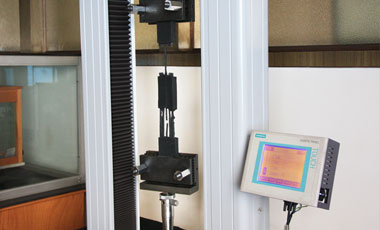
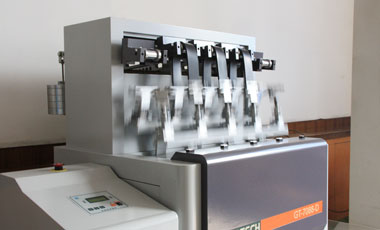
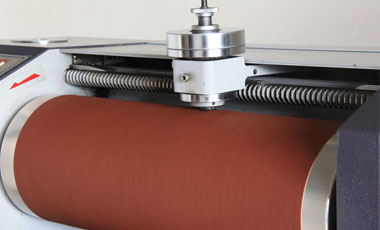
Review the ISO/DIN standard rubber compounding classifications used for selecting proper cover thicknesses.
Selecting the correct cover grade is critical for optimizing belt wear life. Operating parameters like mechanical impact, material shape, discharge velocity, and drop heights determine the proper selection of cover properties. The table below lists standard compound formulations engineered for various material handling challenges.
| Cover Grade Designation | Primary Standard Reference | Minimum Tensile Strength (MPa) | Maximum Abrasion Loss (mm³) | Primary Material Applications |
|---|---|---|---|---|
| DIN Grade W | DIN 22102 | 18 MPa | 90 mm³ | Highly abrasive fine ores, sand, silica, sintering coke, slag. |
| DIN Grade X | DIN 22102 | 25 MPa | 120 mm³ | Large run-of-mine ore, heavy rocks, granite, sharp copper tailings. |
| DIN Grade Y | DIN 22102 | 20 MPa | 150 mm³ | General purpose minerals, coal, limestone, grain cargo, soils. |
| ISO Grade H | ISO 10247 | 24 MPa | 120 mm³ | Heavy cutting, gouging, large rocks, extreme high-impact drops. |
| ISO Grade D | ISO 10247 | 18 MPa | 100 mm³ | Highly abrasive fine particles, dust, fast running sliding friction. |
Modern material handling design focuses on lowering operating emissions and improving energy efficiency. Low Rolling Resistance (LRR) compounds represent a major advancement for overland conveyor design. By reducing the energy lost as the belt passes over carrying idlers, LRR compounds can lower overall power requirements by up to 15-20%.
Additionally, predictive diagnostics are increasingly integrated into conveyor systems. Embedding steel cord sensors, internal RFID chips, and copper sensor loops allows operators to track belt thickness and detect carcass tears in real time. This digital integration helps prevent catastrophic failures and changes how heavy-duty bulk handling lines are maintained.
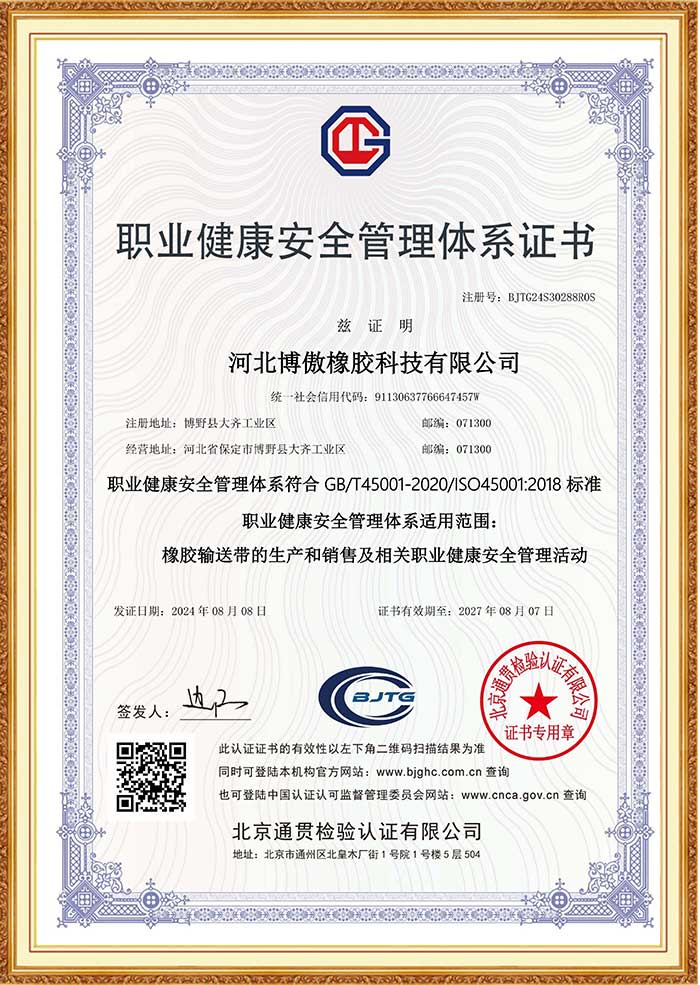
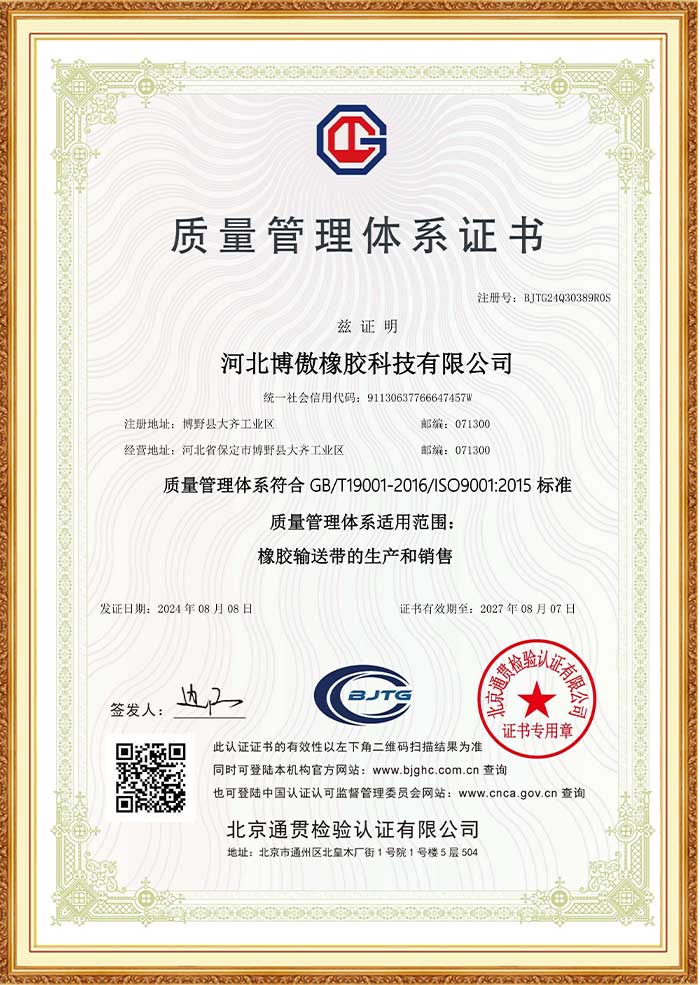
Our manufacturing and quality control systems are fully certified to satisfy major international standards.
Quality System Certificate
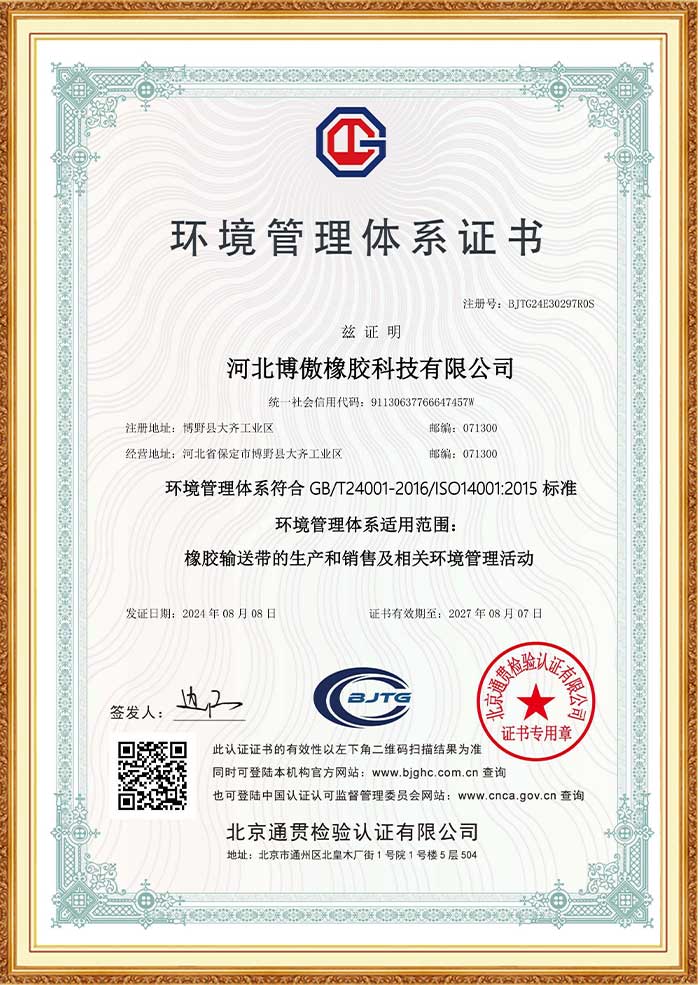
Environmental Certificate
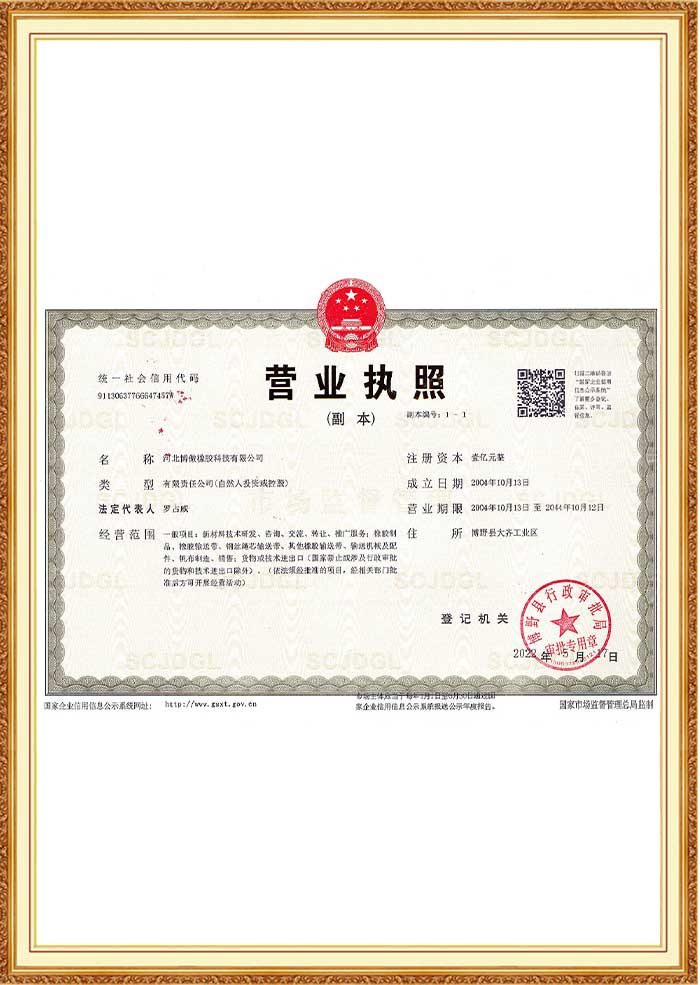
OHS Certificate
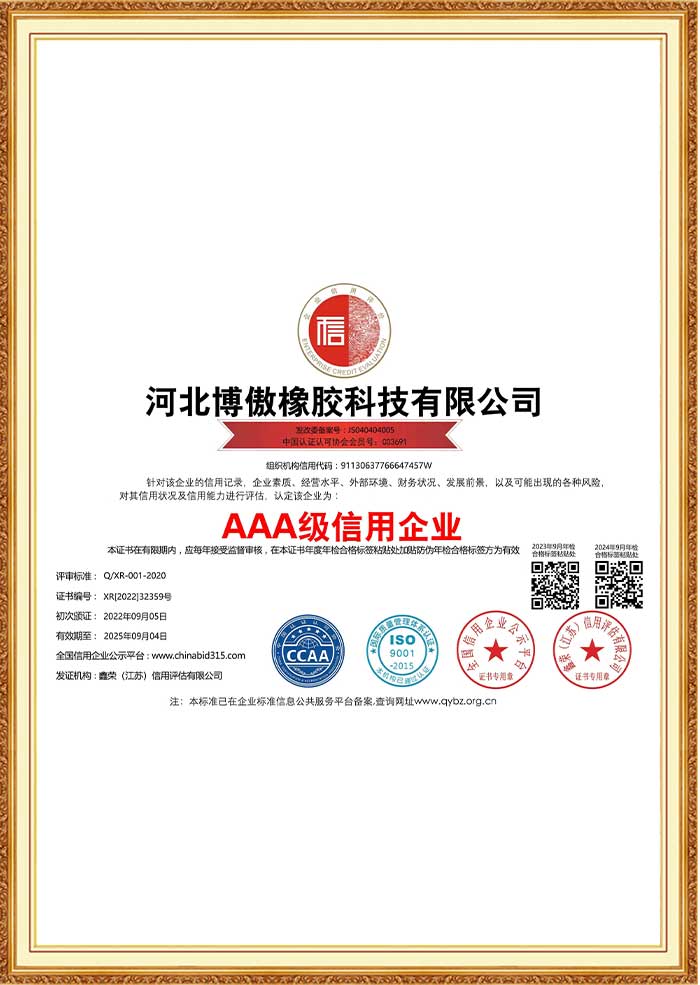
Product Compliance License
Inspection Quality Certification
Technical support, preventive field inspections, hot vulcanized splicing, and emergency repair options.
We provide complete support from system installation to field maintenance, including splice design, wear testing, performance monitoring, and hot vulcanized splicing.
We supply high-performance rubber materials, maintain safety stock levels for key belt models, and provide mechanical installation support to prevent tracking issues during startup.
Our technical team focuses on improving system uptime, reducing premature cover wear, and extending splice lifecycle performance to ensure reliable daily operations.
Frequently asked technical questions regarding compound formulation, wear characteristics, and system design.
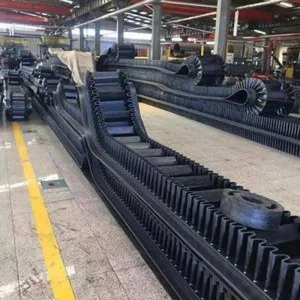
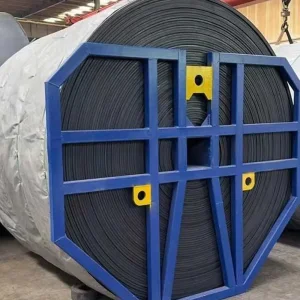
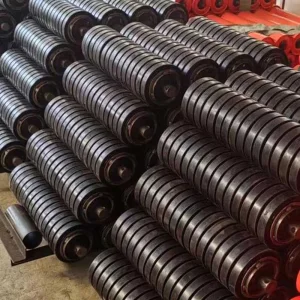
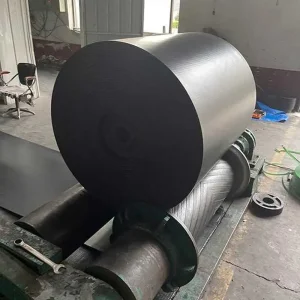
Browse our range of specialty belts, sidewall systems, and heavy-duty conveyor accessories.
Our application engineers are available to assist you with compound selection, custom width specifications, steel cord configurations, or budget optimization proposals.
 Boao Rubber