Heavy-duty, specialized vertical lifting conveyor belts engineered to operate under high-stress coastal conditions.
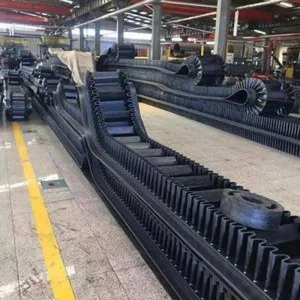
The Houston metropolitan area—centered on the Port of Houston, the largest Gulf Coast container port, and the surrounding industrial corridors—demands highly specialized material handling solutions. With massive processing facilities handling fertilizers, petcoke, aggregate sand, coal, and heavy agricultural outputs, space-constrained processing lines face structural bottlenecks. Traditional trough conveyors require extensive horizontal runs to reach high elevations, wasting valuable real estate.
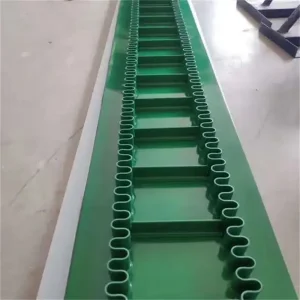
Corrugated Sidewall Conveyor Belts solve this challenge by allowing material transport at steep angles up to 90 degrees (vertical lift). This technology reduces space requirements by up to 75% compared to conventional belt systems, making them crucial for urban cement batching plants, ship unloading terminals, and petrochemical processing systems across Texas.
A look at how cross-rigid base fabrics and vulcanized wave profiles provide durability and spill prevention.
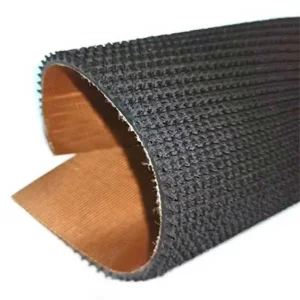
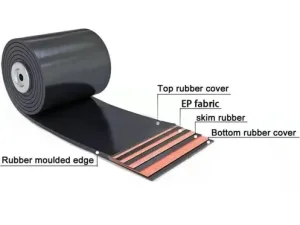
When engineering sidewall belts, the cross-rigidity (resistance to lateral deflection) of the base belt determines the operational life. Without proper transverse stiffness, the belt will sag on return idlers, leading to premature structural failure and misalignment. Hebei Boao Rubber Technology uses advanced multi-ply EP polyester and high-rigidity steel wire transverse reinforcements to build high-stability cross-rigid belts (designated as XE or steel mesh reinforced configurations).
| Belt Design Element | Standard Specifications | Engineering Functionality | Houston Field Applications |
|---|---|---|---|
| Base Belt (Cross-Rigid) | EP 200 to EP 500, Steel Wire Reinforced | Eliminates lateral bending; provides high longitudinal flexibility. | Heavy limestone transport, deep pit sand dredging. |
| Corrugated Sidewall | S-Type, W-Type (Heights 40mm to 400mm) | Accommodates flexing around drive pulleys while retaining material. | Sulfur bulk ship loading, fertilizer packaging lines. |
| Integrated Cleats | T-Cleat, C-Cleat, TC-Cleat designs | Guarantees steady uphill movement without backward slippage. | Ready-mix concrete batch plants, high-elevation grain silos. |
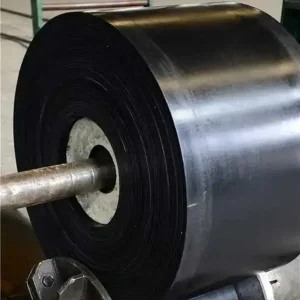
| Cover Compounds | Wear, Heat (up to 200°C), Oil & Acid Resistant | Protects fabric core from chemical corrosion and raw friction. | Gulf Coast chemical refining, petroleum coke transport. |
Furthermore, our hot-vulcanized sidewall-to-base bonding delivers up to 3x higher adhesion strength compared to standard cold chemical bonding. This prevents sidewall peeling and detaching when navigating high-tension wrap-around pulleys or vertical transition curves under intense Texas heat.
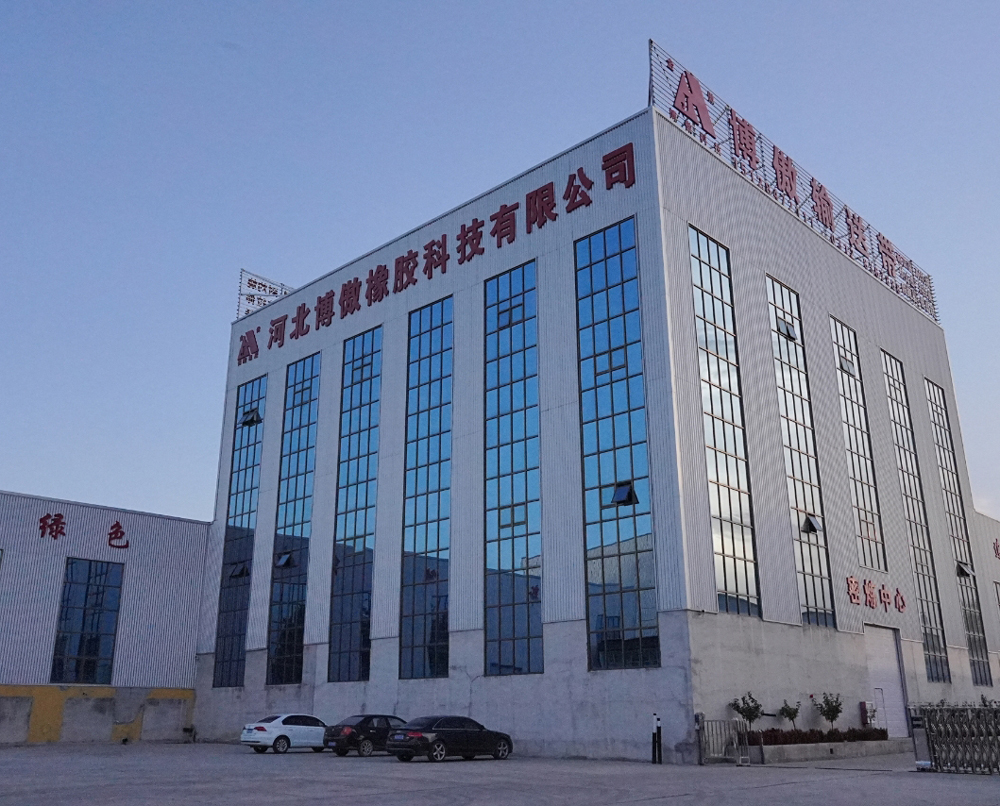
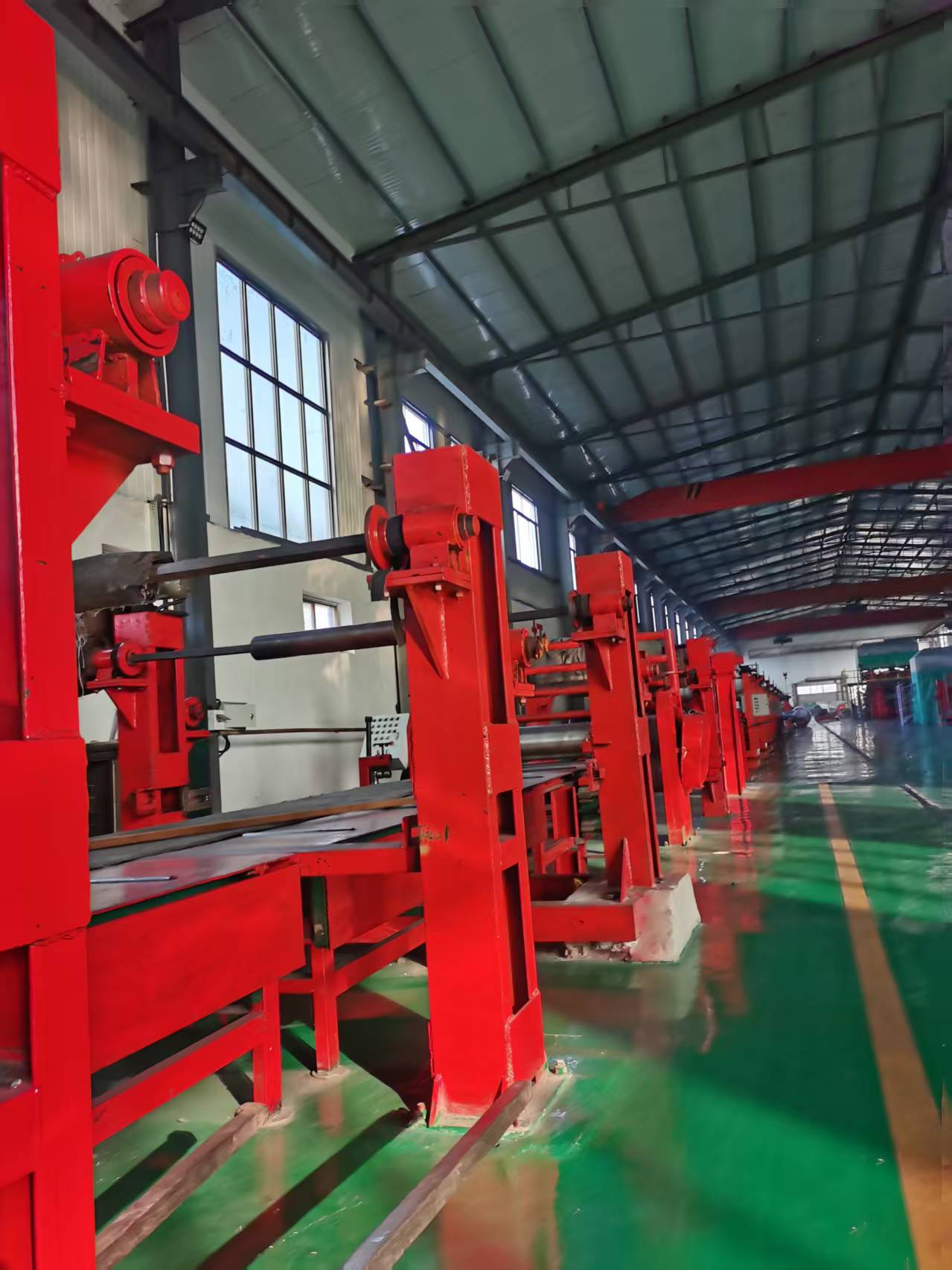
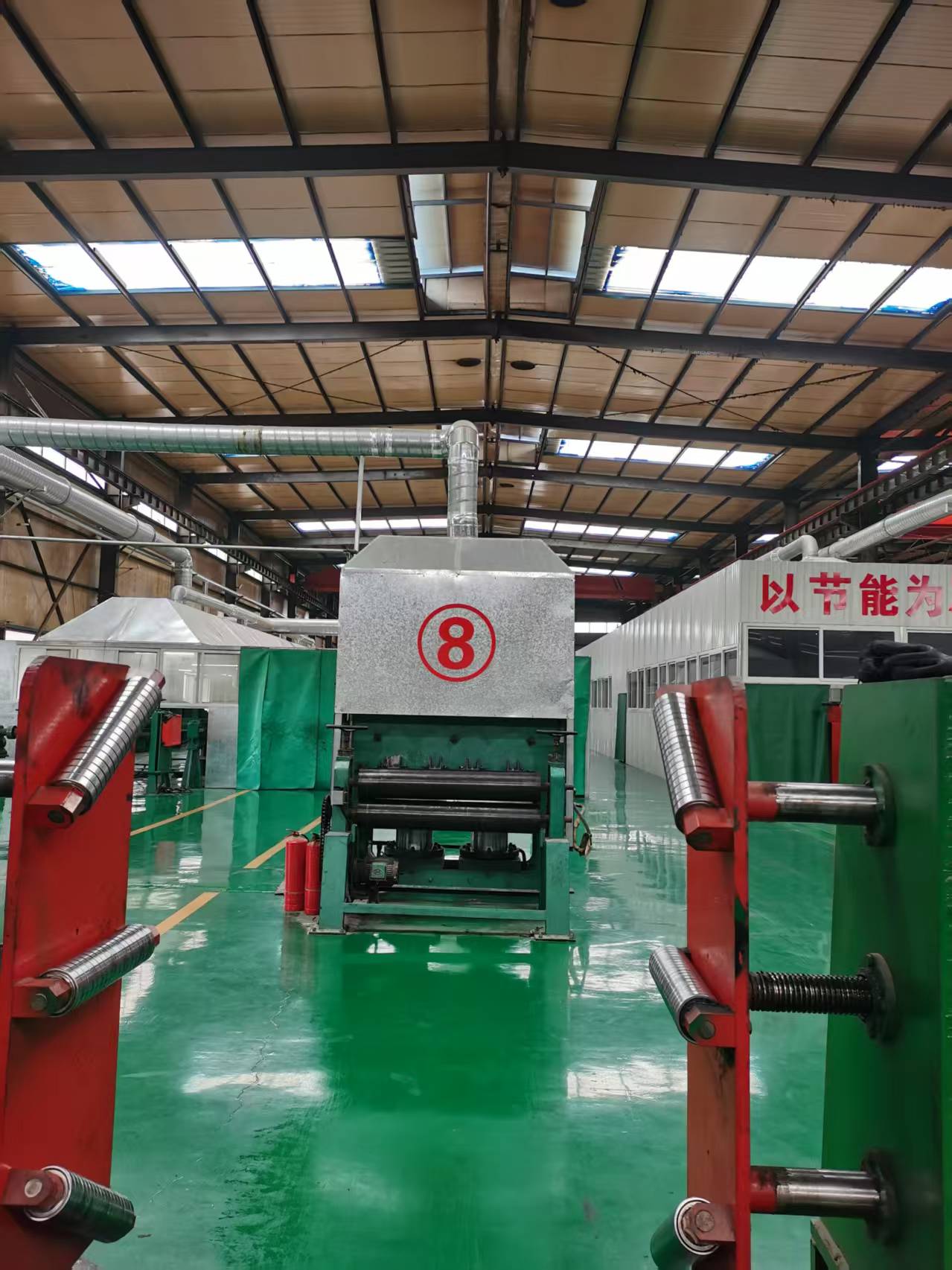
Founded in 2004, Hebei Boao Rubber Technology Co., Ltd. is situated in the Boye County Rubber Industrial Park, Baoding, Hebei, China. As a direct-to-market developer, manufacturer, and supplier of heavy-duty rubber conveyor belts, we leverage key manufacturing advantages to supply high-reliability products to international buyers:
Customizing compounding and reinforcing profiles to match the environmental conditions of the Texas Gulf Coast.
Houston chemical plants process high quantities of refinery petroleum coke. This abrasive, oil-rich material requires conveyor covers with high oil resistance to prevent rubber swelling. Our custom formulations prevent cover degradation and structural failure in oil-heavy environments.
Large grain terminals require dust-mitigating, self-extinguishing flame retardant conveyor belting. Our static-conductive, MSHA-standard flame retardant compounds minimize electrostatic build-up, reducing the risk of dust combustion during high-speed vertical loading operations.
Quarries supplying construction projects in Greater Houston require highly abrasion-resistant compounds. Our DIN 22102 Y/W/X rated base belts are built to handle sharp-edged limestone, slag, and aggregates while preventing structural tears.
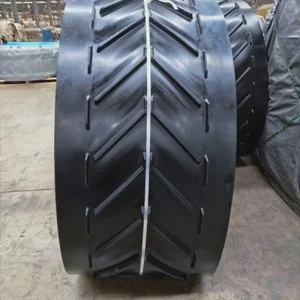
A full range of high-incline belts, brackets, and wear-resistant rubber products to support your bulk handling equipment.
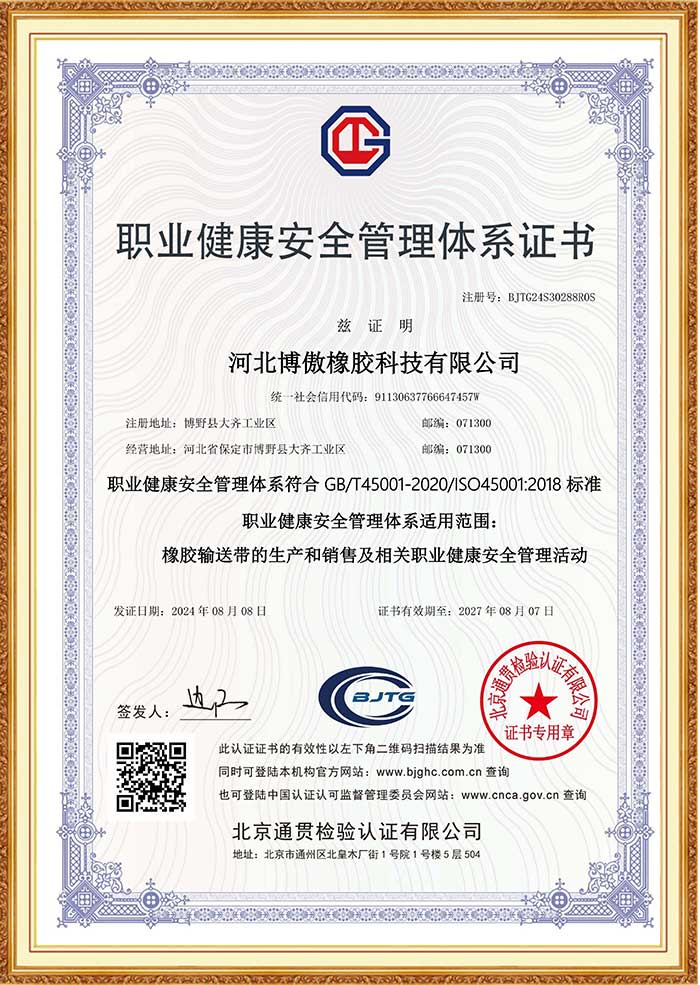
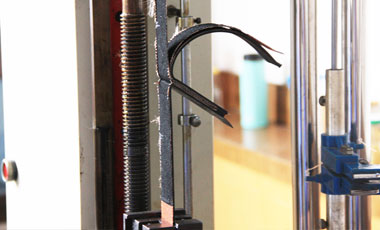
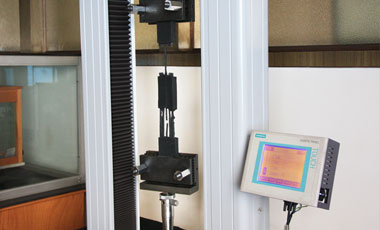
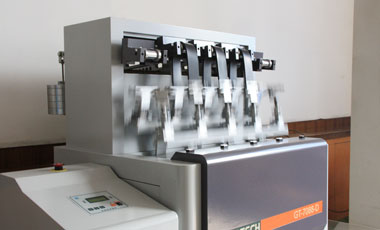
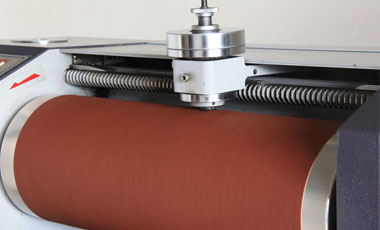
Quality and durability are central to our manufacturing process. We operate an advanced testing facility designed to ensure that each conveyor belt meets industrial guidelines before leaving our plant. Our physical testing protocols evaluate performance under severe strain, heavy abrasion, and harsh chemical exposure:
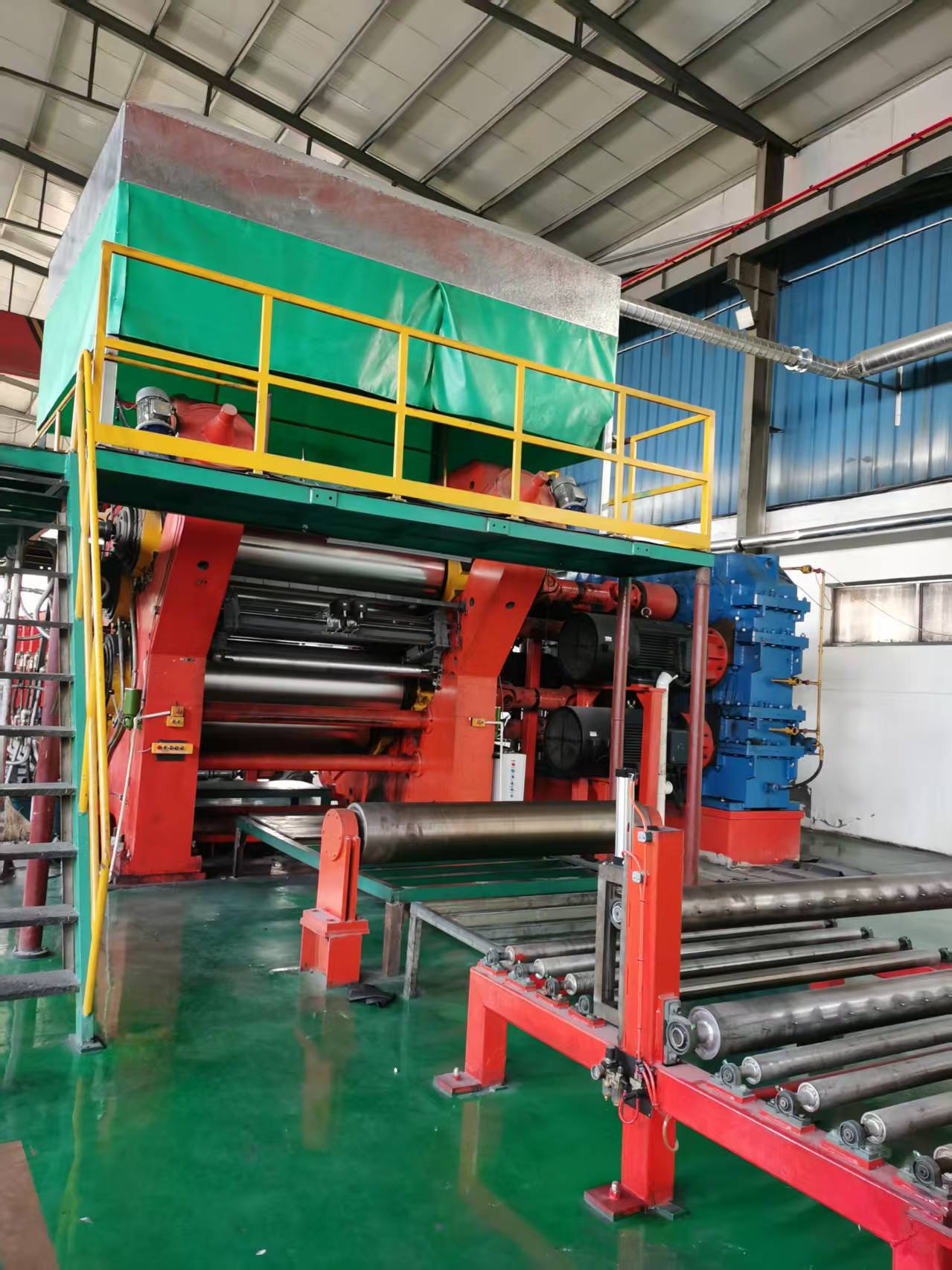
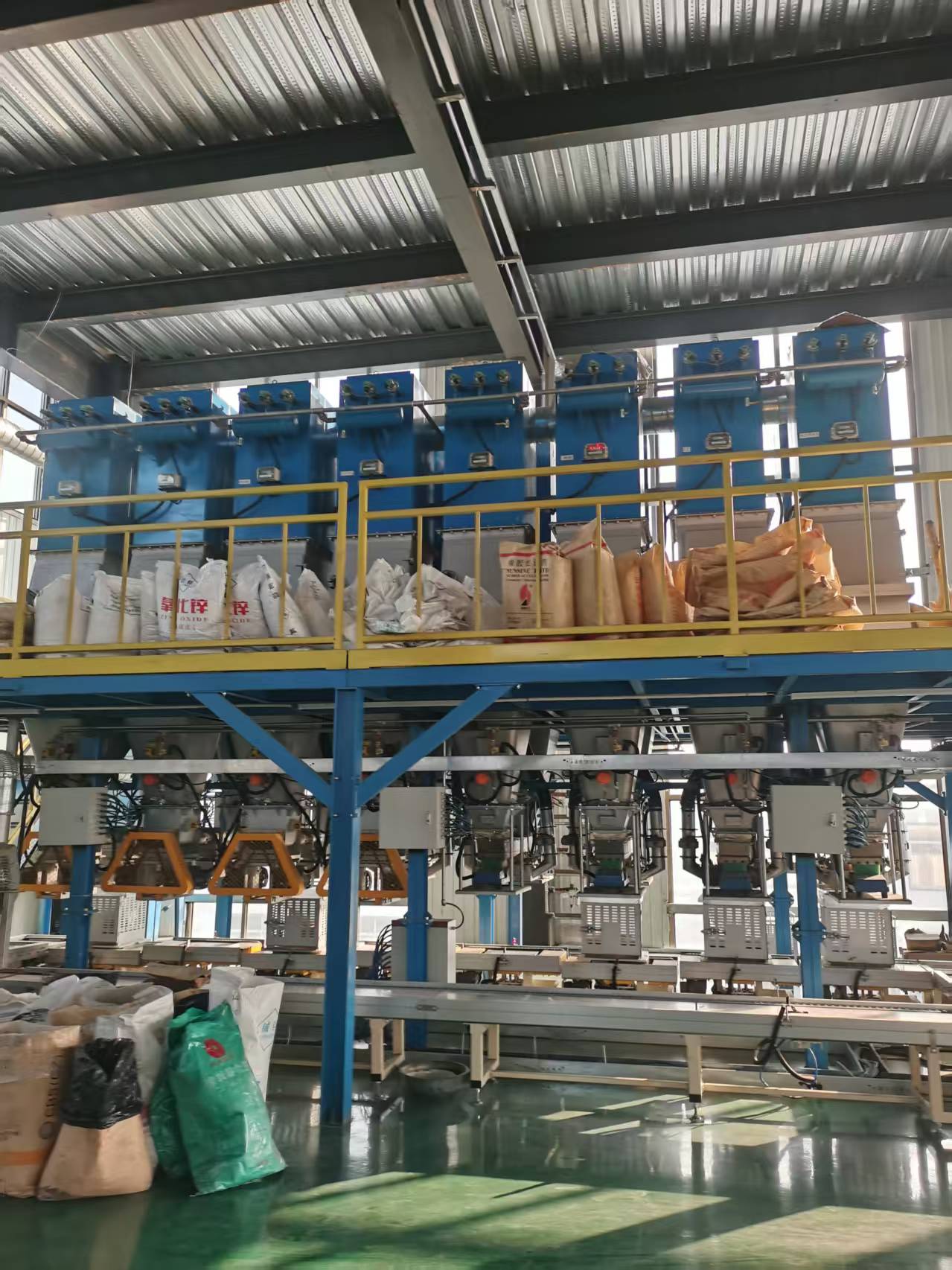
Providing heavy-duty, high-performance conveying solutions to major industrial projects worldwide.
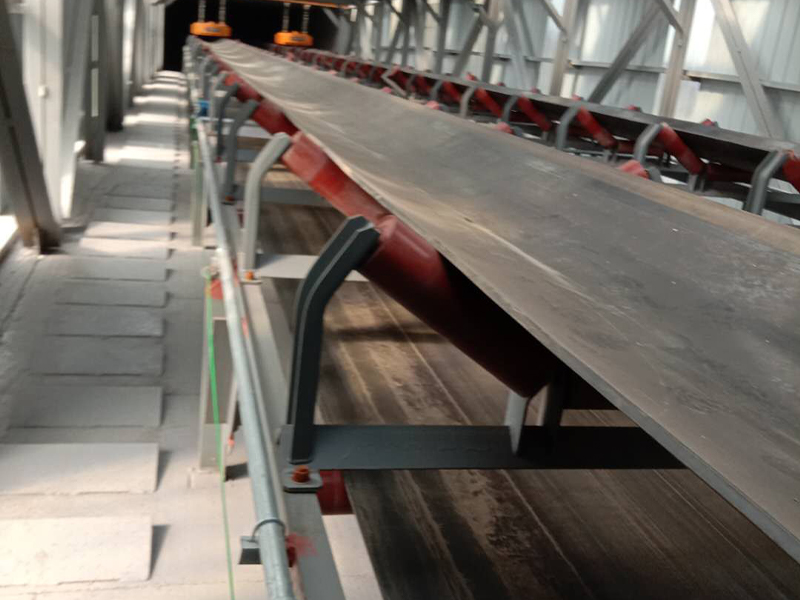
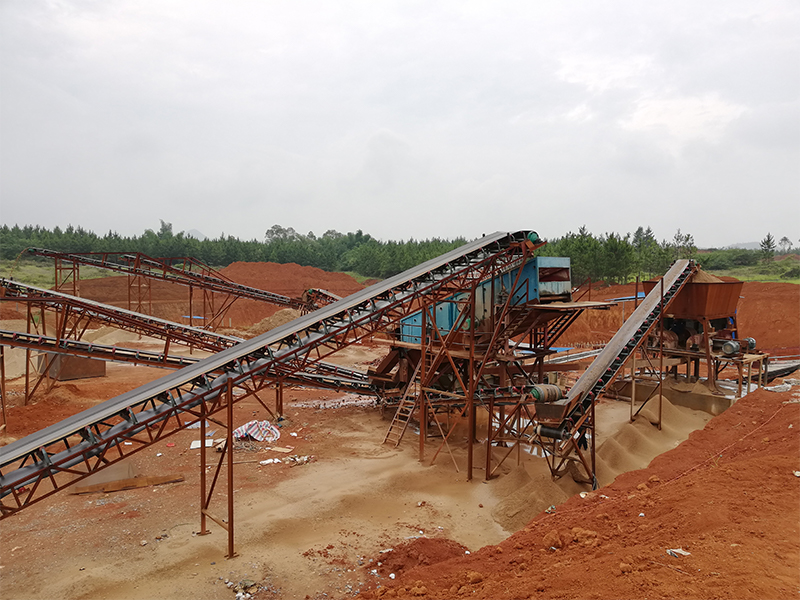
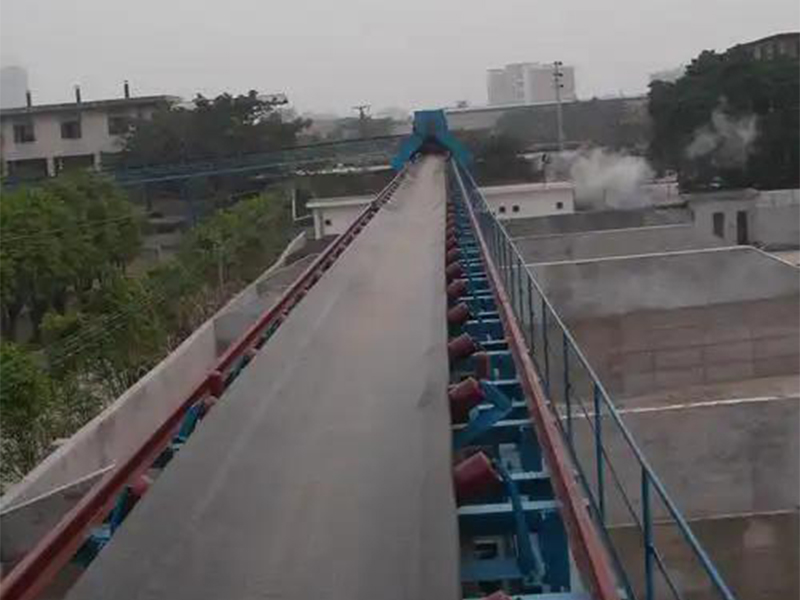
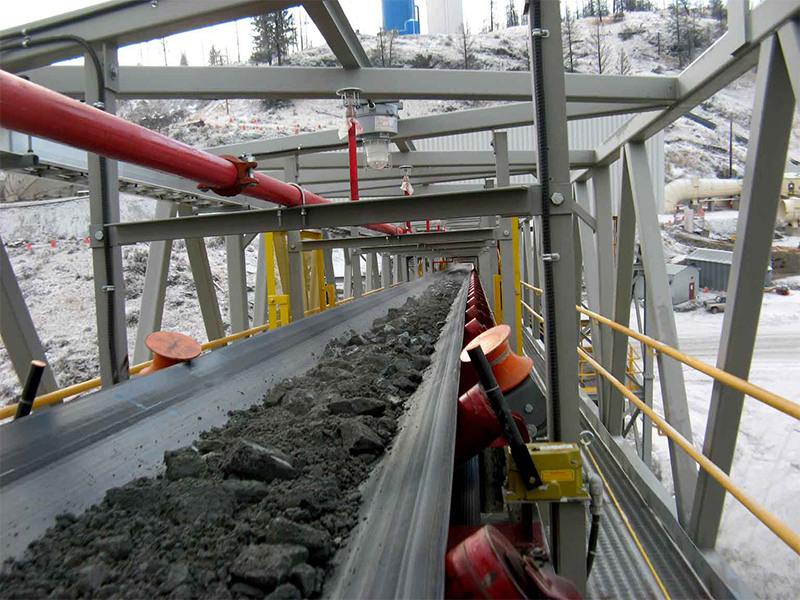
Key technical details and purchasing considerations for Houston procurement managers.
Sidewall height is chosen based on the material's bulk density, maximum particle size, and target throughput. Generally, sidewalls should be 10% to 20% taller than the maximum expected feed height to prevent spillage. S-type (standard sinusoidal waves) offer the best flexibility for standard inclines, while reinforced S-type or W-type sidewalls are recommended for heavy aggregates or deep-pocket profiles exceeding 120mm in height.
On horizontal or return conveyor sections, the belt must remain flat across support rollers. Without proper transverse stiffness (lateral rigidity), the weight of the sidewalls and cleats will cause the belt edges to bow downward. This causes friction, structural tearing, and alignment issues. We use transverse reinforcement plies to maintain shape and prevent bending under heavy loads.
Cold bonding uses contact adhesives to join pre-vulcanized sidewalls to the base belt. While cost-effective, cold bonds can degrade when exposed to heat, solvents, or continuous bending stress. Hot vulcanization uses high heat and pressure to chemically cure the base belt, sidewalls, and cleats together into a single, cohesive rubber structure. This increases bonding strength by up to 300%, preventing component peeling under heavy loads.
The Texas Gulf Coast has high ambient temperatures, high humidity, and high UV exposure. We formulate our rubber covers with antioxidants and antiozonants to prevent rubber cracking, hardening, and dry rot. For chemical and fertilizer plants in Houston, we also offer specialized acid and alkali resistant elastomer covers.
Our belts are manufactured and tested to meet international standards including ISO, DIN (22102), BS, AS, and RMA guidelines. We provide physical testing documentation (abrasion loss, tensile limits, ply adhesion strength) with every order.
Consult with our engineers to configure the optimal base belt thickness, sidewall height, and rubber compound to match your local material requirements.
Send Inquiry Now Boao Rubber