Engineered to deliver optimal throughput in space-restricted environments across Hamburg's busy ports and industrial corridors.
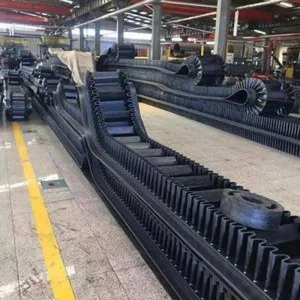
Cross-rigid base belts designed to withstand vertical elevations up to 90 degrees without lateral deformation.
View Details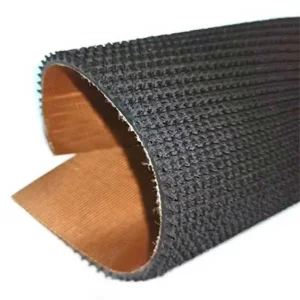
High-grip cleated configurations optimized for steep-incline transport of bulk sands, gravel, and mineral ores.
View Details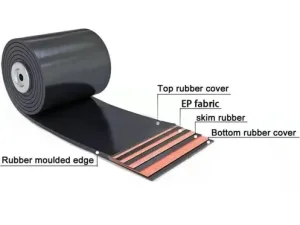
Low-elongation, high-tensile carcasses offering exceptional impact resistance for heavy industrial materials.
View Details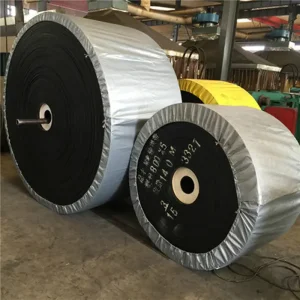
Specially compounded rubber covers built to endure extreme temperatures up to 250°C without cracking.
View DetailsUnderstanding why steep-angle and vertical sidewall conveying technology is critical for Europe’s third-largest port city.
As the primary economic powerhouse of northern Germany, the Port of Hamburg processes millions of tons of dry bulk commodities annually, including coal, ores, building materials, agricultural grains, and chemicals. In dockside operations and inner-city processing terminals, horizontal footprint is premium real estate. Traditional trough conveyors require long layouts to achieve height transitions due to typical maximum incline angles of 15° to 18°.
Corrugated Sidewall Conveyor Belts solve this spatial bottleneck. By allowing angles of inclination from 30° up to a completely vertical 90°, they dramatically reduce layout footprints by up to 75%, allowing Hamburg terminals to maximize storage volumes and optimize vessel-to-silo transport efficiency.
German environmental regulations (such as TA Luft) place strict limits on dust and particulate emissions, especially around maritime waterways like the Elbe River. Standard open conveyor systems pose threats of material spillage and airborne dust.
Advanced sidewall systems with integrated pocket layouts, cross-cleats, and enclosed protective hoods provide a containment structure that keeps raw materials firmly housed inside the belt boundaries. This ensures compliance with stringent environmental standards while drastically reducing housekeeping and maintenance costs at German processing facilities.
Leveraging 22 years of vulcanization expertise and structural rubber engineering to serve European industrial networks.
Founded in 2004 and situated inside the Boye County Rubber Industrial Park of Hebei Province, Hebei Boao Rubber Technology Co., Ltd. spans over 30 acres of highly automated production lines. Operating under our flagship "Jinao" brand, we are an ISO 9001:2015 certified manufacturer specializing in the engineering, design, testing, and production of heavy-duty conveyor belts and associated power transmission components.
Our commitment to the German and European markets is backed by a robust manufacturing model that guarantees material consistency, flame-retardant performance (complying with DIN and EN standards), and superior abrasion resistance. We support Hamburg's industrial networks through direct technical consultations, customizable belt dimensions, and continuous material support.
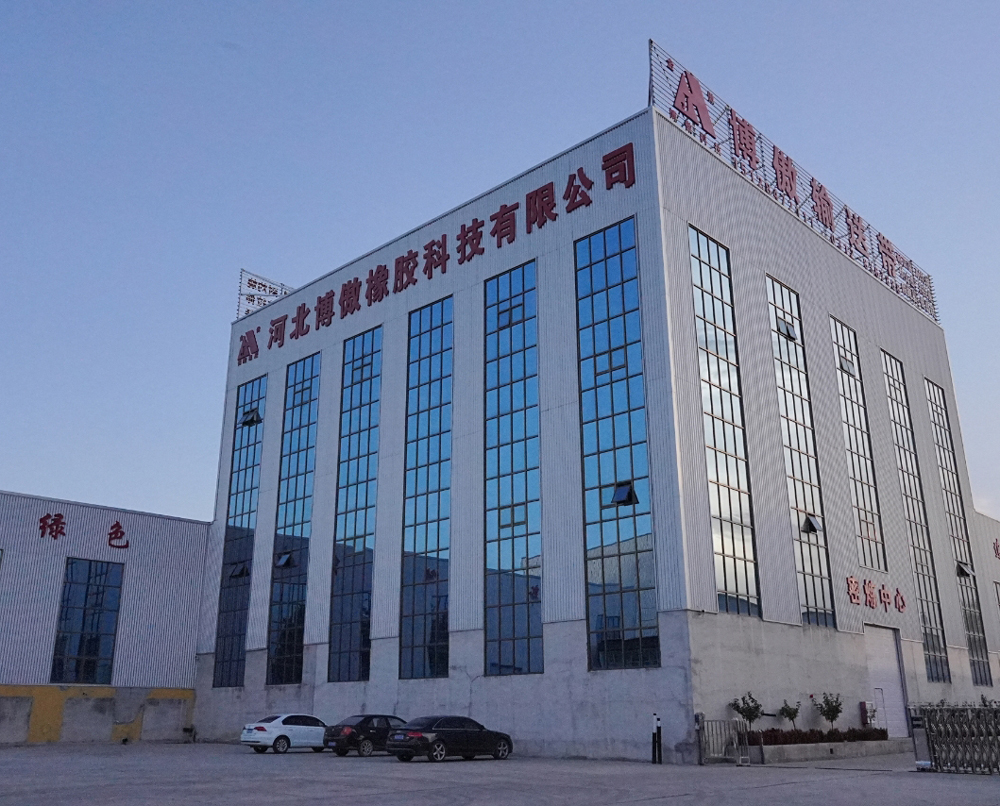
How our advanced testing labs and automated mixing centers ensure structural reliability for demanding maritime logistics.
We enforce a strict quality control matrix utilizing our independent laboratories. Every batch of synthetic and natural rubber undergoes analysis before compounding. No raw material enters the factory floor, and no finished conveyor belt departs without passing strict DIN testing parameters.
Using high-precision multi-roll calendering lines, we achieve uniform rubber distribution across the fabric ply or steel wire cords. Automated vulcanization presses ensure uniform temperature profile control, eliminating structural weak spots and edge separation risks.
Our testing array includes dynamic fatigue testers, rubber-to-fabric adhesion testers, steel cord pull-out rigs, and DIN abrasion testers. By simulating the continuous stress of steep transitions, we guarantee a longer operational lifecycle for Hamburg bulk handling operations.
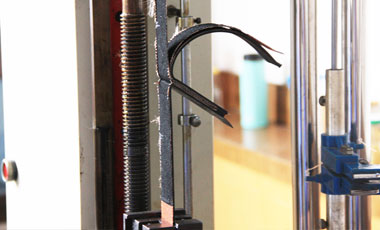
Peeling & Adhesion Test
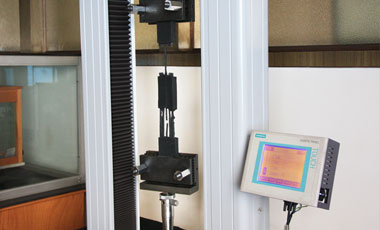
Steel Cord Pull-out Test
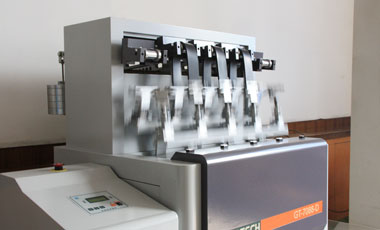
Dynamic Fatigue Tester
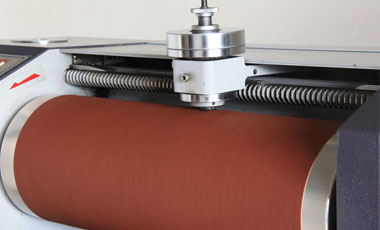
DIN Abrasion Tester
Customize your carcass, cleat profile, and rubber compounds to meet the exact requirements of your handling setup.
| Parameter | Fabric Core (EP / NN) | Steel Cord Core | Target Application (Hamburg Core) |
|---|---|---|---|
| Tension Strength | 100 N/mm to 3150 N/mm | 1000 N/mm to 5400 N/mm | EP for high flexibility; Steel Cord for high vertical lifts. |
| Sidewall Height | 40 mm to 400 mm | 120 mm to 630 mm | Determined by maximum grain/bulk size & bulk density. |
| Cleat Types | T, C, TC Patterns | TC (Heavy-duty reinforced) | TC cleats prevent back-sliding at 60° to 90° inclines. |
| Cover Grade | DIN 22102 X, Y, W | DIN 22102 Z, W | High wear resistance (Y/W) for quartz, aggregates, and coal. |
| Special Properties | Flame Retardant, Oil Resistant | High Heat Resistant, Acid/Alkali | Essential for chemical docks and coal silos in Hamburg. |
The selection of the cleat pattern directly affects the transport capacity and maximum angle of the sidewall system. T-type cleats are suitable for flat or low-incline applications. C-type cleats are curved to hold wet or fine powder products at steep angles. TC-type cleats are heavily reinforced and designed to transport high-density, abrasive cargo vertically at angles up to 90° without collapse or physical stress wear.
Standard conveyor bases will bow under the heavy load of vertical sidewalls when changing direction from horizontal to vertical. We integrate dynamic cross-stabilizing layers (such as high-modulus monofilament fabrics or steel fabric layers) within the base belt structure. This ensures perfect lateral stiffness while keeping the longitudinal flexibility required for pulley wrapping.
See how our systems are designed to perform across heavy maritime terminals, mixing stations, and metallurgical yards.
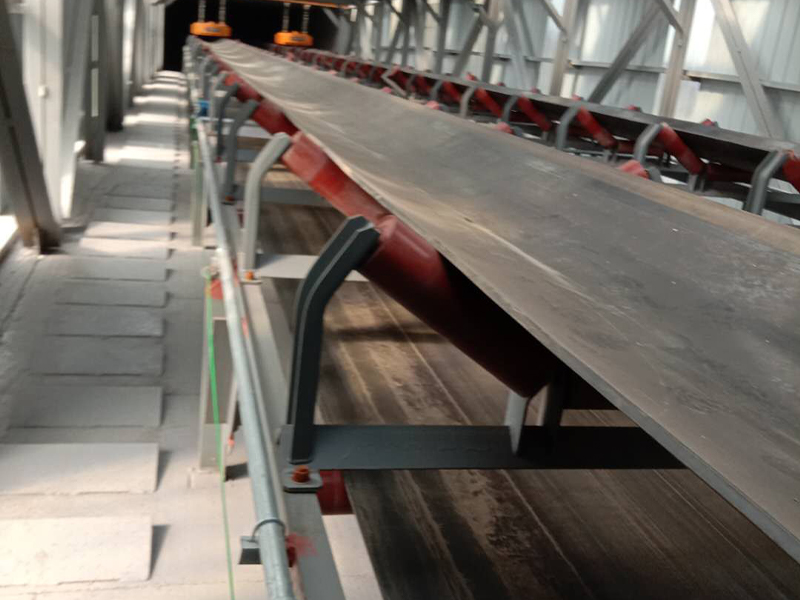
Providing high-inclination corrugated sidewall belts to bypass traditional space limits. Operating with zero dust pollution and optimized throughput.
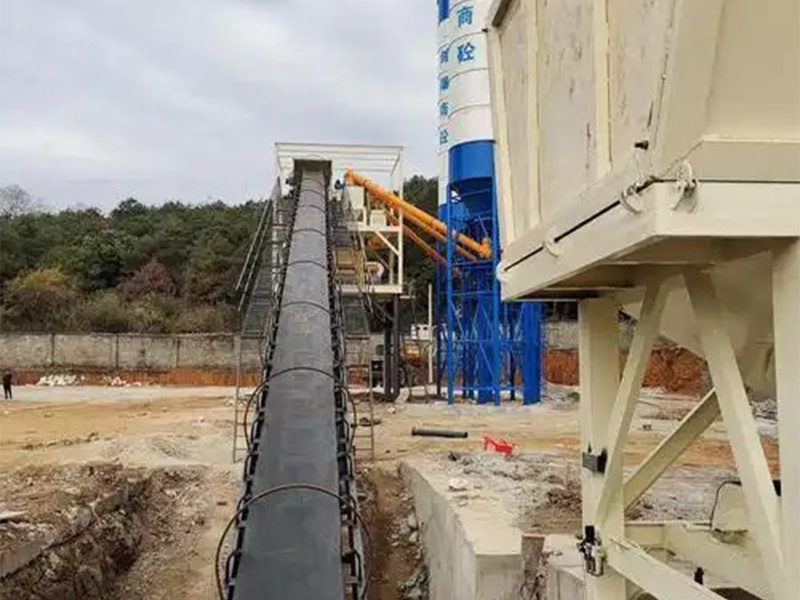
Vertical sidewall solutions installed directly inside high-density batching towers to carry heavy sand and wet cement aggregates vertically.
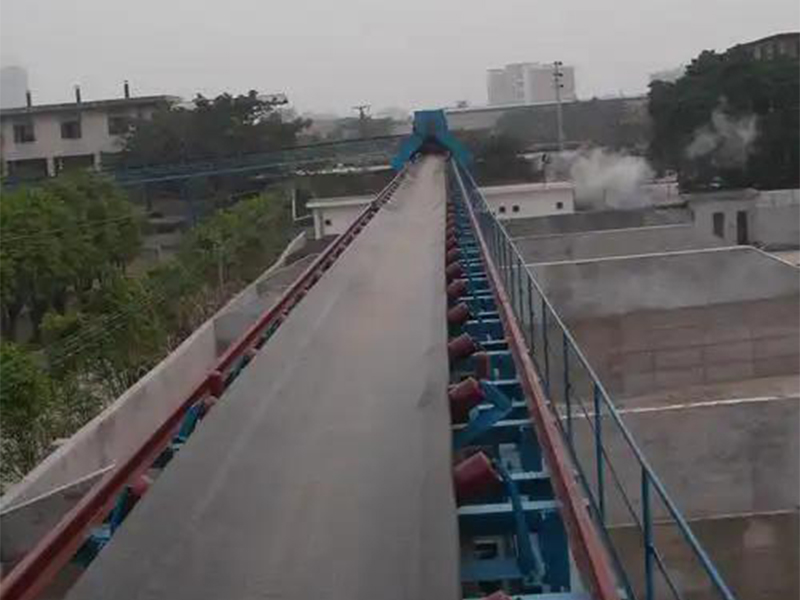
EP-reinforced corrugated belts handling highly abrasive mineral powders with customized dust covers to meet local emissions standards.
Our engineers will calculate belt speed, cleat design, sidewall height, and cross-rigidity parameters based on your bulk material characteristics.
Get Free Engineering Support NowGet professional, technical answers regarding the deployment, operation, and maintenance of high-angle sidewall belting.
Unlike bucket elevators, which have high wear at transfer joints, a sidewall conveyor features a continuous rubber construction with integrated cleats. This design dramatically reduces mechanical wear, minimizes material spillage, prevents dust build-up, and lowers energy consumption during vertical elevation transitions.
The choice depends on the vertical height and material weight. EP fabric belts offer excellent longitudinal flexibility and are ideal for low-to-medium tension needs at heights below 40 meters. For extreme heights, heavy mining loads, and high tension settings, steel wire rope cores prevent belt stretching and structural distortion.
Detachment of sidewalls and cleats is a common failure point in low-quality belts. At Hebei Boao, we use a continuous hot vulcanization method to cure the sidewalls and cleats directly onto the base belt. This process creates a unified rubber bond with high peel resistance, outperforming cold-glued alternatives.
Yes. We specialize in compounding custom rubber formulations. If you handle oil-coated grains, sulfur, acidic materials, or chemical compounds, we can configure nitrile rubber (NBR) or specialty synthetic compounds to resist chemical wear, oil swelling, and acid corrosion.
We regularly ship products to Hamburg via sea freight or the Sino-Europe Railway Express directly into Hamburg's cargo hubs. Our shipping department secures the belts in reinforced wooden crates or steel reels to protect the corrugated sidewalls and cleats during transit.
Premium solutions engineered for heavy handling, chemical resistance, and long service life.
Engineered to withstand temperatures up to 200°C - 250°C, ideal for slag handling in Hamburg metal processing.
View Product
Offers stable transport of small aggregates on inclines up to 90° with minimal product slide.
View Product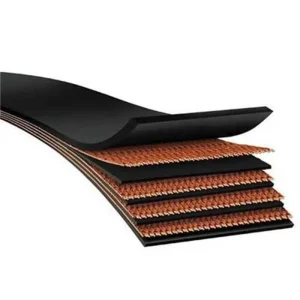
High elastic limits and premium impact resistance, perfect for heavy terminal transfer stations.
View Product
Herringbone and custom surface textures designed to prevent sliding on steep inclines.
View Product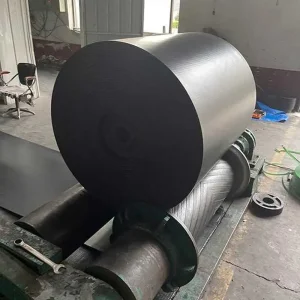
Meets strict ISO safety standards to suppress smoke and fire in coal handling and closed tunnels.
View Product
High dimensional stability and excellent fatigue strength under heavy mechanical stress.
View Product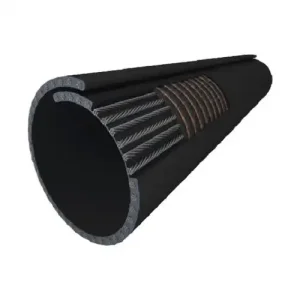
Fully enclosed tube design that prevents dust leakage and material contamination over long runs.
View Product
Designed to optimize load capacity in limited horizontal plant spaces.
View Product Boao Rubber