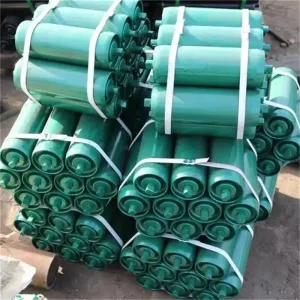
Enclosed and environmental-friendly systems optimized for Port Vell, Moll de l'Energia, and chemical parks across Catalonia.
The Barcelona industrial metropolitan area and its strategically vital port (Puerto de Barcelona) represent one of Southern Europe’s most critical multimodal logistics nodes. However, modern environmental regulations issued by the Generalitat de Catalunya and European Union clean air mandates require zero-emission, dust-free transport of volatile bulk materials. From potash extraction in the Bages region (Súria and Cardona) to clinker processing at cement plants throughout the metropolitan perimeter, legacy open-trough belt conveyors are rapidly being decommissioned in favor of advanced, enclosed pipe conveyor belts.
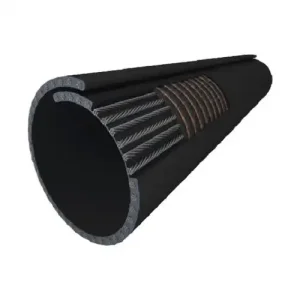
Enclosed tubular transport represents a major shift in material logistics, delivering complete containment from feed point to discharge. By forming a closed tube during the transport phase, these systems protect sensitive environments from dust, chemical runoff, and product loss, while protecting the transported material from moisture, contamination, and ambient degradation.
In Barcelona and the wider Catalonian region, pipe conveyor technology addresses three distinct industrial challenges:
Súria's mines produce millions of tons of potash annually, which are transported to the Port of Barcelona via rail and conveyor. A fully enclosed pipe conveyor prevents salt and mineral dust from polluting surrounding residential areas and agricultural lands.
With strict Mediterranean clean air initiatives, concrete producers operating near El Prat de Llobregat utilize tubular belts to transport fine particulate cement raw materials without visual dust emissions.
The Tarragona-Barcelona chemical corridor demands strict isolation of volatile reactants. Special oil and chemical-resistant pipe belts guarantee that chemical-laden powders remain sealed off from moisture and oxidation.
The design of a pipe conveyor belt requires complex elastomeric chemistry and advanced structural engineering. Unlike flat belts, a pipe conveyor must transition from a flat plane at the tail pulley, fold into a perfectly circular profile within a hexagonal arrangement of idlers, and open back up to flat at the head pulley. This requires:
1. Transverse Rigidity vs. Longitudinal Elasticity: The belt must have sufficient transverse stiffness to maintain its circular shape and prevent collapse under heavy loads, yet remain flexible enough to bend around vertical and horizontal curves without excessive wear on the idler rollers.
2. Overlap Sealing Design: The edges of the belt must overlap smoothly to form a tight seal, preventing dust emissions. The rubber formulation must resist edge wear and remain stable during high-frequency opening and closing cycles.
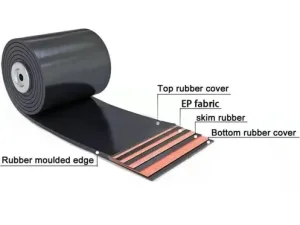
3. Steel Cord and Fabric Reinforcement: By using custom-engineered EP (Polyester-Nylon) fabrics or high-tensile steel wire rope cores, the belt maintains its shape, minimizes stretch, and offers excellent structural integrity over long spans.
As global supply chains face uncertainty, partnering with Hebei Boao Rubber Technology Co., Ltd. provides European procurement officers with direct access to a stable, advanced manufacturing ecosystem. Operating under Factory 4.0 principles, we combine automated precision manufacturing with rigorous, scientific quality assurance:
Precision Automated Mixing: Our modern mixing facility uses computer-controlled proportioning systems to ensure consistent rubber compounding. This eliminates manual batching errors and ensures consistent vulcanization, wear resistance, and long-term durability.
In-House Laboratory Testing: Every production run undergoes rigorous physical and chemical testing. Our laboratory is equipped with steel cord pull-out testing rigs, dynamic fatigue testers, and advanced abrasion machines to ensure all belts comply with European DIN, ISO, and Spanish UNE standards.
Direct Shipping to Port of Barcelona: Located near major shipping ports in northern China, we coordinate streamlined sea freight logistics directly to Spain. This reduces transit times and helps European buyers maintain optimal safety stock levels.
Hebei Boao Rubber Technology Co., Ltd. spans over 30 acres, integrating development, design, and manufacturing of high-performance conveyor systems. With independent laboratories, every product is thoroughly inspected to ensure long-term reliability in demanding industrial settings.
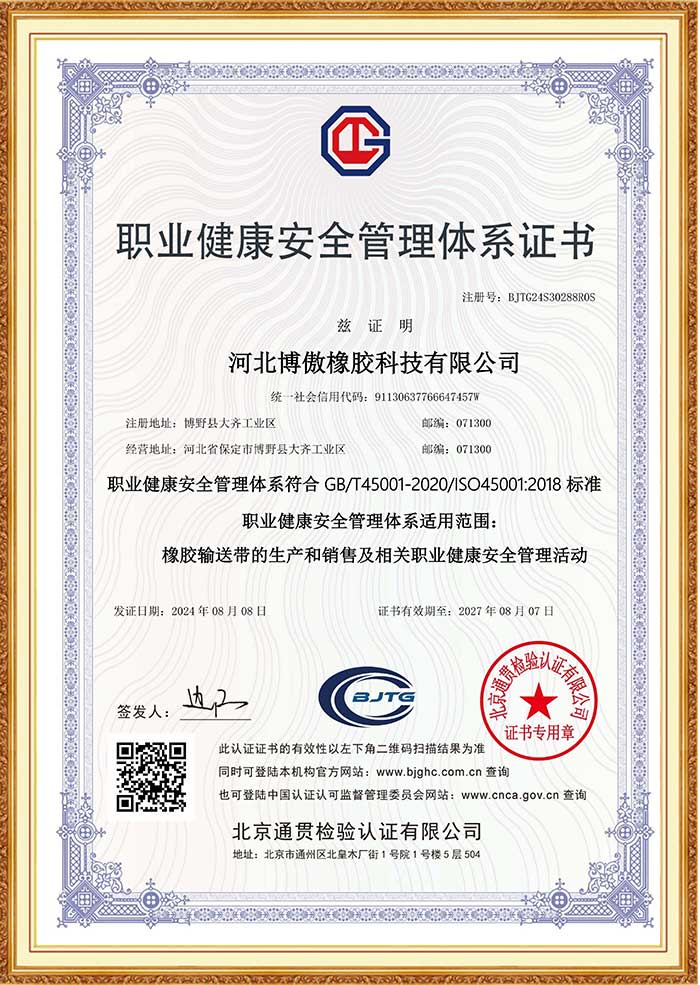
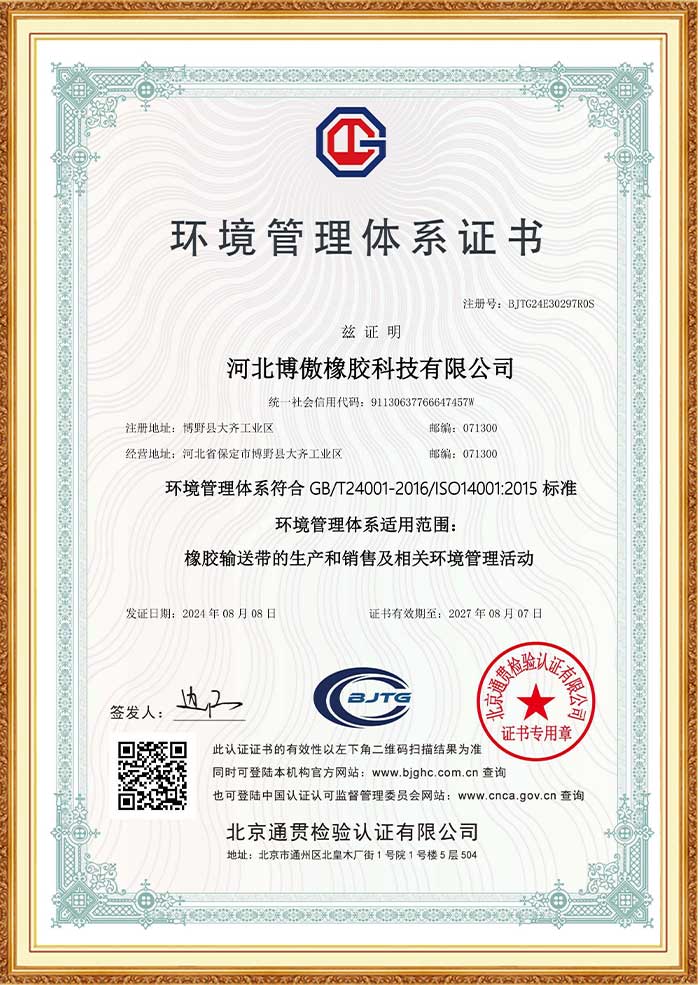
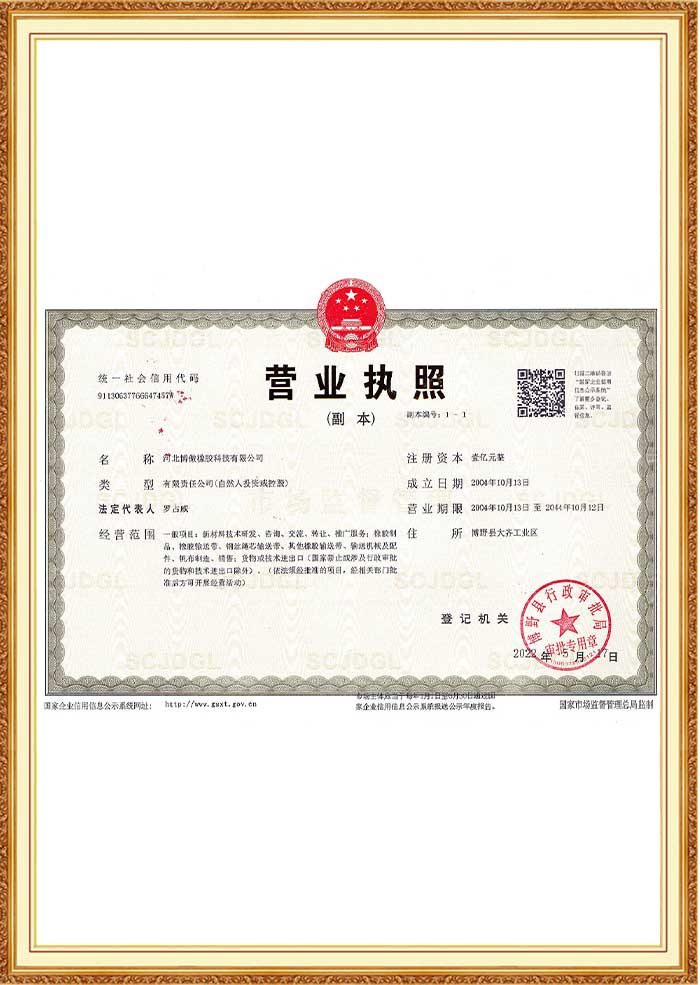
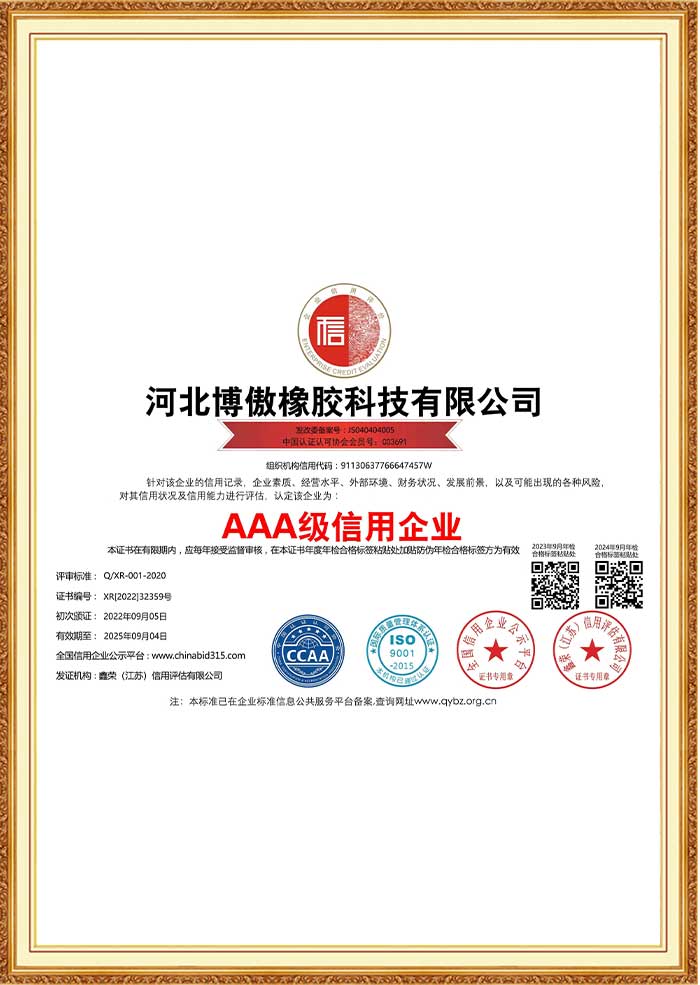
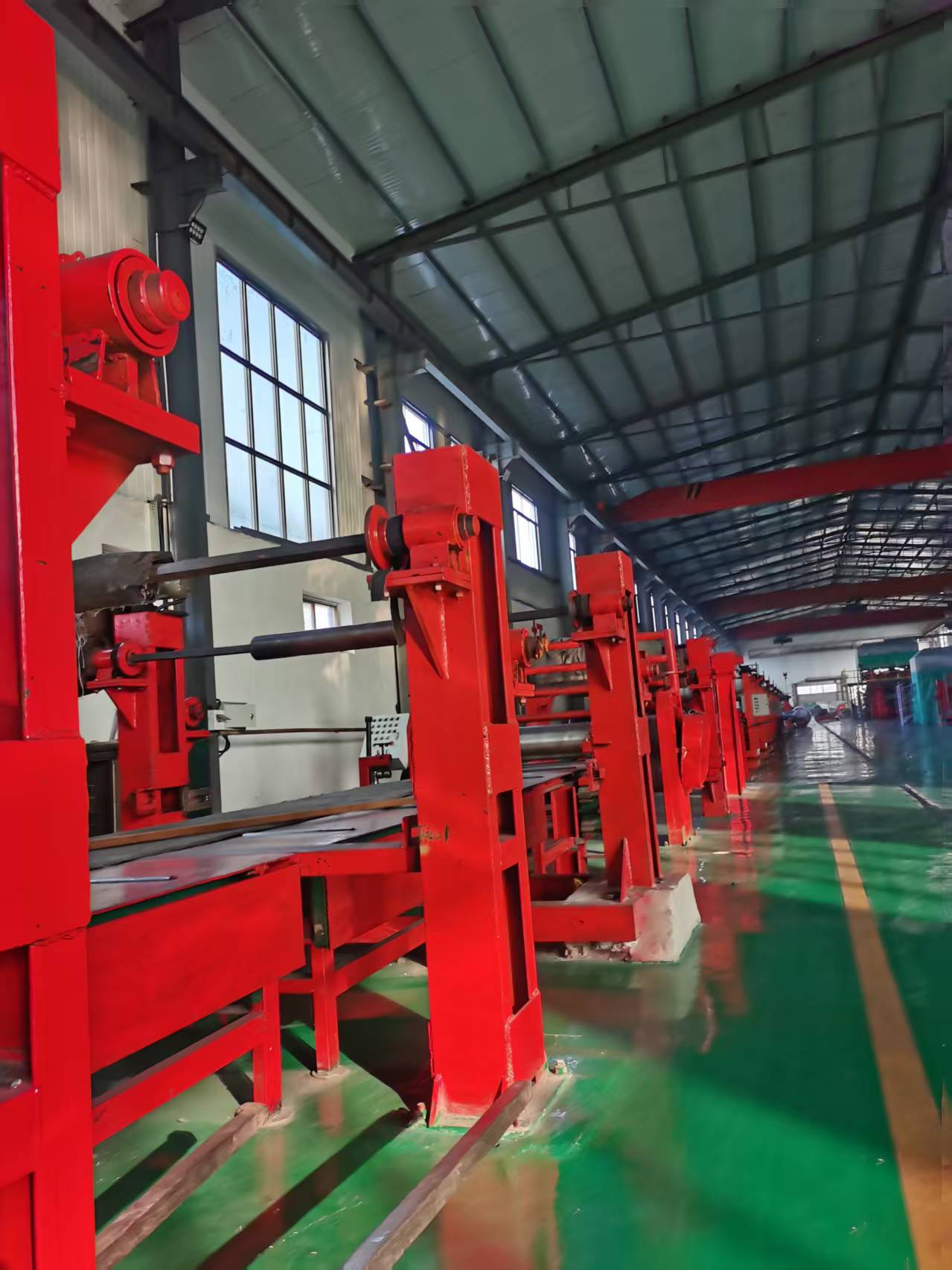
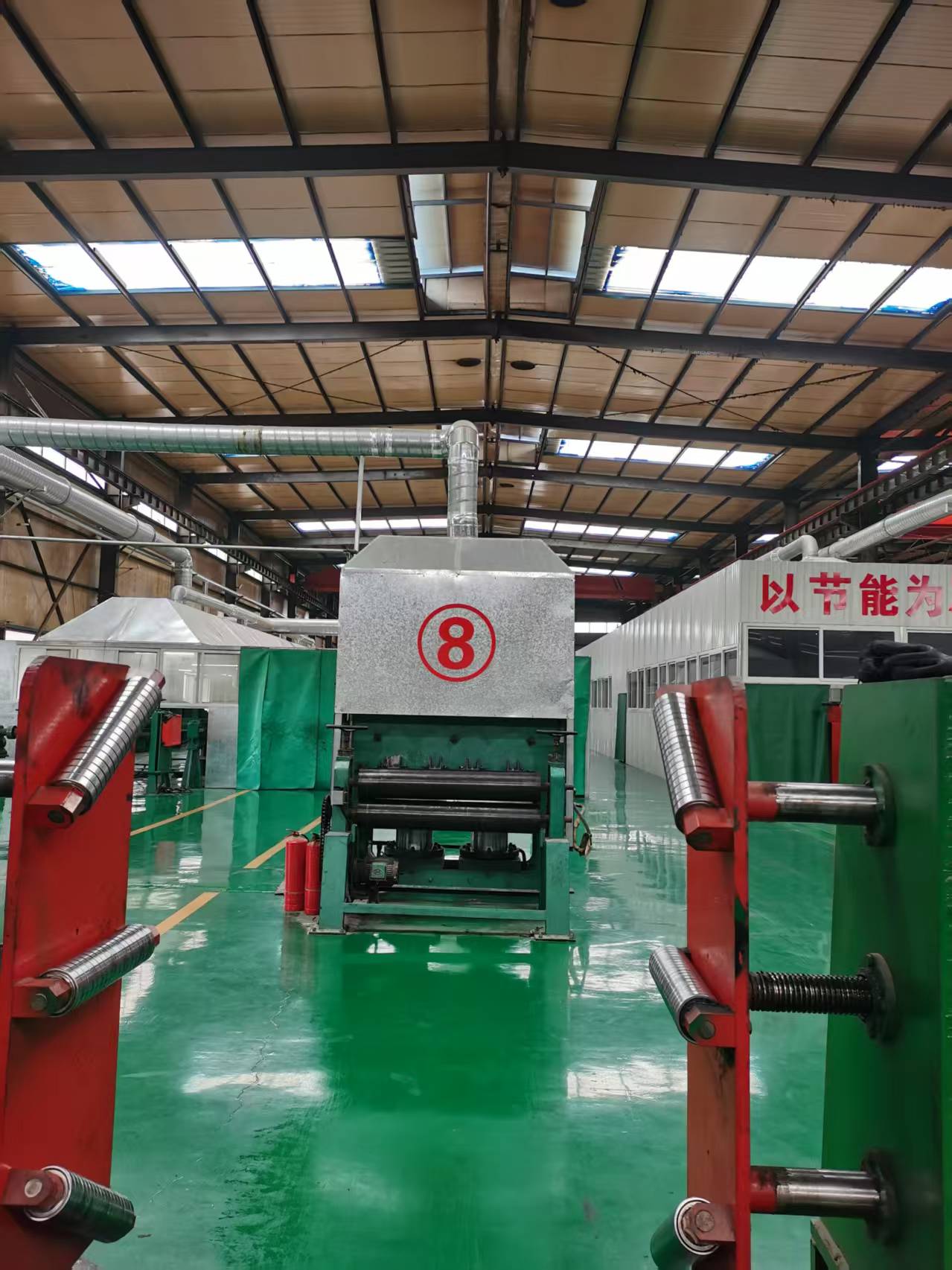
We test every raw material batch and finished product to ensure performance, reliability, and long-term durability in industrial environments.
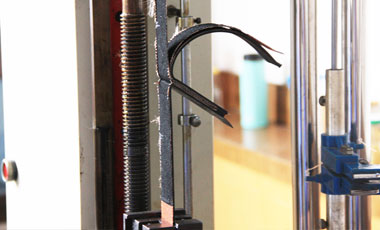
Ensures vulcanized layers won't delaminate under cyclic stress.
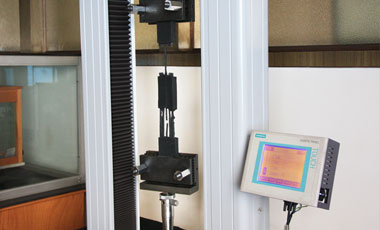
Verifies high adhesion levels between internal steel cords and rubber.
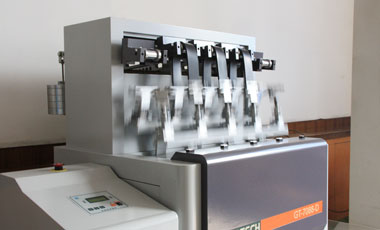
Simulates years of operation to test compound flexibility and resilience.
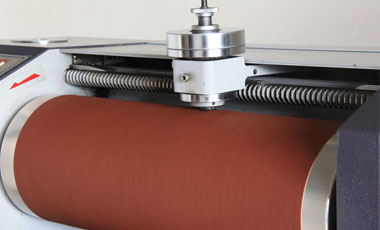
Verifies loss rates remain below DIN limits for sharp rock conveying.
Boao Jinao products are deployed in modern logistics, steelworks, and mining installations around the world.
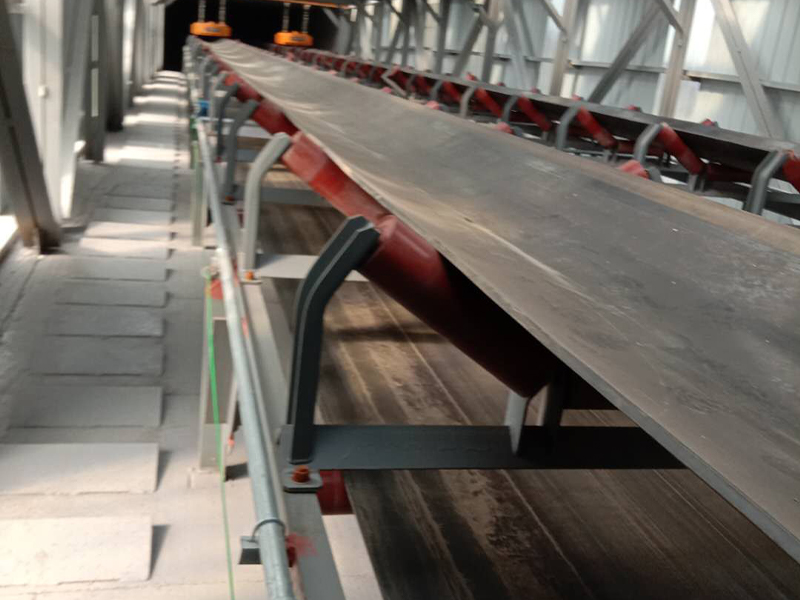
Equipped with high-temperature resistance conveyor belts to handle hot iron and coke feeds.
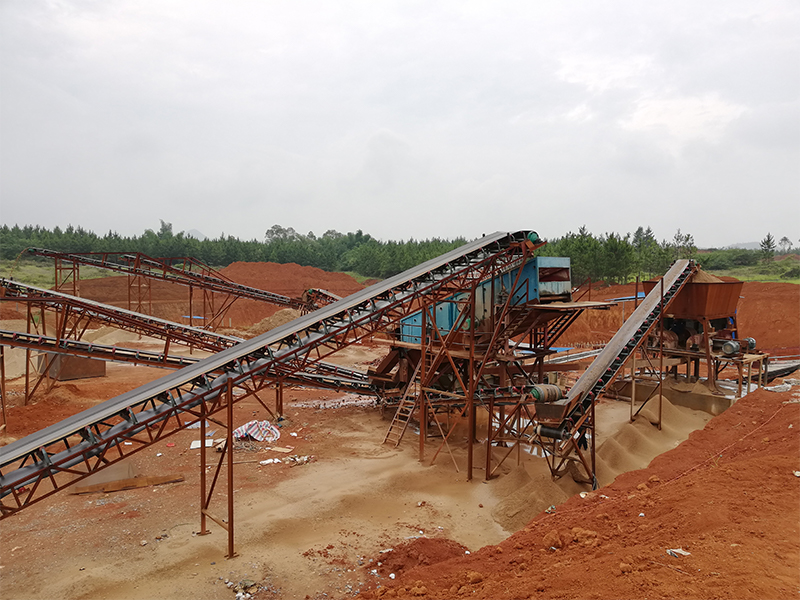
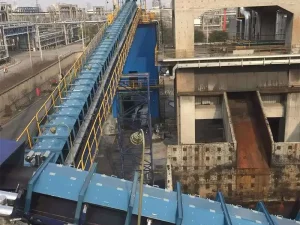
Enclosed pipe conveyors installed near urban zones to eliminate fugitive dust emissions.
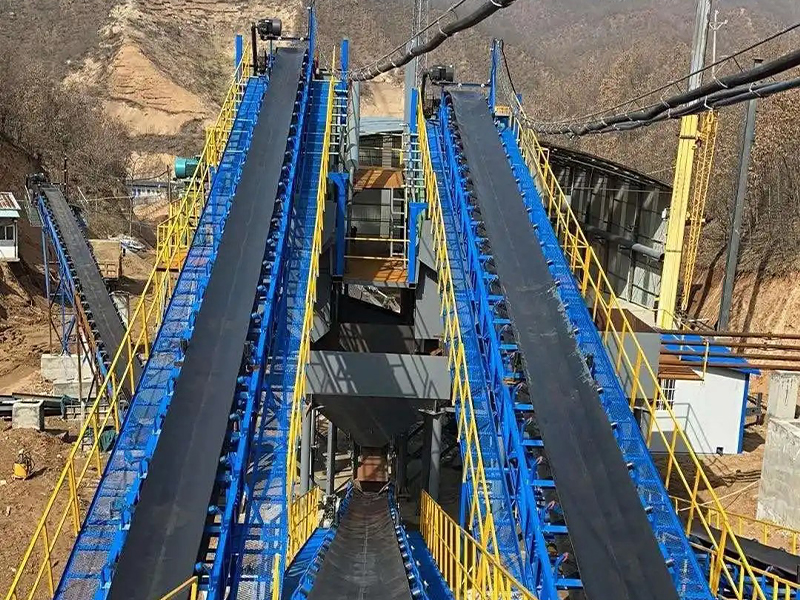
Flame-retardant steel wire rope core belts designed for deep underground mining operations.
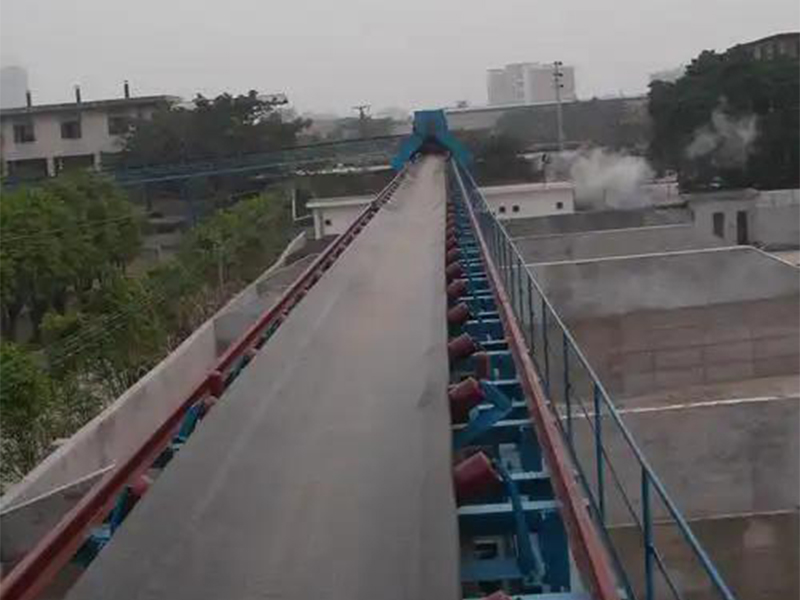
Upgraded clinker transport lines featuring highly wear-resistant rubber compounds.
Get in touch with our engineering team for detailed design catalogs, compound resistance tables, and custom drawings tailored to the Barcelona metropolitan industrial corridor.
Send Inquiry NowTechnical answers to support engineering selection and site planning for European and Spanish industrial systems.
The minimum curve radius depends on the belt's diameter, structural strength, and core material. Typically, for a standard steel wire rope core belt, the horizontal curve radius is 600 to 800 times the pipe diameter. Fabric reinforcement (EP/NN) allows for tighter bends, down to 300 to 500 times the pipe diameter, depending on the load and tension profile.
Belt rotation is prevented by selecting the right transverse rigidity during design and maintaining proper installation alignment. Hexagonal idler configurations and guiding rollers help support the belt. Advanced rubber formulations also ensure the belt edges fold consistently, keeping the overlap pointing upward along straight runs.
Yes. Our flame-retardant series is engineered to meet EN 12882 and ISO standards, making them suitable for underground coal mining and port chemical terminals (such as Barcelona's Moll de l'Energia). We offer various cover grades, including anti-static and oil-resistant properties, backed by CE certifications.
Direct ocean transit from Tianjin to the Port of Barcelona takes approximately 30 to 35 days. We coordinate manufacturing schedules to synchronize with shipping container loading, ensuring customs documentation is ready to prevent port delays.
Pipe conveyors typically require slightly more startup and running power (usually 15-25% more) due to the friction of the hexagonal idler configuration holding the belt in a tube. However, this is offset by the elimination of spillage cleanup costs, dust collection system maintenance, and the ability to negotiate tight curves without transfer towers.
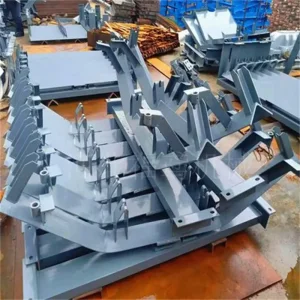
Browse our full range of durable textile, steel-cord reinforced belts, and matching idler support assemblies.
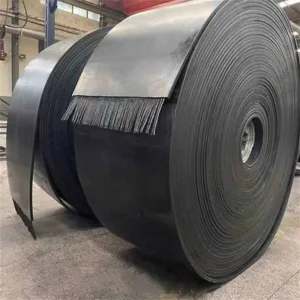
Connect with Boao's European service division. Request direct quotes, physical test certificates, or mechanical drawings today.
Contact Our Engineering Team Boao Rubber