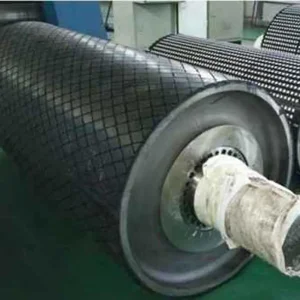
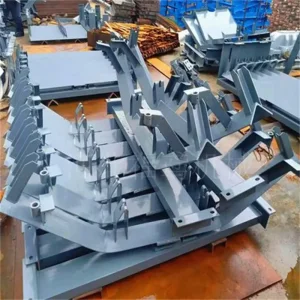
The Greater Philadelphia metropolitan area—spanning the Port of Philadelphia (PhilaPort), South Philadelphia logistics clusters, and chemical processing zones along the Delaware River—remains a historic yet rapidly modernizing industrial logistics hub. Modern operations require heavy-duty conveying systems designed to manage high volumetric throughput within restricted layouts, particularly for cement distribution, power generation, recycled scrap processing, and salt imports.
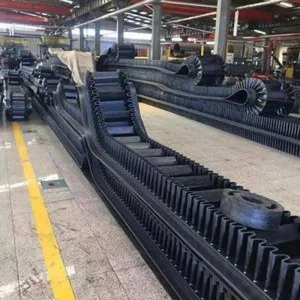
As urban development encroaches on industrial zones, local operators face strict space constraints. Traditional flat trough conveyors require vast horizontal runs to achieve elevation. Our specialized corrugated sidewall edge conveyor belts solve this spatial bottleneck. By containing materials within dynamic, vertical rubber barriers, they allow steep-incline transport (up to 90 degrees) to optimize space at marine terminals, chemical facilities, and urban construction yards in the Delaware Valley.
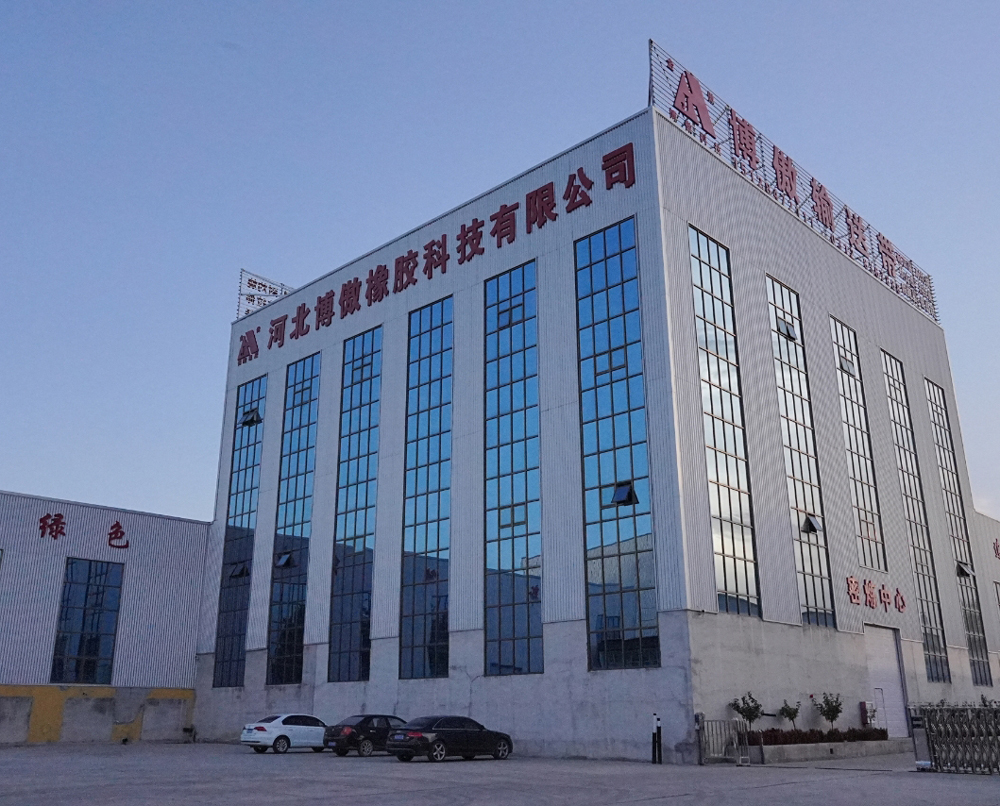
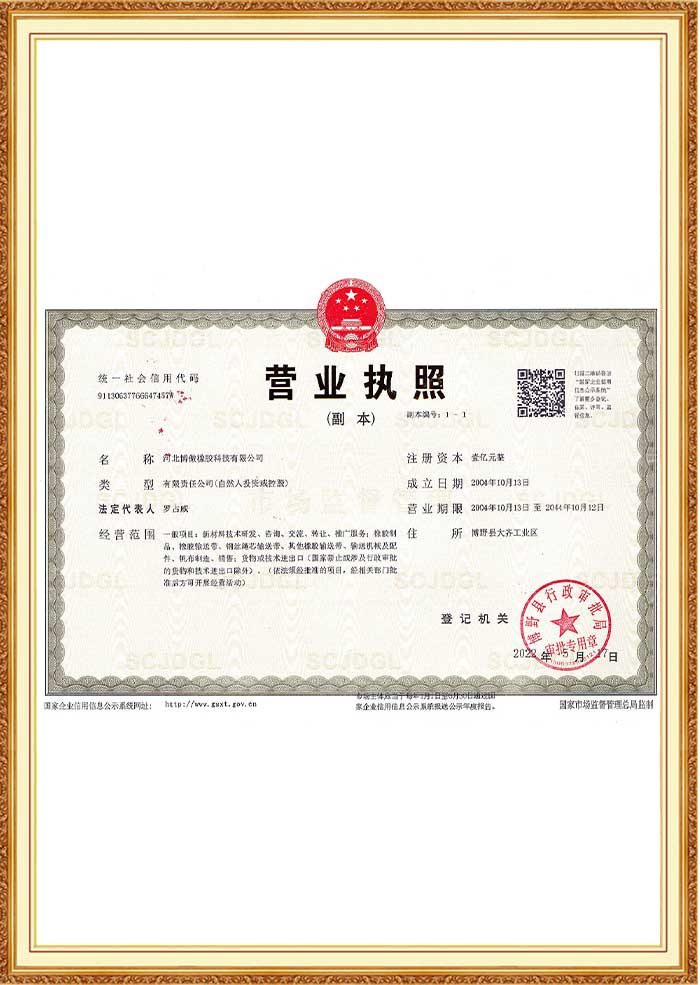
Located in the Rubber Industrial Park of Boye County, Baoding, Hebei Province, Hebei Boao Rubber Technology Co., Ltd. has developed heavy-duty rubber solutions for over 22 years. Founded in 2004, our facility covers more than 30 acres of advanced manufacturing space, supplying the "Jinao" brand globally.
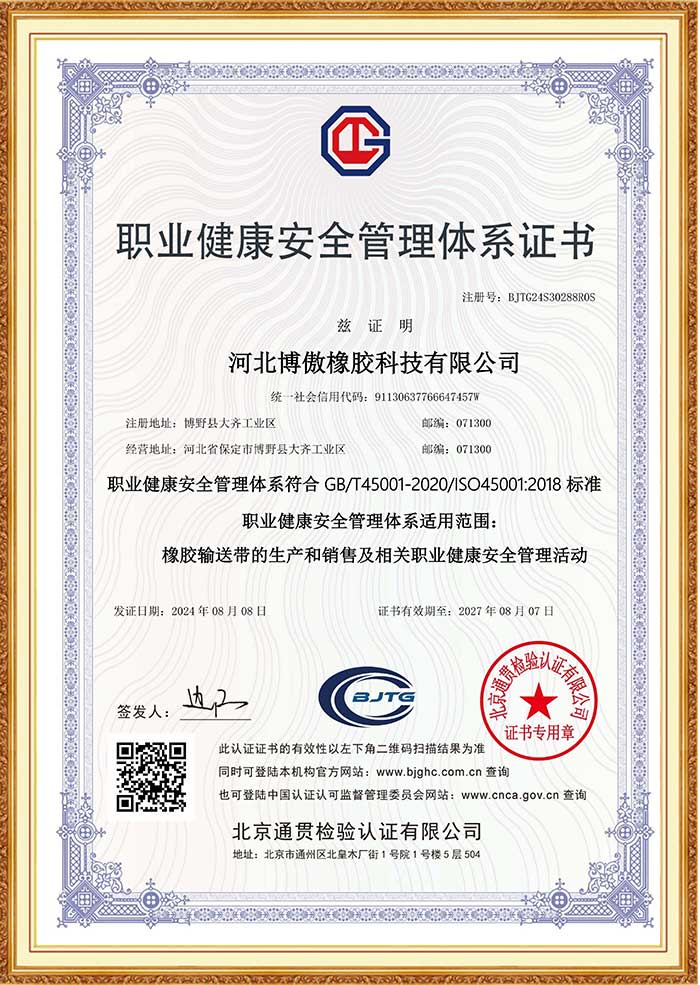
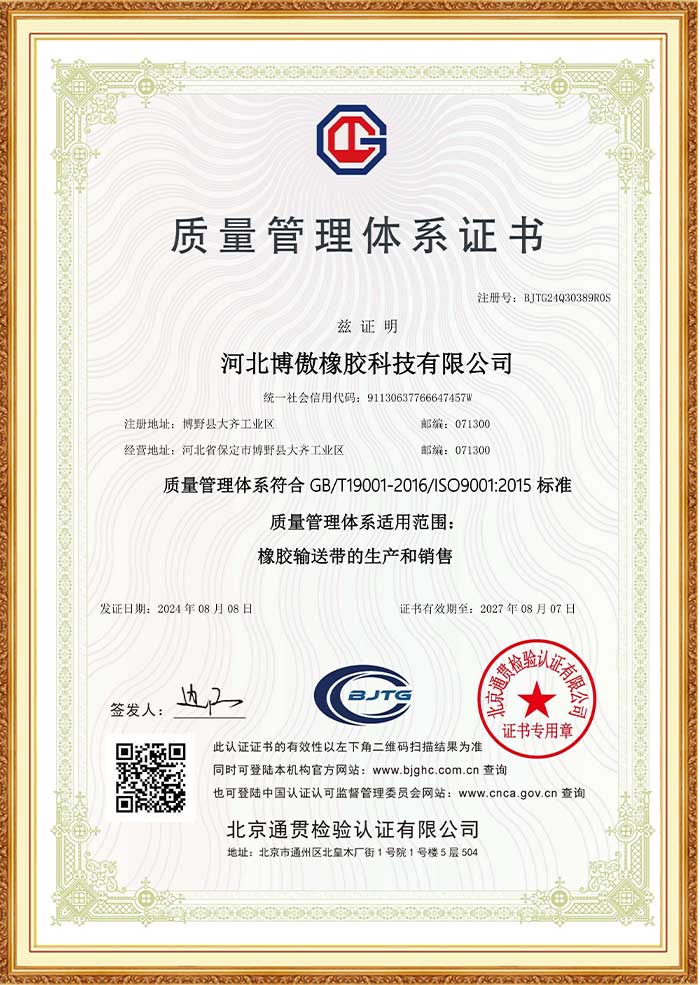
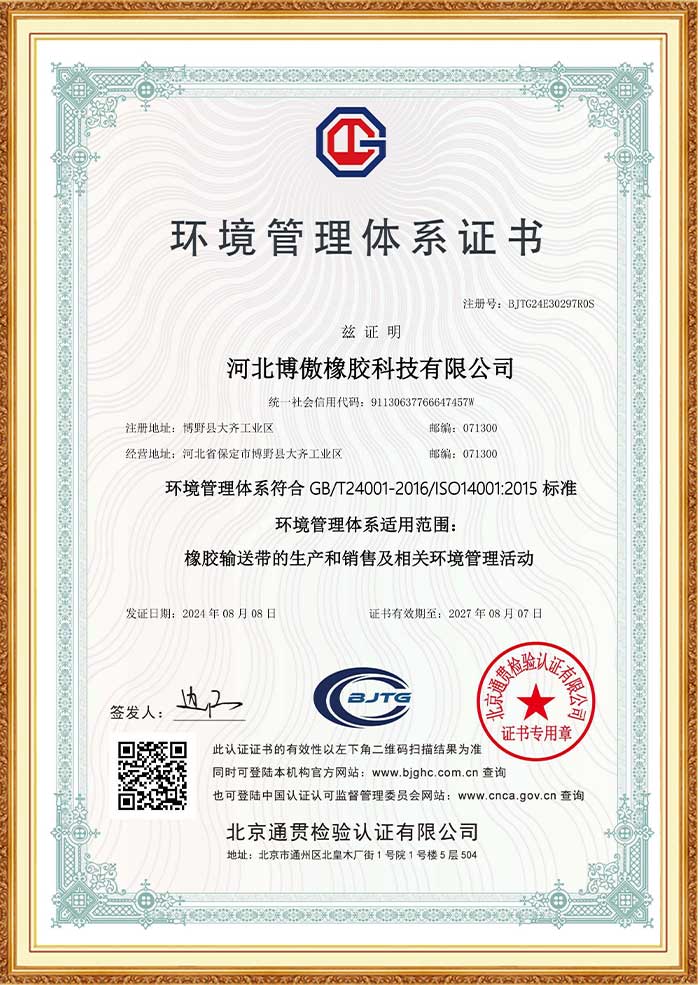
As an ISO-certified enterprise, Boao handles all stages in-house—from compounding raw elastomers to final vulcanization and mechanical structural testing. Our testing facilities include dedicated chemical analysis labs, high-load physical properties testers, dynamic fatigue testing rigs, and automated steel cord pull-out platforms.
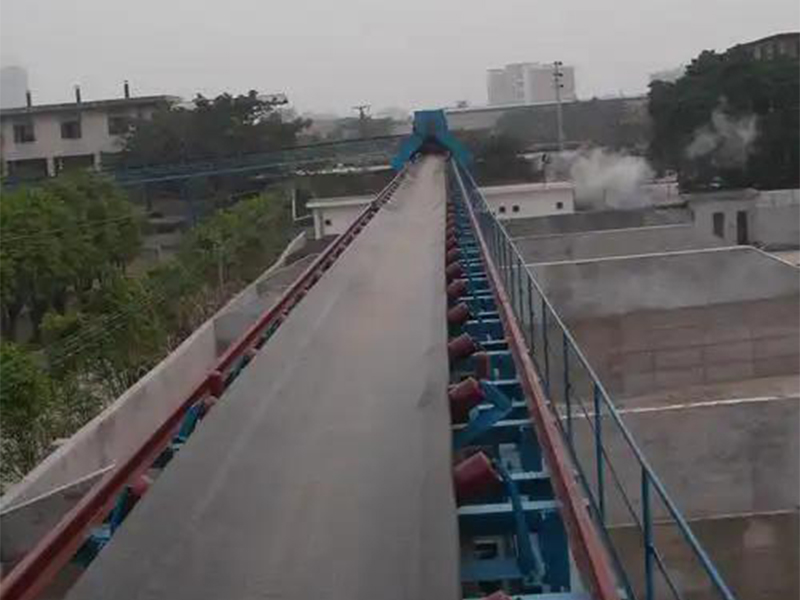
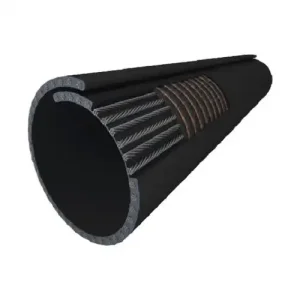
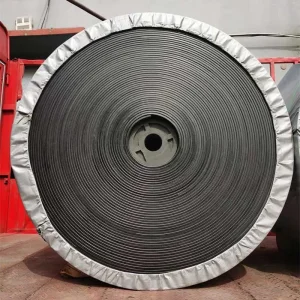
We configure core reinforcement matching specific load requirements. EP (polyester warp/polyamide weft) plies provide low elongation, NN (nylon/nylon) offers impact resistance, and steel cord cores handle heavy-duty long-distance runs.
Rather than using cold adhesives that degrade under stress, our corrugated sidewalls and custom transverse cleats are vulcanized directly onto the base belt. This process creates a single molecular bond that resists shear forces.
Formulated for environmental durability, our compounds are engineered for specific exposures—from chemical resistance (acid/alkali) and heat-retardant formulations (up to 300°C) to cold-resistant grades for winter port operations.
In today's industrial economy, sourcing requires balancing cost-effectiveness with supply chain reliability. As a direct-factory manufacturer, Boao Rubber bypasses trading intermediaries. This integration allows us to supply high-spec belting to Philadelphia bulk ports and industrial complexes at competitive price points.
Our automated mixing center utilizes computer-controlled proportioning, ensuring consistent raw rubber preparation across every batch. Calendering and shaping equipment maintains thickness tolerances and fabric alignment to prevent tracking issues on long systems.
For our international clients in Pennsylvania, we coordinate with maritime shippers from Tianjin Port to the Port of Philadelphia and East Coast terminals, offering structured scheduling to support your routine maintenance and capital projects.
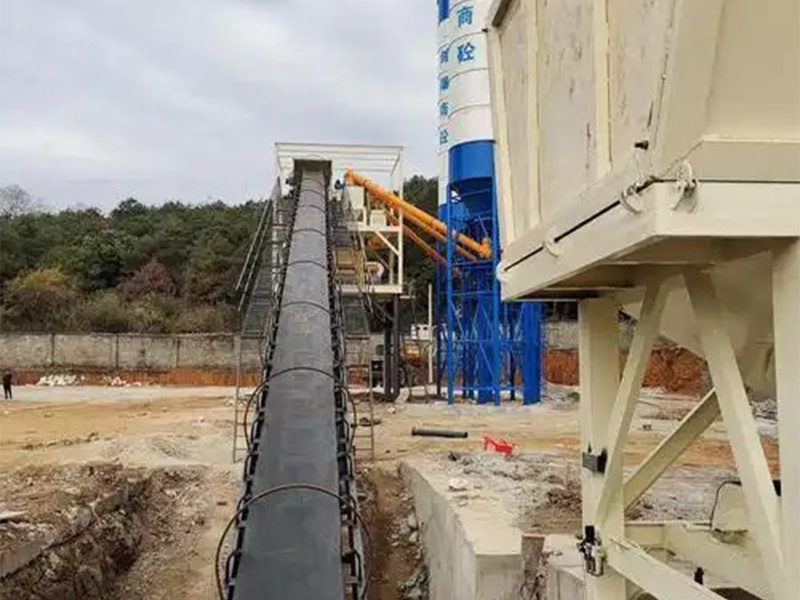
Our engineering protocols follow international standards. We supply industrial belts designed to meet domestic fire safety (MSHA), food handling (FDA), and mechanical performance (CEMA) specifications.
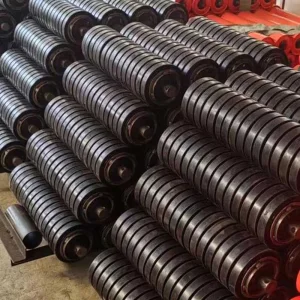
Belting configurations align with standard dimensional limits and tension classes, ensuring drop-in compatibility with legacy conveyor drives, pulleys, and idlers.
Designed for coal ports, underground mines, and confined grain storage, our self-extinguishing covers help protect operators and facilities from fire risks.
We provide comprehensive engineering support, including layout calculations, compound selection consulting, safety stock guarantees, and maintenance guidance.
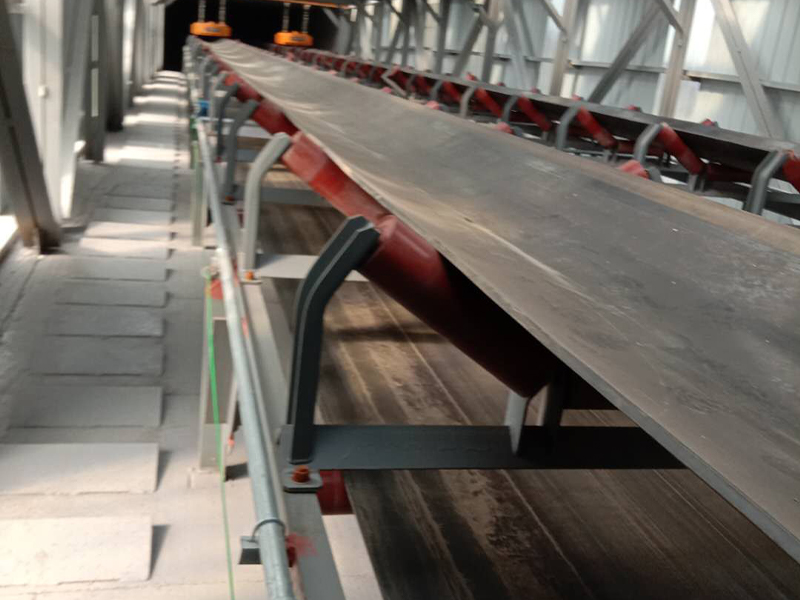
Taihang Steel Bulk Yard
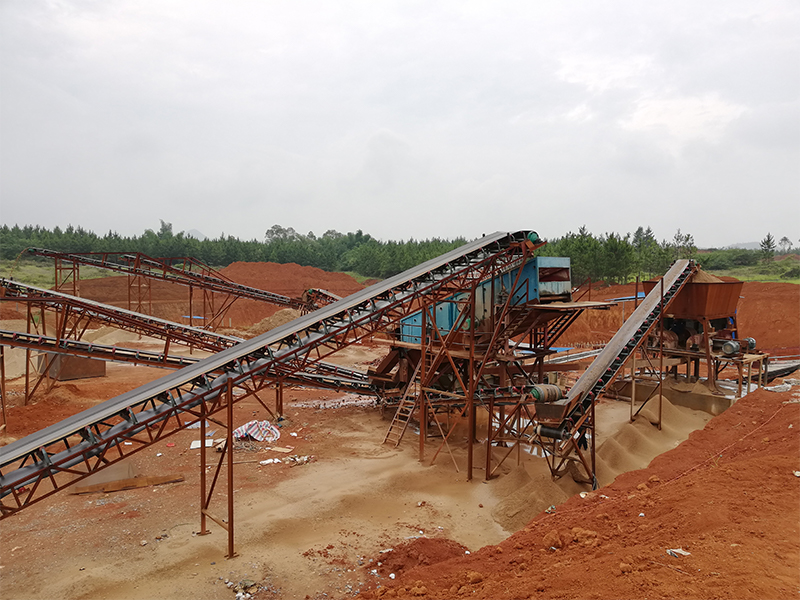
Tsingshan Group Materials
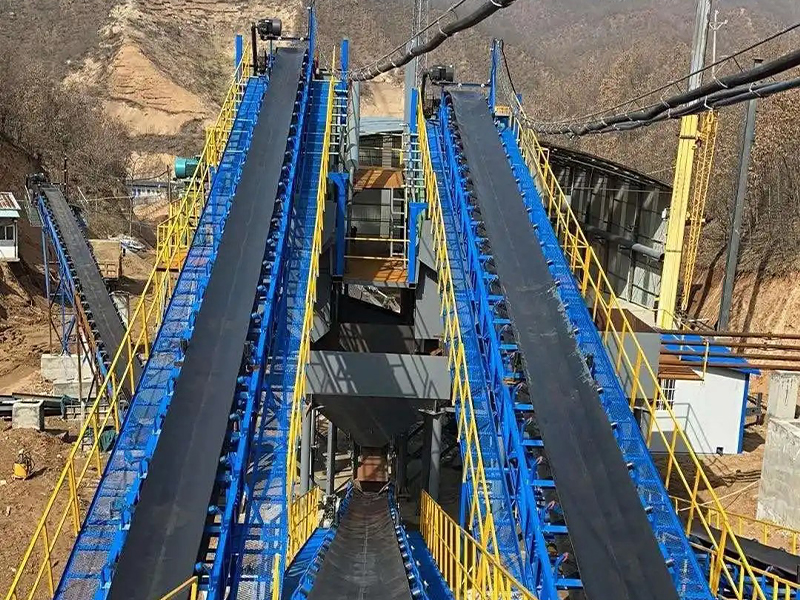
Zijin Mining Heavy Run
China Railway Mixing Station
Conch Cement Production
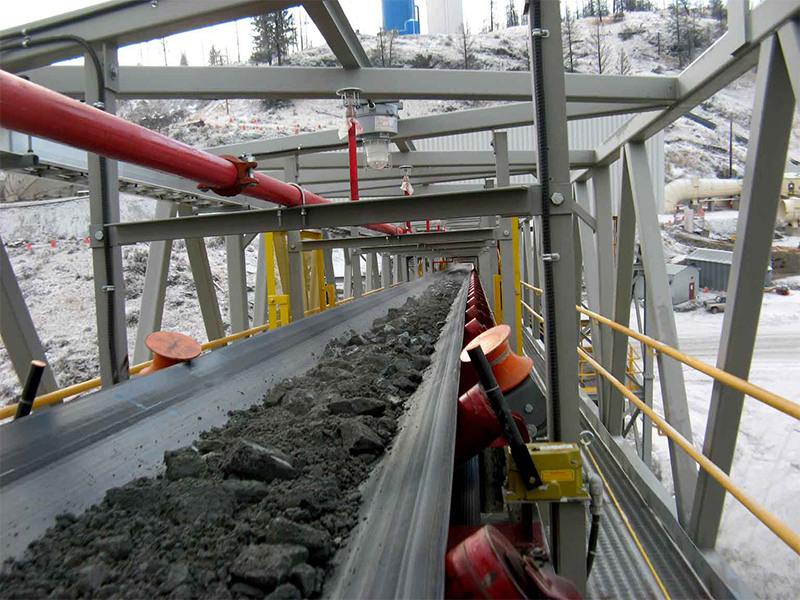
Datong Coal Handling
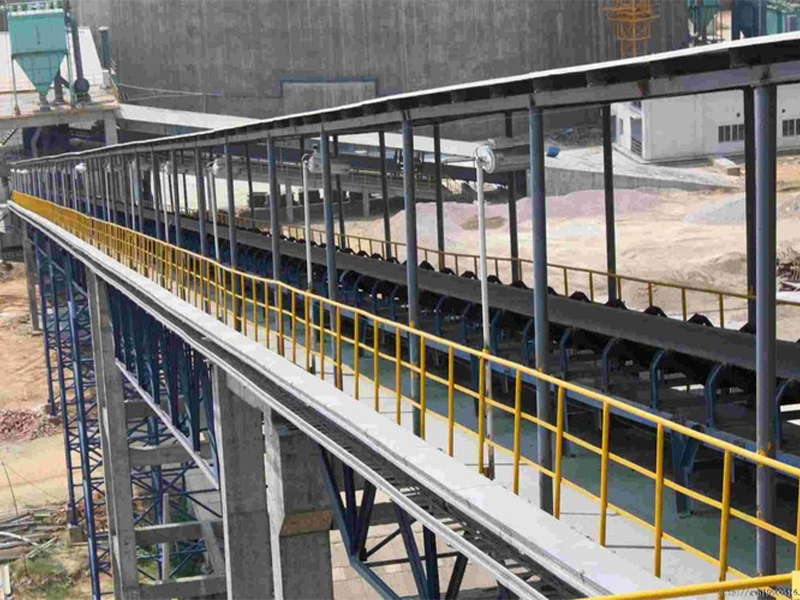
Jidong Cement Plant
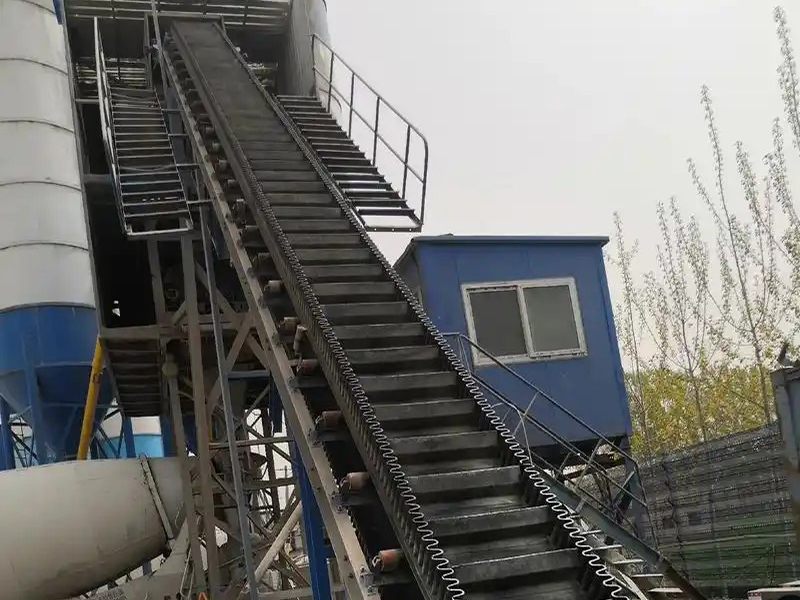
Puyang Steel Conveyors
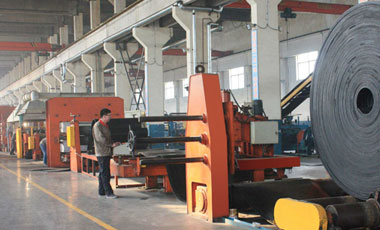
Fabric Conveyor Belt Line
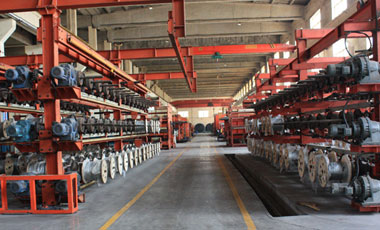
Steel Cord Equipment
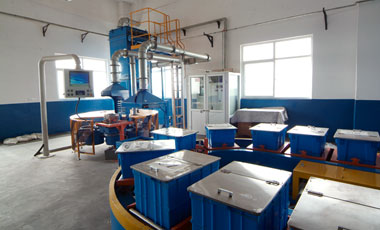
Mixing Proportioning Room
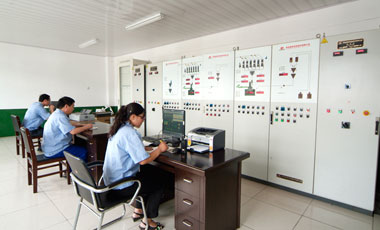
Mixing Control System
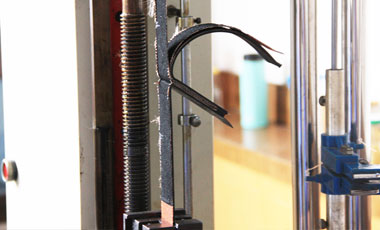
Dynamic Peeling Test
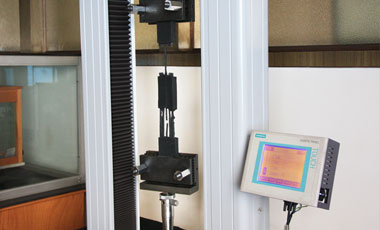
Steel Cord Pull-out Tester
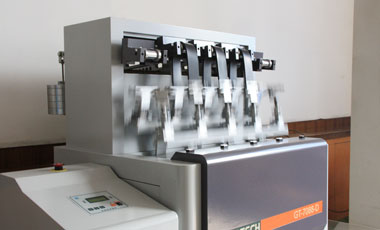
Dynamic Fatigue Tester
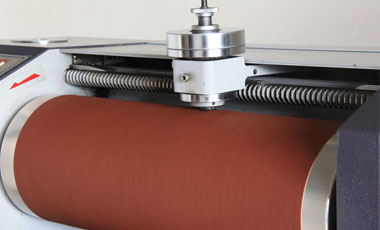
DIN standard Abrasion Tester
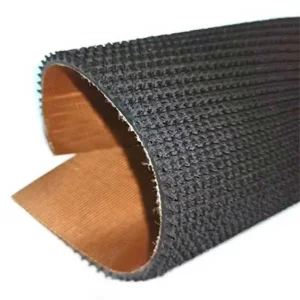
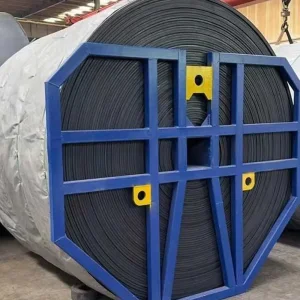
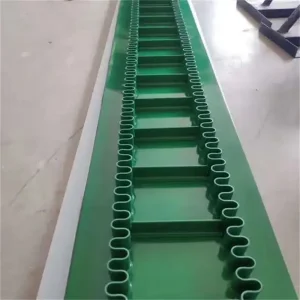
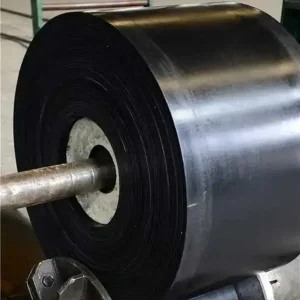
Traditional belt conveyors are limited to incline angles of 15 to 22 degrees before material rolls back. Corrugated sidewall edge belts use vulcanized vertical rubber walls and transverse cleats to lock the material in pocket compartments. This design allows steep inclines—up to a vertical 90-degree lift—saving up to 75% of the horizontal floor footprint compared to conventional designs.
Delamination is a common point of failure for low-grade sidewall belts. We use a high-temperature vulcanization process to bond the corrugated sidewalls and cleats to the base belt, rather than relying on cold bonding adhesives. This molecular integration resists high shear and flexing stresses as the belt wraps around the drive and tail pulleys.
For chemical processing and marine terminals like the Delaware Valley docks, we recommend our specialized Acid and Alkali Resistant or chemical-resistant compounds. These elastomers resist deterioration from chemical salts, helping maintain the belt's flexibility and tensile strength.
Standard manufacturing takes 15 to 25 days depending on the structural specifications and custom widths (from standard 1500mm-1600mm to custom sizes). Transit from Tianjin Port to East Coast ports (like New York/New Jersey or Philadelphia) generally takes 30 to 40 days. We also coordinate safety-stock inventories for our recurring industrial clients to prevent unexpected downtime.
Our technical engineering division calculates tensile requirements based on your center-to-center conveyor distance, lift height, material weight, and motor drive capacity. In general, EP or NN fabric plies are suitable for short to medium runs, while steel wire rope cores are recommended for long-distance, high-tension systems.
Contact Hebei Boao Rubber Technology today. Speak with our application engineers for custom layout calculations, compound matching, and direct-factory price quotes.
Send Inquiry Now Boao Rubber