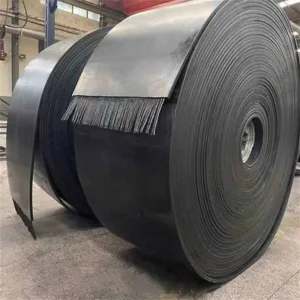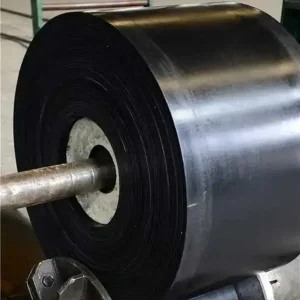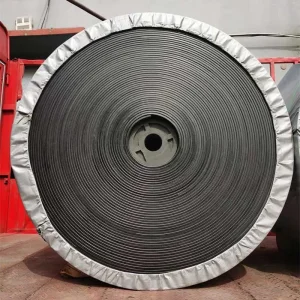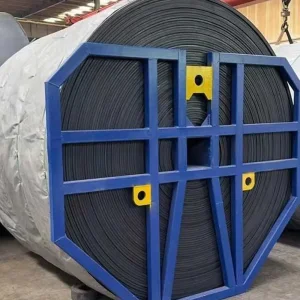
Edge Conveyor Belt Manufacturers & Factories for Denmark

High-Capacity Material Handling & Steep-Angle Transportation Solutions Conforming to DIN & EU Specifications for Denmark’s Maritime, Industrial & Bioenergy Infrastructure

22+
Years Industry Expertise
30+
Acres Production Facility
100%
DIN & ISO Compliant
0%
Defect Rate Tolerance

Danish Industrial Ecosystem & Material Handling Requirements

Analyzing Denmark’s green transition, energy infrastructure, and maritime logistics demands for robust high-angle conveyor configurations.

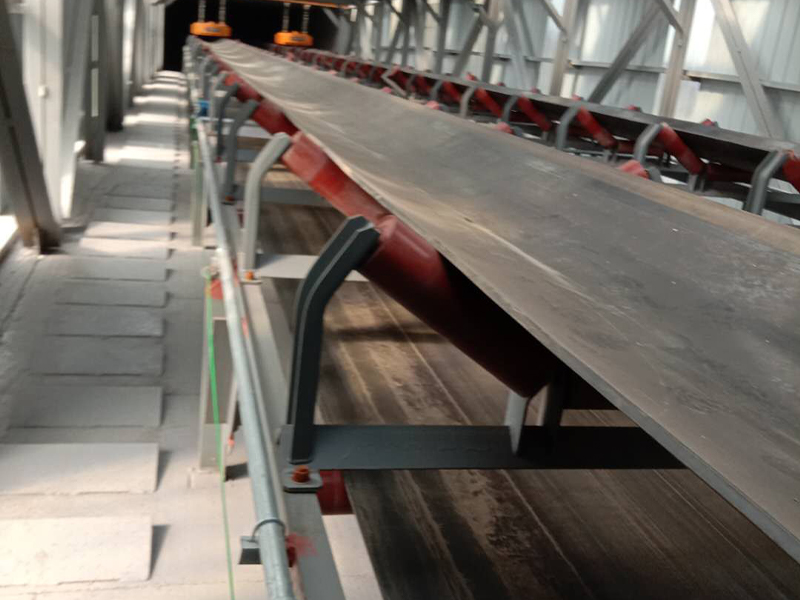
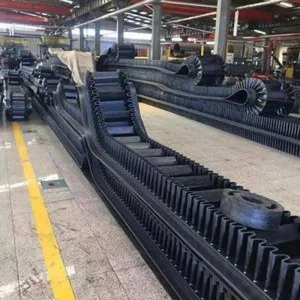
Denmark is recognized globally for its pioneering efforts in renewable energy, circular waste management, maritime shipping, and advanced food processing. Consequently, the material handling demands of Danish factories, harbor docks, and recycling facilities require unmatched reliability, mechanical safety, and ecological sustainability. In modern Denmark, conventional flat horizontal conveyor systems are increasingly giving way to Edge Conveyor Belts (Sidewall Belt Conveyors).

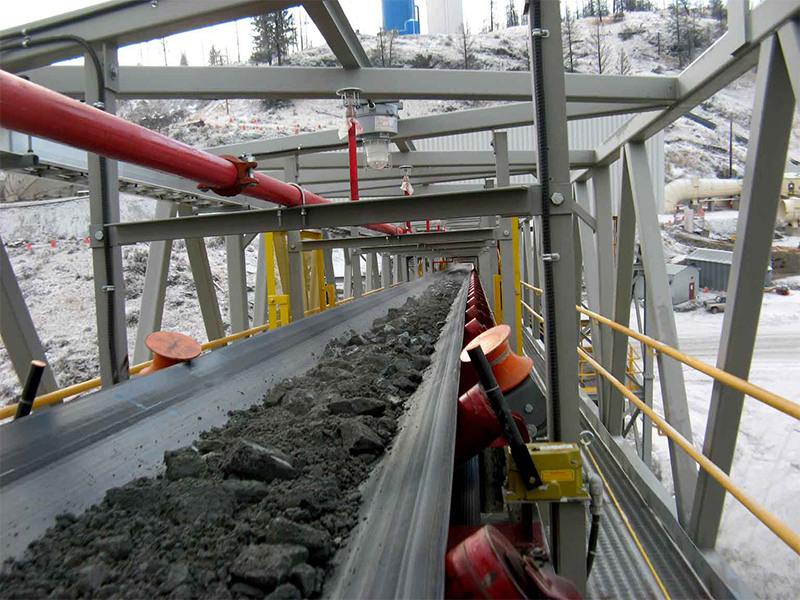
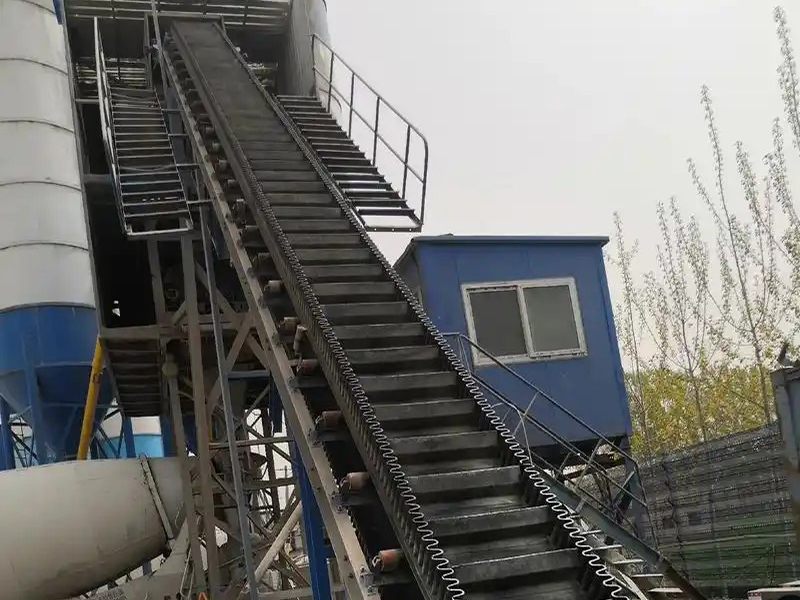
These systems enable vertical transport of bulk items like biomass pellets, recyclable materials, construction sand, and agricultural feed up to a 90-degree angle. By deploying systems with corrugated sidewalls and custom transverse cleats, facilities in cities like Aarhus, Copenhagen, and Odense can maximize vertical storage space and eliminate bulk material spillage, aligning with stringent European environmental standards.

Crucial Environmental and Technical Stressors in Denmark

  • Harsh Nordic Climates: Systems operating at coastal transshipment terminals require advanced Cold Resistant Rubber compounds to maintain elasticity and prevent compound cracking under freezing North Sea conditions down to -40°C.
  • Bioenergy and Grain Elevators: Biomass processing centers (pellet silos, straw-burning cogeneration plants) process materials that generate highly combustible dust. This mandates Flame Retardant (EN ISO 340 / DIN 22103) certified carcasses to guarantee dust-explosion mitigation.
  • Industrial Recycling & Waste-to-Energy (WtE): Modern municipal solid waste facilities demand conveyor systems capable of transporting sharp glass, metallic scraps, and organic matter, necessitating high resistance to ozone, aging, tearing, and acid/alkali exposure.

The Sourcing Paradigm: Why Hebei Boao Rubber Fits Danish Operations

For Danish engineering firms, EPC contractors, and procurement departments, the decision to source high-specification conveyor belts from China is based on structural value, technical capability, and consistent quality assurance. At Hebei Boao Rubber Technology Co., Ltd. (operating under our renowned Jinao brand), we have spent over 22 years bridging the gap between raw manufacturing power and strict European quality frameworks.

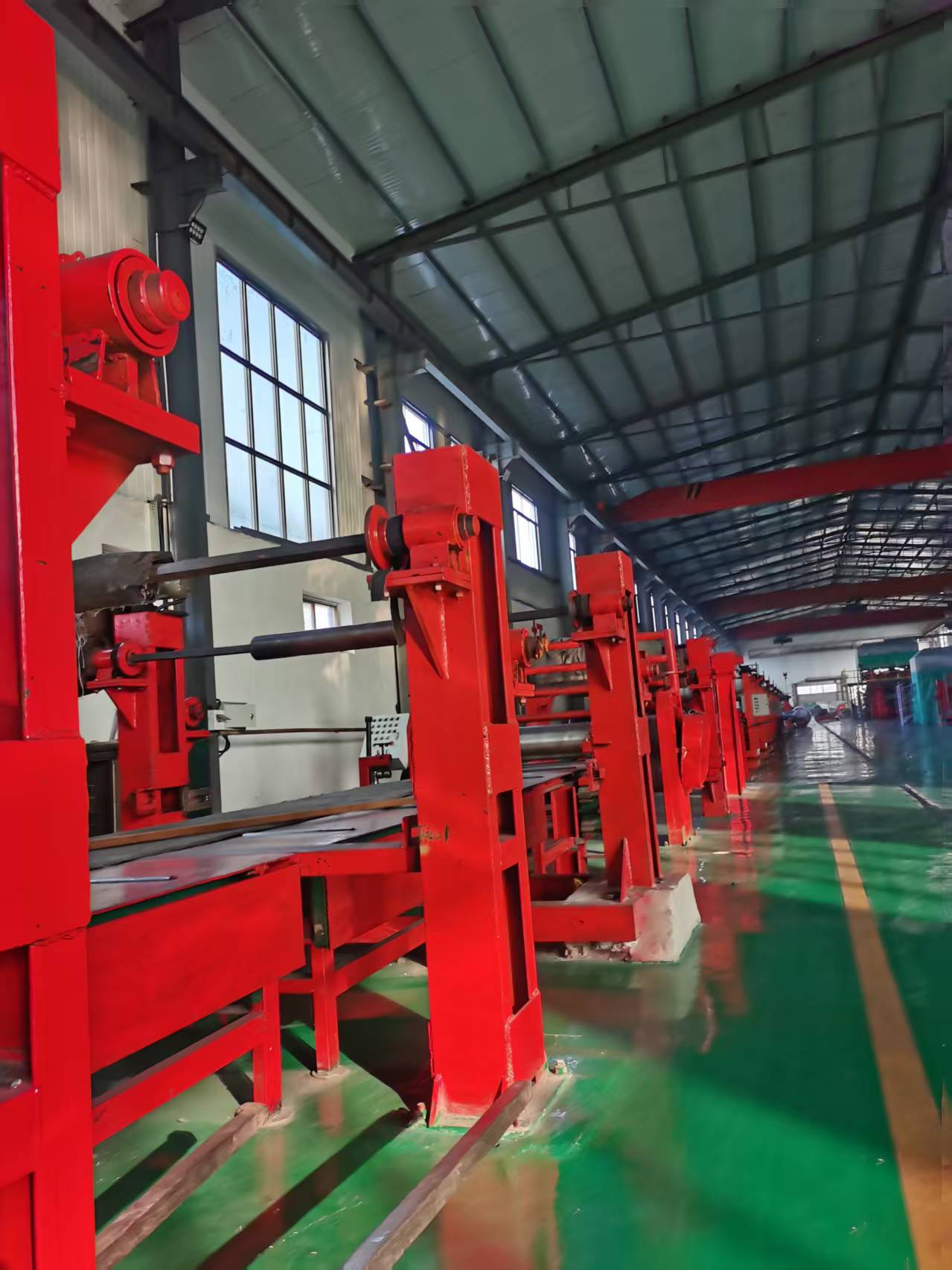
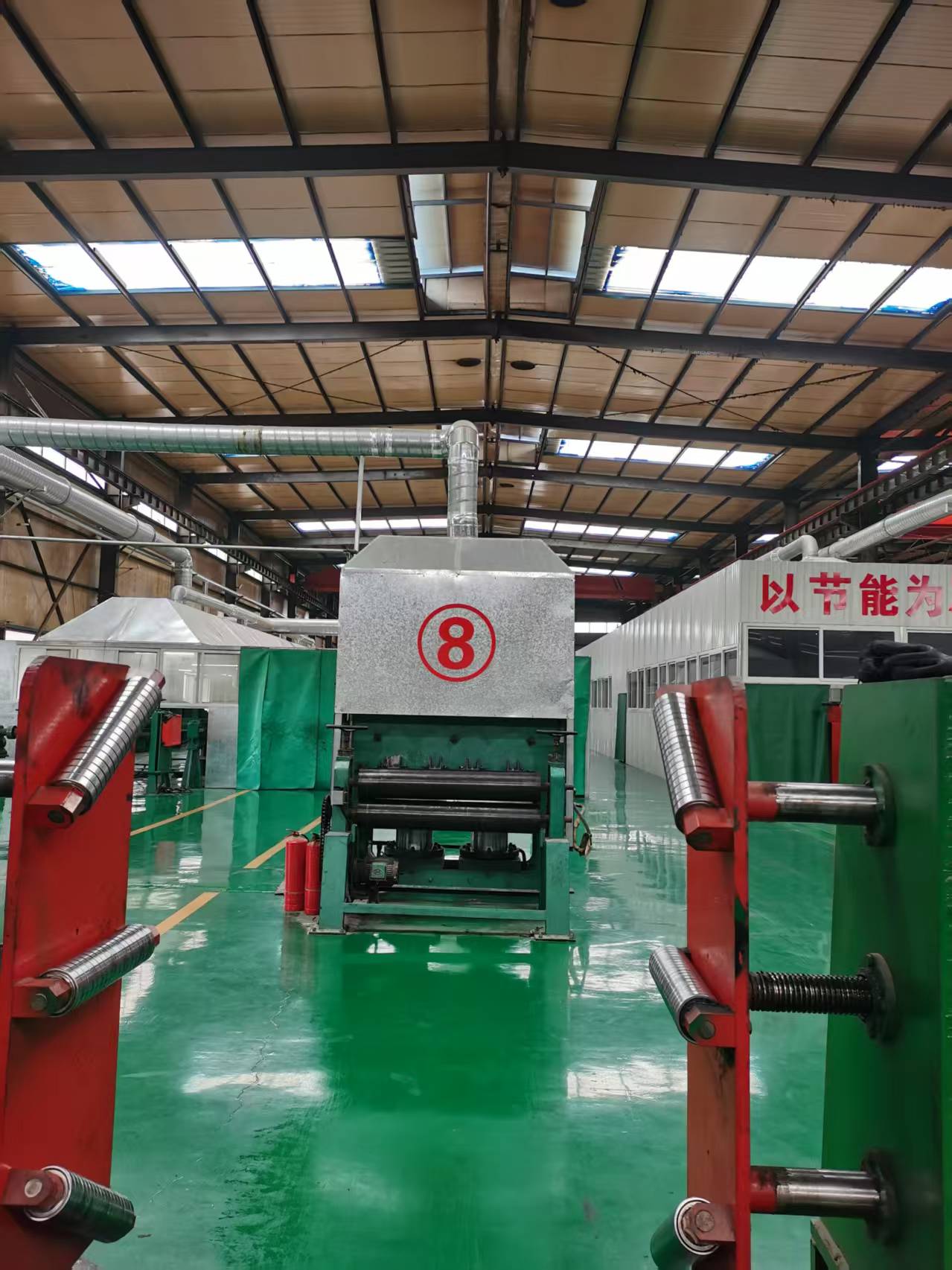
Located in the Rubber Industrial Park of Boye County, Baoding, Hebei Province, our 30-acre facility houses fully integrated vertical processing lines—ranging from computer-controlled raw compounding to high-pressure vulcanization. This enables us to formulate and press specialty rubbers that meet or exceed standard DIN ratings, ensuring long lifespans, low maintenance requirements, and zero-defect performance in Denmark's most demanding environments.

Independent Physical Lab
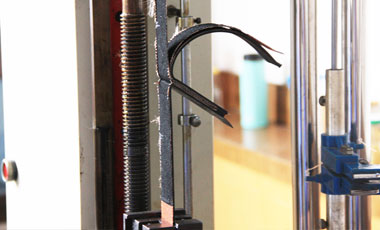
Every master batch undergoes strict physical testing including peeling resistance, steel cord pull-out testing, and abrasion calculations (DIN 53516).
Corrugated Edge Integrity
Our sidewalls are hot-vulcanized directly to the base belt carcass using proprietary fabric-reinforced joints. This avoids separation under high stress.
Nordic Thermal Resilience
Engineered rubber formulations featuring specialized synthetic block polymers that prevent cold-crystallization down to -40°C.

Macro-Industry Conveying Solutions & Engineering Design

When engineering high-angle edge conveyor systems for Danish factories, basic calculations of tensile strength (EP vs. Steel Cord) are only a baseline. To maximize the operational lifespans of your conveyor lines, several key factors must be considered during layout and sizing:

1. Carcass Transverse Rigidity: Standard conveyor belts are designed to trough. However, steep-angle sidewall edge conveyor belts must remain highly rigid transversely while retaining complete longitudinal flexibility to cycle over drive pulleys. If the belt lacks transverse stiffness, it will sag between the outer carrying rollers under high loads, causing tracking errors and premature wear. We resolve this by incorporating specialized high-modulus polyester (EP) fabric layers combined with cross-stabilizing monofilament nylon plies.

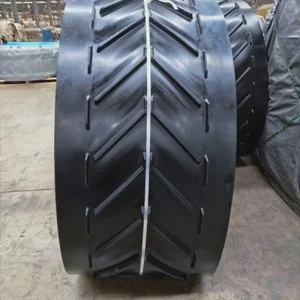
2. Sidewall Height and Cleat Integration: The height of the corrugated sidewalls determines the transport capacity of the belt. The transverse cleats—which hold the material in place at steep angles—must match the pitch and profile of the corrugated wall. Common configurations include Type T, Type C, and Type TC cleats, which are vulcanized to the belt surface with chemical bonding strengths that exceed standard ISO requirements.

3. Advanced Mechanical Splicing vs. Hot Vulcanization: For offshore logistics and chemical processing operations in Denmark, continuous runtime is paramount. While cold mechanical splicing is quick, hot vulcanization using professional heating presses offers the strongest possible belt splices (up to 95% of the base belt strength). This prevents water infiltration and chemical degradation from salt water or organic acids.

Comprehensive Technical Service Plans

We believe our relationship with a client doesn't end once the order is shipped. We provide end-to-end support to ensure your conveyor systems operate at peak efficiency for years to come:
  • Service Scope: Delivery of customized edge conveyor belts, maintenance tools, and repair materials, plus strategic inventory management to support long-term production.
  • Standard of Work: Tailored to maximize conveyor operational runtime, decrease overall energy draw, and extend your belt's service life.
  • On-demand Engineering: Technical planning to support custom splicing, alignment, and emergency repairs at key ports.

Advanced Laboratory Testing & Production Infrastructure

From compounding to vulcanization, our state-of-the-art facility ensures every belt shipped to Denmark meets or exceeds international quality benchmarks.
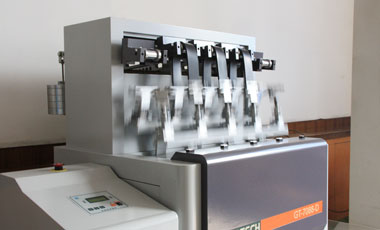
Peeling Test Equipment
Adhesion & Peeling Testing
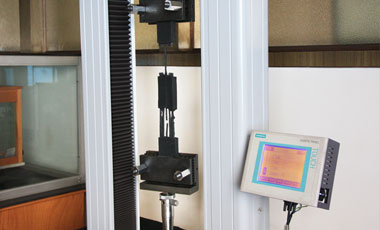
Steel Cord Pull-out Machine
Dynamic Fatigue Tester
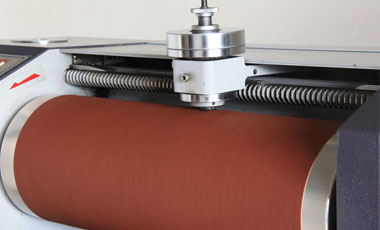
Abrasion Tester
Abrasion Resistance Tester
Modern Calendering Equipment
4-Roll Calendering System
High Pressure Vulcanizing Press
Continuous Vulcanizing Press
Raw Chemical Compounding
Computerized Compounding Center
Forming and Profiling Equipment
Heavy-Duty Forming Station

Global Partnerships & Project Case Studies

Deploying specialized conveyor solutions across global steel, concrete, bio-energy, and heavy mining infrastructures.
High-Speed Mixing Infrastructure Project
Infrastructure Batching Lines
Conch Cement Vertical Conveyor System
Heavy Dry-Process Cement Plants
Deep Mine Coal Extraction Line
Deep Excavation Coal Lines
Tsingshan Nickel Ore High Tonnage Conveyor
High-Tonnage Maritime Terminals
Jidong Cement Processing Conveyors
High-Angle Limestone Feeders
Jinmei Group Coal Handling Terminal
Explosion-Proof Mine Terminals
Taihang Steel Heat Resistant Sinter Belting
Sintering & Steel Production
Puyang Steel Sinter Handling Conveyor
Thermal Sinter Conveying Systems

Industrial Sourcing & Technical FAQ

Expert technical answers regarding compliance, design parameters, and logistics for Danish project managers.
Which DIN safety standards govern your conveyor belts for Danish operations?
Our conveyor belts are manufactured in strict compliance with European safety standards, including DIN 22102 for general bulk handling, DIN 22109 for underground coal mining, and EN ISO 340 (DIN 22103) for flame retardancy. This ensures full regulatory compliance in Denmark and other Nordic countries.
How do Boao cold-resistant rubber formulations perform in freezing Baltic winters?
We formulate our cold-resistant rubber using modified polymers like BR (Butadiene Rubber) and premium natural rubbers. This keeps the belt flexible down to -40°C or -50°C depending on the grade, preventing cracking and reducing drive motor startup strain in cold winter conditions.
What is the advantage of using corrugated edge (sidewall) belts over standard conveyor systems?
Corrugated edge belts allow you to transport bulk materials at steep angles up to 90 degrees. This saves valuable floor space, simplifies conveyor layouts by eliminating transfer points, and helps prevent spillage, making them ideal for ports, silos, and recycling facilities.
What testing processes are performed before shipment to international clients?
Every production run undergoes strict quality control. Our on-site testing lab performs tests for raw compound viscosity, cured rubber tensile strength, elongation at break, DIN abrasion loss (typically kept under 90-120mm³ for high-wear applications), and carcass-to-cover adhesion, ensuring trouble-free operation after installation.
Can your factory provide custom cleat and sidewall heights to match existing systems?
Yes. We offer fully customizable systems. Sidewall heights range from 40mm to 500mm, and we offer a variety of cleat profiles (T, C, and TC patterns) to match your specific material handling needs, capacity targets, and conveyor geometry.

Streamline Your Danish Conveyor Supply Chain

Connect directly with our engineering department in Hebei, China for custom configurations, technical drawings, and wholesale pricing.

Whether you are upgrading a port terminal in Aarhus, designing a vertical waste management system in Copenhagen, or sourcing replacement belts, we are ready to assist. Contact us today for technical support and pricing.

Send Inquiry Now (RFQ)