Engineered to prevent rollback during vertical, high-angle transportation of loose materials.
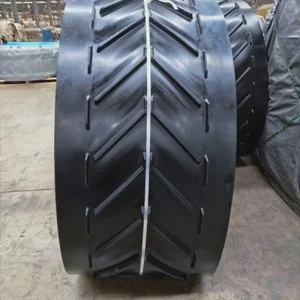
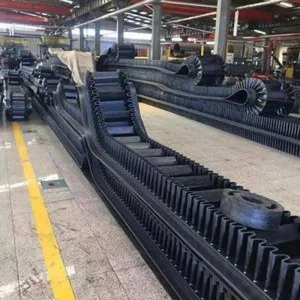
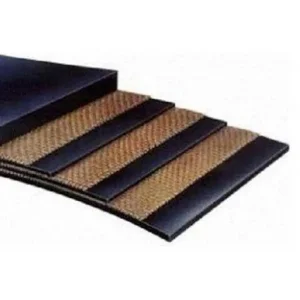
Nagoya, the core city of Aichi Prefecture, represents the heavy industrial heartland of Japan. Housing the busiest seaport in the nation (the Port of Nagoya) alongside massive steelworks in Tokai, aggregate handling plants, and advanced waste-to-energy facilities, the region requires continuous, high-efficiency bulk material handling systems. Modern industrial projects in urban areas face intense footprint constraints. Expanding operations horizontally is often impossible due to expensive land prices and historical structural layouts.
This is where Chevron Conveyor Belts become crucial. By utilizing integrated cleated profiles (V-shape, U-shape, Herringbone, or Multi-V), these specialized belts allow materials like cement, gravel, sand, iron ore, coal, wood chips, and agricultural grains to be conveyed at angles of 20° up to 45°. This dramatically reduces the spatial footprint required for conveying systems compared to flat conveyor lines, saving local plants valuable real estate while lowering structural infrastructure costs.
Conveying dry, wet, or granular materials up steep inclines in the maritime conditions of Nagoya Port introduces severe material slippage and belt degradation problems. Wet materials, typical during Japan's humid summers and rainy seasons, tend to backslide, causing cargo loss, belt wear, and significant clean-up hazards. Choosing the right profile design, cleat height (ranging from 15mm, 25mm to 32mm), and compounding properties determines the longevity of the conveying installation.
Additionally, Japanese manufacturing plants prioritize extreme reliability and long-term durability to match the rigorous continuous-production cycles of the Tokai automotive and steel clusters. High-quality rubber compounds that prevent ozone cracking, resist sea-spray corrosion, and maintain flexibility during cold winters are mandatory requirements for regional Japanese plant engineers.
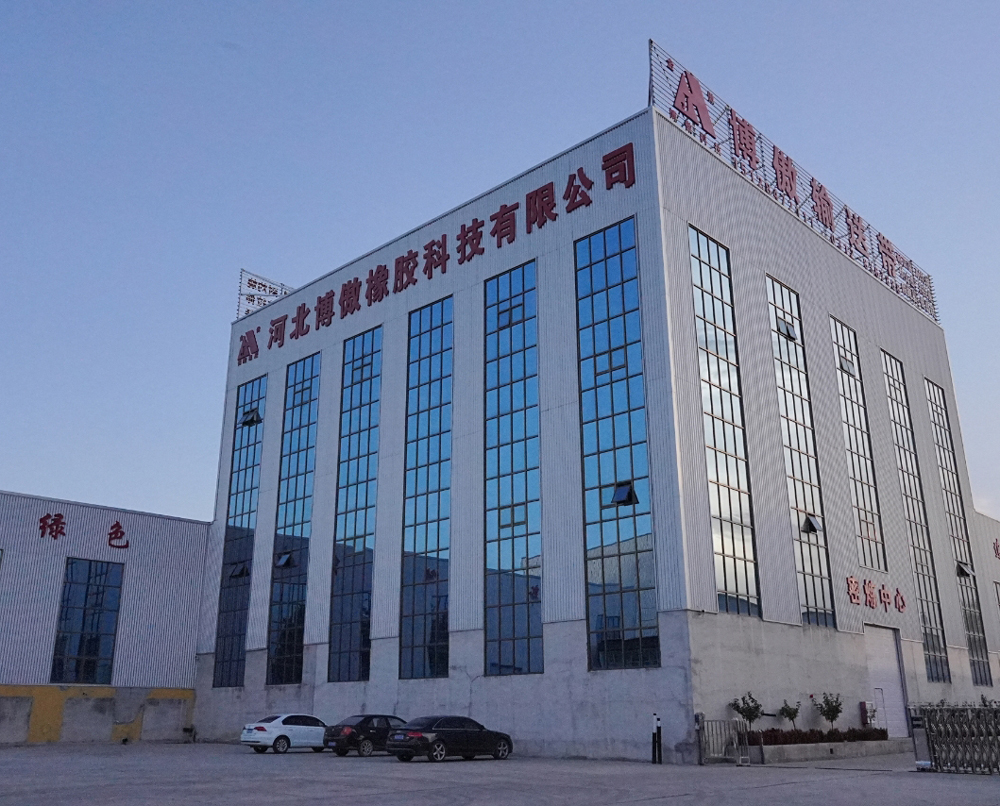
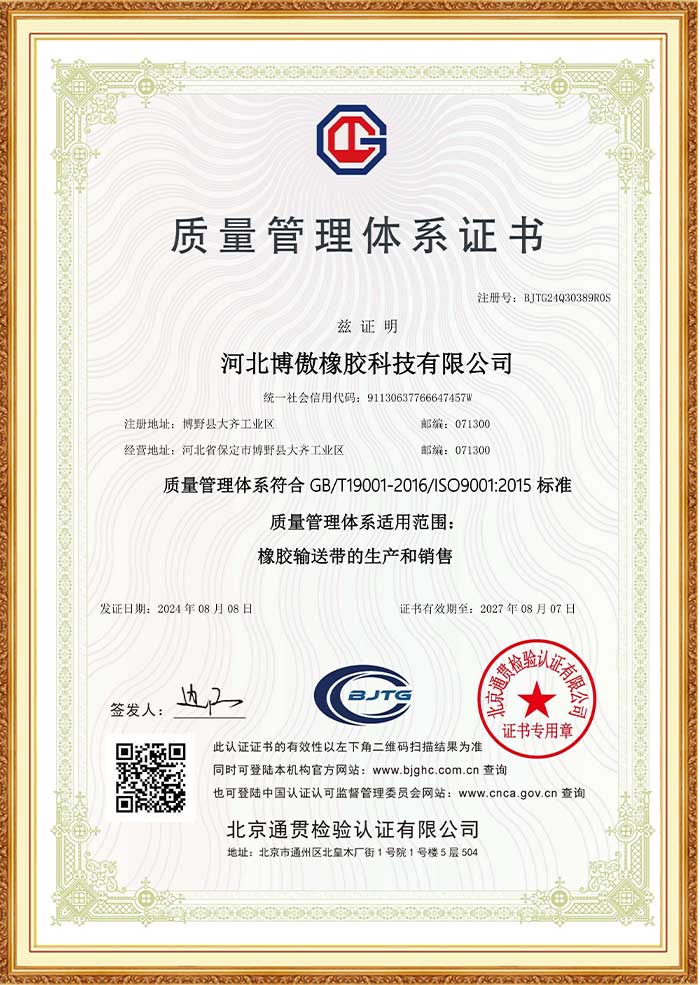
Supplying high-strength conveyor belts engineered under strict quality assurance frameworks.
Located in the Rubber Industrial Park of Boye County, Baoding, Hebei Province, Hebei Boao Rubber Technology Co., Ltd. (founded in 2004) operates a manufacturing campus covering over 30 acres. Under our registered brand "Jinao", we have developed a world-class production ecosystem that integrates raw polymer research, design, production, and dedicated technical support. By combining deep chemical testing capabilities with advanced multi-roll calendering and automated vulcanizing presses, we ensure every chevron conveyor belt delivers maximum performance under extreme conditions.
Selecting the correct profile geometry is vital to prevent material pullback and maintain throughput efficiency. Our team of application engineers analyzes the material's dynamic angle of repose, moisture content, particle distribution, and operational incline to recommend the perfect pattern profile.
| Chevron Profile Type | Available Heights | Maximum Conveying Angle | Primary Material Applications |
|---|---|---|---|
| Open V / Herringbone | 15mm, 25mm, 32mm | 25° - 35° | Sand, fine aggregate, wet grain, biomass wood pellets. |
| Closed V / U-Shape | 15mm, 25mm | 30° - 40° | Dry materials, powders, cement, crushed coal, gravel. |
| Multi-V / Fine Cleated | 6mm, 10mm | 20° - 28° | Packaging logistics, sorted municipal waste, light aggregate. |
| High-Angle Sidewall (Wavy Edge) | Up to 120mm cleats | 45° - 90° (Vertical) | Steep vertical shafts, mining, heavy scrap metal. |
Our raw rubber formulations meet or exceed international standards like DIN 22102 and JIS K 6322. To ensure suitability for critical environments, we offer several proprietary compound configurations:
Procuring conveyor equipment directly from our Hebei manufacturing facility offers significant cost efficiency without sacrificing quality or structural integrity. As an experienced exporter, Hebei Boao simplifies the import process for Japanese buyers, ensuring rapid customs clearance and fast transit directly to local ports.
Located in Baoding, Hebei, our factory has streamlined logistics routes to major northern Chinese deepwater ports including Tianjin (Xingang) and Qingdao. Weekly direct liner services connect these ports with the Port of Nagoya. Typical transit time is just 5 to 7 days, which is comparable to domestic logistics within Japan.
We supply complete documentation including Certificate of Origin (Form R for RCEP, which offers zero-tariff or reduced-tariff import rates), packing lists, custom bills of lading, and mill test certificates verifying JIS conformity. In addition, we coordinate container loading using reinforced structural steel packaging to prevent internal movement and belt deformation during transit.
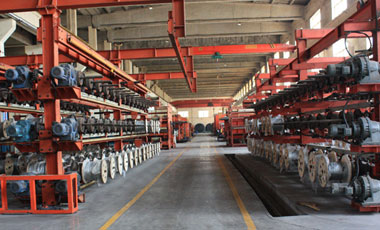
To support Japanese engineering teams, our technical services extend far beyond simple delivery. We offer comprehensive assistance to optimize belt life cycles and minimize unplanned downtime:
How our conveyor belts deliver performance across key steel, power, and manufacturing sectors.
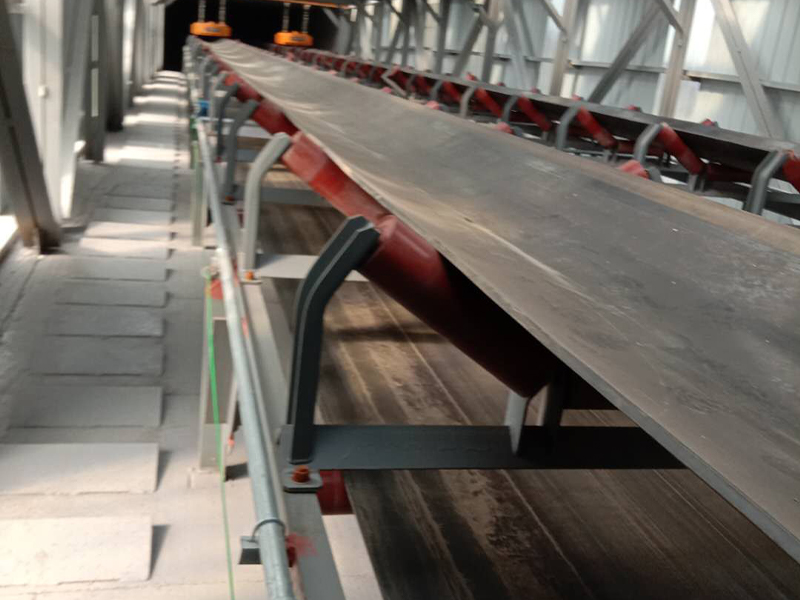
Supplying high-strength, heat-resistant chevron conveyor belts to handle high-temperature iron ore slag and coke particles on steep 30° inclines, ensuring stable feeding loops.
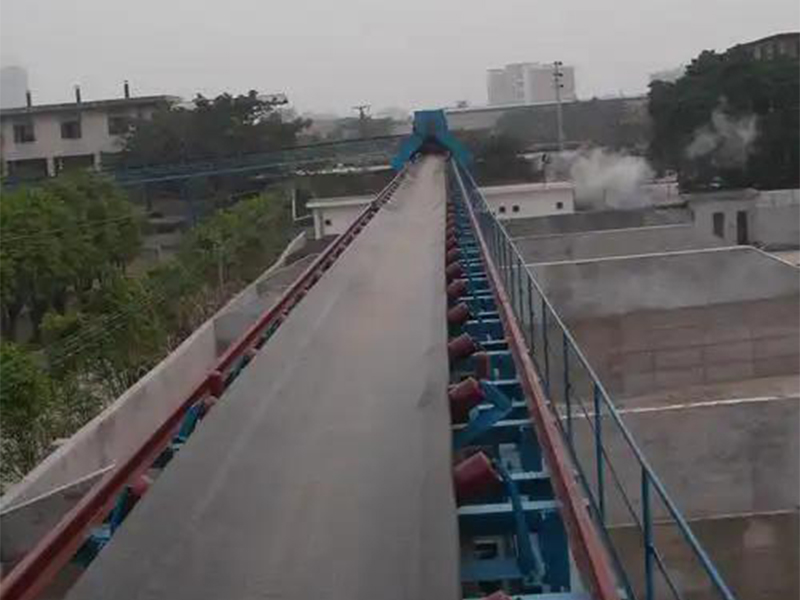
Providing heavy-duty, wear-resistant U-pattern chevron belts to transport fine limestone and raw sand feeds up to mixing silos, avoiding slippage even during humid conditions.
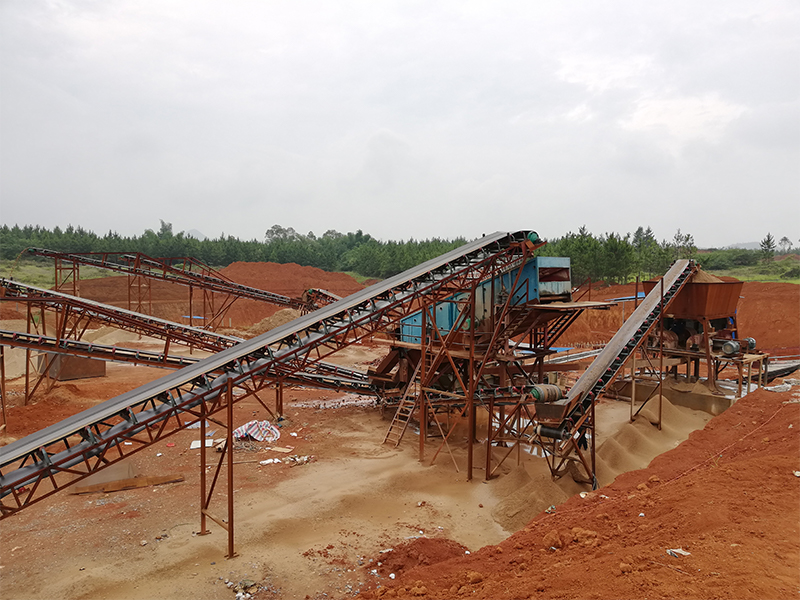
Supplying anti-tear patterned belts for rapid, high-angle loading and unloading of mineral ore shipments at deepwater terminals, improving vessel turnaround times.
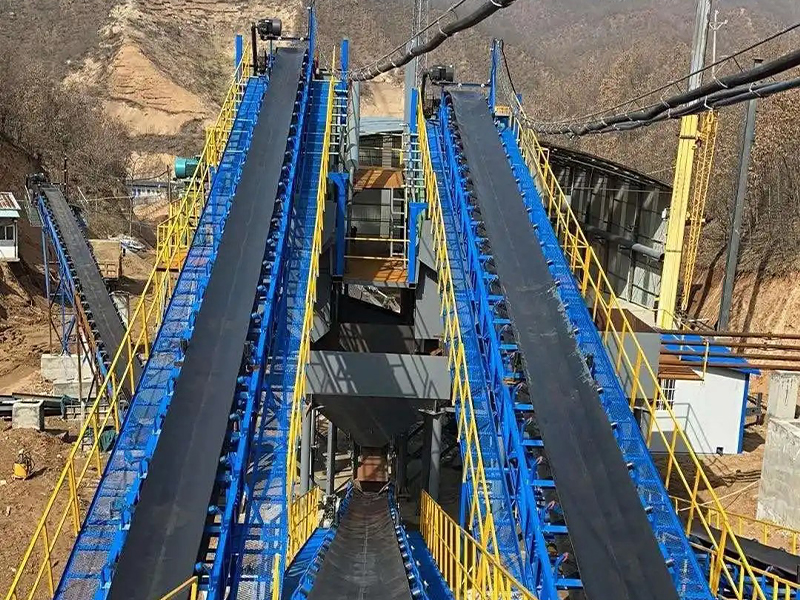
Installing multi-ply nylon-reinforced chevron belts for steep vertical lift shafts, showcasing high resistance to impact puncture and ply delamination.
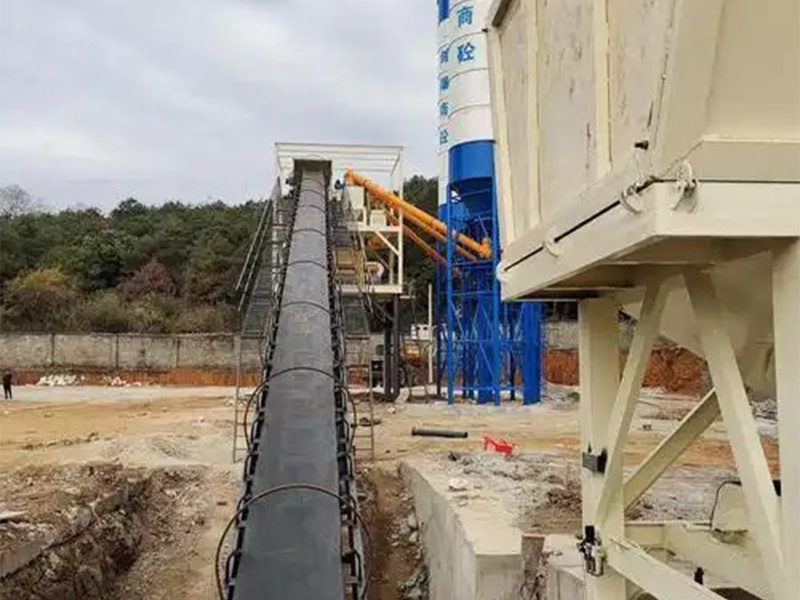
Deploying robust, cost-effective chevron profiles to move aggregates in modern batching plants, keeping construction materials flowing efficiently.
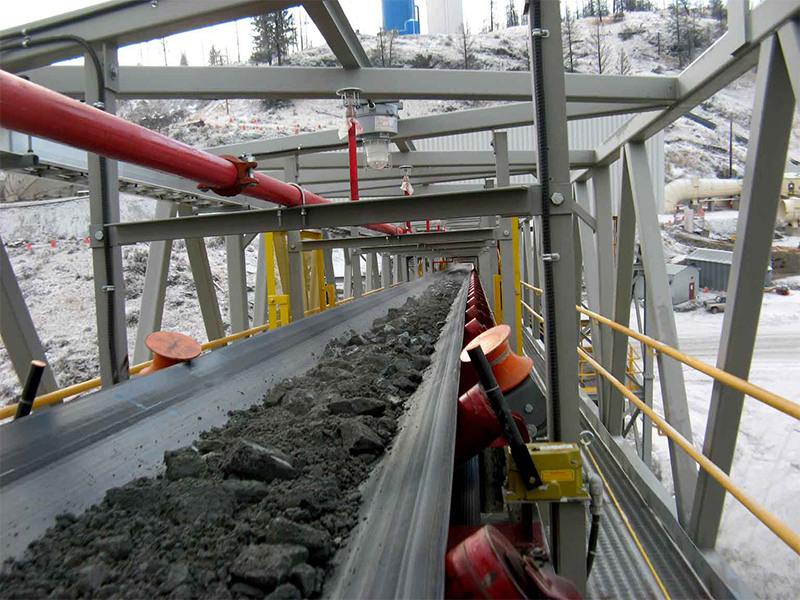
Supplying oil and abrasion-resistant patterned conveyor belts for high-angle feeding systems at power plants, improving biomass handling efficiency.
Expert technical answers for plant managers, system integrators, and procurement directors.
In Nagoya's highly developed port zones and industrial districts, real estate is expensive, and layouts are tightly constrained. Flat conveyor belts can only transport bulk materials at maximum angles of 15° to 18° before rollback occurs. Chevron belts, with their integrated molded rubber profiles, allow plants to transport materials at steep angles of up to 45°.
This allows plants to design vertical, high-angle conveying systems that occupy significantly less ground space, saving footprint area and reducing the structural steel requirements of long conveyor galleries.
We operate an independent, fully equipped chemical analysis and physics laboratory to test all finished belts. Our testing protocol strictly follows the parameters defined in JIS K 6322 and DIN 22102.
We run physical testing on ply adhesion, cover-to-carcass adhesion, tensile strength (MPa), elongation at break (%), and abrasion volume loss (mm³). No raw materials enter our compounding lines without certification, and no finished product leaves our facility without a verified Mill Test Certificate.
Our factory is located near major Chinese shipping ports, including Tianjin (Xingang) and Qingdao. We offer regular weekly shipping schedules to Nagoya Port. The ocean transit time is typically 5 to 7 days.
We provide full export documentation support, including custom packing lists, Bill of Lading, and RCEP Certificates of Origin to help clear Japanese customs smoothly, reducing delay times and port storage fees.
Yes. In addition to high-abrasion compounds, we offer custom rubber compounding for specialized applications. This includes EPDM compounds for heat resistance (up to 200°C), Nitrile (NBR) rubber for oil-resistant environments, and specialized synthetic blends designed to resist acids and alkalis in chemical or waste processing facilities.
Standard profile heights are 15mm, 25mm, and 32mm. The correct height depends on the material type, particle size, and conveying incline. Generally, 15mm profiles are suitable for small aggregates or fine sand on moderate angles. 25mm and 32mm profiles are recommended for larger bulk materials like coal, slag, or wood chips at steep angles up to 45°.
Browse our selection of wear-resistant belts, idlers, and high-angle systems.

 Boao Rubber