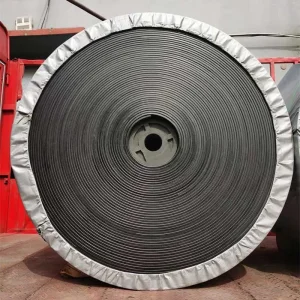
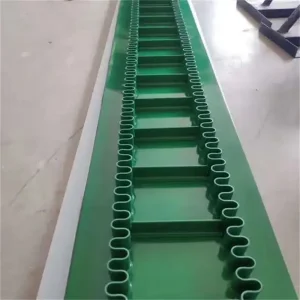
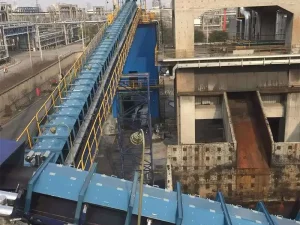
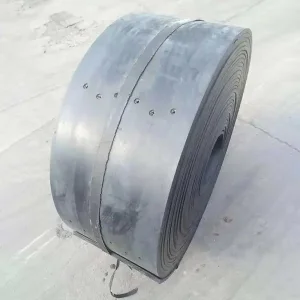
High-adhesion, wear-resistant, and structural component parts optimized for the Apennine geological profiles.
Italy is home to some of the most specialized quarrying, cement manufacturing, and agricultural processing hubs in Southern Europe. From the limestone quarries of Lombardy and Tuscany's renowned Carrara marble sites to the intensive agricultural terminals across the Po Valley and the heavily loaded deepwater ports of Genoa, Trieste, and Taranto, bulk material transport presents distinct geographical challenges. The rugged Apennine topography and Alpine foothills require steep-incline material conveying systems capable of handling gradients ranging from 18 to 45 degrees.
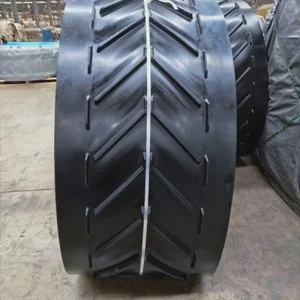
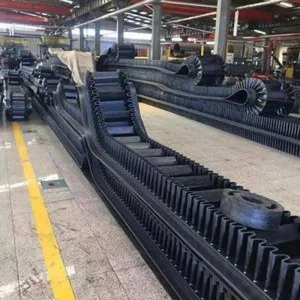
Standard flat belts fail at incline levels above 15 degrees due to material fallback. Consequently, modern operations rely on custom-patterned Chevron Conveyor Belts designed to secure bulk materials—including aggregates, crushed stones, cement clinker, fertilizers, and grains. Our factory designs specialized cleated profiles (Chevron types) to meet the strict technical standards of Italian industrial plants, offering higher safety margins, reduced material spillage, and minimized energy consumption across steep transport systems.
Selecting the correct Chevron profile requires assessing the material type, lump size, and system angle. As a dedicated manufacturer, we provide dynamic profile options to ensure optimal performance:
Our raw rubber formulations are engineered according to strict European standard categories. Wear-resistant cover grades compliant with DIN 22102 (Grade X, Y, and W) ensure resilience under abrasive conditions. For steel mills and smelting facilities, our flame-retardant (DIN EN ISO 340) and heat-resistant compound options prevent premature belt degradation caused by thermal loading.
Formulated using premium butadiene-styrene rubber compounds to yield minimal volume loss (< 90 mm³ under DIN W parameters), maintaining cleat height over long operational lifespans.
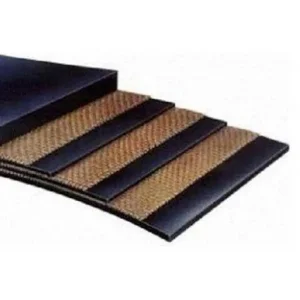
Featuring high-modulus EP (Polyester-Polyamide) and NN (Nylon-Nylon) fabric layers, limiting elastic elongation to less than 1.5% at rated operating tension.
Cleats and base belts are vulcanized simultaneously in high-pressure molds. This single-piece vulcanization prevents profiles from separating or tearing away from the base belt.
Established in 2004 and spanning over 30 acres in the Rubber Industrial Park of Boye County, Baoding, Hebei Province, Hebei Boao Rubber Technology Co., Ltd. is a leading enterprise specializing in conveyor belts and supporting industrial machinery. Under our registered brand name "Jinao", we have built integrated systems covering product research, design, production, and after-sales support.
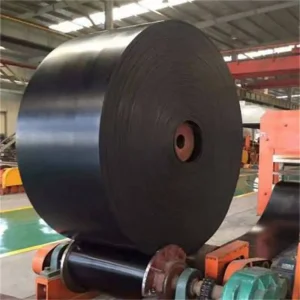
Our facility is equipped with automated raw material mixing systems, precision calenders, heavy-duty vulcanizing presses, and a comprehensive in-house testing laboratory. By maintaining independent physical and chemical analysis rooms, we test incoming polymers and outgoing products. We monitor adhesive peel strength, steel cord pull-out resistance, dynamic rubber fatigue, and volumetric abrasion rates, ensuring that every shipment conforms to international specifications and customer requirements.
How we maintain zero-defect standards for heavy-duty industrial applications.
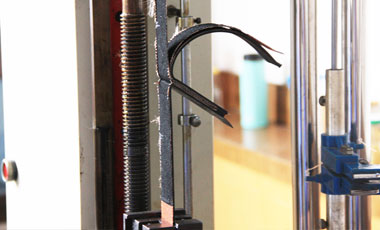
Measures the adhesion between the rubber cover and the EP/NN fabric plies to prevent delamination under stress.
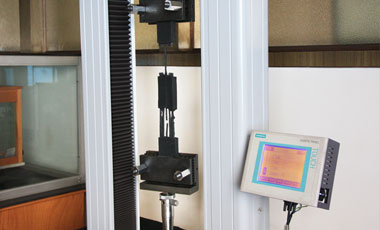
Evaluates the dynamic mechanical bond strength of internal steel tension cables under load.
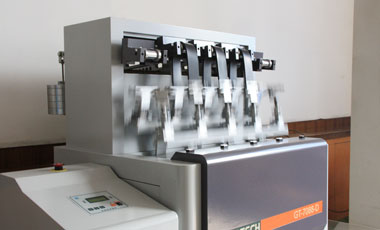
Simulates continuous routing over pulley bends to ensure long-term durability of cleated joints.
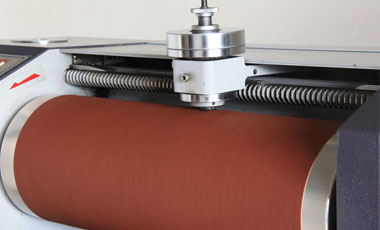
Validates compound performance under severe friction against sharp aggregates and ores.
Our solutions are used globally, supporting material handling in ports, power plants, steel mills, and mining operations.
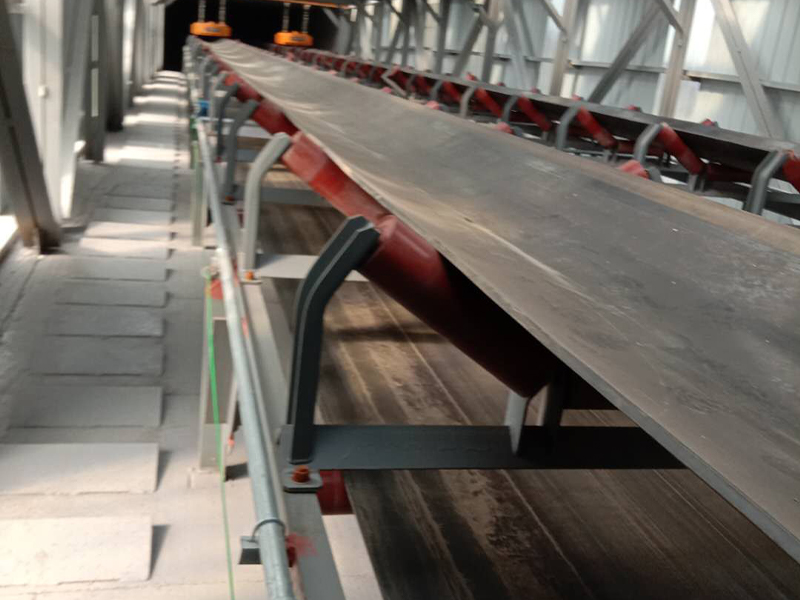
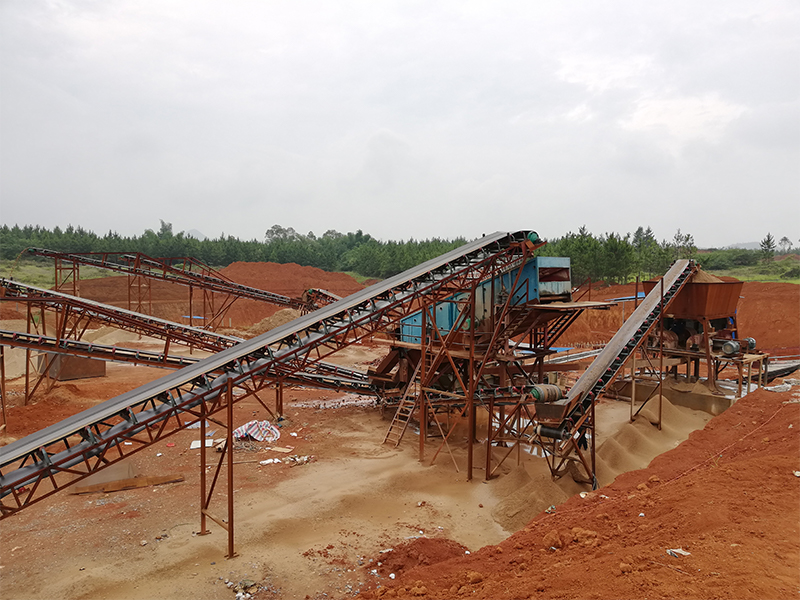
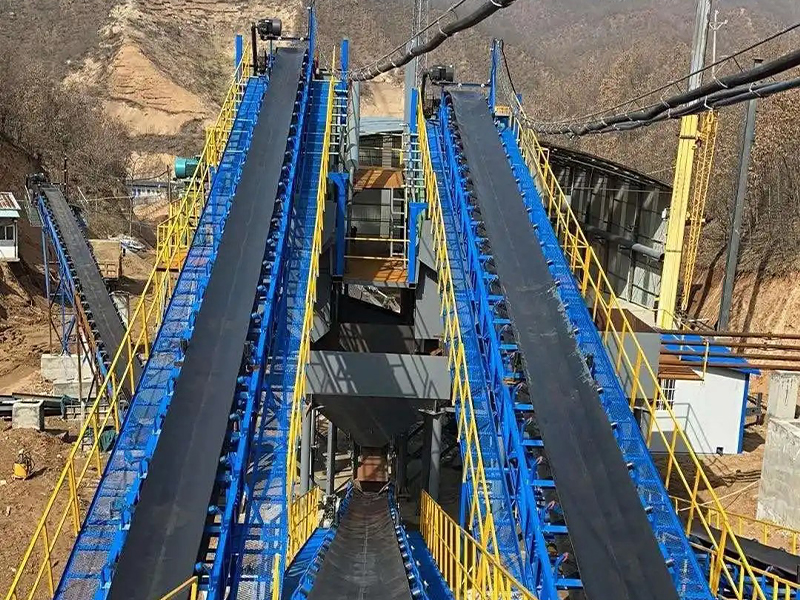
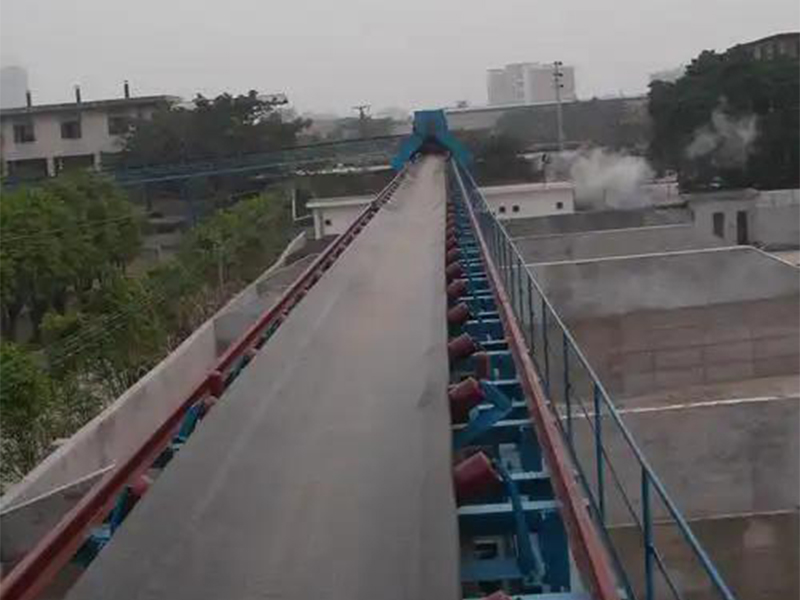
Designing a conveyor system for steep angles requires balancing physics, belt structural design, and compound chemistry. When delivering to industrial operations in Europe, we evaluate the following parameters to ensure optimal performance:
| Material Parameter | Standard Conveying Angle | Recommended Chevron Height | Recommended Belt Compound Grade |
|---|---|---|---|
| Crushed Limestone & Aggregate (Up to 60mm size) | 20° to 28° | 16mm (Closed-V Profile) | DIN-Y (High Abrasion Resistance) |
| Wet Clay & Silica Sand | 25° to 35° | 25mm (Open-V Profile) | DIN-X (Excellent Cut/Gouge Resistance) |
| Hot Cement Clinker (Temp > 120°C) | 18° to 25° | 16mm (Herringbone Profile) | EP / EPDM Heat Resistant (T2/T3) |
| Agricultural Crops & Grains | 22° to 40° | 32mm (High-Cleated Profile) | FDA Food Grade / Anti-Static Oil Resistant |
A conveyor belt's overall system reliability is limited by the strength of its weakest point—the splice. For steep-incline Chevron systems, splices undergo significant dynamic stresses. We recommend two primary jointing methodologies for our Italian clients:
Our technical team provides customized splicing blueprints, detailing step lengths, finger-splice geometry, and heating pressure limits. This support helps on-site maintenance crews maximize system life and prevent unscheduled downtime.
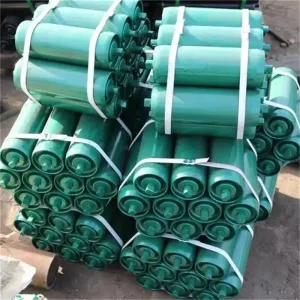
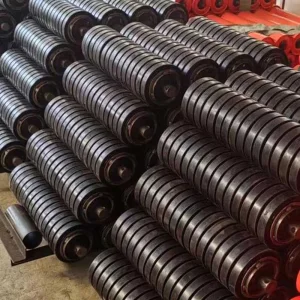
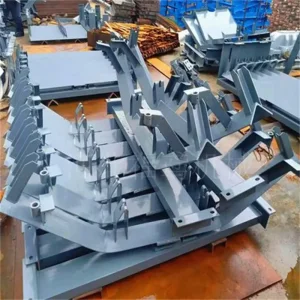
Our complete range of industrial-grade rubber belting, idlers, and structural accessories engineered for demanding operating environments.
Our engineering services allow us to manufacture custom systems that align with existing infrastructure requirements across European networks. Our configuration capabilities include:
By using direct compression moulding, we build integrated cleated belts that resist detachment. This single-piece vulcanized design provides durable performance and consistent tracking compared to cold-bonded or mechanically fastened cleats.
Exporting to the Italian market requires strict adherence to European quality and safety guidelines. We ensure all shipments comply with these standards, providing a smooth import process:
Expert responses to common design, engineering, and maintenance queries from Italian procurement managers.
 Boao Rubber