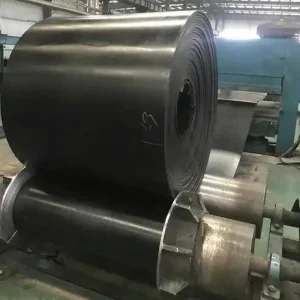
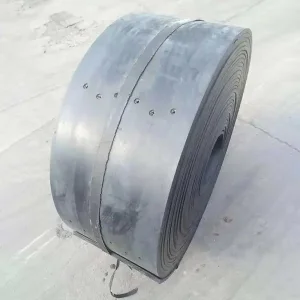
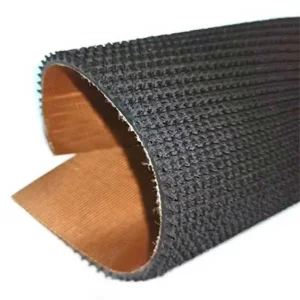
In the modern industrial architecture, power transmission and material conveyance are the primary lifelines of production efficiency. Small rubber belts, encompassing timing belts, micro V-belts, ribbed belts, and small-width fabric-reinforced conveyor belts, serve as critical vectors for transferring mechanical energy and transporting delicate components. Globally, industrial sectors are rapidly transitioning toward automation, precision packaging, high-speed bottling, and smart logistics, sparking an exponential increase in the demand for highly reliable elastomeric compounds.
As a leading hub for manufacturing excellence, China has established a robust ecosystem of research institutions, material suppliers, and specialized production facilities. Key clusters, such as the Rubber Industrial Park of Boye County, Baoding, Hebei Province, serve as the source of breakthroughs in elastomer chemistry. By synthesizing advanced vulcanization methods with computer-aided design (CAD), Chinese manufacturers like Hebei Boao Rubber Technology Co., Ltd. now supply global industries with belts that resist thermal degradation, petrochemical swelling, and severe mechanical abrasion.
High-torque synchronization requirements require small rubber belts with precise tooth profiles, minimizing backlash and optimizing drive performance under highly dynamic loads.
Our formulation engineering uses sulfur donor and peroxide cure packages, maximizing ozone degradation resistance and increasing service life up to 150%.
Internal tensile members are made from high-modulus polyester or aramid, maintaining minimal elongation, high dimensional stability, and resistance to sudden shock loads.
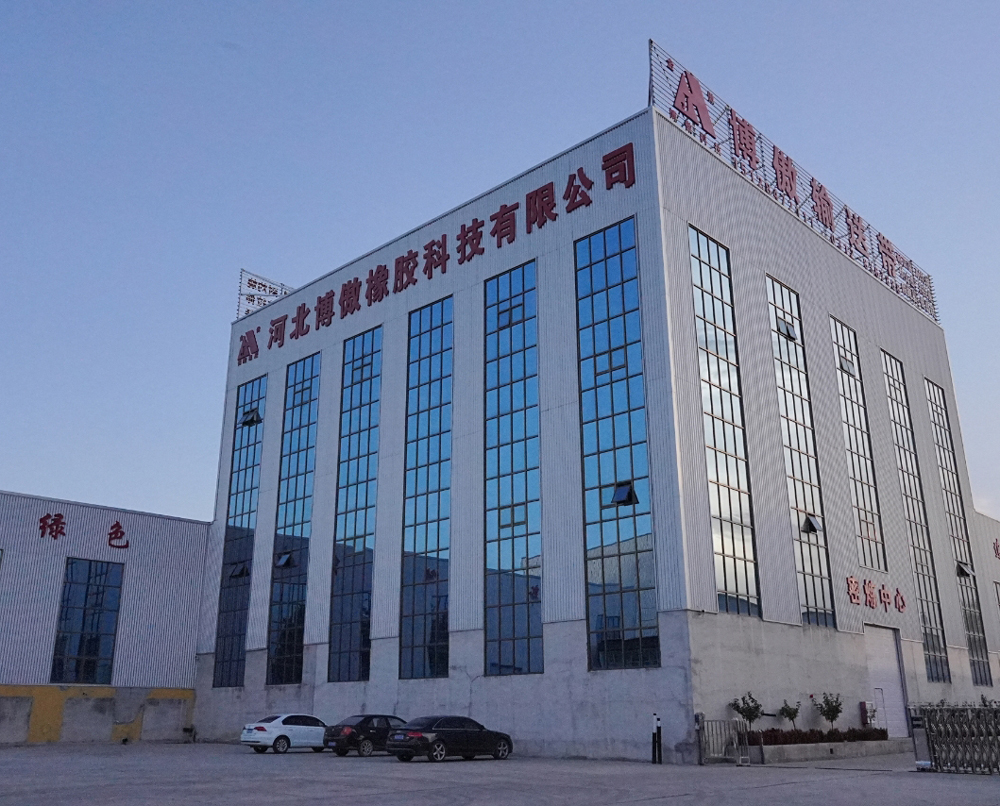
Established in 2004, Hebei Boao Rubber Technology Co., Ltd. is a high-technology industrial pioneer located in the prestigious Rubber Industrial Park of Boye County, Baoding, Hebei Province. Over more than two decades, we have scaled our production facilities to cover an expansive area of over 30 acres, establishing ourselves as a dominant force in conveyor belting and dynamic power transmission products.
Our signature brand, "Jinao", is synonymous with structural integrity, exceptional wear properties, and continuous operation in demanding environments. We manage a fully integrated operation, comprising raw polymer formulation research, rubber compounding, fabric processing, structural reinforcement laying, high-precision hydraulic vulcanization, and thorough post-production stress analysis.
Our production infrastructure features advanced rolling, extrusion, shaping, and vulcanization lines. This machinery is supported by an independent chemical analysis laboratory and a physics testing facility. Our QC team monitors every production stage, from inspecting incoming raw materials to conducting dynamic fatigue and rupture tests on finished goods. This system ensures that every product leaving our Boye County plant matches international performance standards.
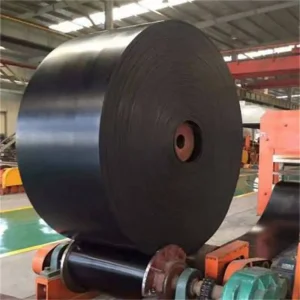
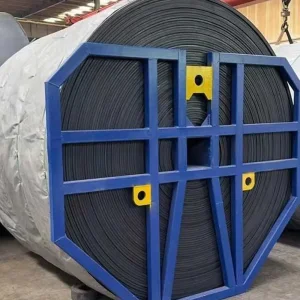
Under our flagship brand "Jinao", we manufacture an extensive lineup of rubber conveyor belts and related machinery accessories. Each category is engineered to address specific operational stresses:
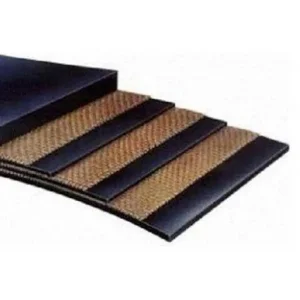
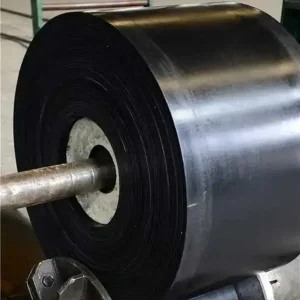
Designed for high flexibility and high tensile applications. Polyester (EP) wraps offer low transient stretch and high resistance to dimensional creep. Nylon (NN) carcass layers provide excellent elastic recovery and mechanical impact resistance.
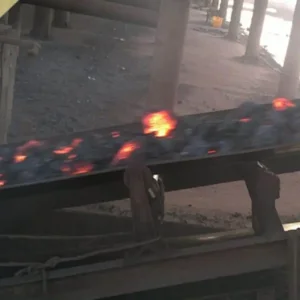
Includes heat-resistant rubber conveyor belts designed to withstand continuous operating temperatures up to 200°C. Cold-resistant belts maintain elastomeric properties down to -50°C. Acid/alkali and chemical-resistant belts are formulated to resist aggressive corrosion.
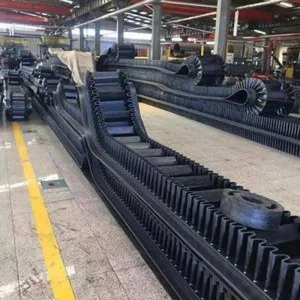
Specialized wave profiles and integrated sidewalls allow vertical materials handling up to 90 degrees. This design minimizes material fallback, optimizes layout volume, and reduces structural support footprints.
Enclosed pipe belts protect materials from wind loss and prevent environmental contamination. Steel wire core reinforcement provides zero structural elongation, making it ideal for long-distance bulk transportation systems.
Formulated with halogen-free flame retardants and self-extinguishing polymer backings, these belts are engineered for underground mining and grain handling safety.
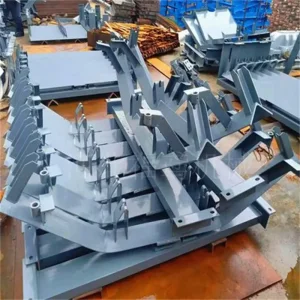
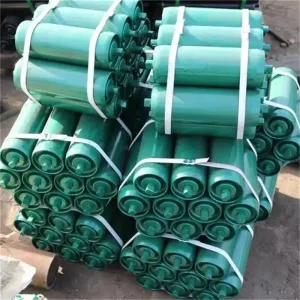
Complete idler roller lines, ceramic wear jackets, heavy-duty impact brackets, shock-absorbing rollers, and automated centering brackets designed to reduce belt drift and wear.
International procurement offices (GPOs) handling agricultural, logistics, and processing equipment sourcing must balance purchase price against operational lifetime. Sourcing high-quality small rubber belts and conveyor components requires an understanding of compounding quality, dimensional tolerances, and structural design.
Compound Quality vs. Lifetime: Low-cost belts often use high volumes of filler calcium carbonate, which reduces ozone resistance and causes cracking under cyclic stress. Our "Jinao" rubber formulas use virgin EPDM, SBR, or Nitrile rubber, which extends operating lifetimes up to three times compared to non-certified manufacturers.
Tolerance Control: Power transmission belts need consistent tooth profiles and uniform wall thicknesses to prevent harmonic vibrations in high-speed machinery. We use advanced calenders to control dimensional tolerances to within 0.05mm, reducing belt slippage and system wear.
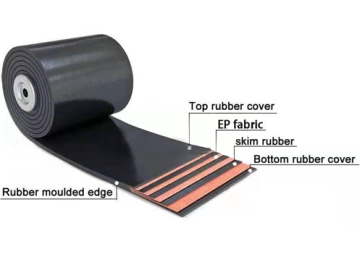
Our conveyor belts are utilized across heavy industries worldwide. Below is a summary of our macro-industrial solutions:
Sintered ores, hot cokes, and slags require highly heat-resistant belting. Our premium heat-resistant compounds withstand peak temperatures up to 250°C, reducing belt replacement intervals in steel mill operations.
High-capacity coal conveyor lines require fire-resistant, anti-static, and low-abrasion belting. Our specialized flame-retardant belts meet strict safety standards, reducing dust explosion hazards in power generation facilities.
Conveying sharp, heavy ores requires high impact resistance. Our anti-tear steel wire rope belts and heavy-duty impact rollers prevent belt puncturing and handle demanding abrasive wear.
Bulk handling at high volumes requires food-grade, oil-resistant, and low-elongation elevator belts. Our customized vertical elevator bucket belts handle continuous grain transport while preventing oil degradation from oilseed processing.
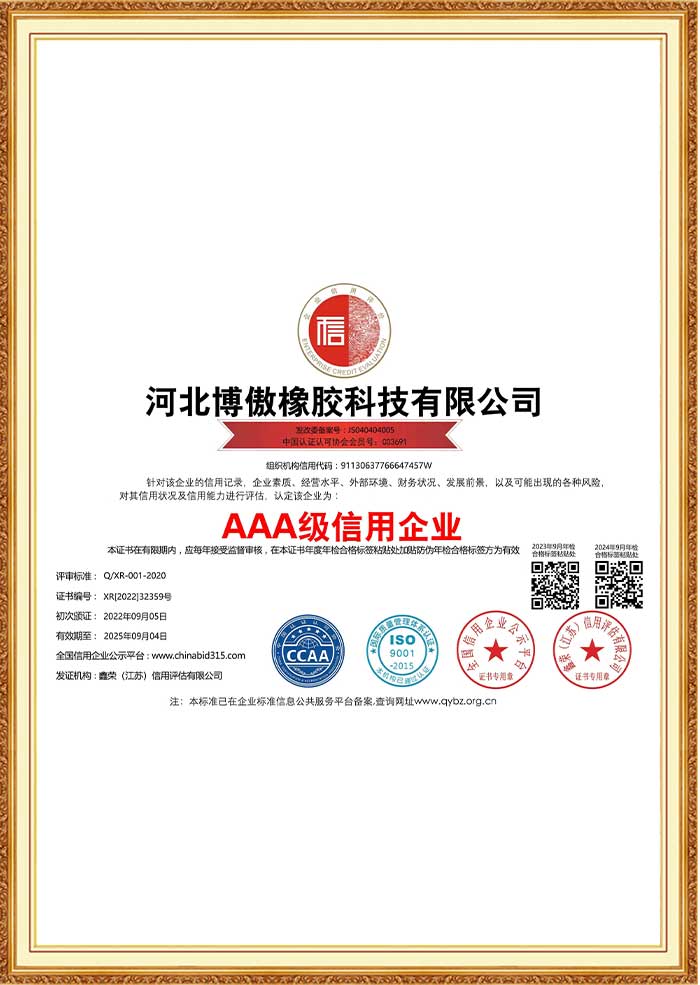
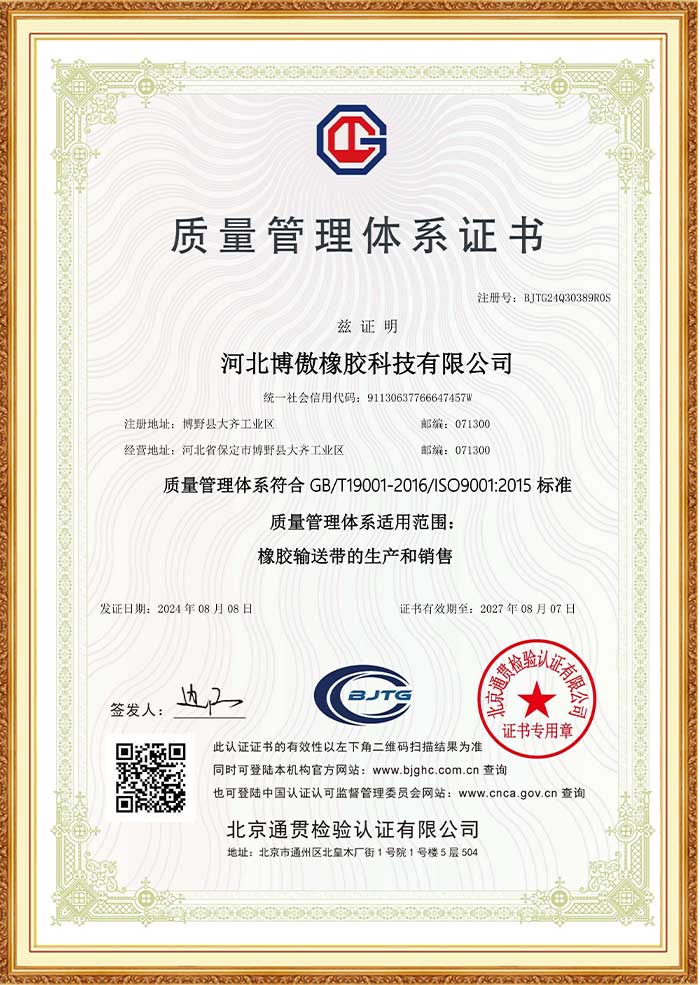
To provide transparency and build trust with international clients, Hebei Boao Rubber Technology maintains a complete set of quality system certifications. We ensure our materials conform to rigorous international performance specifications.
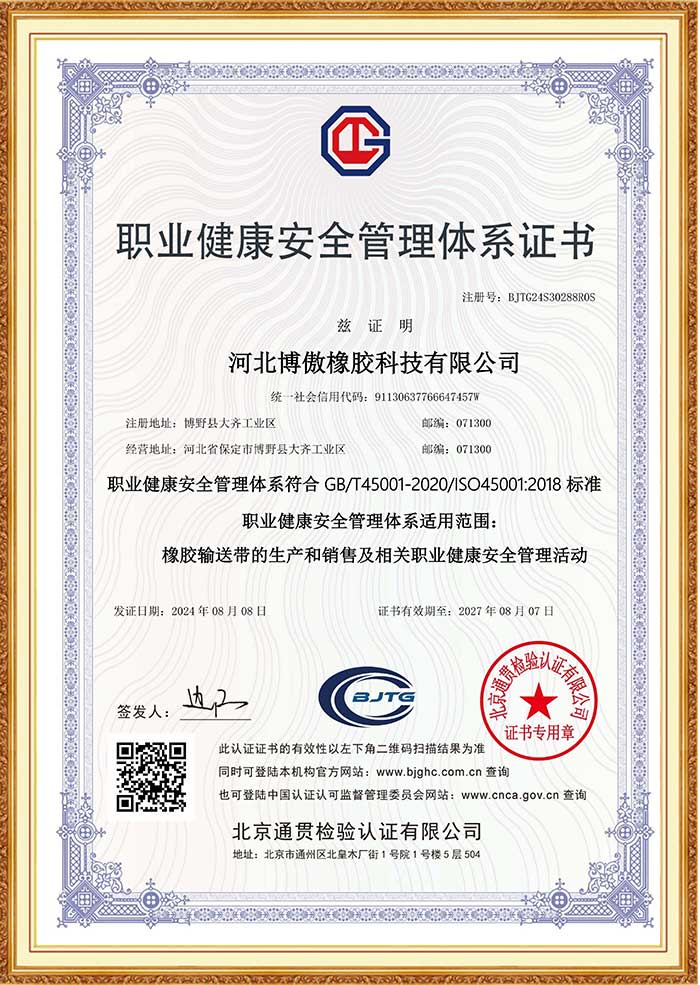
ISO9001 Quality System
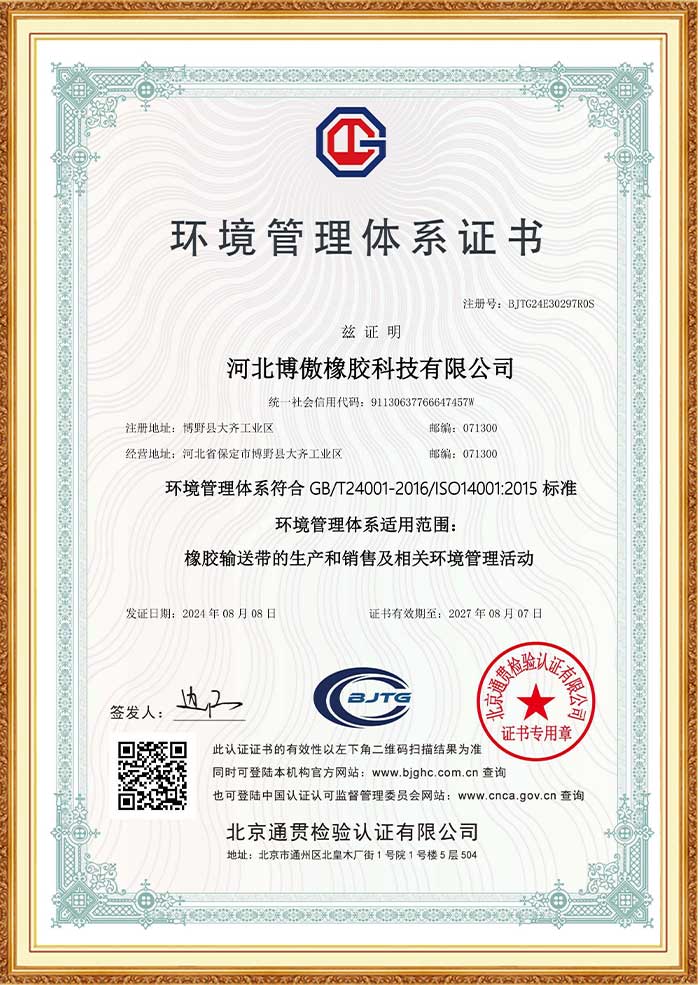
ISO14001 Environmental
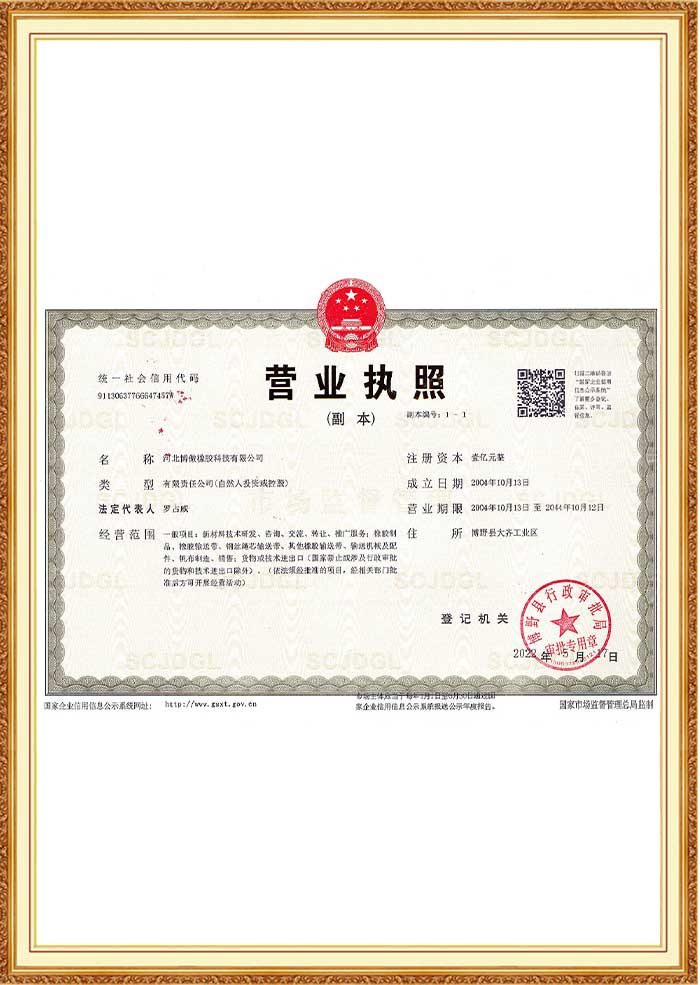
ISO45001 Health & Safety
CE Product Mark
API & TS Standards
Quality assurance requires comprehensive testing. Our laboratories verify the mechanical properties of our rubber compounds and finished products through a battery of tests:
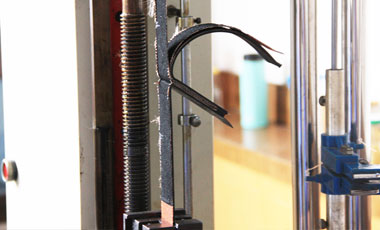
Measures the bond strength between the rubber cover and internal reinforcement fabrics (EP/NN/Steel wire). This test ensures the belt layers will not delaminate under cyclic compression and tension.
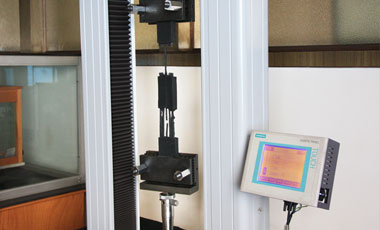
Evaluates the physical adhesion limits of steel cord cores within the vulcanized rubber block. This measurement is key to preventing cord pull-out failures in high-tension installations.
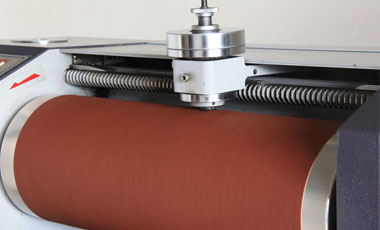
Measures volumetric rubber loss against abrasive surfaces. This test verifies that our wear-resistant formulations comply with DIN 22102 standards (W, X, Y grades).
Our industrial solutions have been tested in large-scale operations worldwide, providing reliable service under challenging environmental conditions:
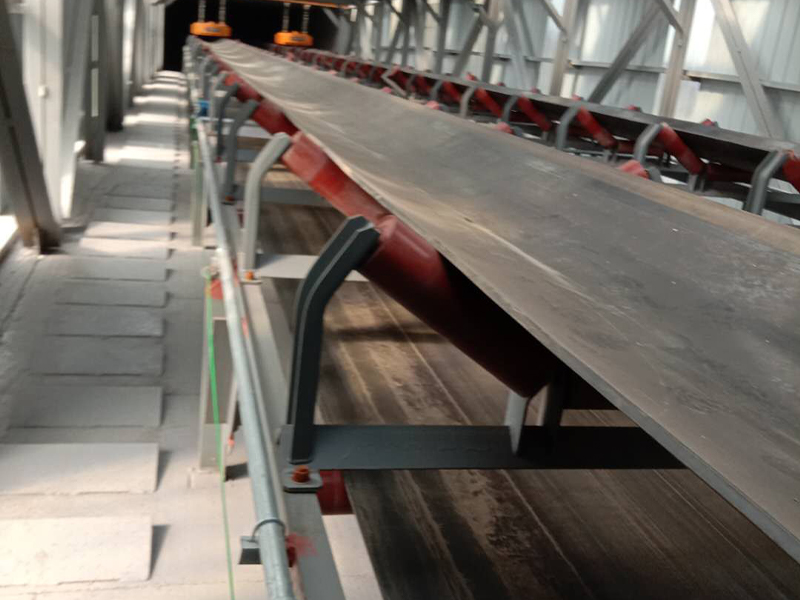
Taihang Steel Group
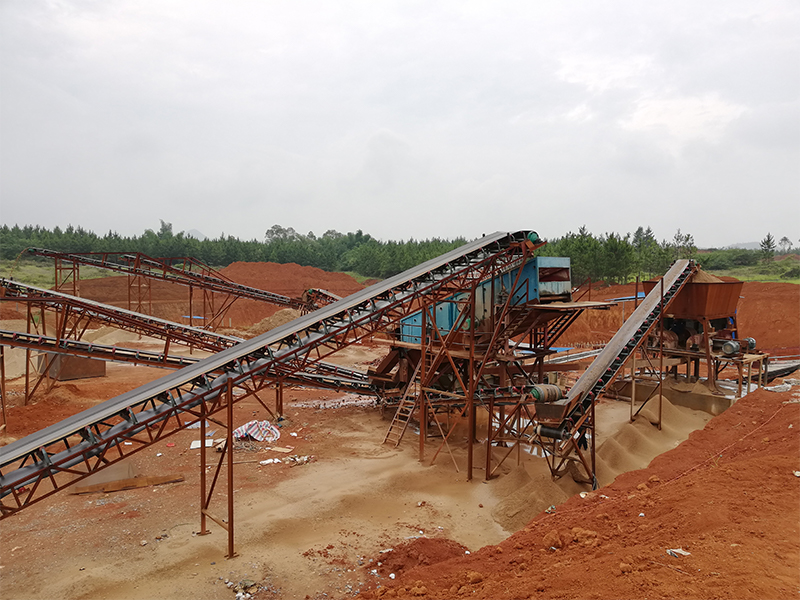
Tsingshan Group
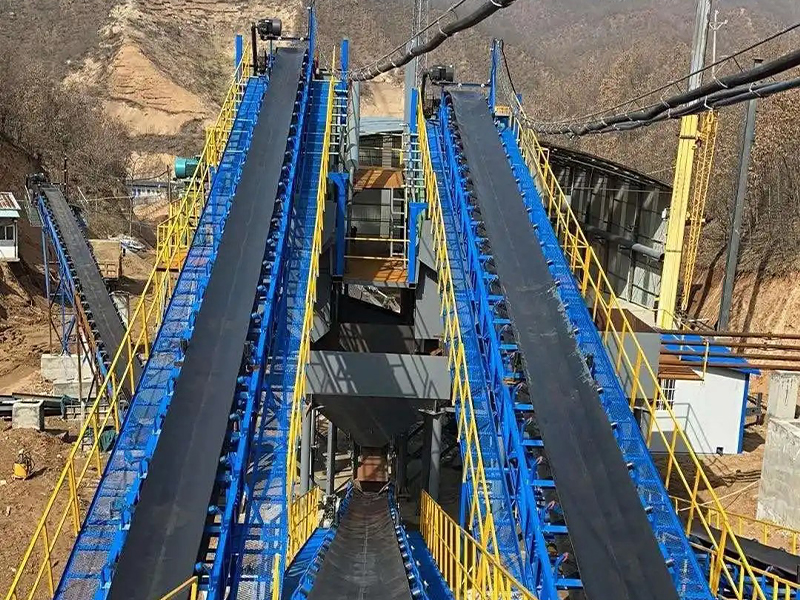
Zijin Mining Group
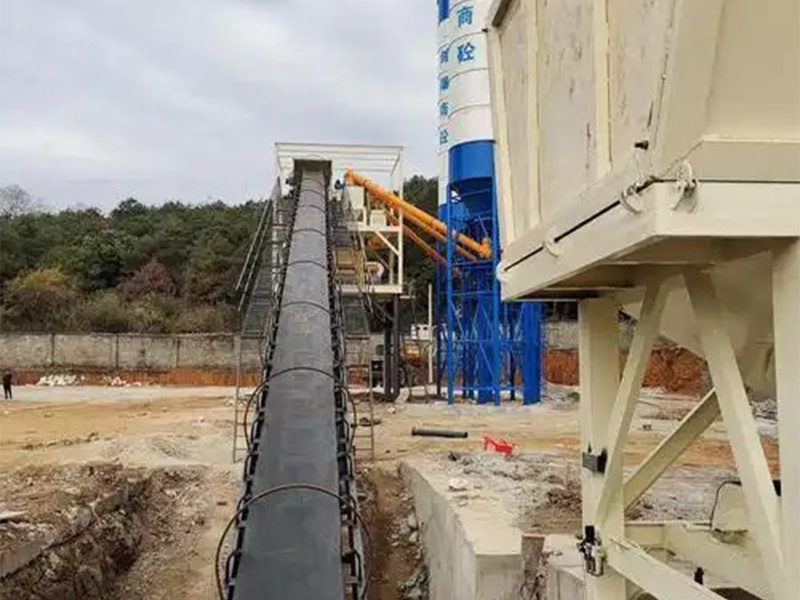
China Railway Group
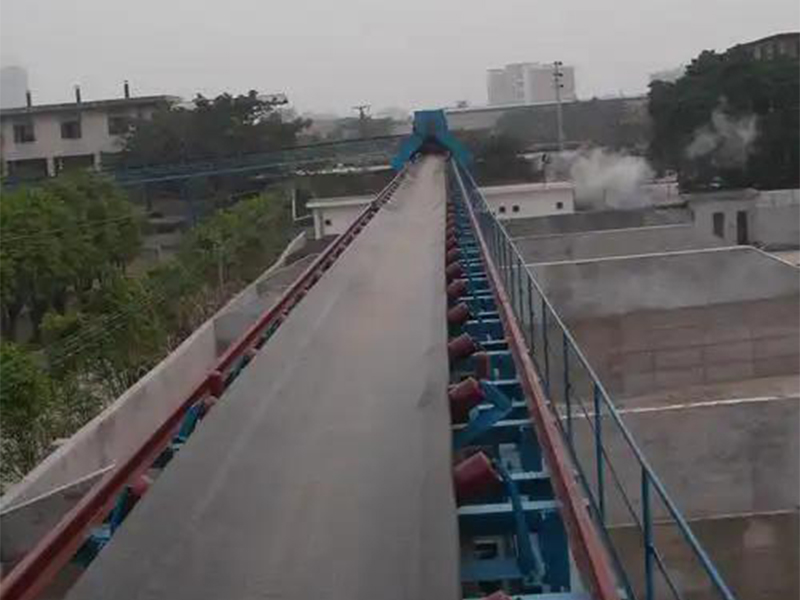
Conch Cement
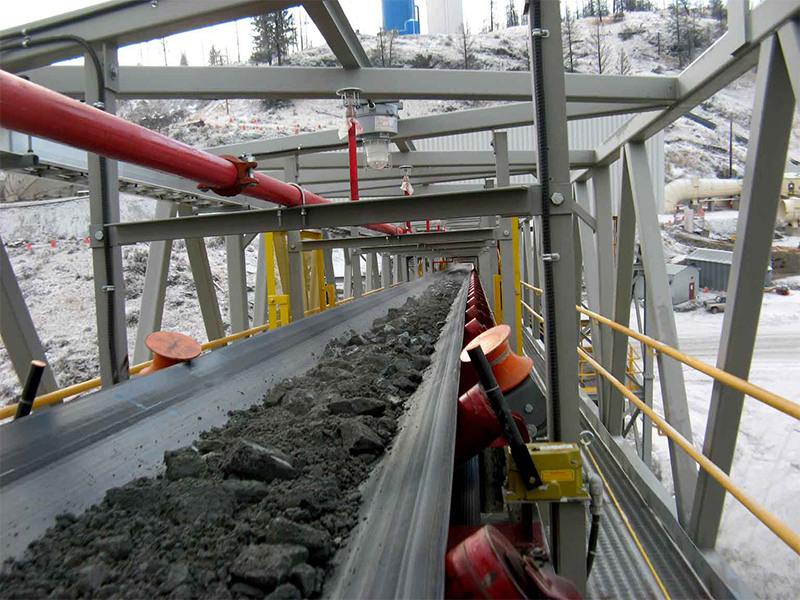
Datong Coal Group
The rubber belt manufacturing industry is moving toward environmental sustainability and smart, sensor-driven wear tracking. Our current research and development focuses on the following key areas:
Developing rubber formulations with lower volatile organic emissions and replacing traditional aromatic process oils with bio-based alternatives.
Integrating RFID tags and conductive warning loops directly into steel wire belts. These sensors monitor rip damage in real-time, allowing operators to shut down systems automatically before catastrophic failures occur.
Creating vulcanizing adhesives that cure faster at lower energy inputs, reducing maintenance downtime during onsite belt splicing and repairs.
EP (Polyester warp / Polyamide weft) fabrics feature low dimensional stretch under tension, making them ideal for long-distance conveyor runs with limited take-up systems. NN (Nylon warp & weft) fabrics provide greater elasticity and impact resistance, making them suitable for high-impact loading zones and shorter, high-stress cycle environments.
For materials exceeding 120°C (such as cement clinker, sinter, or foundry coke), EPDM or butyl-rubber compounds are required. Standard SBR degrades and hardens under sustained heat, leading to premature cracking and cover loss.
Our ISO-certified facility performs FTIR chemical scans on incoming raw polymers, tests rubber curing behavior using rheometers, and verifies physical properties like abrasion, tensile strength, and steel cord pull-out resistance before packaging and shipping.
Yes. We design and mold custom profiles including chevron, magic carpet, and dimpled patterns in heights ranging from 5mm to 32mm. These profiles are tailored to prevent material slipback based on specific bulk product types and incline angles.
 Boao Rubber