Explore our core industrial grade conveyor belts, specifically customized for high abrasion, vertical lifting, and structural stability.
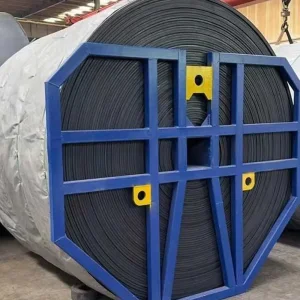
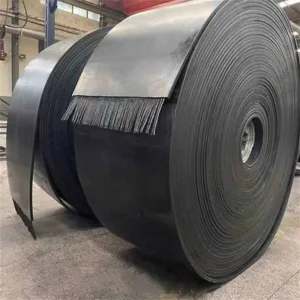
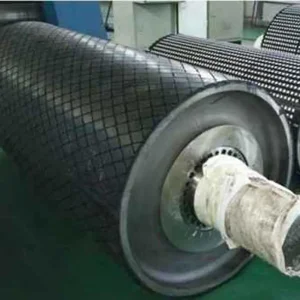
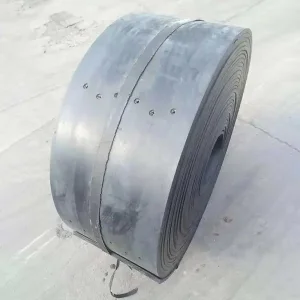
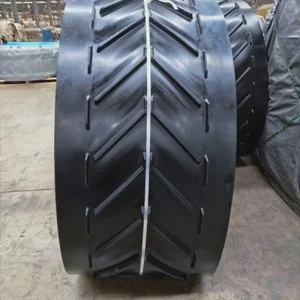
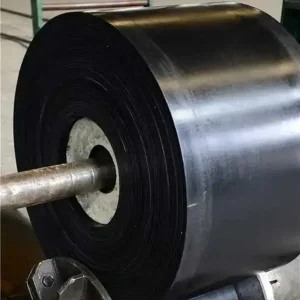
Understanding why heavy industries mandate molded edge structures for abrasive bulk handling.
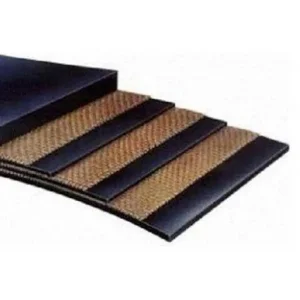
In heavy industrial applications, a conveyor belt's edges are its first line of defense. A Moulded Edge Conveyor Belt is produced by vulcanizing solid rubber borders simultaneously with the belt's top and bottom covers and internal fabric or steel plies. This forms a completely sealed, homogeneous encapsulation.
Conversely, "Cut Edge" belts are slit from a larger vulcanized roll, leaving the internal plies (polyester, nylon, or steel cords) exposed to external elements. While cut-edge belts are economical for light-duty applications, they are highly prone to moisture absorption, edge tearing, chemical attack, and eventual inter-ply delamination.
| Performance Indicator | Moulded Edge Conveyor Belt | Cut Edge Conveyor Belt |
|---|---|---|
| Ply Delamination Risk | Extremely Low (Edge is sealed with pure, high-elasticity rubber) | High (Moisture and chemicals directly penetrate cut fabric plies) |
| Edge Wear Resistance | Superior (Thicker rubber profile absorb side impact and sliding wear) | Moderate to Poor (Subject to fraying and fiber shedding) |
| Acid & Chemical Resistance | High (Uniform rubber compound barrier protects inner cords) | Low (Chemicals attack internal adhesive bonds directly) |
| Structural Integrity | Maintains lateral stiffness; ideal for deep troughing (35° - 45°) | Edges tend to curl and weaken over extended usage cycles |
| Total Cost of Ownership (TCO) | Highly cost-effective due to longer lifespan and zero edge maintenance | Low initial cost, but requires frequent replacements and repairs |
Uncompromising quality assurance, advanced raw material compounding, and scalable global logistics.
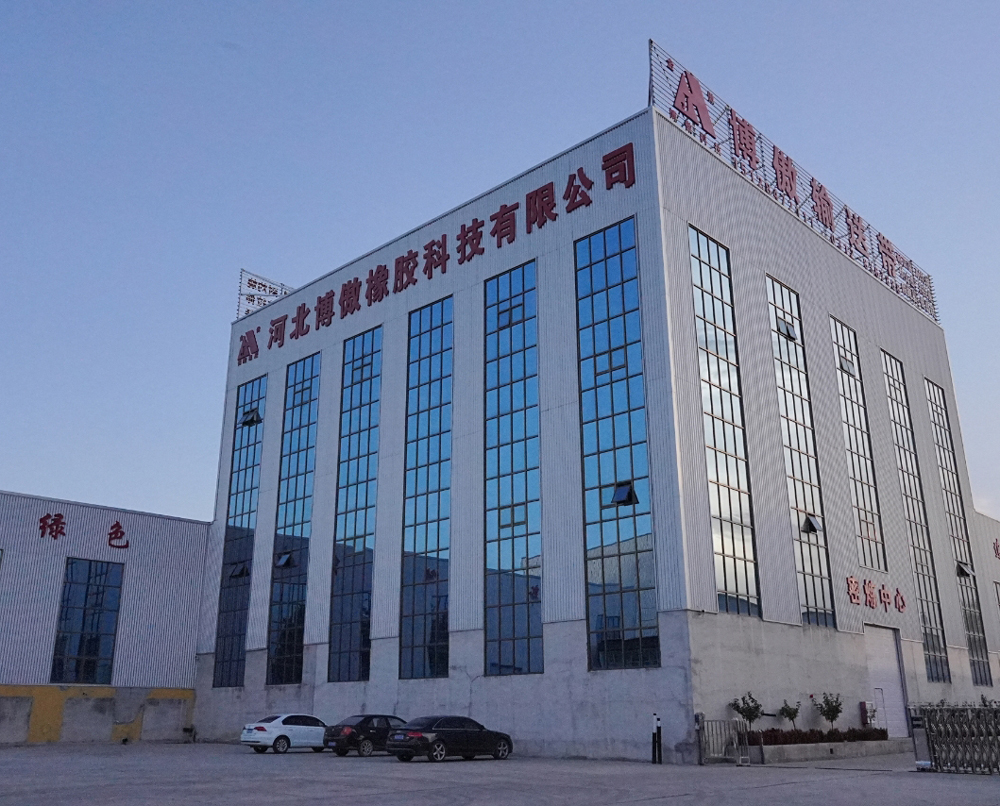
At Hebei Boao Rubber Technology Co., Ltd. (the name behind the famous "Jinao" brand), we formulate our compound matrices with premium-grade natural rubber (SMR/SIR) and tailored butadiene/styrene copolymers. This raw material security ensures optimal wear index results, exceeding standard DIN Y/X/W ratings.
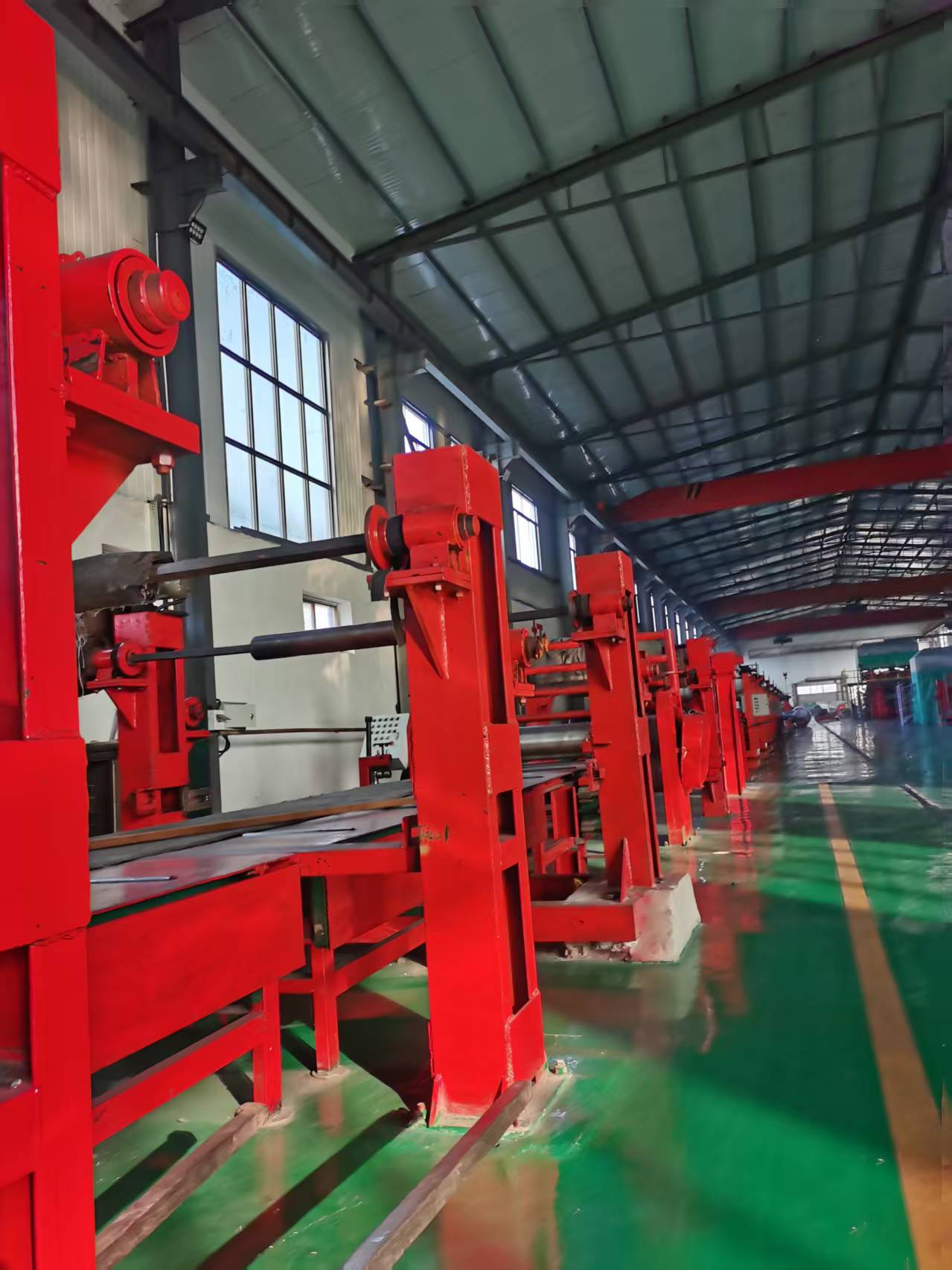
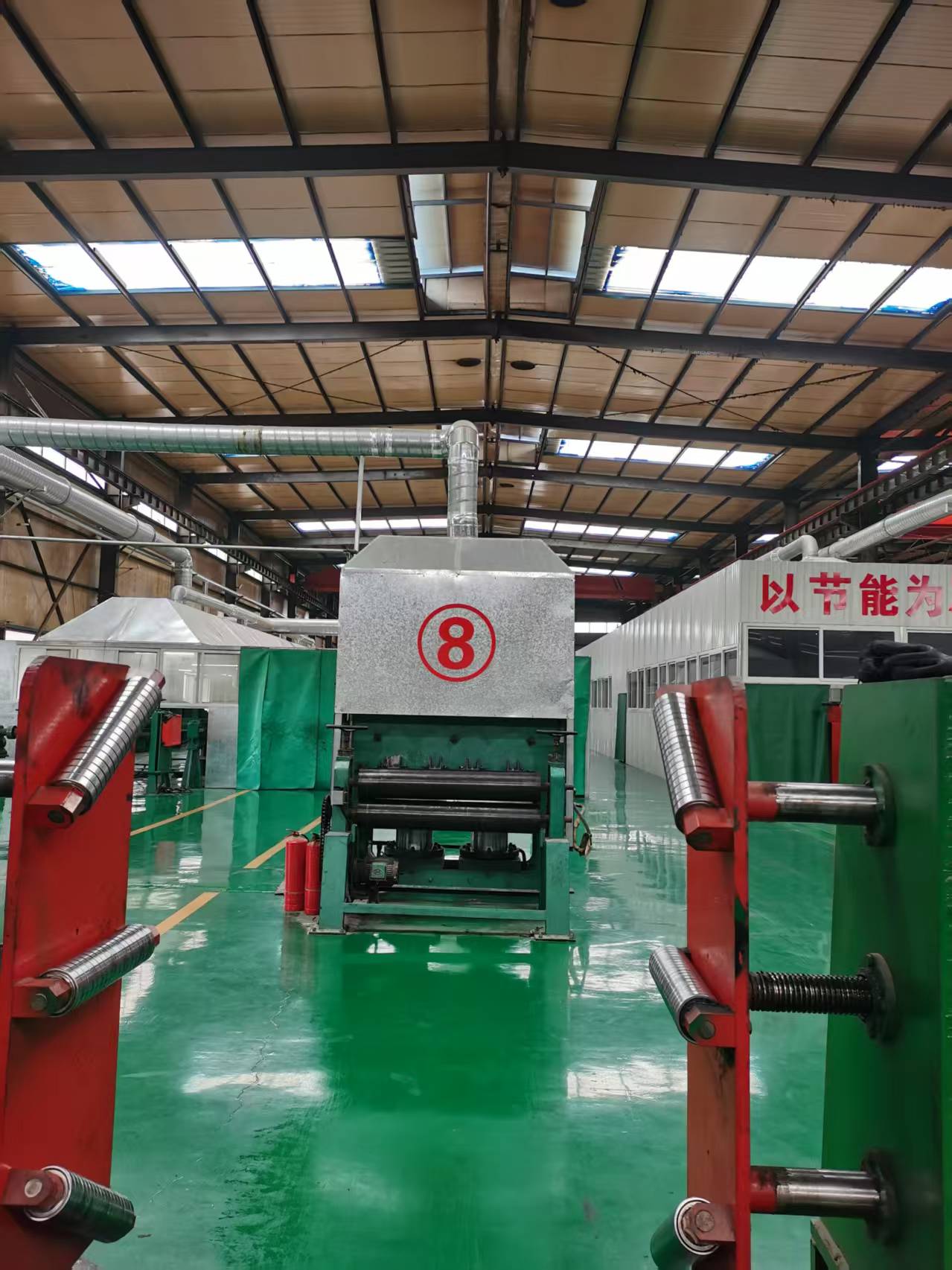
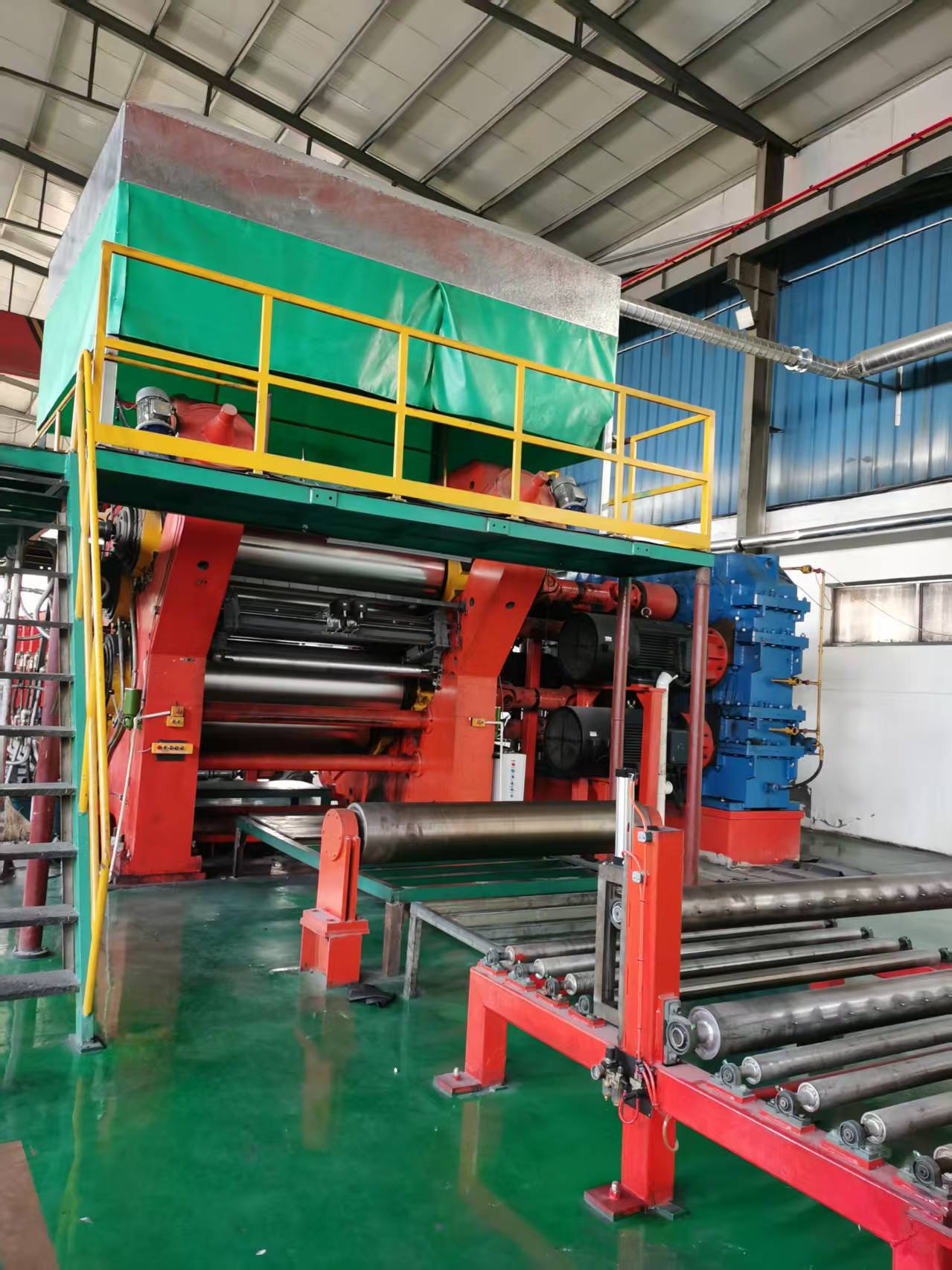
Operating since 2004, our 30-acre Baoding industrial site hosts multi-roll high-precision calendering setups and massive vulcanizing lines. This ensures consistent cross-linking during rubber curing, creating unmatched adhesion values between polyester-nylon plies and rubber covers.
Our dedicated physics laboratory and chemical analysis rooms ensure no raw materials enter and no finished products leave without passing dynamic testing. We check fabric peeling strength, steel cord pull-out metrics, abrasion indexes, and thermal properties prior to shipping.
Validating raw material science, compound elasticity, and dynamic wear indices through international certification standards.
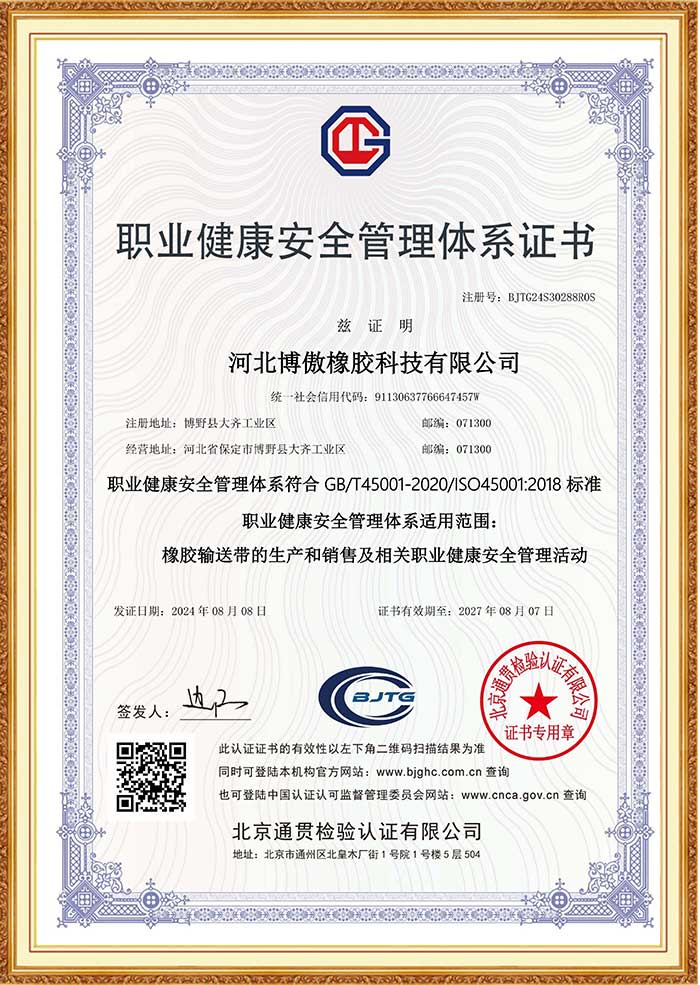
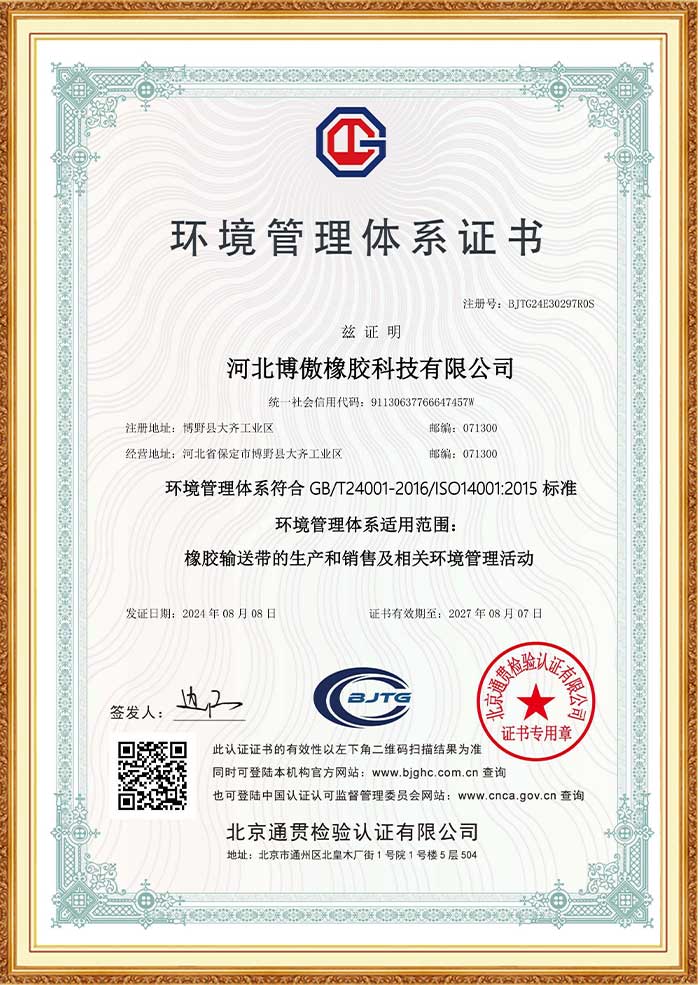
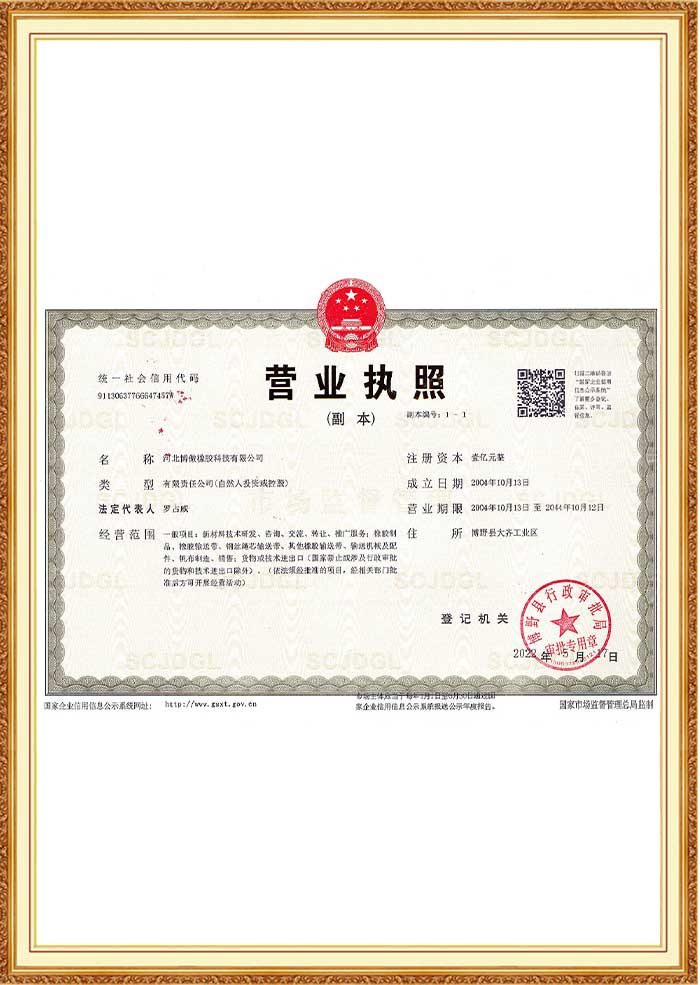
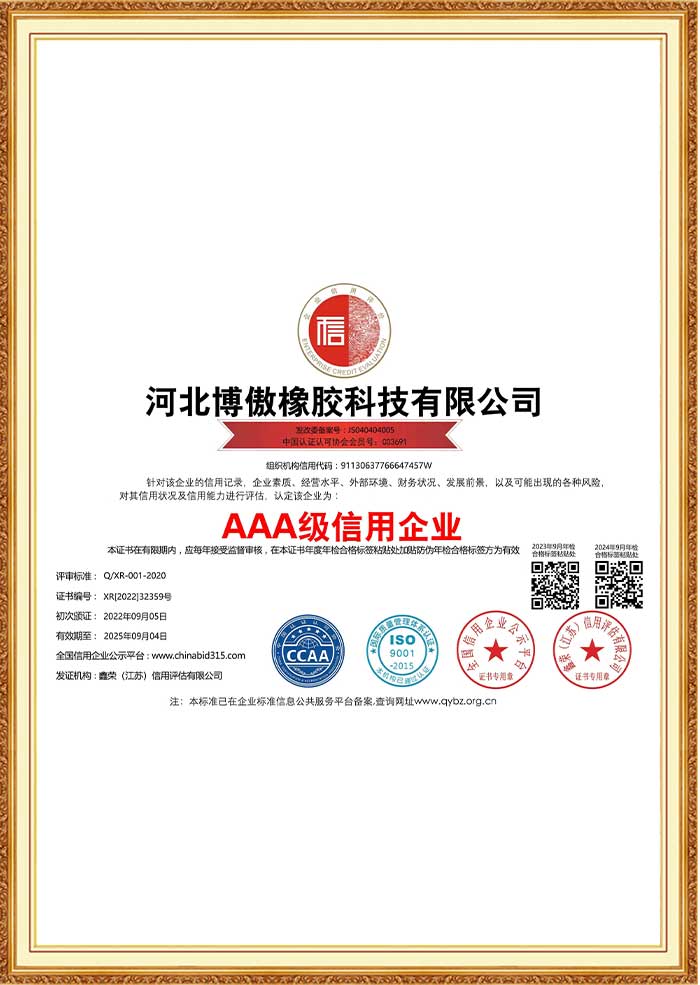
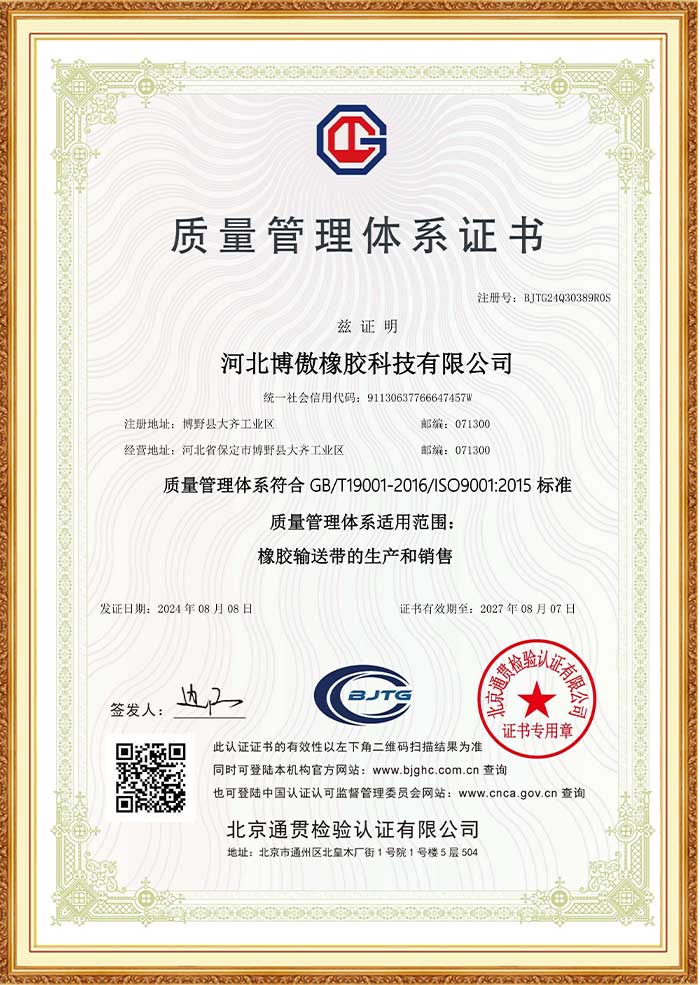
Rheometer Testing
Tensile Strength Testing
Compound Analysis
Vulcanization Press
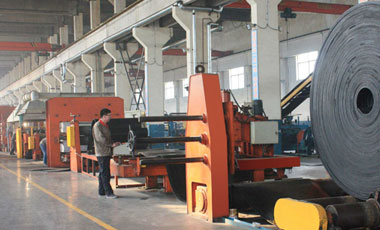
Fabric Conveyor Line
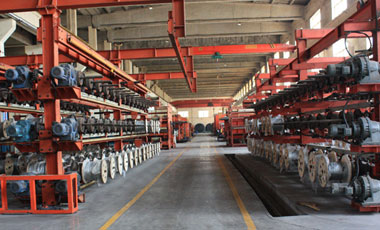
Steel Cord Line
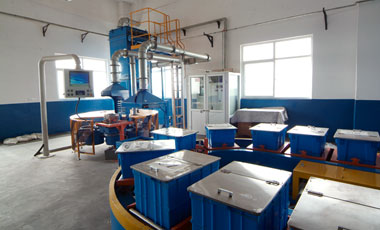
Proportioning Room
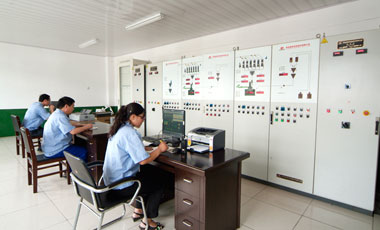
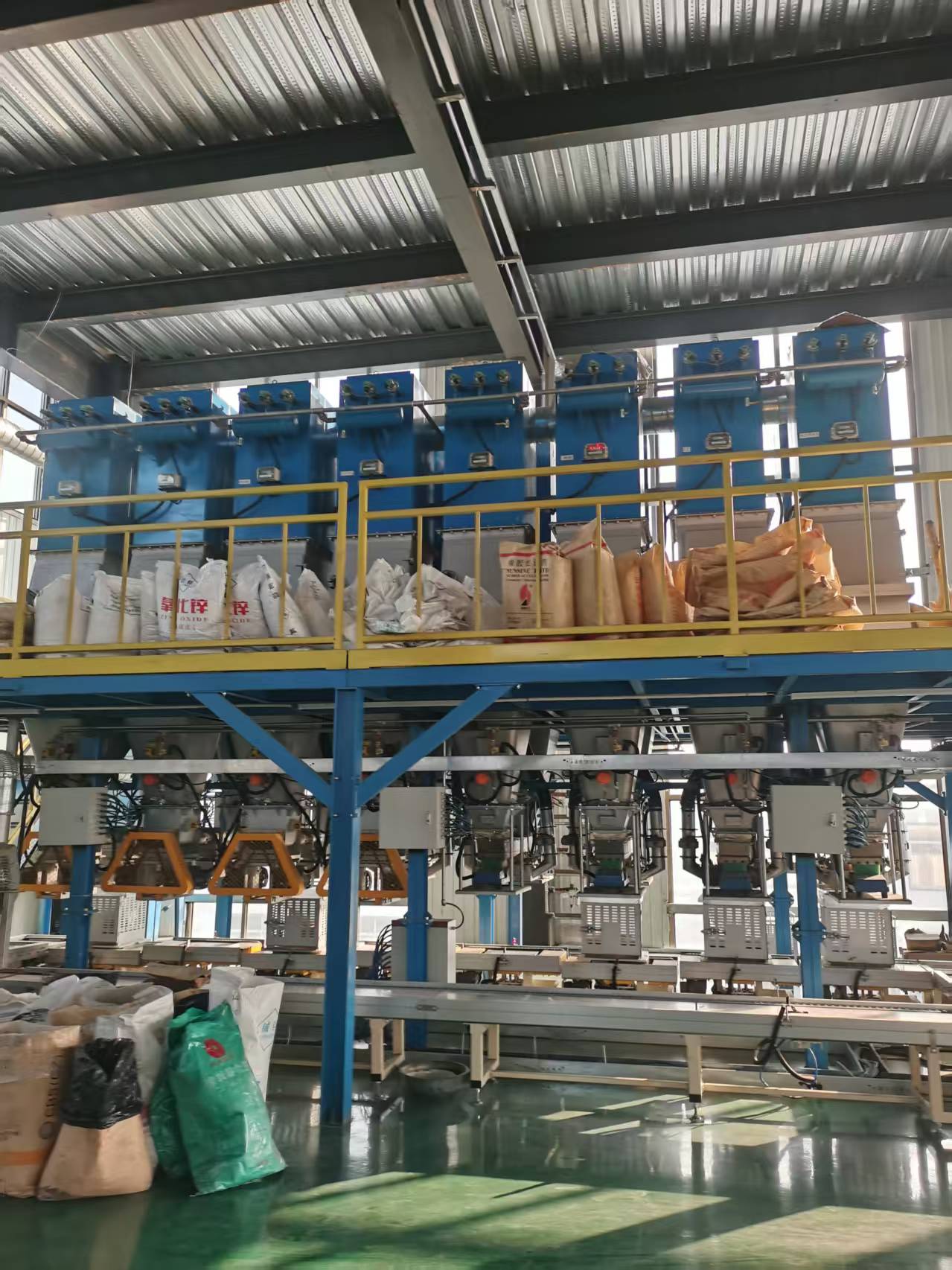
Proportioning System
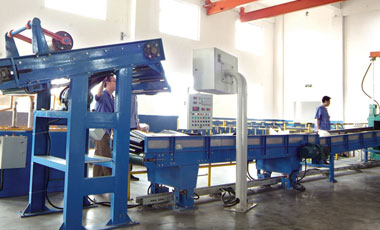
Feeding Device
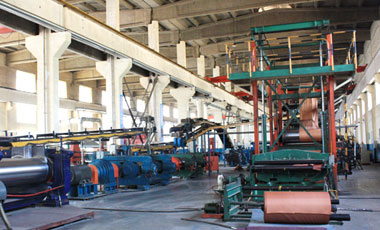
Calendering Press
Achieve lower TCO by matching high mechanical compliance with localized installation support.
When procurement managers and plant engineering groups evaluate a potential supplier, the biggest challenges are operational safety, matching local compliance guidelines, and maintaining steady supply.
Boao Rubber structures all product outputs strictly according to the target country's standards:
In compliance with current EU REACH regulations and environmental frameworks, Boao Rubber has eliminated toxic plasticizers and heavy aromatic extender oils from its raw rubber processing. We use green additives to lower the carbon footprint during curing while maintaining high tear indexes.
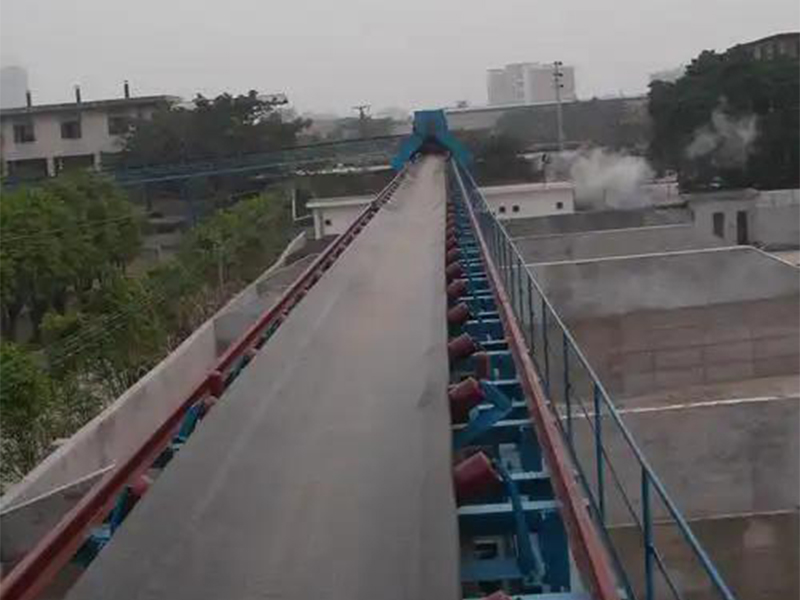
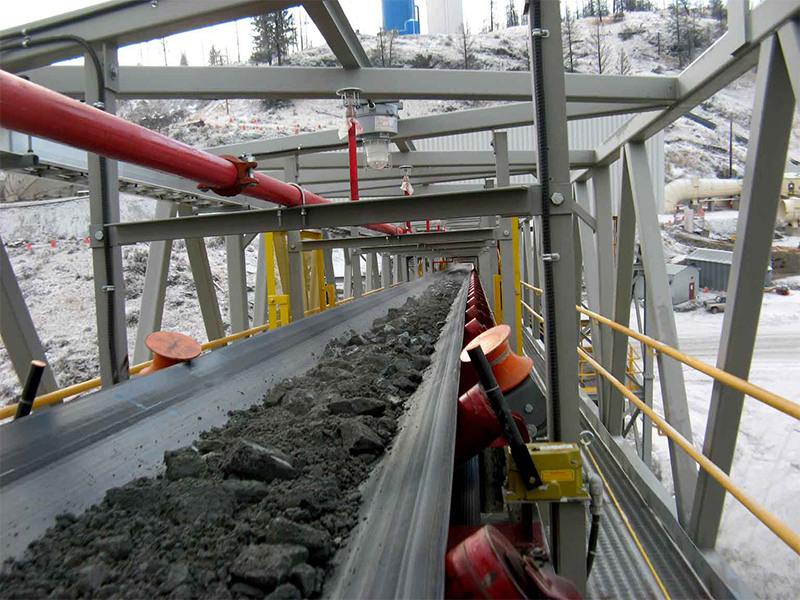
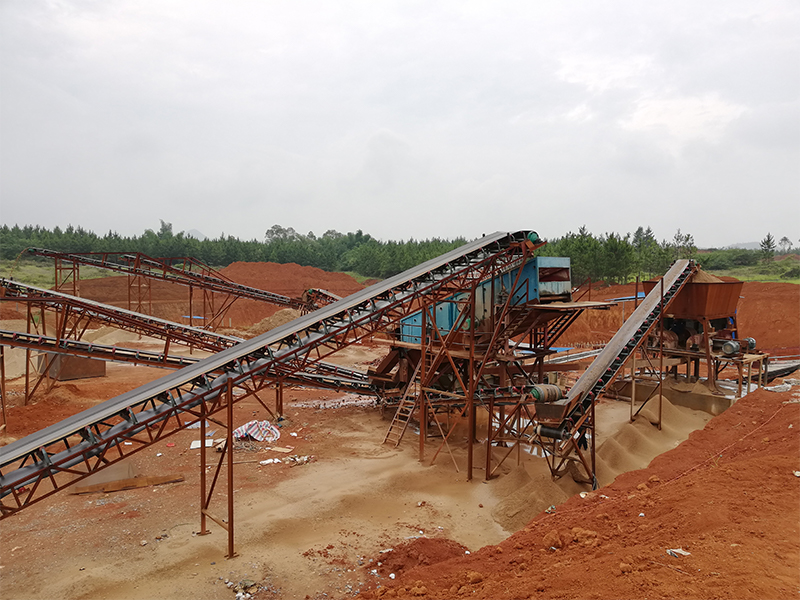
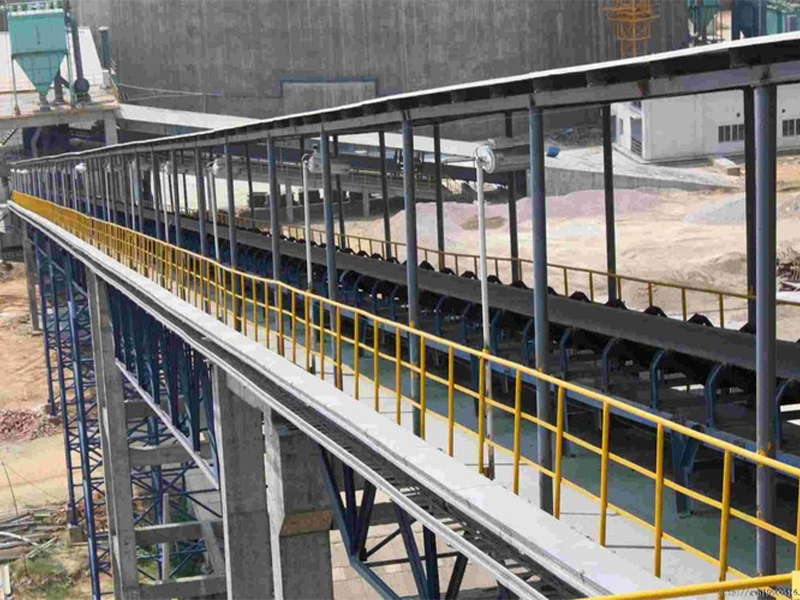
Our heavy-duty rubber belts are trusted in mining, metallurgical plants, concrete mixing facilities, and deep sea terminals.
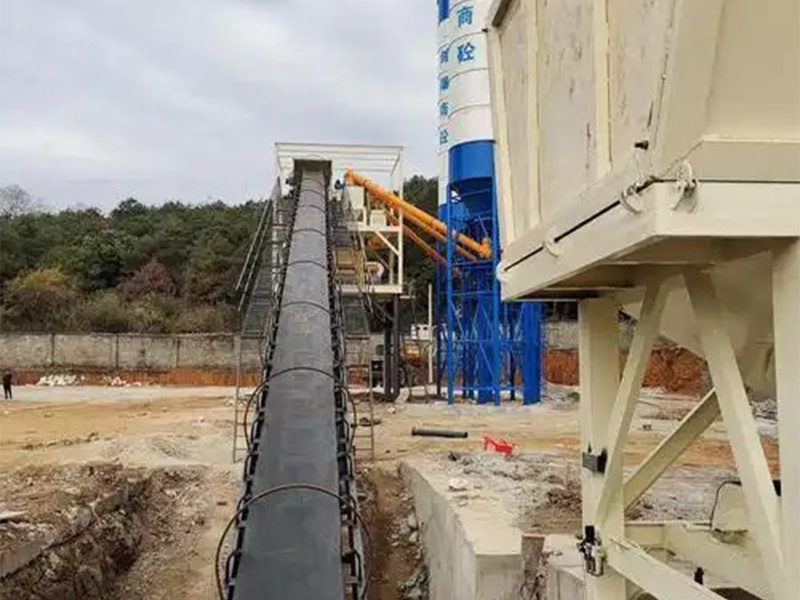
China Railway Group Mixing Plant
Conch Cement
Datong Coal Group
Tsingshan Group
Jidong Cement Group
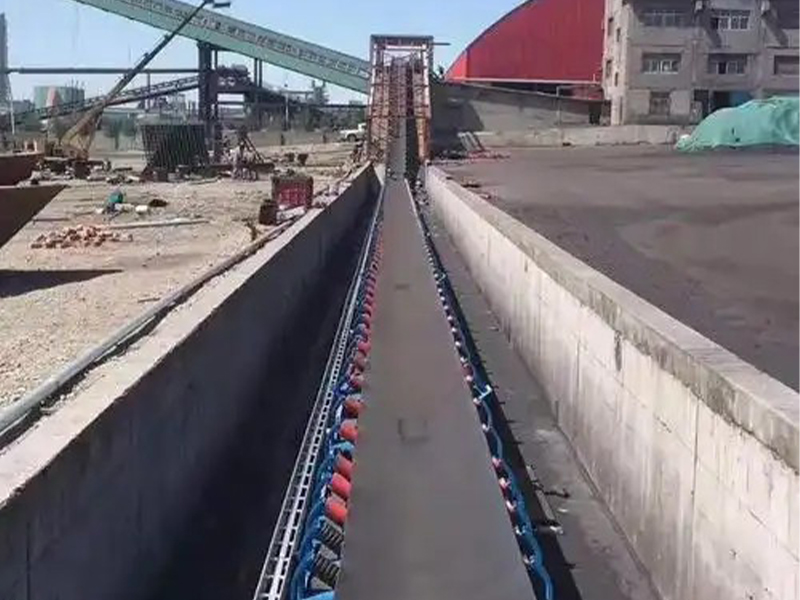
Jinmei Group Coal Line
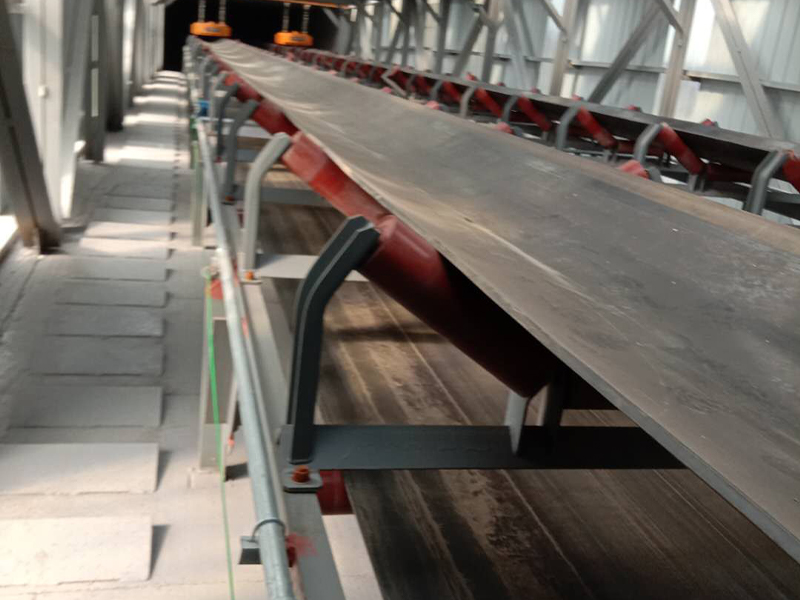
Taihang Steel
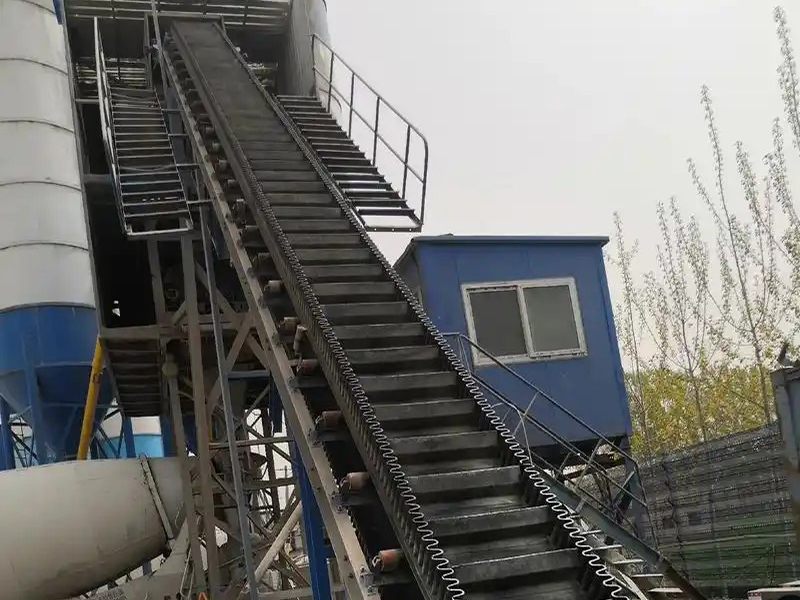
Puyang Steel Group
Skip the hassle of multiple contractors. Our factory-trained technical support handles design, installation, and inspection.
We supply comprehensive maintenance plans including planned belt replacement, localized dynamic splicing, systematic inspections, and emergency breakdown repair, guaranteeing minimal plant downtime.
From supply of premium vulcanized belt rolls and cold-splicing adhesives to safety stock inventory management at your site, our team monitors rubber surface wear, does targeted patching, and checks belt alignments regularly.
Our core mission is to maximize the operational lifespan of your conveyor lines, improve tracking and troughing indices, decrease drive power losses, and maintain a seamless supplier-operator partnership.
Exploring how Internet of Things (IoT), eco-friendly materials, and low-rolling-resistance rubber are shaping bulk material handling.
Integrating copper loops or high-frequency RFID chips within the carcass plies to communicate with conveyor safety stations. If a sharp metal object punctures the belt and begins to rip it longitudinally, the system triggers an emergency stop immediately, preventing catastrophic downtime.
By optimizing the viscoelasticity of the backing rubber, our R&D team has minimized the indentation rolling resistance over conveyor idler rollers. This translates to a direct reduction of up to 12% in operational electricity consumption for long-distance, heavy-load systems.
Direct answers from our engineering leads on performance, specifications, and layout choice.
Select from our targeted wear-resistant, high-angle, and flame-retardant industrial belt lines.
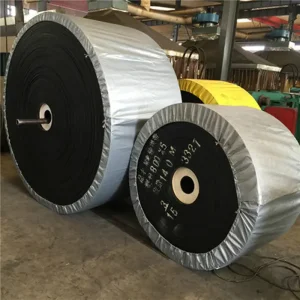
Connect directly with Hebei Boao Rubber's project engineering group. Get design layouts, accurate wear estimations, and direct factory quotation parameters today.
Request A Technical Quote Boao Rubber