Direct from Baoding Boye Industrial Park Factory: High-Quality Rubber Solutions Engineered for Harsh Industrial Environments.
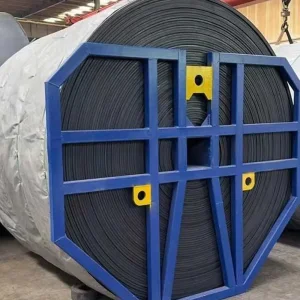
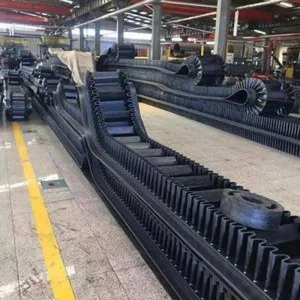
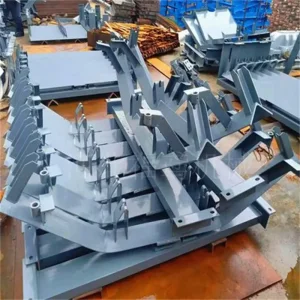
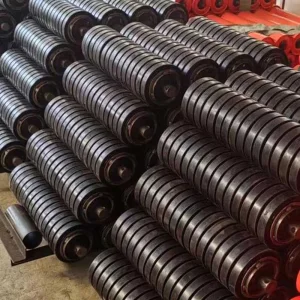
The Backbone of Modern Deep Mining, High-Rise Bulk Material Handling, and Urban Infrastructure Logistics.
Across the globe, rapid urbanization, deep underground mining, and massive bulk shipping terminals require high-efficiency lifting solutions. Standard flat conveyor systems are limited by critical friction angles, usually restricted to inclinations between 15° and 20°. Vertical lifting conveyor belts—especially wavy edge sidewall belts, Chevron patterned belts, and reinforced steel wire rope core belts—provide the essential mechanical architecture to transport bulk materials up to vertical angles of 90 degrees.
By eliminating transfer stations and reducing spatial footprints, modern mining and industrial plants cut capital expenditures and dust emission hazards. In North America, Western Europe, and rapidly expanding Asian infrastructure nodes, environmental protection mandates have made enclosed vertical and steep-slope conveyor lines a benchmark standard for handling aggregates, coal, steel slag, cement, and chemical powders.
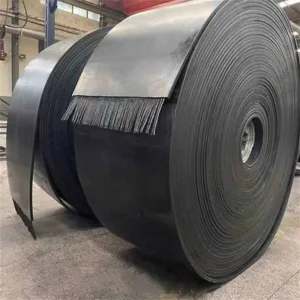
China is now the global manufacturing powerhouse for heavy-duty industrial rubber goods. Factories located in specialized industrial parks, such as Hebei Boao Rubber Technology Co., Ltd., utilize advanced vulcanization calendering and formulation science to manufacture wear-resistant, heat-stable, and flame-retardant lifting belts that match international standards (ISO, DIN, AS, and SANS).
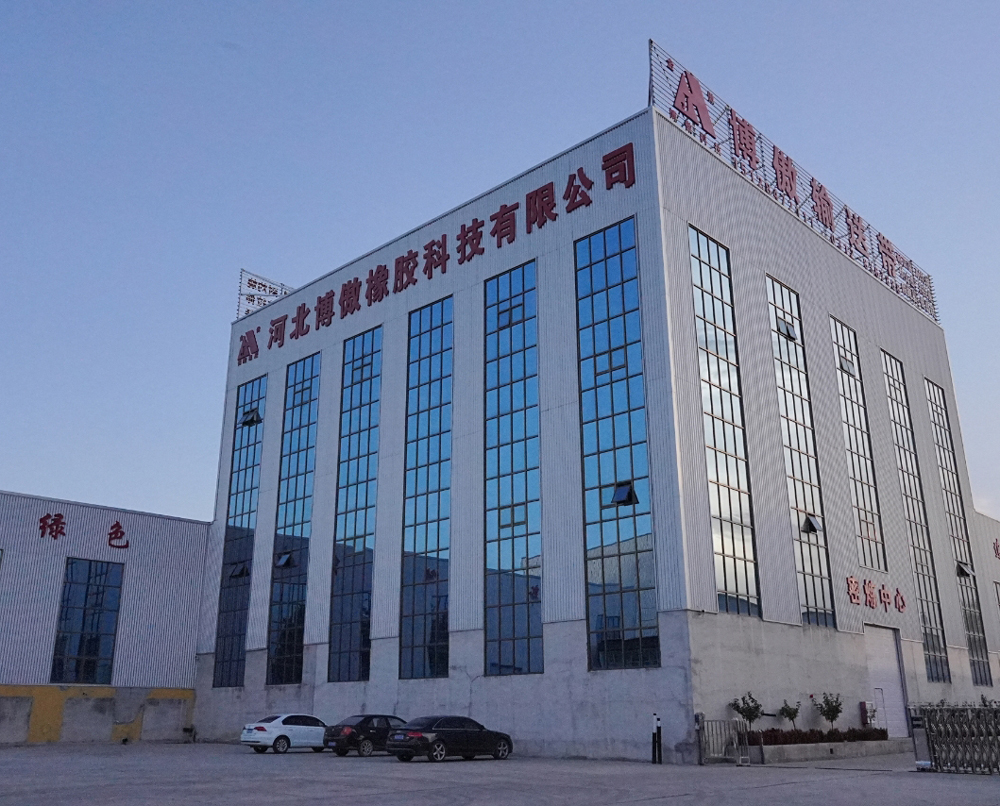
Leveraging 22 Years of Technical Innovation to Deliver World-Class Rubber Compounds and Supporting Infrastructure.
Located in the heart of the Rubber Industrial Park of Boye County, Baoding, Hebei Province, our manufacturing facility has driven heavy-duty bulk handling technology since 2004. Spanning more than 30 acres of modern production floor, we manufacture under our signature brand "Jinao".
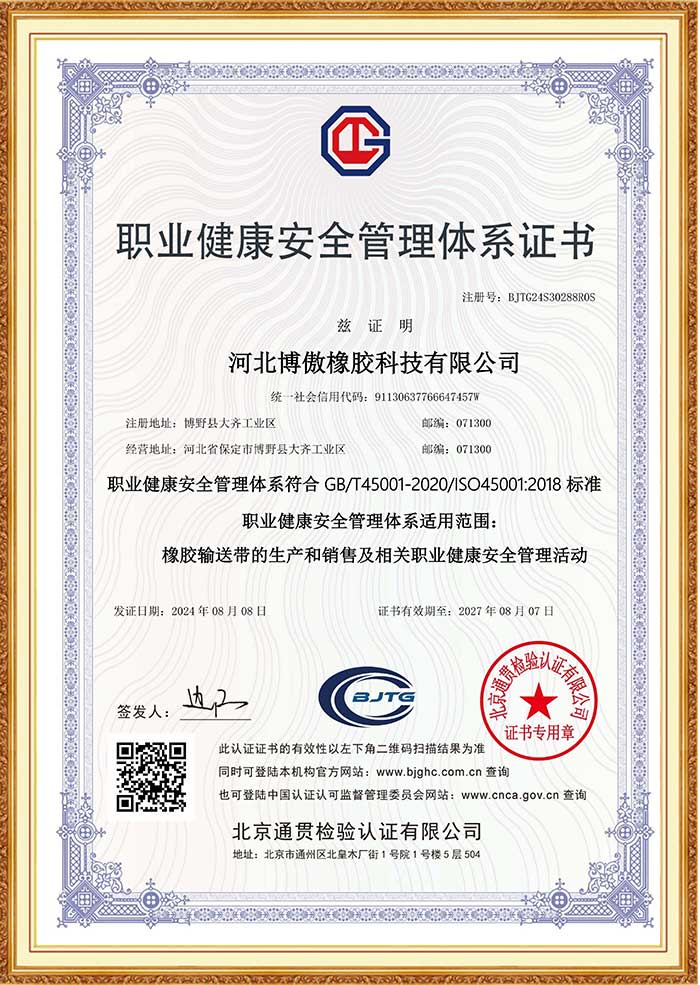
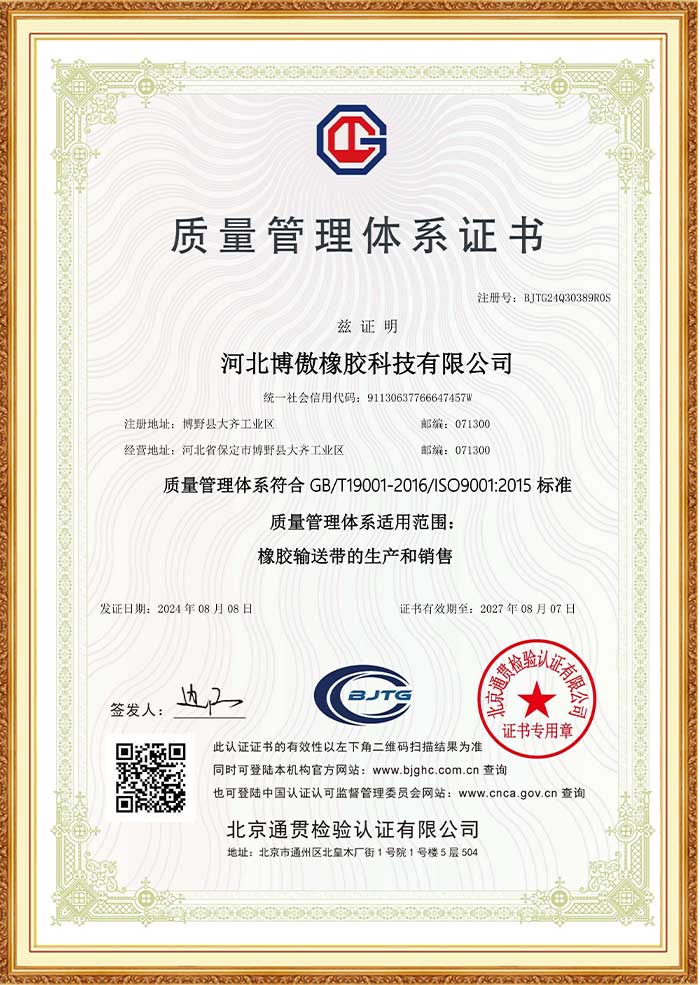
Our operation integrates core R&D, structural design, rubber compound vulcanization, and complete post-sale support. Boao has passed the international quality management system certification, guaranteeing structural reliability from raw elastomer selection to final high-tension pulling tests.
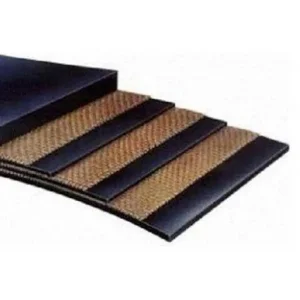
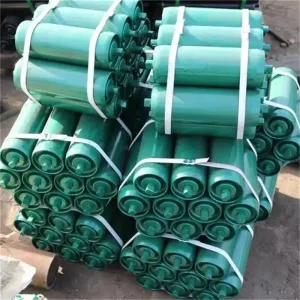
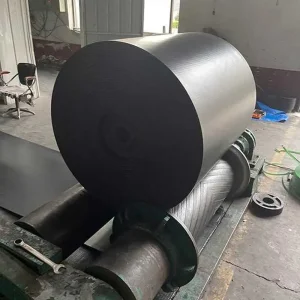
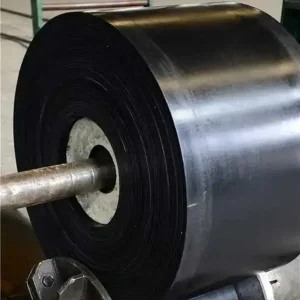
With multi-million dollar rolling, calendering, continuous vulcanization, and material testing facilities, we support leading mineral groups, steel mills, and infrastructure builders worldwide. Our product portfolio includes textile fabric belts (NN, EP, PP), heat-resistant compounds, high-angle corrugated sidewall lines, steel wire rope core designs, and matching rollers, idlers, brackets, and pulleys.
Years of R&D Excellence
Acres Factory Area
Quality Certified Production
Raw Material to Product Testing
Integrated Engineering, Precise Material Science, and Global System Logistics.
We maintain an in-house chemical analysis room and structural testing facility. We run continuous stress, abrasion, heat aging, and chemical exposure tests on every raw polymer and steel cord run. Unqualified raw inputs never reach production, and finished belts only ship after passing strict QC approval.
Our inspectors operate digital peel-testing machines, steel cord pull-out testers, dynamic fatigue testing rigs, and high-precision abrasion instruments. This ensures our rubber covers maintain tensile strength and adhesion ratings that exceed standard ISO 15236 and DIN 22102 benchmarks.
Supported by a comprehensive technical support network, Jinao brand components are used widely across China and exported globally. Our heavy-duty configurations are designed to withstand challenging environments in steelworks, ports, coal mines, cement plants, and fertilizer factories.
Precision manufacturing guarantees long-term durability and dynamic performance for high-load systems.
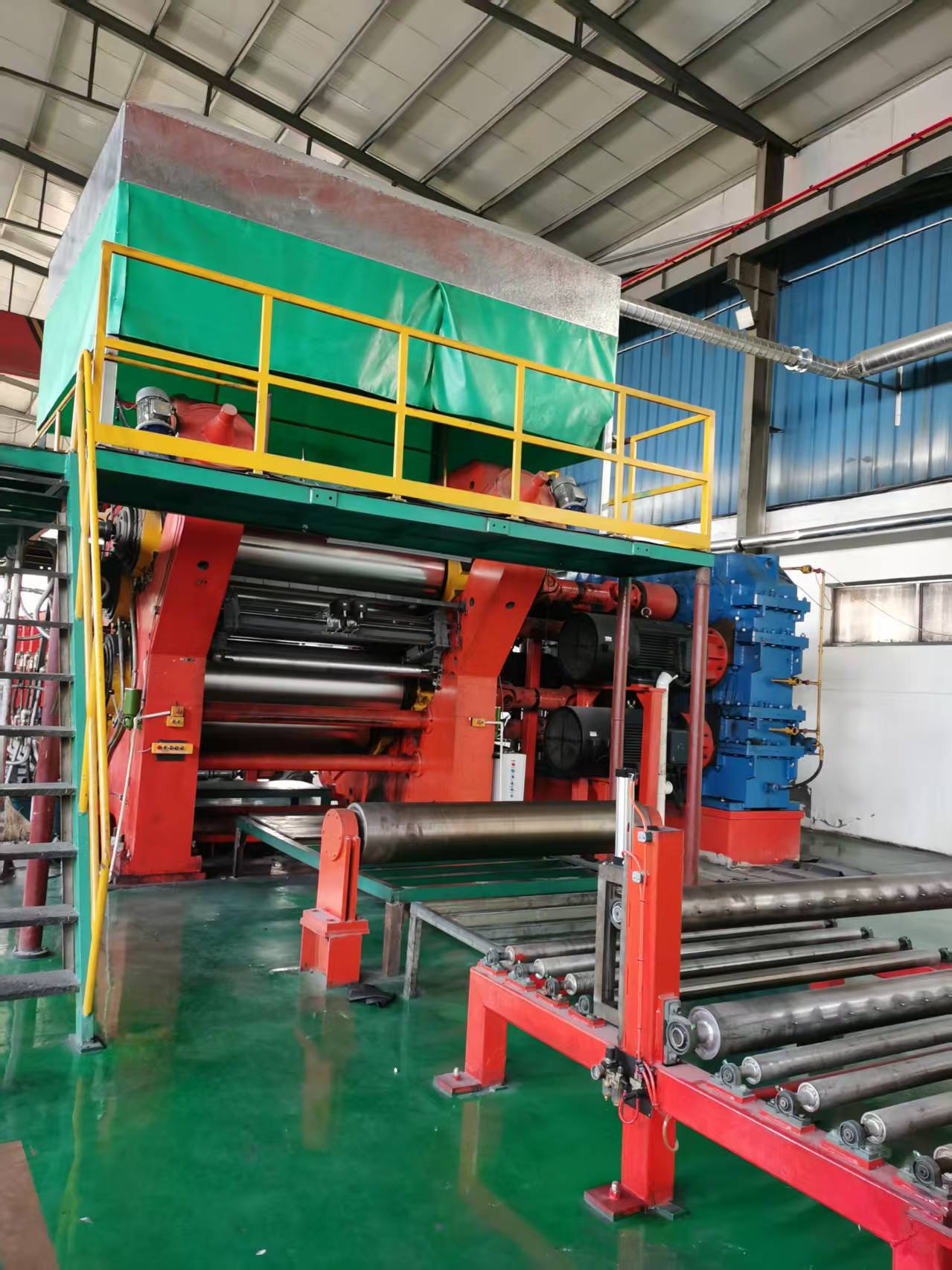
Fabric Belt Production Line
Steel Cord Belt Production
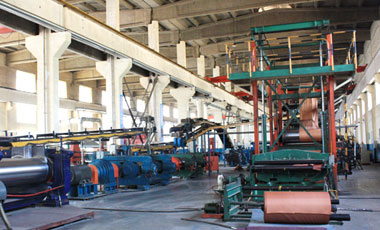
Calendering & Shaping
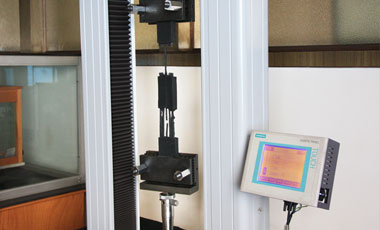
Steel Cord Pull-out Test
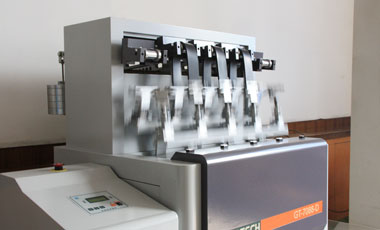
Dynamic Fatigue Tester
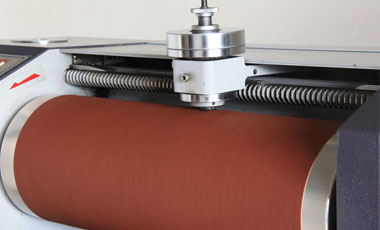
Abrasion Tester
Custom-engineered rubber belts designed for demanding industrial operations.
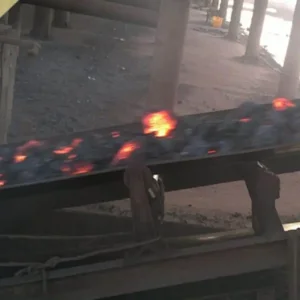
Transporting hot sinter, coke, and iron ore requires heat-resistant conveyor covers. Our specialized formulations withstand temperatures up to 250°C (with peak resistance to 500°C), preventing surface cracks and maintaining high carcass adhesion.
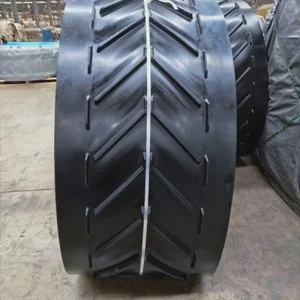
Lifting heavy gravel, crushed limestone, and hot clinker at steep inclinations demands high-angle corrugated sidewall and Chevron patterned belts. These designs prevent material rollback and keep transfer rates consistent.
Safety is critical in underground mining. Our flame-retardant (FR) rubber conveyor belts pass international fire propagation, electrical resistance, and anti-static standards (e.g., MSHA, EN 12882) to prevent underground hazards.
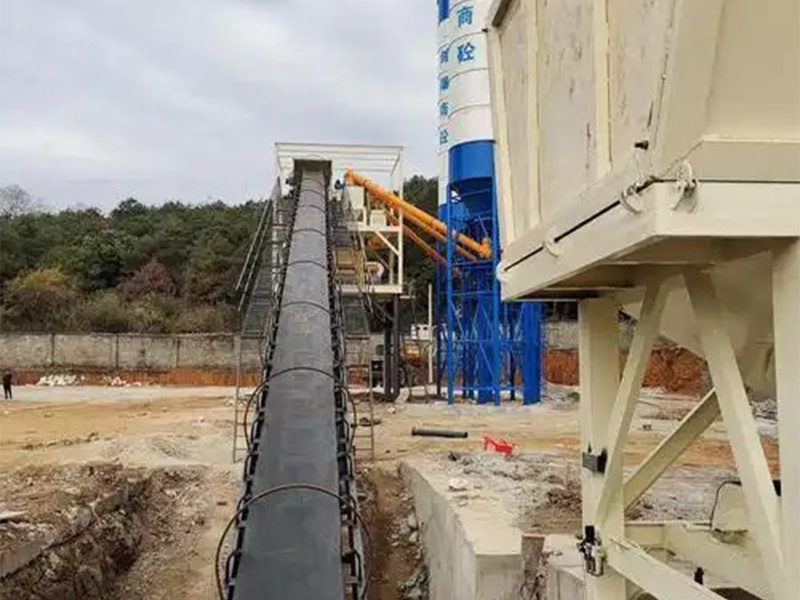
China Railway Mixing Plant
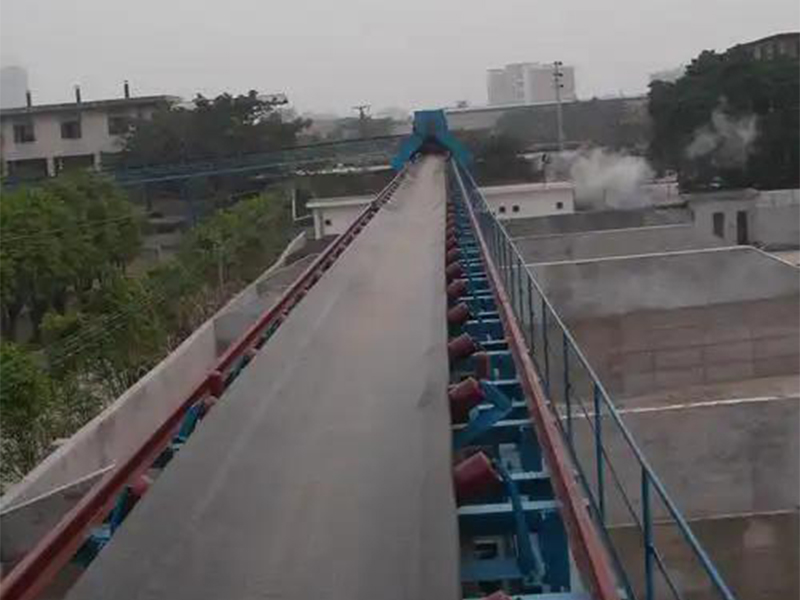
Conch Cement
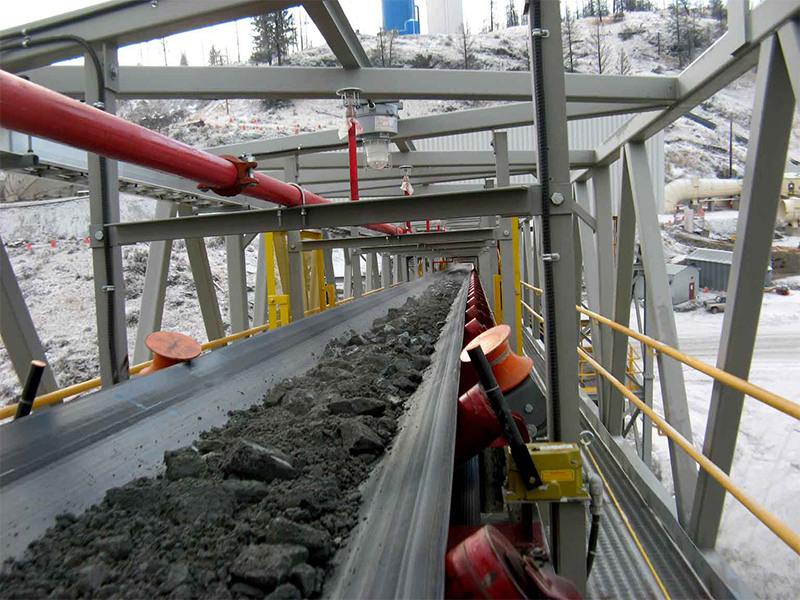
Datong Coal Group
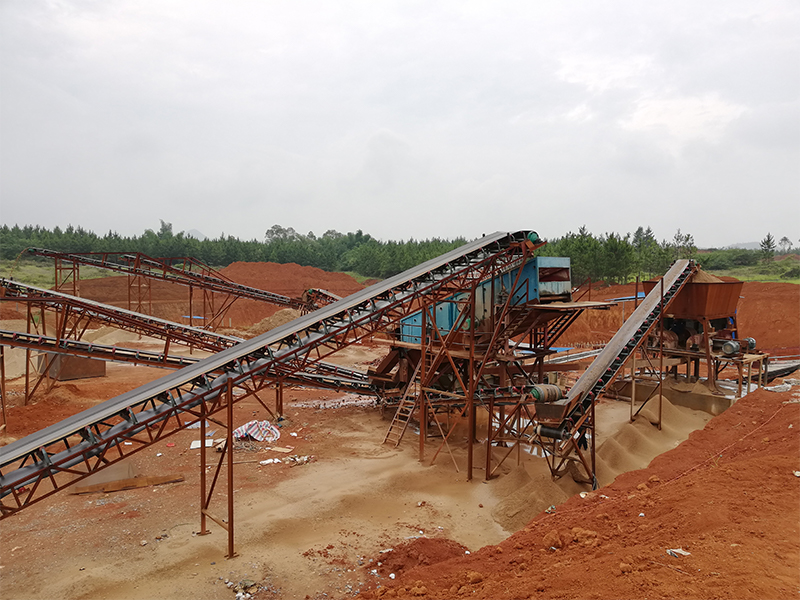
Tsingshan Group
Comprehensive engineering services designed to minimize downtime, extend belt life, and optimize throughput.
Our commitment goes beyond product delivery. Hebei Boao Rubber provides engineering support to keep your conveyor systems running efficiently, including system evaluations, custom carcass calculations, and emergency field services.
We analyze conveyor angles, structural loads, motor power, pulley diameters, and abrasive wear factors to recommend the correct textile or steel carcass density.
We work with major operations to maintain safety stock, ensuring replacement belts are ready to ship and minimize planned shutdown periods.
We supply matching unvulcanized cover compounds, tie gums, and splicing cement to ensure field joins match the strength of the original belt.
Our engineers provide training and visual inspection checklists to monitor cover wear, alignment issues, and edge damage before they cause system downtime.
Next-generation material science and smart monitoring for vertical conveying systems.
Power consumption accounts for a significant portion of conveyor operating costs. Our R&D team is engineering LRR rubber compounds that reduce energy draw by minimizing indentation loss as the belt passes over idlers. This technology can reduce power usage by up to 15% on long-distance vertical and incline systems.
Unexpected belt rips can lead to costly downtime. Future high-tension steel cord conveyor lines will increasingly feature integrated electromagnetic loops and RFID chips. These sensors communicate directly with system controls to stop the conveyor immediately if a tear is detected, preventing catastrophic failures.
We are continually updating our manufacturing processes to lower VOC emissions and incorporate sustainable materials, ensuring compliance with global environmental regulations and helping clients meet green supply chain targets.
Expert answers on specification, selection, and maintenance for vertical and steep-slope conveyor lines.
For high-rise, long-distance vertical conveying, steel wire rope core carcasses are generally recommended because of their high tensile strength and minimal elongation under load. For short to medium lifts, multi-ply nylon (NN) or polyester (EP) fabric carcasses provide excellent impact resistance and flexibility at a lower weight.
Wavy edge sidewall belts feature corrugated vertical rubber barriers and horizontal cleats vulcanized to the base belt. This design creates pockets that securely hold loose bulk materials, allowing for steep incline and vertical transport up to 90° without rollback.
For highly abrasive materials like quartz, iron ore, and sinter, belts should be specified with DIN X or DIN Y cover grades (or ISO equivalent H and D grades). These compounds are formulated to resist cutting, gouging, and surface wear under high-impact conditions.
Standard heat-resistant belts are classified by the maximum continuous temperature of the material they transport: T1 (up to 125°C), T2 (up to 150°C), T3 (up to 175°C), and T4 (up to 250°C). Exceeding these limits causes the rubber cover to harden and crack, leading to premature belt failure.
Contact Hebei Boao Rubber today. Our technical team is ready to assist with sizing calculations, customized compounding, and project quotes.
Inquire Now & Request QuoteComplete your material handling systems with durable, factory-direct components from Hebei Boao.
 Boao Rubber