Explore our heavy-duty industrial conveyor systems designed for extreme temperature, high load, and maximum longevity.
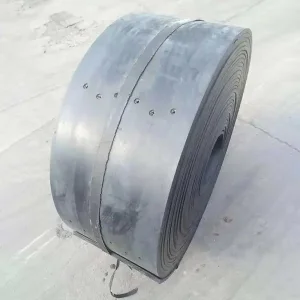
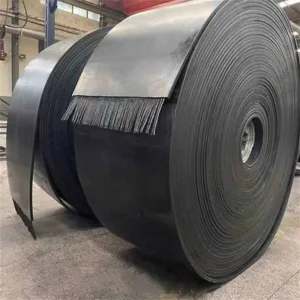
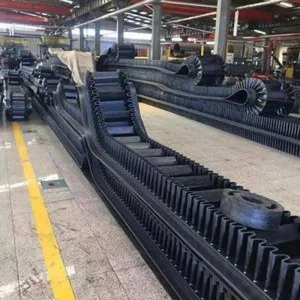
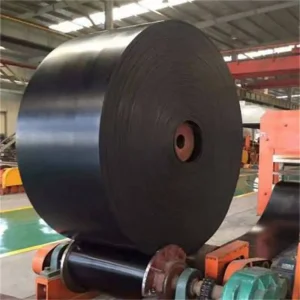
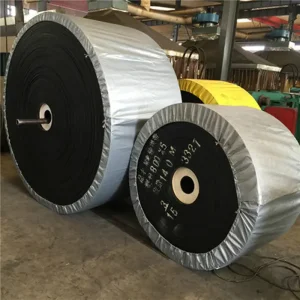
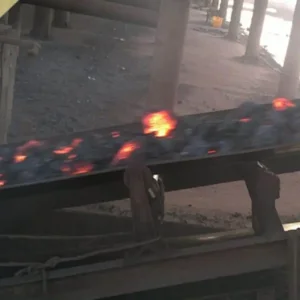
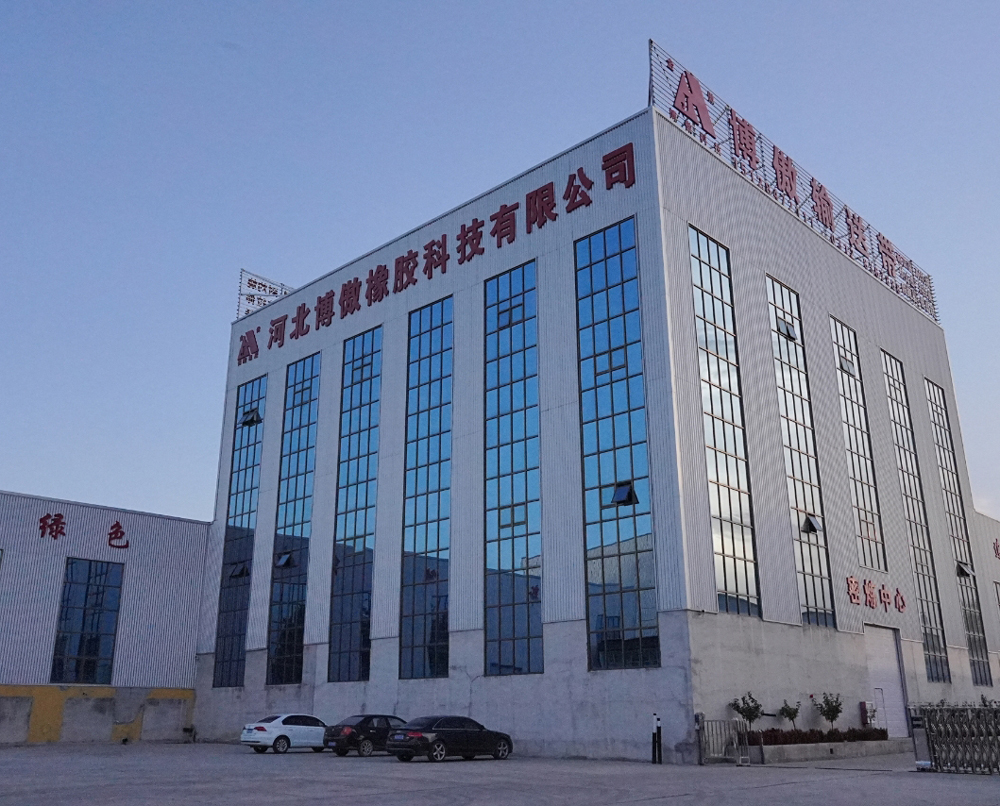
Hebei Boao Rubber Technology Co., Ltd. is strategically located in the premier Rubber Industrial Park of Boye County, Baoding City, Hebei Province. Founded in 2004, our manufacturing facility spans over 30 acres of state-of-the-art production assets. Under our signature brand name "Jinao", we have earned global acclaim as an integrated enterprise specializing in research, chemical development, customized structure designs, precision manufacturing, and professional support for industrial flat rubber belts and conveying machinery components.
We operate highly automated production lines handling everything from raw elastomer compounding, calendar forming, to heavy vulcanization. Our plant ensures absolute control over molecular cross-linking levels, heat tolerances, and tensile dynamics. Driven by a mission of zero-defect outputs, we passed the international quality management certifications in our early years, maintaining an uncompromised standard of performance for bulk material transporters worldwide.
Expert insights on material science advancements and technical breakthroughs driving the heavy industrial conveying sector.
In modern industrial logistics, the flat rubber conveyor belt is no longer treated as a simple consumable; it is a critical artery of bulk transport engineering. Innovations in chemical compounds and structural geometry have yielded remarkable longevity enhancements, helping global bulk transport operations minimize downtime. Specifically, trends focus on key material categories:
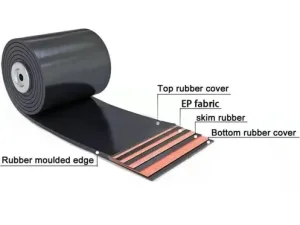
Integrating high-strength nylon (NN) and polyester (EP) weaves drastically cuts elongation over long spans, ensuring dimensional stability under dynamic load stresses.
Utilizing high-content EPDM polymers allows flat rubber belts to convey hot sinter, cement clinker, and chemical fertilizers up to 400°C without core cracking.
Modern coal transport demands strict compliance with safety norms (ISO 340 / EN 12882). Compounding rubber with aluminum trihydrate ensures self-extinguishing safety.
The core of any durable flat rubber belt lies in its compound chemistry. By leveraging high-purity natural rubber mixed with synthetic polymers (SBR, NBR, and EPDM), manufacturers customize mechanical properties. Excellent tear propagation resistance, combined with low rolling resistance compounds, can decrease the motor energy draw of long-line conveyor systems by up to 12%. Advanced carbon black dispersion protects the internal fabric carcass from shearing forces, optimizing the dynamic life cycle under stress.
Addressing the complex supply chain demands of international engineering firms and industrial distribution networks.
Global procurement teams face challenges such as material quality fluctuations, delivery delays, and design mismatch. At Hebei Boao Rubber Technology, we counter these challenges by organizing our services around three core principles:
From initial raw material tests to final vulcanized rubber peel tests, our independent physical and chemical laboratories monitor quality parameters. Every roll receives a comprehensive certificate detailing mechanical property compliance before shipment.
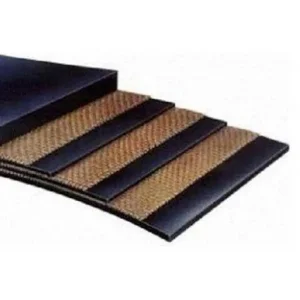
No two operations are identical. We design belt systems based on custom carcass structures (polyester EP, nylon NN, steel cord), cover thickness ratios, and customized edge contours to resolve issues like belt slip and material spill.
| Belt Grade (DIN 22102) | Tensile Strength (N/mm) | Elongation at Break (%) | Abrasion Loss (Max mm³) | Typical Industry Use Cases |
|---|---|---|---|---|
| Grade W | 315 - 2500 | ≥ 450% | 90 | Extremely abrasive materials (quartz, large ore pieces, metallic slag) |
| Grade X | 200 - 3150 | ≥ 400% | 120 | Heavy limestone, coal silos, sharp gravel, iron pellet transport |
| Grade Y | 150 - 2000 | ≥ 400% | 150 | General packaging, grains, fertilizers, wood chips, soft coal |
| Heat Resistant (T3) | 400 - 2500 | ≥ 350% | 180 | Cement plant clinker, steel foundry slag, sintering furnaces (< 200°C) |
How Jinao Brand flat rubber belts solve material flow challenges across the world's most demanding sectors.
Sintering and blast furnace feeding demand reliable heat-resistant belts. Our EPDM formulation stands up to cracking, maintaining structural integrity and preventing splice failure under heavy thermal loads.
High impact and sharp rock shards cut through standard belts. We supply multi-ply steel cord reinforced belts with impact-absorbing rubber cushions to protect against punctures.
Abrasive dust and heavy continuous operations test belt edge wear. Our vulcanized edge designs prevent ply separation, maximizing performance in cement elevators.
Our flat rubber belts serve critical infrastructure worldwide, moving heavy ores, raw chemicals, agricultural products, and energy resources. By offering customized solutions for each industry, we help clients avoid unexpected failures and run efficient material handling systems.
A look at our testing processes, proving our dedication to delivering reliable flat rubber belts.
Our Quality Assurance process begins with testing raw compounds. We check vulcanization dynamics, polymer cross-link density, and carbon black distribution before production starts. Raw rubber that fails to meet our internal specifications is rejected immediately.
Our testing facilities evaluate finished conveyor belts under severe simulated field conditions. This includes high-load pull testing, flex-fatigue tests, and thermal aging chambers. We verify that our multi-ply adhesion forces exceed DIN standard requirements, which helps prevent ply separation over long operational periods.
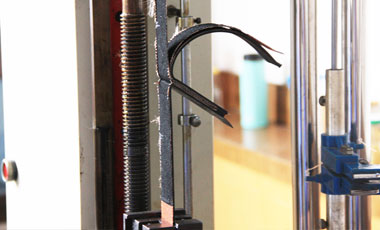
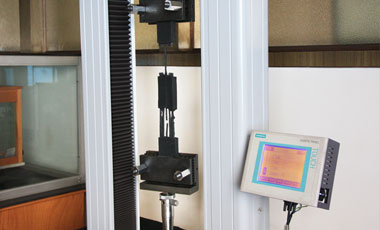
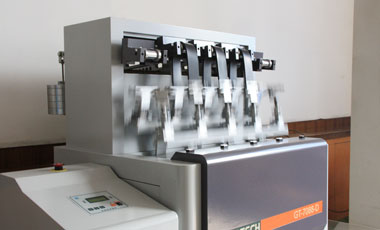
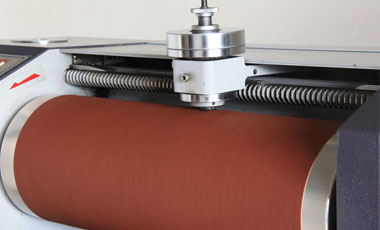
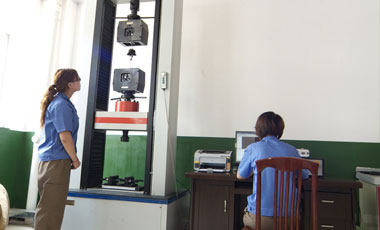
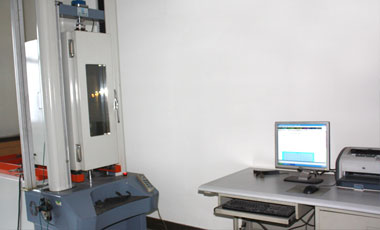
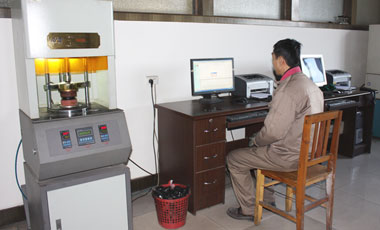
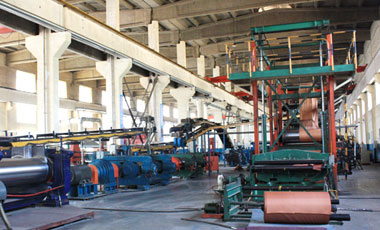
Our automated production facilities handle industrial compounding and heavy vulcanization to maintain consistent product quality.
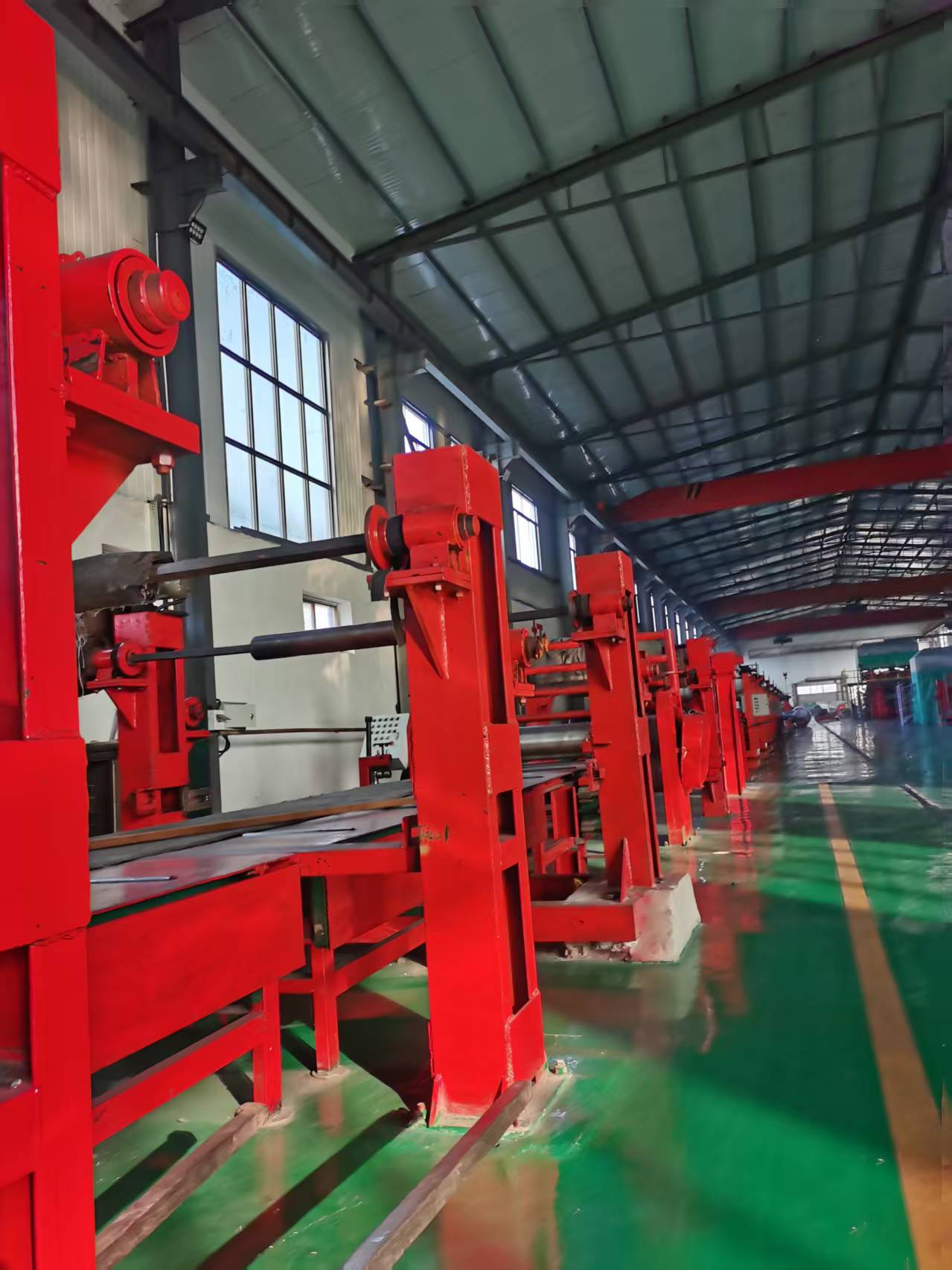
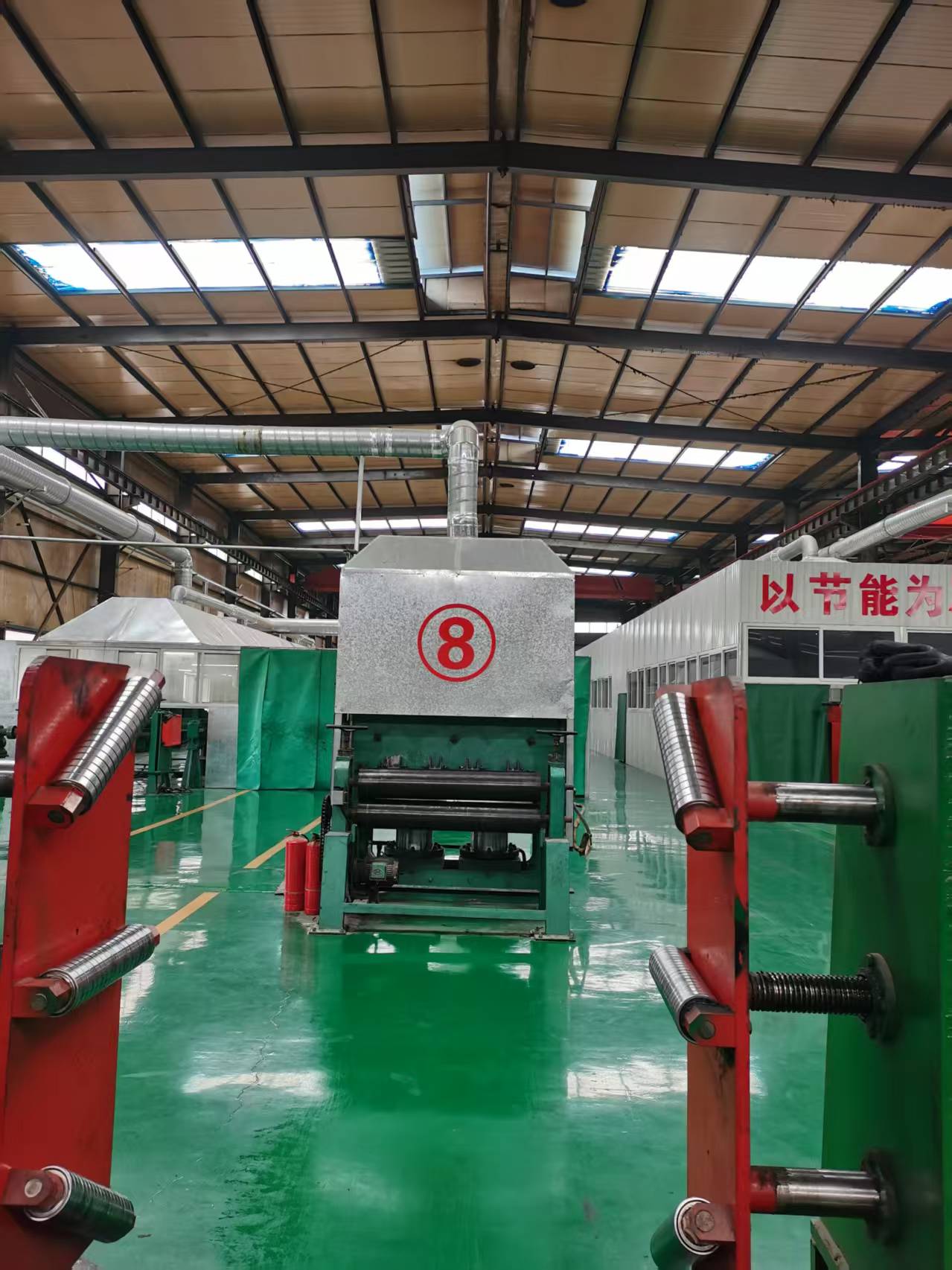
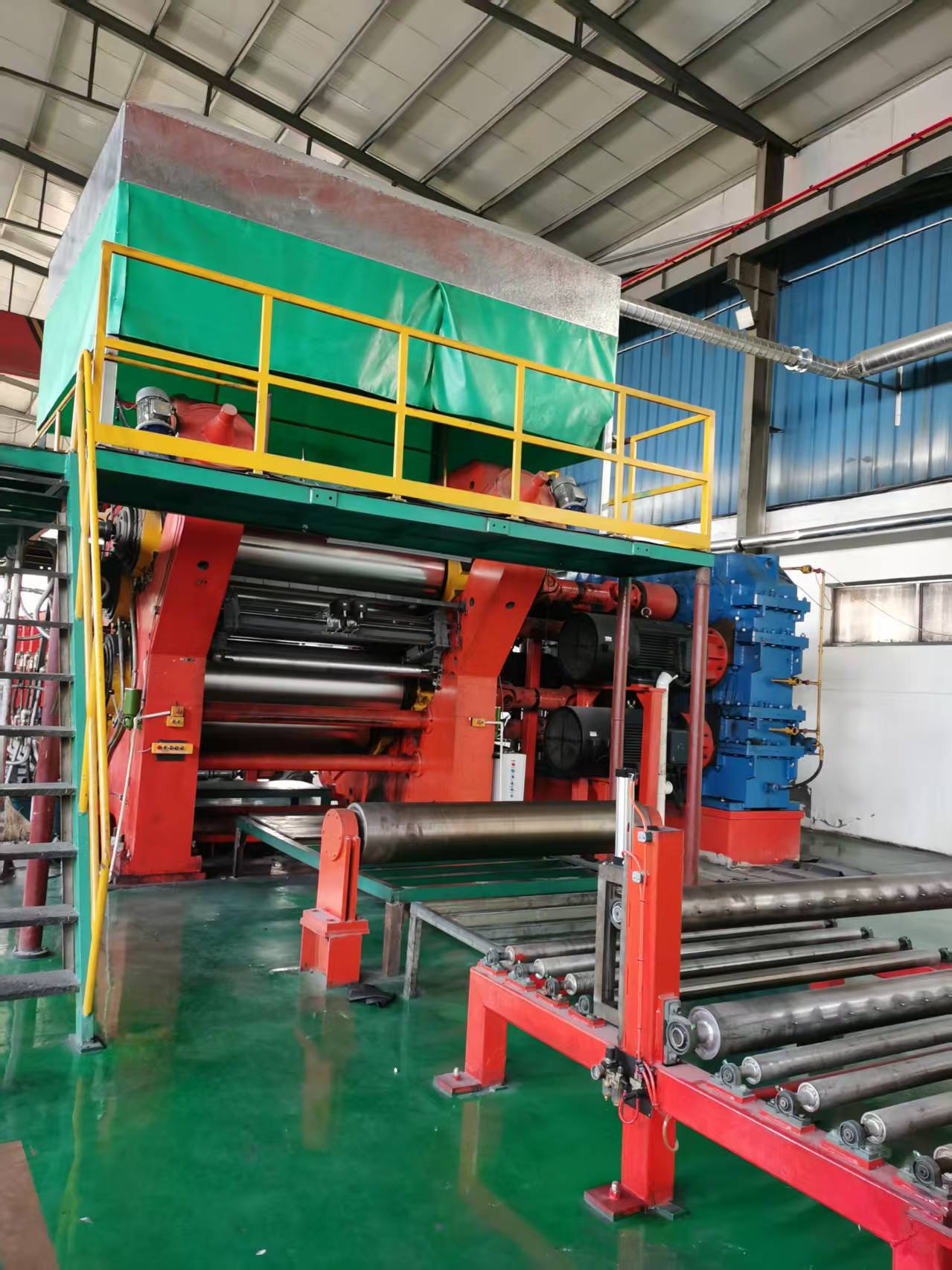
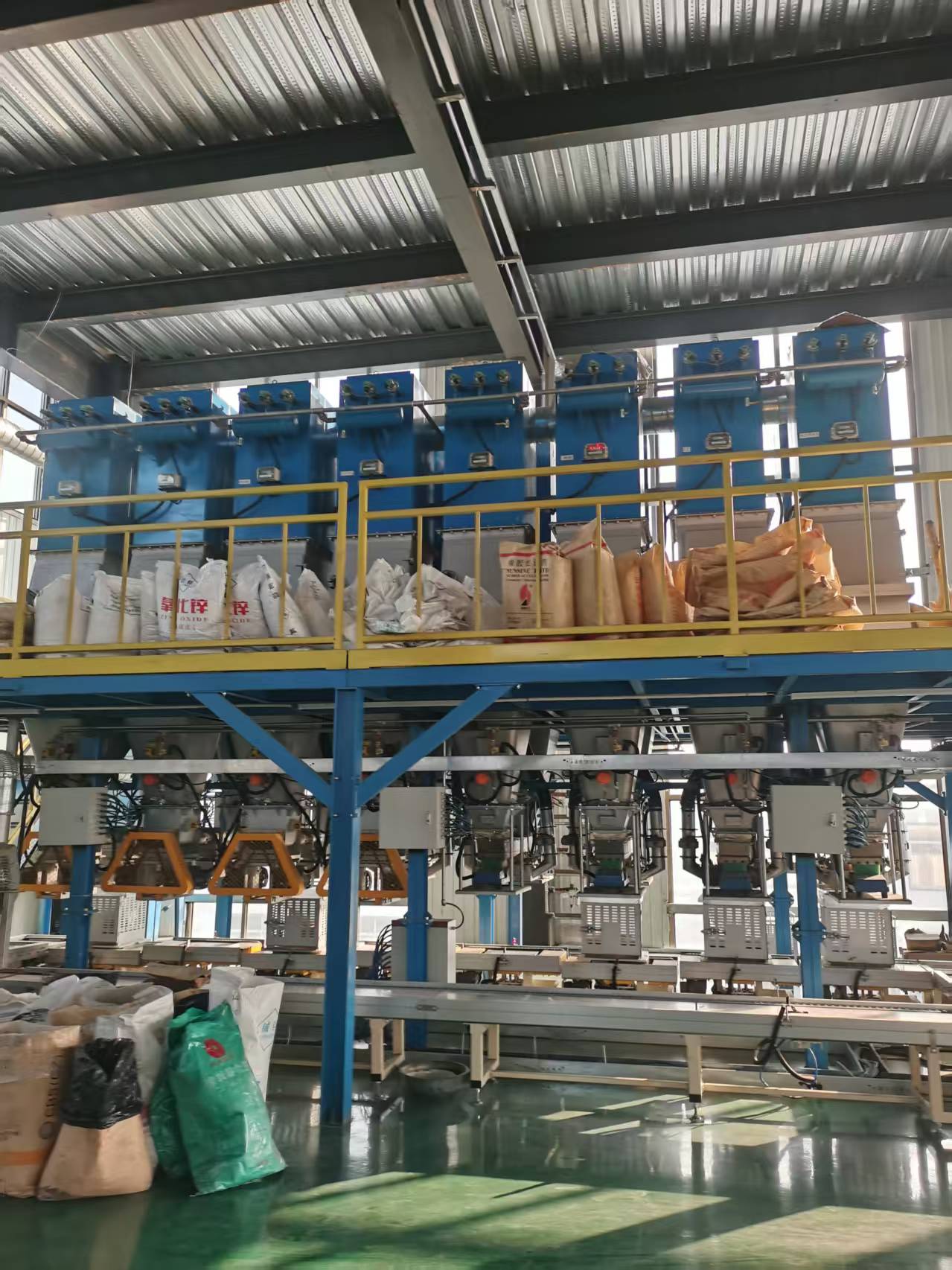
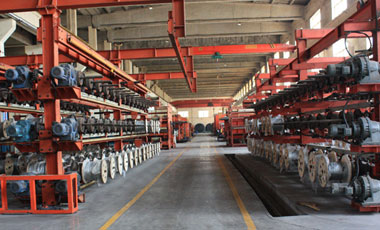
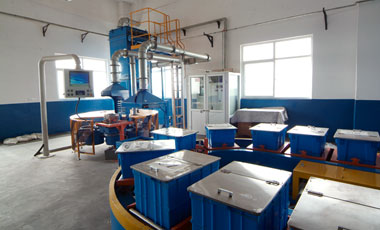
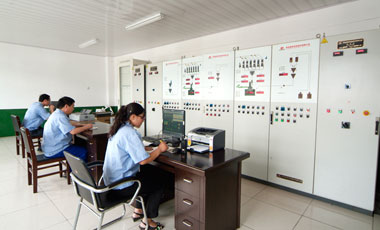
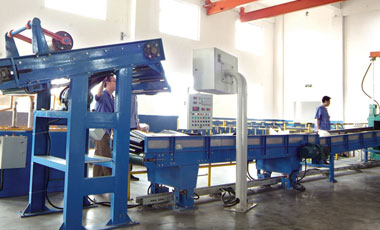
Our modern infrastructure includes a computerized compound dosing center, a high-pressure continuous vulcanizing press, and automated width-slitting lines.
Protecting your equipment investment through professional support, proactive servicing, and spare parts management.
We work closely with clients beyond the initial sale. Our engineering team provides support and guidance throughout the service life of our flat conveyor belts:
Unplanned downtime can be costly. To address this, we offer replacement guidelines and onsite splice kits. Our service standards are designed to extend the life of your conveyor belts, helping you lower operational costs and improve material handling efficiency.
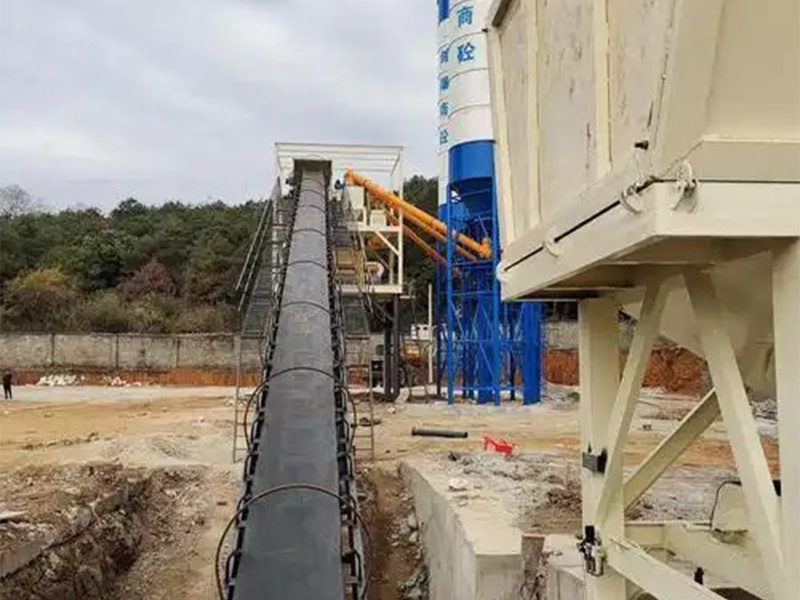
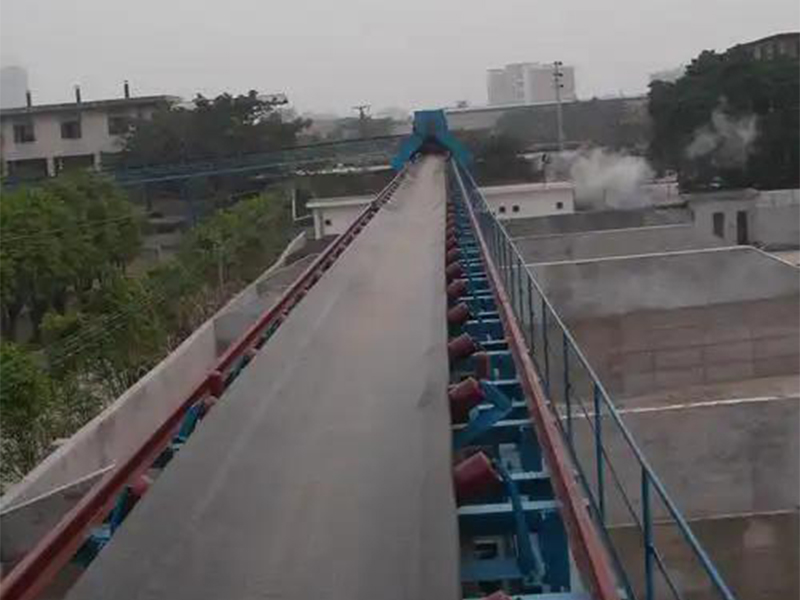
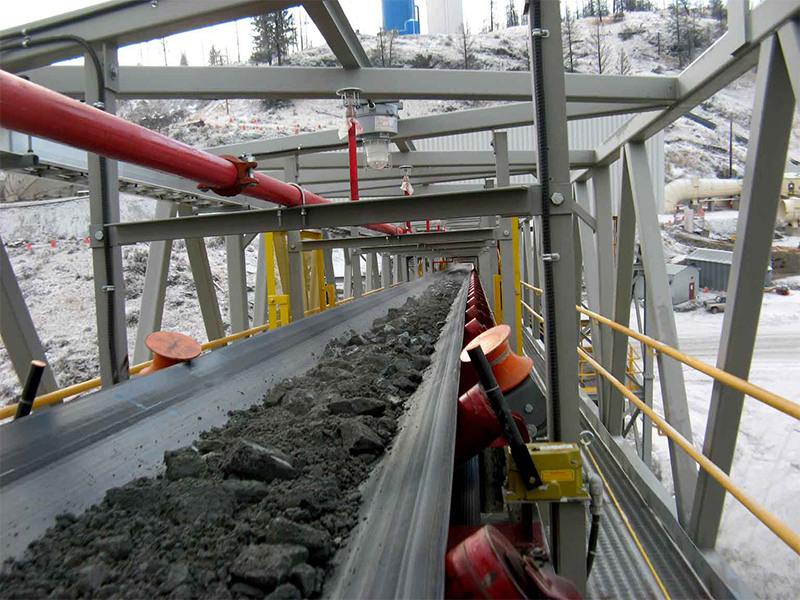
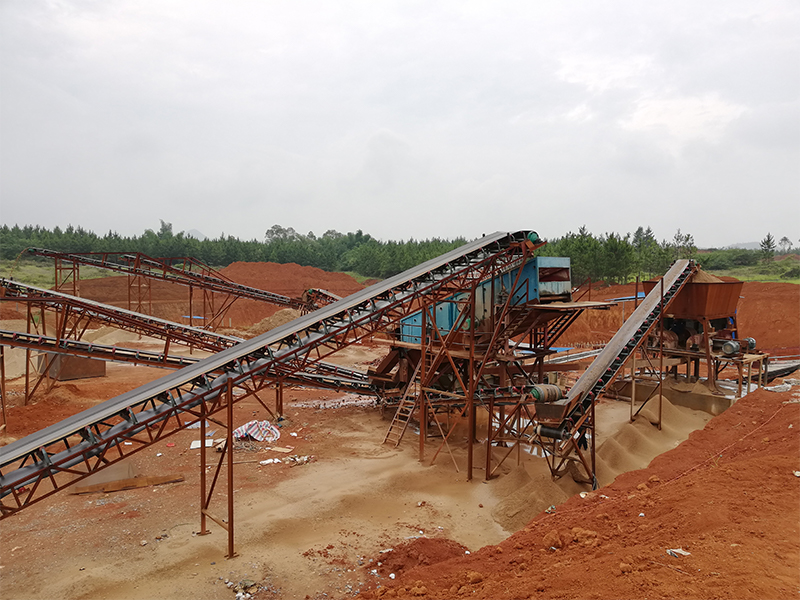
Our products have been put to the test in high-capacity operations across metallurgy, construction, mining, and bulk transit sectors.
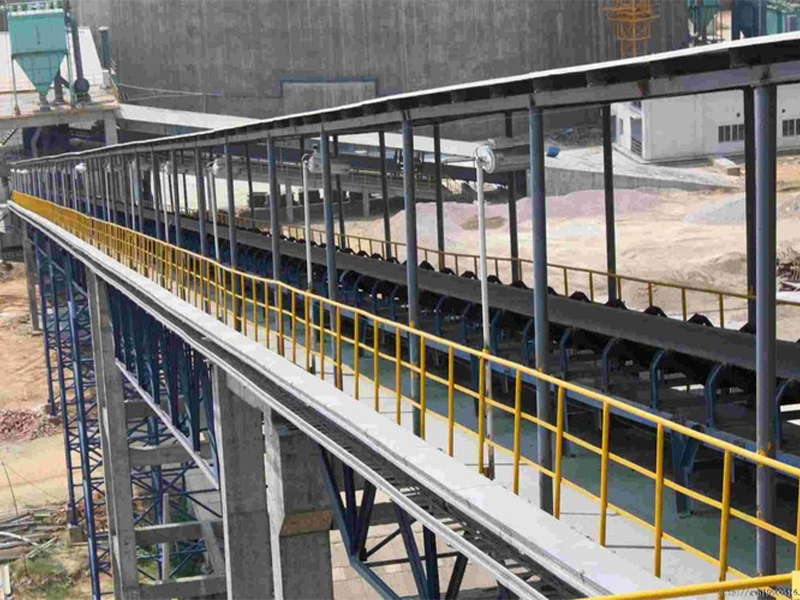
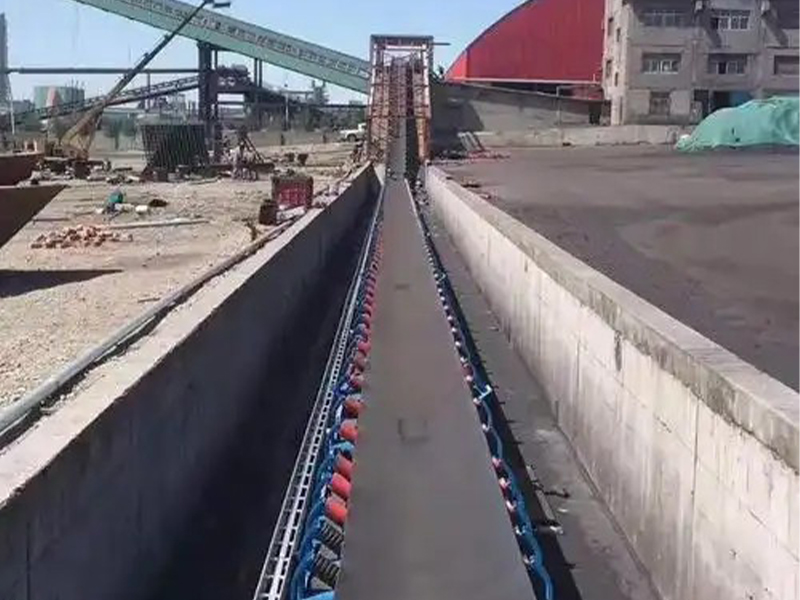
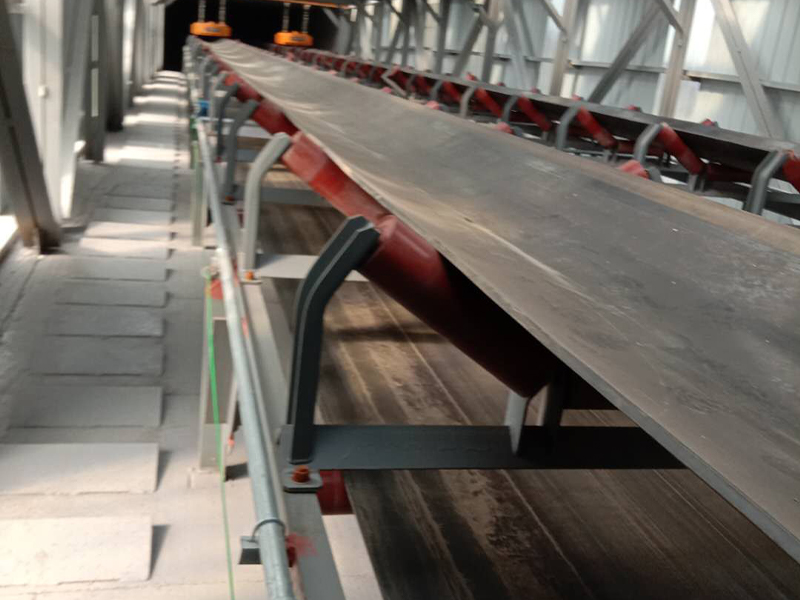
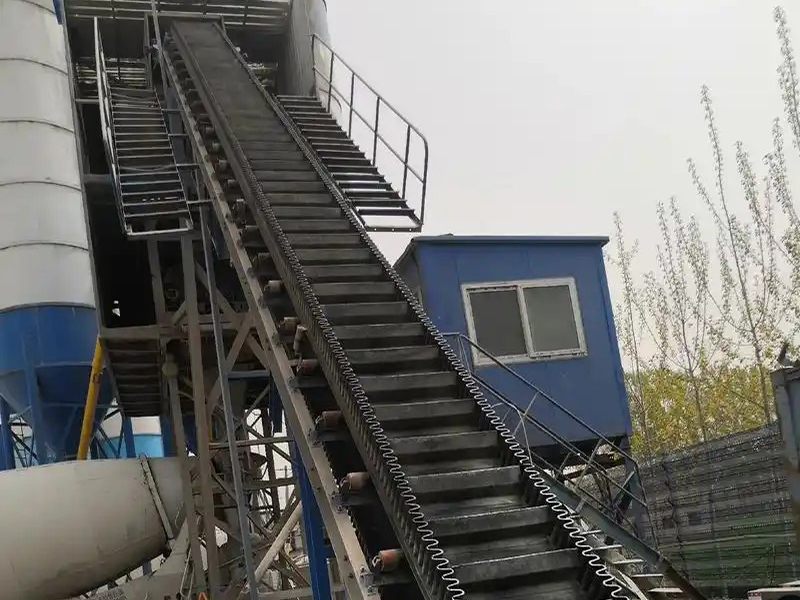
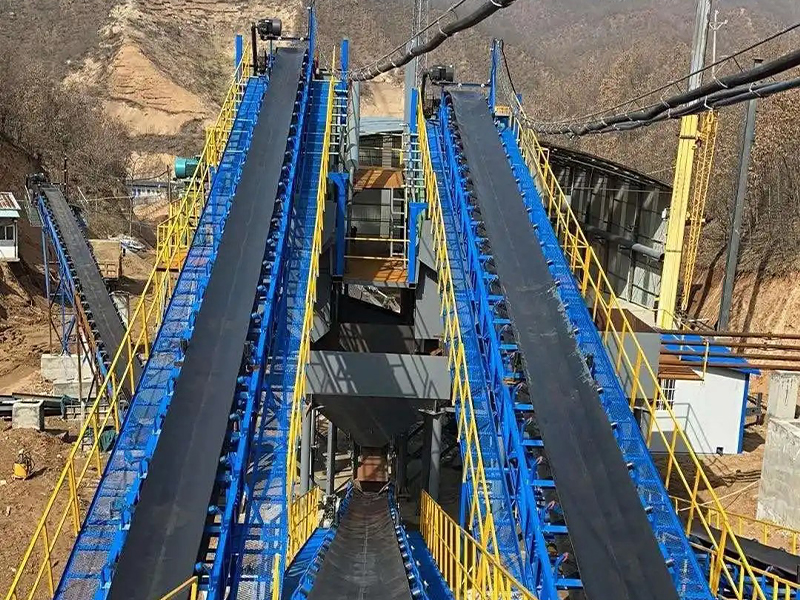
Our commitment to continuous research, helping you prepare your conveyor networks for next-generation performance requirements.
The material handling sector is transitioning toward smarter, more sustainable, and energy-efficient designs. Our R&D efforts focus on several upcoming technologies to improve our conveyor belt systems:
We are testing aramid-matrix reinforcements to deliver high tensile strength at a lower weight. These belts are designed to reduce structural strain and lower energy use in long-distance, high-lift operations.
We are developing belts with integrated sensor loops. These systems track carcass wear and splice health, sending real-time alerts to maintenance teams to help prevent unexpected belt tearing.
By focusing on advanced compounds and structural designs, we aim to lower roll resistance, extend wear life, and reduce the total cost of ownership for our global partners.
Connect with our technical engineers to discuss material compatibility, custom width requirements, and bulk pricing schedules.
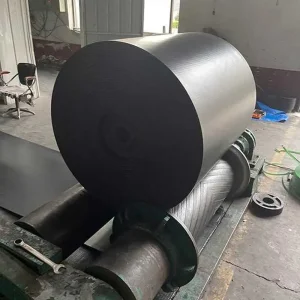
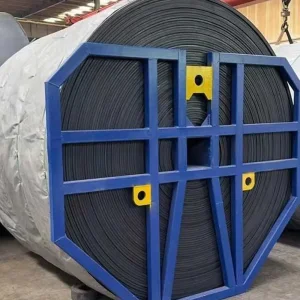
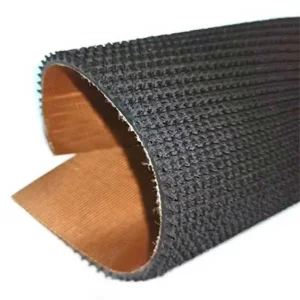
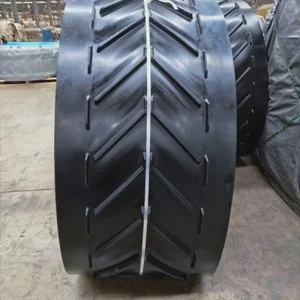
Browse our range of patterned, reinforced, and specialty flat rubber belts engineered for various industrial conveying challenges.
Get answers to common engineering and sourcing questions about conveyor belt design, installation, and performance.
 Boao Rubber