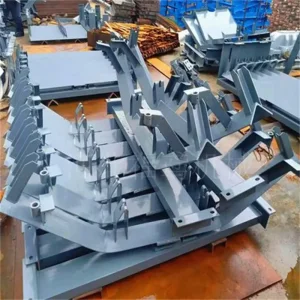
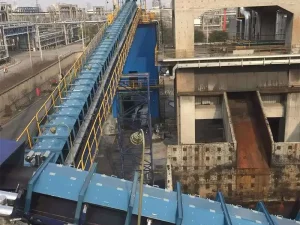
Explore our highly integrated dynamic material handling conveyor belts, rollers, and custom drive components built to standard specifications.
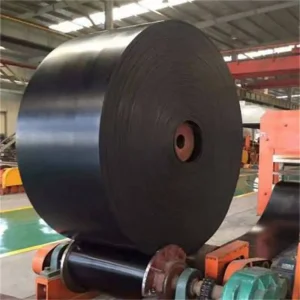
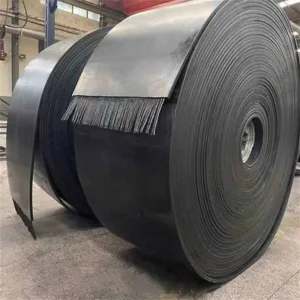
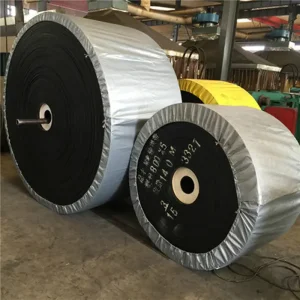
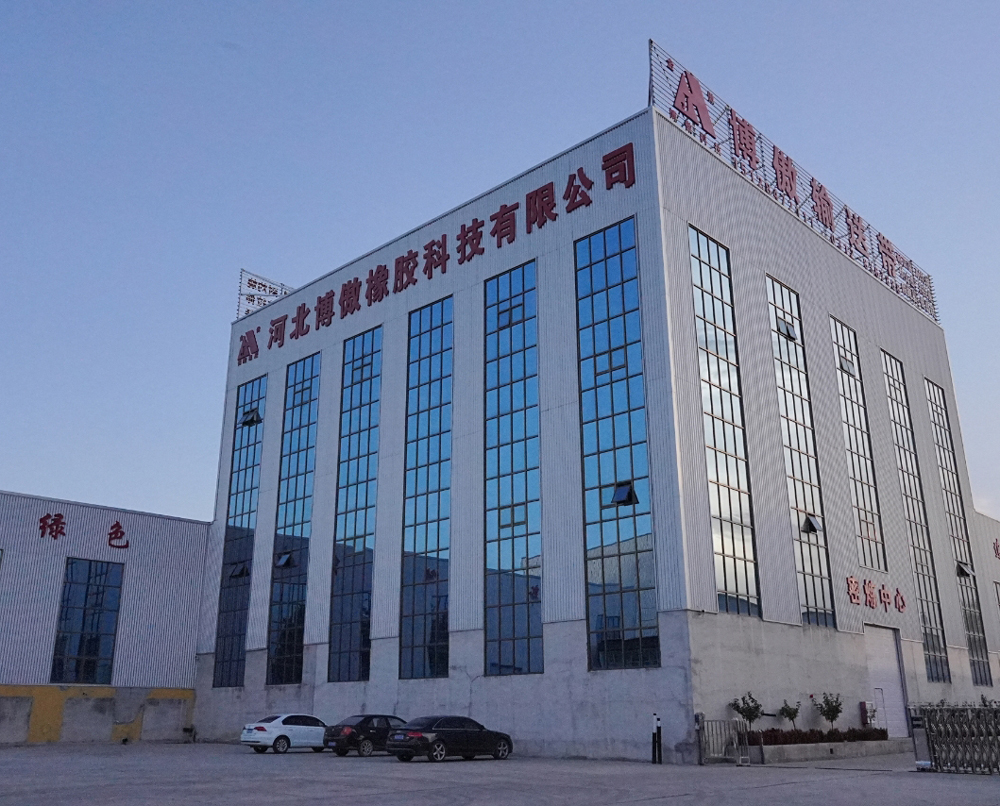
Hebei Boao Rubber Technology Co., Ltd. is located in the prestigious Rubber Industrial Park of Boye County, Baoding, Hebei Province, the geographic heart of China's heavy-duty industrial conveyor belt fabrication sector. Established in 2004 and stretching across a modern manufacturing footprint of over 30 acres, our plant is built on a foundation of scientific rubber synthesis, state-of-the-art curing technology, and advanced structural design.
Under our proprietary flagship brand "Jinao", we have developed a comprehensive material handling pipeline integrating engineering design, raw material synthesis, chemical compounding, thermal vulcanization, and systematic field deployment. In an industry where reliability is paramount, Boao has achieved full validation through one-step passing of the international ISO quality management system certification, emphasizing our commitment to operational consistency and zero-defect output.
Our facility houses world-class machinery, including automated multi-roll calenders, heavy continuous vulcanization lines, and dedicated material laboratories capable of characterizing physical elastomer attributes from raw compound up to complete finished conveyor systems.
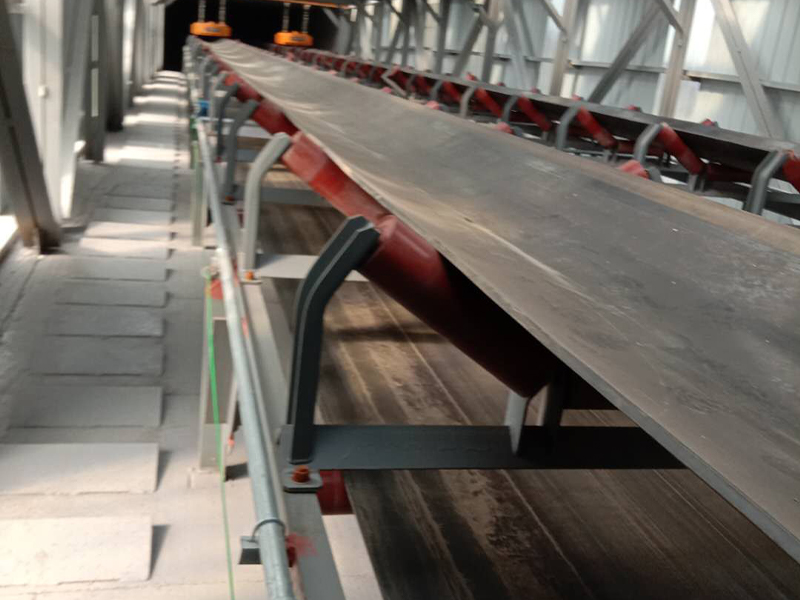
Delivering high-reliability wear solutions for challenging industrial bulk material handling environments.
The company operates an independent chemical analysis center and physical dynamics laboratory. Every compound batch undergoes testing before entering the processing calender, preventing raw material non-conformity and securing physical properties.
Dedicated process control inspectors monitor each processing stage, from automated carbon black feeding and initial mastication to calender ply-lamination and high-temperature curing, ensuring compliance with international target specifications.
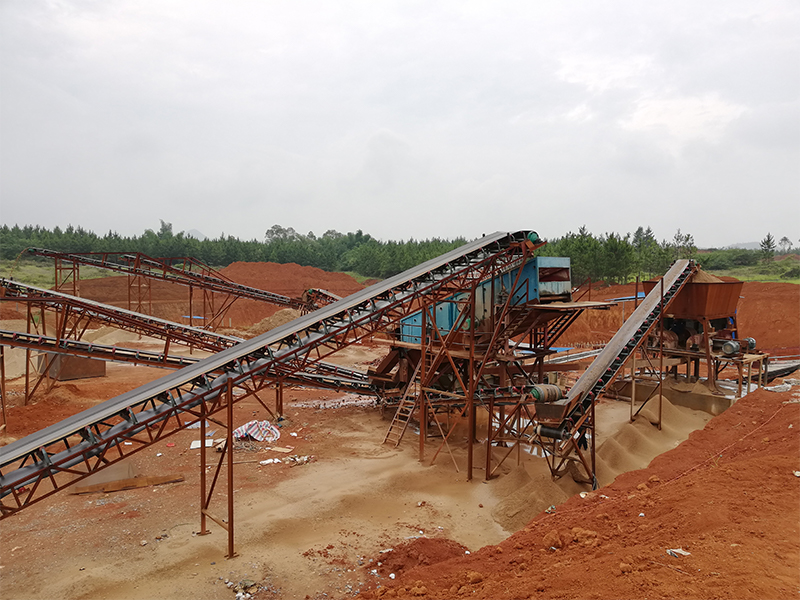
Supported by an experienced engineering department and responsive technical sales, our products are widely integrated in steel plants, coal mines, cement plants, thermal power stations, ports, and processing facilities globally.
An In-Depth Engineering Analysis of Rubber Pulley Belting and Bulk Conveyor System Optimization
At the center of any industrial conveyor system is the transfer of mechanical force between the driving pulley and the rubber conveyor belt. This relationship is defined by Euler's tension formula (the belt friction equation):
T1 / T2 ≤ eμθ
Where T1 represents the tight-side tension, T2 represents the slack-side tension, μ is the friction coefficient between the pulley surface and the conveyor belt backing, and θ is the wrap angle. A low coefficient of friction or insufficient tension results in dynamic slippage, producing friction-induced heat, accelerating bottom cover wear, and leading to premature belt failure.
To optimize this interface, industrial engineers apply rubber or ceramic pulley lagging directly to the pulley shell. The diamond-groove or herringbone-patterned elastomeric lagging channels water and fines away from the pulley, maintaining the friction coefficient under damp or muddy conditions.
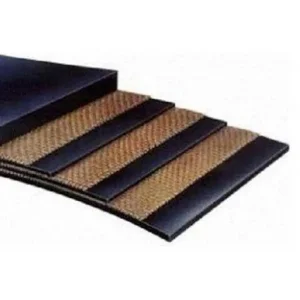
The operational profile of a heavy-duty rubber belt depends on its internal reinforcement (carcass) and the quality of its rubber covers. Covers are formulated using specialized polymer systems:
Modern industrial plants operate on continuous schedules. A component failure in a bulk terminal or coal preparation plant can result in significant operational losses. Consequently, the global supply chain demand for rubber pulley belts emphasizes high durability, standardized quality control, and rapid field support.
Industrial operations are increasingly standardizing around DIN 22102, AS 1332, and ISO standards to maintain global compatibility. Choosing a manufacturer that integrates raw compound synthesis with heavy vulcanizing presses allows operations to secure long-term durability and predictable operational parameters.
Engaging high-efficiency conveying solutions for every industrial requirement, manufactured to global standards.
| Conveyor Belt Category | Internal Reinforcement (Carcass) | Key Attributes | Common Applications |
|---|---|---|---|
| EP Conveyor Belt | Polyester / Polyamide Fabric | Low structural elongation, high dimensional stability, damp resistance. | Cement, bulk mining, grain hubs, metallurgy. |
| Nylon (NN) Rubber Belt | Polyamide Fabric (NN100 - NN400) | High elasticity, superior flex life, deep trough properties. | Hard rock mining, aggregate processing plants. |
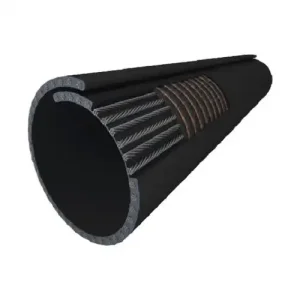
| Steel Wire Rope Core Belt | High-tensile zinc galvanized steel cords | High tensile strength, minimal elongation, long service life. | High tension overland lines, underground coal mines. |
| Flame Retardant Belt | Synthetic PVC/Rubber Hybrid | Self-extinguishing compound meeting ISO 340 / EN 12882. | Underground coal haulage, power generation silos. |
| Heat-Resistant Belt | High Grade EPDM / SBR compound | Thermal degradation resistance up to 200°C (peaks up to 400°C). | Cement clinker lines, sintered ore transport. |
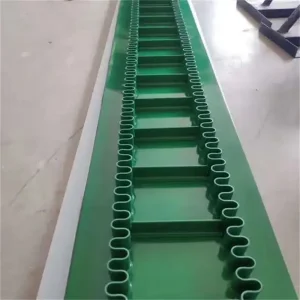
| Patterned & Chevron Belts | EP / NN carcass + molded pattern | High inclination angles (up to 40°) preventing load rollback. | Agricultural bins, mobile screening machines. |
Maximizing operational efficiency and extending the service life of your conveyor infrastructure.
We supply premium-grade raw rubber sheet, tie gum, and vulcanizing reagents for hot and cold splicing. Professional splice design ensures joint efficiency matches cover performance.
Our warehousing program maintains custom specifications in safety stock, reducing lead times when critical replacements are needed in active plants.
We provide operational guidance on belt tracking, tensioner settings, and cover wear diagnostics to minimize down-time and control material spillages.
Boao conveyor belts are applied across major heavy industry groups globally.
Taihang Steel
Tsingshan Group
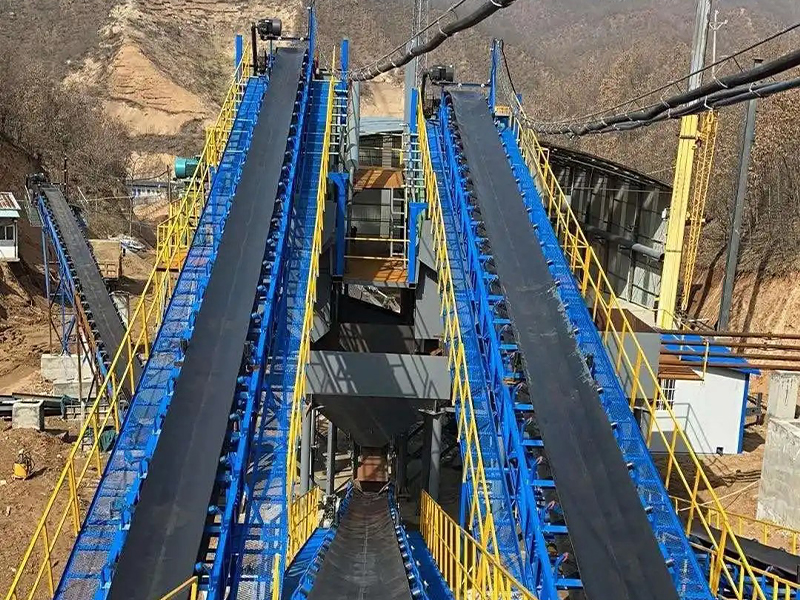
Zijin Mining
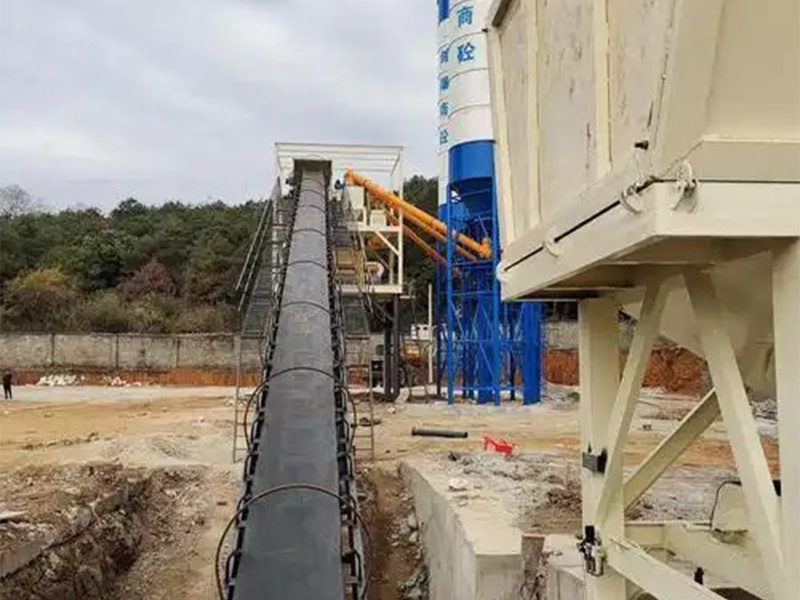
China Railway Group Mixing Plant
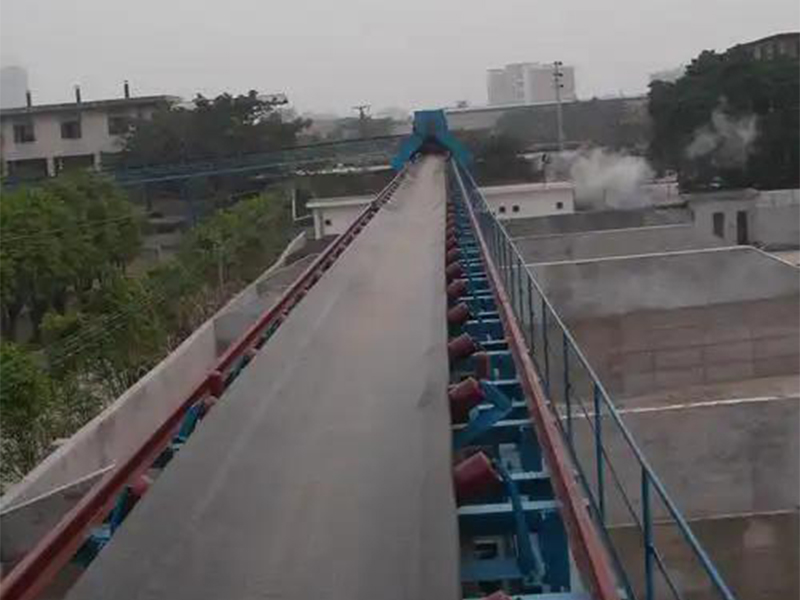
Conch Cement
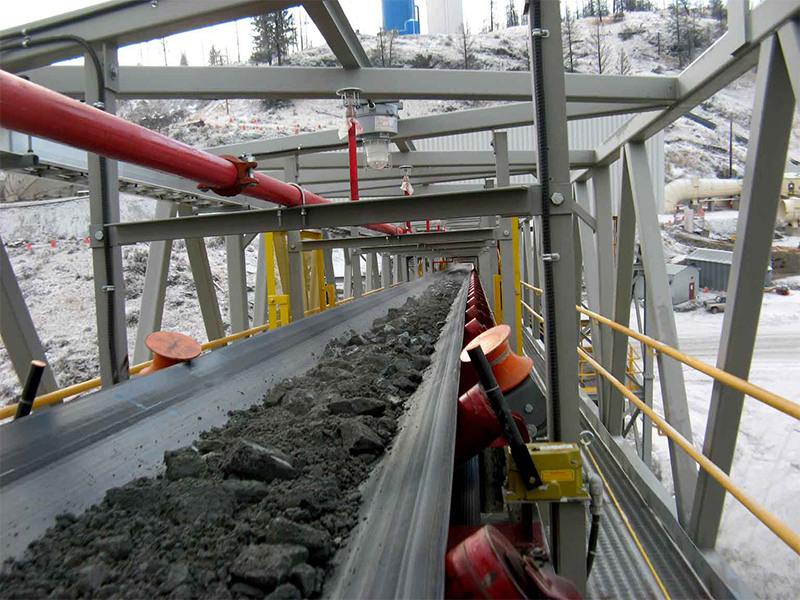
Datong Coal Group
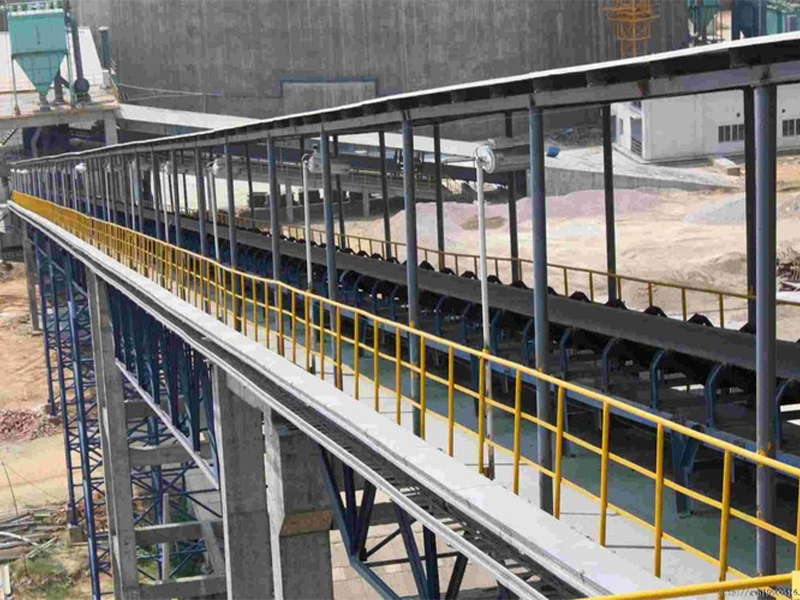
Jidong Cement Group
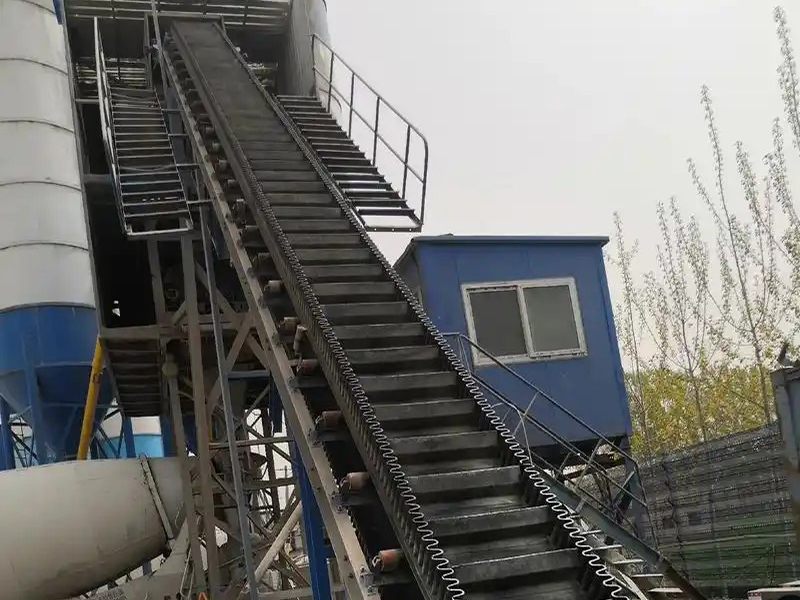
Puyang Steel Group
Precision instrumentation guarantees structural compliance with international standards.
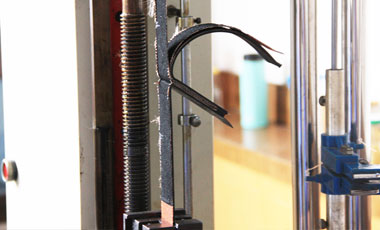
Interlaminar Peeling Test
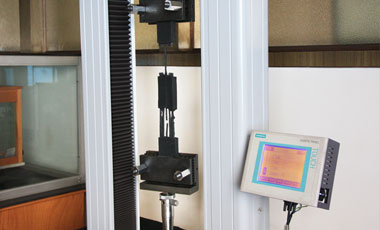
Steel Cord Pull-out Machine
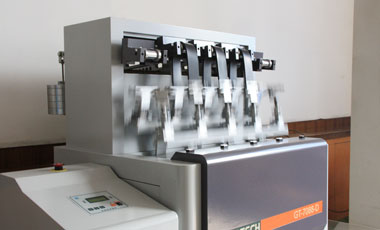
Dynamic Fatigue Tester
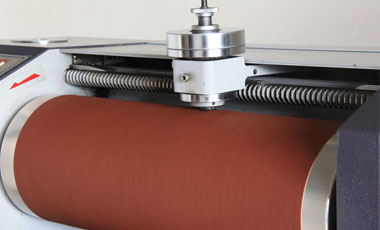
Rubber Abrasion Tester
Technical answers to key product choice and application design questions.
A1: Selection depends on material density, drop height, lump size, and conveyor throughput. For highly abrasive ores (like iron ore or granite), we recommend DIN Grade X or W rubber covers, providing high abrasion resistance (abrasion loss ≤ 90mm³ or ≤ 120mm³). Standard top cover thicknesses range from 6mm to 10mm, while bottom covers range from 3mm to 5mm depending on wrap and tension parameters.
A2: Slippage occurs when the tension ratio T1/T2 exceeds the friction limit. This can be caused by loss of tension, contamination (water, mud, coal fines) on the pulley-belt interface, or worn lagging. Solutions include increasing take-up tension, using diamond-groove ceramic or rubber lagging on the drive pulley, and ensuring effective primary and secondary scrapers are installed.
A3: EP fabric belts offer good flexibility and low elongation for small to medium installations (under 1-2 km). For long distances or high load rates, Steel Cord Core belts (e.g. ST1000 - ST5400) are required because of their minimal elastic stretch (≤ 0.2% under nominal load) and high tensile strength, reducing take-up stroke requirements and structural sizes.
A4: Our conveyor belts are manufactured in compliance with international standards, including ISO 9001 quality management, CE safety standards, API standards for oil resistance, and local mining standards like DIN 22102 and AS 1332. Testing certificates are provided for each batch from our quality control center.
Explore our technical catalog of high-performance belts, idlers, and engineered wear components.
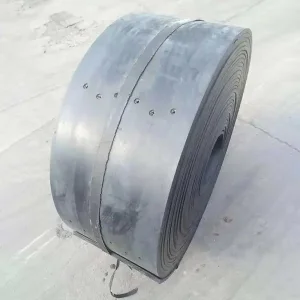
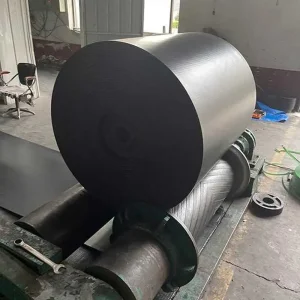
We provide customized layout drawings, dynamic calculations, safety factor estimates, and batch test logs for rubber conveyor systems. Connect with our engineering department today.
Inquiry Now Boao Rubber