Discover our primary heavy-duty material handling and industrial belt product lines manufactured under rigorous quality systems.
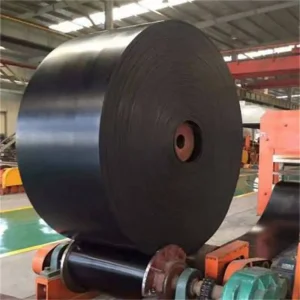
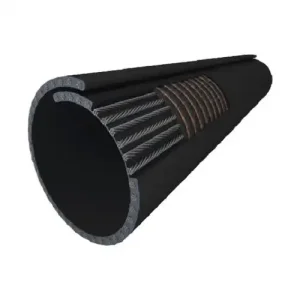
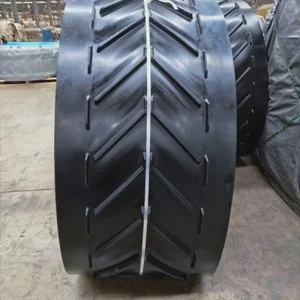
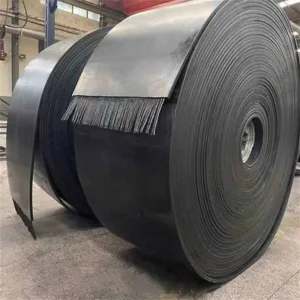
Rubber canvas flat belts (also commonly referred to as high-strength transmission flat belts) are the silent backbone of continuous agricultural processing, industrial power transmission, and raw mineral extraction systems. Unlike standard V-belts or modern polyurethane timing belts, rubber flat belts utilizing woven heavy-duty canvas fabric (typically cotton or synthetic polyester-cotton blends) offer unmatched longitudinal stability paired with superior transverse flex life.
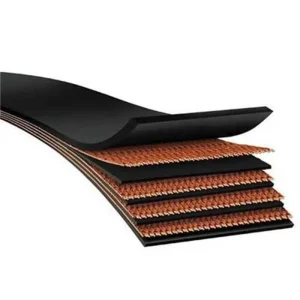
These belts are categorized primarily by two edge constructions: Folded Edge (where outer plies wrap around the core to protect against moisture ingress and lateral wear) and Cut Edge (which features clean, high-precision straight sides optimized for custom-width cutting and cost efficiency). The design relies on structural layering, where multiple ply sheets of canvas are saturated in premium rubber matrices (skim coat rubbers) that dissipate structural shear stresses.
The driving mechanics of a rubber canvas flat belt rely heavily on Euler's tension equation:
T1 / T2 = e^(μθ).
Where T1 is the tight side tension, T2 is the slack side tension, μ is the coefficient of friction between the canvas/rubber cover and the cast-iron pulley face, and θ is the angle of wrap.
By utilizing a highly developed composite structure of friction-optimized rubber covers combined with moisture-resistant canvas plies, our flat belts ensure a stable coefficient of friction, minimizing energy losses caused by micro-slip.
| Standard Spec Parameters | Cotton Canvas Core (28oz/32oz) | Polyester-Nylon (EP) Core |
|---|---|---|
| Tensile Strength per Ply | ≥ 80 N/mm | ≥ 150 N/mm |
| Elongation at Break | ≤ 2.0% | ≤ 1.5% |
| Max Continuous Operating Temp | 80°C (176°F) | 120°C (248°F) |
| Friction Coefficient (Rubber to Steel) | 0.45 - 0.50 | 0.40 - 0.45 |
| Minimum Pulley Diameter Factor | x 8 total ply thickness | x 10 total ply thickness |
Est. 2004 | 22 Years of Proven Industry Leadership | Brand: "Jinao"
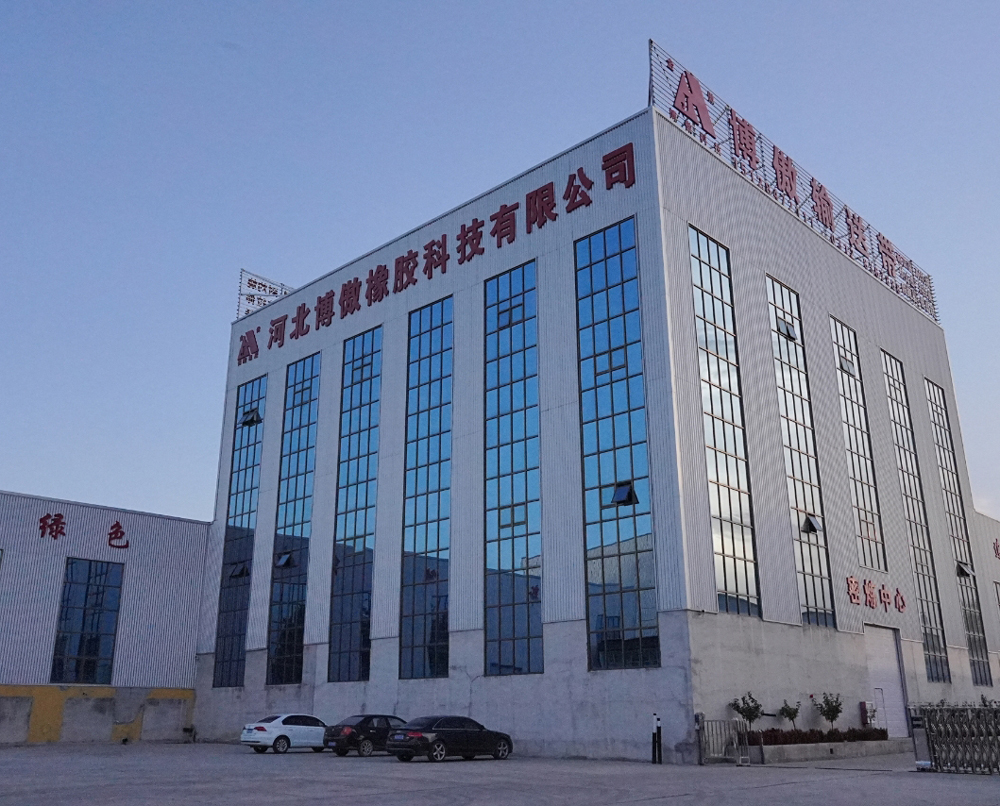
Hebei Boao Rubber Technology Co., Ltd. is strategically located in the Rubber Industrial Park of Boye County, Baoding, Hebei Province, China. Over the course of more than two decades, we have scaled our production facilities to cover an area exceeding 30 acres, positioning ourselves as a leading professional manufacturer integrating product development, design, raw material synthesis, structural modeling, and global commercial service for conveyor belts and conveyor accessories.
Known globally for our premium brand "Jinao", we manage complete production lines that handle rolling, forming, vulcanization, and finished product inspection under one unified quality management standard. Our commitment to absolute quality control has earned our facility comprehensive international system certifications.
Our advanced independent chemical analysis rooms and physics testing laboratories ensure continuous, real-time monitoring of raw polymers, vulcanization agents, and tensile cord fabrics from point-of-entry through final delivery.
Dedicated quality control inspectors perform destructive and non-destructive analysis utilizing physical tensile testers, dynamic fatigue testing machinery, and abrasive index machines. We reject any product that falls short of international tolerances.
Leveraging a robust logistic pipeline and proactive technical field support, our belts are deployed widely across national key industries and global logistics centers including metallurgy, power stations, fertilizer plants, ports, and steel mills.
How Boao Rubber is pioneering next-generation materials science in flat transmission and heavy-duty conveyor systems.
Standard rubber canvas flat belts traditionally relied on multi-ply cotton canvas because of its excellent heat-absorption characteristics. However, for high-tension systems, we are mapping a structural migration to Polyester-Nylon (EP) and Polyamide-Polyamide (NN) fabrics. These synthetic woven grids display negligible elastic elongation under high continuous workloads, eliminating the need for frequent take-up adjustments.
We are compounding specialized elastomers infused with nanosilica and functionalized carbon blacks. This significantly reduces hysteresis losses (internal heat build-up caused by continuous cyclic bending around pulleys) and increases the overall abrasion resistance of the covers, matching international DIN X, Y, and W specifications.
In heavy bulk conveyor belt manufacturing, up to 60% of the energy consumed by drive motors is lost through indentation rolling resistance as the belt passes over idlers. Our current R&D focuses on viscoelastic compound optimization to minimize this energy drop, providing our commercial users with measurable power savings.
Discover why sourcing your conveyor and transmission flat belts from Hebei Boao represents a solid procurement strategy.
Sourcing industrial rubber belts from the Boye County Industrial Cluster offers significant cost-performance advantages. As a dedicated manufacturing hub, Boye County integrates the entire production cycle within a 15-kilometer radius. Raw materials (including Chinese high-purity carbon black, polyester fibers, and natural rubber stockpiles) are processed efficiently, reducing logistical transit costs.
This integrated ecosystem enables Hebei Boao to maintain stock buffers of primary raw materials. We can scale production runs quickly to handle large-scale municipal or global industrial orders without delays.
From compound formulation, precision calendering, and high-pressure steam vulcanization to standard tensile testing, the entire processing flow is handled in-house. This maintains product consistency and shortens lead times.
Our products are engineered to comply with DIN 22102, AS 1332, JIS K6322, and SANS 1173 standards, ensuring that our rubber belts perform reliably across diverse regulatory jurisdictions worldwide.
We partner with leading enterprises globally to provide reliable material handling and power transmission systems.
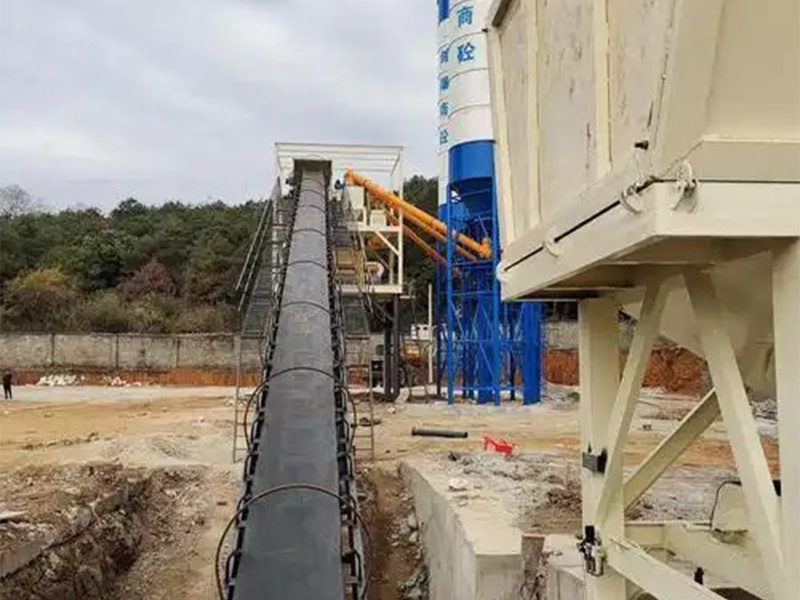
Supplying heavy-duty, highly wear-resistant rubber canvas flat belts for aggregate batching systems, ensuring continuous operation under severe impact.
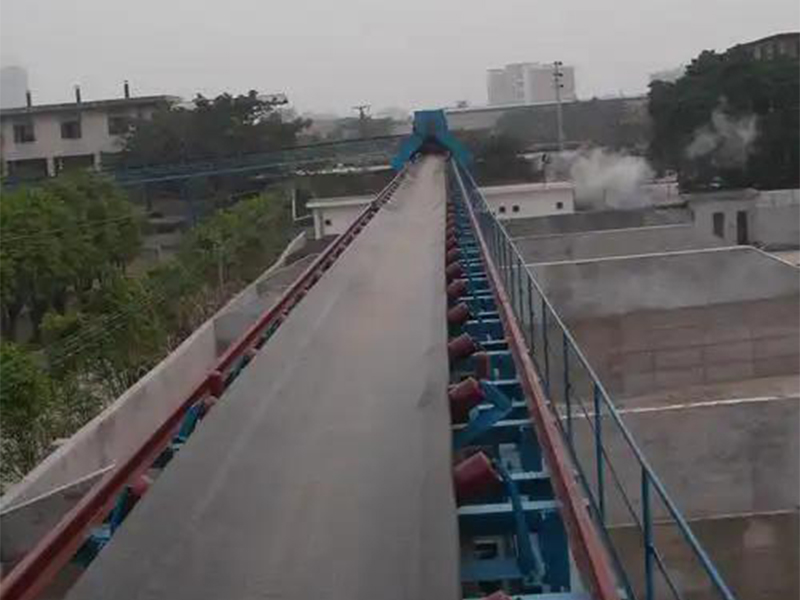
High-temperature resistant EP canvas belts deployed on hot clinker transport lines, handling heat loads up to 200°C without core ply delamination.
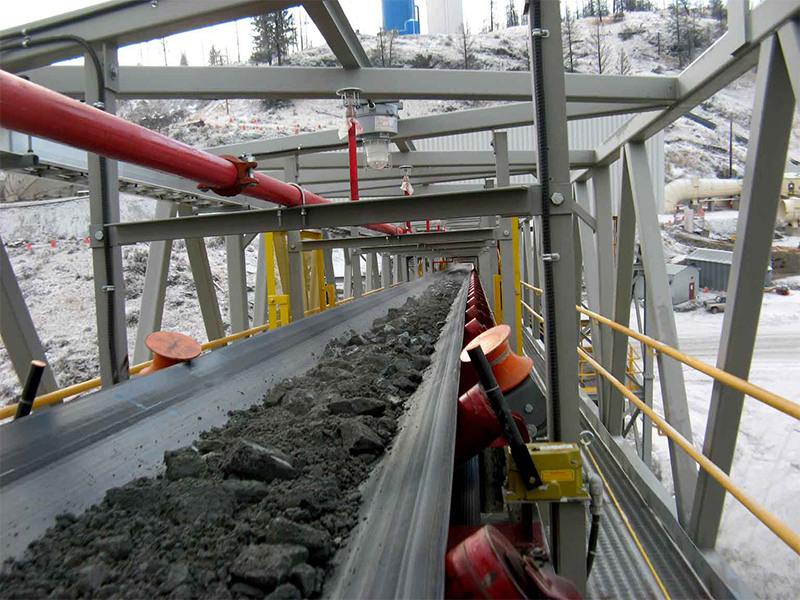
Fire-retardant rubber conveyor belts manufactured to strict underground coal mine safety guidelines, ensuring low-flammability performance.
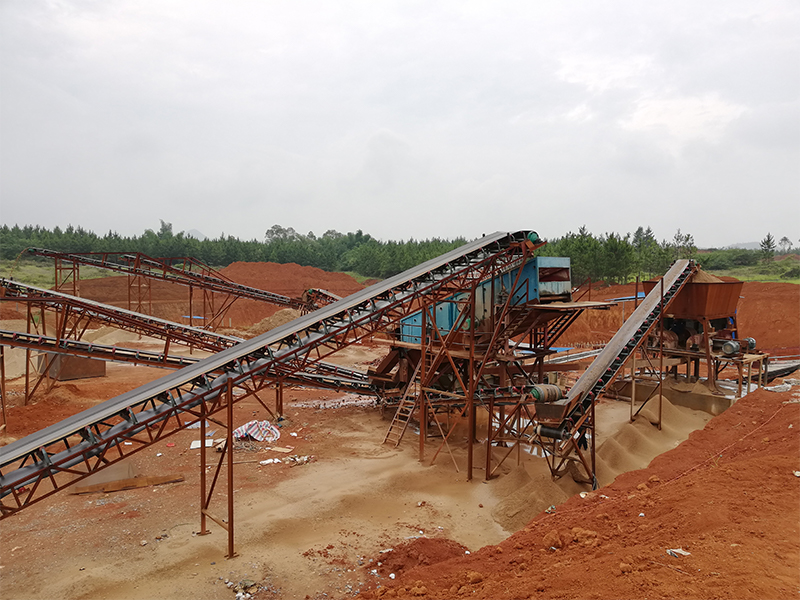
Supplying specialized acid and chemical-resistant rubber belts for offshore metal smelting operations and mineral refinery plants.
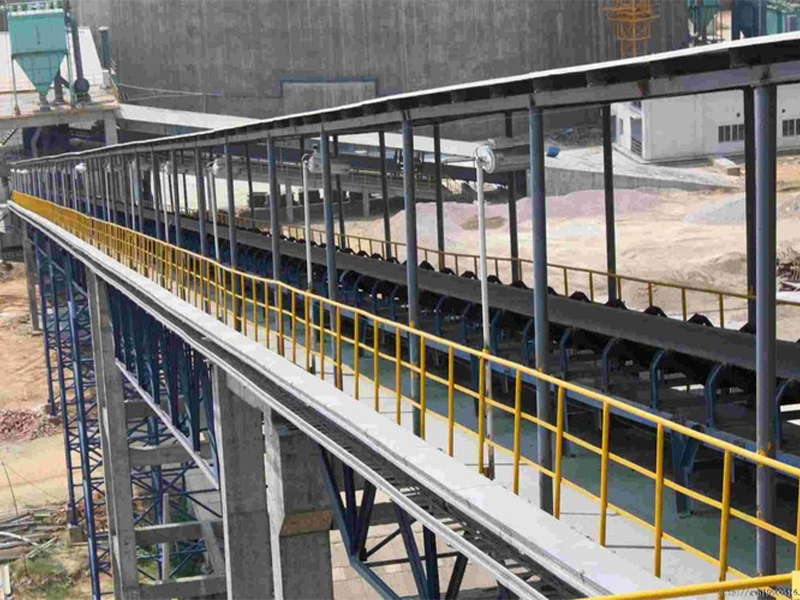
Reliable dry-bulk conveyor components, featuring high longitudinal stiffness and abrasion-resistant rubber covers for limestone processing.
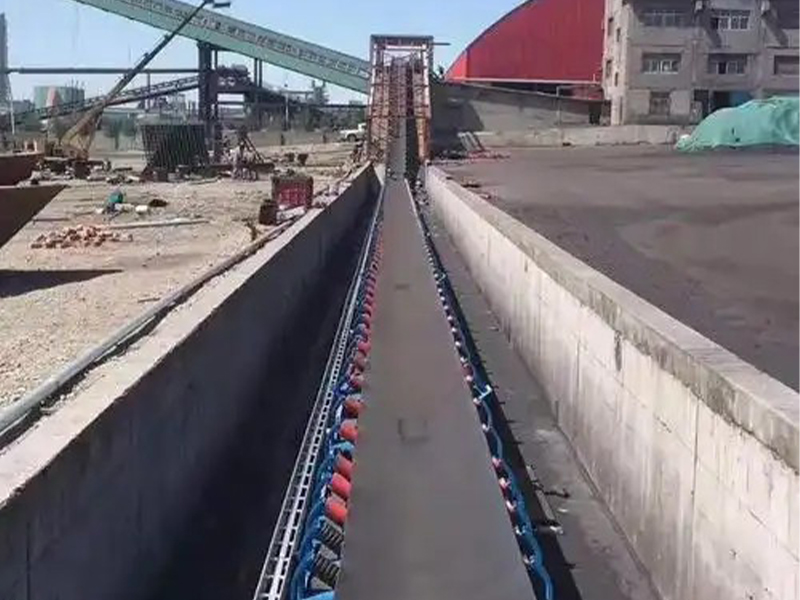
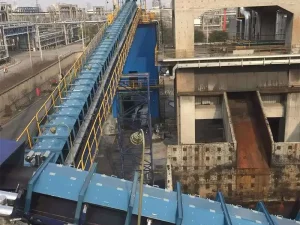
Long-distance coal transportation systems using low-rolling-resistance rubber covers, helping reduce drive motor power consumption.
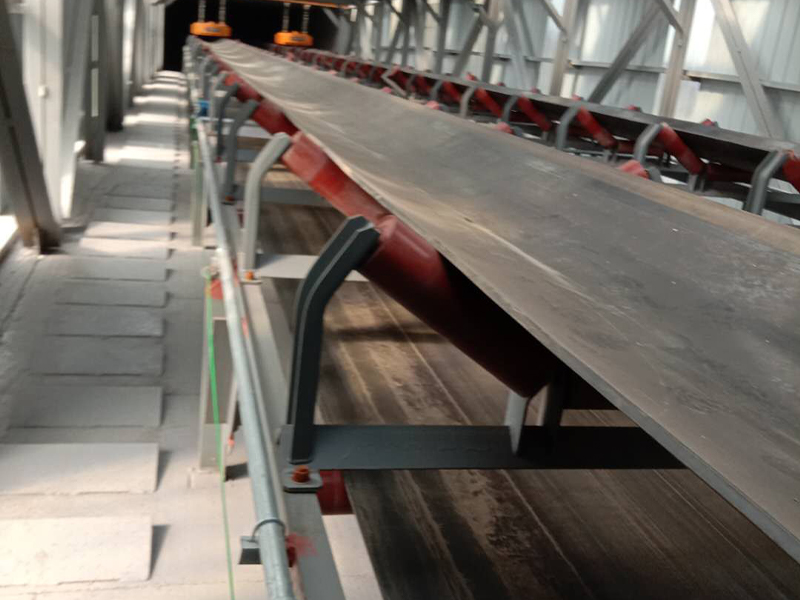
Heavy-duty oil-resistant and heat-resistant compound conveyor belts deployed for hot slag handling systems under intensive duty cycles.
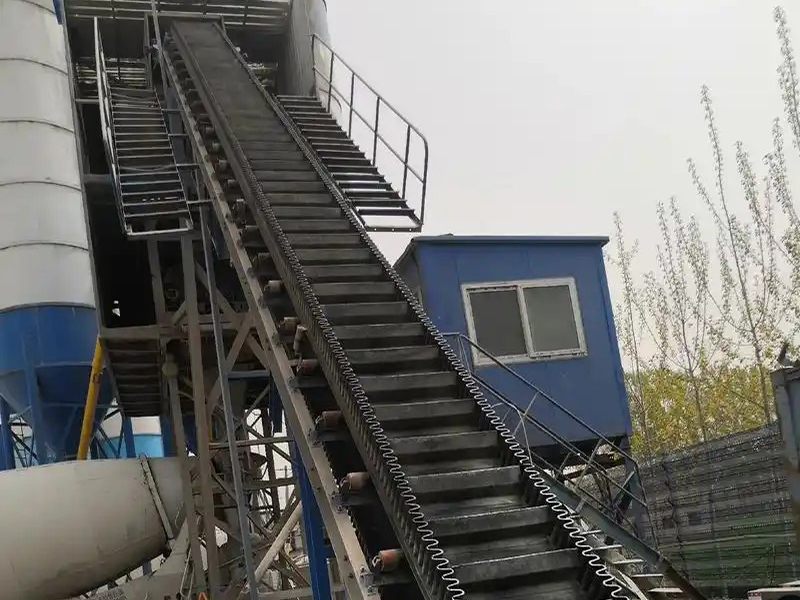
Reinforced multi-ply canvas transmission and conveying systems designed to operate reliably under high dynamic shock loads.
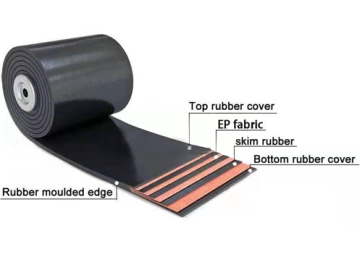
Polyester warp and polyamide weft carcass provides low elongation, high impact resistance, and excellent flexibility.
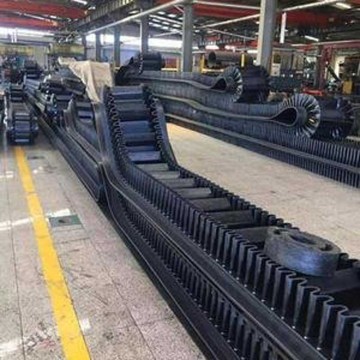
Specifically protected side profiles to resist ply separation and mechanical fraying in tight conveyor clearances.
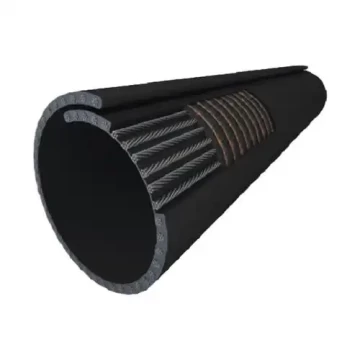
Conforms into a closed tube design during transport, containing dust, preventing spillage, and protecting the core material.
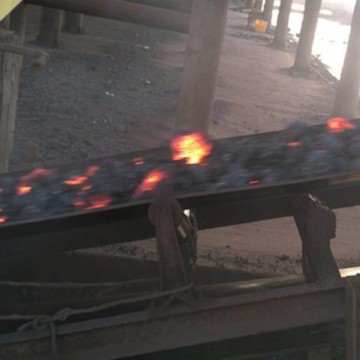
Specialized cover formulation designed to resist thermal cracking, hardening, and degradation at elevated temperatures.
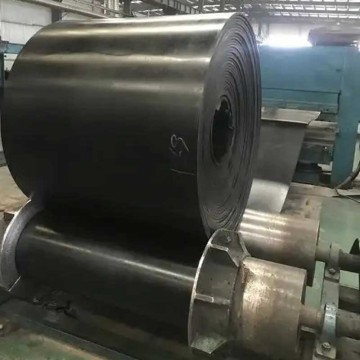
Maintains flexibility, impact resistance, and structural rubber elasticity down to -50°C in polar or high-altitude operations.
Formulated with chemically inert elastomers to resist swelling, degradation, and loss of tensile strength in acid or alkaline environments.
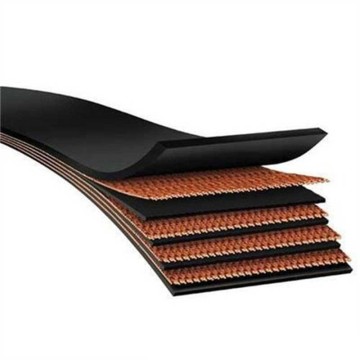
Excellent elasticity, impact resistance, high flex life, and high load capacity, suitable for heavy-duty material transport.
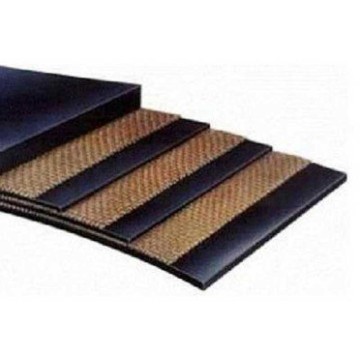
Standard industrial utility belt designed for reliable material transport in light-to-medium-duty applications.
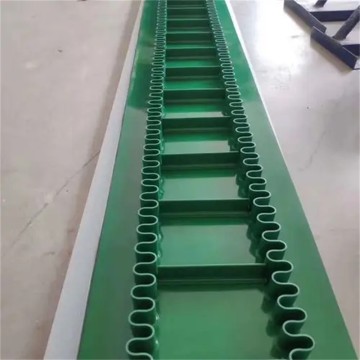
Optimized for food processing, electronics assembly, and internal packaging lines requiring lightweight, hygienic, and non-marking belts.
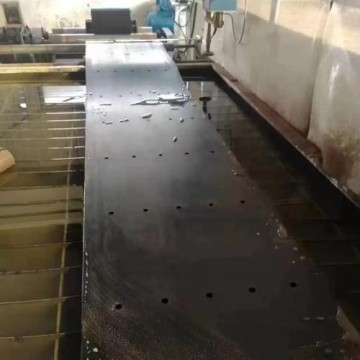
Engineered with high longitudinal strength and bolt-holding capability for vertical bucket elevator systems.
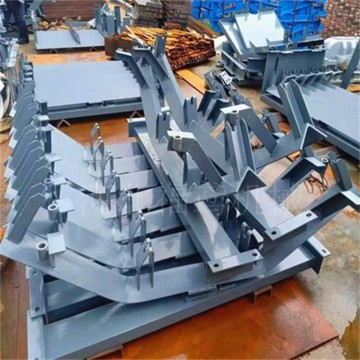
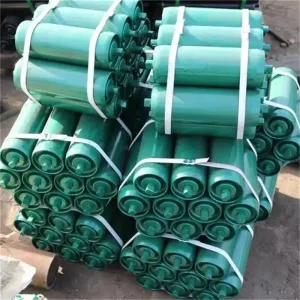
Precision-manufactured support rollers featuring low rotational resistance, long service life, and high dust/waterproof sealing properties.
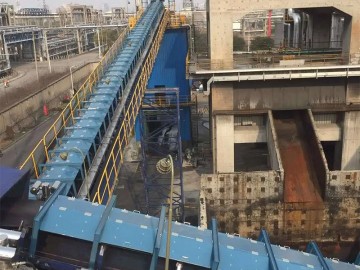
Certified flame-retardant rubber compounds designed to prevent flame spread, suitable for coal mines and power plants.
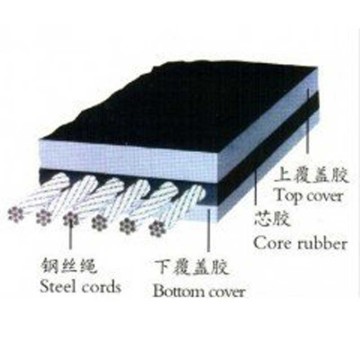
Steel wire reinforcement core paired with transverse breaker meshes to protect the belt from severe puncture and longitudinal tearing.
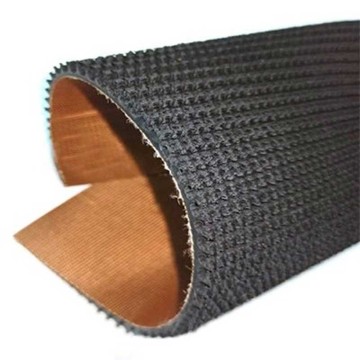
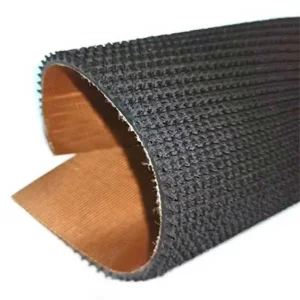
Features integral chevron, herringbone, or custom molded profiles to prevent materials from sliding back on inclined paths.
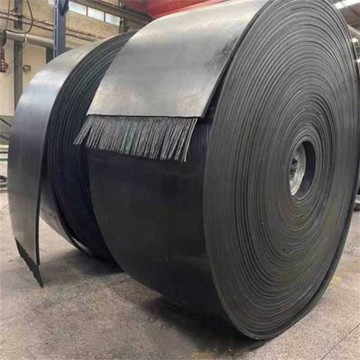
High-tensile steel cord reinforcement provides long service life and minimal elongation, suitable for high-capacity, long-distance material transport.
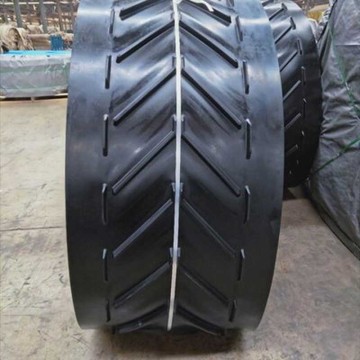
Molded patterns with specific block heights, optimized for conveying bulk aggregates and grains at high incline angles.
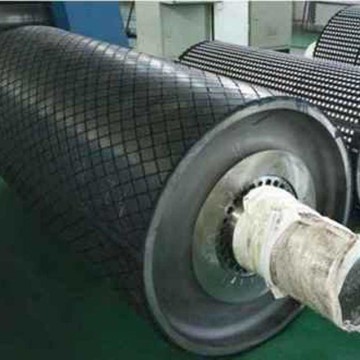
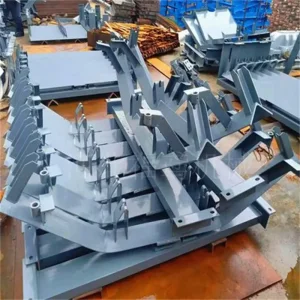
Precisely angled triple-roller configurations designed to form a stable trough shape, maximizing material carrying capacity.
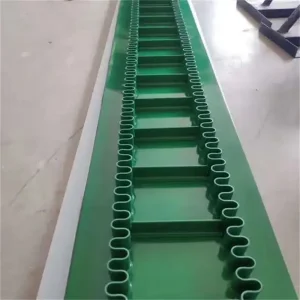
Features corrugated sidewalls and transverse cleats to enable steep-angle or vertical conveying of bulk materials in restricted spaces.
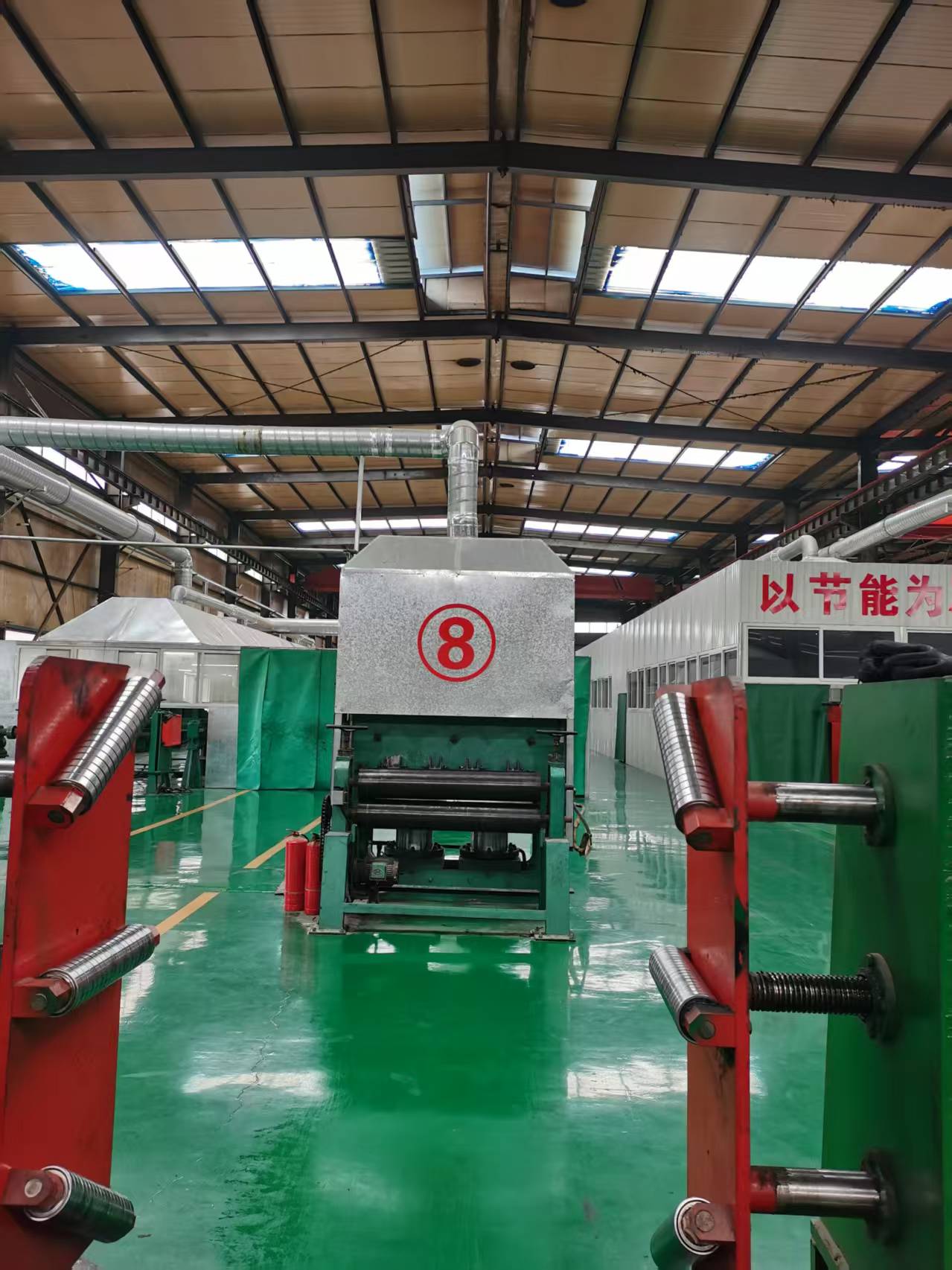
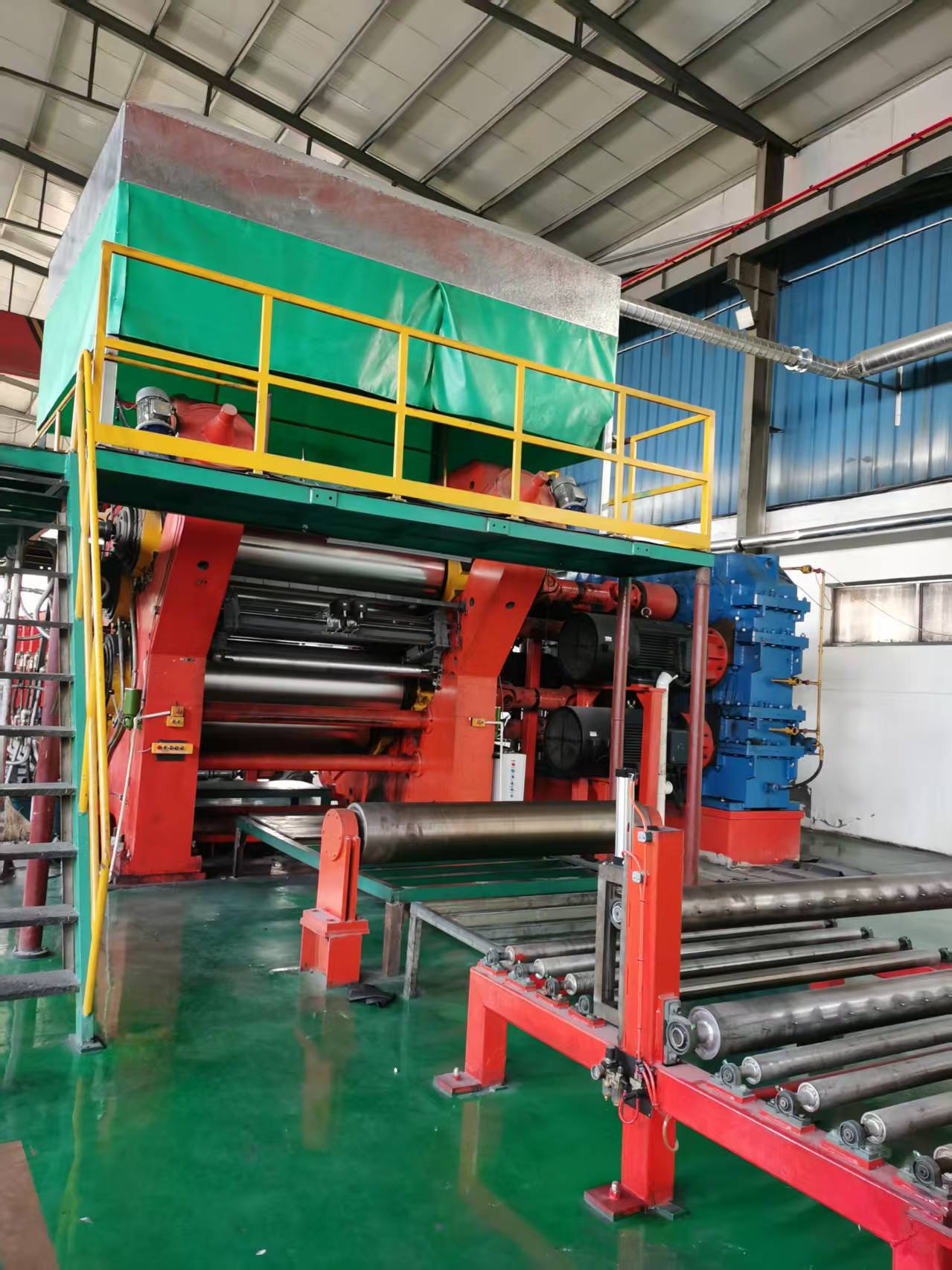
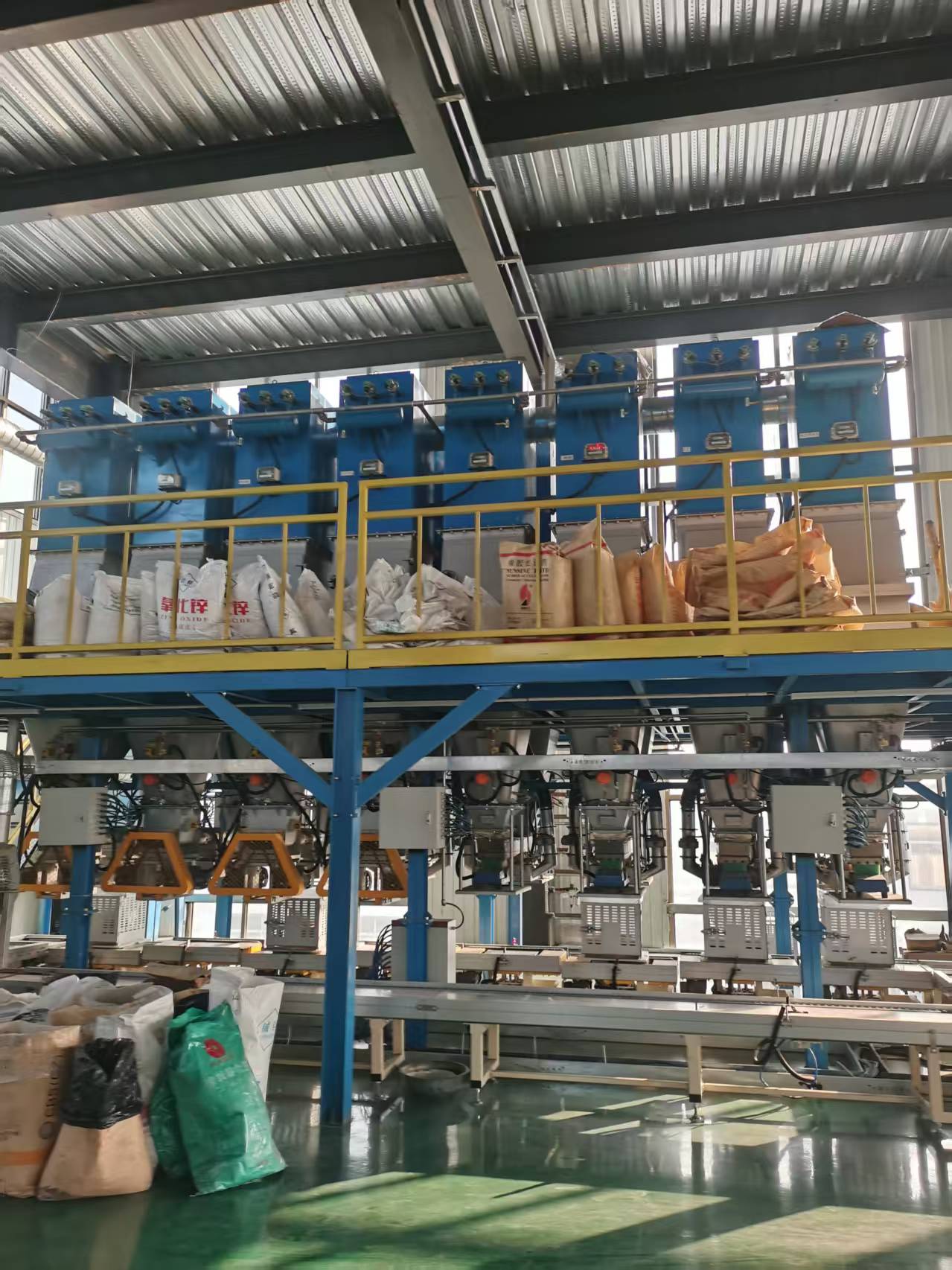
Every step in our production process, from compounding to vulcanization, is validated by advanced diagnostic testing equipment.
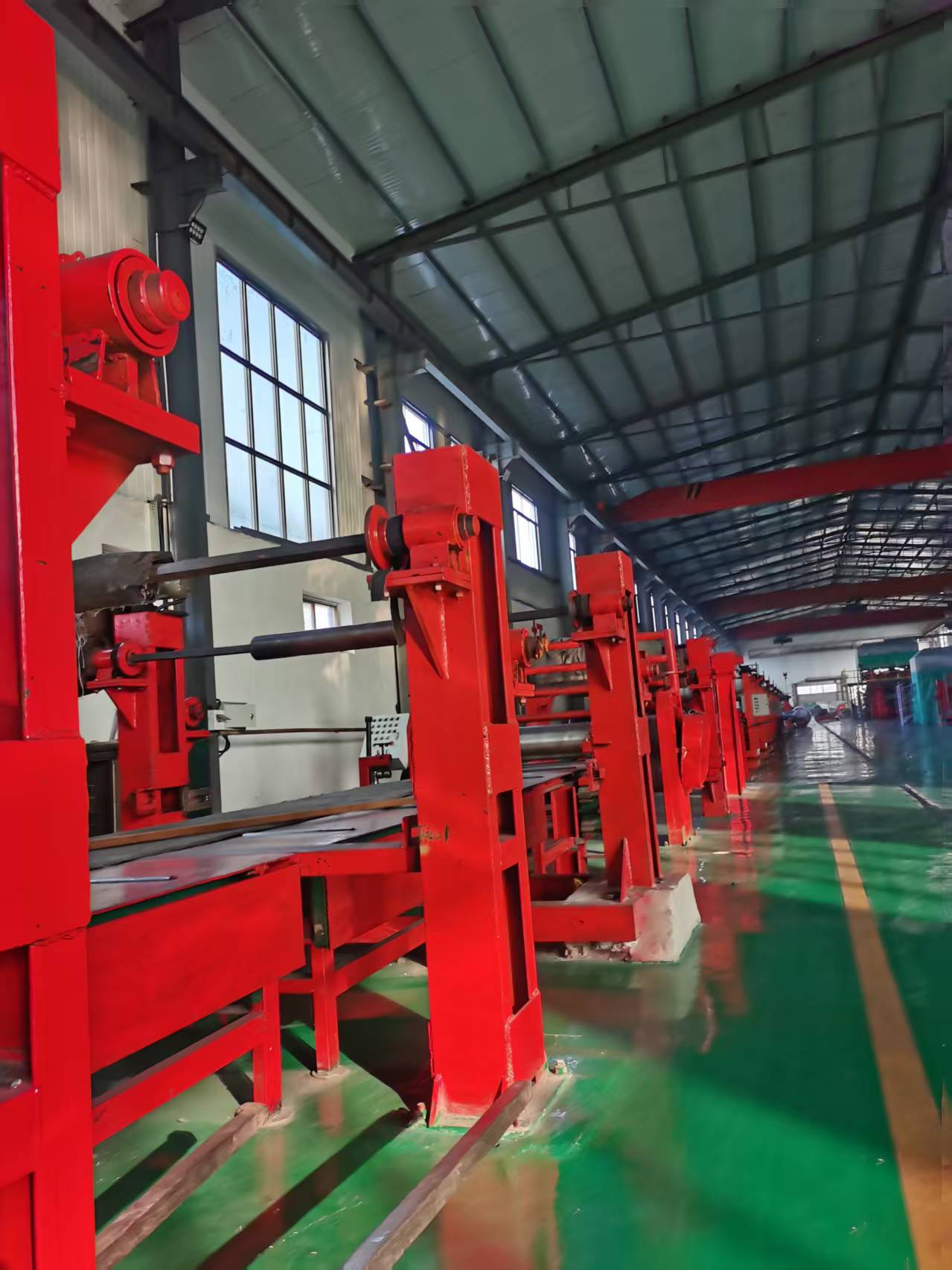
Heavy Calendering Mill
Automated Rolling Line
High-Pressure Vulcanizer
Curing Control Desk
Fabric Conveyor Belt Production Line
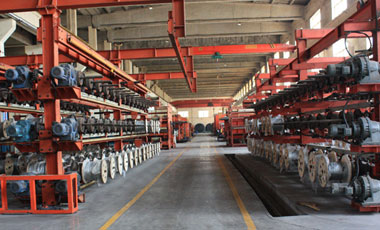
Steel Cord Belt Extruder Line
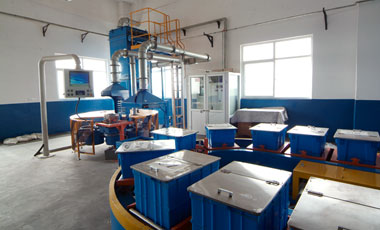
Mixing Center Proportioning Room
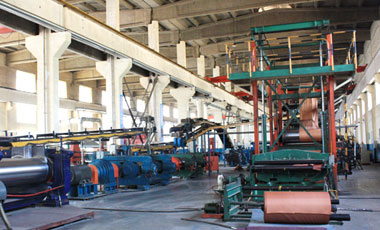
Calendering & Shaping Machine
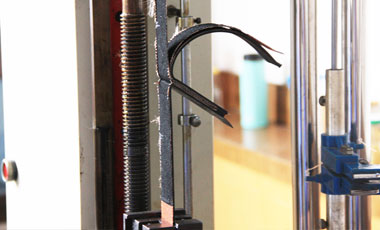
Ensures the adhesion between rubber covers and canvas plies meets safety specifications, preventing inter-ply delamination.
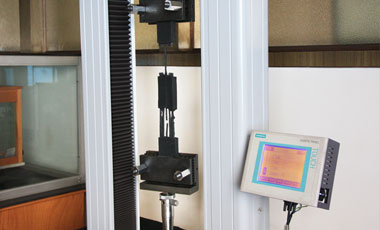
Measures the bonding force between internal steel cables and the surrounding compound to prevent core displacement.
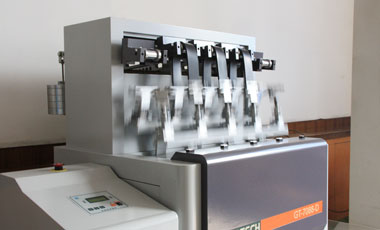
Simulates long-term operational stress cycle dynamics to evaluate carcass resistance to flex cracking over time.
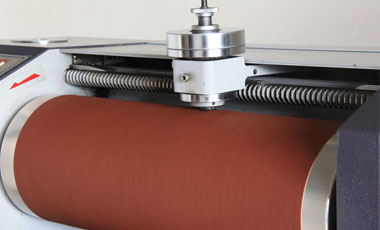
Measures volumetric material loss under continuous friction to verify that rubber covers meet international wear resistance standards.
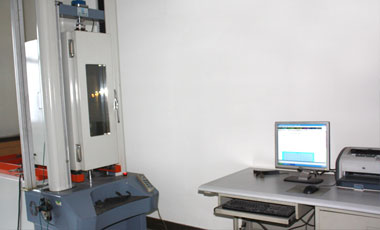
Evaluates key physical characteristics, including hardness Shore A, elongation at break, and post-aging performance parameters.
Providing technical services that help extend the service life of your conveyor belts and transmission components.
We assist in evaluating and planning replacement schedules based on wear patterns. We help configure and maintain safety stocks to protect against unplanned downtime.
Providing technical guidance on field splicing—including cold chemical bonding and hot vulcanization—to help ensure joint strength and structural integrity.
Our engineering teams offer guidelines and training for on-site technicians on conveyor tracking, tensioning calculations, and pulley alignment.
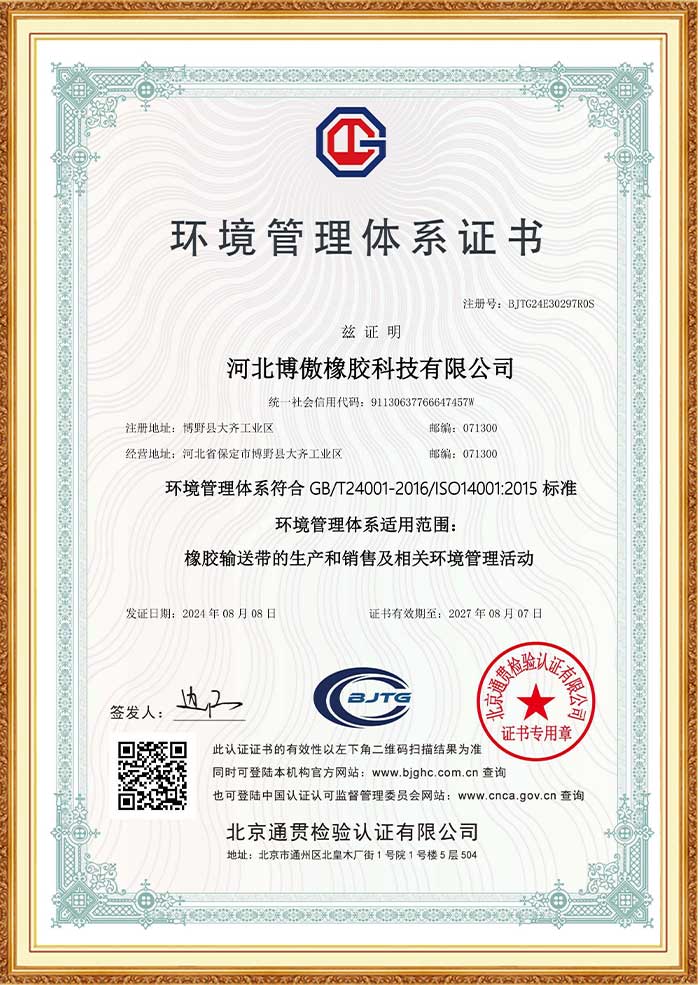
Jinao brand conveyor products are manufactured in compliance with international industrial safety and quality management standards.
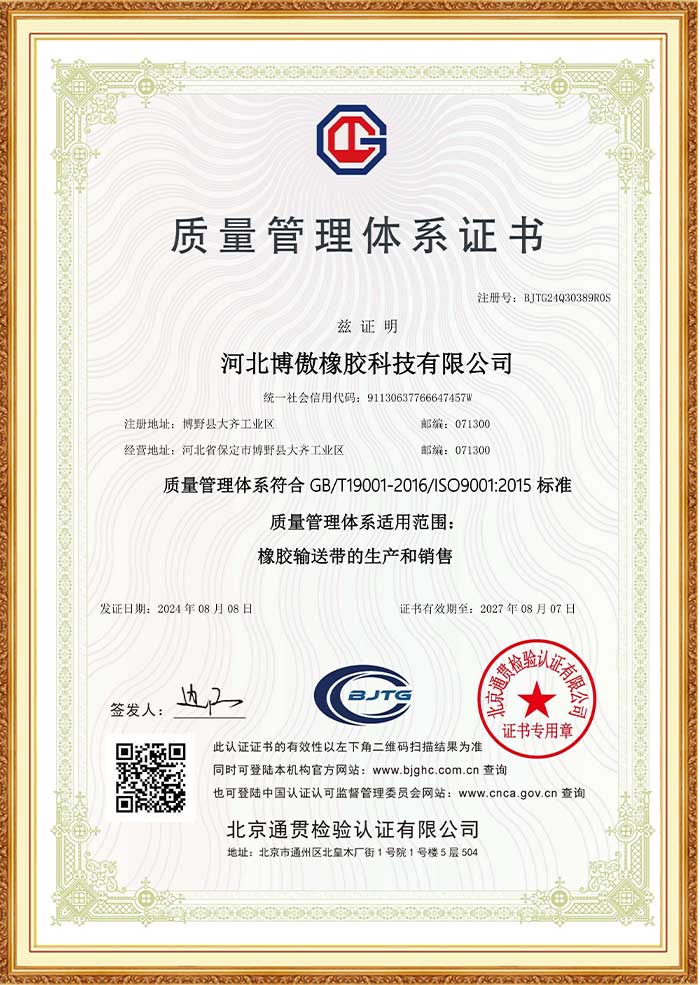
ISO9001 Quality System Certificate
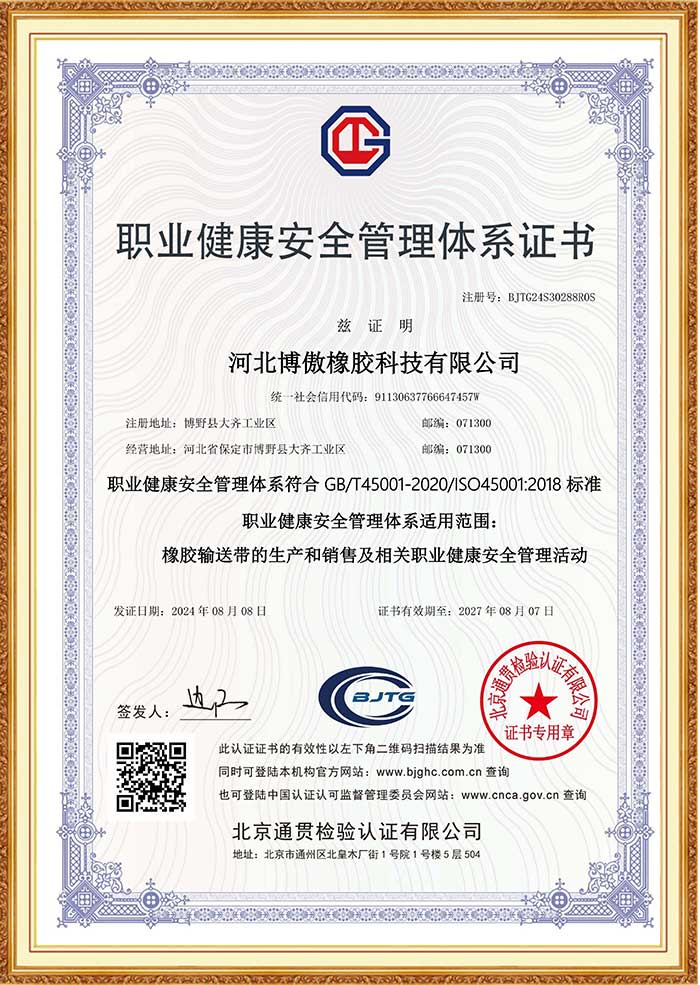
ISO45001 Health Safety Certificate
ISO14001 Environmental System
State Safety Approval for Mining
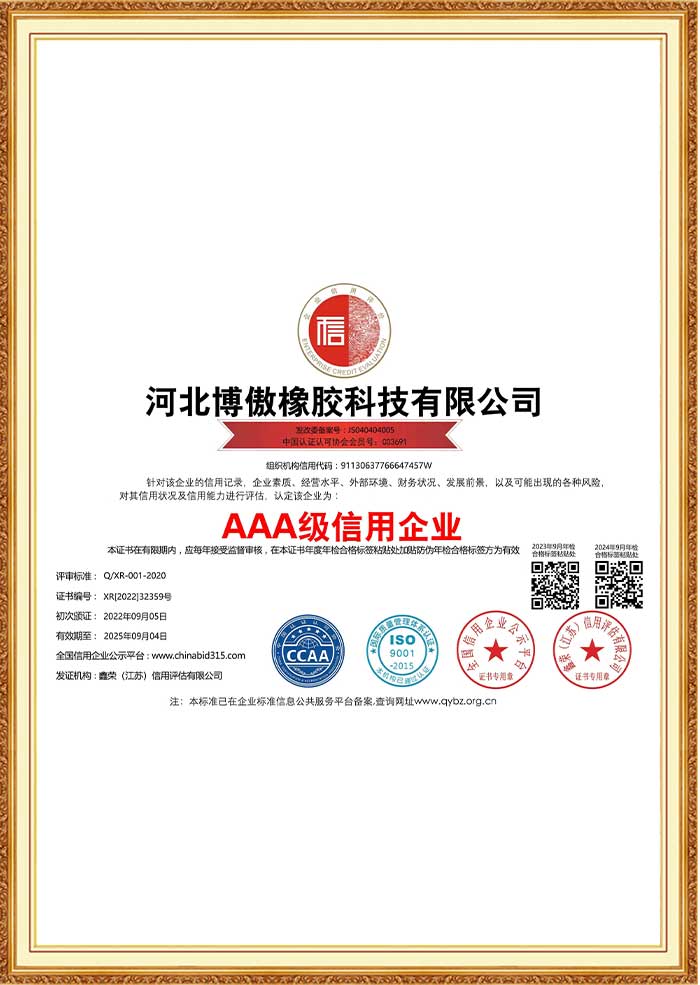
Credit & Integrity Enterprise Award
Folded Edge flat belts are constructed by wrapping the outer canvas plies around the edges of the belt core. This design helps prevent fluid ingress, fiber fraying, and edge wear, making it suitable for environments with moisture, steam, or high concentrations of airborne dust.
Cut Edge flat belts are vulcanized in wide slabs and then slit to the required widths. They feature exposed canvas edges. While they require proper alignment to avoid lateral abrasion, their straight, square edges provide consistent contact against flanged pulleys, and they are highly cost-effective for dry-bulk applications.
Dynamic ply separation (delamination) is primarily caused by internal shear stress as the belt bends around the drive pulley. We compound our skim rubbers with high-adhesion polymers, using cobalt salts and specialized tackifiers. During high-pressure steam vulcanization, this creates a robust molecular bond between the rubber matrix and the canvas fibers, maintaining a ply-to-ply adhesion strength of > 4.5 N/mm, which exceeds typical market averages.
EP (Polyester/Nylon) canvas features a polyester warp (longitudinal) and nylon weft (transverse). This combination offers high tensile strength and low elastic elongation, making it suitable for long-distance conveyors where minimizing take-up travel is important.
NN (Nylon/Nylon) canvas uses nylon fibers in both warp and weft directions. This provides higher elasticity and flexibility, along with excellent resistance to mechanical shock and flexing fatigue. It is often preferred for shorter centers with high shock loads, or where small pulley diameters require a highly flexible belt.
To help prevent ozone cracking and premature aging, rubber belts should be stored in a cool, dry warehouse, away from direct sunlight, moisture, and high heat sources. Keep them away from electrical equipment that generates ozone (such as large electric motors or transformers). Store the rolls vertically on a clean pallet, and avoid placing heavy objects on top of them, which can deform the belt structure.
Yes. While standard utility belts are made using SBR or natural rubber blends, we formulate specialized covers for challenging environments. For petrochemical or oil-seed processing, we supply nitrile-butadiene rubber (NBR) covers. For fertilizer or chemical processing, we use EPDM compounds to protect the belt carcass from degradation caused by acids and alkalis.
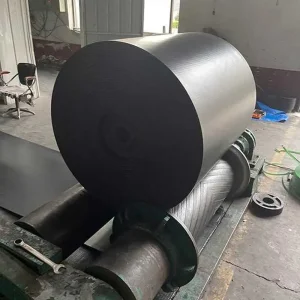
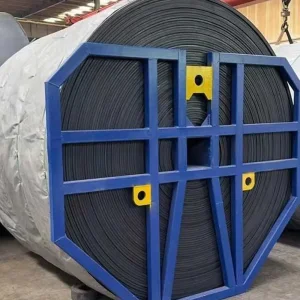
Explore our range of heat-resistant, fire-retardant, and steel-reinforced conveyor belts designed for demanding industrial operations.
We are committed to providing you with high-quality products and support services. If you have questions about dimensions, compound compatibility, load dynamics, or custom packaging options, please contact our technical sales team for assistance.
 Boao Rubber