Best Rubber Band Drive Belt Manufacturer & Factory

High-End Industrial Elastomeric Solutions, Fabric Reinforcement Conveyors & Heavy-Duty Steel Cord Technology

High-Performance Industrial Belt Showcase

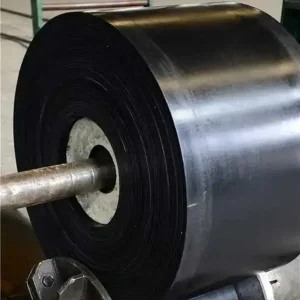
China Acid and Alkali Resistant Conveyor Belt

China Acid & Alkali Resistant Conveyor Belt

View Specifications
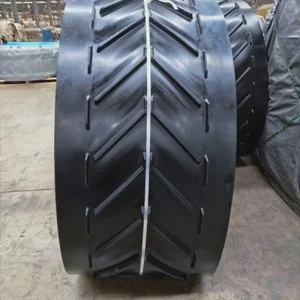
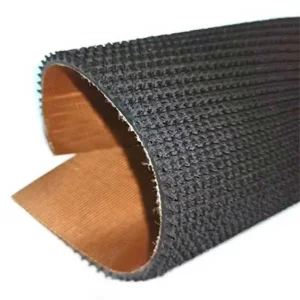
China Patterned Rubber Conveyor Belt

China Patterned Rubber Conveyor Belt

View Specifications
Best Flame Retardant Rubber Conveyor Belt

Best Flame Retardant Rubber Conveyor Belt

View Specifications
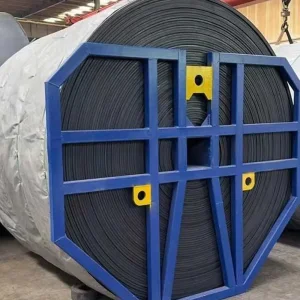
Anti-Tear Steel Wire Rope Conveyor Belt

Anti-Tear Steel Wire Rope Core Conveyor Belt

View Specifications
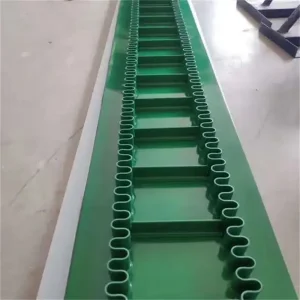
Patterned Conveyor Belts

China Factory Patterned Conveyor Belts (Concave & Convex)

View Specifications
China PVC-PU Lightweight Conveyor Belt

China PVC-PU Lightweight Conveyor Belt

View Specifications
China Acid and Alkali Resistant Conveyor Belt Suppliers

China Acid & Alkali Resistant Belt Suppliers

View Specifications
Best Nylon Rubber Conveyor Belt

Best Nylon Rubber Conveyor Belt (Polyamide NN)

View Specifications
22+ Years Industry Experience
30+ Acres of R&D Base
100% Raw Material Traceability
ISO Quality Management Standards

Executive Whitepaper: Industrial Rubber Drive & Conveyor Systems

In modern industrial logistics, mineral extraction, and steel refinement, materials transportation relies on heavy-duty drive systems. While small-scale automation utilizes classical "rubber band drive belts" for power transmission, heavy industrial installations scale this basic mechanical concept up to multi-kilometer conveyor systems. As an industry-leading manufacturer, Hebei Boao Rubber Technology Co., Ltd. builds high-capacity transmission rubber belts, reinforced fabric liners, and complex steel cord components designed for demanding conditions.

Understanding user intent in industrial purchasing requires analyzing wear factors, chemical reactivity, mechanical strain limits, and environmental parameters. Selecting an appropriate belt is not simply a transactional procurement; it is a critical engineering decision that dictates operational uptime. Industrial transmission belts must resist extreme temperatures, abrasive mechanical friction, acid-alkali chemical environments, and high pull-out tension forces.

"Hebei Boao Rubber Technology delivers system reliability through our specialized 'Jinao' brand. We maintain continuous material testing to ensure that our drive belts operate without elongation failure, structural peeling, or premature thermal breakdown."

Company Profile & Production Strength

Founded in 2004, Hebei Boao Rubber Technology Co., Ltd. is situated in the Boye County Rubber Industrial Park, Baoding City, Hebei Province, China. Spanning an expansive area of over 30 acres, the company has grown into a key state-supported manufacturer of premium elastomeric conveyor accessories and drive belts.

Our flagship brand, "Jinao", has established itself across metallurgy, power generation, fertilizer production, grain transport, and maritime bulk terminals. We operate high-precision calenders, raw material proportioning systems, dynamic vulcanization lines, and dedicated physical labs to manage quality controls from raw polymers to packaged outputs.
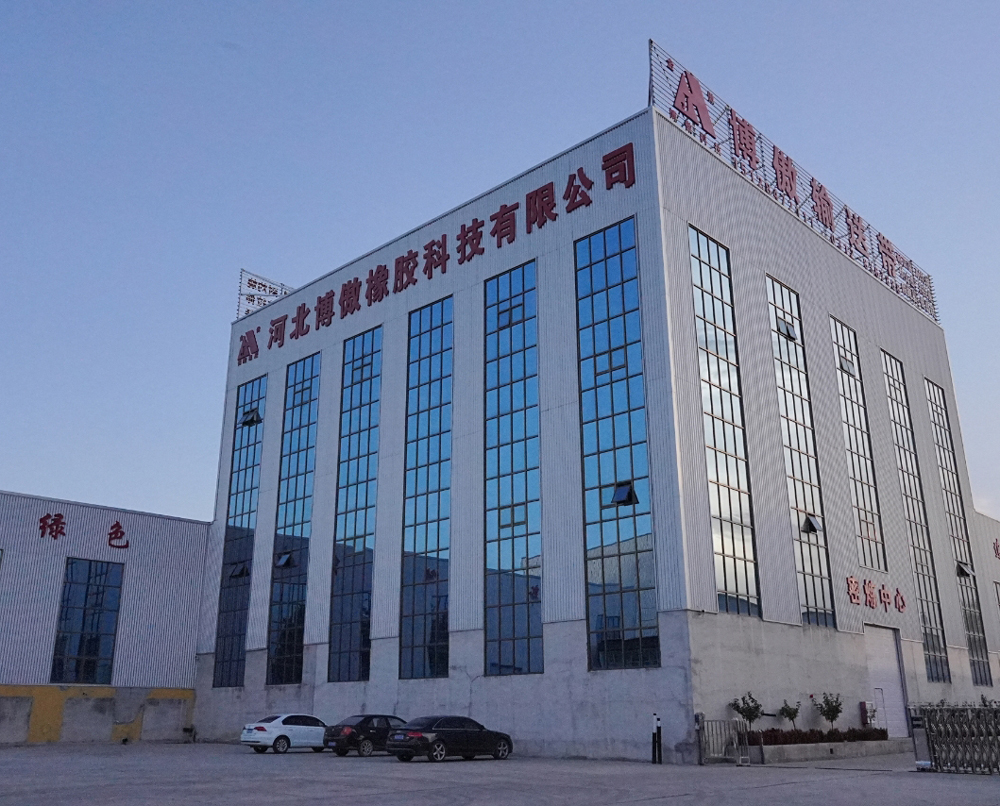
Hebei Boao Rubber Technology Factory Facility

Comprehensive Quality Control

We feature an independent chemical analysis laboratory alongside structural testing machines, verifying compound purity, abrasion indices, and steel wire adhesion limits before dispatch.

Advanced Calendering Equipment

Our high-capacity automated calendering machinery establishes uniform fabric layering and balanced rubber distributions to eliminate structural voids or mechanical runout.

Global Distribution Logistics

We supply bulk industrial operations globally, backed by responsive technical teams offering design consulting, field installation splicing support, and active maintenance mapping.

Material Science and Structural Engineering of Rubber Belting

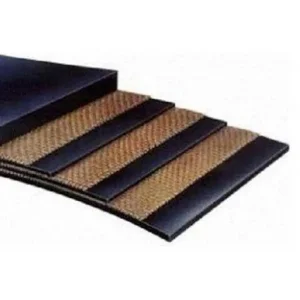
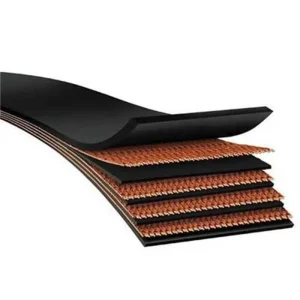
A high-capacity conveyor belt functions as a complex composite material system. The outer rubber covers provide shielding against operational environmental hazards, while the inner carcass carries the primary tensile load. The selection of materials directly determines the lifespan of the equipment under stressful operations:

  • EP (Polyester-Nylon) Conveyor Belts: Composed of polyester warp fibers and polyamide weft fibers. EP belts exhibit exceptionally low elongation under tension, coupled with high resistance to dynamic fatigue, impact deformation, and structural moisture absorption.
  • NN (Nylon-Nylon / Polyamide) Conveyor Belts: Nylon fibers in both directions provide high elasticity, outstanding flex life, and reliable impact load absorption. NN belts are ideal for high-capacity long-distance conveying where high flex-cycle counts occur.
  • Steel Wire Rope Core: Specially treated high-tensile steel cords embedded within premium rubber compounds. This architecture is designed for heavy-duty coal mining, metallic mining, and overland freight lines requiring minimal elastic deformation under massive structural loads.
  • Chemical Resistant Formulations: Our specialized acid and alkali-resistant conveyor belts use high-performance chloroprene or EPDM compounds. These polymers resist hydrolytic attacks, acid swelling, and salt-induced aging in phosphate fertilizer plants or maritime installations.

Additionally, modern industrial facilities require high safety parameters. Our flame-retardant rubber belts incorporate halogen-free flame inhibitors that suppress chemical combustion cycles, satisfying global explosion-prevention safety protocols for dry grain elevators and deep coal shafts.

China's Manufacturing Paradigms: The Hebei Advantage

Boye County, located in Hebei Province, serves as one of the world's most concentrated industrial zones for rubber technology. Operating within this ecosystem gives Hebei Boao Rubber Technology structural and cost-efficiency advantages:

  • Upstream Material Sourcing: Direct proximity to high-purity carbon black producers, synthetic elastomer plants, and domestic high-tensile fabric weaving factories minimizes logistics times.
  • Concentrated Technical Expertise: Hebei houses specialized academic research clusters and testing centers focused on rubber curing chemistry, dynamic stress modeling, and wear research.
  • Scale and Infrastructure: State-of-the-art power grids and rapid-transit highway networks allow us to coordinate global shipments through major ports like Tianjin and Qingdao with minimal downtime.

Global Procurement Efficiency

Our raw material supply chain ensures that our production lines maintain continuous output, minimizing delivery lead times and ensuring rapid response to unexpected breakdown replacements.

Advanced Physical Lab & Curing Testing Equipments

Maintaining mechanical properties requires constant laboratory validation. Below are the equipment and testing procedures we implement for every production batch:
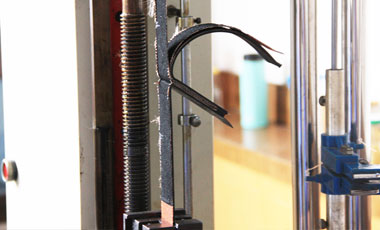
Peeling Test Equipment

Peeling Test

Measures adhesion between cover rubber and fabric layers.
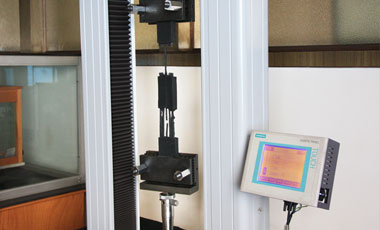
Steel Cord Pull-out Machine

Steel Cord Pull-Out Machine

Validates core-to-rubber vulcanization grip limits.
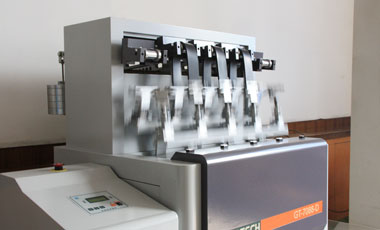
Dynamic Fatigue Tester

Dynamic Fatigue Tester

Simulates long-term continuous belt bending stresses.
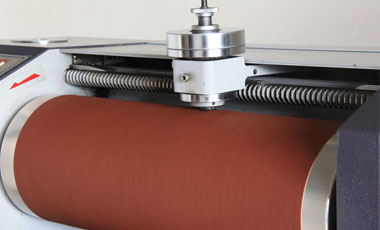
Abrasion Tester

Abrasion Tester

Quantifies volumetric wear under high friction conditions.

Proven Engineering Cases & Sector Partnerships

Our industrial belt configurations are engineered for bulk logistics in key mining operations, metallurgy plants, and cement production facilities across Asia and international corridors.
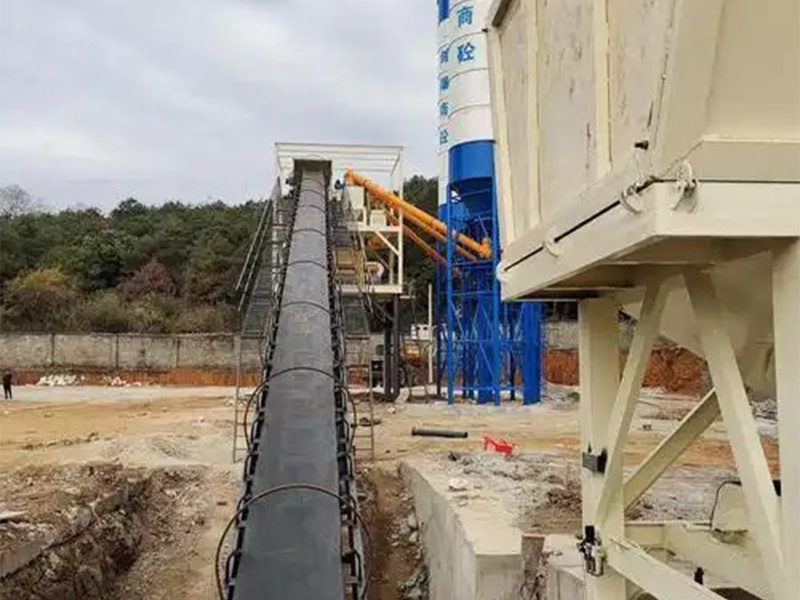
China Railway Group Mixing Plant Case

China Railway Group

Heavy concrete mixing plants
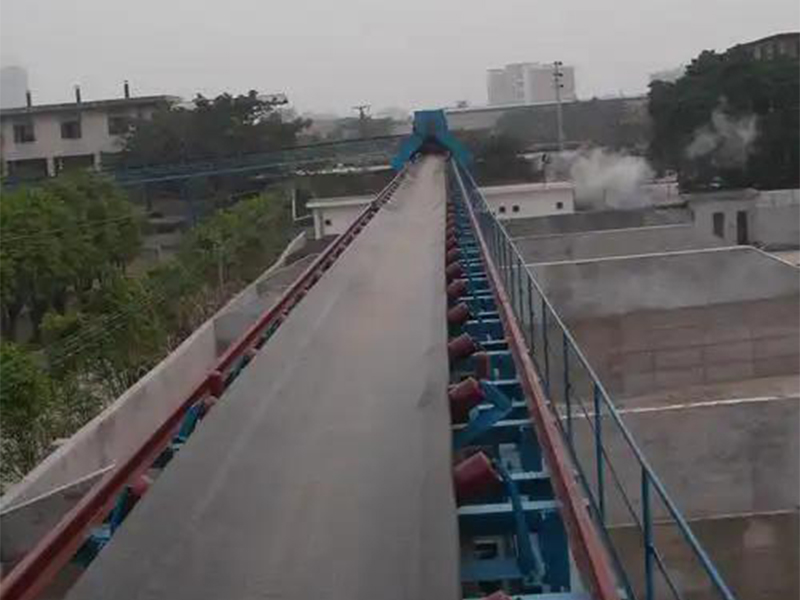
Conch Cement Case

Conch Cement

Highly abrasive clinker transport
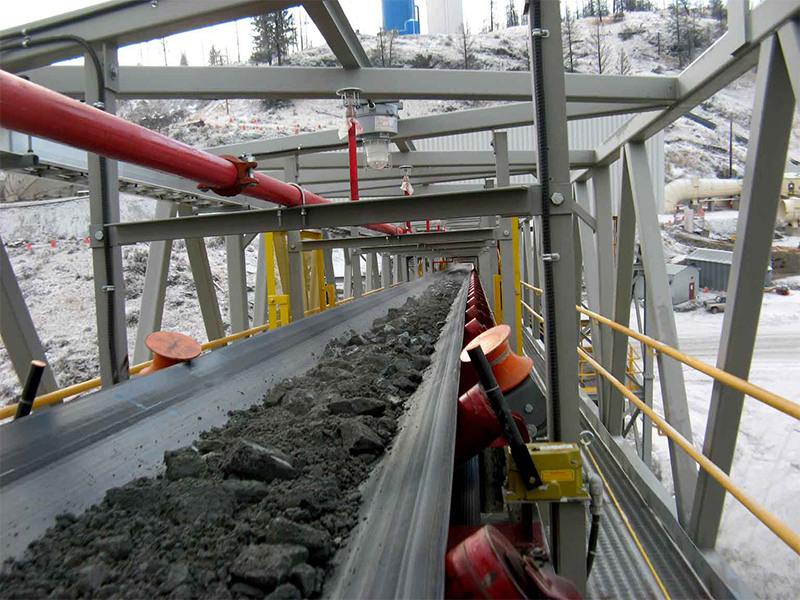
Datong Coal Group Case

Datong Coal Group

Underground flame retardant belts
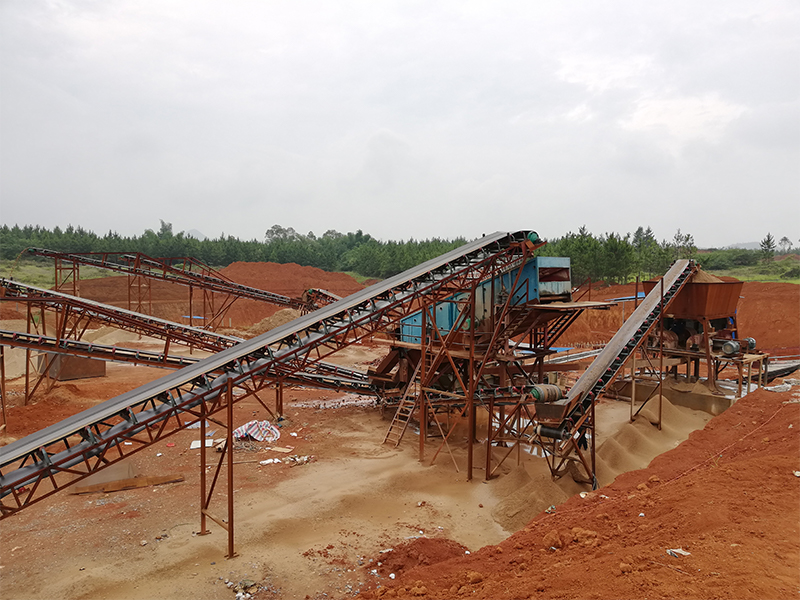
Tsingshan Group Case

Tsingshan Group

High-temperature metal processing lines

Integrated Technical Service Solutions

We provide complete service support, spanning project evaluation to operational maintenance planning.

01. Service Overview

Planned replacements, belt repairs, preventative maintenance inspections, and fast emergency repair solutions.

02. Scope of Services

Supply of custom belts and splicing raw rubber materials. We maintain structured safety inventories to support critical client facilities.

03. Service Standards

We work to extend belt service lives, reduce equipment wear patterns, and optimize the operational uptime of complex conveyor structures.

04. Long-Term Support

On-site hot vulcanization splicing, alignment diagnostics, training for maintenance personnel, and wear mapping.
Industrial Supporting & Conveyor Products

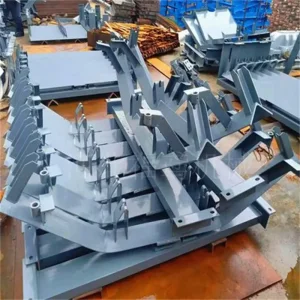
Conveyor Belt Idler Roller Brackets

Conveyor Belt Idler Roller Brackets

View Specifications
Steel Wire Rope Conveyor Belt

Steel Wire Rope Core Conveyor Belt

View Specifications
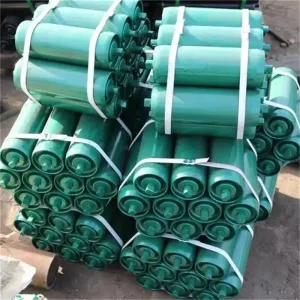
Suspended Conveyor Belt Rollers

Best Suspended Conveyor Belt Rollers

View Specifications
Patterned Conveyor Belts Designs

Patterned Conveyor Belts (Magic Carpet Designs)

View Specifications
Nylon Rubber Conveyor Belt for Mining

Nylon Rubber Conveyor Belt for Mining

View Specifications
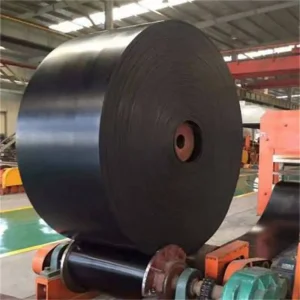
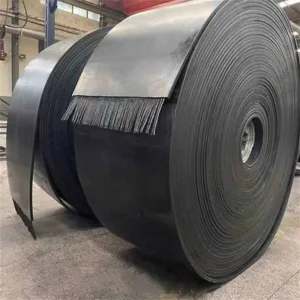
General-Purpose Rubber Conveyor Belt

General-Purpose Rubber Conveyor Belt

View Specifications
Steel Wire Rope Core Conveyor Belt Manufacturer

Steel Wire Rope Core Conveyor Belt

View Specifications
Acid and Alkali Resistant Conveyor Belt for Phosphate

Acid & Alkali Resistant Conveyor Belt

View Specifications

Industrial Rubber Belting FAQ

Q1: What are the primary differences between EP and NN fabric carcasses in rubber drive/conveyor belts?
EP (Polyester-Nylon) belts feature polyester in the warp direction and polyamide (nylon) in the weft. This combination offers high tensile strength and minimal physical elongation, making it suitable for long-distance transport. NN (Nylon-Nylon) belts use polyamide fibers in both directions, offering high elasticity and flex fatigue life, which is ideal for systems with small pulley diameters or heavy dynamic impacts.
Q2: How do acid and alkali-resistant rubber belts prevent chemical degradation?
These belts are formulated using specialized synthetic elastomers such as chloroprene, EPDM, or high-acrylonitrile NBR. These polymers form dense cross-linked networks that resist liquid absorption, acid hydrolysis, and alkaline chemical reactions. They are typically used in fertilizer manufacturing, metal processing, and seawater-adjacent loading ports.
Q3: What parameters are verified in Hebei Boao's physical testing laboratories?
We test every production batch for cover abrasion resistance (measured in mm³ loss according to DIN 53516), rubber-to-fabric adhesion strength (peel testing), steel cord pull-out resistance, and dynamic mechanical fatigue under load. This ensures the belt remains physically stable during operation.
Q4: What are the main benefits of sourcing directly from a manufacturer in Boye County, China?
Boye County is a major hub for the rubber industry. Direct factory sourcing provides access to concentrated technical expertise, raw material cost efficiencies, and specialized curing facilities. It also enables the customization of cover compounds to meet specific industrial requirements.
Q5: Can patterned conveyor belts operate at high inclination angles?
Yes. Our patterned belts (including chevron, concave, and convex profiles) are designed to increase material surface friction. This prevents backslide of bulk powders, aggregates, or wet material at inclination angles ranging from 15 up to 40 degrees, depending on the material's characteristics.