Heavy-duty structures engineered for maximum load carrying capacity and structural resilience
Scientific Evaluation of Surface Roughness, Polymeric Coefficients, and Incline Transportation Mechanics
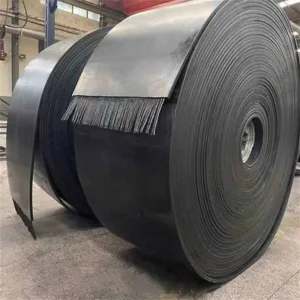
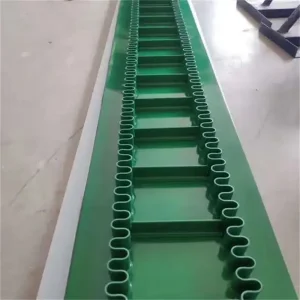
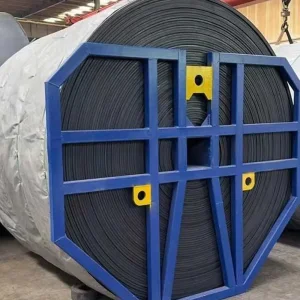
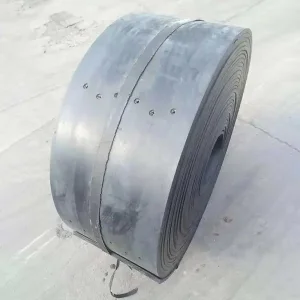
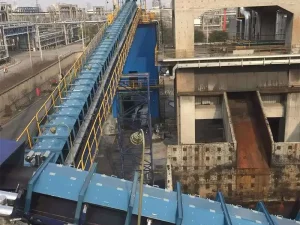
In modern industrial bulk solids logistics, conveying systems must balance spatial constraints, speed requirements, and safety guidelines. The transition from horizontal material handling to steep-angle elevation (typically ranging between 15° and 35°) represents a significant engineering challenge. Standard flat-surface rubber conveyor belts frequently experience structural backward slippage of materials once the incline exceeds the dynamic repose angle. To address this friction challenge, granular patterned conveyor belts have emerged as a critical technological standard.
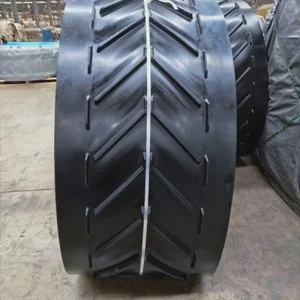
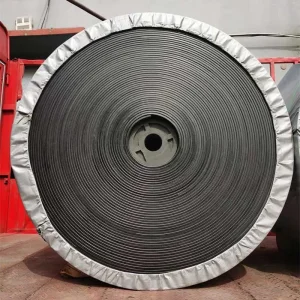
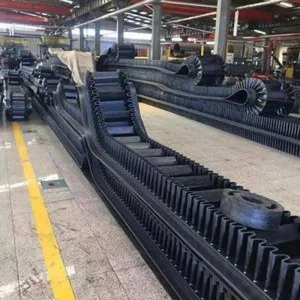
Characterized by a series of engineered micro-chevron patterns, granular reliefs, and surface textures, these belts provide the necessary mechanical interlocking forces to convey bulk materials without slide-back. The optimization of these granular geometries, combined with elastomeric matrix technology, determines the efficiency of energy transfer and overall service life in extreme environments.
Note on Structural Integration: Surface friction is not merely a product of gravity. It is a complex function of the contact mechanics between the material's bulk density properties and the micro-textured pattern of the elastomeric cover compound.
The core mechanism of a patterned belt relies on the localized deformation of the rubber surface. Under loading conditions, the granular patterns compress slightly, forming microscopic locking pockets for sand, grain, cement raw mix, or crushed coal. This pattern configuration significantly alters the dynamic friction factor (μ), elevating it from a standard range of 0.45 (for flat rubber on stone) to upwards of 0.78, depending on the pattern height (typically 1.5mm to 6mm) and material shape.
By optimizing the pitch and layout of the grains, manufacturers minimize wear on return idlers. Proper spacing prevents material build-up in the grooves, ensuring self-cleaning action through mechanical flexing at discharge pulleys.
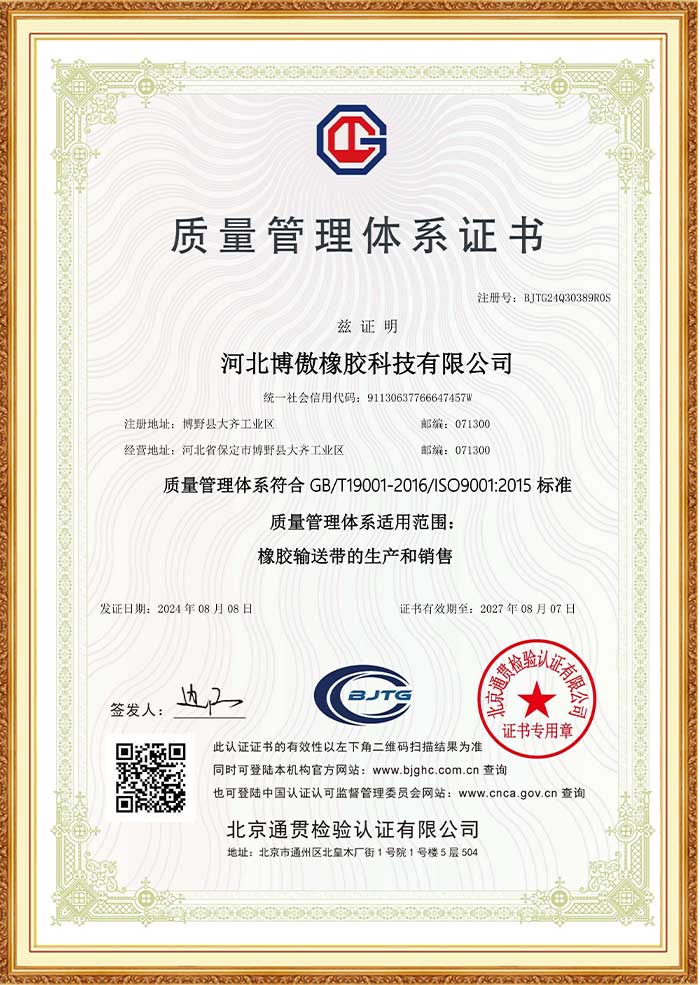
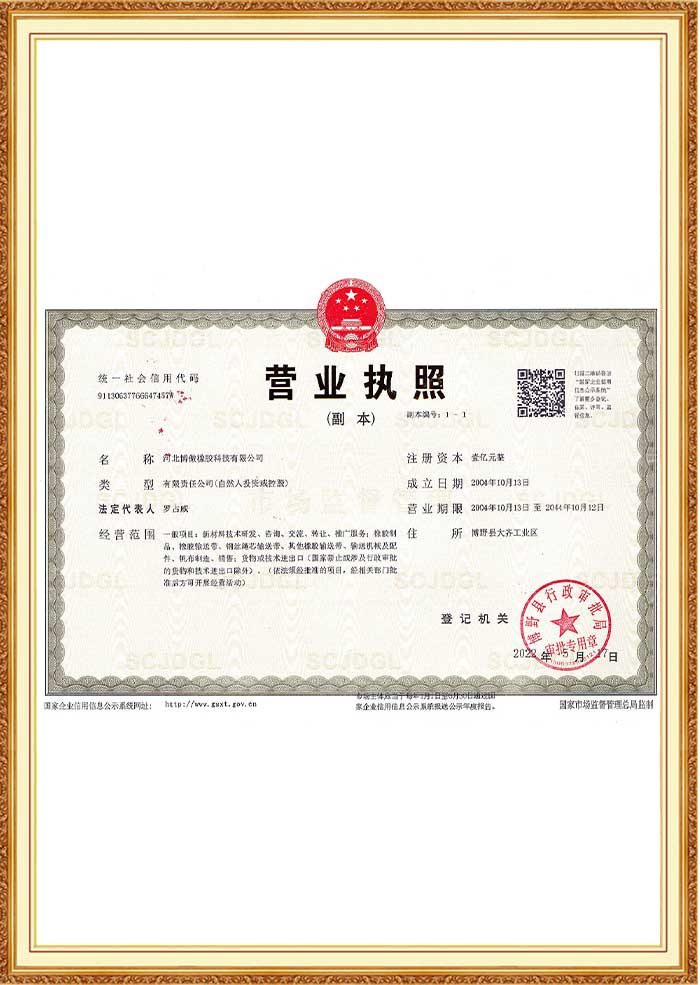
Established in 2004, Hebei Boao Rubber Technology Co., Ltd. (operating under the premium brand "Jinao") has spent over 22 years developing and manufacturing high-performance conveyor components. Located in the Rubber Industrial Park of Boye County, Baoding, Hebei Province, our 30-acre facility houses complete, vertically integrated production chains.
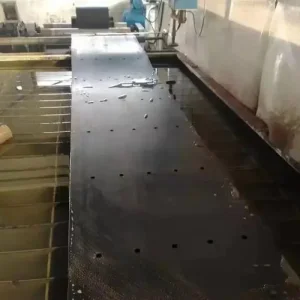
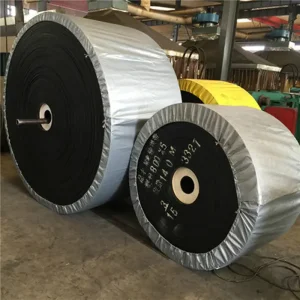
Our manufacturing capabilities cover the entire lifecycle of industrial belts: from raw polymer mastication and automated chemical compounding to calendering, fabric wrapping, steel cord tensioning, and high-pressure vulcanization presses. By handling these steps in-house, we guarantee structural consistency across every roll of "Jinao" branded belt.
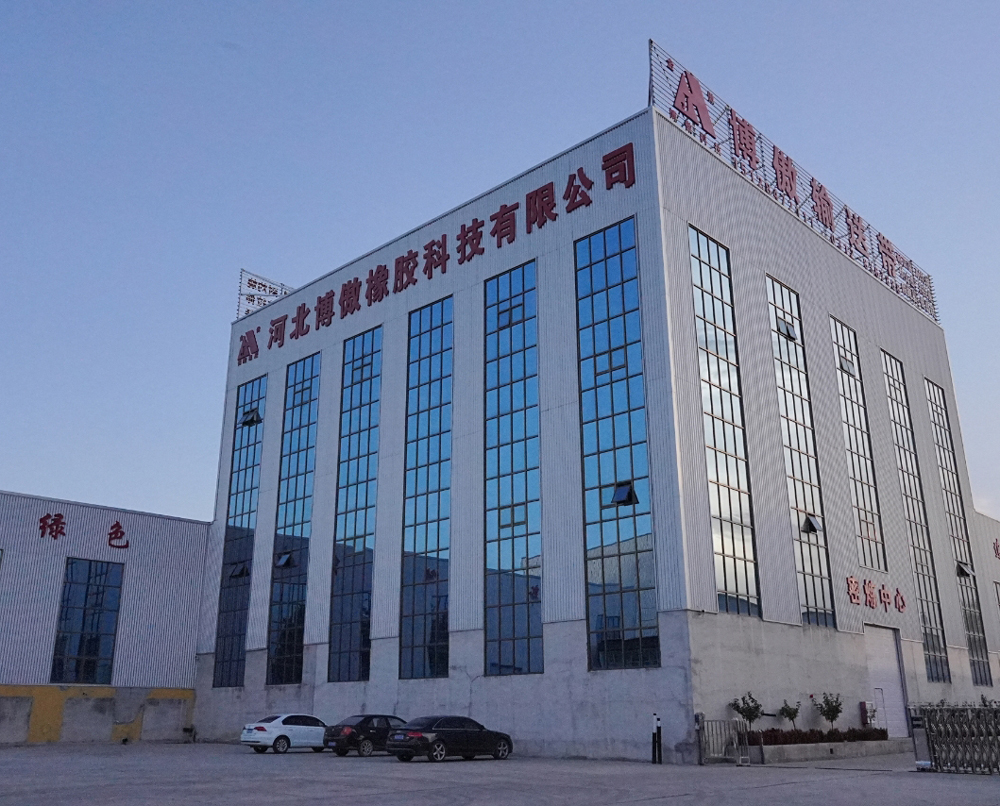
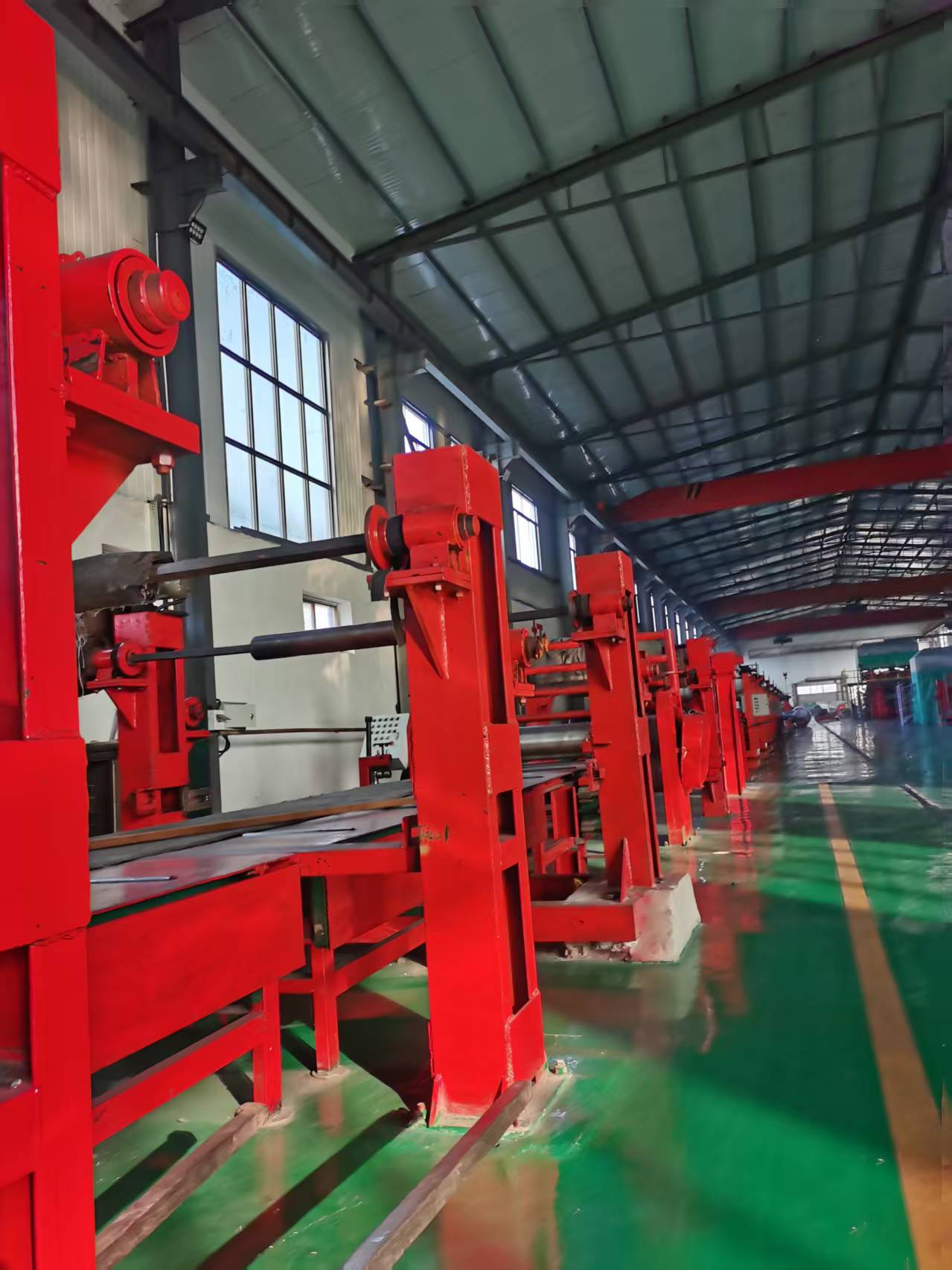
The industrial conveyor belt sector is undergoing a rapid technological shift driven by three primary vectors: energy conservation, safety integration, and smart monitoring.
For operations directors and procurement teams, purchasing decision matrices have evolved beyond the basic cost-per-meter metric. Standardized procurement templates now evaluate the Total Cost of Ownership (TCO), which factors in downtime losses, splice maintenance costs, and electrical energy consumption. Our manufacturing approach prioritizes long service life. By using virgin rubber compounds and high-grade synthetic fibers (Nylon/EP), Jinao belts deliver superior resistance to edge fraying and cover wear under demanding loads.
Heavy industry demands specific material profiles tailored to operational challenges. Hebei Boao designs bespoke solutions for several core sectors:
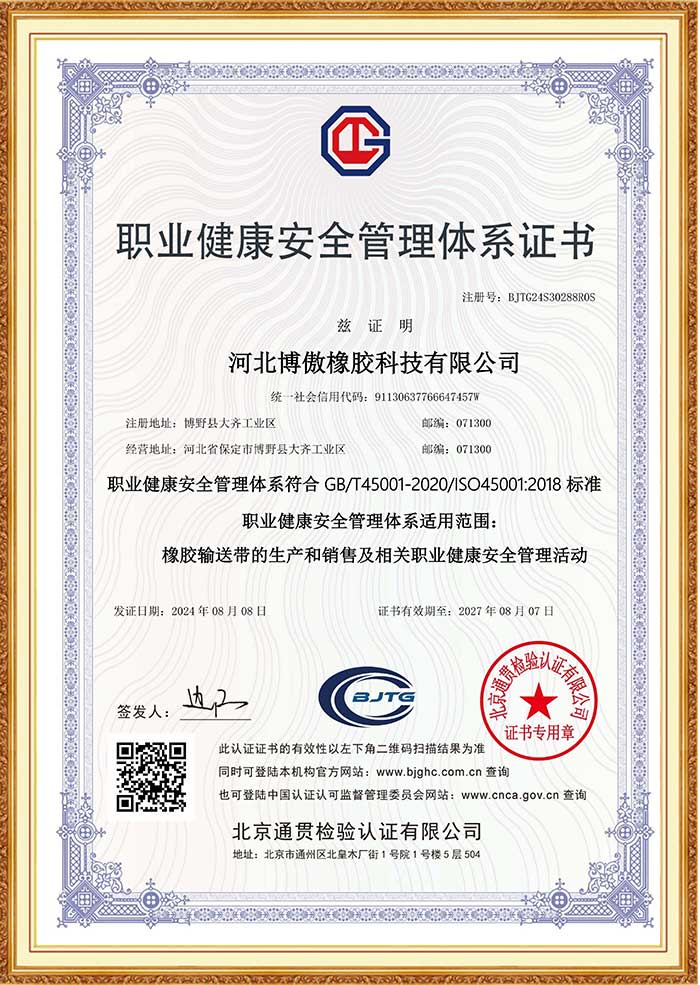
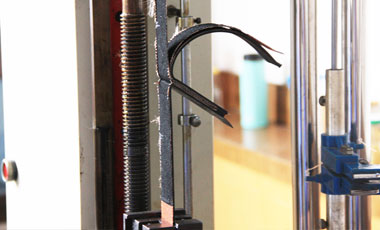
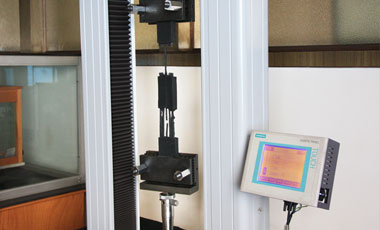
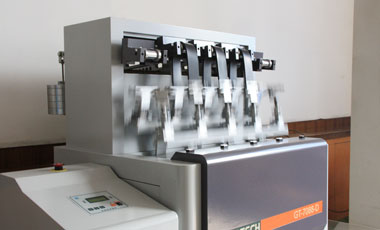
Our quality assurance process is backed by a fully equipped physics and chemical laboratory. We conduct rigorous testing at every stage of production: from polymer raw materials to finished products.
To keep operations running efficiently, Boao offers complete, practical field services. Our service plans include planned replacement, inspection, preventive vulcanized splicing, and emergency repair. We maintain safety stock programs tailored to client requirements, ensuring minimal downtime in the event of unforeseen system failures.
| Phase | Development Focus | Target Performance Indicator | Applications |
|---|---|---|---|
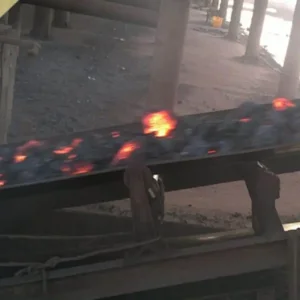
| Phase I | High-performance EPDM Heat-Resistant Cover Compounds | Continuous thermal stability up to 250°C | Cement Clinker & Steel Sinter Operations |
| Phase II | Low Indent Rolling Resistance (LRR) Rubber Base Matrix | 12-15% lower drive motor power draw | Overland Long-distance Conveyors |
| Phase III | Embedded Electronic Cord Diagnostics & Sensor Arrays | Real-time alert system for tear and splice failures | Automated Deep Mining Shafts |
Engineering excellence, certified standards, and complete lifecycle support
Our raw material testing and chemical analysis labs ensure that unqualified components do not enter our production line, and finished products only ship once all standards are met.
With 22 years of continuous operation, our engineering team design solutions tailored to demanding transport environments and high-stress industrial applications.
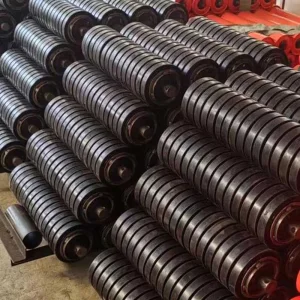
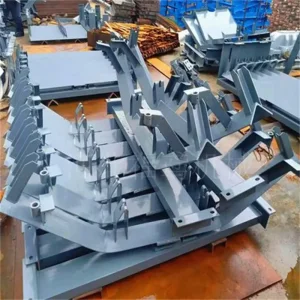
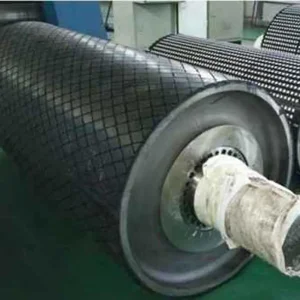
We supply complete conveyor systems, including idlers, brackets, and pulley lagging, ensuring perfect component integration and simple onsite setup.
Expert engineering insights regarding granular textured belts, compound selection, and design choices
Heavy-duty hardware and supports designed for demanding industrial operations
Contact our engineering team to request a technical proposal, material compatibility analysis, or a project quotation.
Inquire Now & Request Quote Boao Rubber