Best Engine Rubber Belt Supplier & Suppliers

Pioneering High-Performance Industrial Conveyor & Power Transmission Elastomer Solutions Since 2004

22+
Years of Innovation
30+
Acres Manufacturing Base
100%
Quality Inspection Passed
API/CE
Global Certifications
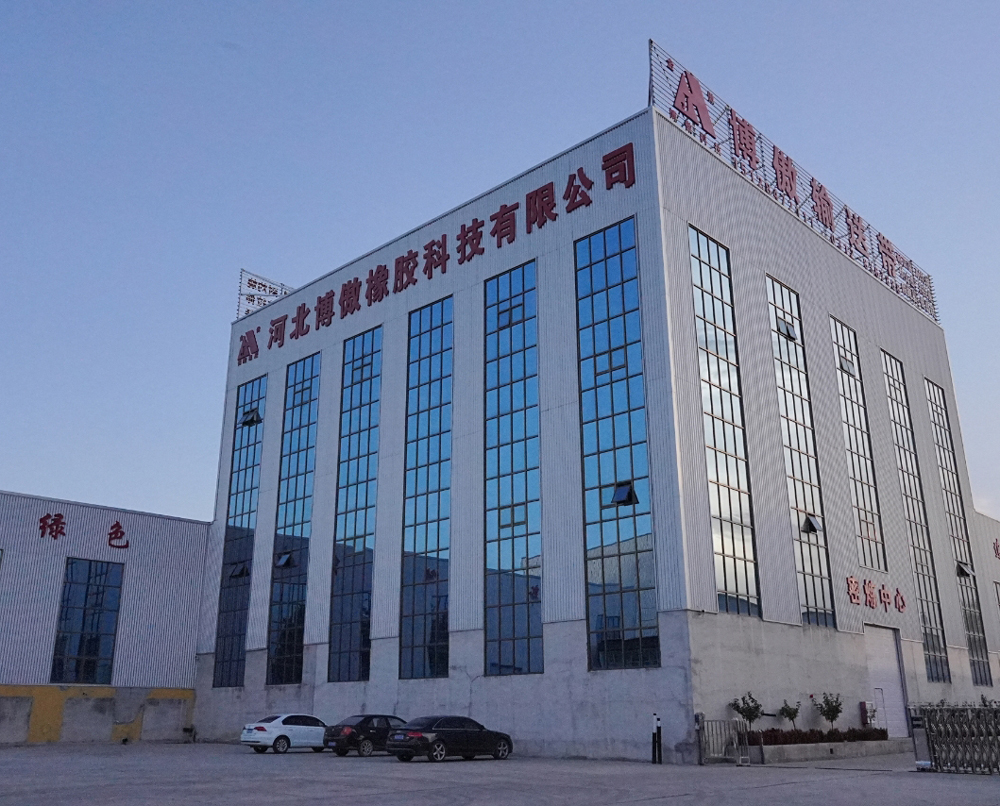
Hebei Boao Rubber Manufacturing Factory

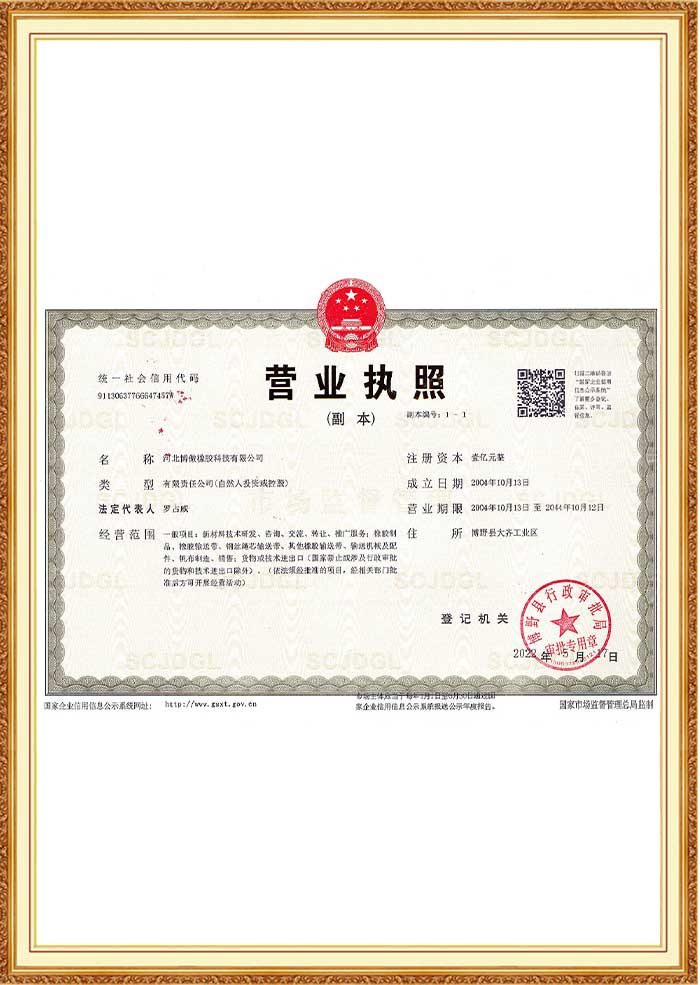
Hebei Boao Rubber Technology Co., Ltd.

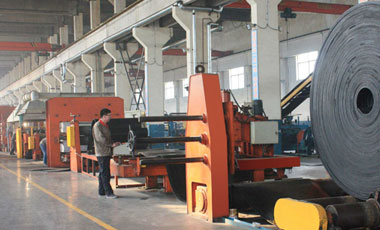
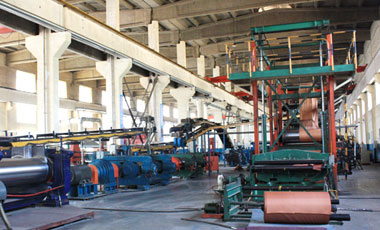
Established in 2004, Hebei Boao Rubber Technology Co., Ltd. sits in the heart of the Boye County Rubber Industrial Park, Baoding, Hebei Province. Over the last 22 years, we have built a modern 30-acre compound dedicated entirely to the research, design, chemical composition, and testing of high-strength industrial rubber conveyor belts and accessories under our proprietary "Jinao" brand.

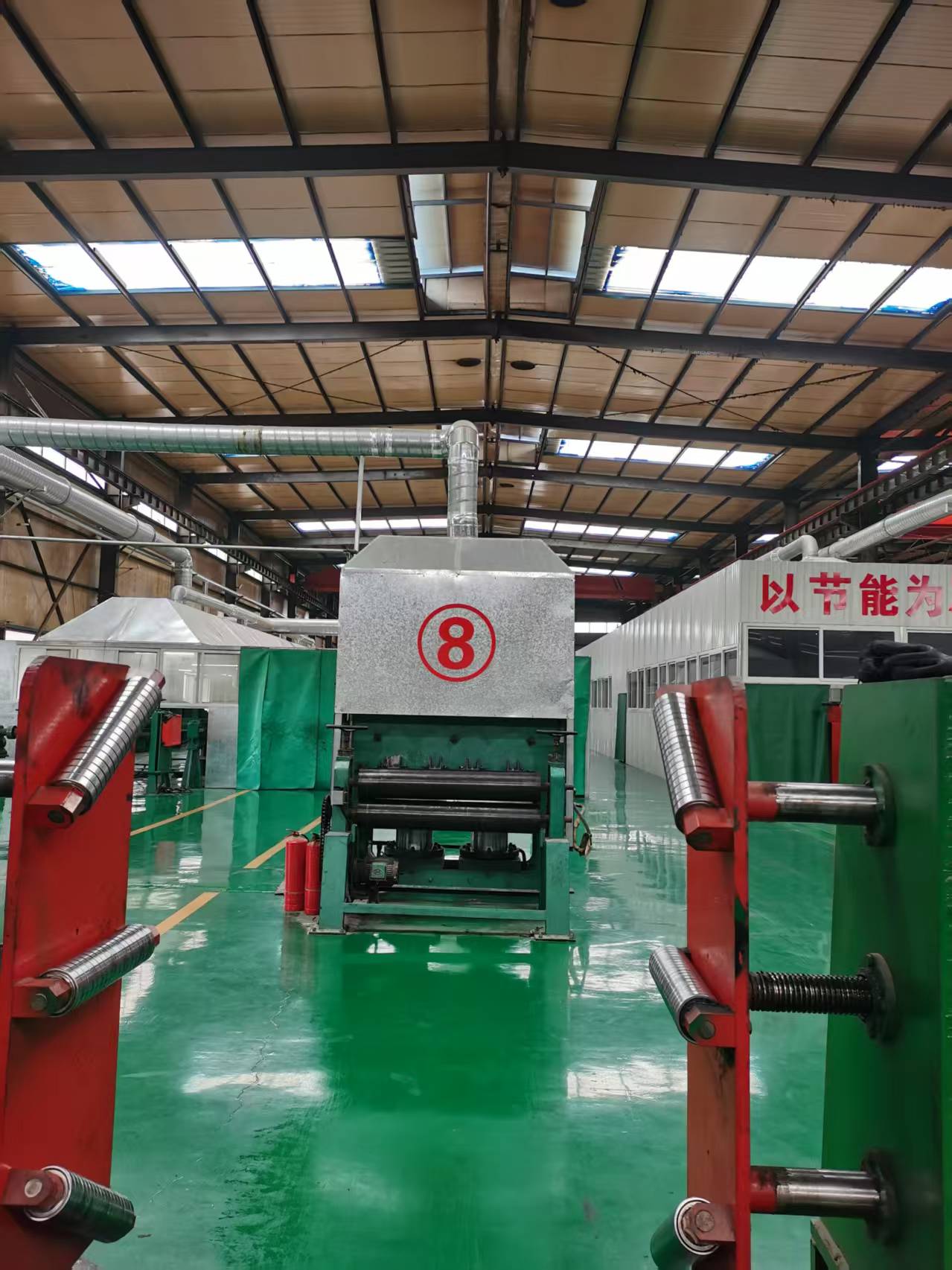
Unlike standard merchants, our facility operates multiple advanced manufacturing lines covering rolling, forming, vulcanization, and material analysis. Our dedication to passing international quality management certifications on our first attempts reflects a company-wide commitment to engineering reliability and mechanical optimization.

Uncompromising Quality Assurance Infrastructure

How our physical and chemical laboratory setups guarantee that not a single sub-standard rubber batch ever leaves our facility.

Independent Chemical Analysis

Every compound batch is tested for polymer content, aging acceleration indicators, and oil/acid reaction rates. Standard checks ensure we match exact customer environment conditions.

Physics & Adhesion Testing

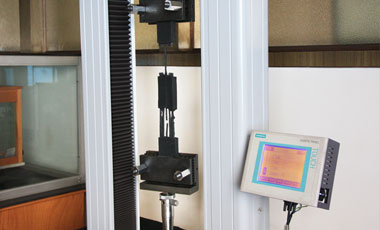
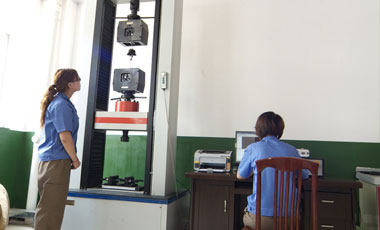
We deploy specialized pull-out tension testing machines and peeling calibration sets to determine rubber-to-steel and rubber-to-fabric adhesion limit margins under extreme shear stress.

National Quality Standards

Strict structural adherence to GB/T, DIN, ISO, and RMA standards means our rubber conveyor systems deliver longer duty cycles in power plants, steel mills, and marine terminals.

Industrial Equipment & Advanced Testing Machinery

Take a look inside Hebei Boao's advanced production lines and testing facilities.
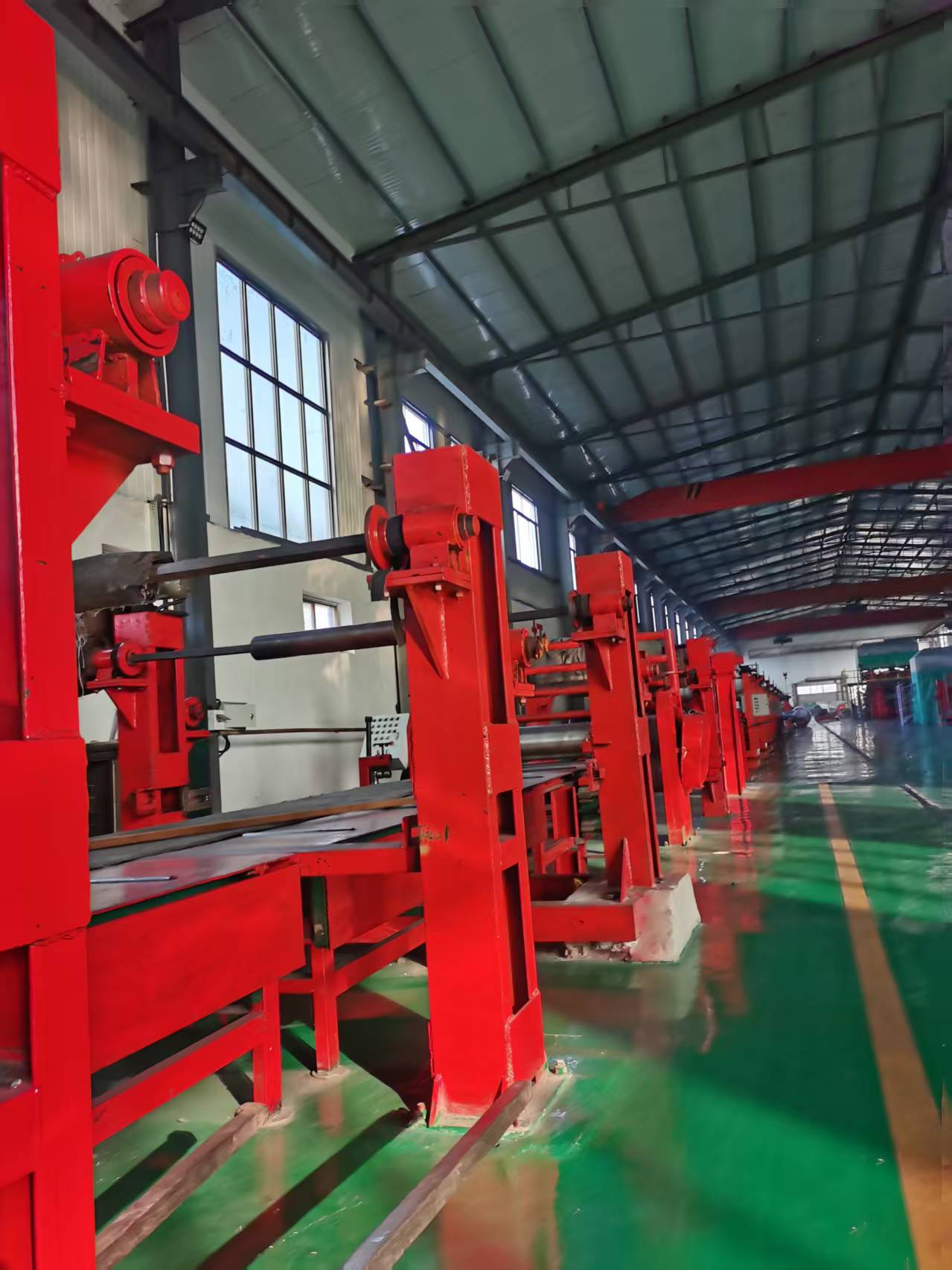
Production Infrastructure
Production Line 1

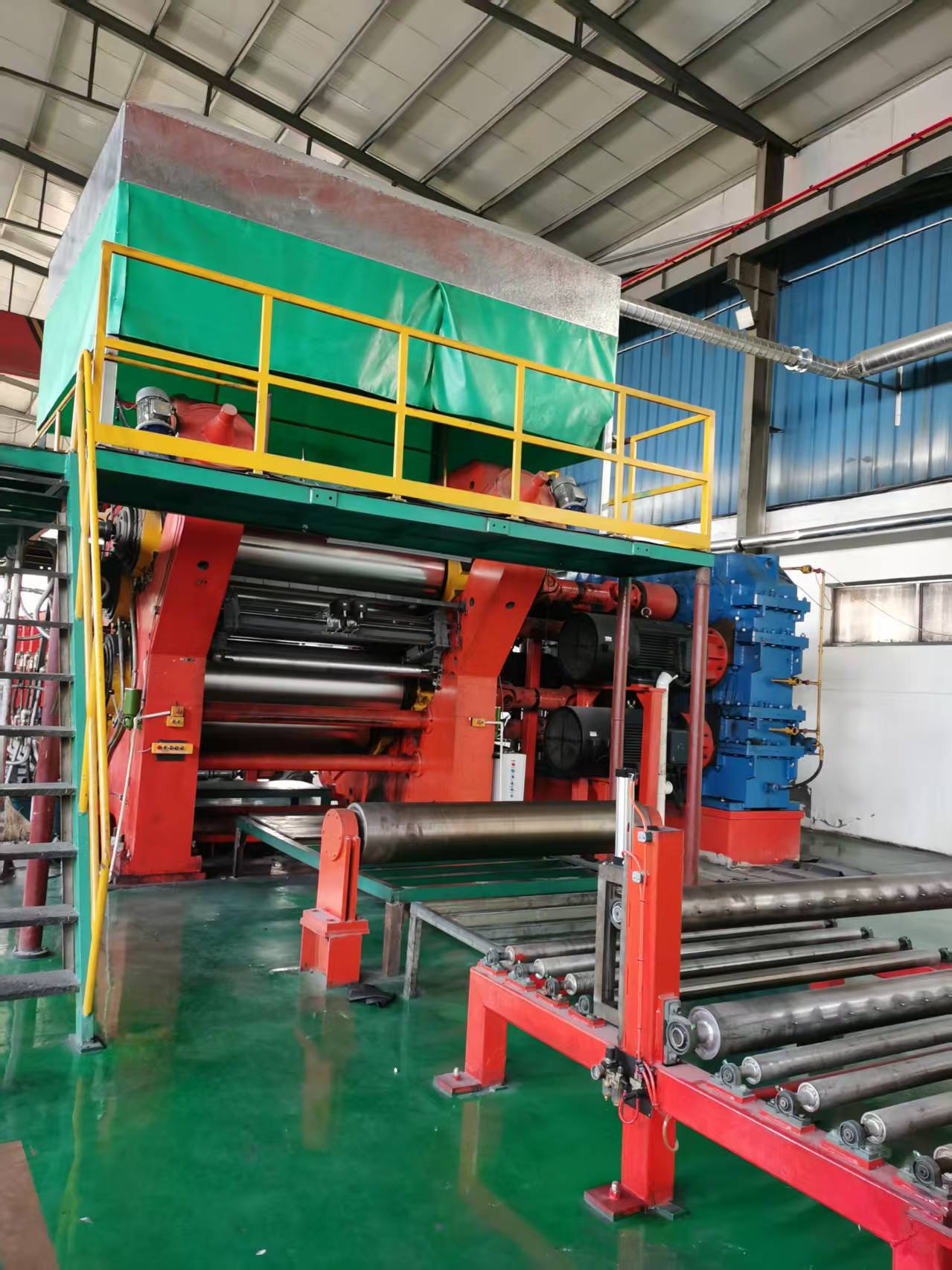
High-Precision Calendering Unit

Production Line 2

Automated Compounding Machine

Production Line 3

Fabric Conveyor Calendering Line

Production Line 4

Heavy duty Vulcanizing Press

Production Line of Fabric Conveyor Belt
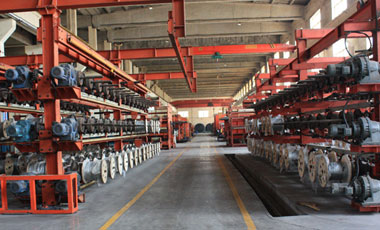
Production Line of Fabric Conveyor Belt

Production Equipment of Steel Cord Conveyor Belt
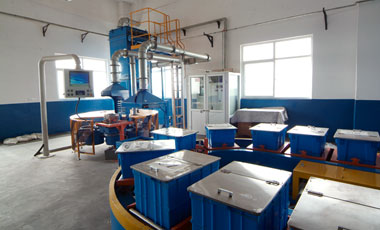
Production Equipment of Steel Cord Conveyor Belt

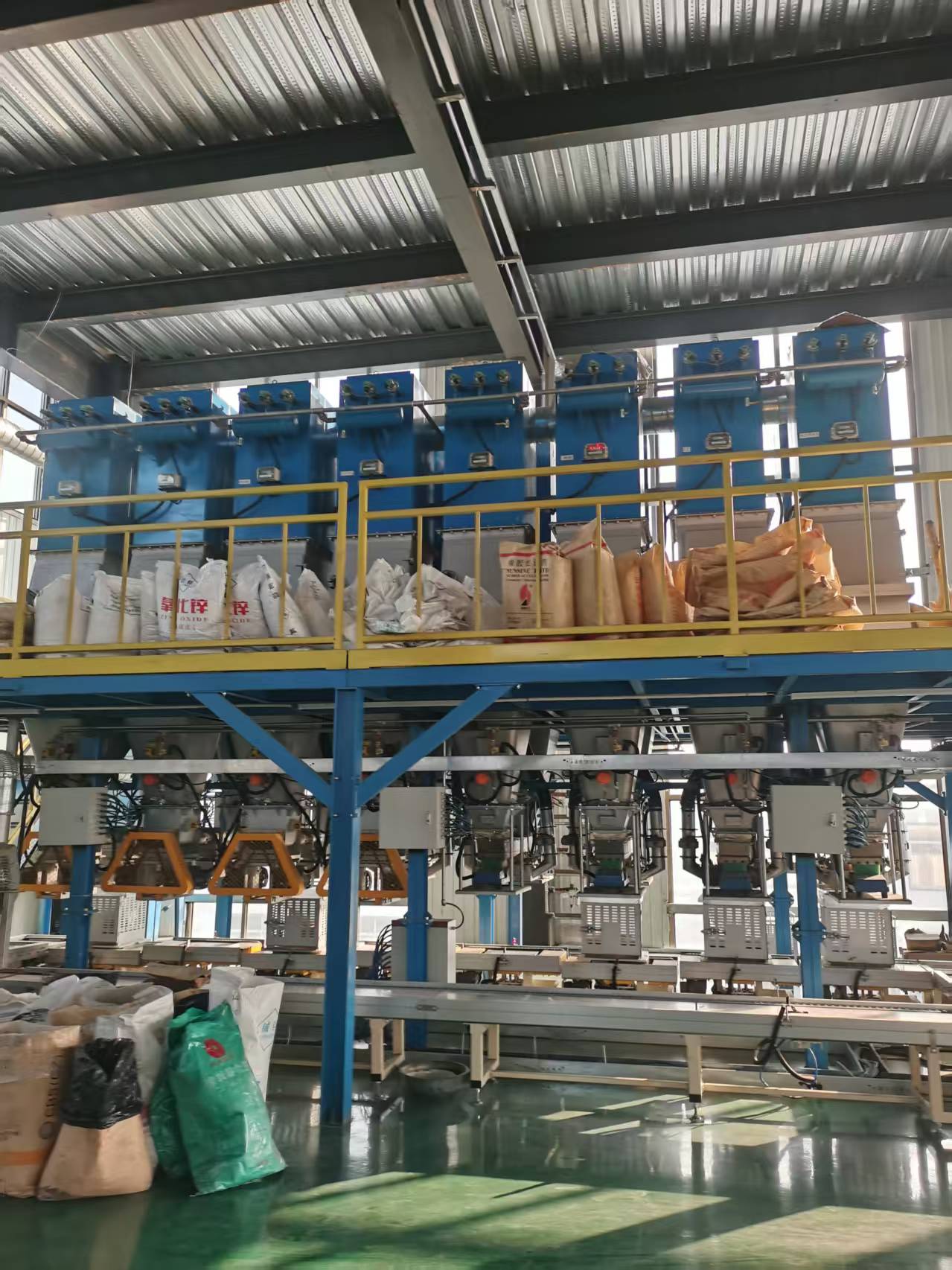
Proportioning Room of Mixing Center
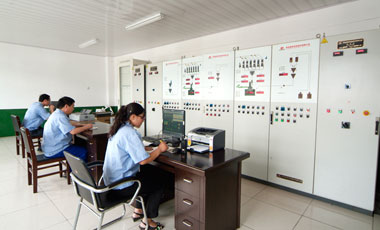
Proportioning Room of Mixing Center

Proportioning System of Mixing Center
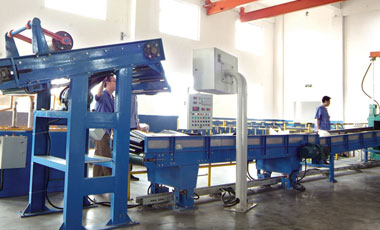
Proportioning System of Mixing Center

Feeding Device

Automated Feeding System

Calendering & Shaping Machine
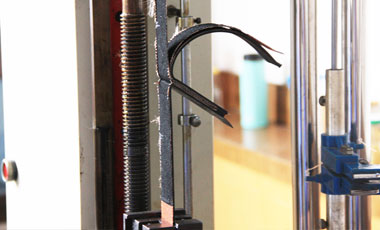
Calendering & Shaping Machine

Testing Equipment
Peeling Test

Peeling Adhesion Test Unit

Steel Cord Pull-out Machine
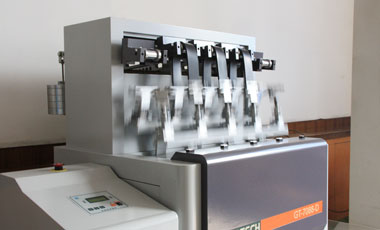
Steel Cord Pull-out Machine

Dynamic Fatigue Tester
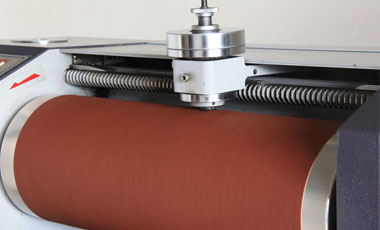
Dynamic Fatigue Tester

Abrasion Tester

Rubber Abrasion Tester

Abrasion Tester 2

ISO/DIN Wear Calibration Chamber

Physical Properties Testing
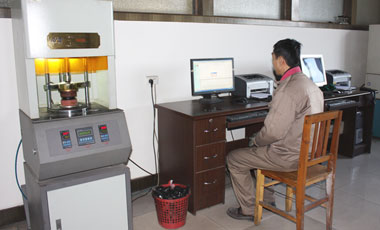
Physical Properties Testing

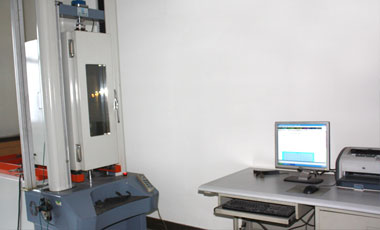
Tensile Strength Testing Device

Elastomer Tensile & Deflection Test

Global Commercial & Industrial Reality of Engine & Conveyor Rubber Belts

In modern heavy industries—ranging from mineral extraction to automated automotive engine assemblies—power transmission and material movement rely entirely on rubber belts. Whether it is an engine rubber belt driving the alternator and water pump of a generator set, or a multi-ply fabric conveyor belt pulling hundreds of tons of iron ore up a steep incline, performance limitations are defined by compound chemistry.

The global industrial sector faces ever-increasing pressure to reduce uptime loss. In heavy metallurgy, cement kiln feeds, and underground coal mining, any unexpected belt snapping can lead to catastrophic losses. This demand is shifting purchase practices from low-cost, low-grade products to high-performance, compound-stable rubber belts designed for specific wear and resistance profiles.

Engine & Conveyor Rubber Belts: Localized Application Scenarios

Industrial layouts require varying properties depending on environmental stresses. At Hebei Boao, we design customized rubber belt systems for several specialized global applications:

  • Steel Mills & Metal Foundries: Transporting hot sinter, coke, and slag requires high heat-resistant (HR) rubber formulas. In mills like Taihang Steel and Tsingshan Group, belts operate next to blast furnaces where temperatures frequently spike past 200°C. Standard rubber belts decompose within weeks, whereas our premium EPDM/SBR compounds withstand continuous thermal exposure.
  • Underground Coal Mining: Underground safety requires self-extinguishing flame-retardant conveyor belts. Engineered in accordance with international safety certifications, these belts prevent friction-induced heat from sparking coal dust explosions.
  • Cement Plants & Quarrying: High impact resistance is crucial when moving crushed limestone and clinker. Operations like Conch Cement and Jidong Cement deploy our fabric and steel-cord belts to absorb heavy aggregate impacts without tearing.
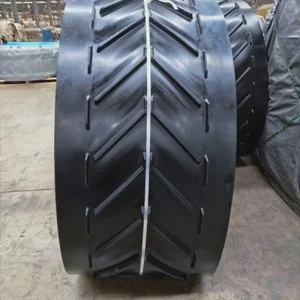
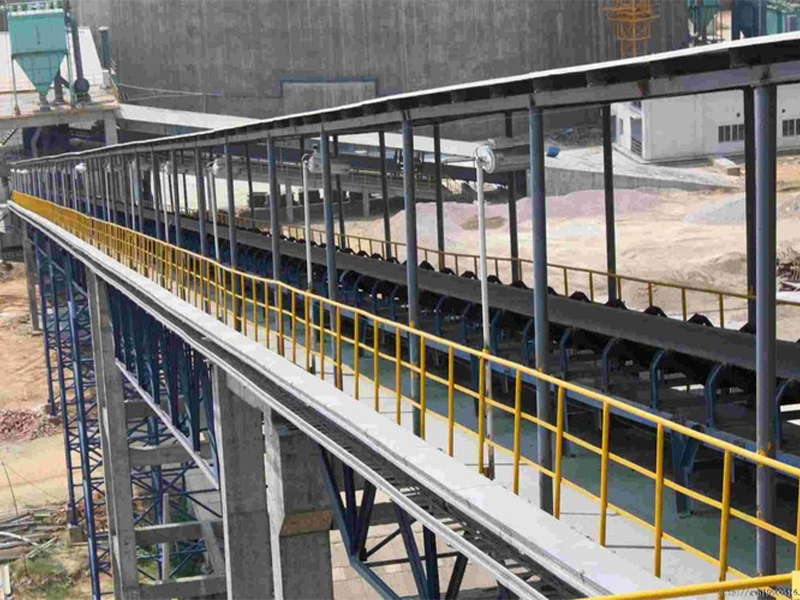
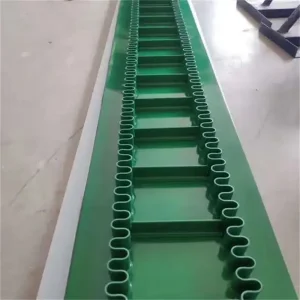
  • Logistics, Ports & Bulk Handling: Bulk ports rely on high-capacity conveyor belts to load and unload ships rapidly. Our Chevron patterned and high-inclination corrugated sidewall belts allow fast material movement at steep angles without sliding back.

Chinese Factory Supply Chain Resilience & Efficiency Advantages

Located in Baoding, Hebei, Hebei Boao Rubber Technology Co., Ltd. benefits from a highly integrated local industrial cluster. This proximity secures direct, fast access to high-grade natural rubber, steel wire cords, chemical accelerators, and synthetic polymers. This local sourcing allows us to absorb global raw material fluctuations and maintain steady production schedules.

Furthermore, our automated mixing centers regulate compound blending down to the gram. The integration of high-volume calenders and vulcanizing presses cuts typical production cycles by 30% compared to overseas competitors. Located near major ports like Tianjin and Qingdao, we can deliver volume orders to Europe, South America, and Southeast Asia within highly competitive lead times.

Technical Roadmap & Future Outlook: Next-Generation Elastomer Systems

Our research and development roadmap focuses on integrating structural sensors and sustainable polymers:

  • Real-time Structural Health Monitoring: Integrating RFID and electromagnetic sensor grids inside our heavy-duty steel wire conveyor belts lets operators detect micro-tears and splice failures before a structural break occurs.
  • Eco-Friendly Rubber Compounds: We are actively developing bio-based rubbers and carbon-neutral synthetic polymers to reduce manufacturing emissions while maintaining high abrasion resistance.
  • Extreme Cold and Chemical Resistance: Formulating new polymers that retain flexibility at -50°C for sub-zero mining locations while resisting oxidation from acids, alkalis, and oils.

Technical Service Plans & Custom Support Contracts

We believe that providing reliable products involves offering complete technical lifecycle support. Hebei Boao offers comprehensive service plans that cover:

  • Pre-installation Inspection & Engineering Consultation: Aligning belt tensile strength, cover rubber thickeness, and pulley diameters to match your exact setup specs.
  • On-Site Vulcanization Jointing & Splice Training: Providing step-by-step guidance on hot/cold vulcanizing to maximize splice joint lifespan.
  • Inventory Control & Quick Delivery Support: Setting up safety stock levels at regional distribution points to ensure fast replacement during unplanned shutdowns.

Proven Track Record with Global Industry Leaders

Our heavy-duty industrial conveyor belts are trusted in demanding applications by leading multinational steel, mining, and cement groups.
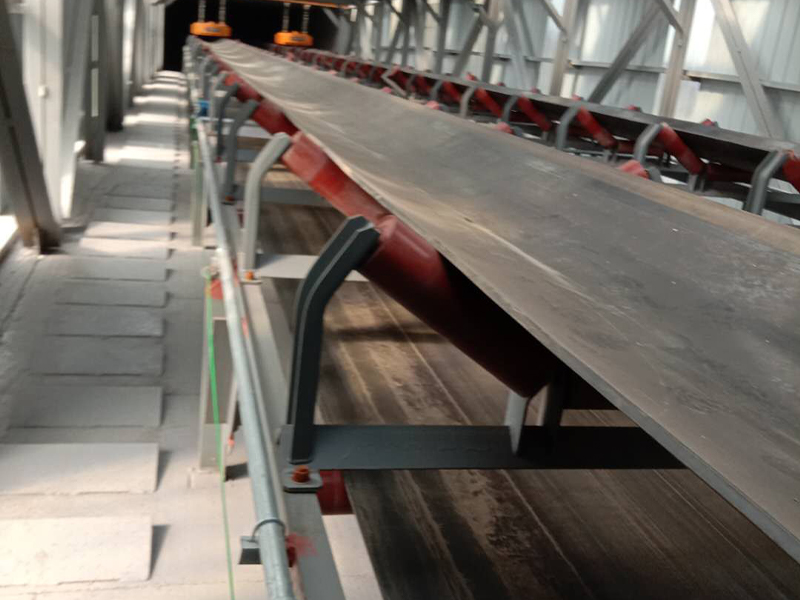
Taihang Steel
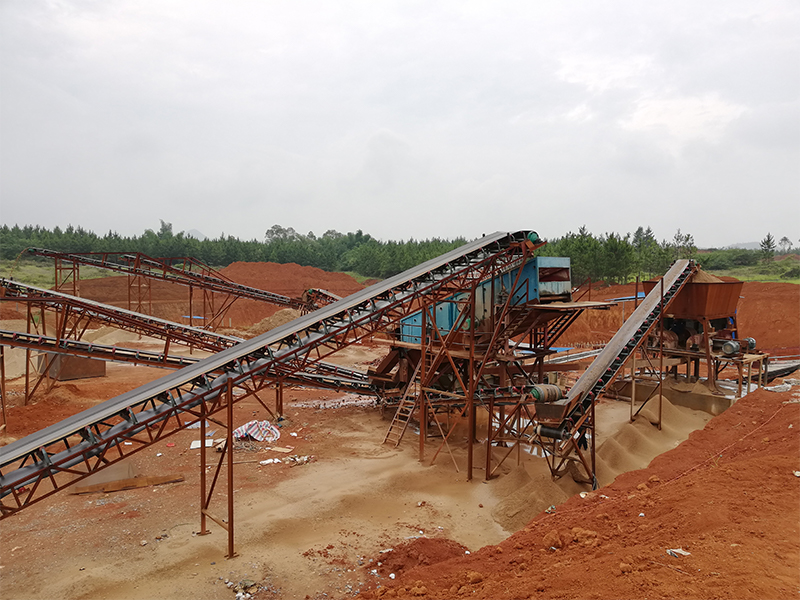
Taihang Steel

Tsingshan Group

Tsingshan Group

Zijin Mining

Zijin Mining

China Railway Group

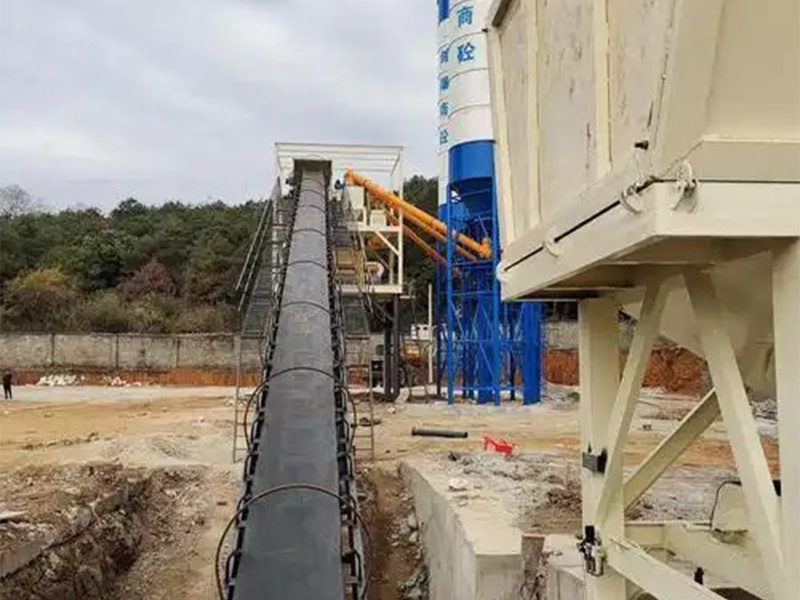
China Railway Group Mixing Plant

Conch Cement
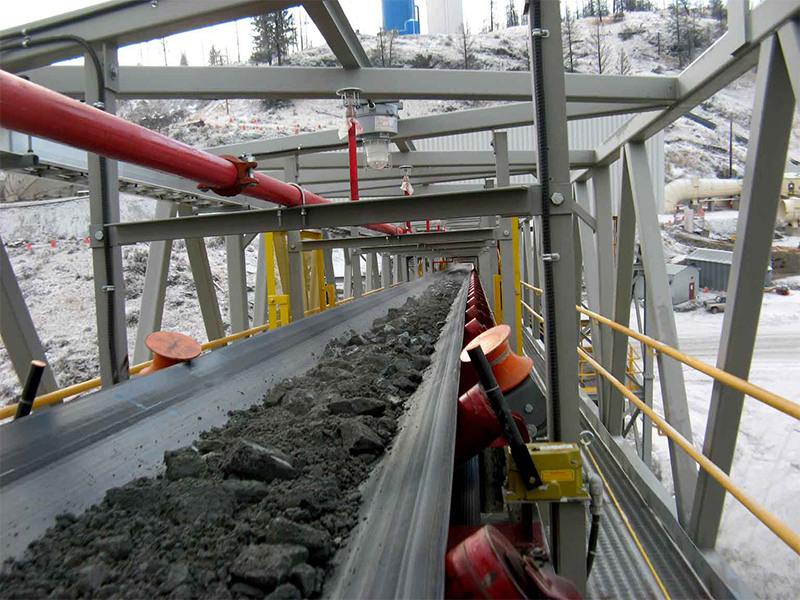
Conch Cement

Datong Coal Group

Datong Coal Group

Jidong Cement Group
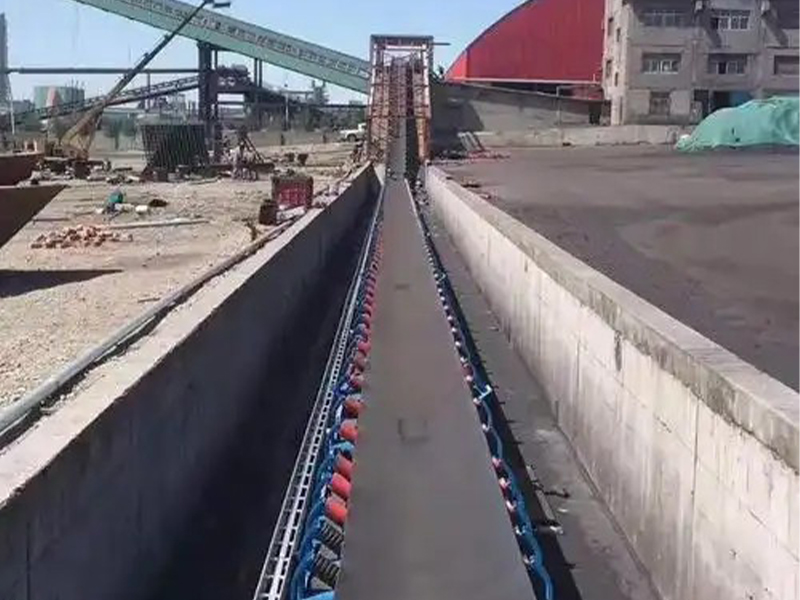
Jidong Cement Group

Jinmei Group

Jinmei Group Coal Conveying Line

Certified Production Excellence

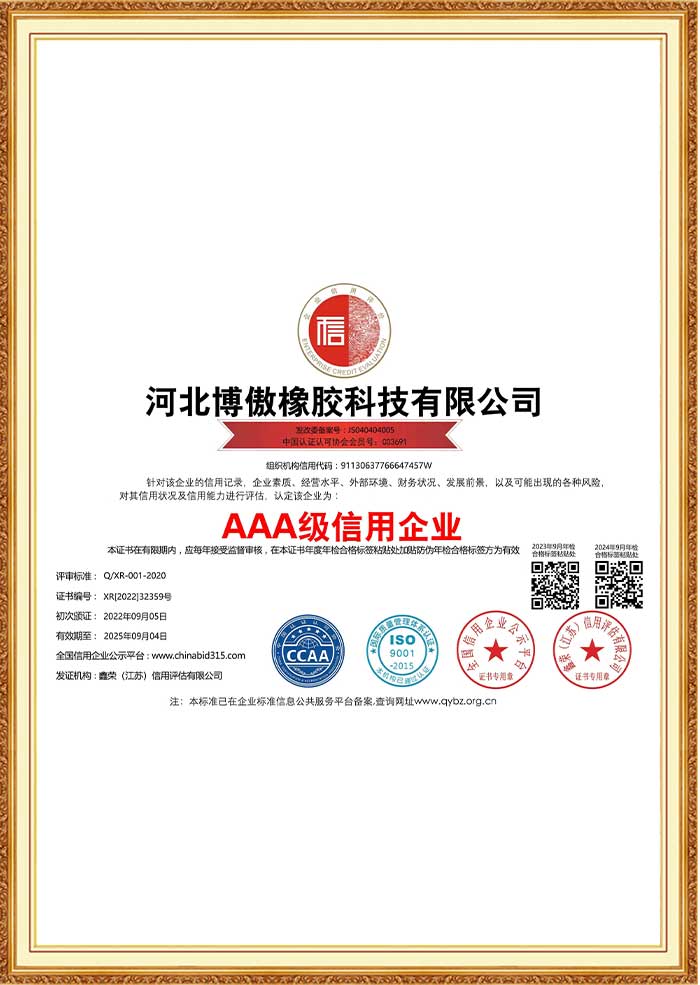
Compliant with API 6D, API 607, CE, ISO9001, ISO14001, ISO18001, and TS manufacturing guidelines.
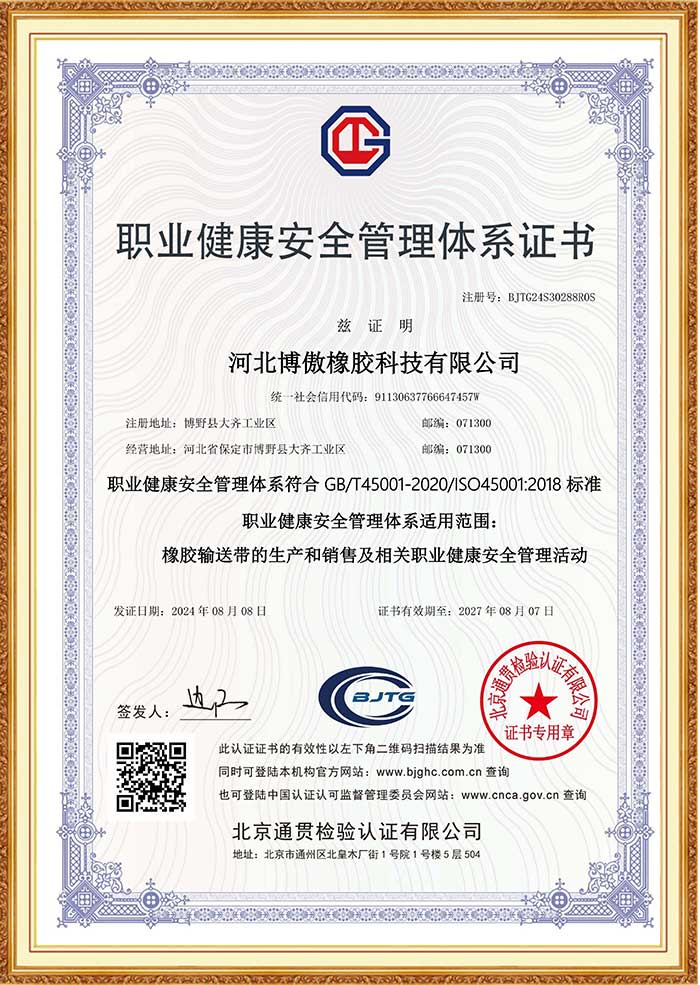
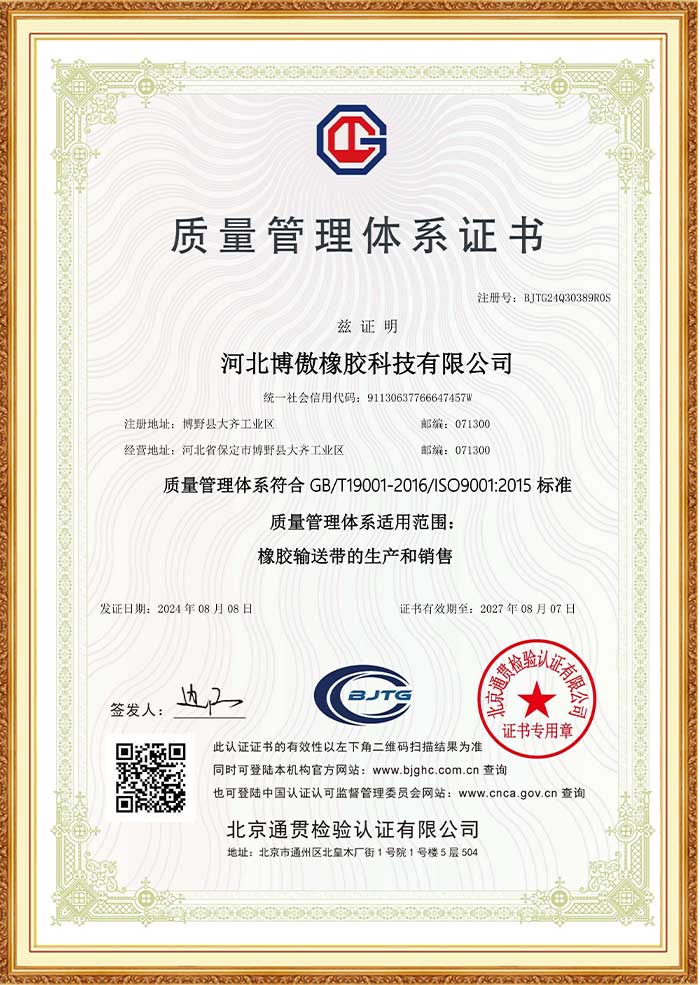
ISO Certificate
Management Certificate
Quality Control Certificate
Environmental Certificate

Expert Q&A: Industrial & Engine Rubber Belt Technical Guide

Detailed answers to key engineering, compound structure, and purchase optimization questions.

1. How do you distinguish between EP, NN, and Steel Cord rubber reinforcement cores?
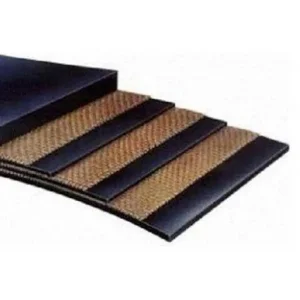
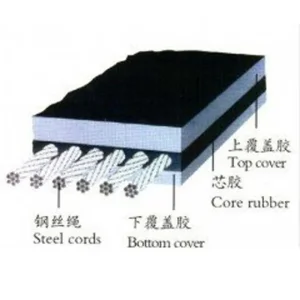
EP (Polyester/Polyamide) conveyor belts feature a polyester warp and nylon filling, which provides low elongation and high tensile strength, making them ideal for medium-to-long distance installations. NN (Nylon/Nylon) belts are highly flexible with excellent elastic recovery and impact fatigue life, perfect for high-speed systems with small drum pulleys. Steel Cord (Steel Wire Rope) cores are designed for long-distance, high-tension systems requiring minimal elongation, such as deep-pit mining.
2. What rubber compounds are used to withstand high temperatures up to 250°C?
To handle hot sintered ore or clinker, we formulate our cover rubber with high-grade EPDM (Ethylene Propylene Diene Monomer) or specialized SBR (Styrene Butadiene Rubber). These elastomers resist thermal cracking, hardening, and oxidation much better than natural rubber.
3. How does Boao ensure flame retardancy (FR) compliance for underground mining?
Our flame-retardant rubber conveyor belts comply with international safety standards like ISO 340 and DIN 22103. The compounds integrate organic flame retardants and smoke suppressants that quickly self-extinguish when removed from an open flame.
4. Why is rubber-to-metal adhesion critical in steel cord conveyor belts?
If the rubber loses its bond with the internal steel cords, moisture can seep in, causing internal rust and eventual belt failure. Our physics lab utilizes pull-out test units to guarantee our vulcanized chemical adhesives prevent rust and layer separation.
5. Can you customize the thickness of the top and bottom cover rubber?
Yes. Depending on the abrasive properties of the material being moved, we customize cover profiles (e.g., 6mm top + 2mm bottom, or 8mm top + 3mm bottom) to maximize the operational lifespan of the belt.

Request a Custom Rubber Belt Specification & Quote

Need advice on EPDM formulation thicknesses, high-tensile fabric configurations, or planning conveyor lines for tough bulk handling environments? Contact our Hebei Boye County manufacturing team to request technical assistance or sample testing.

Inquire Now