Explore our high-durability rubber conveyor belts designed to withstand extreme thermal, mechanical, and environmental stress.
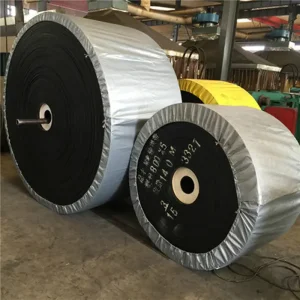
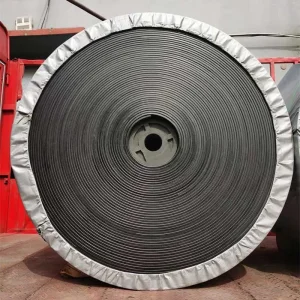
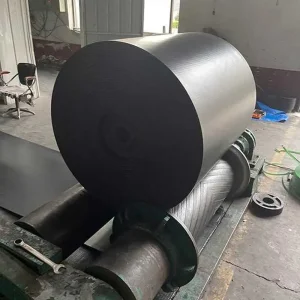
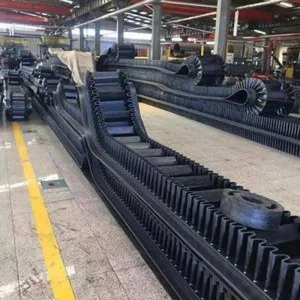
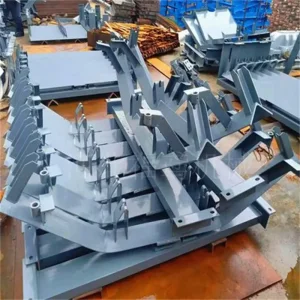
An in-depth analysis of the technical and logistical realities governing modern bulk material processing.
Conveyor rubber products represent the circulatory system of global heavy industries. Whether routing thousands of tons of high-abrasion iron ore in Western Australia, handling incandescent slag inside dynamic metallurgical plants, or ensuring uninterrupted transit in port hubs, the structural integrity of rubber belting dictates global operational uptime. To optimize the total cost of ownership (TCO) and maximize processing capacity, modern operations demand conveyor belting designed to resist dynamic tearing, thermal degradation, chemical oxidation, and abrasive wear.
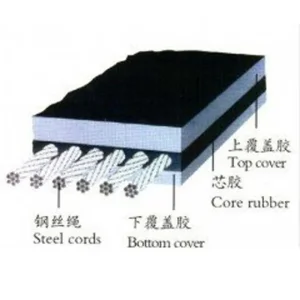
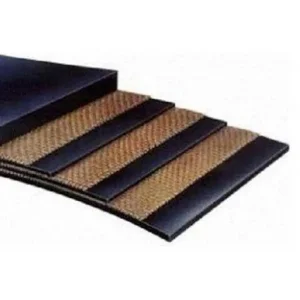
With global supply chains demanding faster throughput, industrial operators are pivoting from traditional general-purpose belts to specialized synthetic rubber formulations. Advanced polymers such as EPDM, NBR, and high-performance SBR/NR blends are systematically layered with tension members like high-modulus polyester (EP) fabric, nylon (NN) fabric, and high-tensile steel wire ropes. This composite design satisfies demanding mechanical profiles and meets international guidelines including DIN 22102, AS 1332, and ISO 15236.
SEO Insight & Technical Truth: In high-capacity mining or smelting operations, a single conveyor belt failure can cost upward of tens of thousands of dollars per hour in idle production. Investing in verified heavy-duty rubber compounding is not a cost center; it is a fundamental risk-mitigation strategy.
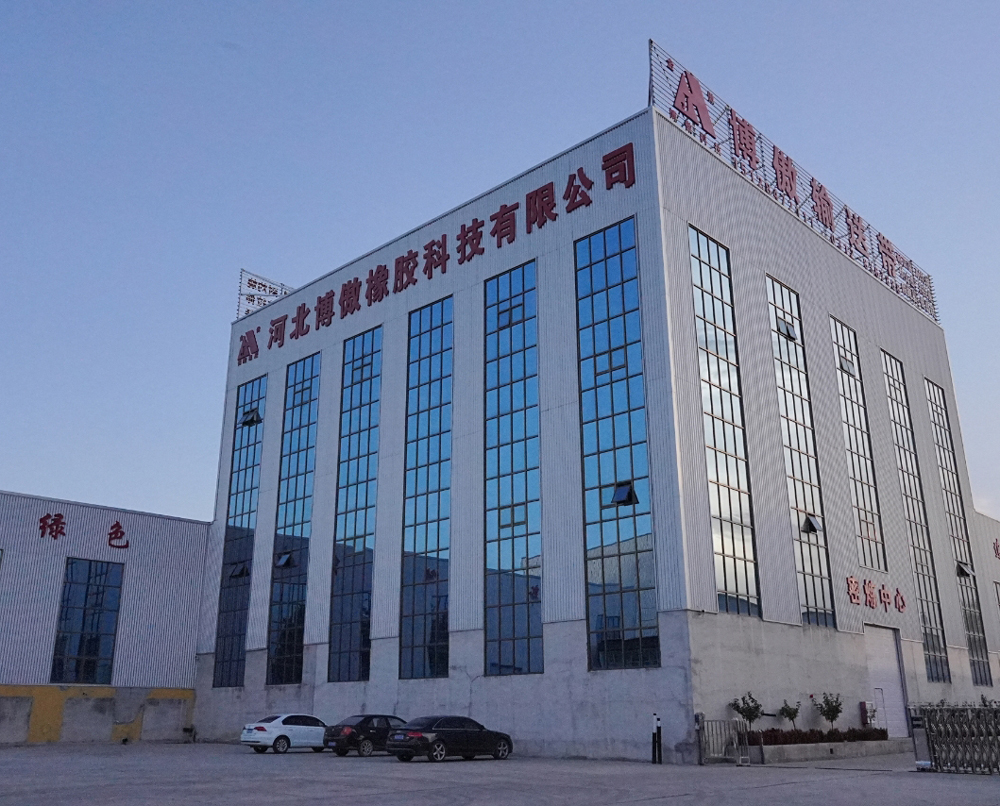
China has solidified its position as the engine of global conveyor rubber belt manufacturing. Modern industrial clusters, particularly in the northern industrial parks such as Boye County, Baoding, Hebei, leverage advanced supply chain integration, raw material access, and automated vulcanization equipment. The cost-to-performance ratio offered by leading Chinese manufacturers is unmatched. Rather than relying on outdated batch processing, factories like Hebei Boao Rubber Technology deploy continuous calendering, automated computer-controlled compounding centers, and in-line vulcanization presses that ensure consistent physical properties across rolls up to several kilometers long.
This systematic manufacturing scale allows Chinese factories to offer customization at competitive rates. Whether producing custom-width multi-ply EP fabric belts or heavily reinforced steel wire rope cores, these facilities utilize testing protocols that comply with global standards. By maintaining direct control over chemical formulation, polymer synthesis, and fabric weaving, these integrated plants control variables that smaller operations cannot, establishing high reliability for international logistics networks.
Behind every roll of conveyor rubber is two decades of technical expertise and scale.
A premier manufacturer integrating product development, research, design, and manufacturing for global industries.
Founded in 2004, Hebei Boao Rubber Technology Co., Ltd. is located in the prominent Rubber Industrial Park of Boye County, Baoding, Hebei Province. Over the last two decades, the company has scaled to cover an area of over 30 acres, cultivating its renowned "Jinao" brand. The enterprise has systematically invested in multiple advanced equipment production lines for rolling, forming, vulcanization, and material testing—extending from raw polymer selection to the finished belt rolls.
The reliability of conveyor rubber belts depends on chemical and physical testing protocols. At our facility, the raw rubber and reinforcing plies undergo a sequence of stress checks before fabrication:
High-performance material production requires modern engineering equipment. Below is a look inside our specialized Hebei facility.
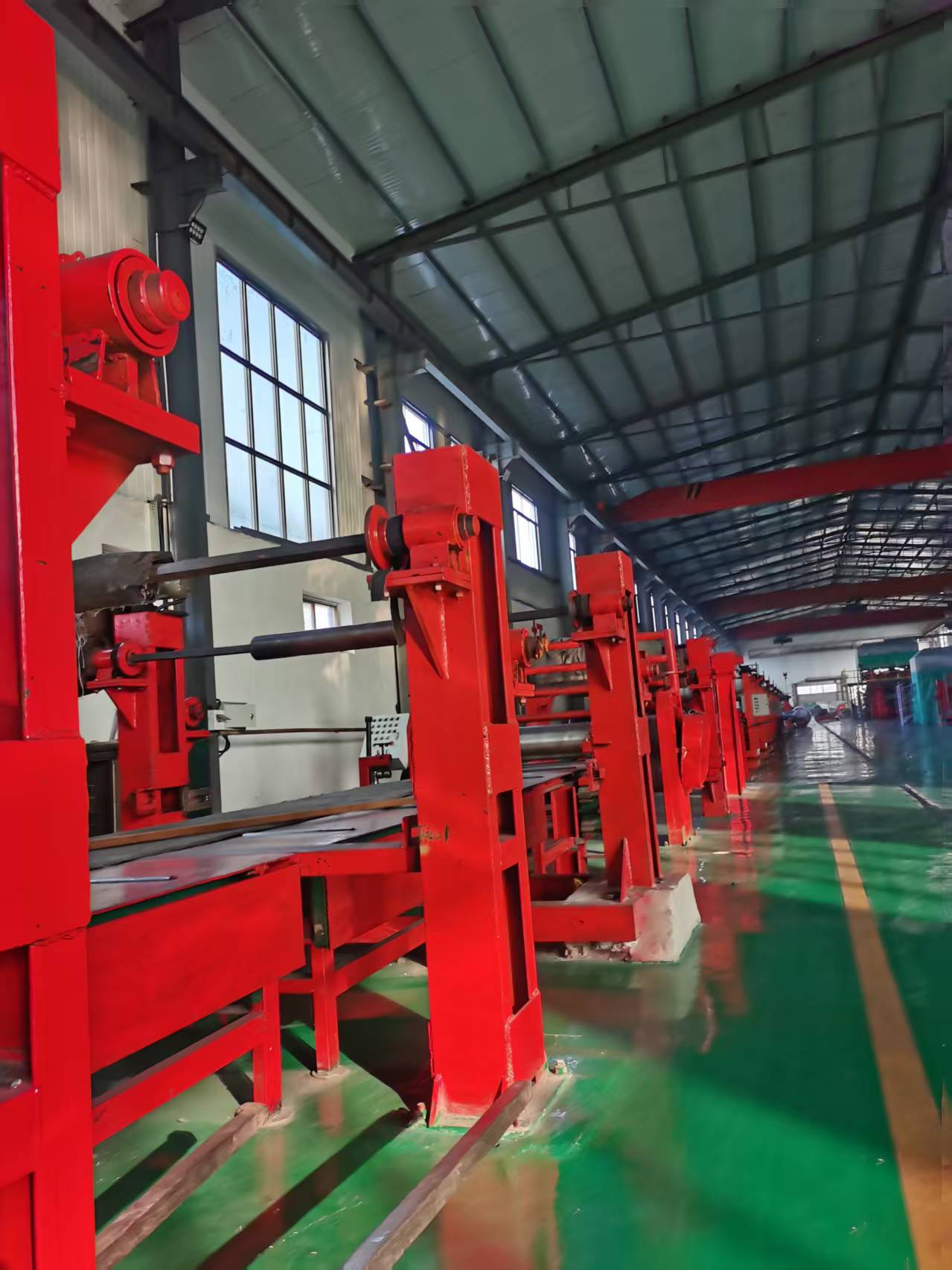
Advanced Production Line Matrix
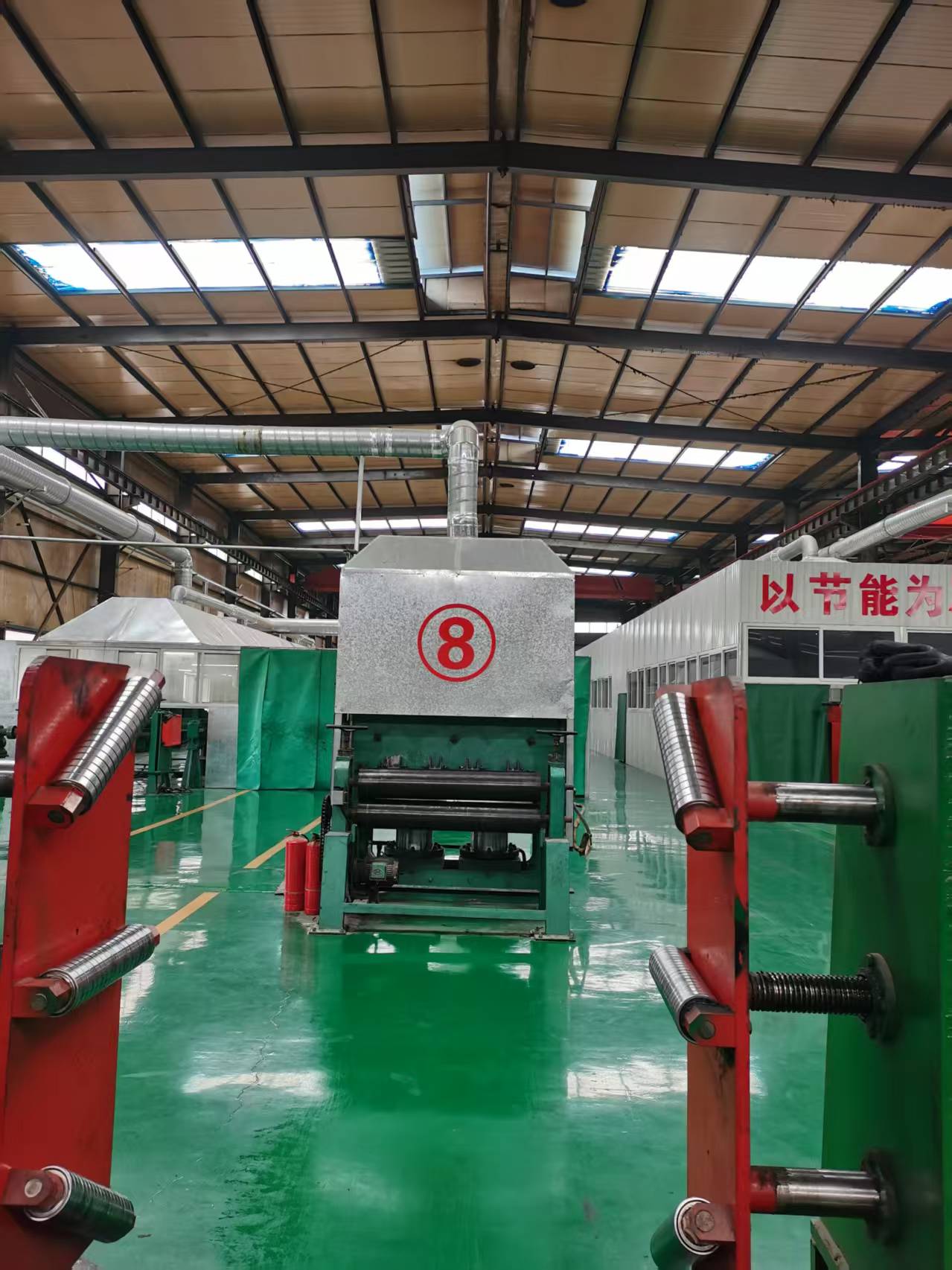
Heavy Calendering Line
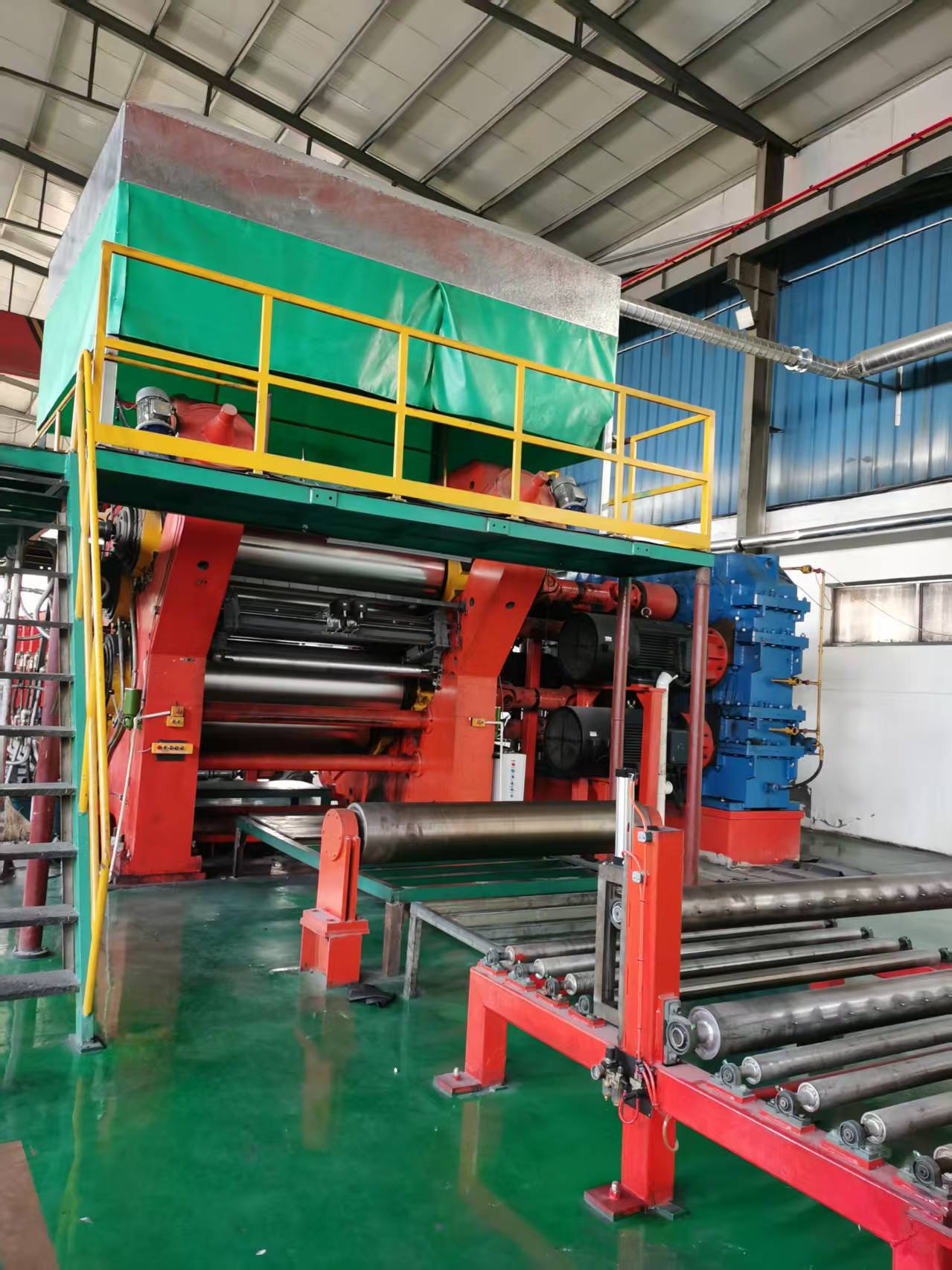
Precision Vulcanizer Press
Automated Rolling Machine
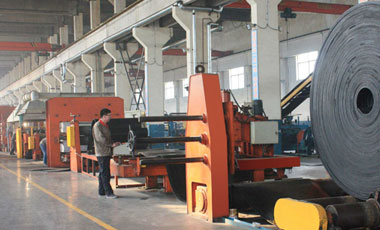
Production Line of Fabric Conveyor Belt
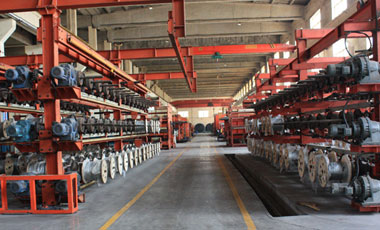
Equipment for Steel Cord Conveyor Belts
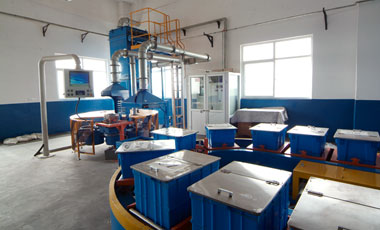
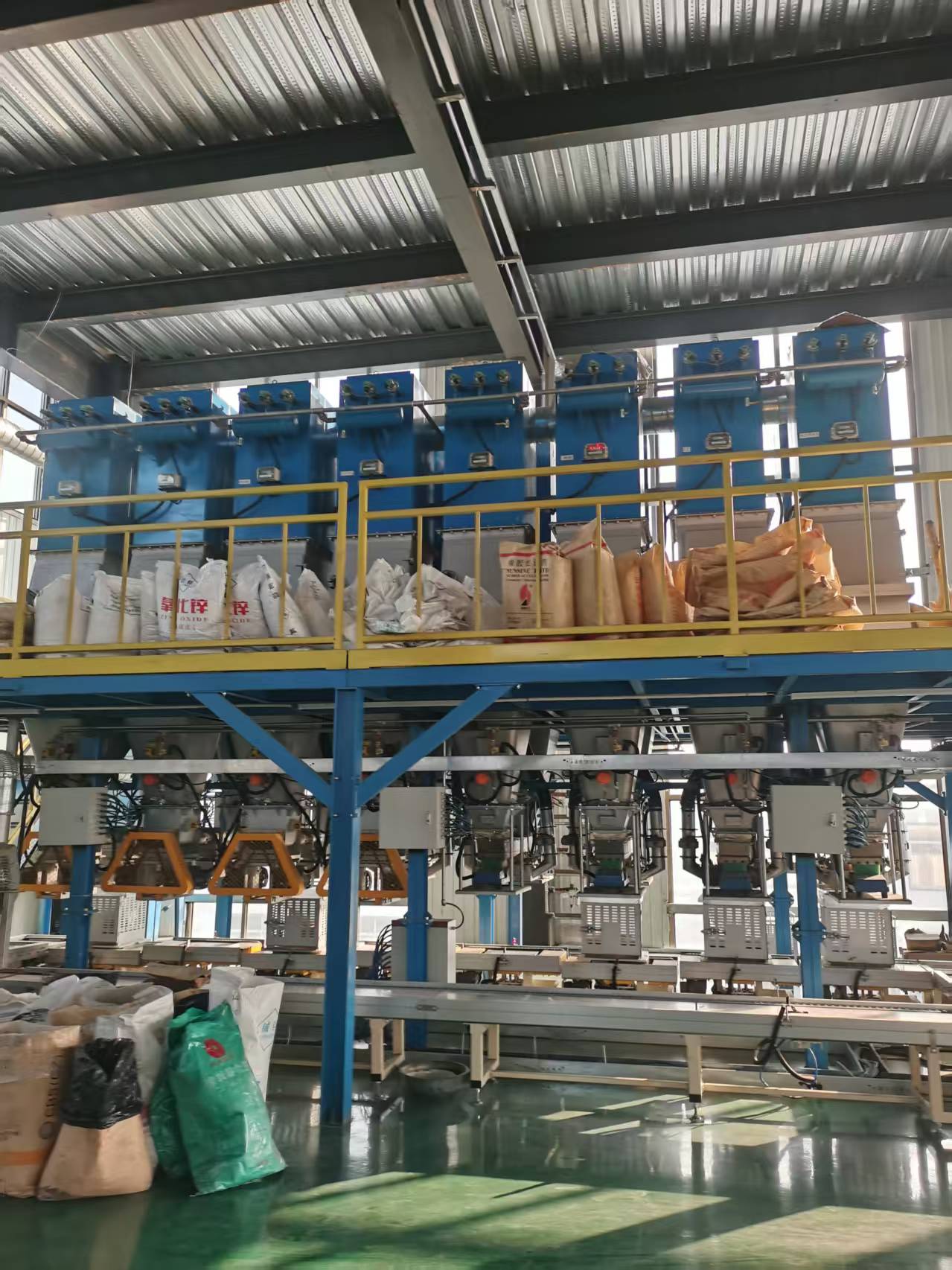
Proportioning Room of Mixing Center
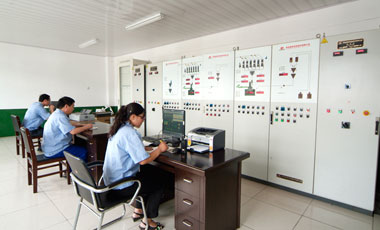
Proportioning System of Mixing Center
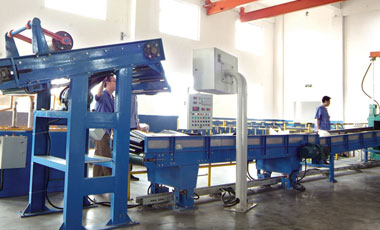
Calender Feeding Device
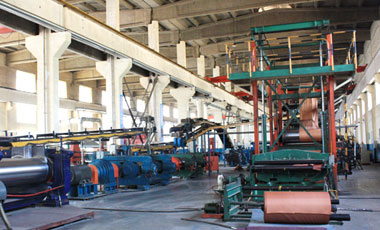
Calendering & Shaping Machine
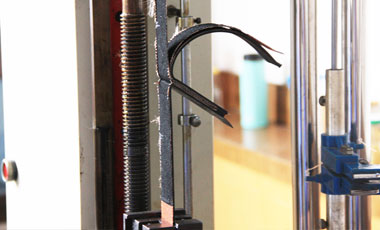
Peeling Test Device (Adhesion strength)
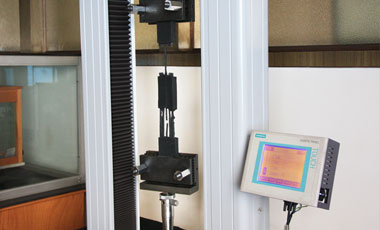
Steel Cord Pull-out Machine
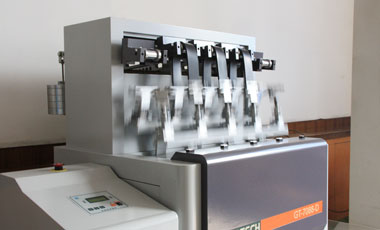
Dynamic Fatigue Tester
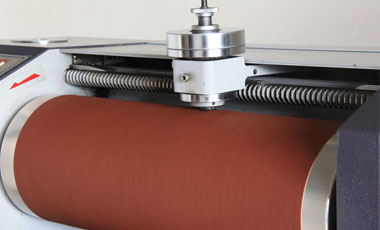
Abrasion Tester (DIN / ISO Standards)
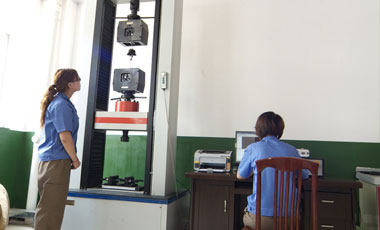
High-capacity Abrasion Tester
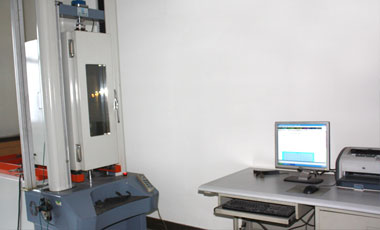
Physical Properties Testing Station
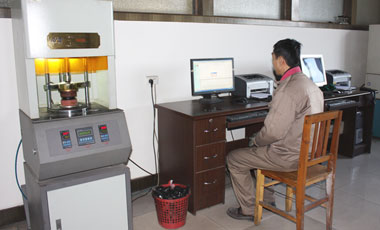
Material Chemical & Density Test
Comprehensive lifecycle management to maintain belt performance and minimize system downtime.
We work closely with client engineering departments to draft customized material handling strategies. Through systematic site inspections, belt life calculation modeling, and specialized compounding adjustments, we aim to extend your conveyor system's runtime under the most demanding environments.
We offer tailored lifecycle services, including planned belt replacements, emergency structural splicing, and physical wear inspections.
From the supply of raw rubber repair patches to maintaining localized safety stocks, we cover cold bonding processes, hot vulcanized joint splicing, and regular operational audits.
Our focus is to optimize the energy draw and mechanical alignment of your conveyors, reducing belt consumption while protecting drive pulleys and idler assemblies.
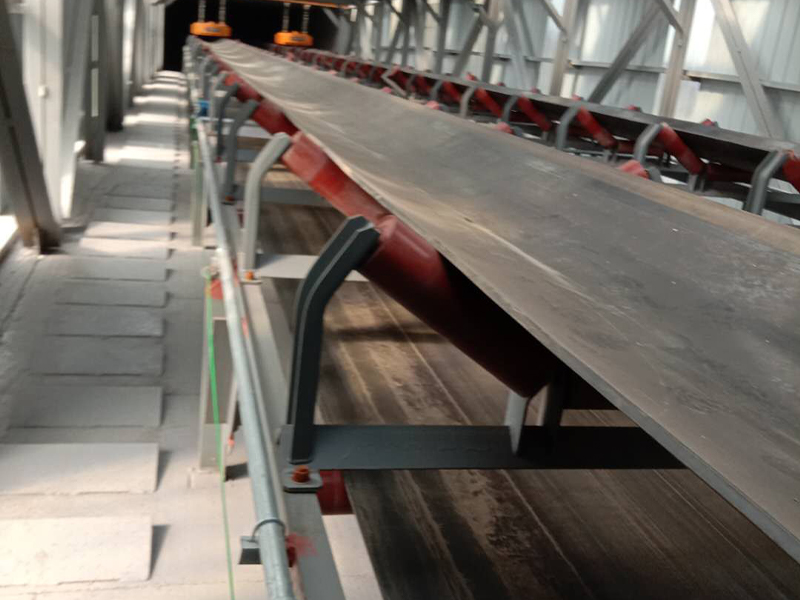
Jinao brand conveyor belts are deployed by prominent steel, metallurgy, mining, and cement groups worldwide.
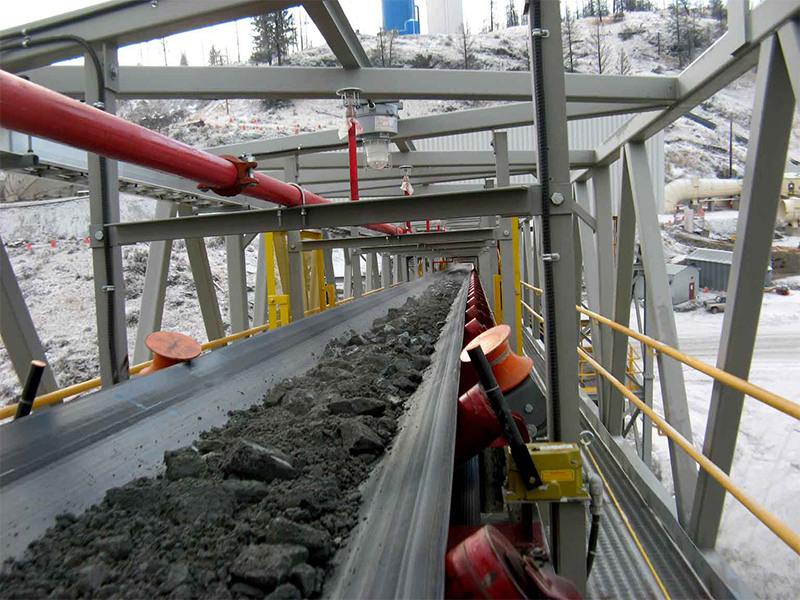
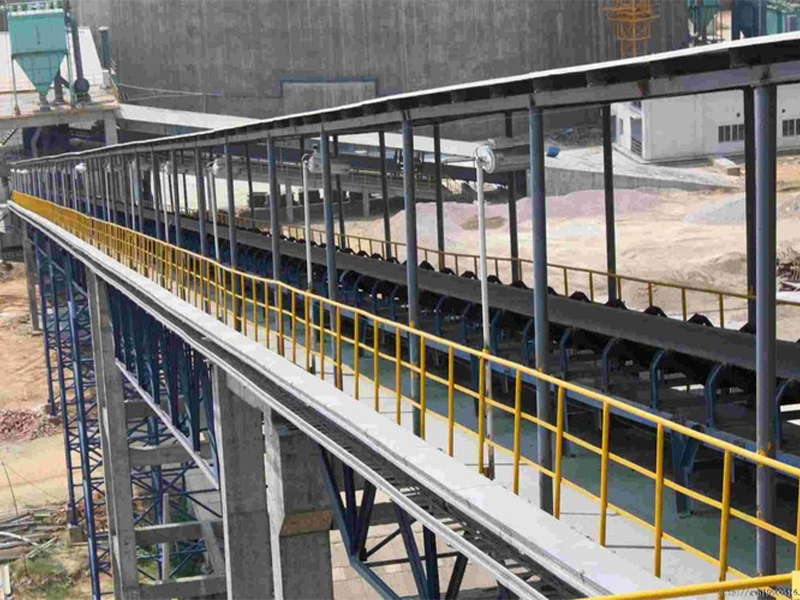
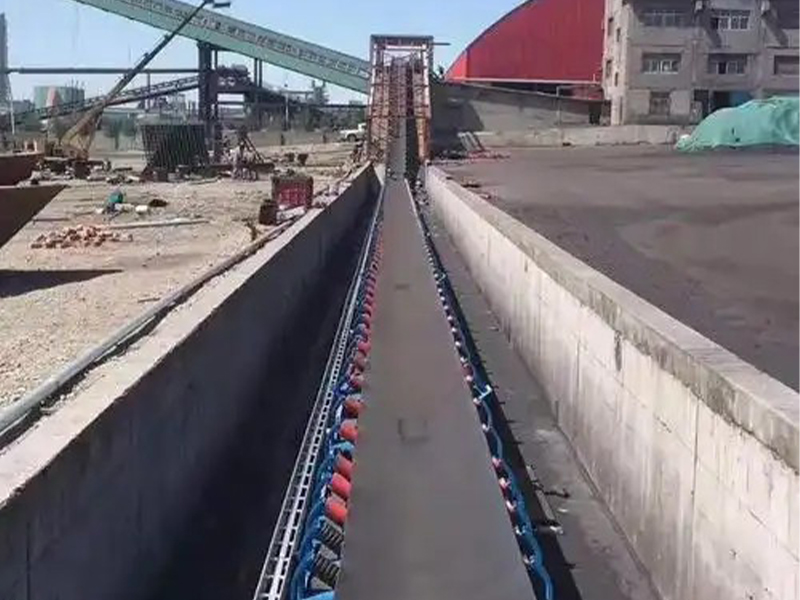
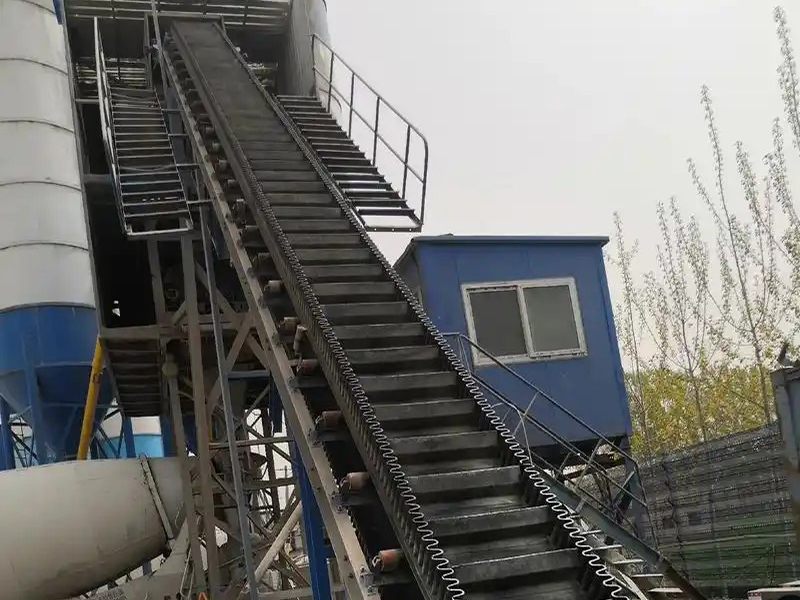
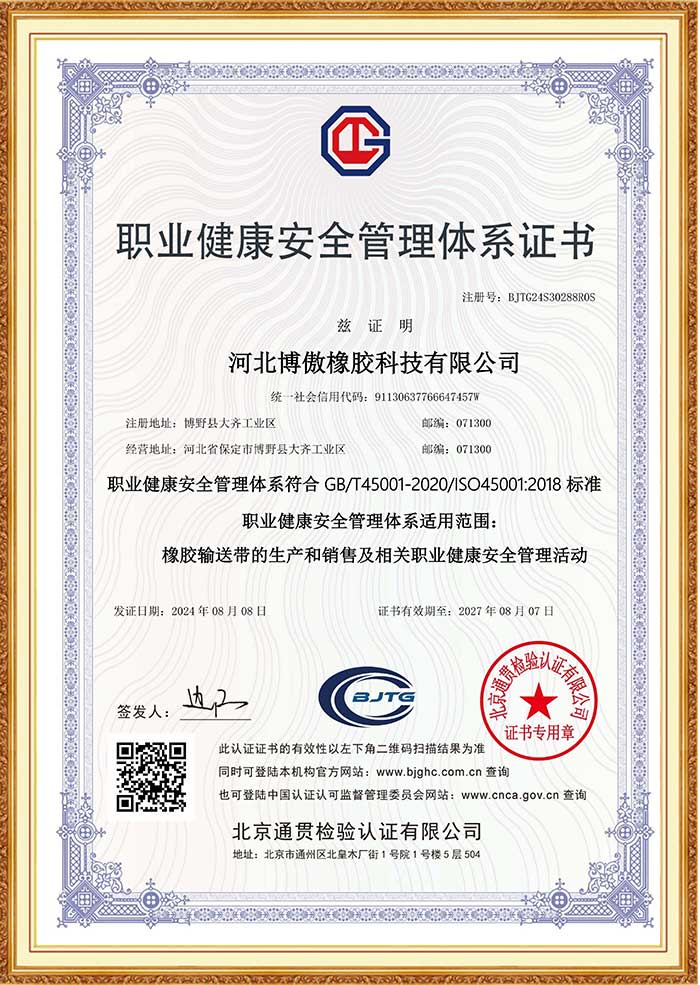
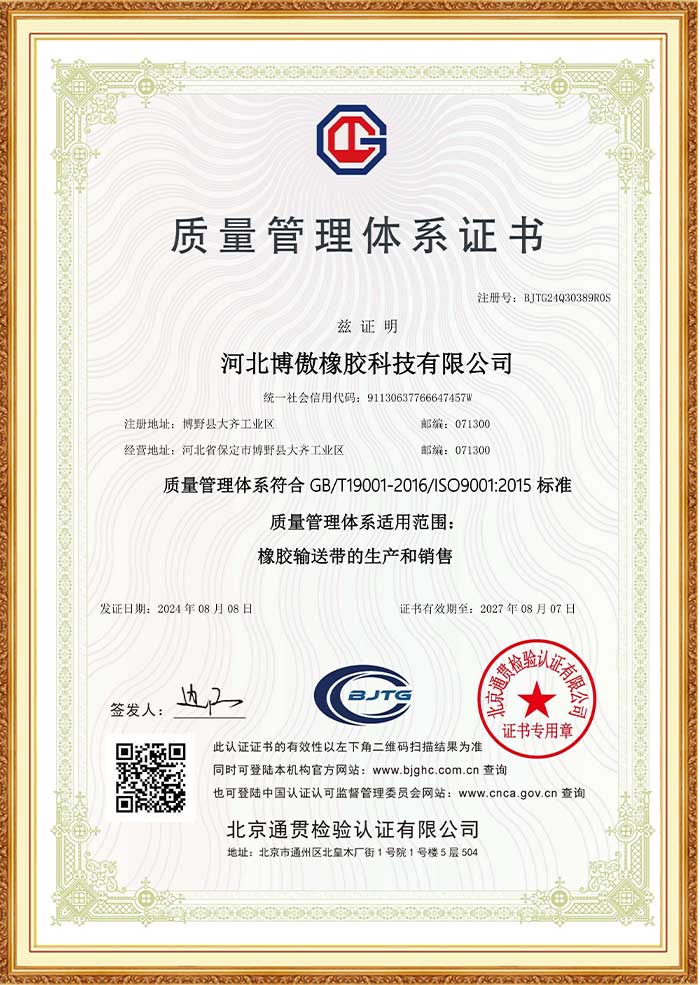
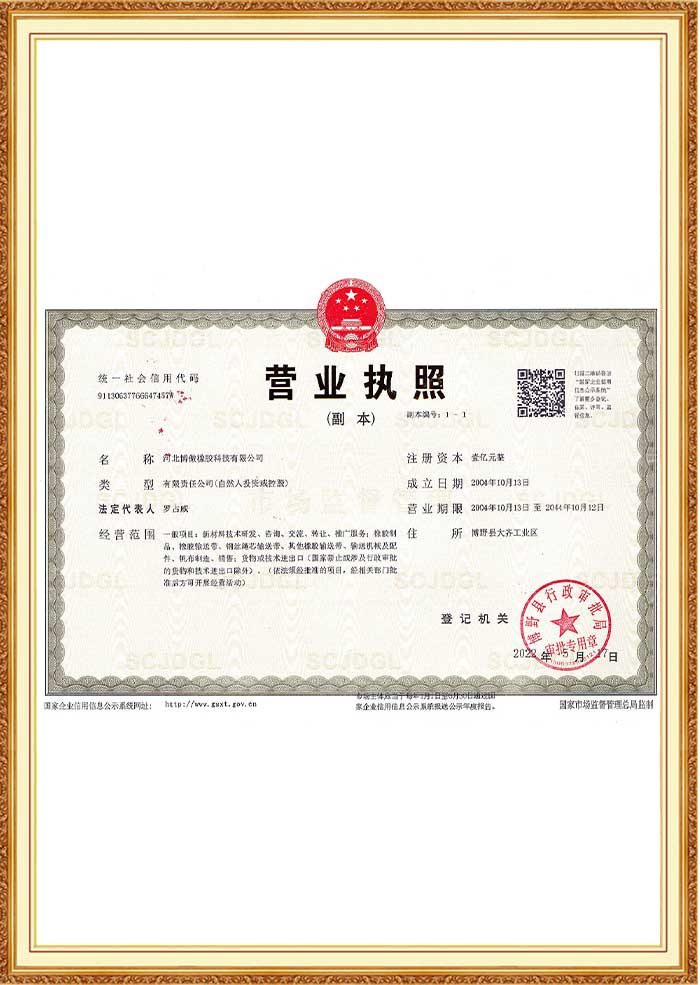
Our facility operates under rigorous international certifications to ensure product compliance across global jurisdictions.
Quality Management System Certificate
Environmental Management Certificate
Occupational Health & Safety Certificate
Explore specialized belt profiles and support components critical for high-efficiency bulk material processing.
Expert answers to critical technical questions encountered by procurement professionals and engineering teams.
DIN 22102 is the definitive German standard defining classification, testing, and dimensions of fabric-reinforced conveyor belts. It categorizes rubber covers based on mechanical performance:
• Grade W: Exceptionally high abrasion resistance (limit 90 mm³ loss). Best for sharp, cutting materials like granite, copper ore, and heavy sinter.
• Grade Y: General heavy-duty wear resistance (limit 150 mm³ loss). Suited for coal, sand, limestone, and typical quarry environments.
• Grade X: Highly resistant to cutting, gouging, and heavy impacts (limit 120 mm³ loss). Ideal for large-lump primary crushers and dynamic falls.
The choice depends on your conveyor system's centerline distance and geometric profile:
• Steel Cord (Steel Wire Rope Core): Ideal for long-distance, high-tension, straight-line corridors. They offer minimal operational elongation (typically <0.2%), high troughability, and long mechanical lifespans.
• Polyester (EP) and Nylon (NN) Fabric: Better for short-to-medium installations where flexibility, transverse tracking, and cost are key factors. EP belts offer low moisture absorption and minimal permanent stretch under load.
Standard SBR or natural rubbers oxidize rapidly above 85°C, causing hardening, cracking, and eventual carcass delamination. For high-temperature environments, formulations utilize EPDM (ethylene propylene diene monomer) elastomers. EPDM features a saturated polymer backbone that resists thermal oxidation. We offer different classes:
• T1 (up to 120°C)
• T2 (up to 150°C)
• T3 (up to 180°C with short-duration peaks of 200°C to 220°C)
Underground installations, especially in coal mines, require strict fire-retardant performance to prevent dust and gas explosions. Belts must comply with international standards such as:
• EN 12882: Specifies safety requirements for general-purpose conveyor belts.
• ISO 340: Defines flame-retardant testing parameters, requiring the belt to self-extinguish within a specified time frame after source flame removal.
• MSHA (Mine Safety and Health Administration): Essential for compliance in U.S. mining markets.
Partner directly with our engineering laboratory in Hebei, China. We provide specialized rubber compounding, carcass dimension analysis, and tailored vulcanization layouts designed to increase your system's operational efficiency.
 Boao Rubber