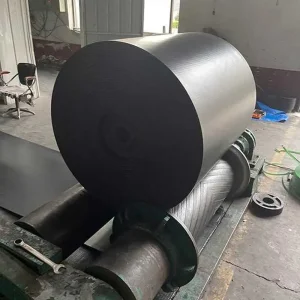
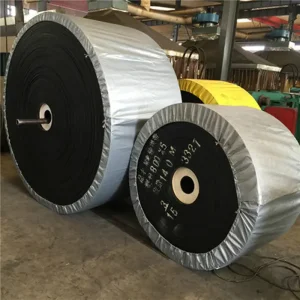
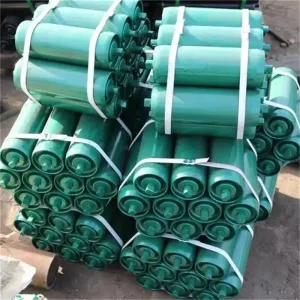
High-efficiency belt systems customized to handle the climatic conditions and strict environmental regulations of the Klang Valley region.
An authoritative analysis of environmental imperatives, localized technical demands, and logistical infrastructure requirements in Central Malaysia.
The Klang Valley, centered around Kuala Lumpur, is experiencing an unprecedented surge in infrastructural developments and manufacturing expansion. With large-scale urban development projects, concrete batching plants, and massive thermal power generation projects like the Kapar Power Station, the transport of powder materials, crushed minerals, and fly ash has reached historic volumes.
Historically, conventional open-belt conveyors were the industry standard. However, Malaysia's Department of Environment (DOE) has tightened dust emission regulations under the Environmental Quality Act. Open systems release particulate matter (PM2.5 and PM10), causing significant ecological footprints and material loss. Enclosed pipe conveyor belts resolve this, acting as a complete tubular containment solution during transit to shield dust and protect materials from tropical downpours typical of Selangor's climate.
Due to dense urban concentration and existing highway networks (KESAS, Federal Route 1, and MRT alignments), conveying routes in Kuala Lumpur are rarely straight. Classic conveyors require massive transfer stations to negotiate vertical and horizontal changes in direction, which escalates maintenance costs and dust points.
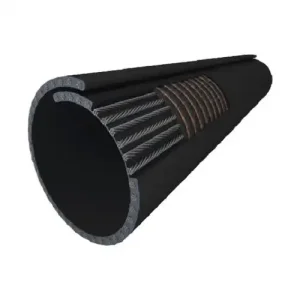
Our Pipe Conveyor Belts dynamically transition from a flat shape to a closed tube, allowing horizontal and vertical curves with tight radii (up to 300 times the pipe diameter). This eliminates unnecessary transfer towers, minimizes land requisition footprints in expensive industrial zones, and significantly decreases overall conveyor drive power requirements by reducing frictional transition losses.
| Feature / Parameter | Enclosed Pipe Conveyor Belt (Jinao Brand) | Conventional Open Trough Belt | Significance for Kuala Lumpur Operators |
|---|---|---|---|
| Spillage & Emission Control | 100% Enclosed Dust-free Operation | High Risk of Fugitive Dust & Material Loss | 100% Compliance with DOE Malaysia Regulations |
| 3D Curve Capabilities | Up to 45° vertical/horizontal curves | Strictly straight lines (requires transfer towers) | Allows navigation of dense Klang Valley infrastructure |
| Rainwater Protection | Inherently waterproof tubular construction | Requires expensive custom rain hoods | Prevents cement/fly ash damage during sudden tropical storms |
| Energy Consumption | Optimized low roll resistance compound options | High friction accumulation at multiple transfer points | Reduces industrial electricity bills in Selangor plants |
| Transverse Stiffness (Rigidity) | Precision calculated to form & maintain tube shape | Low-to-medium transverse stiffness requirement | Prevents pipe collapsing, twisting, and edge wear |
How our R&D engineers optimize the physical property balance of rubber formulas to deliver reliable lifespan in challenging environments.
Every conveyor system is analyzed via static and dynamic structural simulation. We measure belt tension, carcass strain, and support roller pressure to customize the carcass stiffness, ensuring the belt maintains its structural integrity without opening up or twisting along curved sections.
By incorporating special rubber compounding (incorporating high-dispersion carbon black and dynamic elastomers), we lower the indentation rolling resistance (LRR) on idler rollers. This translates directly to a 15% to 25% reduction in motor power consumption.
Using state-of-the-art curing presses, the overlap areas and belt borders are engineered for high wear resistance. This guarantees the overlap seals perfectly to prevent leakage, despite millions of cyclical opening and closing motions at the tail and head terminals.
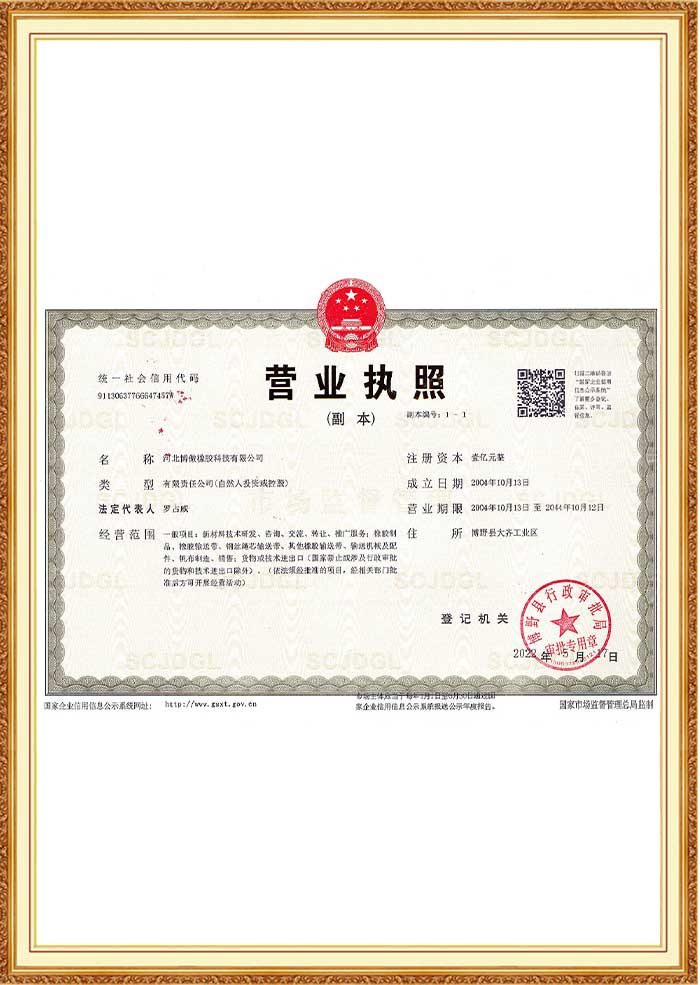
Established in 2004, Hebei Boao Rubber Technology Co., Ltd. is a leading-edge producer situated in the Boye County Industrial Park, Hebei Province, China. Spanning over 30 acres, we operate under our proprietary "Jinao" brand, manufacturing premium-grade heavy-duty conveyor belts.
Our plant houses advanced facilities for rolling, shaping, vulcanization, and material analysis. Our raw-material-to-finished-product laboratory conducts extensive chemical tests, dynamic fatigue evaluations, and tensile testing to guarantee that no subpar product leaves our facility.
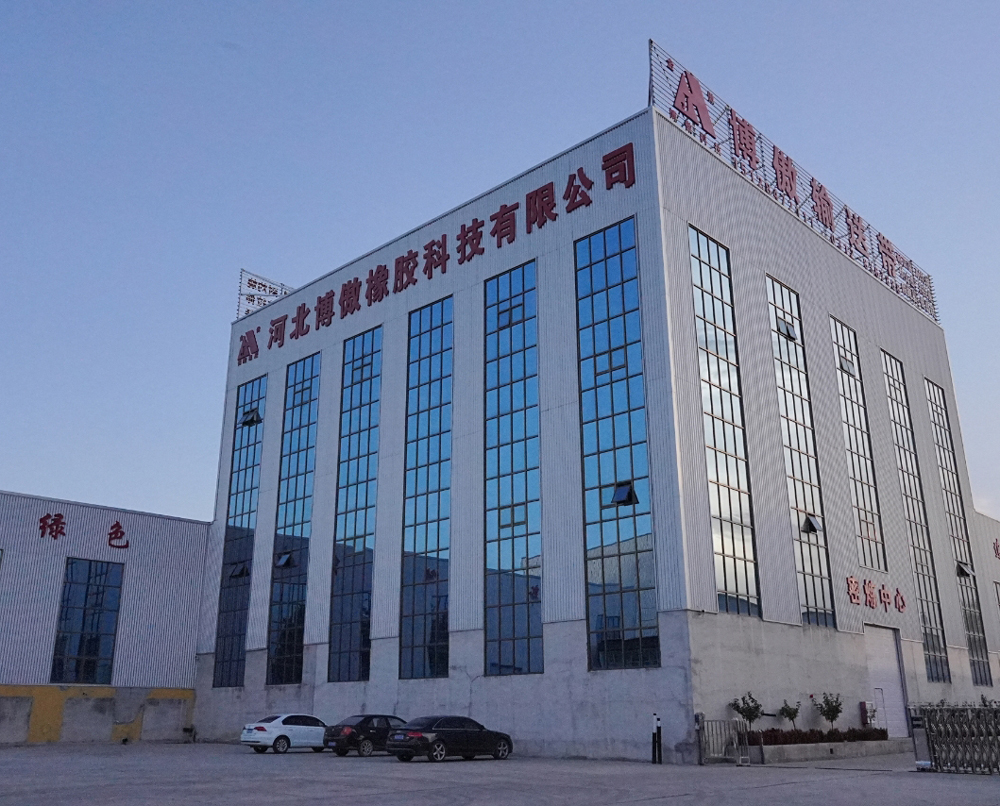
How our Chinese Industry 4.0 production capabilities streamline procurement for Kuala Lumpur enterprises.
Leveraging our intelligent compounding center and precise raw material proportioning systems, Boao Rubber consistently produces robust steel cord and fabric conveyor belts. Our production scale ensures strong cost-efficiency, allowing Kuala Lumpur operators to acquire world-class, ISO-compliant material handling systems without the high premiums charged by local intermediaries.
Through robust coordination with logistics operations departing from Tianjin and Qingdao ports directly to Port Klang, we ensure reliable delivery times. To support the local supply chain, we offer safety-stock management strategies, providing regional wear-parts and vulcanized splice materials for rapid deployment.
Our products meet global standards such as DIN 22102, AS 1332, and ISO 14890. For the Malaysian market, we design conveyor belts to comply with Department of Occupational Safety and Health (DOSH) safety parameters, featuring flame-retardant (MS/ISO standards) and anti-static formulas suited for underground mining or indoor power plant conveyor tunnels.
In addition to manufacturing, we support localized engineering teams with on-site vulcanization procedures, specialized belt tensioning calculations, and custom alignment training to minimize commissioning risks.
Browse through our specialized conveyor belts engineered for heavy-duty material transport, mineral handling, and industrial operations.
Providing customized solutions for extreme heat, strict safety parameters, and high-impact sorting systems.
We deliver premium products to state-owned enterprises, steel complexes, mining majors, and global infrastructure projects.
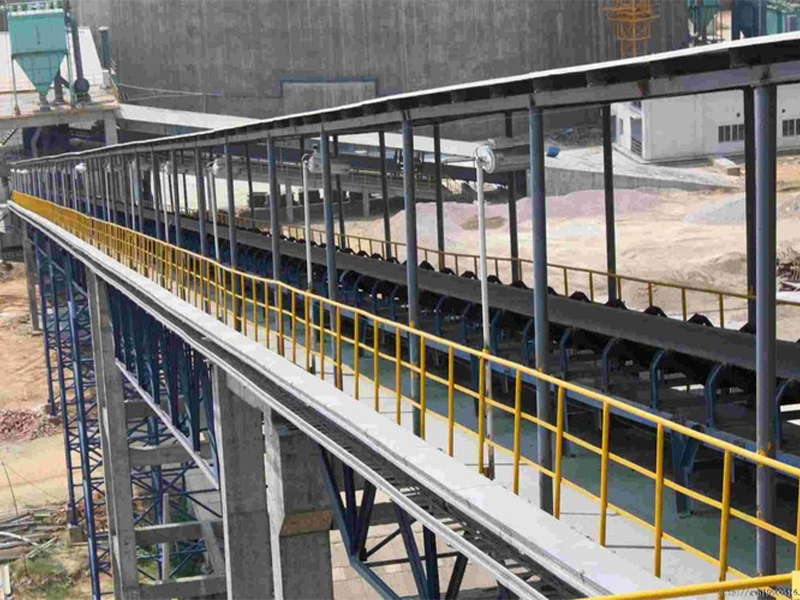
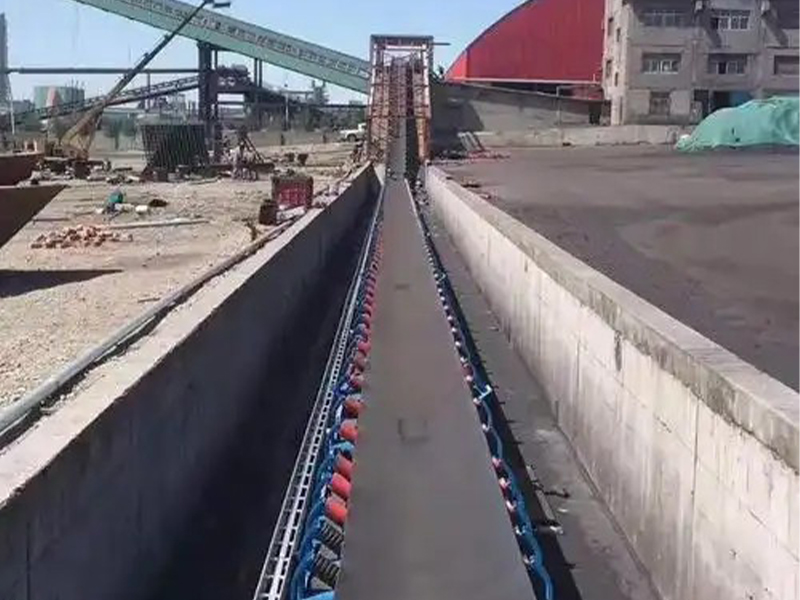
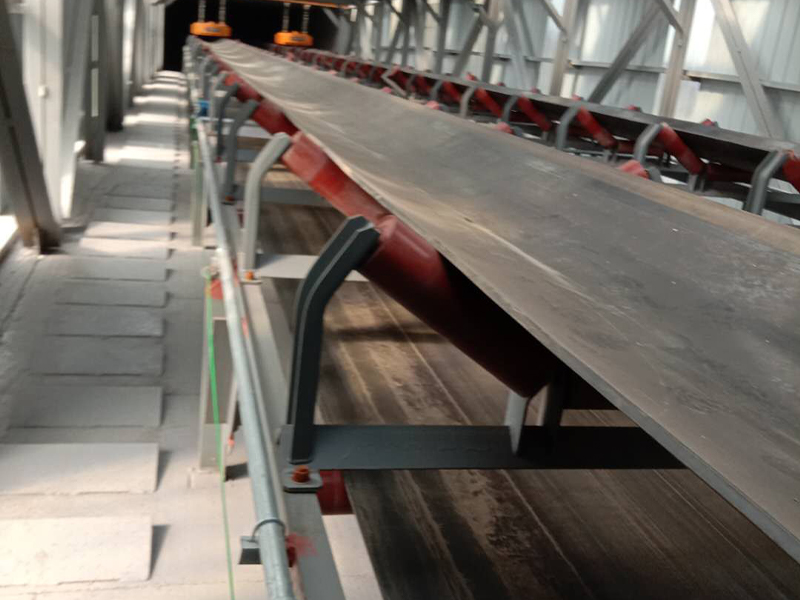
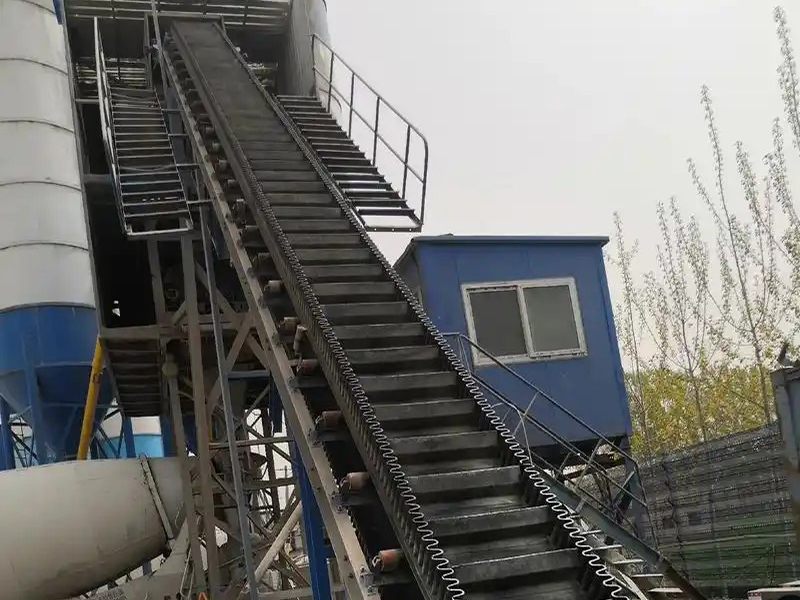
Every Jinao-branded conveyor belt undergoes testing in our dedicated labs to ensure compliance with global standards.
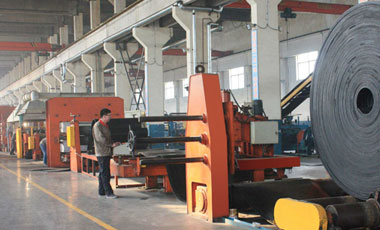
Production Line of Fabric Belt
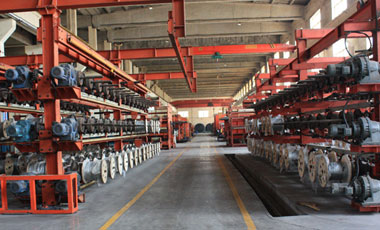
Steel Cord Belt Production Equipment
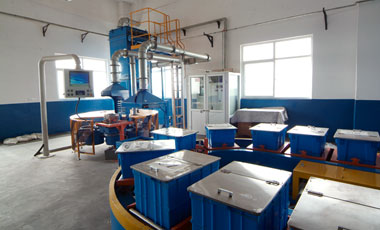
Proportioning Room of Mixing Center
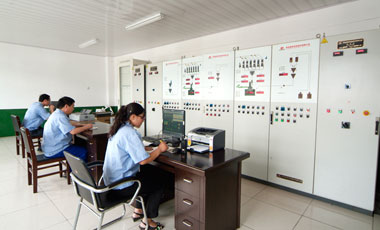
Proportioning System of Mixing Center
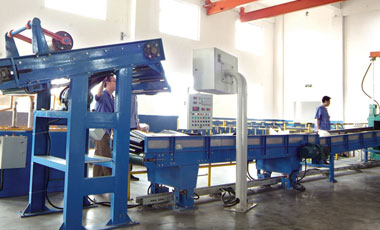
Feeding Device
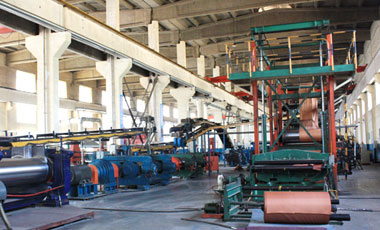
Calendering & Shaping Machine
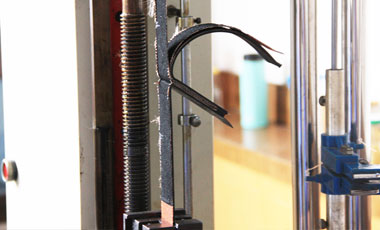
Peeling Adhesion Test
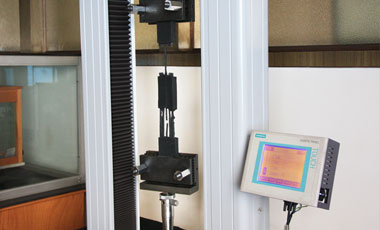
Steel Cord Pull-out Machine
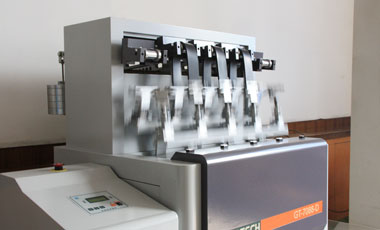
Dynamic Fatigue Tester
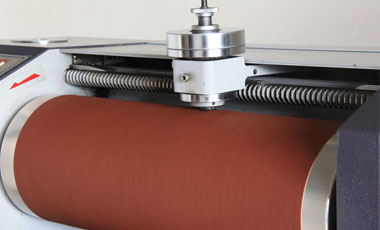
Abrasion Tester (DIN Standard)
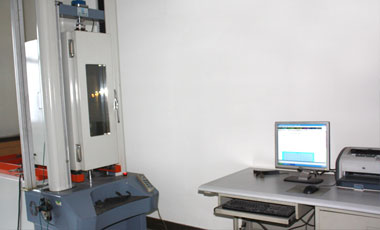
Physical Properties Testing
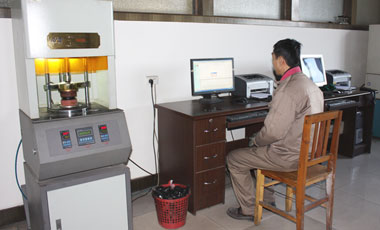
Compound Rheology Test
ISO9001 Certification
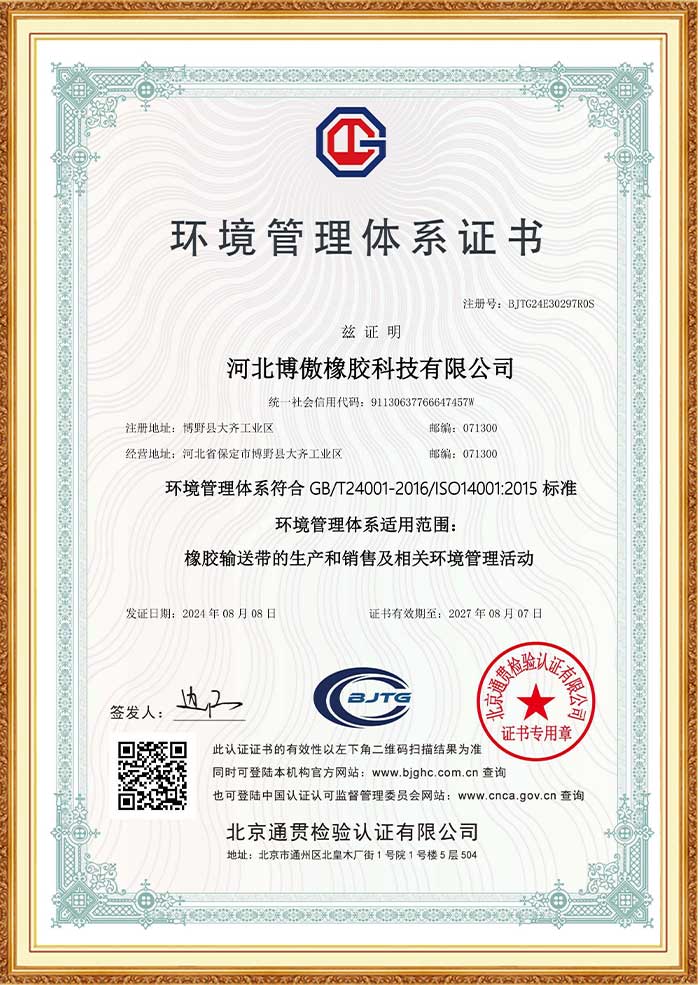
ISO14001 Environmental System
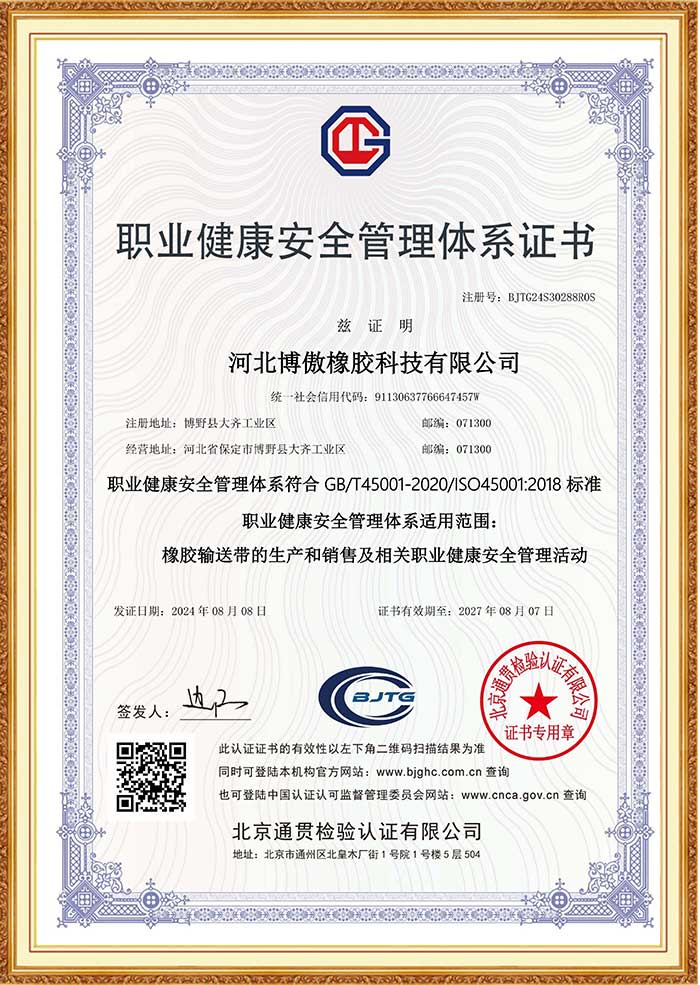
ISO45001 Safety Management
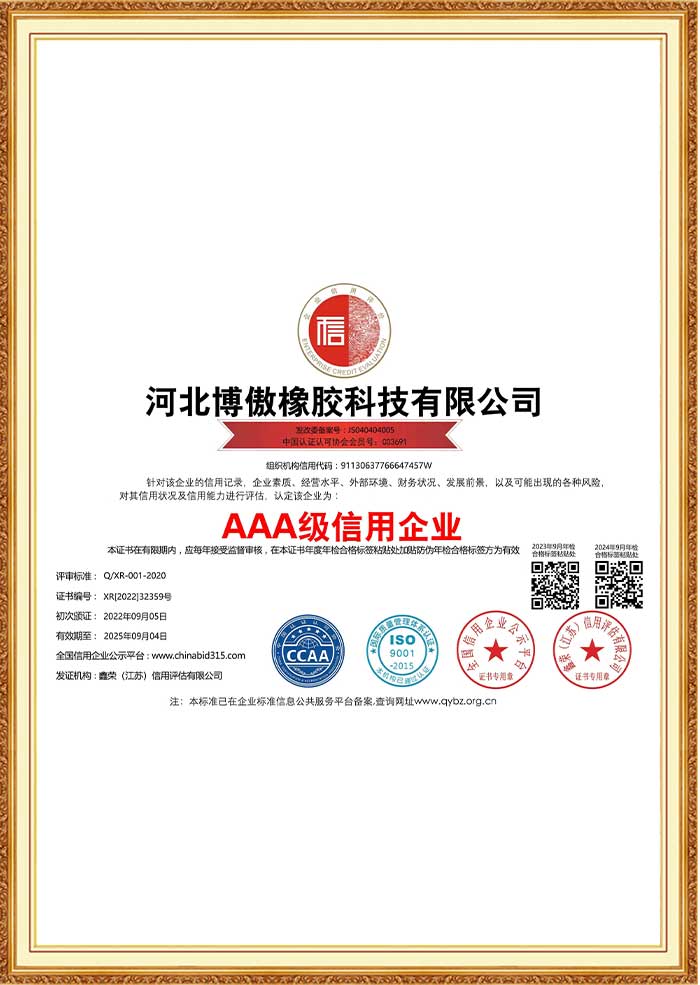
Third-Party Compliance Certificate
We provide end-to-end service support to ensure your bulk handling systems operate reliably.
Our specialists provide engineering support for replacing aged conveyor belts. We use specialized tensioners to guide the belt through the transitions, preventing rotation and offset issues.
We supply high-grade vulcanizing adhesives, cover rubbers, and tie gum matching the primary belt formula, ensuring joint structural integrity reaches 90%+ of the parent belt tensile strength.
We perform overlap stiffness testing and cross-sectional measurement sweeps across idler transitions before start-up to avoid belt-edge damage.
Get answers to critical engineering and procurement questions regarding pipe conveyor systems.
Transverse stiffness is the most critical parameter in tubular conveyor design. If the belt is too stiff, it demands high drive energy to fold into a pipe shape and increases radial force on the idler rollers, causing accelerated wear. If it is too soft, the pipe will collapse, buckle, or fail to seal, leading to material spillage. We use Finite Element Analysis (FEA) to calculate the exact balance of fabric plies (EP/NN) or steel cord configurations to suit the pipe diameter and system curve radii.
Belt rotation along curved paths is caused by asymmetrical tension distribution across the belt's cross-section. We mitigate this through: 1. Strict manufacturing tolerances to ensure uniform belt thickness and straightness. 2. Optimizing the position and angle of the support idlers. 3. Incorporating anti-twist indicators and positioning key structural reinforcing layers during fabric calendering.
For port installations handling highly abrasive clinker, iron ore, or aggregates, we recommend DIN X or DIN Y grade cover rubber (high abrasion resistance, with loss values down to 90mm³). For power generation plants handling fly ash or coal, we recommend Flame Retardant and Anti-Static (FRAS) compounds to comply with Malaysian safety standards and prevent dust explosions.
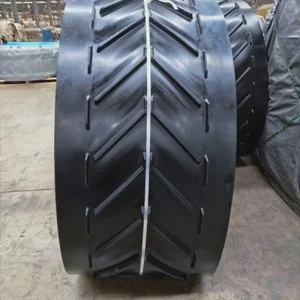
Yes. Due to the internal pressure and material nesting effect inside the enclosed tube, pipe conveyor belts can handle higher inclination angles (up to 30°) compared to conventional open trough belts (which are generally limited to 18° without cleating). This makes them ideal for tight, vertical-climbing industrial layouts in Kuala Lumpur.
We operate an automated production line with a raw material mixing center. Located in Hebei Boye County Industrial Park, our 30-acre facility maintains a steady supply of steel cords, high-tensile fabric, and raw rubber. We coordinate with shipping lines to ensure secure sea transport to Port Klang, accompanied by full quality documentation.
 Boao Rubber