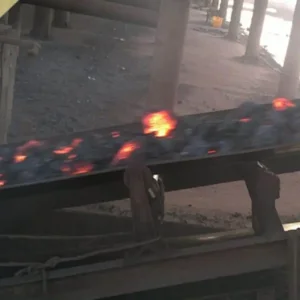
Engineered with heavy-duty EPDM polymers to withstand continuous baking conditions up to 200°C in Kuwait's petroleum coke and clinker handling operations.
View Specifications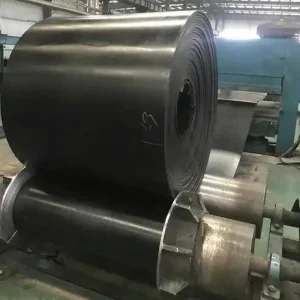
Engineered rubber formula designed to preserve belt flexibility and eliminate cracking during sudden climate shifts and multi-climate transit storage.
View Specifications
Provides complete defense against harsh industrial chemicals, alkaline residues, and acidic materials found in fertilizer processing plants.
View Specifications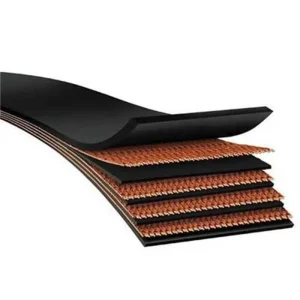
Exceptional high-impact absorption, superior elasticity, and excellent flex fatigue limits. The ideal multi-ply system for Sulaibiya aggregate sites.
View SpecificationsThe industrial landscape of the State of Kuwait presents one of the most demanding operational environments in the world. Operating heavy duty bulk material handling systems across sites such as the Shuaiba Industrial Area, Al-Zour Refinery, and the aggregate quarries of Sulaibiya requires more than standard off-the-shelf industrial equipment. The intersection of extreme temperatures, high solar radiation, and fine abrasive dust requires high-end polymer engineering.
Information Gain Indicator: Standard multi-ply rubber belts degrade up to 300% faster under direct Kuwaiti UV exposure if not treated with specialized antiozonants and carbon black configurations. Our "Jinao" brand belt covers are engineered with targeted aging inhibitors to resist continuous UV exposure up to 120 kLy/year.
For procurement officers in Kuwait, sourcing layered fabric conveyor belts involves analyzing long-term lifecycle costs against unpredictable environmental variables. In Sulaibiya, aggregate production runs continuously to support Kuwait's national infrastructure projects, including Silk City and airport expansion projects. Conveyor systems carrying limestone, gabbro, and sharp sand face severe cutting and gouging forces. Standard EP (Polyester/Polyamide) belts without dedicated high-impact rubber cover layers experience carcass delamination within months.
Similarly, Kuwait’s oil refining sectors handle massive throughputs of sulfur prill, petroleum coke, and chemical catalysts. Materials leave the calcining or sulfur recovery units at temperatures fluctuating between 120°C and 180°C. If standard covers are utilized, the rubber undergoes rapid thermal cross-linking, transforming into a brittle layer that cracks, exposes the carcass fabric, and results in catastrophically premature belt joint failures.
A multi-ply layered conveyor belt utilizes fabric reinforcements sandwiched between layers of protective rubber. The choice of carcass fabric directly impacts the longitudinal stability and load capacity of the belt:
| Belt Carcass Style | Nominal Tension Rating (N/mm) | Key Application Area in Kuwait | Thermal Limit (°C) | Ozone/UV Index |
|---|---|---|---|---|
| EP Multi-Ply (2 to 6 plies) | EP 400 - EP 2500 | Long-Distance Sulaibiya aggregate haulage | 120°C | Excellent (With Additives) |
| NN (Nylon-Nylon) | NN 300 - NN 2000 | High-drop impact feeder systems | 110°C | Very Good |
| EPDM Heat-Resistant (Layered) | EP 500 - EP 1600 | Sulfur export, Shuaiba Port Refineries | 200°C (Peak 250°C) | Outstanding |
| Oil & Chemical Resistant | EP 400 - EP 1200 | Petroleum coke logistics & chemical plants | 100°C | Excellent |
When selecting layered conveyor belts, Kuwaiti procurement teams should specify the following chemical and physical parameters to guarantee durability:
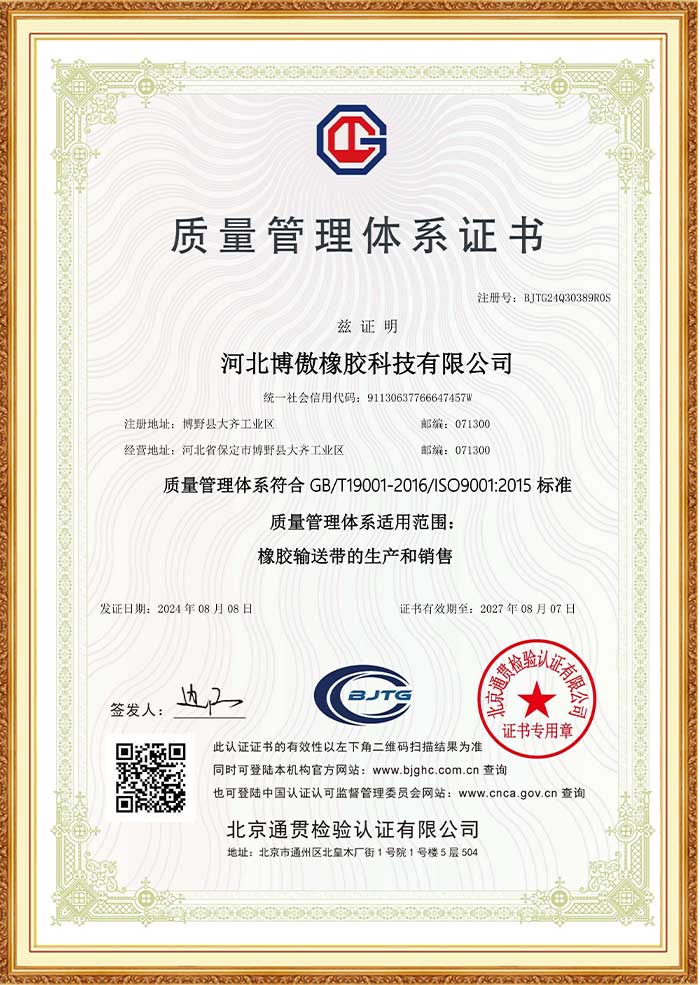
Formed in 2004, our ISO 9001 certified plant spans 30+ acres with specialized testing apparatus ensuring QA/QC compliance for every production roll.
Measures long-term flex performance, simulating millions of loading cycles over drive pulleys to ensure zero core separation under tension.
Verifies cover compound wear resistance to meet international standards (DIN, AS, ISO) before batch release.
Ensures optimal adhesion between the reinforcement core and protective rubber plies, preventing internal structural failure.
Measures the bond strength between plies, crucial for maintaining belt integrity in hot climates like Kuwait.
Precision calenders ensure even thickness of the inner rubber layers and uniform alignment of the reinforced fabrics.
Automated dosing systems ensure consistent formulation of chemical compounds for specialized heat and chemical-resistant cover grades.
We support global industrial operations by providing reliable, high-performance belting products designed to keep bulk material handling lines moving efficiently.
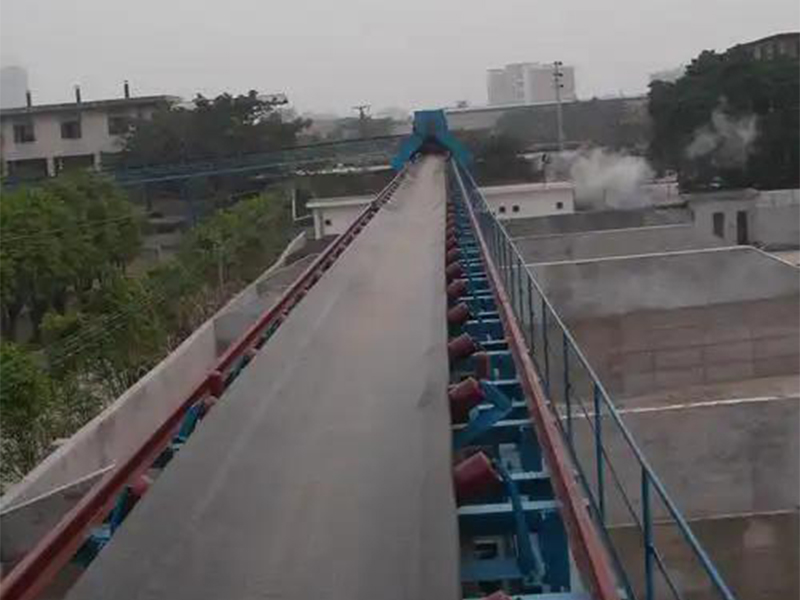
Supplied high-temperature resistant multi-ply conveyor belts designed to carry hot clinker from kiln coolers under continuous operating temperatures.
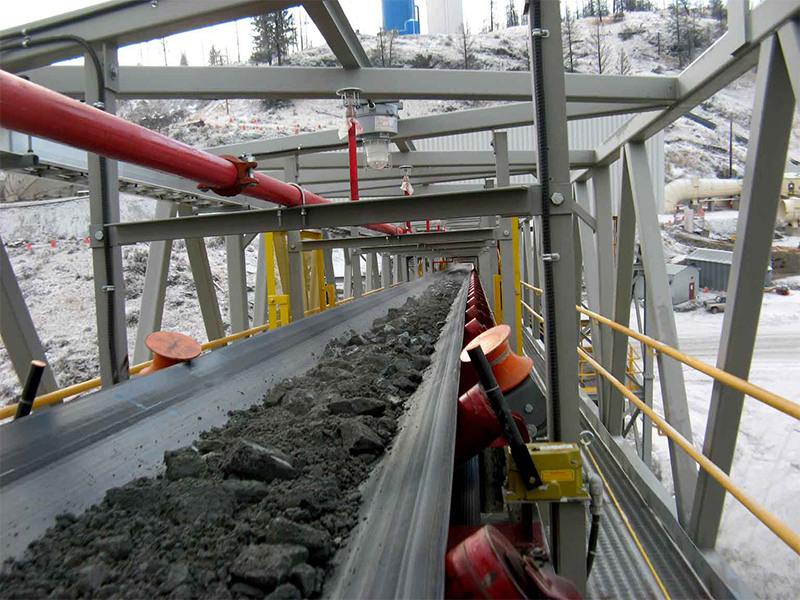
Delivered flame-retardant and anti-static layered belts to ensure safe underground and surface coal transport operations.
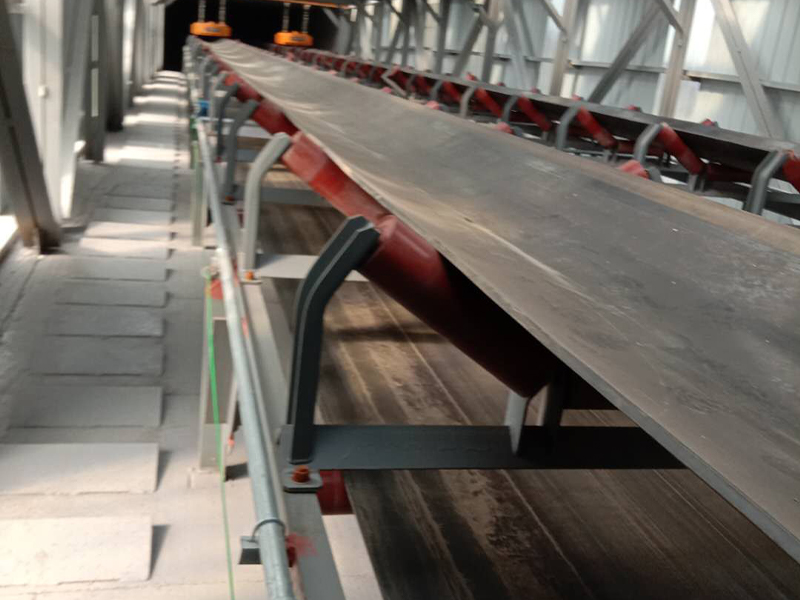
Installed high-strength EP layered belts to handle high-impact, sharp iron ore and hot raw materials without structural deformation.
Our engineers calculate belt thickness, tension parameters, and pulley diameters to determine the ideal specifications for your existing systems.
We provide hot and cold vulcanizing compounds and detailed joint design guidelines to ensure splice performance in high-ambient-heat locations.
Through strategic shipping corridors and storage partners, we help clients establish critical stock buffers to minimize unexpected downtime.
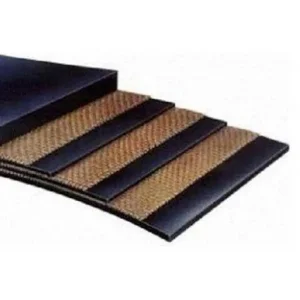
Designed for light to medium bulk materials, including gravel, soil, and bagged cargo. Great versatility for packaging applications.
View Product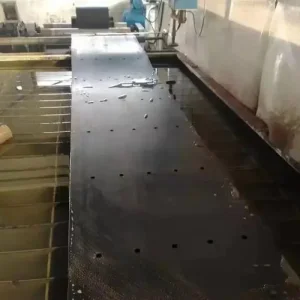
Features high-tensile fabric layers and molded patterns to prevent slide-back during vertical or steep-angle transport.
View Product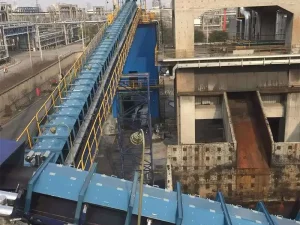
Designed to comply with fire safety requirements, preventing flame propagation in high-risk zones, such as chemical facilities.
View Product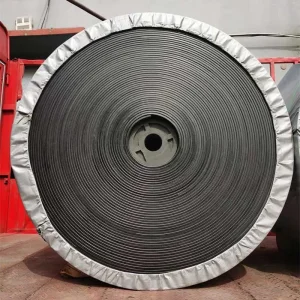
Formulated to withstand wide-range temperature changes, maintaining flexibility from low-temperature storage to hot summers.
View Product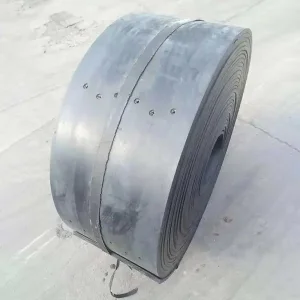
Specifically engineered bolt retention force for bucket elevators handling minerals and sand in tough applications.
View Product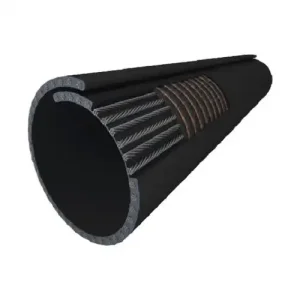
Wraps around dust-sensitive materials, protecting them from environmental loss during transit and shielding them from wind gusts.
View Product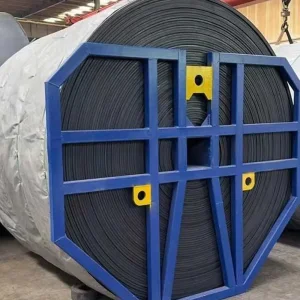
Designed with transverse steel reinforcement wires to prevent longitudinal splitting from sharp debris.
View Product
Maintains shape inside three-dimensional curved layouts, preventing dust pollution and ensuring zero loss of bulk powder.
View ProductFor long-distance transport corridors in Kuwait, EP (Polyester-Polyamide) is recommended because it features low longitudinal elongation. This minimizes belt stretch under tension. However, in transfer chutes where material drops from height, NN (Nylon-Nylon) is a better choice due to its high impact resistance and cushioning properties.
Ambient temperatures in Kuwait can accelerate rubber oxidation and UV degradation. To prevent premature cracking and hardening, Hebei Boao adds specialized anti-aging compounds and ozone-resistant waxes to the rubber formulation. This helps maintain cover flexibility and extends belt service life.
Our conveyor belts are manufactured in accordance with international standards, including DIN 22102 (European standard), ISO 10247, and AS 1332. This ensures compliance with local mechanical and chemical requirements for key mining, petrochemical, and construction projects.
Standard manufacturing times vary between 15 to 25 days depending on roll volume. Shipping is routed from Chinese ports (such as Tianjin or Qingdao) directly to Shuwaikh or Shuaiba Port in Kuwait, with transit times averaging 20 to 30 days. We use moisture-resistant, heavy-duty packaging to protect the rubber layers during sea transit.
Connect with our engineering support team for calculated belt configurations, custom edge profiles, and pricing tailored to the Kuwaiti climate.
 Boao Rubber