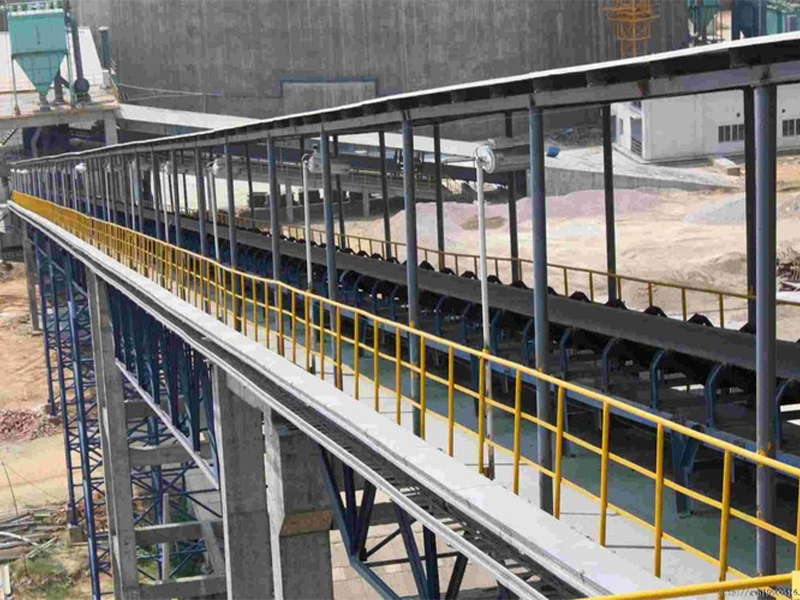
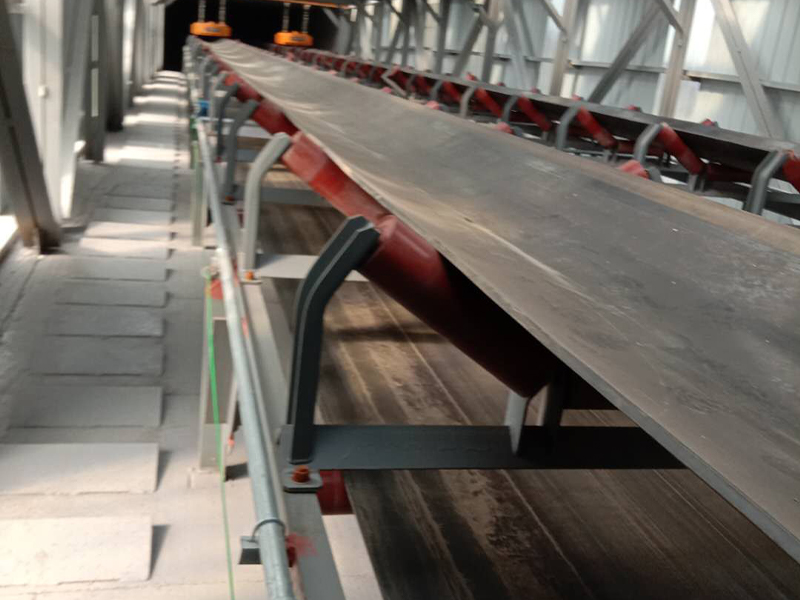
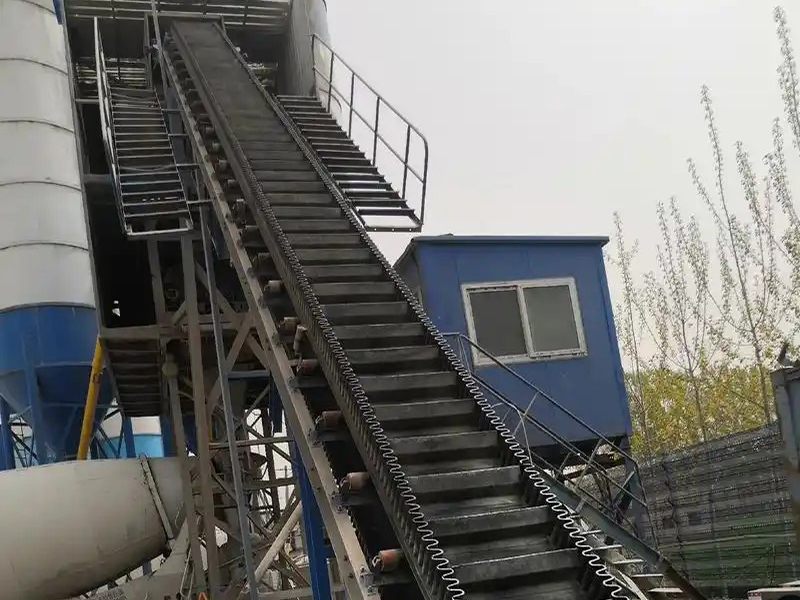
Layered Conveyor Belt Manufacturer & Factory for the Argentina Market

High-End Heavy Duty Fabric Multi-Ply Rubber Belting Solutions Engineered for Mining, Agriculture, and Steel Heavy Industries Across Argentina

Send Inquiry Now

Premium Layered Conveyor Belting for Argentina

Engineered for high resistance to friction, extreme thermal fluctuations, and intensive mechanical stresses. Fully optimized for regional industrial requirements.

ARGENTINE INDUSTRIAL MACRO CONTEXT

Industrial Dynamics & Conveying Demand in Argentina

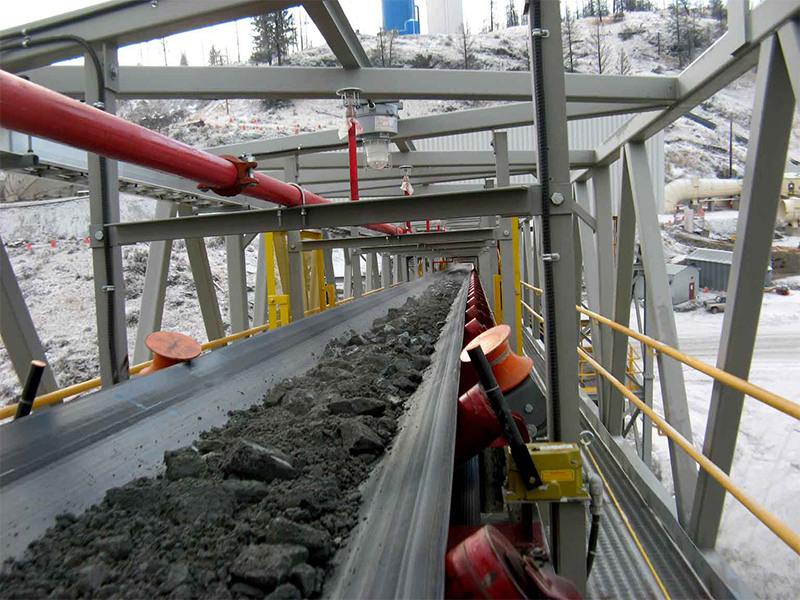
Argentina possesses a rich industrial matrix, split across resource extraction, bulk agriculture, and metallurgical transformation. To run these operations smoothly, factories need conveyor systems that don't quit. Whether it's moving abrasive mineral ores down from high up in the Andes (like in San Juan or Catamarca) or handling fast-moving grain exports along the Paraná River near Rosario, the mechanical strain on conveyor belts is immense.

In the lithium-rich Puna region, multi-ply conveyor belts face chemical weathering from acidic and alkaline environments. Meanwhile, handling agricultural outputs like soybeans, wheat, and corn demands belts that can resist grease and run continuously without stretching. As a leading manufacturer, we engineer multi-ply conveyor belts that solve these specific operational challenges for Argentine industries, helping minimize downtime and improve material handling efficiency.

  • Andean Mining Operations: Excellent tear and impact resistance at freezing temperatures.
  • Paraná River Terminals: High belt speeds with low elongation to maximize grain throughput.
  • Vaca Muerta Logistics: Oil-resistant compounding to handle oil-treated fracking sands and proppants.

22+

Years Experience

30+

Acres Factory Area

ISO

9001 Certified

100%

Quality Checked

"With 22 years of refinement, Hebei Boao Rubber Technology Co., Ltd. supplies high-spec EP and NN conveyor belts under our 'Jinao' brand. We ensure raw material traceability and offer technical field support to keep operations running across Argentina."
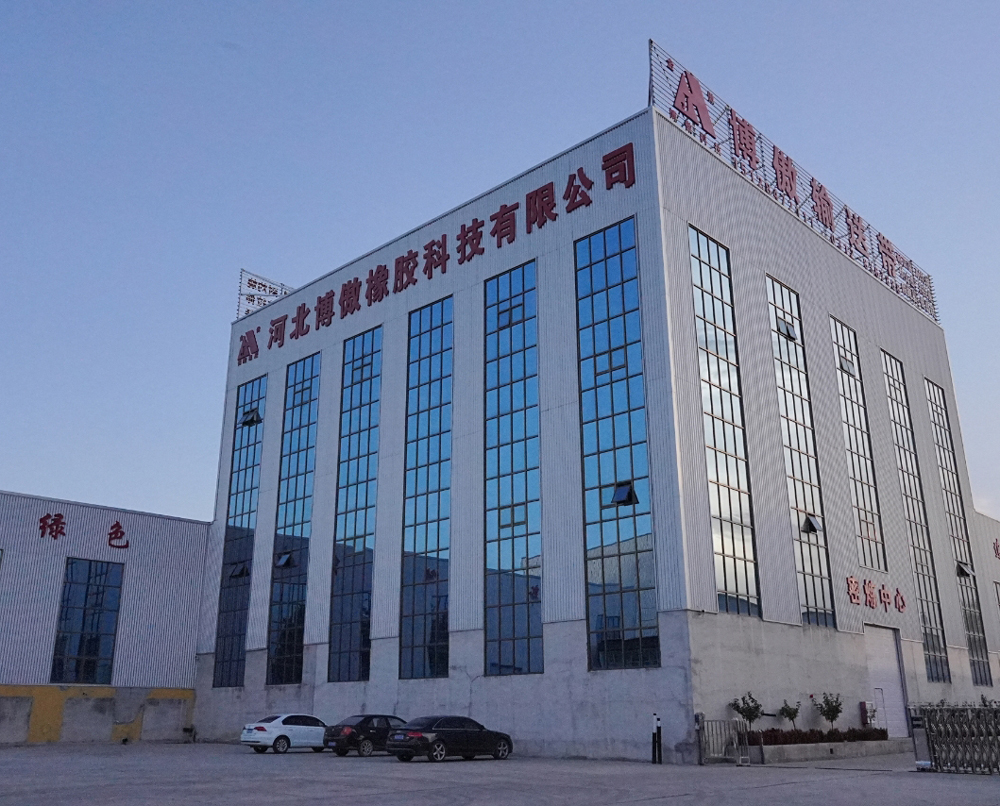
Hebei Boao Rubber Factory
ABOUT HEBEI BOAO RUBBER

Company Profile & Manufacturing Philosophy

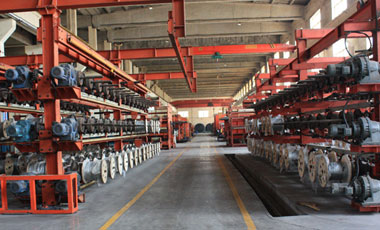
Founded in 2004, Hebei Boao Rubber Technology Co., Ltd. is located in the Boye County Rubber Industrial Park, Baoding, Hebei Province, China. Our facilities span more than 30 acres, hosting multiple advanced production lines for rolling, shaping, vulcanization, and material testing. We handle the entire process under one roof—from processing raw rubber to final quality checks of finished multi-ply belts.

Our "Jinao" brand is built on a commitment to quality. Our laboratory is equipped to verify mechanical properties, including tensile strength, elongation at break, and wear resistance (DIN standard). This focus on quality control helps ensure that our products meet demanding industrial standards before they are shipped to customers in Argentina.

Technology Roadmap & Compound Classifications

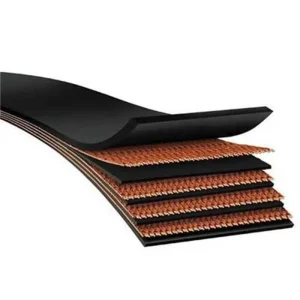
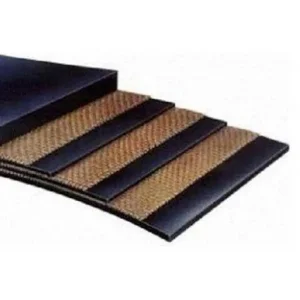
Our layered (multi-ply) conveyor belts are built with high-quality polyester (EP) or nylon (NN) fabrics and durable rubber covers, providing reliable performance in a variety of industrial applications.

1. Carcass Structure (EP vs NN)

We use high-grade synthetic textiles to ensure dimensional stability under load:

  • Polyester (EP) Carcass: Low elongation, good resistance to moisture, and reliable tracking. Ideal for long-distance conveyors.
  • Nylon (NN) Carcass: High flexibility, impact resistance, and excellent fatigue life. Suitable for high-shock loading environments.
2. Specialty Covers & Grades

We formulate custom rubber covers to protect the belt carcass against specific material properties and working conditions:

  • Abrasion Resistant (DIN-X, Y, W): Designed to carry highly abrasive ores and heavy crushed stones.
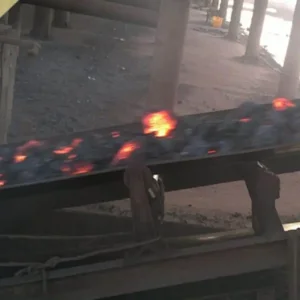
  • Heat Resistant (T1, T2, T3): Formulated with EPDM or chlorobutyl rubber to handle clinker and hot powders up to 200°C.
3. High-Quality Adhesion Layer

Our vulcanization process ensures strong adhesion between plies, helping prevent delamination over time:

  • Skim Coat Technology: Improves ply-to-ply adhesion and cushions the belt carcass from impacts.
  • Edge Seals: Molded rubber edges help keep moisture out of the fabric layers, reducing wear.

Advanced Production Line & Testing Facility

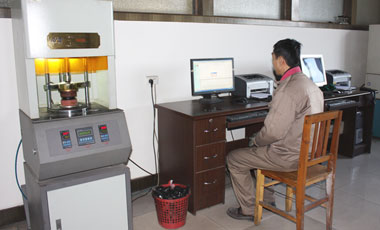
Take a closer look at our machinery and testing equipment, which support our efforts to provide reliable and consistent product quality.
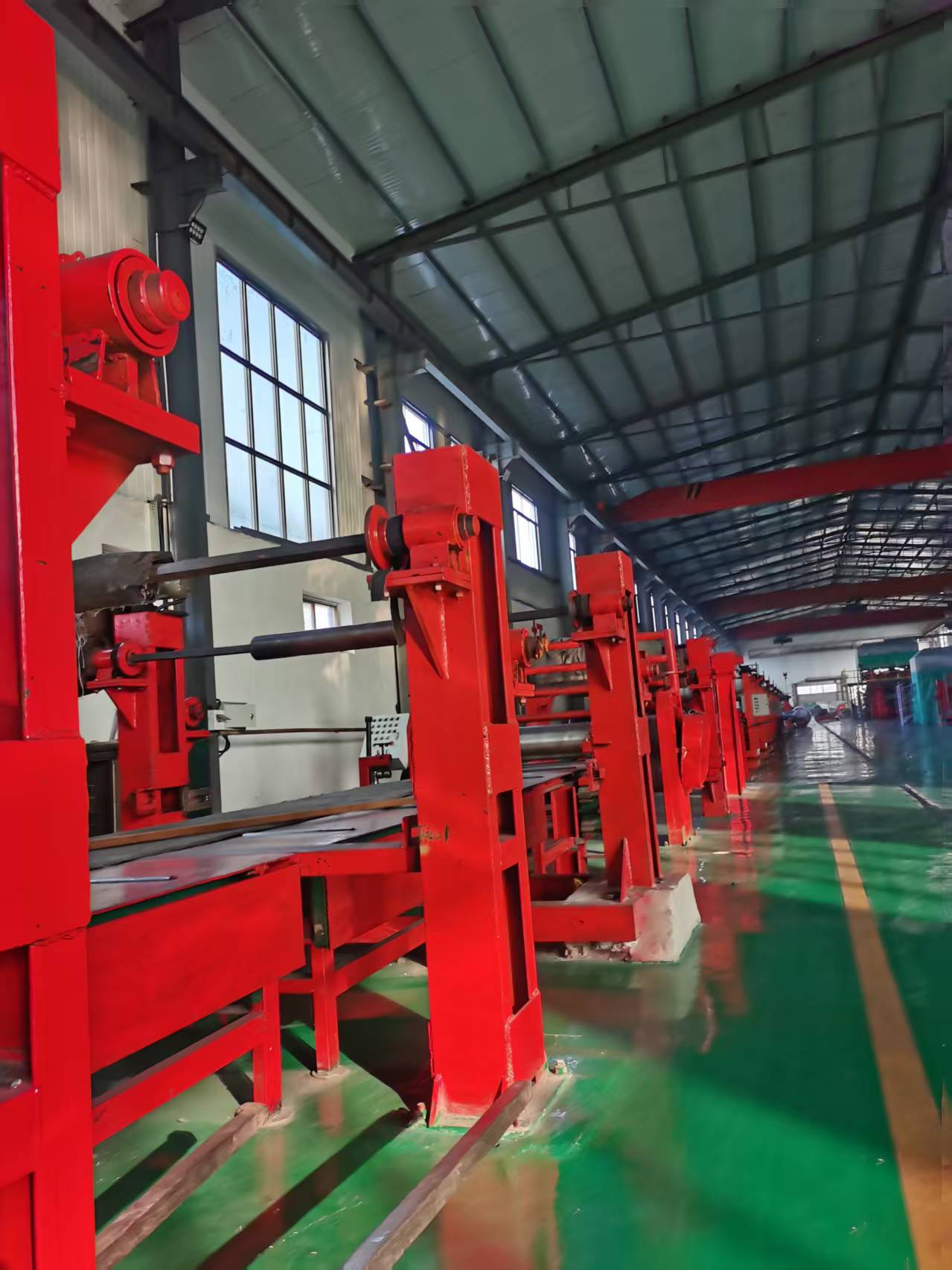
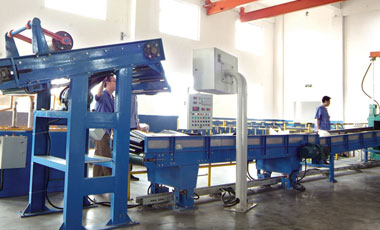
Production Line of Fabric Conveyor Belt

Fabric Conveyor Belt Production Line

Production Equipment of Steel Cord Conveyor Belt

Steel Cord Conveyor Belt Production Line
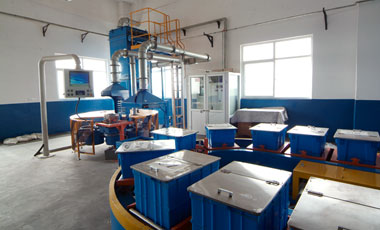
Proportioning Room of Mixing Center

Automated Mixing Center & Proportioning
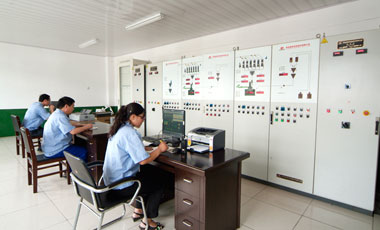
Proportioning System of Mixing Center

Digital Control Proportioning System

Feeding Device

Calendering Line Feeding Unit

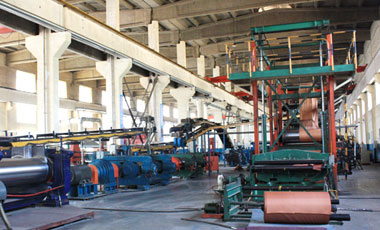
Calendering & Shaping Machine

Precision Calendering & Layer Shaping
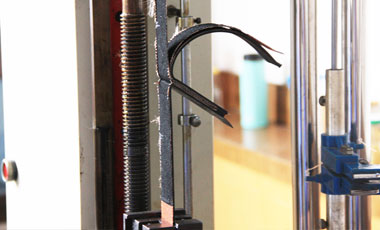
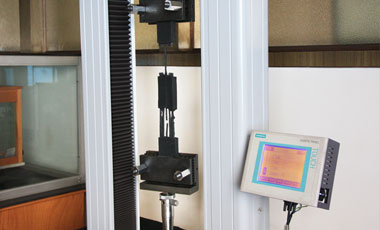
Peeling Test

Inter-ply Adhesion & Peeling Test

Steel Cord Pull-out Machine

Steel Cord Adhesion & Pull-out Tester
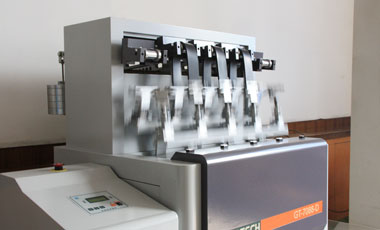
Dynamic Fatigue Tester

Dynamic Fatigue & Stress Cycle Testing
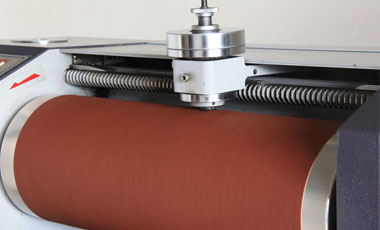
Abrasion Tester

Rubber Cover Abrasion Volume Tester (DIN)
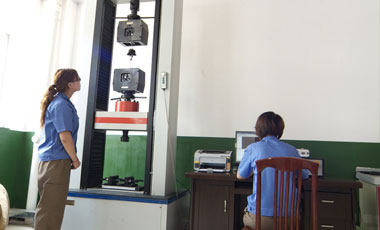
Abrasion Tester

High Performance Wear-loss Analysis

Test

Compound Rheology & Elongation Testing

BOAO TECHNICAL SERVICES

Conveyor System Maintenance & Troubleshooting

Our support doesn't end when the container arrives in Buenos Aires. We help our Argentine clients maximize the lifespan of their "Jinao" conveyor belts by sharing technical guidance and maintenance guidelines:

  • Splicing & Jointing: Detailed guidelines for hot vulcanization and cold bonding, along with vulcanizing temperature and pressure recommendations.
  • Tracking & Alignment: Troubleshooting tips for conveyor systems to prevent edge wear and extend belt life.
  • Ozone & UV Protection: Storage recommendations to help protect rubber covers from UV degradation in high-altitude environments.

Technical Service Standards

Our goal is to help clients improve operational efficiency, minimize belt wear, and achieve reliable long-term performance.

Scope of Technical Solutions:

Supply of conveyor belts and repair materials, support for regional safety stock, splicing guidance, cover maintenance, and troubleshooting assistance.

Global Project Deployments & Industrial Collaborations

Our products have been utilized in heavy-duty conveyor systems worldwide, demonstrating reliable performance in demanding operating environments.
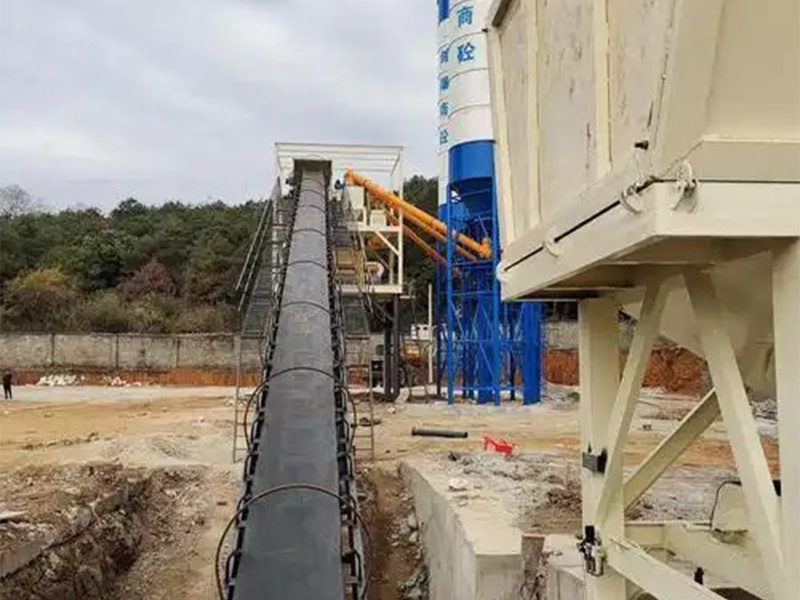
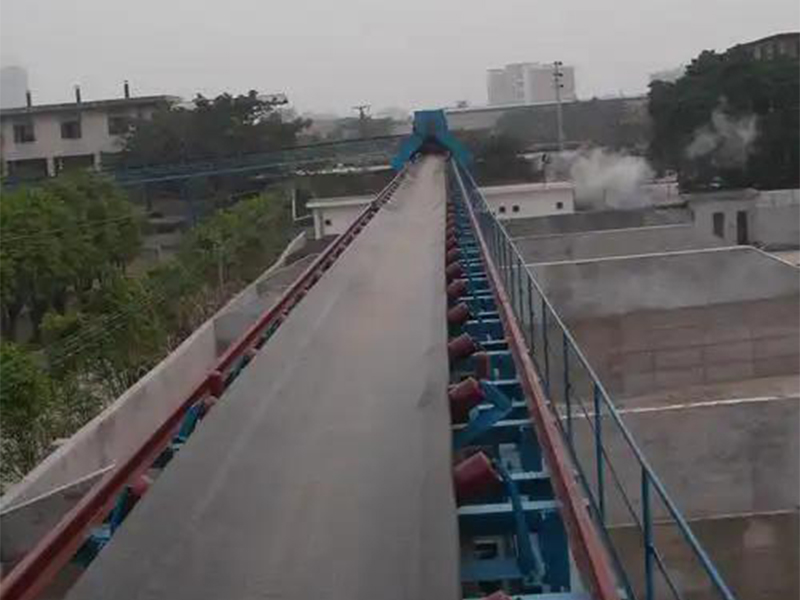
China Railway Group Mixing Plant Case

China Railway Group Mixing Plant

Conch Cement Case

Conch Cement Plant Integration

Datong Coal Group Case

Datong Coal Group Coal Handling

Tsingshan Group Case

Tsingshan Group Smelting Facilities

Zijin Mining Case

Zijin Mining Bulk Materials Handling

Jidong Cement Group Case

Jidong Cement Material Lines

Taihang Steel Case

Taihang Steel High-Temp Sinter Lines

Puyang Steel Group Case

Puyang Steel Conveyor System

Primary Industrial Belt Catalog

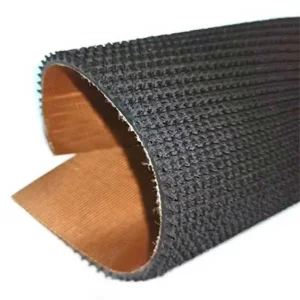
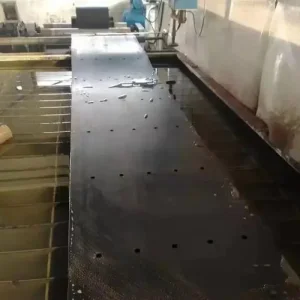
Explore our main selection of multi-ply fabric, steel wire reinforced, and specialty patterned conveyor belts. Built in China, optimized for reliable performance in Argentina.
Additional Products & Accessories

We also manufacture specialized profiles, support brackets, and heavy-duty conveyor parts to complement your system:

China Edge Conveyor Belt Manufacturers Idler Roller Brackets - Standard Dimensions Rubber Lifting Conveyor Belt for Industrial Use

Technical Q&A: Layered Conveyor Belts

Expert insights on selecting, installing, and maintaining multi-ply rubber conveyor belts for demanding industrial environments.

Q1: What are the differences between EP and NN fabric reinforcement in multi-ply conveyor belts?
EP (Polyester warp / Polyamide weft) fabrics feature low elongation, high tensile strength, and good heat stability, making them a common choice for long-distance conveyors where minimizing belt stretch is important. NN (Nylon warp / Nylon weft) fabrics offer greater elasticity and flexibility, which provides higher resistance to impacts and flexing fatigue—well-suited for high-impact loading zones or systems with small pulley diameters.
Q2: How do you choose the right rubber cover grade (DIN 22102) for abrasive ores?
The DIN 22102 standard classifies rubber covers by wear and tensile properties. DIN-X (maximum wear volume of 120 mm³) is designed for heavy duty and highly abrasive materials like crushed quartz, granite, or sharp ores. DIN-Y (maximum wear volume of 150 mm³) is suitable for general abrasiveness, including limestone, coal, and sand. For extremely abrasive materials where cut-and-gouge resistance is a priority, DIN-W (90 mm³ wear limit) is typically recommended.
Q3: Can these conveyor belts operate reliably in the freezing temperatures of high-altitude Andean mining sites?
Yes, standard rubber compounds can stiffen and crack in extreme cold. For high-altitude mines in the Andes, we manufacture specialized cold-resistant conveyor belts using blended polymers that remain flexible and resist cracking at temperatures down to -45°C. This helps maintain belt traction and prevents cover delamination in cold environments.
Q4: What rubber compounding is recommended for handling oil-treated fracking sand or agricultural grains?
Exposure to mineral oils, petroleum products, or animal fats can cause natural rubber covers to swell, soften, and lose tensile strength. For these applications, we utilize nitrile rubber (NBR) or chloroprene (CR) compounds. These materials resist swelling and maintain cover thickness, helping to prevent tracking problems and premature wear when handling greasy materials or oil-treated sands.
Q5: How does Boao ensure consistent adhesion between plies to prevent delamination?
We use high-adhesion skim coats between the fabric plies, combined with computer-controlled vulcanization. During processing, variables such as temperature, pressure, and cure time are monitored to ensure uniform adhesion across the entire length of the belt. Every production batch undergoes testing in our lab to verify inter-ply peeling strength before shipment.
Q6: What splice patterns and parameters are recommended for installing multi-ply EP belts?
For multi-ply EP belts, a step-splice joint matching the ply structure is recommended. The step length typically ranges from 150 mm to 250 mm, depending on the ply strength. Hot vulcanization using match-curing compound and cover tie-gum is the preferred method for high-load systems. We provide detailed vulcanization schedules—specifying recommended temperatures, pressures, and dwell times—with every shipment.
Q7: What is the typical lead time and shipping route from China to major Argentine ports like Buenos Aires or Zarate?
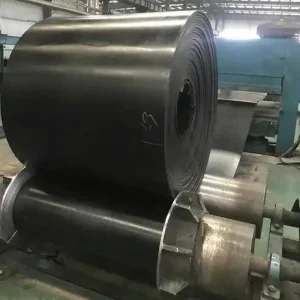
Our typical production lead time is 15 to 25 days, depending on the order size and custom compounding requirements. Shipping from Tianjin Port to the Port of Buenos Aires or Zarate generally takes 35 to 45 days. We load belts onto sturdy steel-framed reels wrapped in protective, moisture-resistant packaging to prevent damage during ocean transit.
Q8: What documentation and certifications are provided for quality assurance and customs clearance in Argentina?
We provide a complete documentation package, including ISO 9001 quality certificates, factory inspection reports, material safety data sheets (MSDS), bills of lading, packing lists, and certificates of origin. Test results for cover tensile strength, elongation, and DIN wear resistance are also included to verify compliance with your project specifications.
PARTNER WITH A LICENSED CHINA MANUFACTURER

Looking for Reliable Multi-Ply Belting?

Hebei Boao Rubber provides high-tensile fabric and steel wire conveyor belts designed for challenging industrial conditions. Contact our technical team today to request a quote or product sample.
Get Technical Consultation & Quote Now