Engineered for high load-bearing capacity, extreme inclination handling, and durable surface wear resistance.
Kazakhstan stands as the industrial and logistical powerhouse of Central Asia. Rich in natural resources, the country plays a pivotal role in the extraction of coal, iron ore, copper, chromium, and gold. Large-scale operations such as the Karaganda coal basin, the massive copper extraction sites in Aktogay and Bozshakol, and metallurgical plants in Temirtau place extreme operational demands on bulk material handling infrastructures.
The extreme continental climate of Kazakhstan—characterized by freezing winters dipping below -40°C and scorching summers exceeding +40°C—demands conveyor belt systems that can survive massive thermal variations without cracking or losing tensile strength. Our Jinao brand cold-resistant and specialized edge conveyor belts are specifically engineered to remain flexible, crack-free, and operational in these unforgiving environments.
Standard rubber belts harden and fracture under intense winter conditions, leading to unexpected plant shutdowns. Specially vulcanized rubber compounds featuring high elastic modulus at low temperatures ensure continuous operation, saving hundreds of thousands of dollars in maintenance overhead.
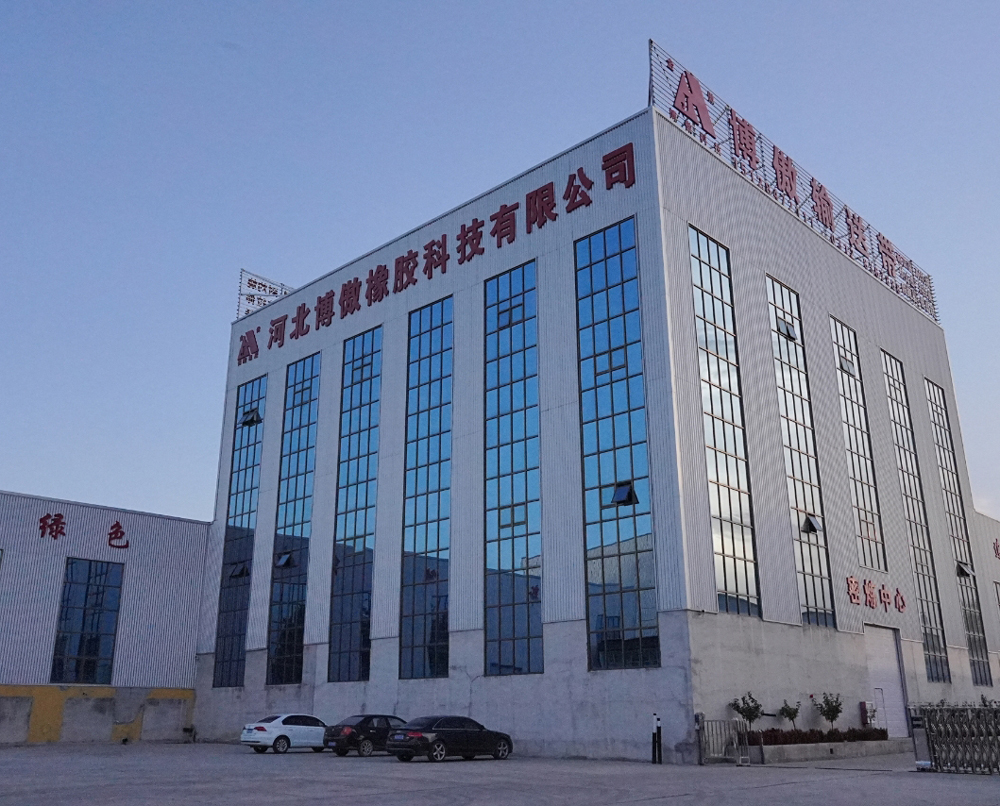
Founded in 2004, Hebei Boao Rubber Technology Co., Ltd. is located in the Boye County Rubber Industrial Park, Baoding, China. Spanning a modern production site of over 30 acres, we have spent more than two decades developing, designing, and manufacturing premium conveyor belts and conveying machinery accessories under our registered brand, Jinao.
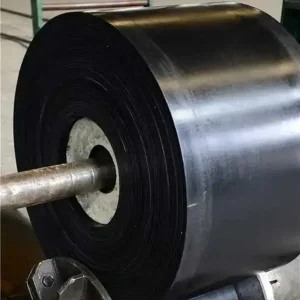
Our facility integrates the entire vertical manufacturing process. From raw rubber mixing and compounding in our precision proportioning rooms to calendering, multi-ply textile curing, and heavy-duty press vulcanization, we guarantee structural integrity in every roll. Our product portfolio serves critical industries globally, including steelworks, cement processing, chemical processing, logistics ports, and coal mining.
Our commitment to reliability is backed by rigorous testing systems. Every batch of rubber compounds is audited prior to extrusion and final curing.
We execute strict incoming material checks for natural rubber, carbon black, and plasticizers. No raw material enters our production lines without passing critical composition analysis.
Equipped with computerized peeling testers, steel cord pull-out test jigs, dynamic fatigue testers, and ISO standard DIN abrasion testers to guarantee belt durability.
Our formulas for cold-resistant belts are specifically tested at temperatures down to -50°C to secure trouble-free operations in cold geological climates.
| Test Category | Reference Standard | Minimum Criteria | Operational Benefit |
|---|---|---|---|
| Abrasion Resistance Test | DIN 22102 / ISO 4649 | ≤ 90 mm³ (Premium Grades) | Extended carcass lifetime in handling sharp granite, copper ore, and sinter. |
| Tensile Strength (Multi-Ply) | GB/T 7984 / DIN 22102 | Up to 3150 N/mm (EP/NN plies) | Allows long-span conveyor engineering with minimal belt elongation. |
| Cold Resistance Test | ISO 812 (Brittleness Temp) | No cracking at -50°C | Maintains belt flexibility under sub-zero open-pit mining environments. |
| Steel Cord Adhesion Test | ISO 7622-2 | ≥ 100 N/mm | Prevents delamination and splitting of steel cords during heavy loads. |
A comprehensive engineering review of high-inclination bulk handling systems designed to maximize spatial usage.
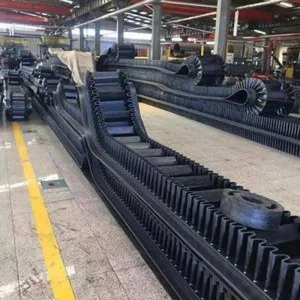
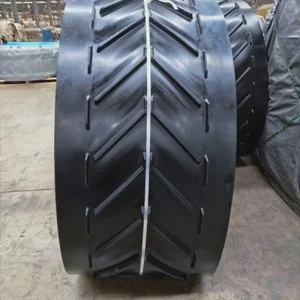
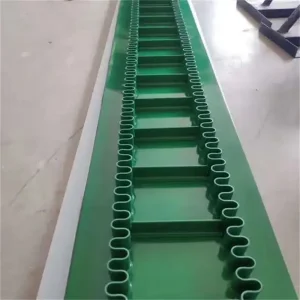
When handling bulk materials at vertical angles or steep inclines ranging from 30° to 90°, traditional flat belts suffer from significant product spillage and material rollback. Our Edge Conveyor Belts, featuring corrugated sidewalls and custom transverse cleats, resolve these challenges by creating closed compartments that securely lock materials in place.
The vertical corrugated sidewalls are cold-cured or hot-vulcanized onto the base belt to guarantee a high-strength bond. The cross-rigidity of the base belt is enhanced with special synthetic fabrics or transverse steel reinforcement. This design prevents the belt from bowing or sagging when transitioning from horizontal travel to steep vertical climbs.
Our heavy-duty calenders, rubber mixing centers, and vulcanizing lines operate with strict digital precision.
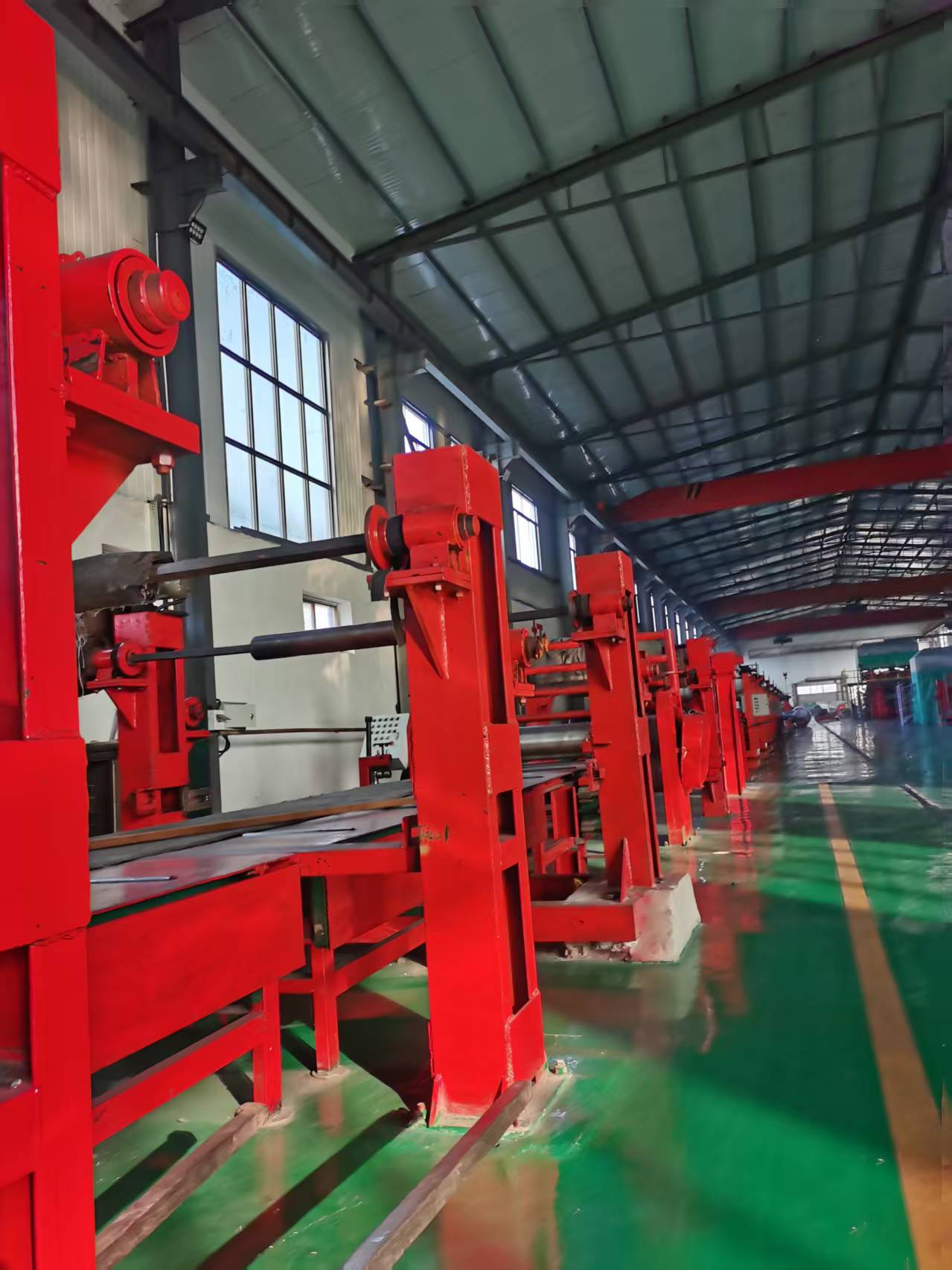
Fabric Conveyor Belt Curing Line
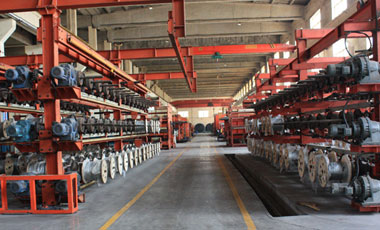
Steel Cord Curing Press
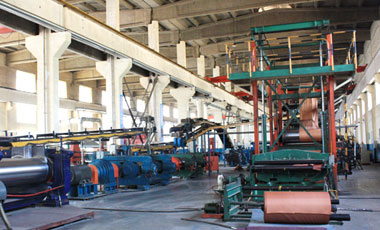
Calendering & Shaping Station
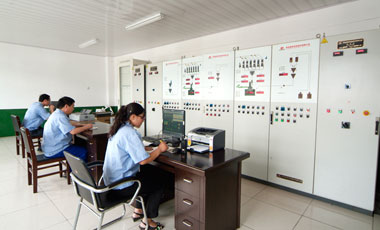
Digital Rubber Compounding Center
Providing custom, high-tensile conveying belts to major mines, cement works, and logistics hubs.
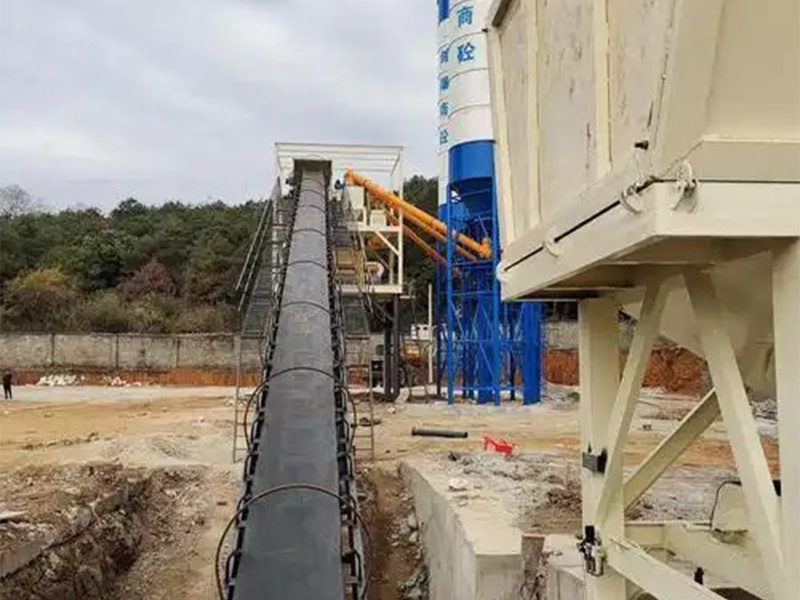
Astana Infrastructure Mixing Plant
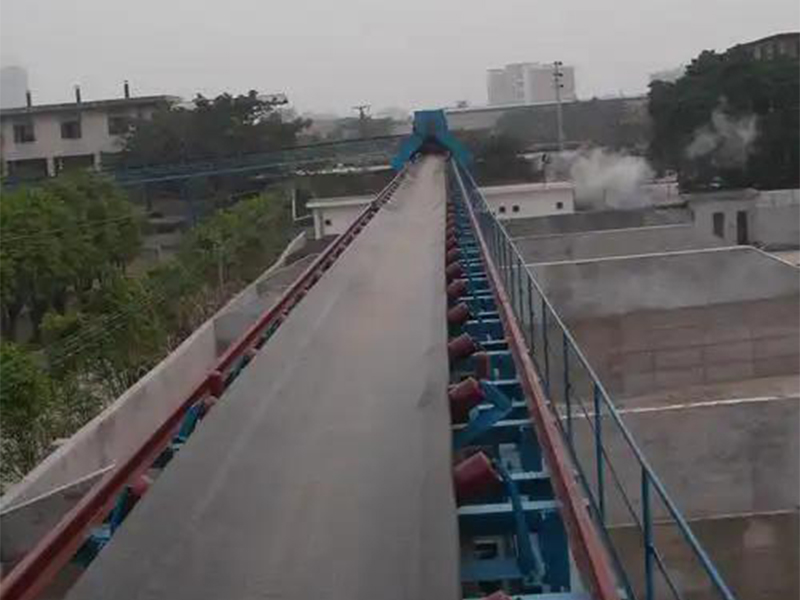
Kazzinc Cement Operations
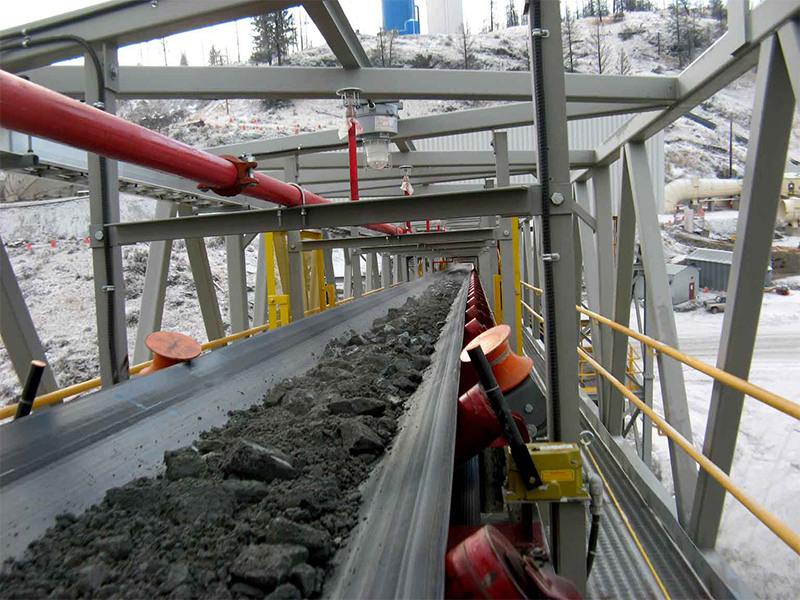
Karaganda Basin Coal Conveying Line
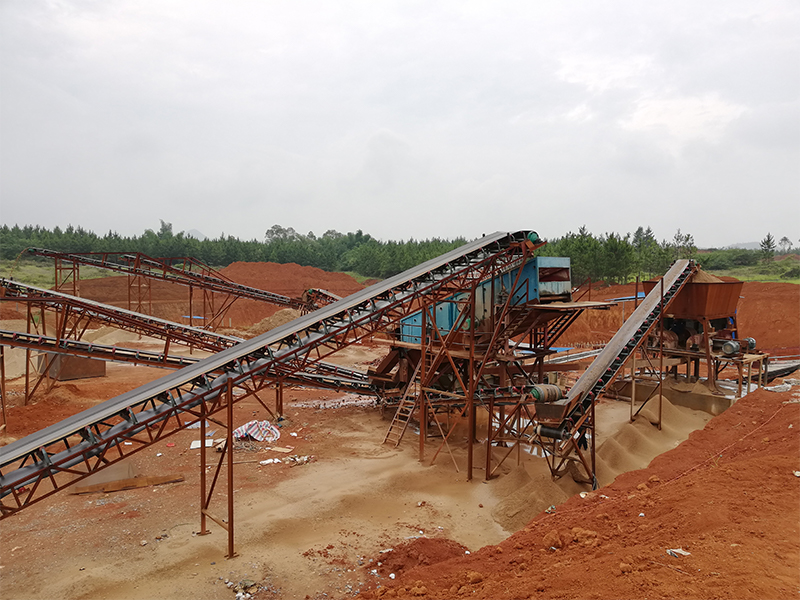
ERG Metallurgical Complex
Providing engineering support from plant layout design to final belt installation, vulcanization, and hot splicing.
We work directly with your engineering teams to design optimal chute configurations, idler setups, and drive pulley diameters to prolong belt life.
We supply vulcanization kits, patch materials, and specialized tools. We also offer guidance on hot and cold vulcanization processes to maintain peak joint strength.
We provide thickness wear audits and advice on scan detection for steel cords to avoid line failures during high-tonnage mining processes.
Explore our main product lines designed to handle critical industrial applications under demanding material and environmental conditions.
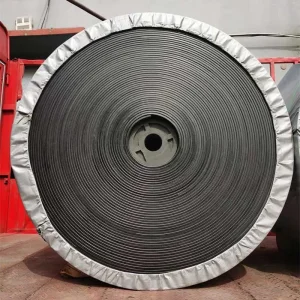
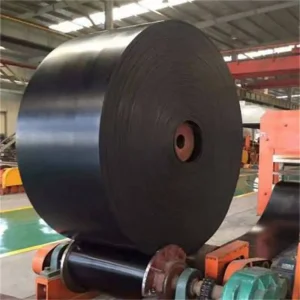
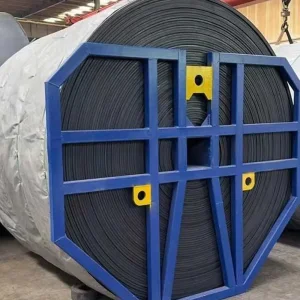
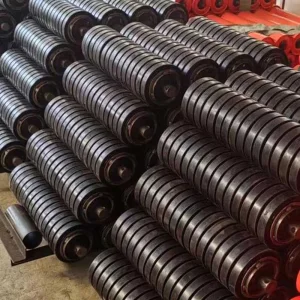
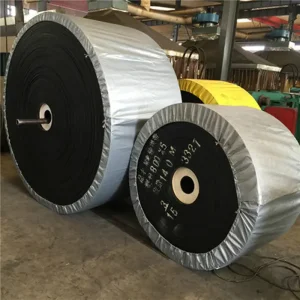
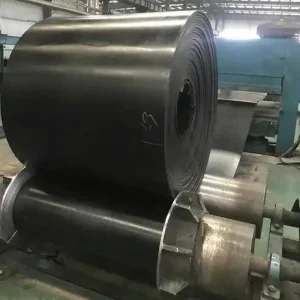
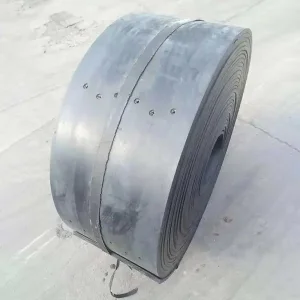
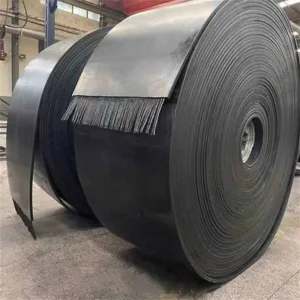
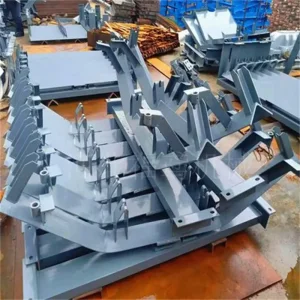
Technical guidance and sourcing support for edge conveyor belts and bulk material handling systems.
Our specialized cold-resistant conveyor belts are classified into three temperature ratings based on their compound formulations: C1 (temperature range from -45°C to +50°C) and C2 (temperature range from -60°C to +50°C). We run low-temperature elasticity and brittleness tests to confirm the rubber remains pliable and crack-free, making them suitable for Kazakhstan winters.
To prevent sagging or bowing, we use a cross-stabilized base belt. This design features high lateral rigidity (with custom synthetic fabric plies or steel transverse reinforcement) combined with low longitudinal elasticity. This structural composition keeps the base belt flat and level, preventing it from drooping inside the return support rollers.
Yes. We offer three primary cleat shapes: T-Type (normal angles up to 40°), C-Type (angles up to 60° with moderate materials), and TC-Type (angles from 60° to 90° for high-density mining minerals, fine sand, and aggregate). Our engineering team will help you choose the correct shape based on your material's angle of repose.
We regularly ship products via rail and road freight through key border crossings like Altynkol and Dostyk. This allows us to deliver directly to industrial centers like Karaganda, Almaty, Shymkent, and Atyrau. Every order is packed in water-resistant plastic wrapping on steel cores to protect it during transit.
Yes. Our conveyor belts are manufactured in strict compliance with international standards, including DIN 22102, ISO 14890, and AS 1332. For underground coal mines, we supply fire-resistant and anti-static conveyor belts certified to ISO 340 and EN 12882 standards.
Get in touch with our engineering team for custom drawings, technical specifications, and factory-direct pricing for your operations in Kazakhstan.
 Boao Rubber