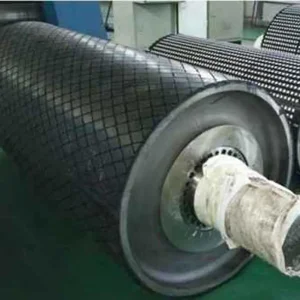
Designed for absolute reliability under high-temperature clinker processing, extreme abrasive mining, and aggressive chemical environments.
An in-depth whitepaper analysis of infrastructure rehabilitation and the role of specialized conveying solutions.
Iraq is undergoing a major industrial transition, driven by massive infrastructure projects, expansion of domestic cement production, sulfur extraction in Nineveh, steel works in Basra, and port modernizations along the Persian Gulf. Bulk material handling is the backbone of these operations. However, Iraq's physical geography presents some of the most extreme operating environments on Earth, demanding conveyor belts engineered for durability rather than standard mass-produced variants.
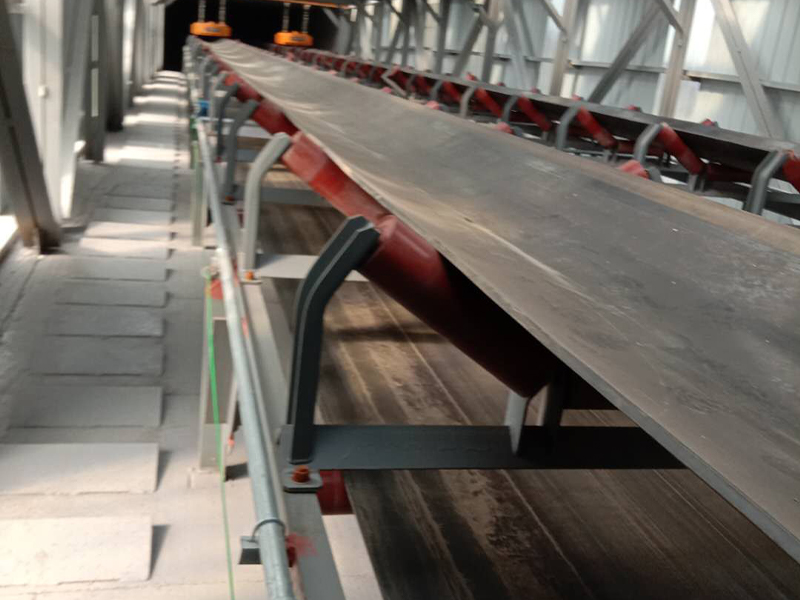
Conveyor systems in Iraqi sectors like Basra, Karbala, and Sulaymaniyah face dual challenges of extreme atmospheric conditions and high mechanical stresses:
Moving cement clinker at temperatures up to 200°C out of kiln coolers demands heat-resistant EP and steel-cord belts that maintain rubber elasticity and structural adhesion.
Heavy iron ore and coke drop heights in steel mills require anti-tear wire rope belts with high impact buffers to resist severe gouging and cutting.
Handling extracted sulfur pellets from chemical complexes demands flame-retardant (FR) and acid-resistant rubber formulations to prevent fire hazards and chemical decay.
Over two decades of engineering excellence in conveyor belt production and industrial system components.
Hebei Boao Rubber Technology Co., Ltd. is located in the Rubber Industrial Park of Boye County, Baoding, Hebei Province, China. Founded in 2004, the company spans an area of over 30 acres. Our registered trademark brand is "Jinao".
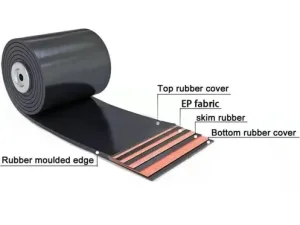
We are a certified professional manufacturer in China that integrates product development, research, design, manufacturing, and technical business services for conveyor belts and conveyor machinery accessories. We have passed the international quality management system certification, operating multiple advanced production lines for raw material mixing, calendering, forming, vulcanization, and finished product rubber testing.
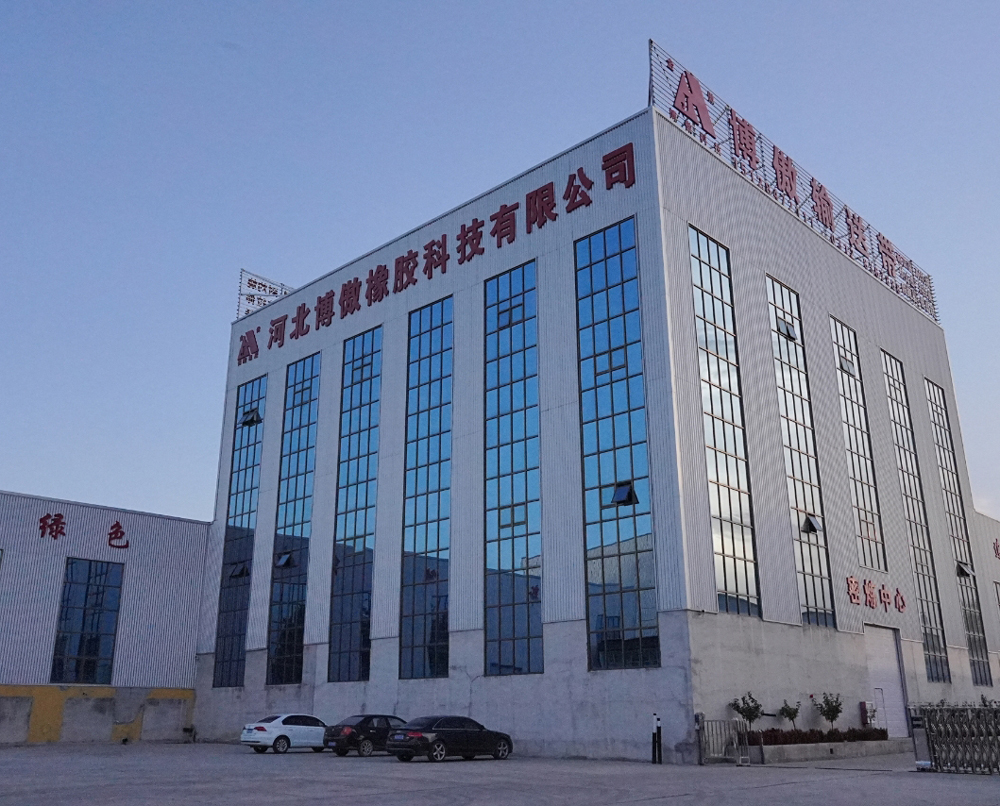
Our facility houses an independent chemical analysis room and physics laboratory. We monitor every link from raw material selection to vulcanization, enforcing strict limits on unqualified products leaving our facility.
Utilizing high-end dynamic fatigue testers, steel cord pull-out machines, and abrasion testing systems to ensure all conveyor products withstand harsh wear in tough operating conditions.
Backed by solid technical engineering and support systems, our products serve various global regions, supporting sectors like steel, metallurgy, coal mining, cement plants, power generation, and bulk shipping ports.
Industrial technical specifications for high-inclination corrugated sidewall belts serving Iraqi operations.
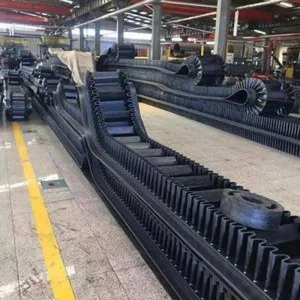
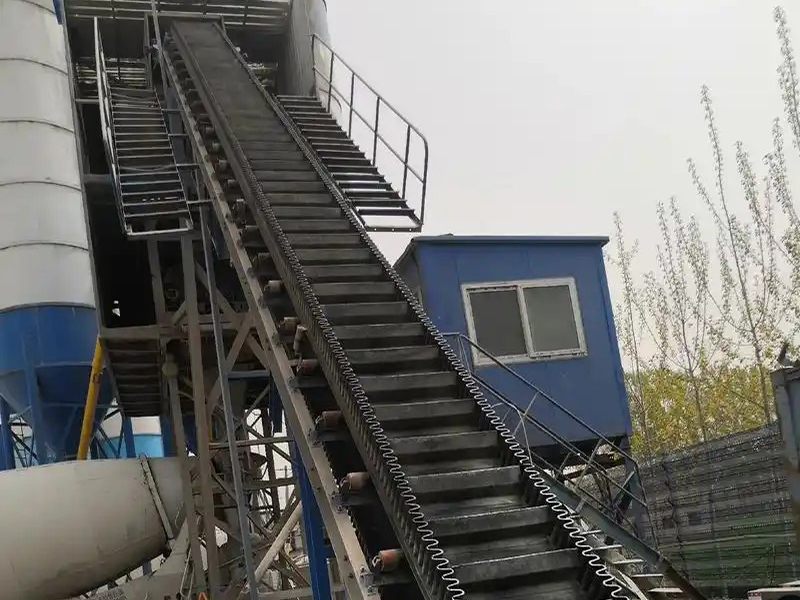
Corrugated sidewall edge conveyor belts are designed for space-constrained industrial facilities. By incorporating vertical corrugated edges (sidewalls) and transverse cleat diaphragms, these belts can transport bulk materials at angles up to 90 degrees. This design prevents spillage, maximizes carrying capacity, and eliminates intermediate transfer points.
| Parameter | Standard Specification Range | Recommended Application for Iraq Market |
|---|---|---|
| Base Belt Fabric | EP (Polyester), NN (Nylon), Steel Cord (ST) | High-tensile EP fabric with rigid cross-stabilized ply layers to prevent transverse sagging. |
| Sidewall Heights | 40 mm to 630 mm | 120 mm to 240 mm for clinker, aggregates, and sulfur pellets. |
| Cleat Profiles | T, C, TC patterns (fabric reinforced) | TC (T-Cleat with curved face) to optimize vertical lifting capacities. |
| Working Temperature | -40°C to +150°C (standard) / +200°C (HR) | EPDM base compound rated for +200°C peaks, designed for cement clinker transport. |
| Abrasion Loss | DIN 22102 Grade X (< 120 mm³), Grade Y (< 150 mm³) | Grade X for high-hardness aggregate handling and mining applications. |
The sidewalls are hot vulcanized or bolted to the cross-rigid base belt, forming a high-capacity flexible container. This structure allows the belt to bend around pulleys without cracking or parting, even under high vertical tension.
Cleats prevent materials from sliding down during steep conveying angles. The cleats are secured using mechanical fasteners or hot vulcanization, ensuring they handle load weights without tearing off the base belt.
We provide full-lifecycle support, from design stage to replacement, helping you minimize downtime and extend belt life.
Planned replacement, structural repair, inspection, maintenance, and emergency repairs of industrial conveyor belts.
Supply of conveyor belts and rubber splicing materials, maintenance of inventory buffer stocks, planned hot/cold bonding, and daily belt line inspections.
Optimizing operational efficiency, lowering maintenance cost, and supporting long-term performance for our partners.
Ensuring safe, stable, and cost-efficient operation of material handling lines to extend the overall service life of your conveyor belts.
Showcasing major partnerships, infrastructure materials handling installations, and key reference cases.
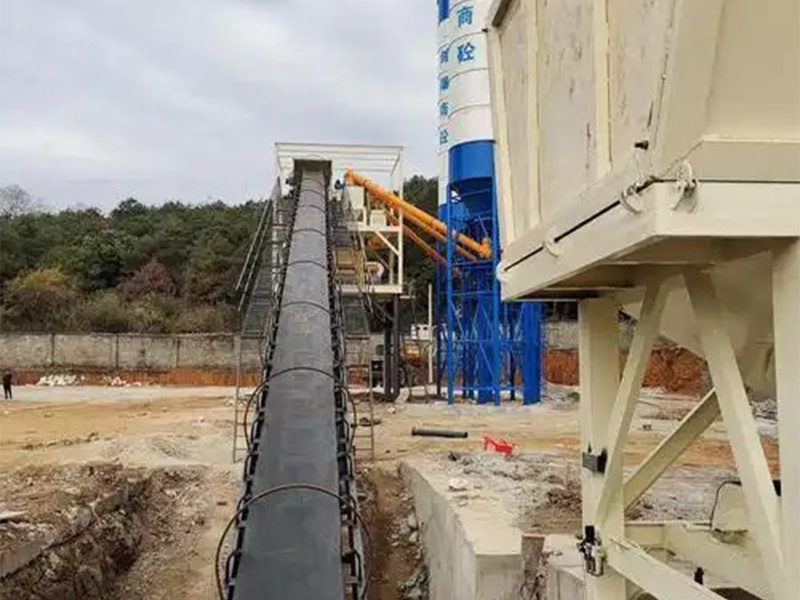
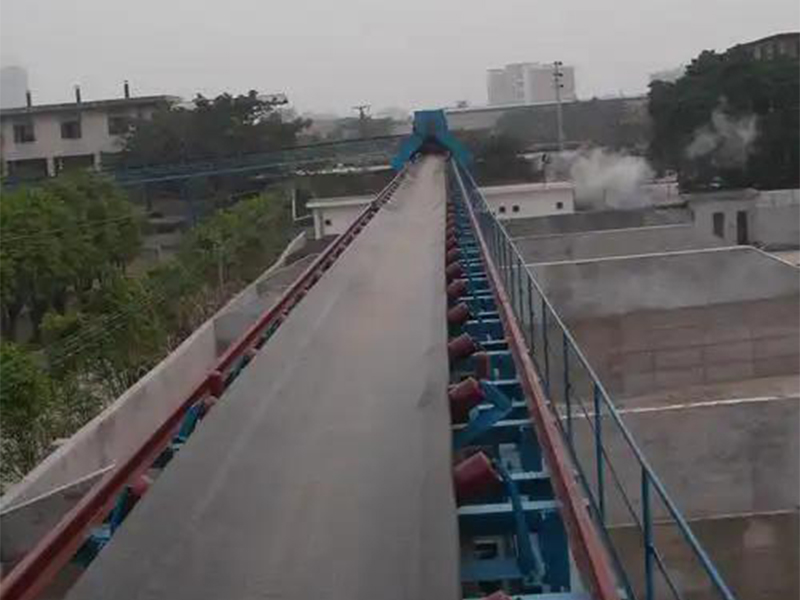
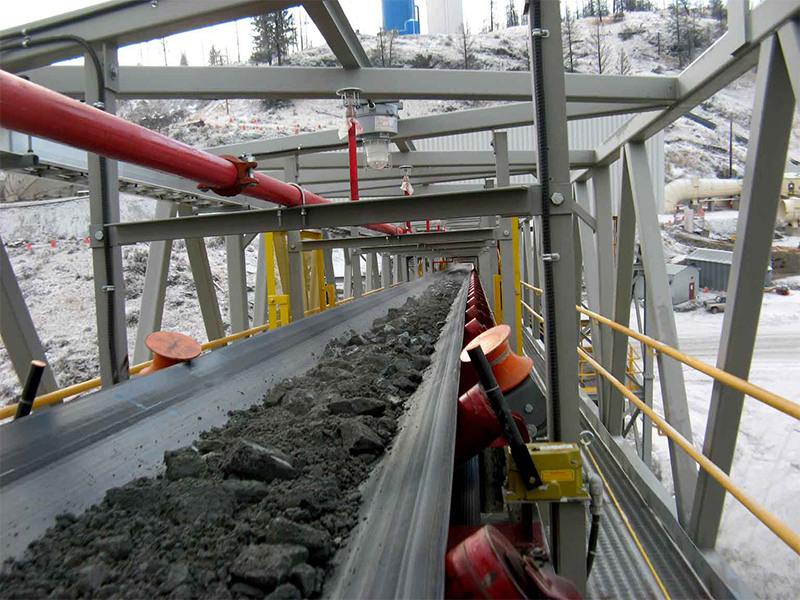
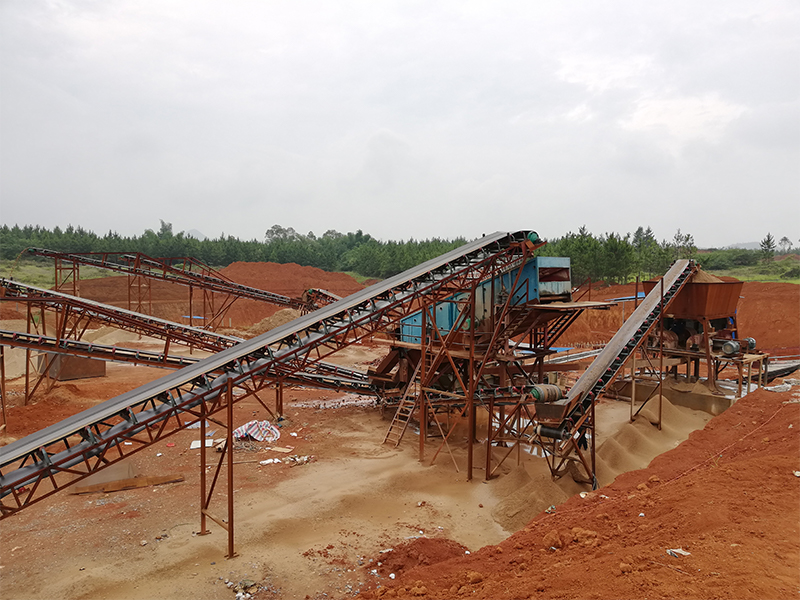
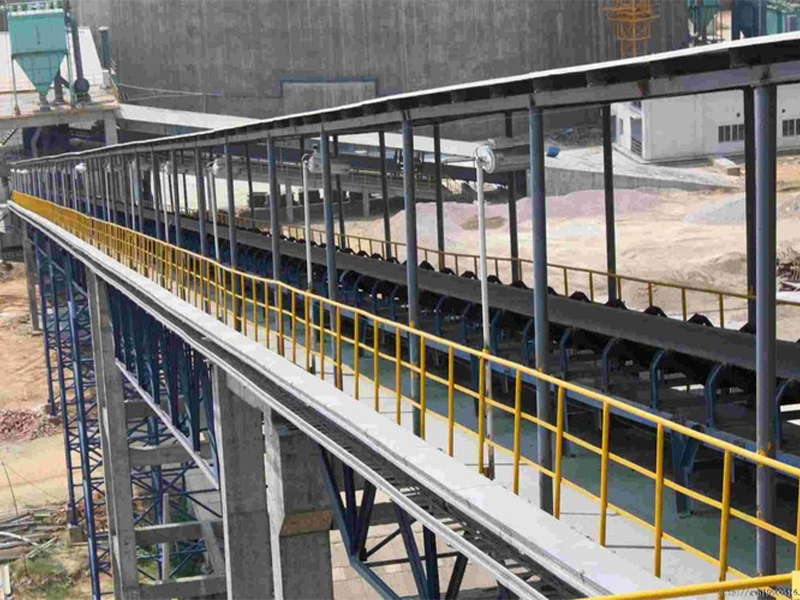
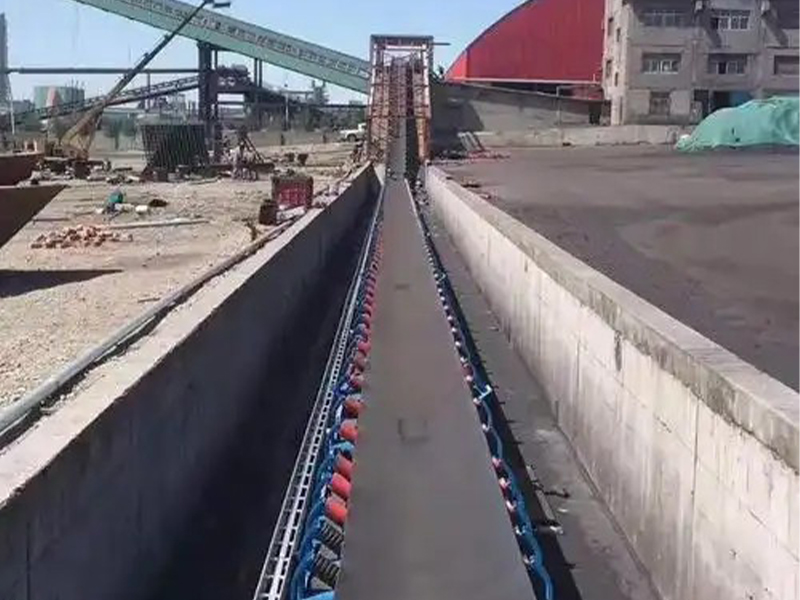
Equipped with modern mixing, calendering, and vulcanizing lines alongside fully trace-checked laboratories.
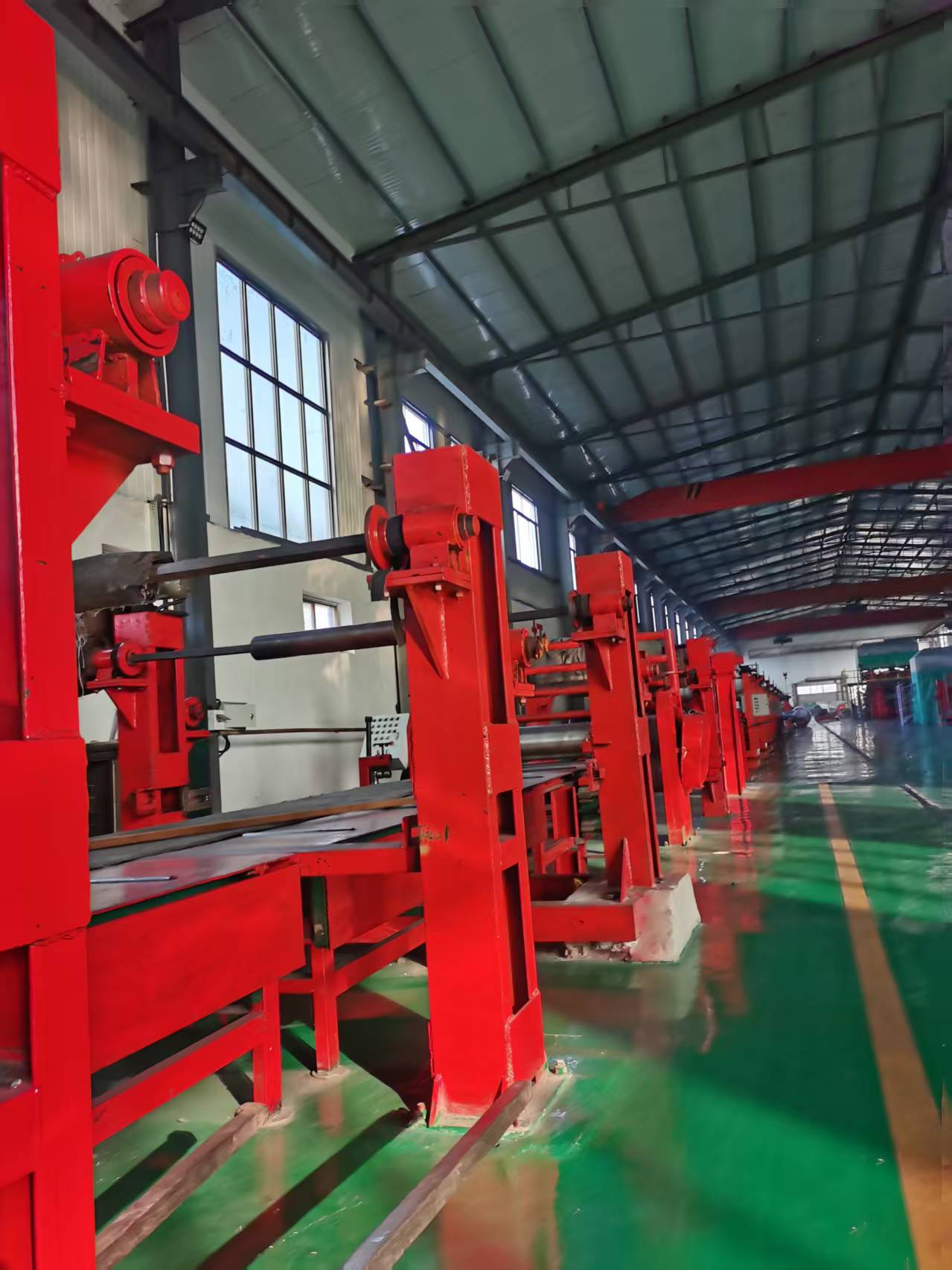
Calendering & Forming
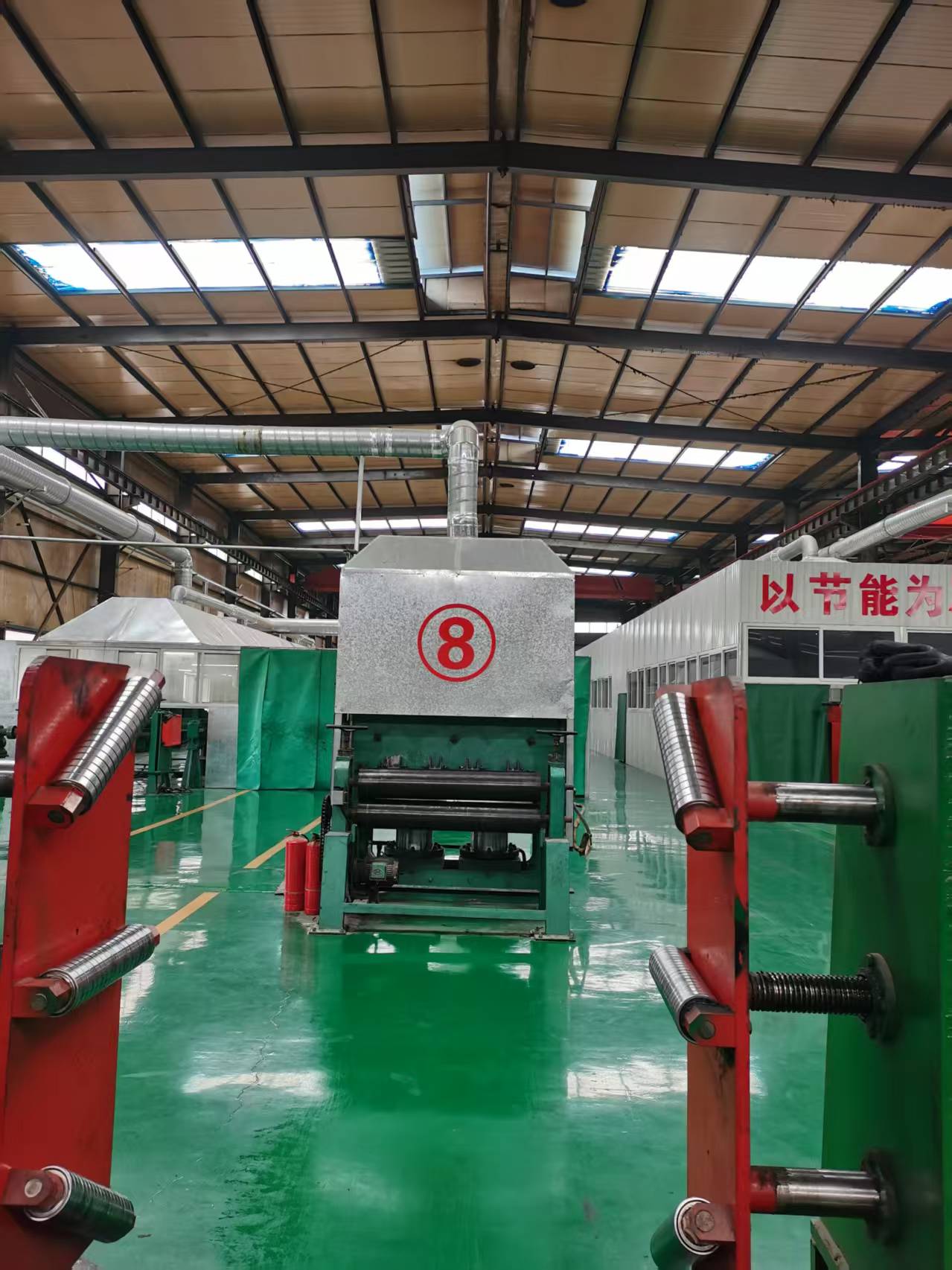
Vulcanization Processing
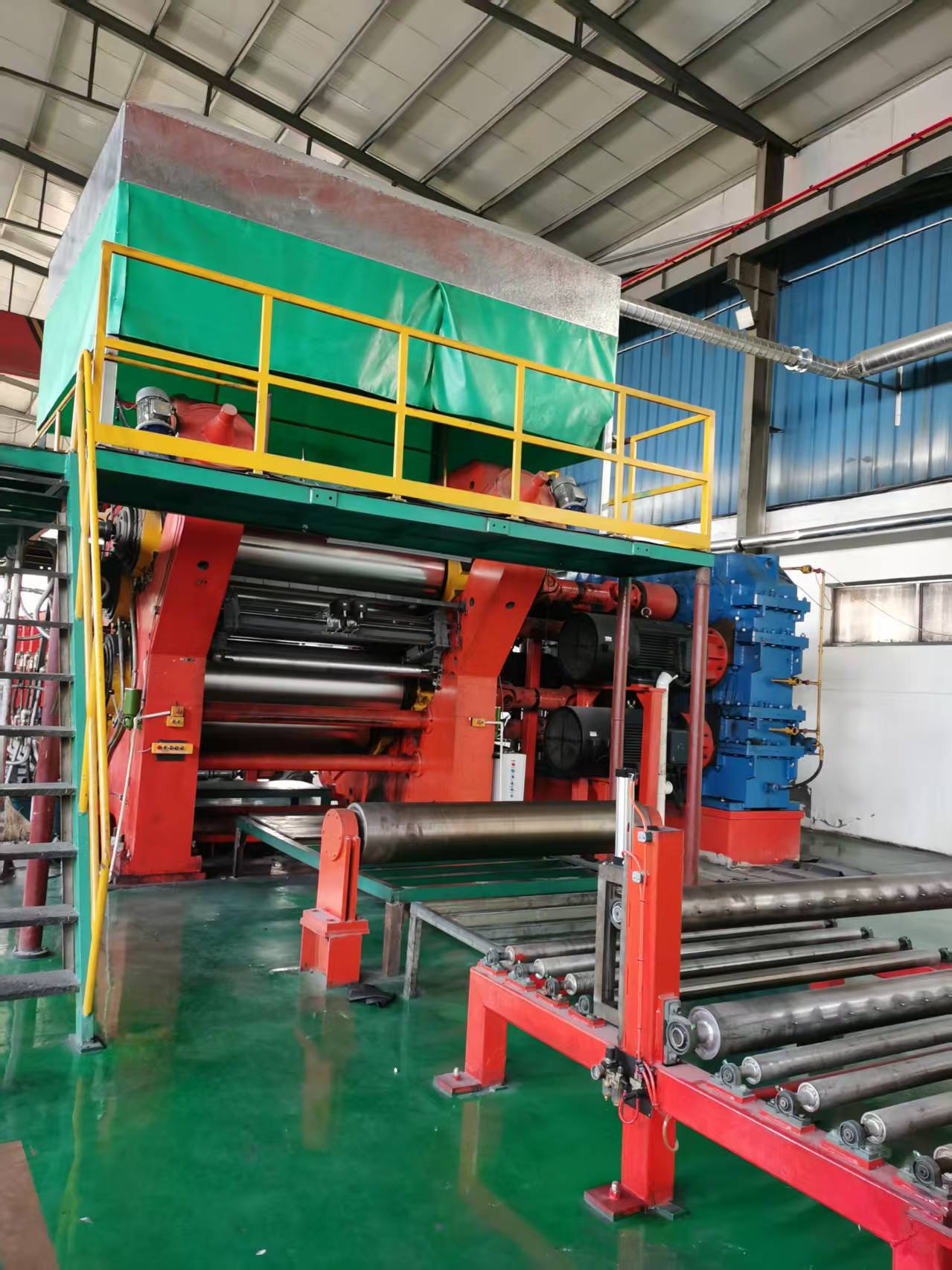
Rubber Compounding Machine
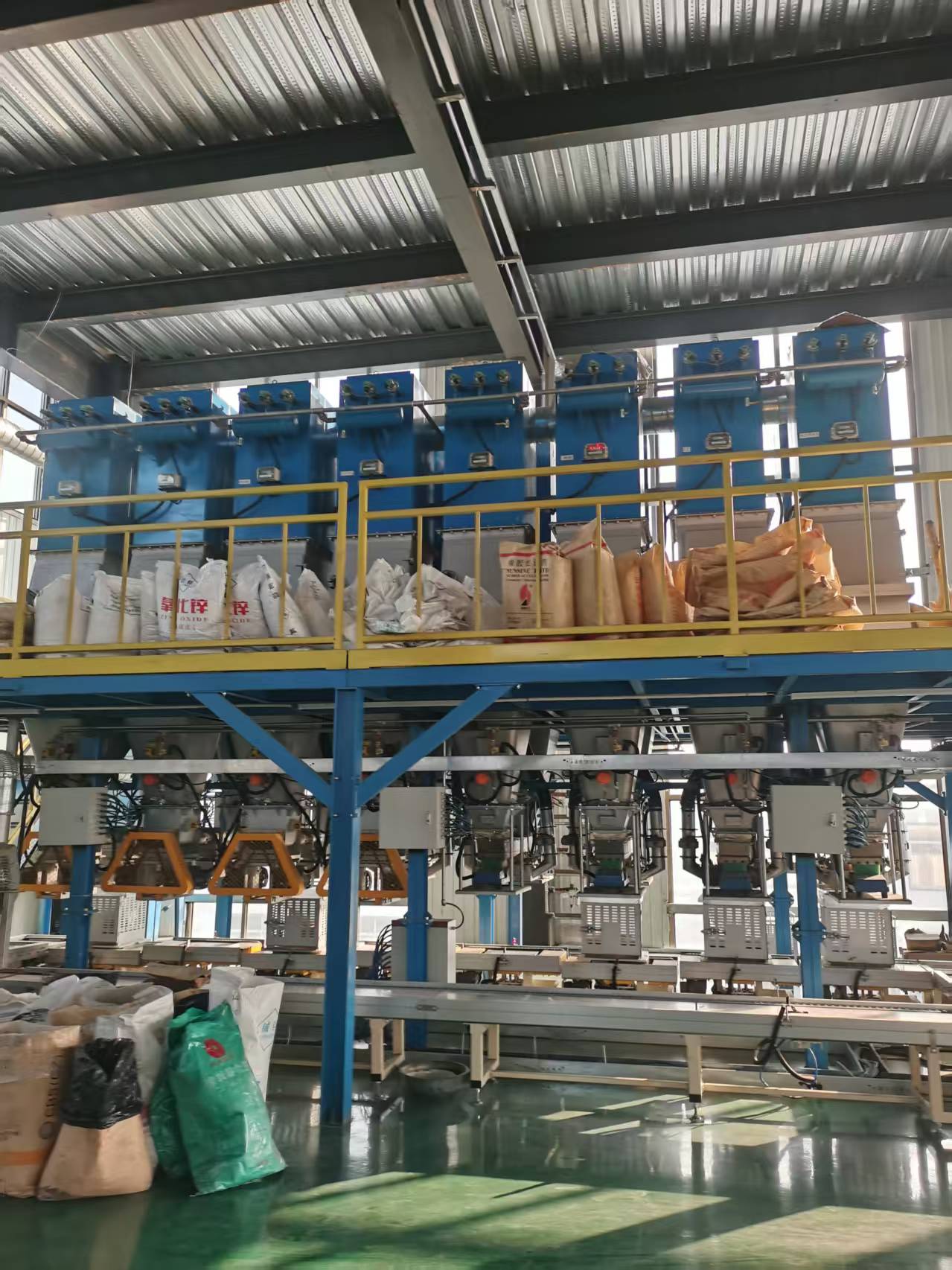
Ply Forming Assembly
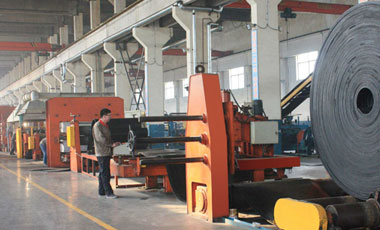
Production Line of Fabric Conveyor Belt
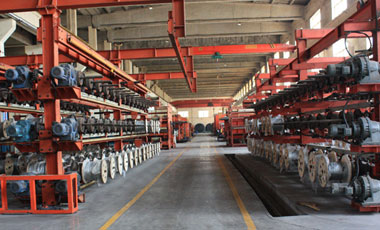
Production Equipment of Steel Cord Conveyor Belt
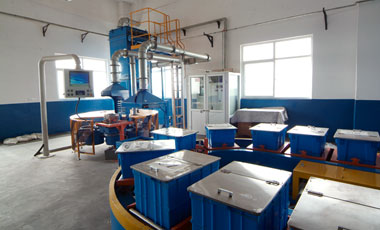
Proportioning Room of Mixing Center
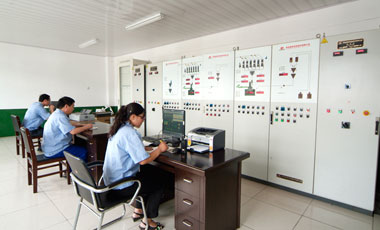
Proportioning System of Mixing Center
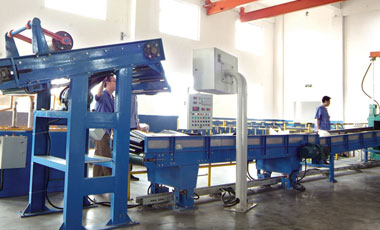
Feeding Device
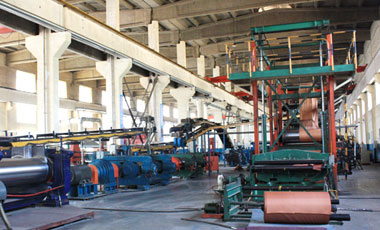
Calendering & Shaping Machine
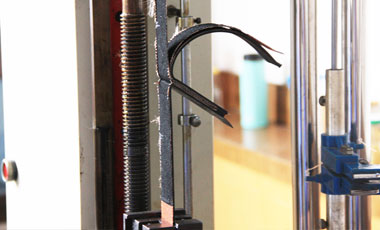
Peeling Test Machine
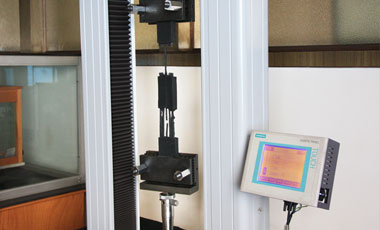
Steel Cord Pull-out Machine
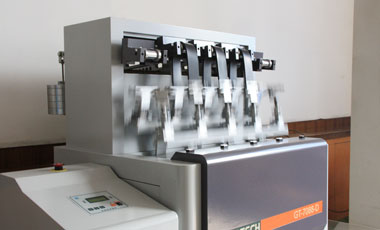
Dynamic Fatigue Tester
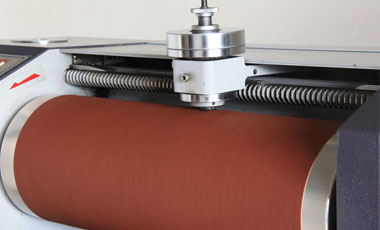
Abrasion Tester A
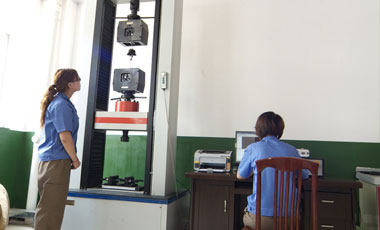
Abrasion Tester B
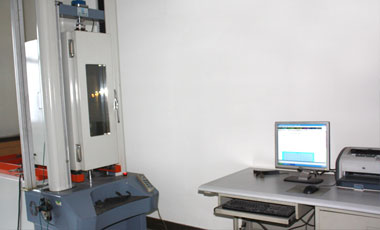
Physical Properties Testing
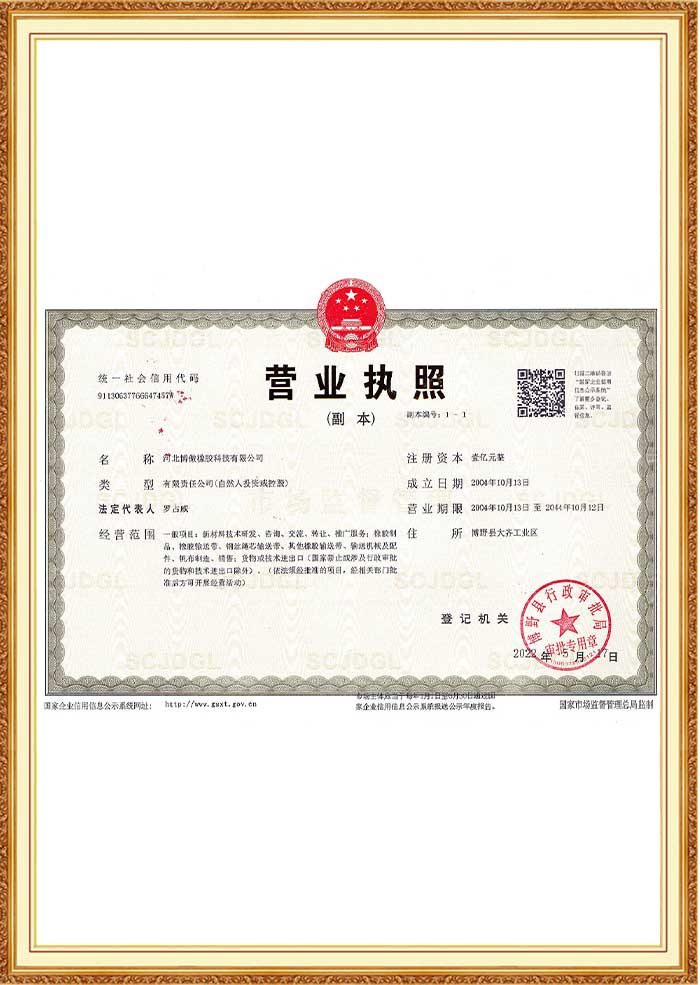
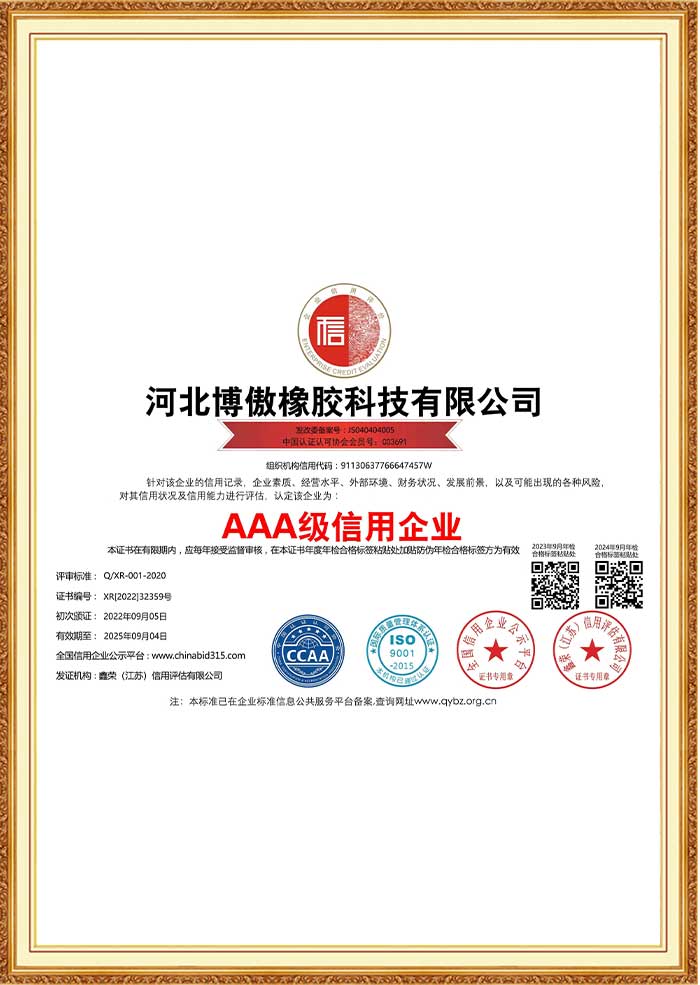
Fully compliant with international specifications including CE, ISO, TS, and API certifications.
Global Compliance Audits:
Our company actively certifies all product lines to ensure high customer trust. Our certifications include:
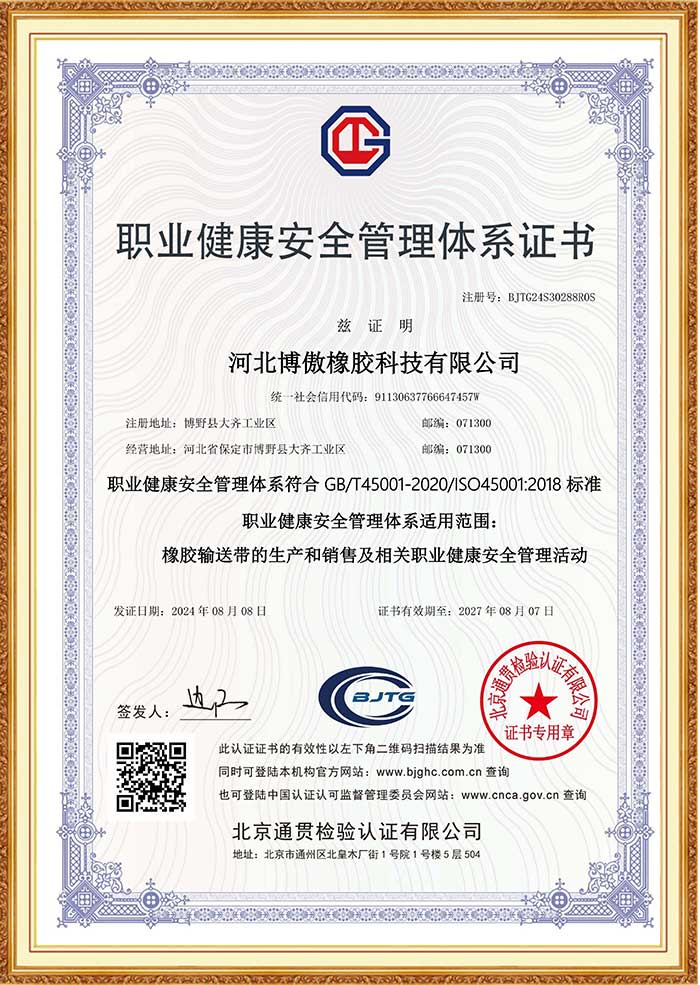
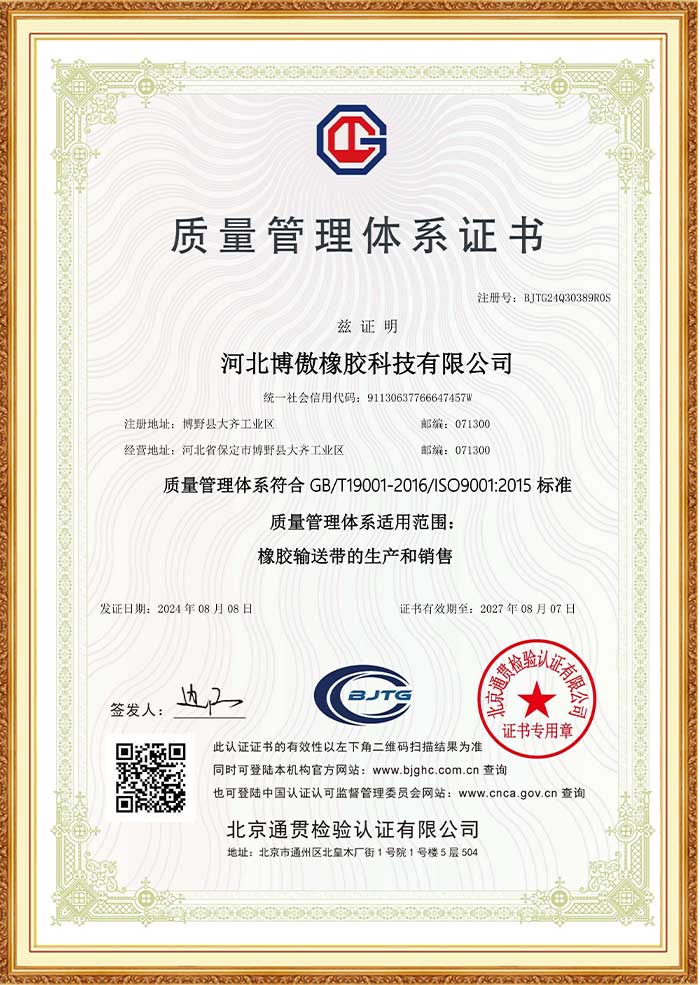
Complete conveying system solutions designed for high stability, load support, and extended run times.
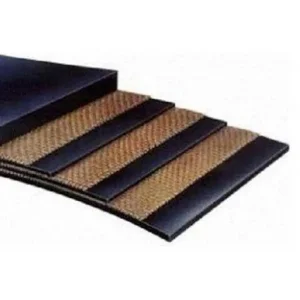
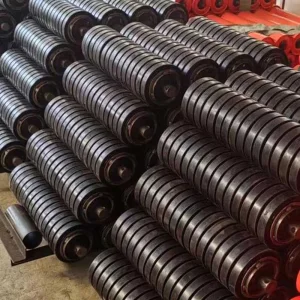
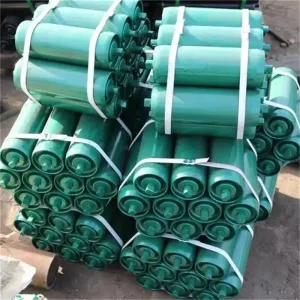
Ensuring system continuity with robust original spare components and alternative belt configurations.
Answers to technical, logistics, and compliance questions about importing conveyor belts to Iraq.
We supply full testing certificates from our QA lab. For Iraq customs clearance, we work with third-party testing agencies (like SGS, Bureau Veritas, or Intertek) to provide the required Certificate of Conformity (CoC) matching Iraqi COSQC requirements.
Our belts are engineered with premium EPDM cover compounds and anti-oxidants. This prevents cracking and premature aging under high outdoor temperatures and intense UV exposure.
Corrugated sidewall belts allow you to transport bulk materials at angles up to 90 degrees. This helps save floor space, reduces the number of transfer points, and minimizes material spillage.
Standard production takes about 15 to 20 days. Ocean transit from Tianjin Port to Umm Qasr Port typically takes 25 to 30 days, depending on the shipping line schedule.
Contact our engineering team to design custom sidewall heights, cleat profiles, and rubber compounds suited for your operations.
Send Inquiry Now Boao Rubber