Engineered high-performance bulk handling solutions for regional heavy industries, local recycling plants, and bulk warehouses.
An authoritative guide to optimizing high-angle bulk transportation, mechanical design, and resilient supply chains in the Great Lakes region.
As the primary logistics, manufacturing, and transport artery of the American Midwest, the Chicago metropolitan area (including the Calumet industrial district, Northwest Indiana, and massive logistics hubs in Joliet and Elwood) represents one of the world's most demanding bulk material handling markets. Industries operating within this territory require uncompromising mechanical components capable of handling highly abrasive materials, experiencing sharp thermal swings, and processing thousands of tons per hour.
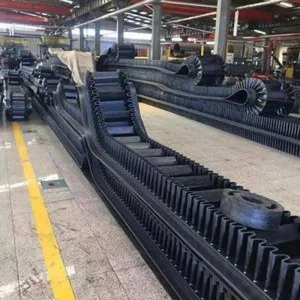
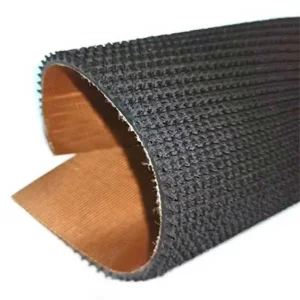
Historically built upon heavy steel production, coke processing, and grain distribution, the region has modernized into a high-efficiency cluster. Traditional conveyor layouts, which rely on extensive horizontal footprints, are no longer viable in land-scarce urban fringes or crowded terminal elevators. The solution is vertical and steep-incline transport. Edge conveyor belts, specifically corrugated sidewall and high-angle cleated belts, enable material movement at angles up to 90 degrees, dramatically shrinking footprint requirements while completely enclosing bulk materials to prevent environmental contamination and product loss.
Modern global procurement strategies for heavy-duty rubber products are moving away from upfront cost metrics, shifting focus to Total Cost of Ownership (TCO). Operations teams in the US, Europe, and Asia are standardizing around dynamic wear indicators, highly specialized polymer formulations, and extreme mechanical durability. Three macro-trends currently dominate the conveyor belting industry:
A major operational bottleneck for conveyor systems in the Chicago area is the extreme winter climate. With temperatures regularly dipping below sub-zero levels (-20°F / -29°C) during severe polar vortex events, standard industrial rubber belts become brittle, lose flexibility, and undergo catastrophic ply separation or top-cover cracking. The mechanical stress caused by ice formation on idlers and pulley faces compounds this issue, leading to slippage and severe cover abrasion.
Our engineering laboratory counteracts this by utilizing advanced cold-resistant formulations. By incorporating high-grade synthetic rubbers such as butadiene and specialized plasticizers into the polymer matrix, our cold-resistant belts remain pliable at temperatures as low as -50°C. This ensures that the base belt retains its longitudinal elasticity, and the corrugated sidewalls do not shear away from the base belt under cyclic bending stresses around drive pulleys.
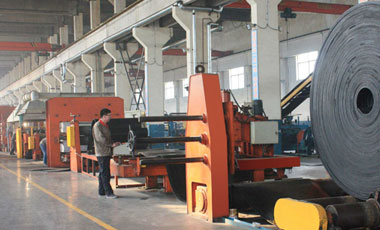
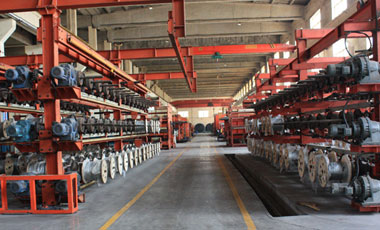
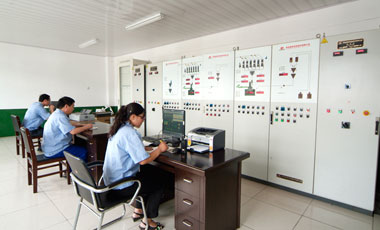
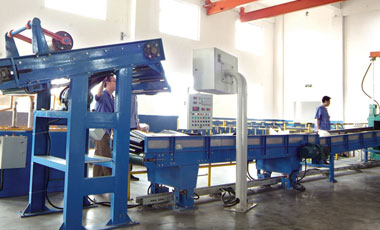
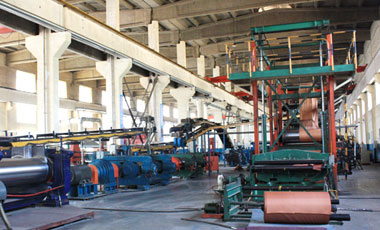
As standard-setting manufacturers based in China's premier industrial rubber cluster, Hebei Boao Rubber Technology Co., Ltd. has implemented a Factory 4.0 manufacturing philosophy. This system integrates raw material compounding, automated fabric calendering, high-pressure continuous vulcanization, and real-time electronic testing to eliminate structural variability in the finished rubber belting.
For Chicago buyers, sourcing directly from our advanced production lines yields distinct operational advantages:
Industrial conveyor layouts are rarely standard. We collaborate with site managers and system integrators to tailor the mechanical properties of the belts to the specific density, temperature, and abrasiveness of the material being moved. This includes modifying sidewall heights, cleat profiles, oil-resistant coatings, and high-temperature tolerance matrices.
Our structured quality assurance workflow guarantees that every foot of conveyor belting complies with rigorous international test standards.
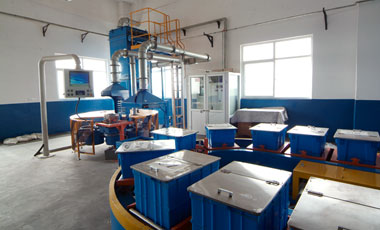
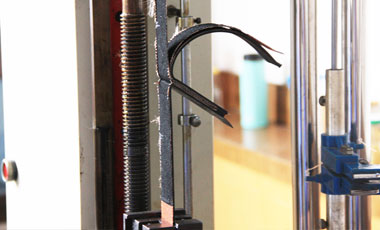
Equipped with physics and chemical analysis rooms. We test raw materials, half-finished layers, and final cured belts for peel strength, adhesion, and elongation limits.
Using premium natural and synthetic rubber grades designed to exceed DIN 53516 abrasion loss limits, ideal for sharp aggregate and mineral handling.
Engineered to comply with international specifications including API 6D, API 607, CE, ISO9001, ISO14001, and ISO18001 standards.
Learn more about Hebei Boao Rubber Technology Co., Ltd. and our state-of-the-art factory.
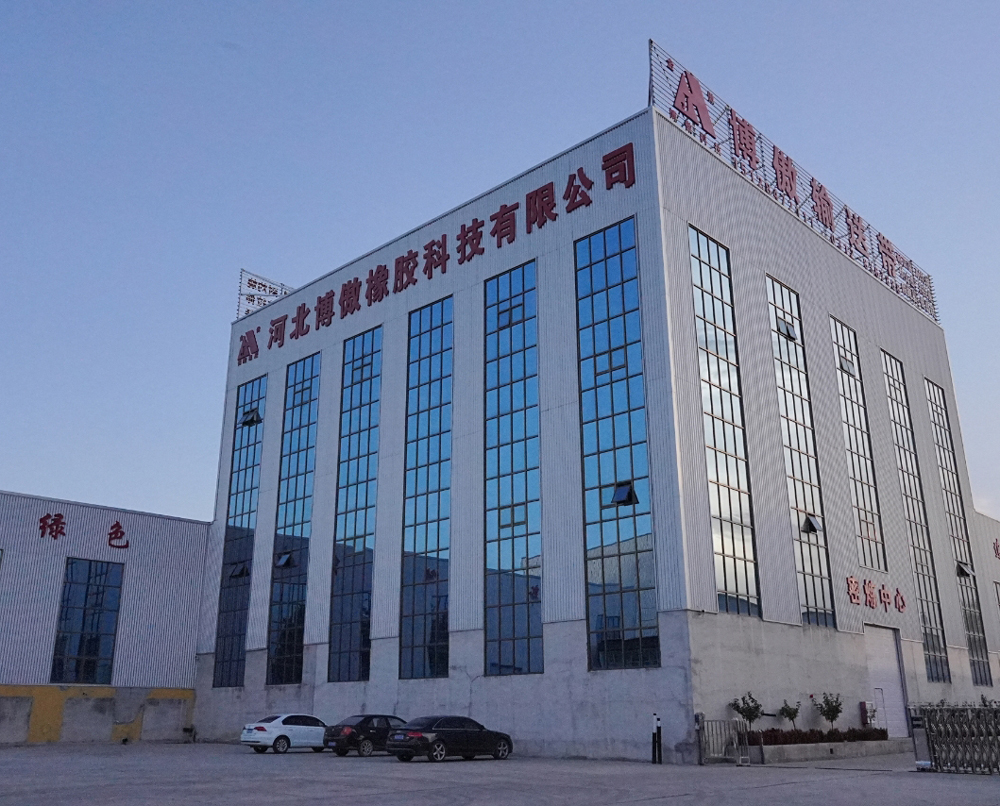
Hebei Boao Rubber Technology Co., Ltd. is located in the Rubber Industrial Park of Boye County, Baoding, Hebei Province. Founded in 2004, our production facility covers an area of over 30 acres. Our products are commercialized globally under the reputable "Jinao" brand.
We are a professional manufacturer in China that integrates product development, research, design, manufacturing, and business services for conveyor belts and conveyor machinery accessories. We have passed the international quality management system certification. Our production lines feature advanced equipment for raw material rolling, forming, vulcanization, and comprehensive laboratory rubber testing from start to finish.
Today, Hebei Boao Rubber Technology Co., Ltd. is positioned as a domestic production-oriented enterprise with modern equipment, diversified products, and a growing international market footprint. We present ourselves to global purchasers with a commitment to quality, efficiency, and engineering collaboration.
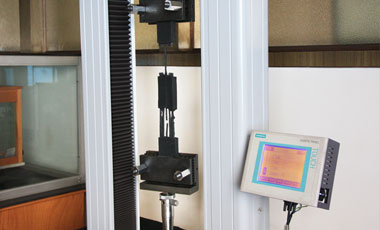
Providing durable, cost-effective solutions for global mining groups, heavy steel complexes, and material handling terminals.
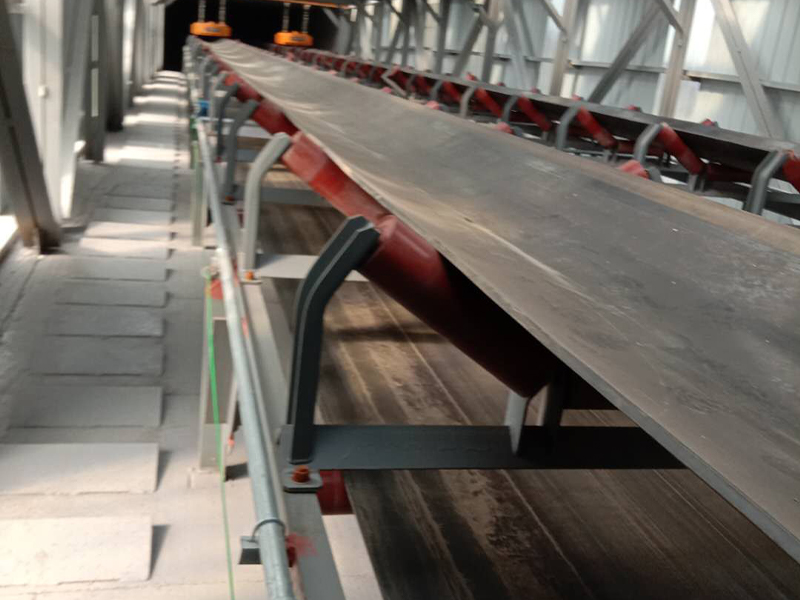
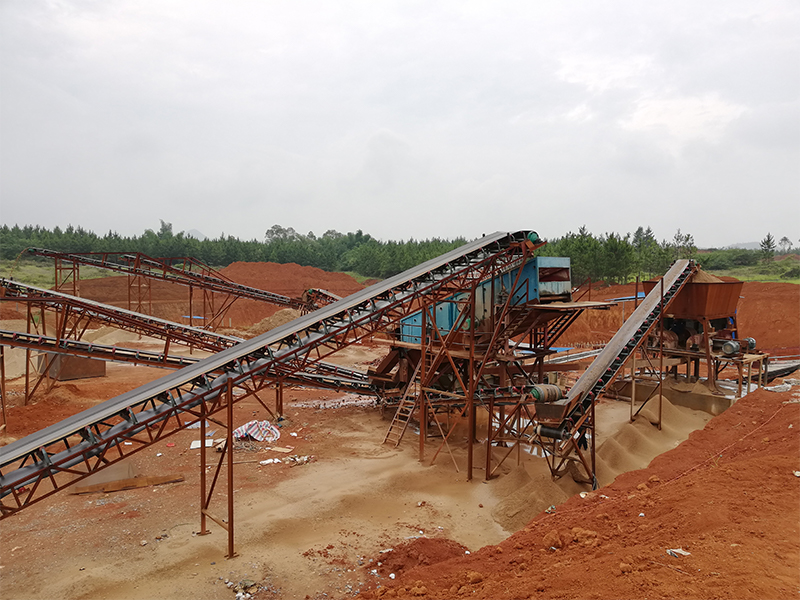
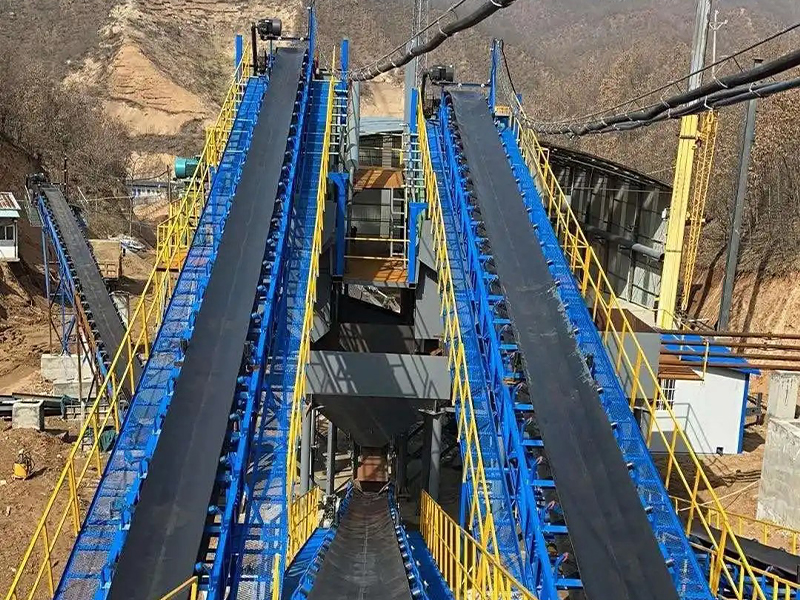
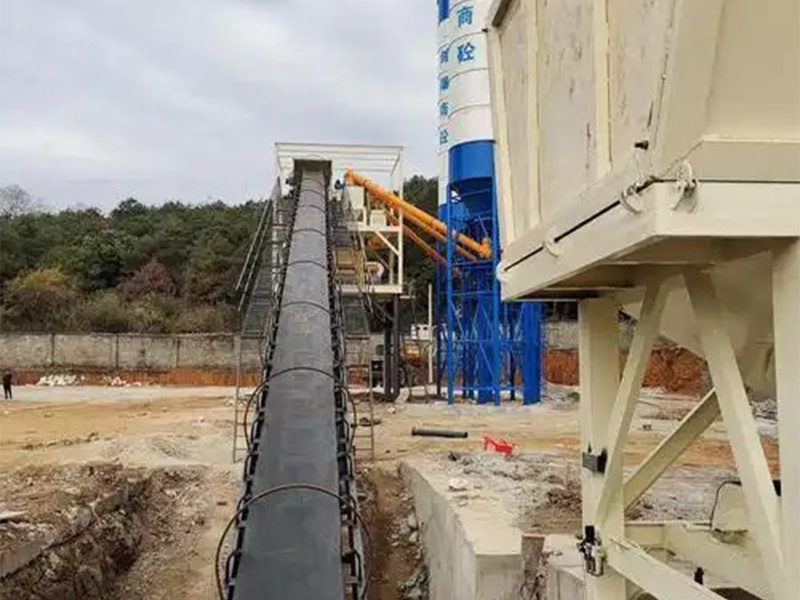
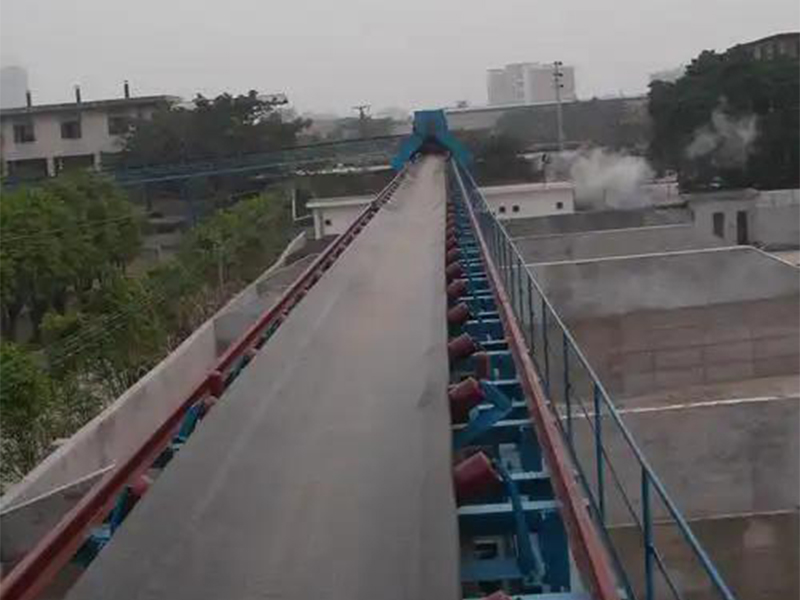
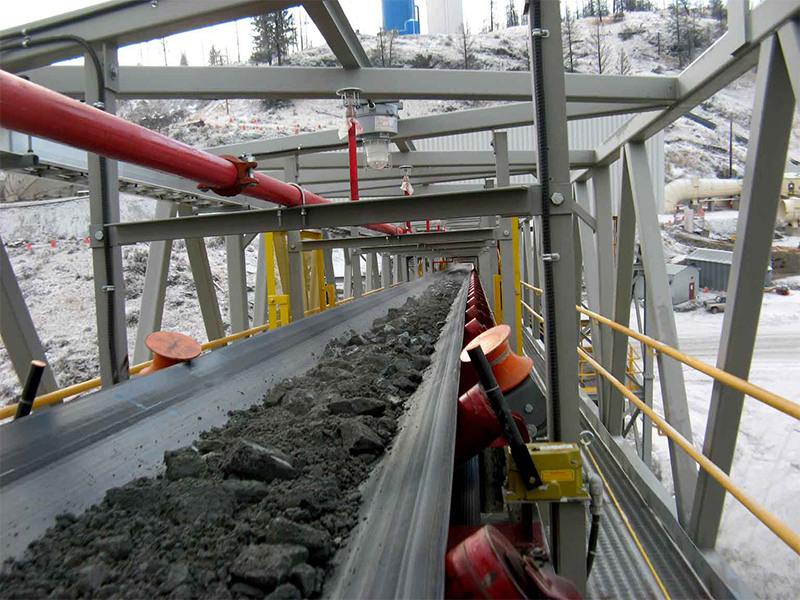
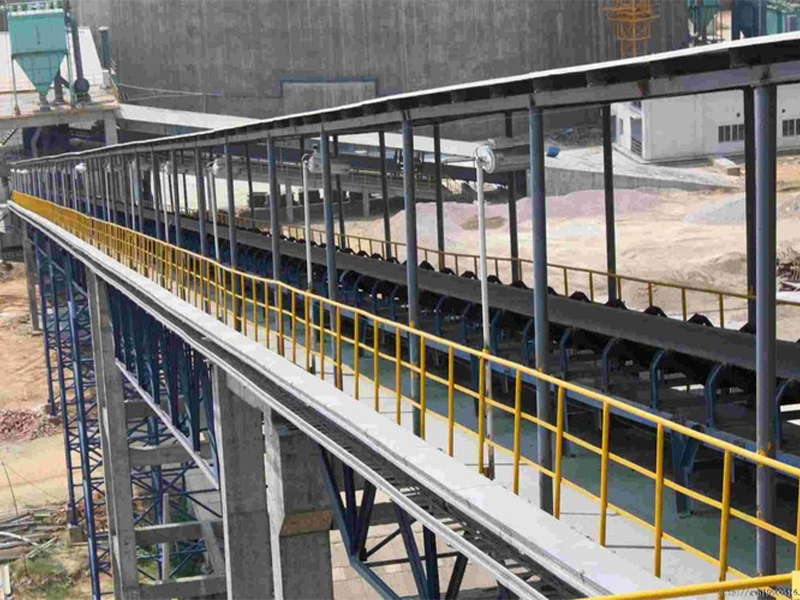
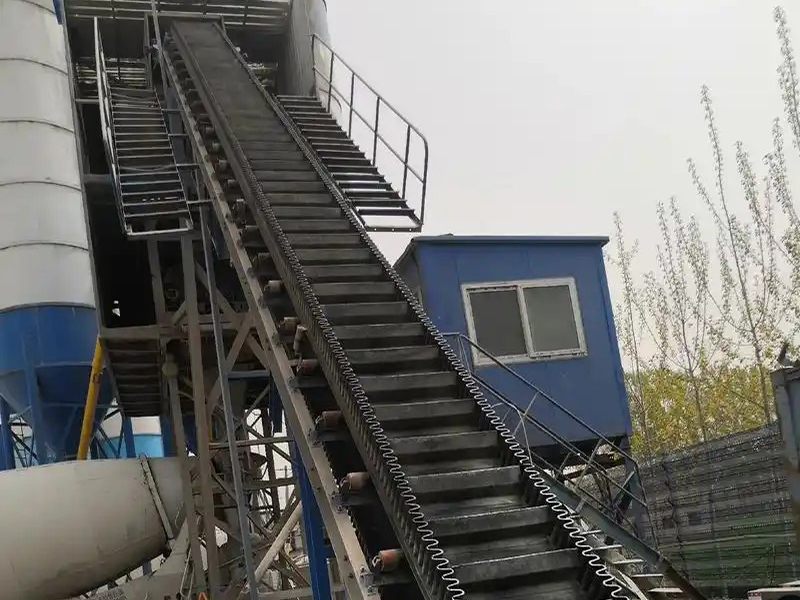
Our service goal is to improve the operational efficiency of the belt conveyor, reduce the consumption of the conveyor belt, and achieve mutual benefit and win-win.
Planned replacement, repair, inspection and maintenance, and emergency repair of heavy industrial conveyor belts.
Supply of conveyor belts and rubber materials, safety stock management, planned bonding, surface maintenance, daily inspection, and quick-response emergency repairs.
Ensure safe, stable, and economical operation of equipment, extending the overall lifecycle of conveyor belts under high tension and cold environments.
API 6D, API 607, CE, ISO9001, ISO14001, ISO18001, TS Quality Management Certifications
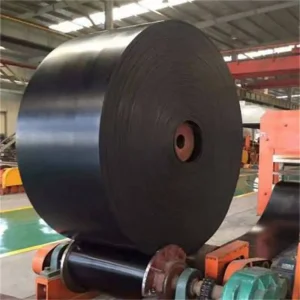
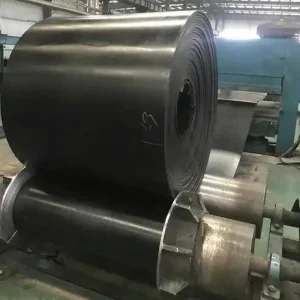
A complete selection of rubber belts, idler rollers, and material handling solutions.
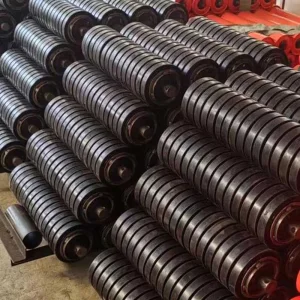
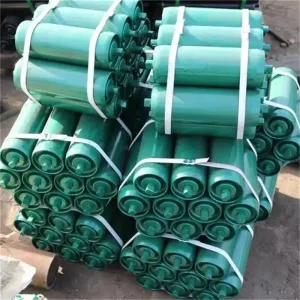
Get technical clarifications on mechanical configuration, cold-weather operation, and shipping logistics to the US Midwest.
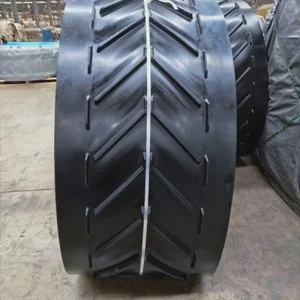
Logistics and sorting facilities in urban Chicago operate under space constraints. Edge conveyor belts, which feature corrugated sidewalls and transverse cleats, allow bulk materials to be transported at steep angles up to 90 degrees. This reduces the footprint of the conveyor infrastructure compared to traditional flat belts, which are limited to incline angles of 15 to 18 degrees.
Our cold-resistant belts use a unique elastomeric blend containing polybutadiene rubber and specialized low-temperature plasticizers. This modification prevents the rubber cover from glass-transition hardening and cracking down to temperatures of -50°C, ensuring flexible operations during extreme Midwest winters.
The lifespan is determined by material density, drop height, belt speed, and cover thickness. By utilizing high-abrasion resistance compounds (complying with DIN standards under 120 mm³ loss), our corrugated sidewall belts typically exhibit a 30% longer service life in aggregate plants compared to standard commodity grade belts.
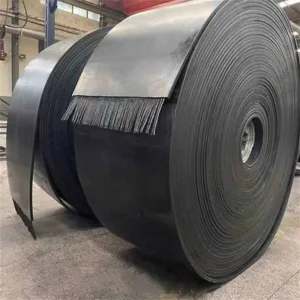
We analyze the tension requirements and vertical lift dynamics of your system. Our steel cord wire rope belts are built with inner core wire configurations designed to match specified pull-out strengths. This ensures minimal elongation under full load, preventing sagging on high-vertical conveying systems.
 Boao Rubber