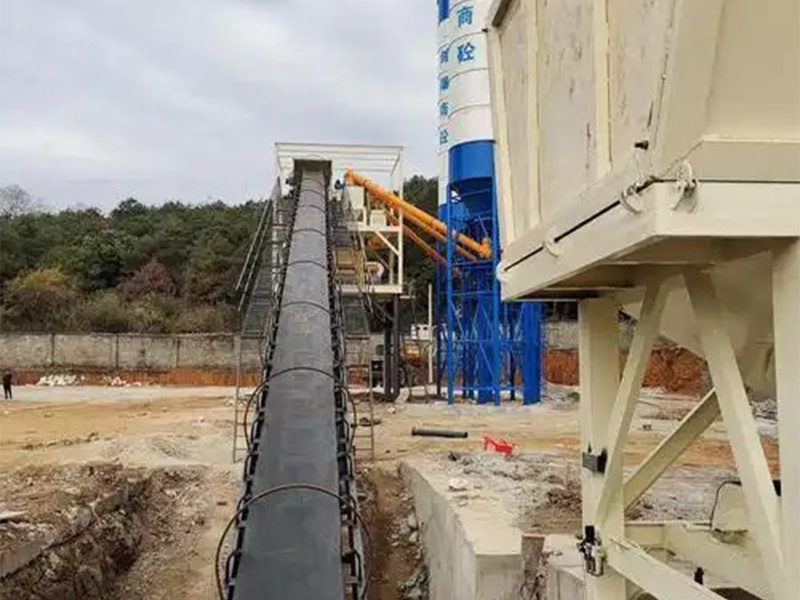
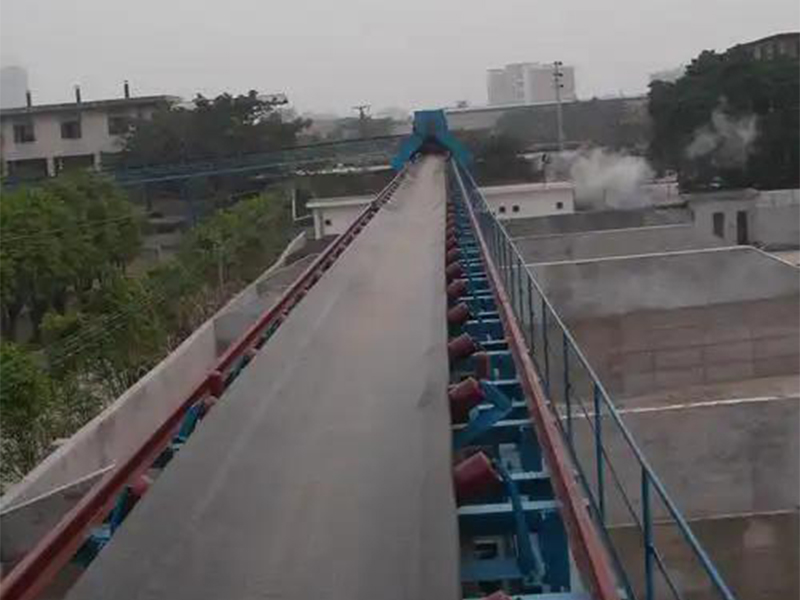
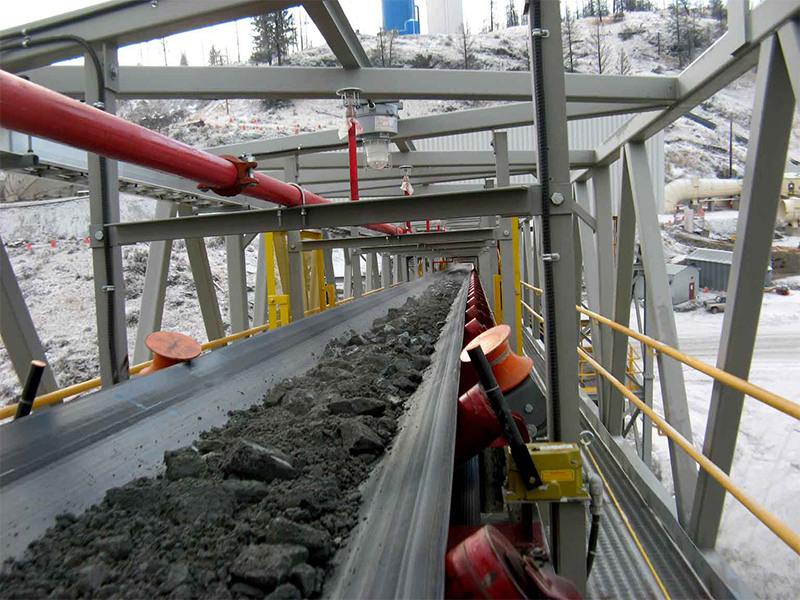
Heavy-duty chevron configurations and technical brackets engineered specifically for sand, aggregate, and dry quarry materials in central Saudi Arabia.
An in-depth look at how Saudi Vision 2030 and local arid conditions shape material handling systems.
The Riyadh Province is undergoing unprecedented industrial expansion, driven by massive infrastructure undertakings under Saudi Vision 2030. Projects such as the Diriyah Gate expansion, Qiddiya Entertainment City, and the comprehensive development of Riyadh's outer transportation networks require hundreds of millions of tons of dry gravel, limestone, aggregate, and sand. Transporting these bulk materials at typical flat angles is space-prohibitive and inefficient. Hence, the demand for Chevron Conveyor Belts in Riyadh has surged dramatically.
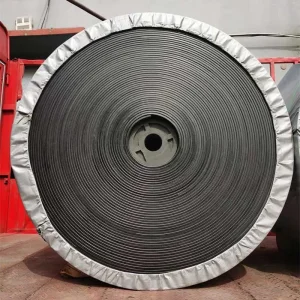
Chevron conveyor belts utilize V-shaped, U-shaped, or herringbone cleat profiles integrated vulcanized onto the top cover. This design increases the angle of inclination from standard flat limits (around 15-18°) up to 35-45°, allowing designers to construct vertical vertical lifting setups with incredibly compact footprints. However, Riyadh's unique climatic challenges make sourcing standard rubber belts risky. Extreme summer temperatures exceeding 50°C, direct ultraviolet exposure, and highly abrasive quartz sands mean standard vulcanized cleats can suffer from thermal cracking, premature dry rot, and separation from the base belt.
At Hebei Boao Rubber Technology Co., Ltd. (brand "Jinao"), our research and development team has engineered high-durability rubber compounds that withstand intense thermal fluctuations and solar degradation. Whether you are operating a cement terminal in south Riyadh, a crushing plant in the Al-Kharj industrial zone, or an underground limestone quarry, our chevron belts offer the abrasion resistance (DIN X/Y, ISO 10247) and rubber stability needed to ensure reliable operation.
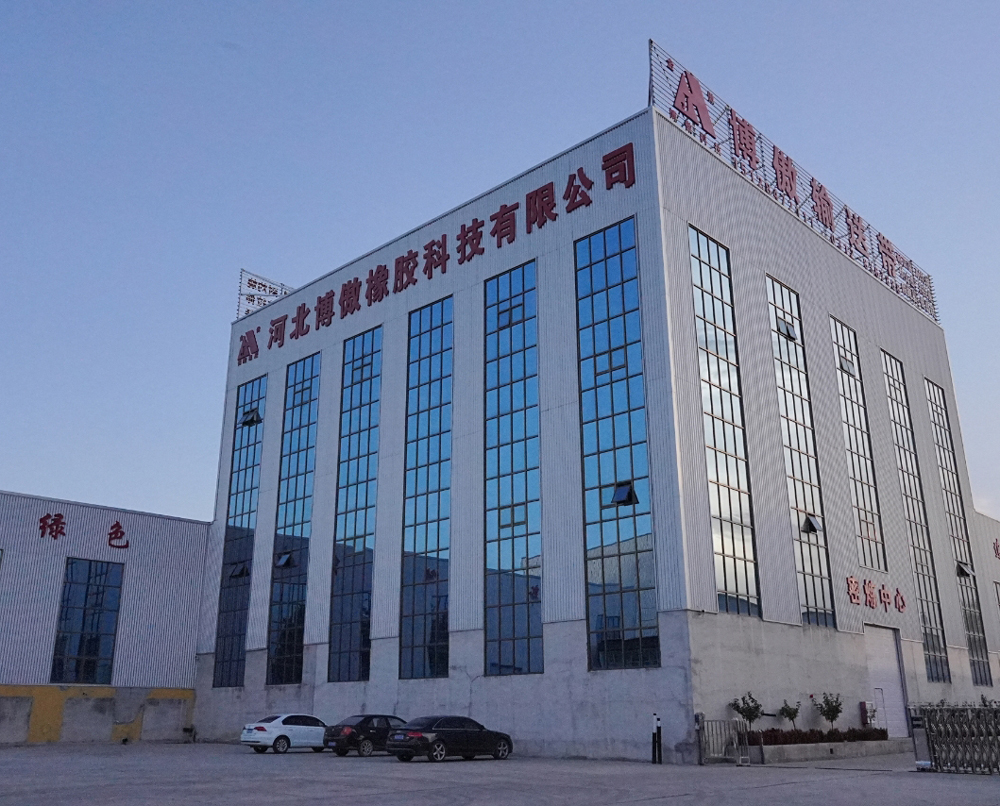
Established in 2004, Hebei Boao Rubber Technology Co., Ltd. is located in the Rubber Industrial Park of Boye County, Baoding, Hebei Province. Over more than 22 years of dedicated manufacturing, the company has grown into a leading modern enterprise covering more than 30 acres. We integrate research, design, manufacturing, and technical support services for high-durability conveyor belts and conveying system components.
Our core brand, "Jinao", has attained international ISO9001 and ISO14001 certifications. With fully automated mixing systems, multi-roll calendering devices, and advanced vulcanization lines, Boao controls quality from raw rubber molecules to completed cleat structures. We operate dedicated physics and chemistry laboratories, guaranteeing zero defects leave our loading docks bound for Riyadh Dry Port.
Peel strength testing, dynamic fatigue, and abrasion tests conducted in-house.
We provide SABER e-platform support and complete compliance documents for Saudi Customs clearance.
Understanding the exact requirements of Saudi project managers, quarry engineers, and bulk shipping yards.
We supply all crucial document certifications required for GCC ports, including SASO certificates of conformity, full raw material chemistry analyses, and testing protocols. No port delays for Riyadh buyers.
Standard conveyor belts degrade in Saudi Arabia's extreme desert environment. Our compound formulations utilize antioxidants and heat-stabilizing polymers that keep the rubber resilient up to 150°C for bulk handling.
Depending on the bulk material size and water content (dry sand vs. wet aggregate), we customize the chevron pattern profile depth (from 15mm to 32mm) to ensure material does not backslide, maximizing throughput.
Engineered values representing typical configurations for high-angle industrial conveying systems.
| Parameter | Standard Specifications | Riyadh Environmental Optimization |
|---|---|---|
| Cleat Profile Options | Open V, Closed V, Y-Type, Herringbone, Multi-V | Open V & Herringbone for dry sand & aggregate runoff |
| Cleat Height Range | 15mm, 25mm, 32mm | 25mm / 32mm for high inclination angles (up to 45°) |
| Fabric Ply Material | Polyester (EP), Nylon (NN) | EP fabric for low elongation and high heat resistance |
| Cover Rubber Compound | DIN-Y (150 mm³ wear loss) / DIN-X (120 mm³ wear loss) | Enhanced UV/Ozone-resistant polymers with reduced wear loss |
| Working Width Range | 300mm to 1600mm | 1200mm & 1400mm widths stock available for fast shipping |
| Max Operating Temperature | Up to 120°C (Standard) / 200°C (Heat-Resistant Type) | Special high-temperature formulation to combat direct heat exposure |
Complete confidence in material transport performance from delivery through operational service life.
At Hebei Boao, quality isn't just an inspection phase; it is embedded in the production process. Our physical testing laboratories perform comprehensive tests before every dispatch:
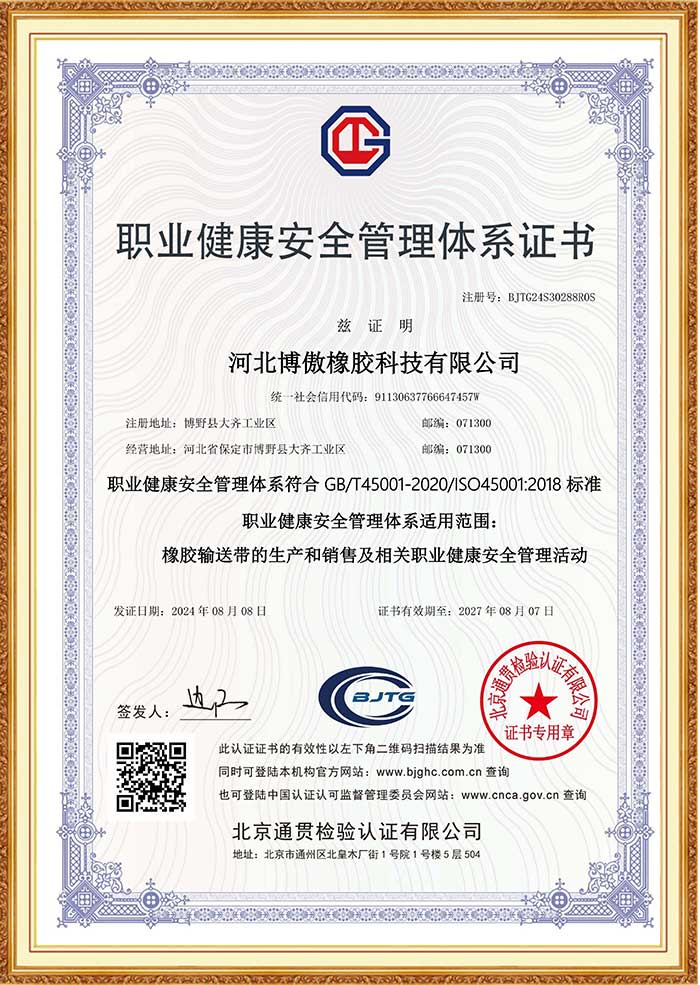
We maintain certifications for API 6D, ISO9001:2015, ISO14001, and OHSAS18001. If you require standard verification certificates for your engineering firm or government auditor in Riyadh, please reach out to us directly.
We provide comprehensive service plans to ensure minimal downtime at industrial sites:
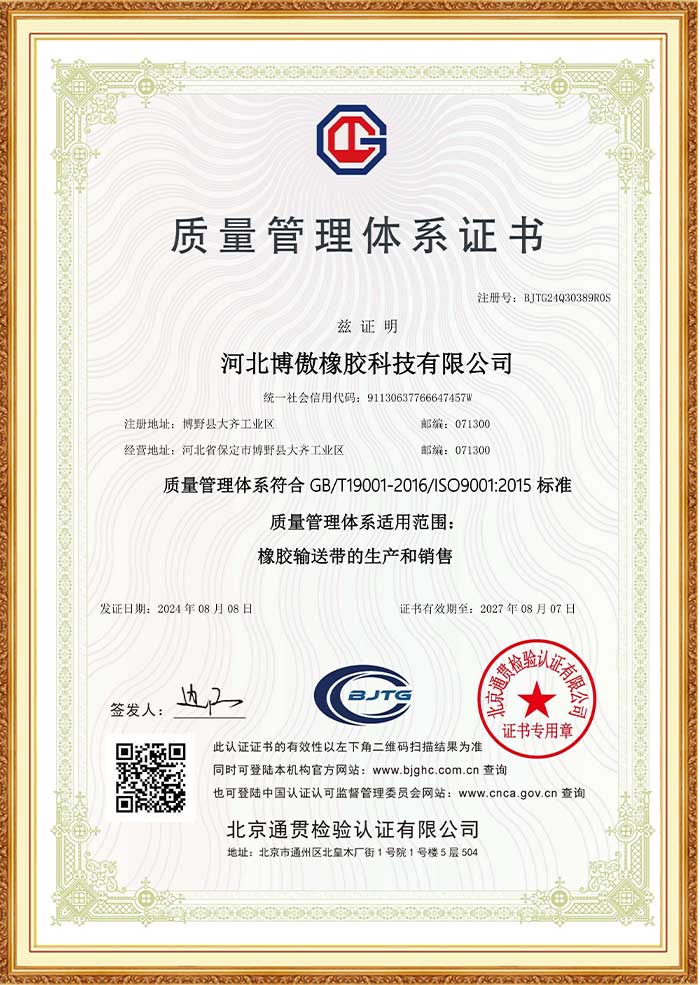
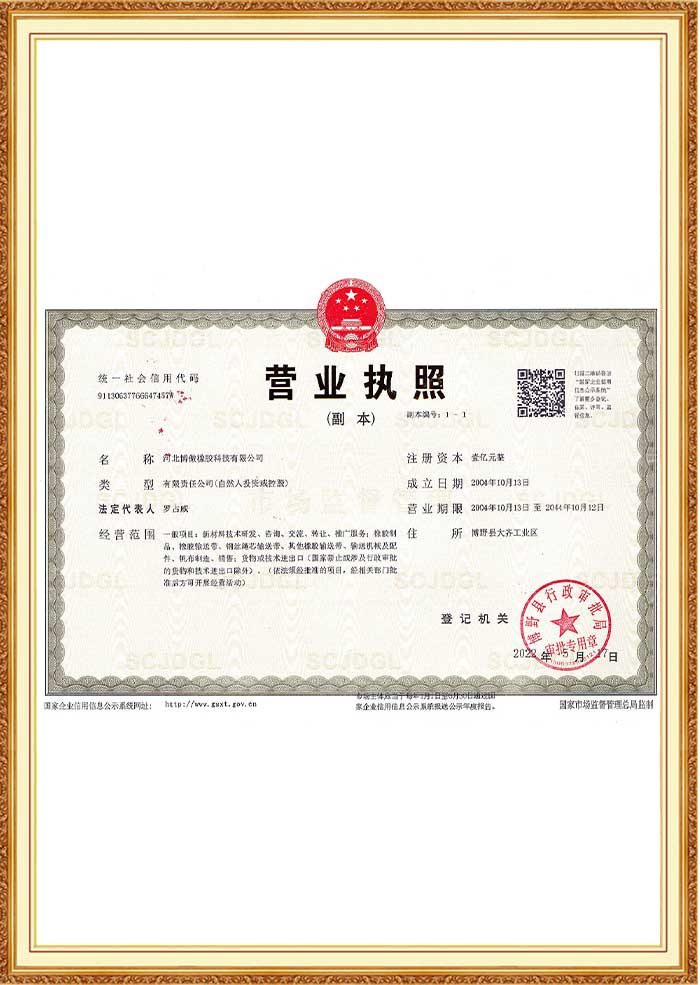
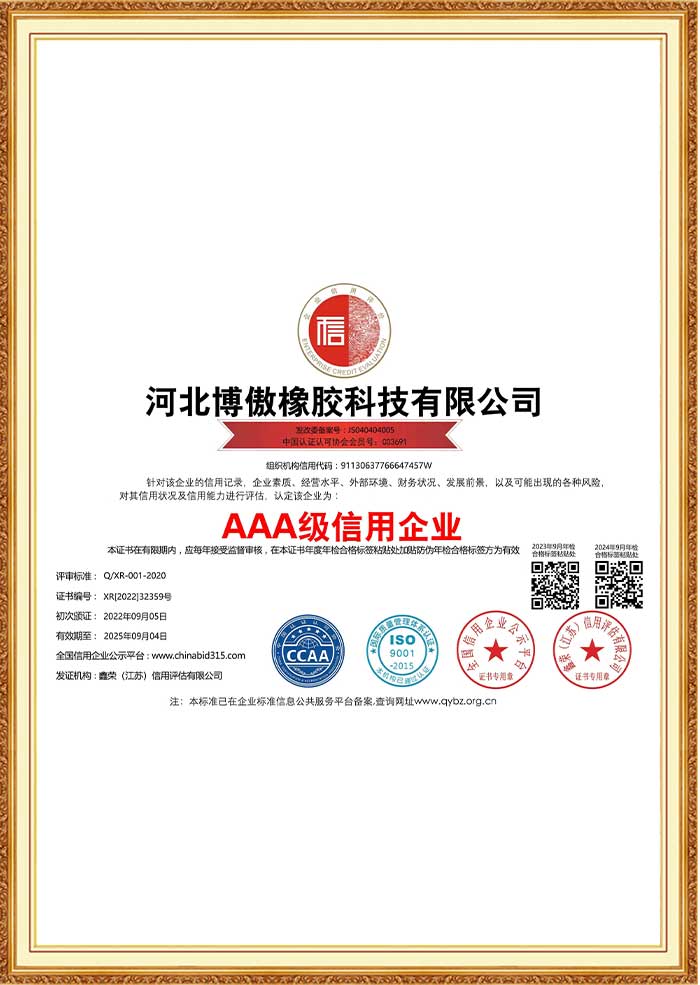
Jinao brand products are deployed globally in harsh mineral handling and infrastructure projects.
Complete bulk material movement inventory. Designed for long-run efficiency and harsh environmental durability.
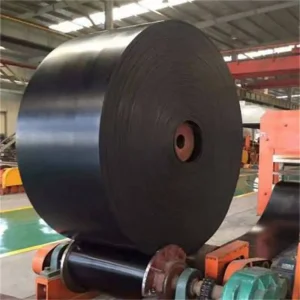
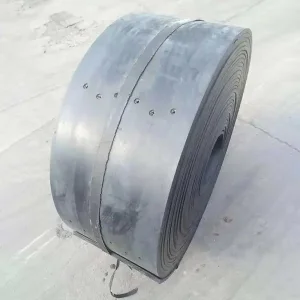
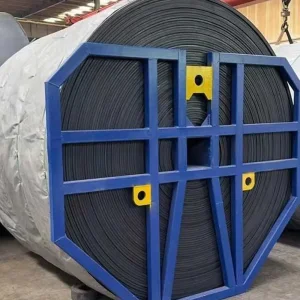
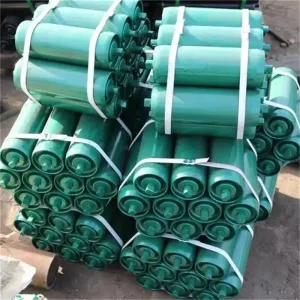
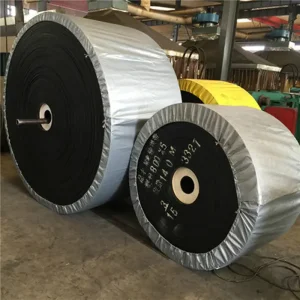
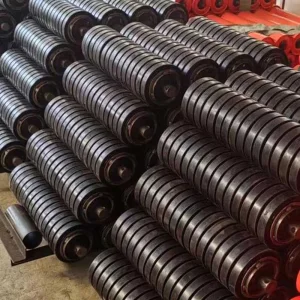
Additional engineering items and structural parts supporting heavy-duty bulk movement networks in the GCC.
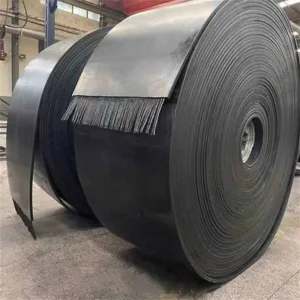
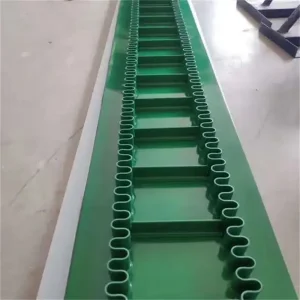
How modern conveyor belt engineering is transforming mining and construction efficiency in desert climates.
As smart manufacturing and green initiatives become core pillars of industrial development in Riyadh, conveying technologies must progress. Hebei Boao Rubber Technology Co., Ltd. is actively exploring several advancements to improve belt longevity under severe operating conditions:
1. Smart Sensor Integration (IoT): Future conveying systems running through the deserts of Riyadh will rely heavily on embedded RFID sensors. These sensors monitor internal core temperature and detect steel wire cord micro-tears before they progress to major failures, reducing unexpected shutdowns at processing plants.
2. Eco-Friendly & Recycled Elastomers: In alignment with sustainability targets, our development pipeline is focused on incorporating bio-sourced rubber compounds and reducing vulcanization energy requirements. This lowers carbon output per belt roll without compromising tensile strength or cleat bonding.
3. Advanced Self-Cleaning Chevron Profiles: Dry sand accumulation poses a constant challenge for high-inclination operations in Saudi Arabia. We are designing specialized open-gutter chevron configurations that naturally clear powder build-up as they wrap around tension pulleys, minimizing carry-back wear.
Clear, direct answers to common technical and logistics questions for operations managers sourcing to Riyadh.
For fine, dry desert sand, a closed or V-shaped profile with a lower height (approx. 15mm) is generally recommended. It prevents shifting on steep slopes. For coarser aggregates or gravel mixtures, taller open V or herringbone designs (25mm to 32mm) help clear debris and sand runoff.
Our belts use dynamic EPDM/Nitrile blends formulated with heat stabilizers and antioxidants. This keeps the outer cover supple, preventing dry rot, cracking, and cleat peeling when exposed to summer temperatures reaching 50°C and intensive UV exposure.
Standard sizes (such as 800mm and 1000mm widths) are kept in stock and ready to ship. Custom configurations generally require 15 to 25 days to manufacture. Shipping from Tianjin Port to Dammam Port or directly to Riyadh Dry Port via logistics channels averages 18 to 25 ocean days.
Yes, we provide all required certifications. We work directly with certified inspection agencies to verify conformity, uploading paperwork to the SABER e-platform to ensure a smooth clearance process at customs checkpoints.
For heavy-tension applications like vertical lifts or mining runs, hot vulcanization is highly recommended as it provides up to 90% of the belt's original strength. For standard quarry applications, mechanical fasteners or premium cold-bond adhesive compounds are suitable options.
 Boao Rubber