Direct from China's Advanced Rubber Manufacturing Base to Vietnam's Major Port and Mining Operations
Jinao Brand - 22 Years of Dedication in Conveyor Technology
Established in 2004, Hebei Boao Rubber Technology Co., Ltd. is located in the boye county rubber industrial park of Baoding, Hebei Province, occupying a vast production footprint of over 30 acres. As an ISO certified engineering firm, we specialize in the comprehensive lifecycle of heavy-duty material handling machinery, belt configurations, and rolling systems.
Our flagship Jinao Brand represents our commitment to scientific rubber compounding. We operate advanced calendar lines, computerized vulcanization systems, and a fully functional testing laboratory that continuously samples raw materials and finished products to maintain our reputation for premium belt integrity.
Request Factory Tour & Profile Catalog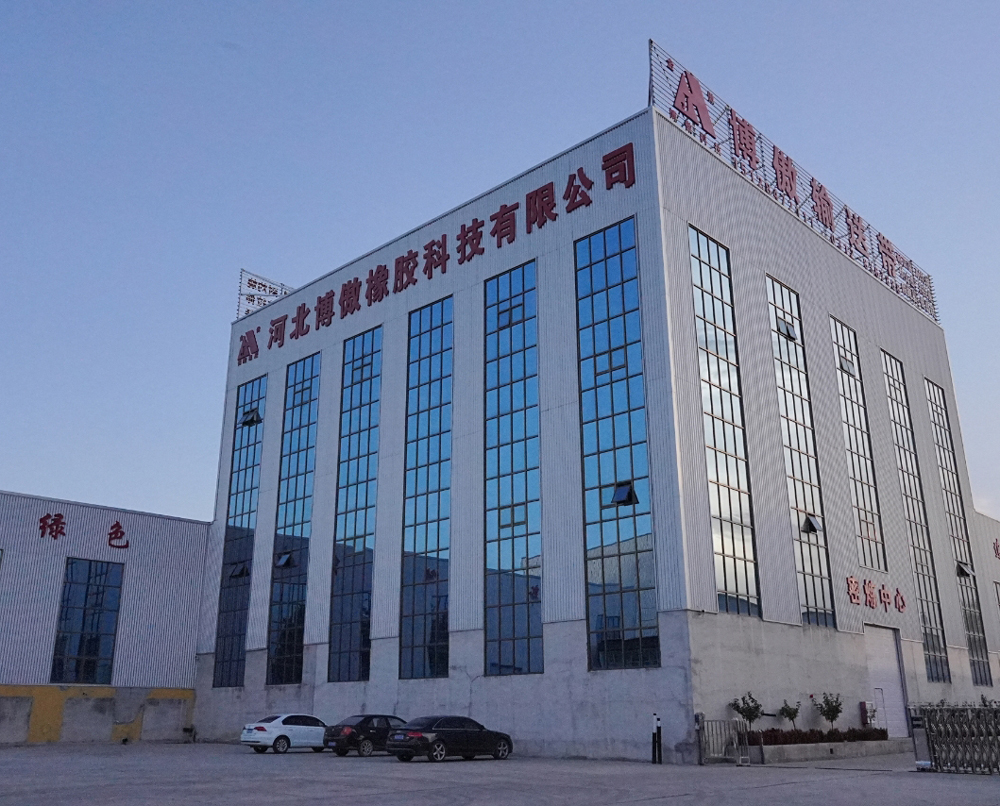
In-Depth Analysis of Regional Geological, Meteorological, and Logistics Requirements for Conveyor Infrastructure
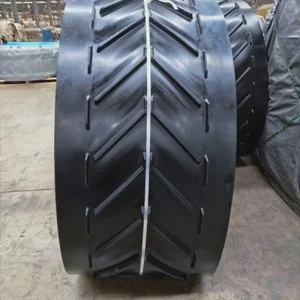
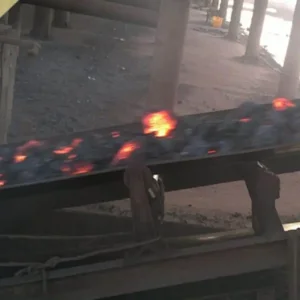
The mountainous terrain of Quang Ninh, Lang Son, and Thai Nguyen provinces hosts extensive open-cast coal mining, iron ore extraction, and limestone quarrying. High-inclination conveying (25° to 45°) is vital to negotiate steep terrain. Chevron belts, with molded rubber profiles, prevent back-sliding of coal fines and heavy ores, maximizing haulage per meter.
Vietnam’s hot, humid climate features heavy seasonal rainfall, causing high moisture content in conveyed materials. Standard flat belts lead to slippage and spillback. Boao's Jinao brand chevron conveyor belts feature specialized groove geometry to drain excess water while trapping aggregates, ensuring steady throughput in wet monsoon conditions.
Ports like Haiphong, Da Nang, and Phu My demand fast bulk vessel loading. Grain handling in the Mekong Delta and chemical fertilizer transport in Ba Ria-Vung Tau need specialized belts. We provide custom chemical-resistant, oil-resistant, and high-abrasion rubber compounds to extend belt lifetime under high operational stress.
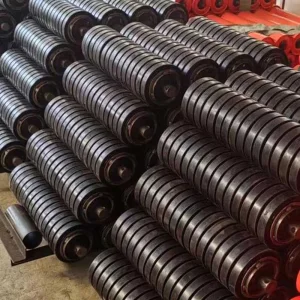
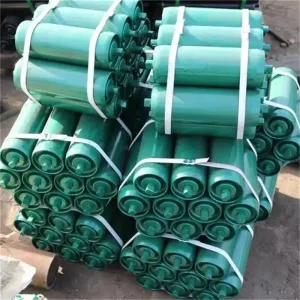
Essential Hardware Components for Dynamic Belt Conveying Systems in Challenging Terrains
Whitepaper Technical Specification of Pattern Types, Cleat Profiles, and Core Fabric Carcass Chemistry
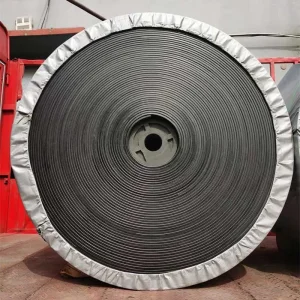
Our factory produces multiple Chevron geometries directly vulcanized with the base belt fabric. These profiles are integral to preventing dry bulk sliding on steep gradients.
Standard profile heights include 15mm, 25mm, and 32mm. The belt width can range from 300mm to 1600mm depending on installation layouts.
| Parameter | EP Fabric Carcass | NN Nylon Carcass |
|---|---|---|
| Tensile Strength | 100 - 400 N/mm | 150 - 500 N/mm |
| Elongation at Break | ≤ 1.5% (Low stretch) | ≤ 2.5% (Elastic recovery) |
| Adhesion Strength | ≥ 4.5 N/mm (Fabric/Cover) | ≥ 5.0 N/mm (Fabric/Cover) |
| Abrasion Resistance | DIN 90 - 120 mm³ loss | DIN 90 - 120 mm³ loss |
| Service Temperature | -30°C to +80°C | -30°C to +80°C |
Seamless Procurement Logistics and Cross-Border Coordination from our Baoding Factory to Vietnamese Hubs
Located in Baoding, Hebei, our factory leverages efficient cargo logistics. Shipments are transported either by container ships from Tianjin Port directly to Haiphong Port, Da Nang Port, or Cat Lai (HCMC), or via direct land routes through Guangxi (Pingxiang) to Lang Son customs border checkpoints, reaching Hanoi within days.
Under the ASEAN-China Free Trade Area (ACFTA) agreement, we provide complete Certificate of Origin Form E documents. This enables Vietnamese buyers to qualify for significant import tax exemptions and customs clearance fee reductions, keeping total cost of ownership highly competitive.
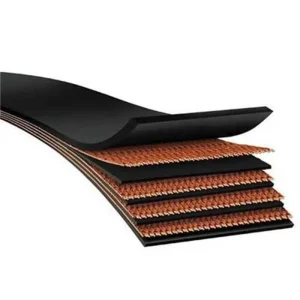
We configure carcass layer count (2 to 6 plies), top and bottom rubber cover thicknesses (from 3mm to 8mm), and compound characteristics (anti-wear, fire retardant, high temperature resistant, or acid-alkali resistant) to match local plant operating profiles.
Scientific Validation and Testing Labs Assuring Defect-Free Deliveries
Hebei Boao Rubber maintains a testing laboratory and chemical analysis room. We run testing on all input raw materials including natural rubber compounds, reinforcing carbon blacks, synthetic polymers, and high-tensile fabric weaves.
Each vulcanized batch undergoes peel tests (measuring rubber-to-fabric adhesion levels), DIN abrasion volume measurements, aging trials, and steel cord pull-out checks to guarantee compliance with international standards (ISO, DIN, AS, RMA).
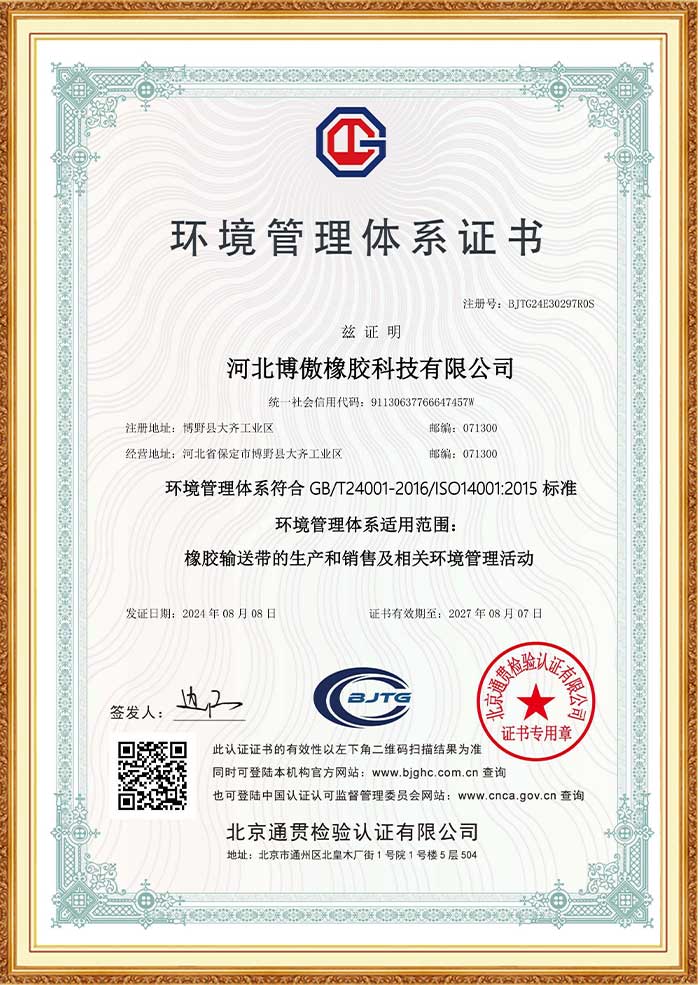
Our facility maintains active registrations including ISO 9001 Quality Management, ISO 14001 Environmental Management, and ISO 45001 Occupational Health & Safety certificates, assuring standard compliance for high-spec international tenders.
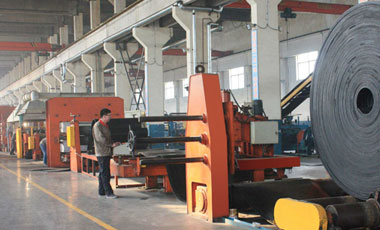
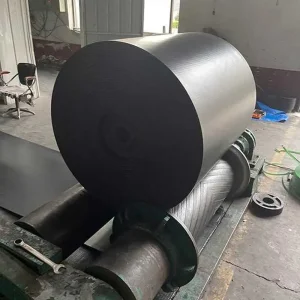
Fabric Conveyor Belt Production Line
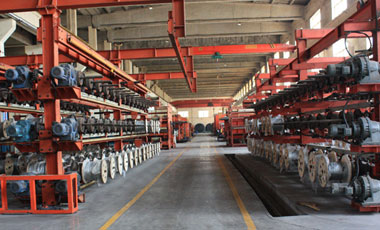
Steel Cord Belt Production Press
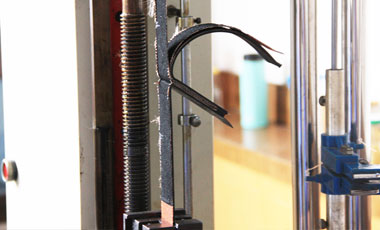
Rubber-to-Carcass Peeling Strength Test
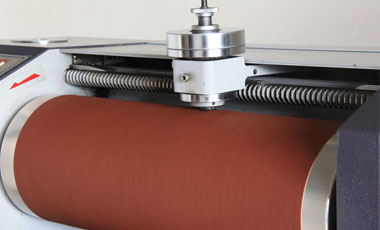
DIN Volumetric Abrasion Resistance Tester
Proven Performance Across High-Capacity Steel Mills, Cement Plants, and Mining Operations
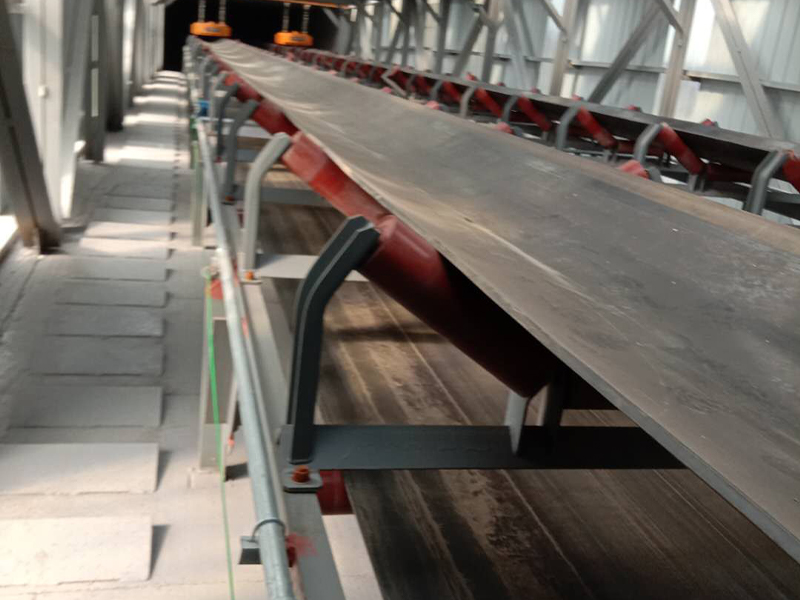
Taihang Steel Material Feed Lines
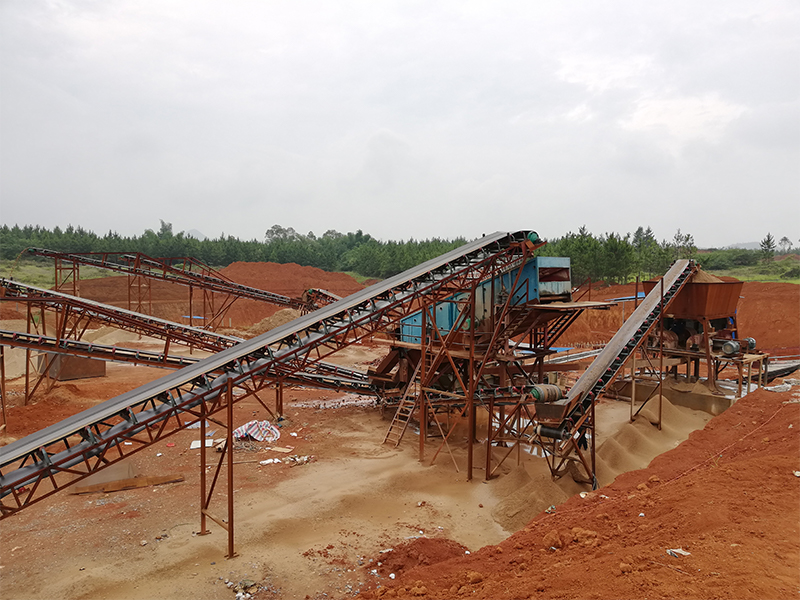
Tsingshan Group Bulk Cargo Systems
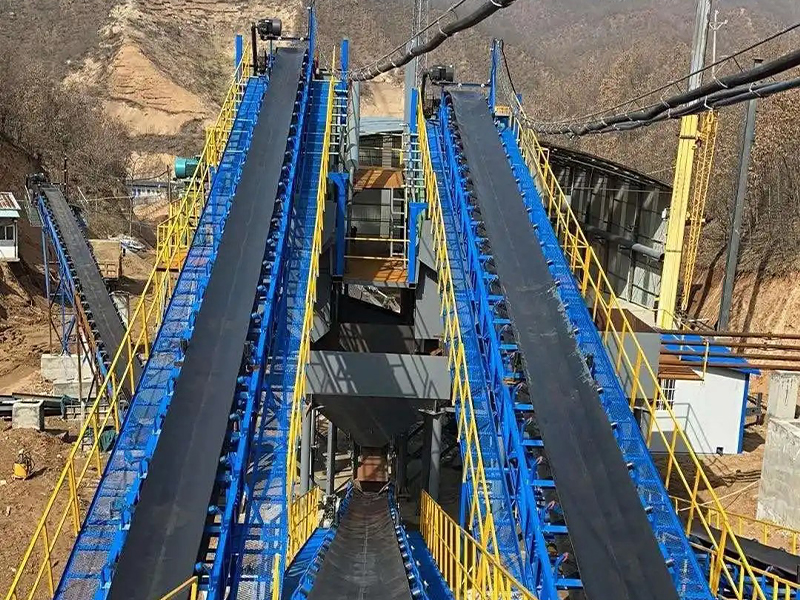
Zijin Mining Deep Pit Quarry Lines
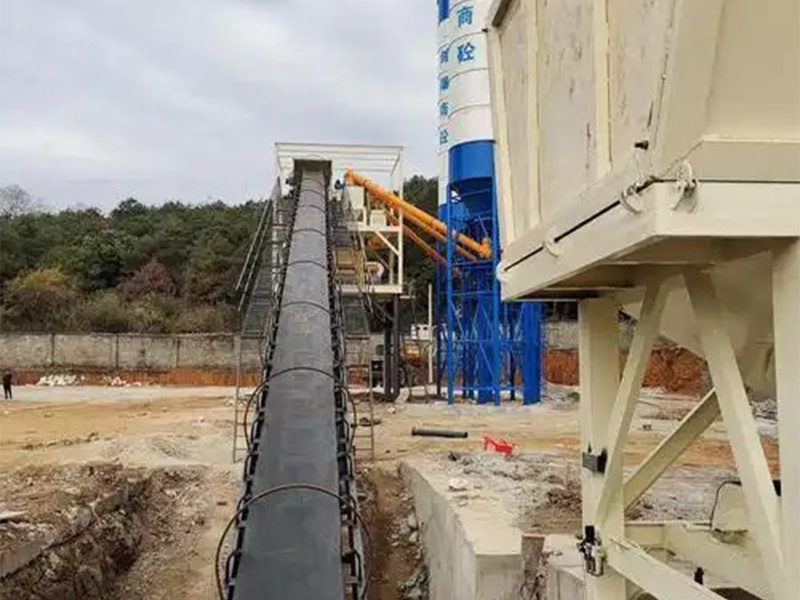
China Railway Concrete Batching Plant
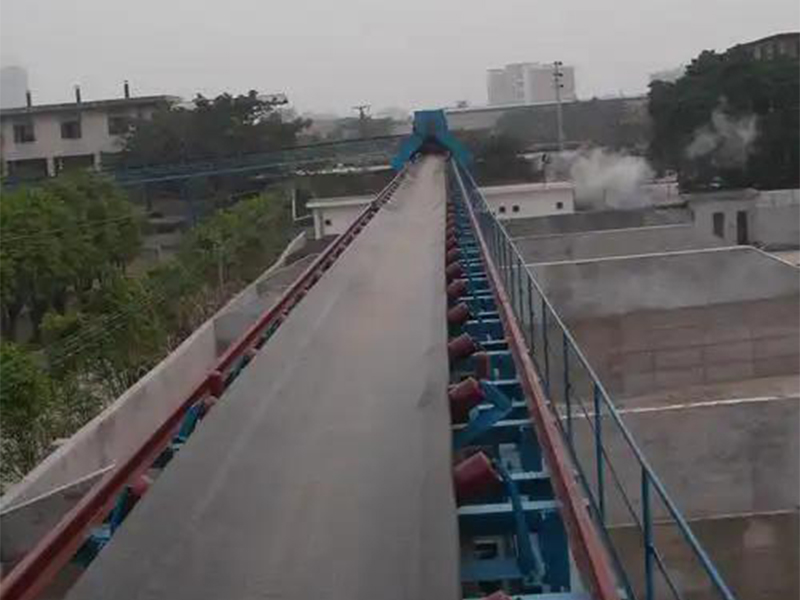
Conch Cement Clinker Feed Belts
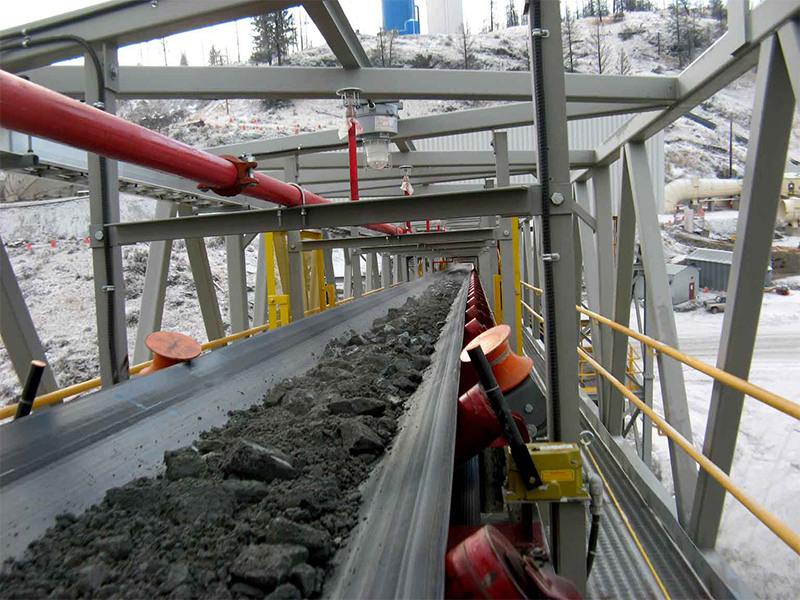
Datong Coal Handling Runways
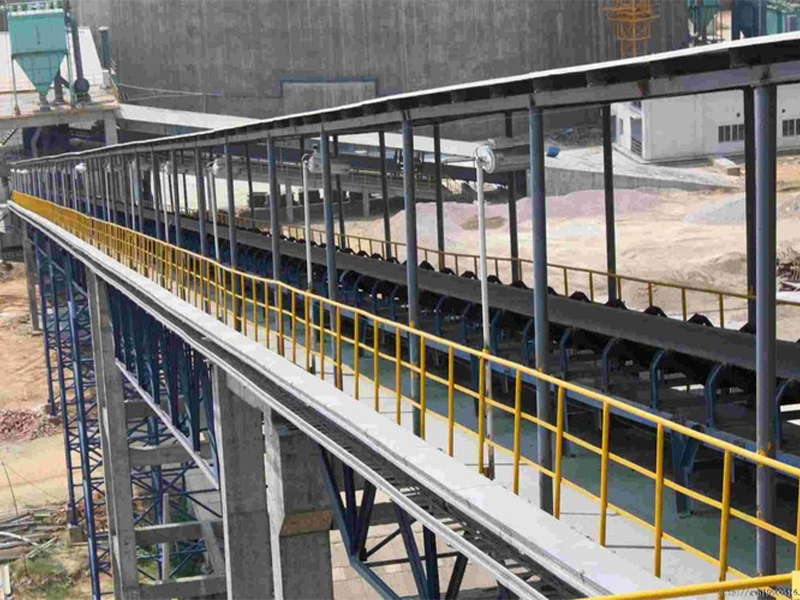
Jidong Cement Aggregate Feed Conveyors
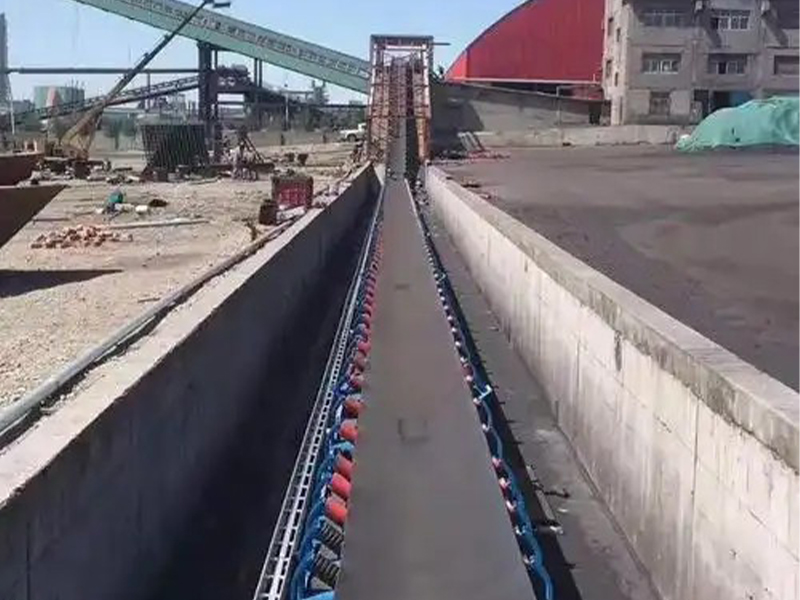
Jinmei Group Steep Angle Coal Lines
Essential Design, Selection, and Maintenance Guidelines for Engineering and Plant Procurement Managers
While a standard flat belt is limited to incline angles of 15° to 18° before material slippage occurs, a Jinao brand chevron belt can operate at steep angles from 25° up to 45°. The exact limit depends on material flow characteristics, density, particle size distribution, moisture levels, and the chosen profile height (e.g., 15mm, 25mm, or 32mm).
EP (Polyester-Polyamide) plies feature low elongation and high dimensional stability, making them suitable for long-distance conveyors where tension control is critical. NN (Nylon-Nylon) carcasses offer higher elasticity, excellent impact absorption, and dynamic flex life, making them ideal for heavy ore conveying and short-distance systems with frequent impact cycles.
High moisture levels reduce the friction between the belt surface and the materials, causing slippage. Our chevron designs use open-V channels to help drain excess moisture while the molded profiles hold dry and wet aggregates in place, ensuring consistent flow rates in humid or rainy environments.
We manufacture compounds according to global standards including DIN 22102, AS 1332, RMA, and ISO. Our high-grade cover rubber provides DIN wear volume losses between 90 mm³ and 120 mm³ for abrasive aggregate handling, ensuring long service life in quarry and cement plants.
Hot vulcanization is recommended for high-load or high-tension applications because it creates a joint strength up to 90% of the belt carcass value. Cold bonding can be used for temporary repairs or lower tension lines, provided clean splicing steps and high-grade cold-cure cements are used.
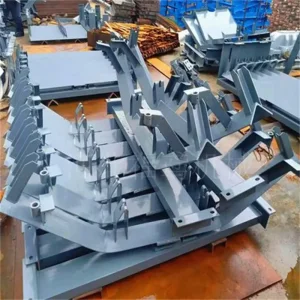
Chevron patterns must be centered relative to the conveyor rollers. We recommend using self-aligning training idlers at critical tracking locations, cleaning return-run rollers of sticky residue, and ensuring all structures and pulley frames are square and level.
Yes. Our mixing center processes custom formulations. We supply flame-retardant belts for coal mines, heat-resistant compositions (withstanding up to 200°C) for hot cement clinker, and oil-resistant formulas for grain processing plants in Vietnam.
We provide full shipping manifests, including Bill of Lading, Commercial Invoice, Packing List, Mill Test Certifications, and the China-ASEAN Free Trade Certificate of Origin (Form E) to minimize import duties for Vietnamese buyers.
Complete Industrial Infrastructure Solutions Supporting Vietnam's Primary Bulk Handling Networks
 Boao Rubber