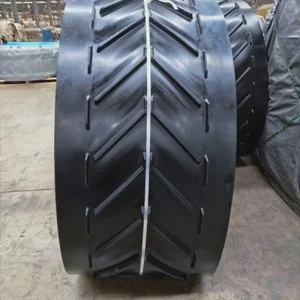
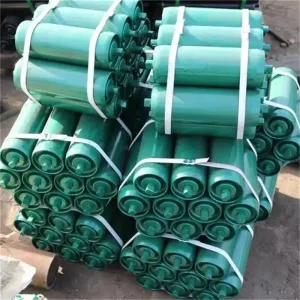
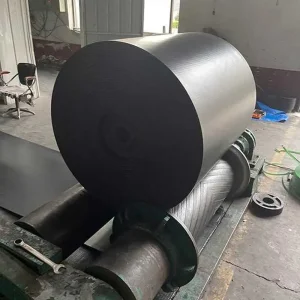
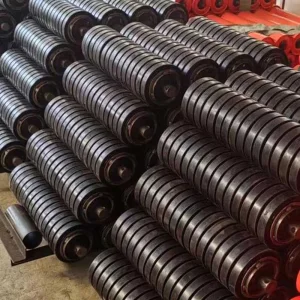
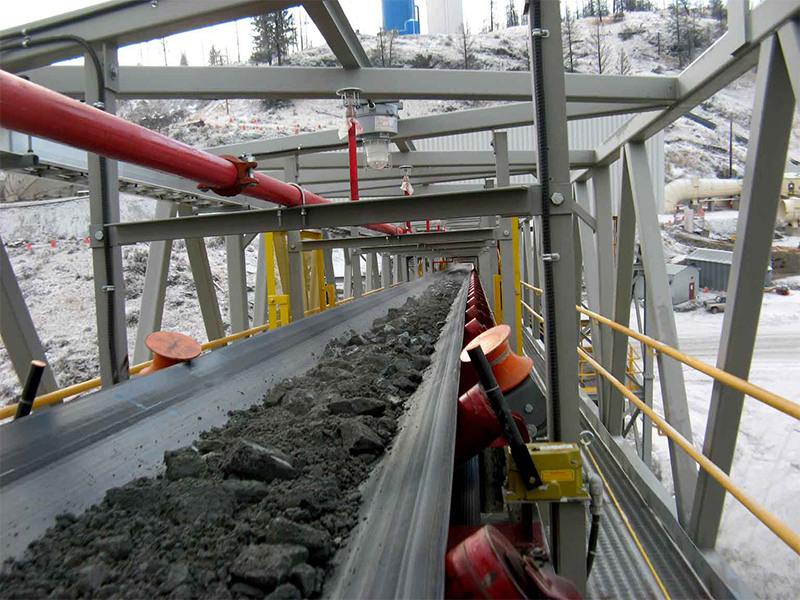
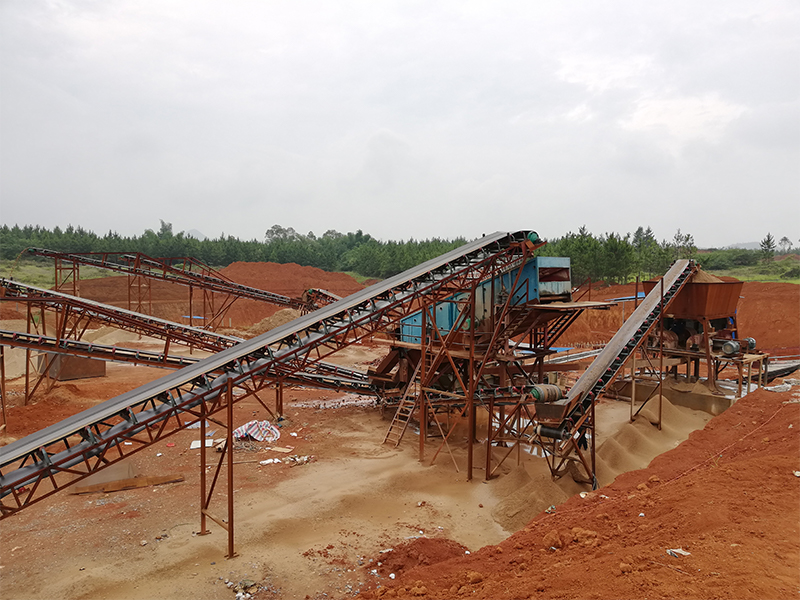
Engineered to withstand sub-zero maritime and geological stressors, these primary configurations represent our leading installations across Norway's industrial zones.
Adapting conveyor technology to Norway's unique geography, climatic swings, and rigorous sustainability directives.
Norway is home to some of the most geologically demanding operations in Europe. From iron ore deposits in Kirkenes and Rana to granite and aggregate quarries scattered along the western fjords, bulk material transportation has to contend with steep inclines and limited space. Standard horizontal conveyor belts are structurally insufficient for these settings. They lead to material back-slip, reduced volumetric efficiency, and elevated mechanical wear.
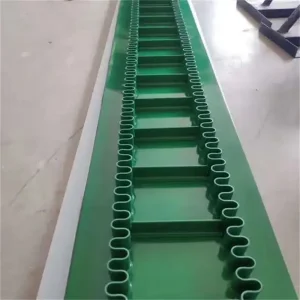
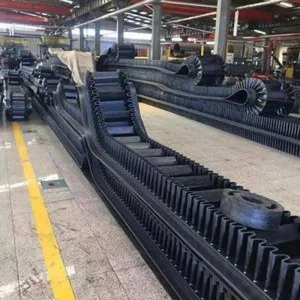
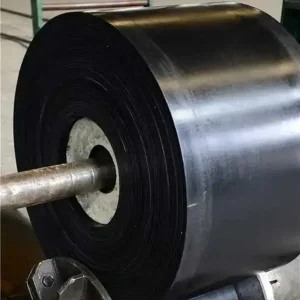
Chevron Conveyor Belts solve this challenge by integrating molded profiles (cleats) that allow bulk materials to be conveyed at angles ranging from 20° to over 40°. This vertical capacity drastically reduces the footprint of conveying infrastructure, preserving the natural fjord topography while optimizing throughput.
Operations in northern districts like Tromsø or Finnmark experience continuous sub-zero temperatures. Standard rubber covers become brittle and prone to structural cracking at -10°C, risking catastrophic belt tears. We manufacture custom chevron belts utilizing cold-resistant polymers capable of maintaining elasticity and tensile strength at temperatures down to -40°C.
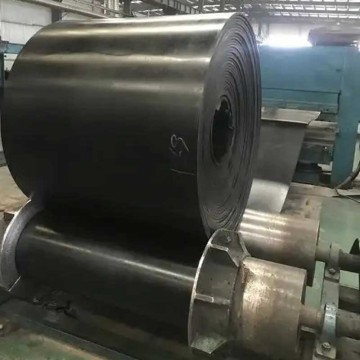
Choosing the correct pattern profile guarantees efficient material flow and minimizes retention losses.
| Cleat Profile Shape | Standard Cleat Heights (mm) | Recommended Incline Angles | Ideal Material Applications (Norway Market) |
|---|---|---|---|
| Open V-Shape (Y-Pattern) | 15mm, 25mm, 32mm | 20° - 30° | Wet gravel, aggregate mixes, crushed granite, and coastal sand loading. |
| Closed V-Shape (Herringbone) | 15mm, 25mm | 25° - 35° | Fine metal ores, agricultural bulk (grain handling in port silos), and wood chips. |
| U-Shape Cleats | 25mm, 32mm | 30° - 40° | Sticky substances, coal derivatives, and clay processing plants. |
| Multi-Chevron Patterns | 16mm, 25mm, 32mm | Up to 45° | Heavy tunneling debris and deep-shaft mining output. |
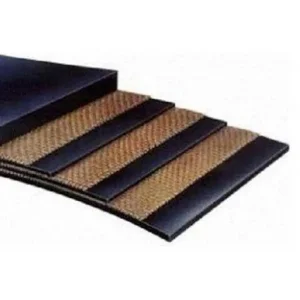
*Note: All chevron belts can be configured with custom base fabrics (EP Polyester-Nylon or NN Nylon-Nylon) to fit existing tension systems.
Pioneering high-durability polymer compounds and conveyor systems under our signature brand: Jinao.
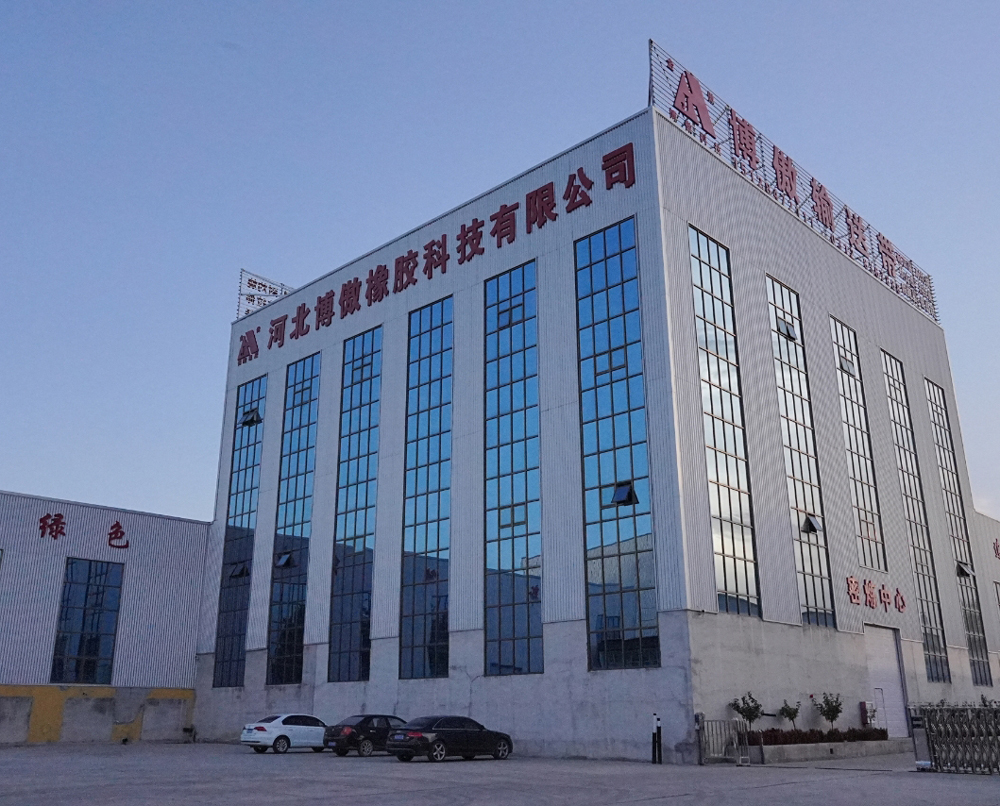
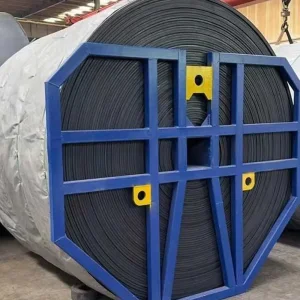
Hebei Boao Rubber Technology Co., Ltd. is located in the Rubber Industrial Park of Boye County, Baoding, Hebei Province. The company covers an area of over 30 acres, specializing in product development, design, and manufacture of heavy-duty conveyor belts and accessories. Under our trusted brand name "Jinao", we deploy complete manufacturing lines from raw material compounding to final vulcanization.
We feature independent chemical analysis labs and physics testing facilities. This setup ensures that no sub-standard compound ever leaves our floor. From raw vulcanized rubber tests to tensile strength verification of fabric plies, we deliver reliability that meets both European and international directives.
Meeting the structural requirements of Northern European infrastructure and extractive industries.
Our in-house physics laboratory tests every batch of raw polymer. We monitor abrasion loss, elongation at break, and cold-flex cracking down to -40°C, ensuring compliance with strict European material quality requirements.
Our quality inspectors enforce multi-stage checkouts during rolling, forming, and vulcanization. We provide full traceability documentation for all Norwegian shipments, verifying that all standards are met before departure.
Equipped with optimized supply chains, we ship directly from Tianjin Port to major Norwegian hubs like Oslo, Bergen, and Narvik, keeping supply lines moving smoothly for large-scale operations.
Combining automated material preparation with physical stress testing to guarantee structural reliability.
Our Boye County facility incorporates automated compounding units and precision calendering machinery. This technology guarantees uniform rubber thickness and optimal adhesion between the fabric core and external rubber covers. This prevents the ply delamination often caused by heavy loads and damp maritime conditions in coastal quarries.
Operating a heavy conveying system under Norway’s environmental regulations requires verified compliance records. Our testing laboratories carry out several key assessments on every production batch:
Comprehensive service plans to maximize equipment lifespan and minimize downtime.
Our technicians specify cold vulcanizing compounds and hot splicing processes tailored to our belt grades. This helps ensure consistent structural strength across the entire loop.
We work with logistics partners in Oslo and Bergen to maintain emergency backup stocks of standard belt widths. This quick-response setup helps minimize down-time for local industrial partners.
We provide full technical documentation and operation manuals covering belt tracking, cleat wear management, and proper tension adjustments to help extend the life of your equipment.
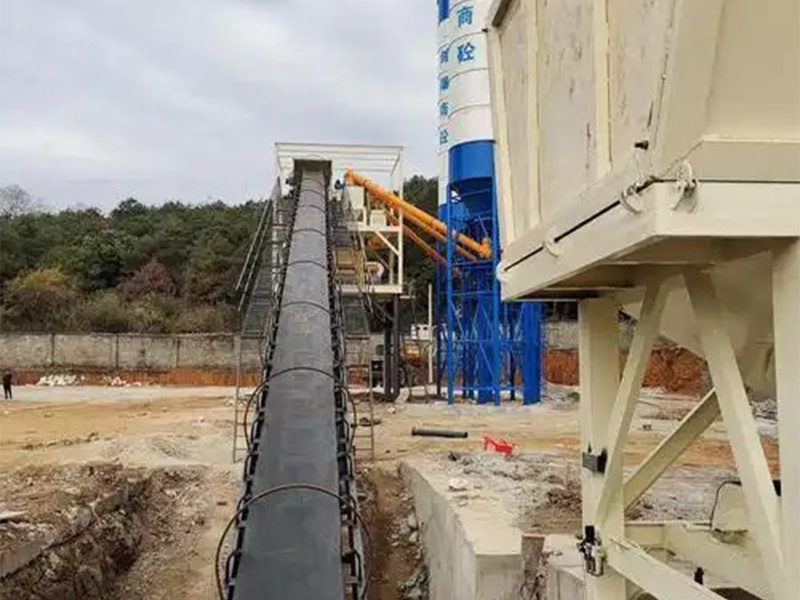
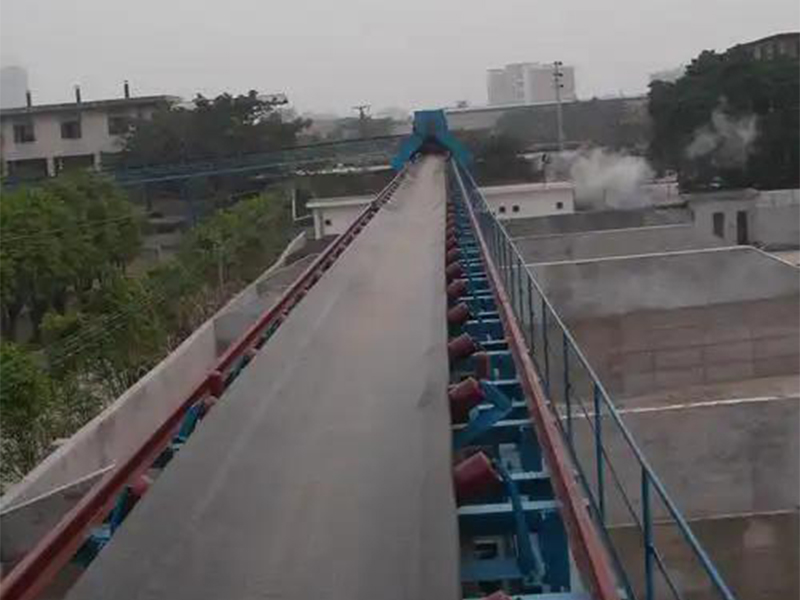
Our high-capacity belt systems are deployed worldwide in demanding raw material sectors. We supply trusted companies like Tsingshan Group, Zijin Mining, Conch Cement, and Datong Coal Group. Our products prove their value every day by keeping logistics flowing in heavy steel production and mining settings.
This experience makes Jinao products a reliable choice for Norway's infrastructure developments, regional tunneling schemes, and coastal shipping hubs.
Clear, direct answers for Norwegian procurement and operations managers.
Explore our complete range of high-performance belts and component systems tailored for harsh environments.
 Boao Rubber