Direct Factory Sourcing with Global Certification and Rigorous Lab Validation
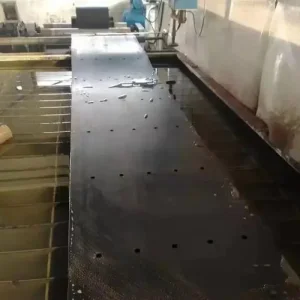
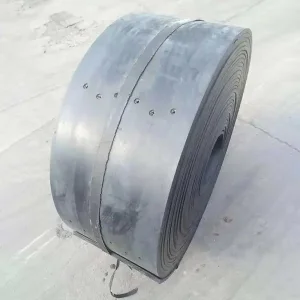
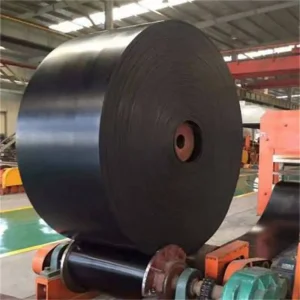
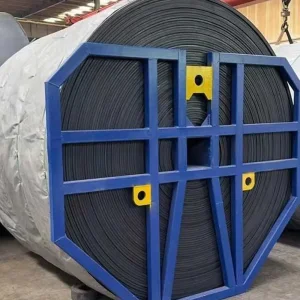
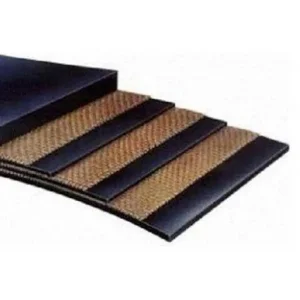
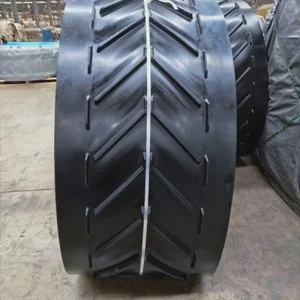
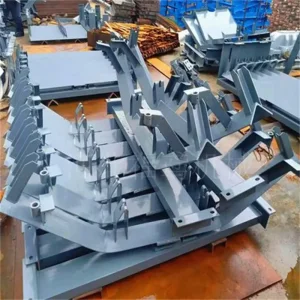
A Comprehensive Industry Whitepaper on Material Design, Application Dynamics, and OEM Sourcing
In modern industrial material handling, the white rubber belt represents a critical sub-category of specialized conveying systems. Designed specifically for environments where product purity, sanitation, and contamination prevention are paramount, these belts are widely deployed in food processing, pharmaceuticals, chemical manufacturing, packaging lines, and mineral purification plants. Unlike standard black industrial belts which contain carbon black as their primary reinforcing agent, white rubber belts are compounded with alternative fillers such as silica or clay, combined with premium synthetic polymers (EP, Nitrile, SBR, or PVC-PU compounds) to deliver outstanding physical characteristics without leaving black marks or introducing synthetic residues.
Under ISO and DIN standards, a white rubber belt is a non-marking conveyor belt configured with light-colored elastomeric covers. It meets specific food contact standards (such as FDA Title 21 CFR 177.2600 in the USA or Regulation EC 1935/2004 in Europe) or high-grade chemical resistance protocols. The primary goal is to ensure the conveyed media—whether it be grain, powder, fertilizer, or refined minerals—remains chemical-free and aesthetically unaltered during transportation.
The global material handling market is shifting rapidly towards high-efficiency, environmentally compliant, and smart conveyor layouts. For white rubber belts, these changes are driven by three distinct macro-trends:
Selecting the correct polymer base is critical for balancing mechanical durability with chemical compatibility. Below is the material selection matrix utilized by our factory chemists:
| Polymer Base | Standard Applications | Temperature Range | Key Advantages | Key Limits |
|---|---|---|---|---|
| Nitrile (NBR) | Food processing, oily seeds, animal fats, greasy packages | -20°C to +100°C | Excellent oil and grease resistance | Moderate abrasion resistance |
| EPDM | Heat-resistant conveying, chemical lines, outdoor use | -40°C to +150°C | Outstanding heat and ozone resistance | Poor resistance to aliphatic solvents |
| Natural Rubber (NR) / SBR | Non-marking bulk handling, grain storage, packaging | -30°C to +80°C | High elasticity, excellent wear resistance | Susceptible to oils and greases |
| PVC-PU (Polyurethane) | Lightweight sorting, pharmaceutical packing, dry foods | -10°C to +90°C | Extremely hygienic, zero porosity, clean-cut edges | Lower load capacity compared to rubber |
Global procurement directors face multiple bottlenecks when sourcing industrial rubber belts. Chief among these is balancing the Total Cost of Ownership (TCO) with system reliability. A cheap belt that fails early can trigger catastrophic production downtime costing thousands of dollars per hour.
To reduce TCO, strategic procurement should evaluate:
Founded in 2004, and operating under our premium brand "Jinao", we have established ourselves as a benchmark manufacturer in the Rubber Industrial Park of Boye County, Baoding, Hebei Province. Spanning over 30 acres of modern production facilities, we integrate product development, engineering design, raw material testing, vulcanization, and global logistics support.
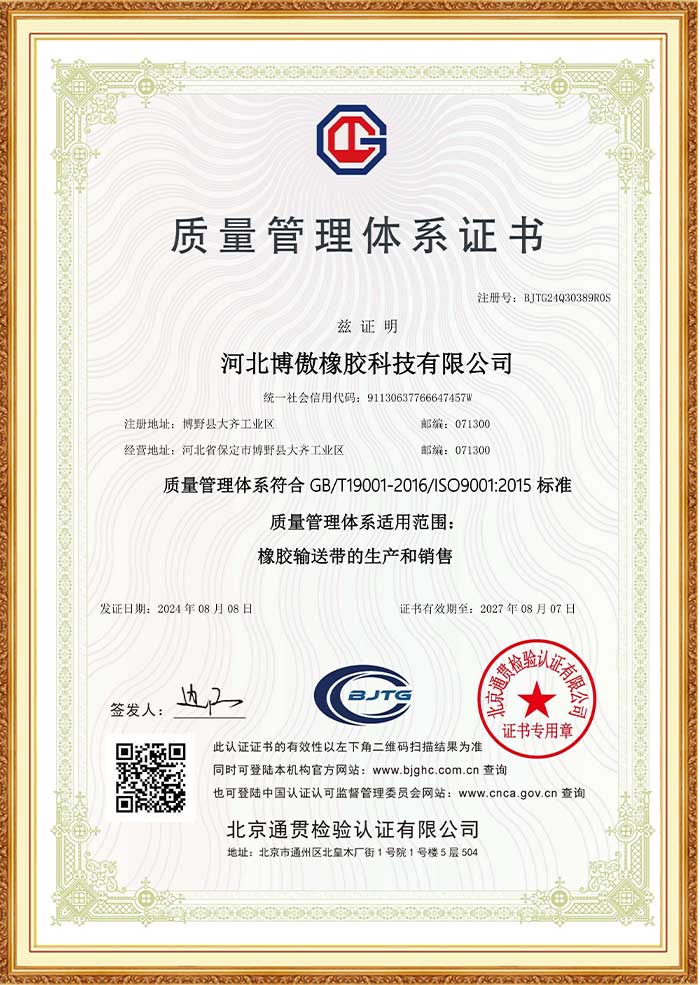
Our facility houses advanced production lines for fabric calendering, high-strength steel cord forming, continuous vulcanization, and real-time physical testing. With 22 years of development, we have secured ISO9001, ISO14001, and ISO18001 certifications to ensure our clients receive consistent performance on every batch.
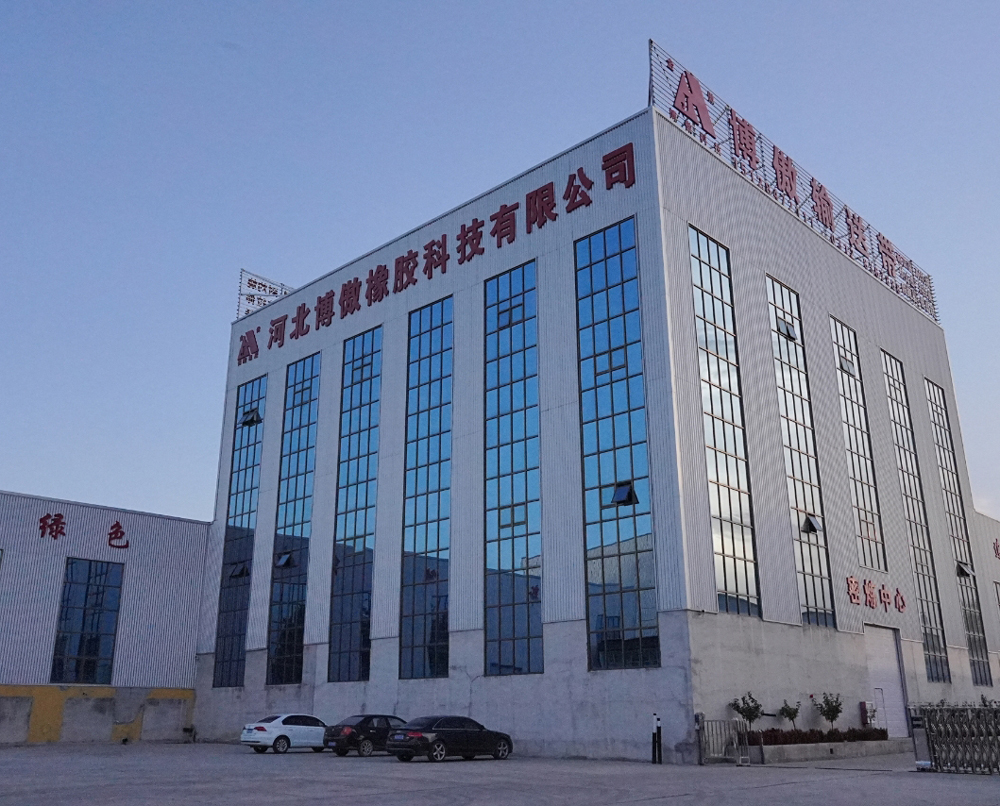
Engineered For Demanding Industrial Applications Globally
We manage an independent chemical analysis room and physics laboratory. This ensures rigorous testing of every batch of raw rubber, oil, and cord wire from incoming raw stock to final product dispatch.
Utilizing high-end testing devices for tensile strength, elongation, wear indices, and dynamic fatigue, our QC inspectors enforce zero-tolerance standards across the processing floor.
Exporting to steel, mining, chemical, and fertilizer plants worldwide. We operate a comprehensive after-sales system that handles installation guidance, splicing, and emergency site support.
Tailored Belting Architecture Designed for Aggressive Environments
Different materials impose different stresses on your conveyor belt infrastructure. Simply sourcing a generic belt without matching compound qualities leads to belt cracking, tracking errors, or product contamination. Here is how Hebei Boao supports primary industrial sectors:
Industrial steel processing environments operate at intense temperatures. Transporting sinter, coke, or slag requires heavy-duty heat-resistant belts. Our heat-resistant rubber conveyor belts leverage a specialized EPDM/SBR cover compound capable of withstanding peak material temperatures up to 200°C (and brief surges to 250°C), preventing core degradation and ply separation.
Deep-pit mining and bulk coal terminal transport rely on extreme tensile load-bearing structures. For these applications, we supply high-performance Steel Wire Rope Core Conveyor Belts. Our steel cord construction ensures low elongation (under 0.2% at working load) and incorporates transversal steel-cord or fabric breakers for premium anti-tear capabilities, shielding the belt from damage by sharp rocks or metal scrap.
Conveying fertilizers, phosphates, and wet acid ores rapidly destroys standard rubber via chemical oxidation. Our Acid and Alkali Resistant Conveyor Belts use highly saturated polymers that prevent swelling and cracks. This maintains ply adhesion even when directly exposed to concentrated corrosive agents.
Validating Physical and Chemical Performance In-House
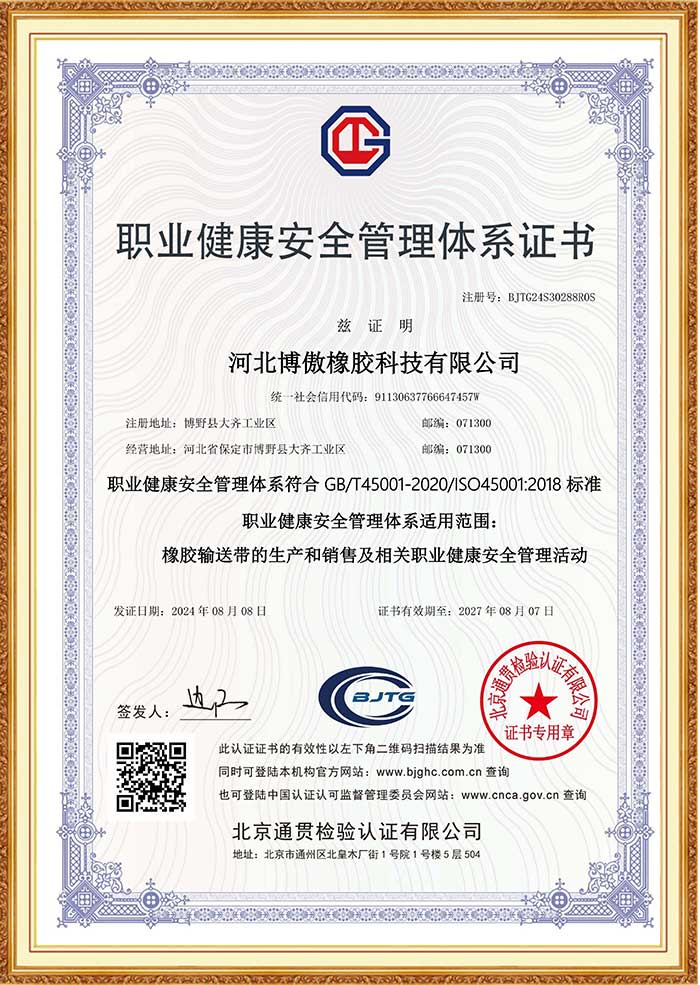
ISO9001 Quality System Cert
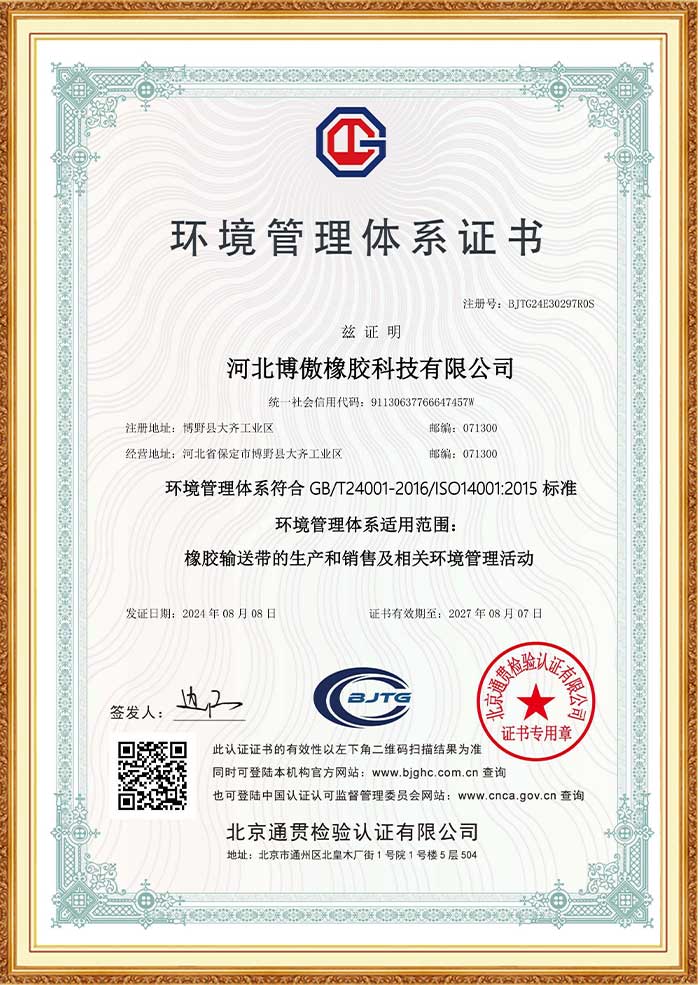
Environmental Management Cert
Occupational Safety Cert
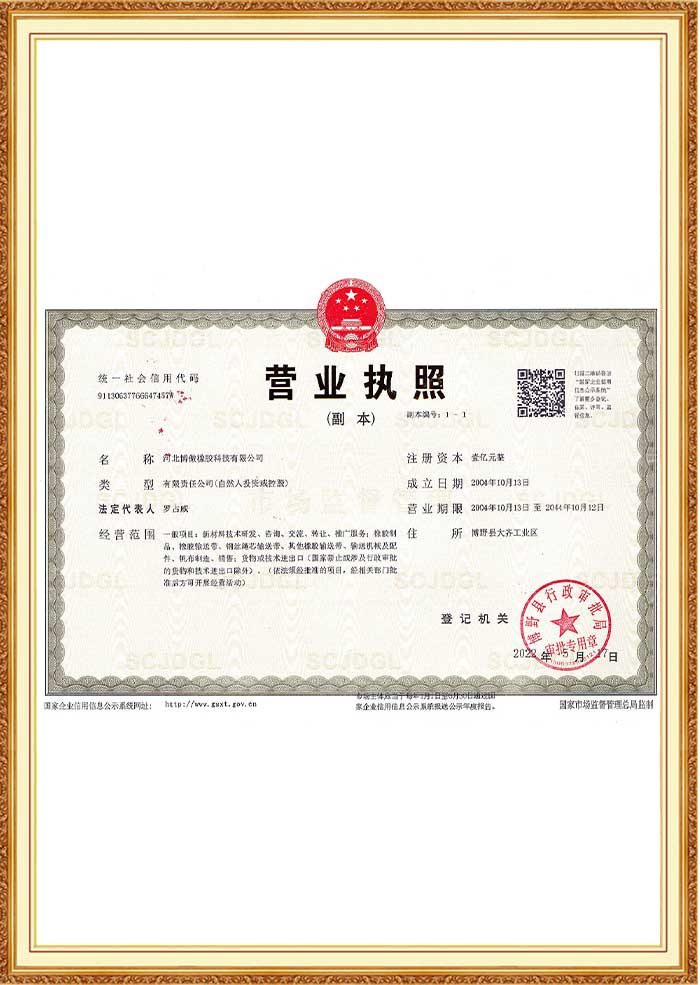
National Standards Approval
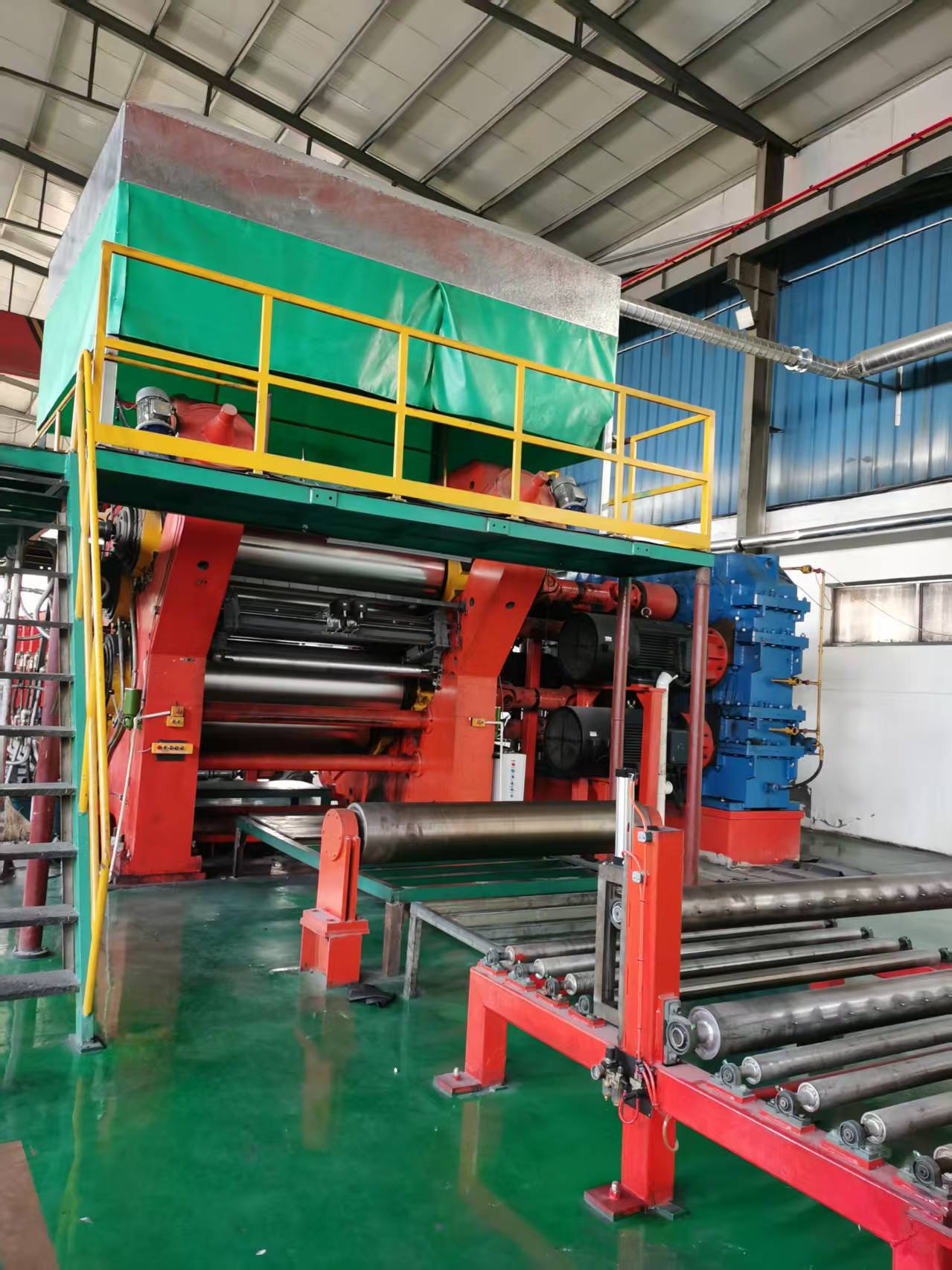
Fabric Conveyor Line
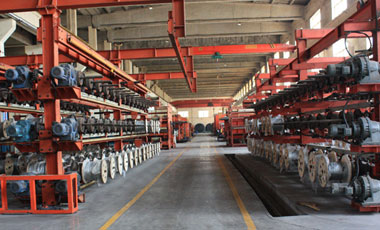
Steel Cord Belt Machine
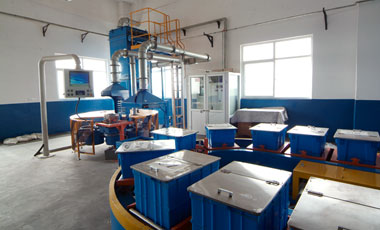
Mixing Proportioning Center
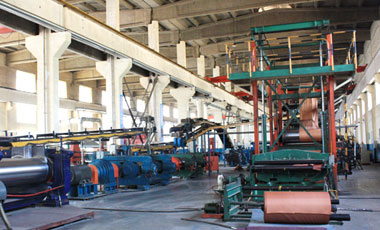
Calendering & Shaping
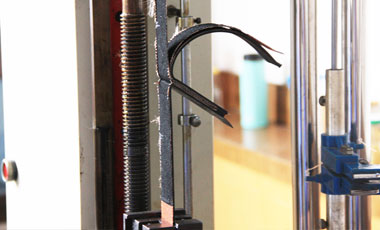
Peeling Adhesion Test
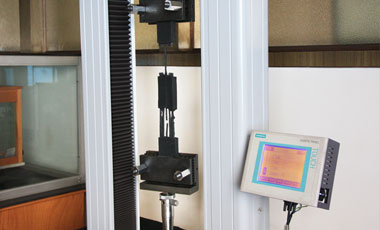
Steel Cord Pull-out Test
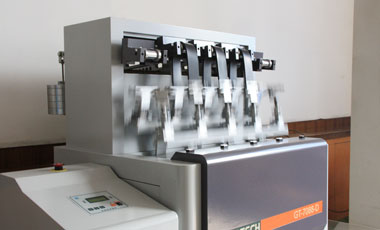
Dynamic Fatigue Tester
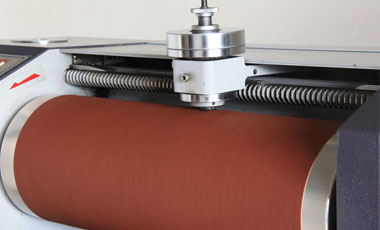
Abrasion Resistance Tester
Comprehensive Life-Cycle Management for Minimal Conveyor Downtime
A conveyor belt is only as strong as its splice. To ensure optimal performance of your belt system, Hebei Boao provides tailored support ranging from initial engineering selection to onsite joint vulcanization.
Serving World-Class Enterprises in Extreme Environments
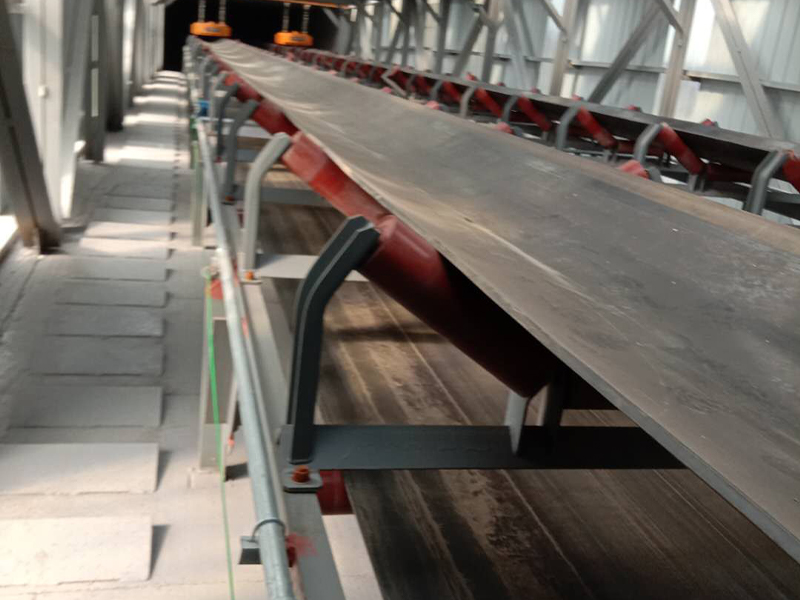
Taihang Steel Group
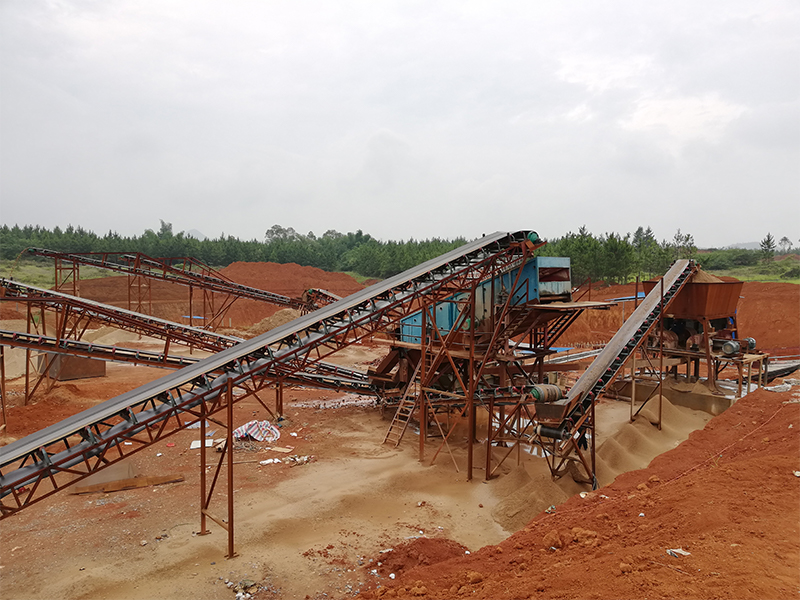
Tsingshan Group
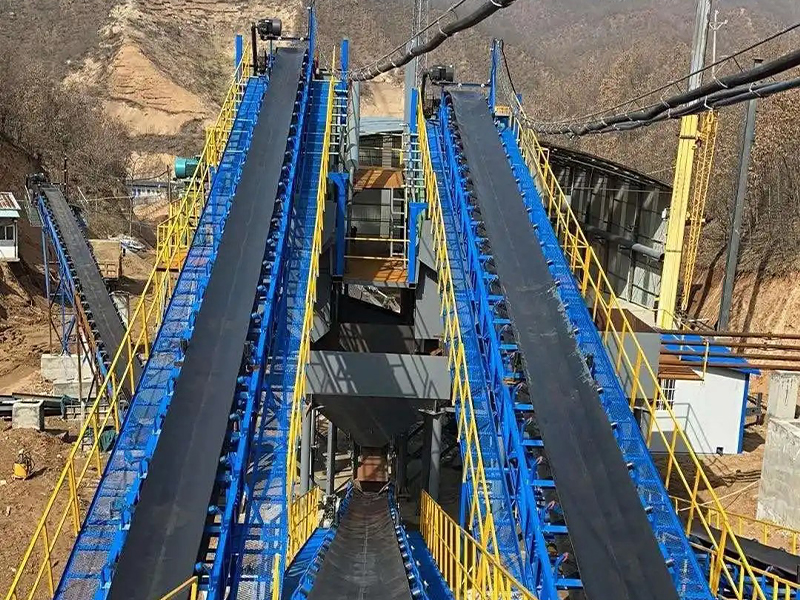
Zijin Mining
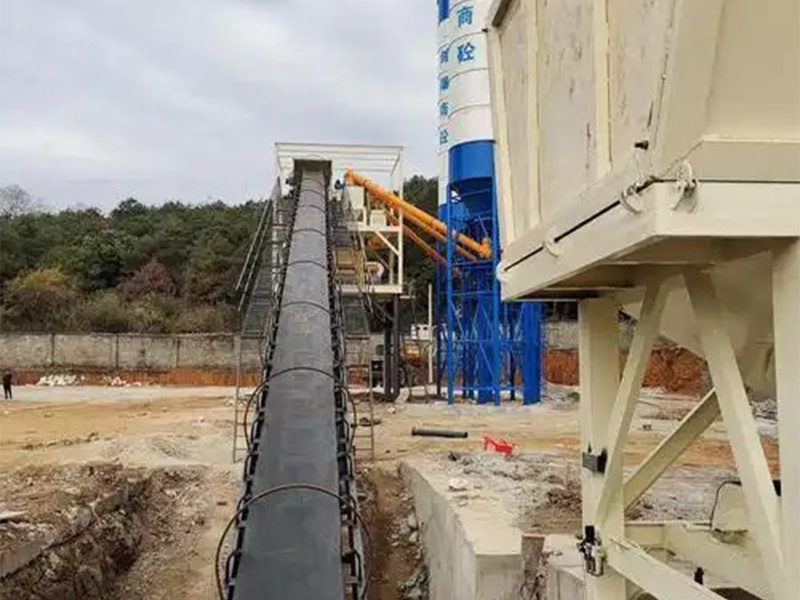
China Railway Group
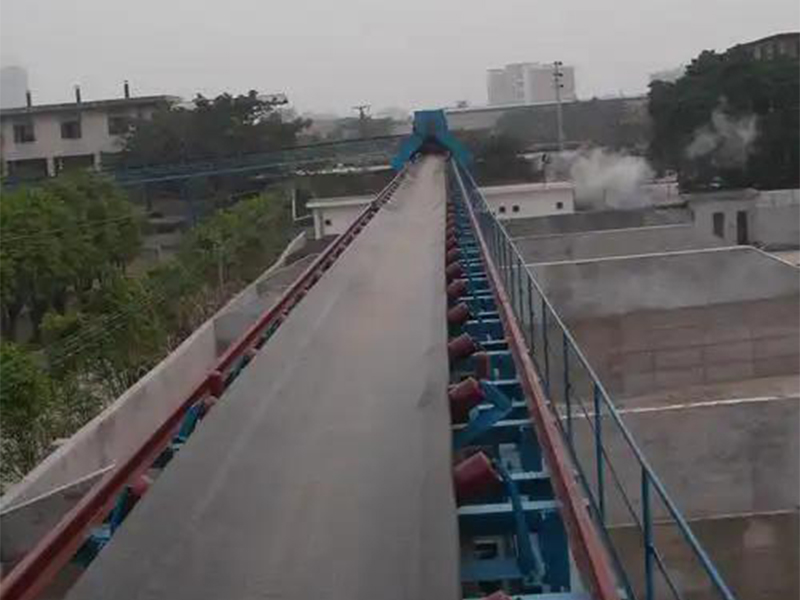
Conch Cement
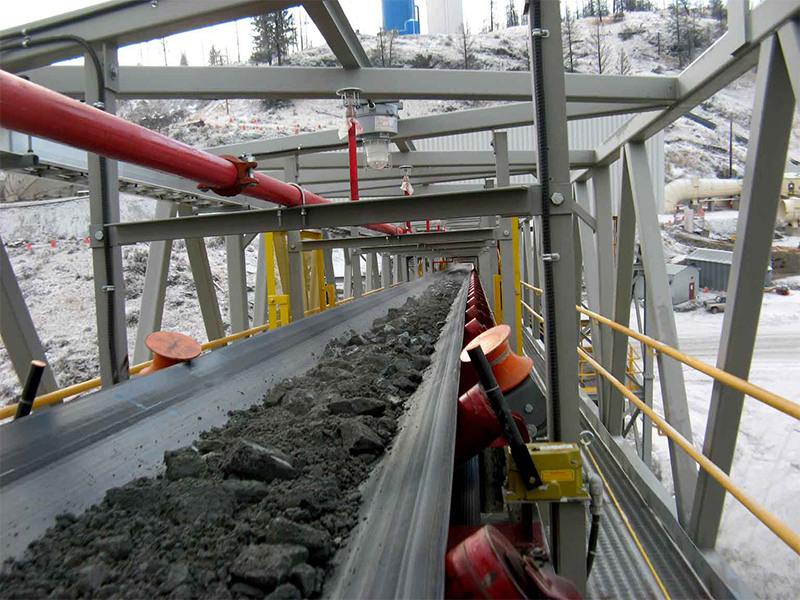
Datong Coal Group
The Evolution of Smart and Eco-Friendly Conveying Systems
As factories transition toward Industry 4.0, conveyor belts are changing from passive wear components into active data sources. Our research and development focuses on three primary innovations:
Expert Engineering Clarifications on Sourcing White Rubber Belting
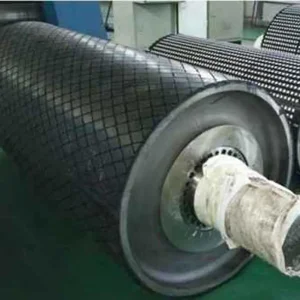
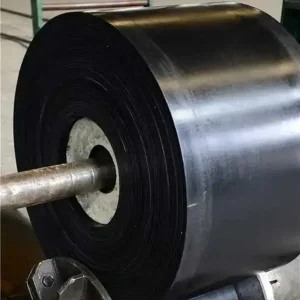
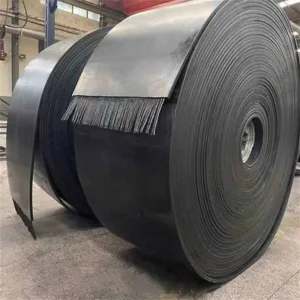
Complete Systems and Heavy-Duty Components for Industrial Sourcing
 Boao Rubber