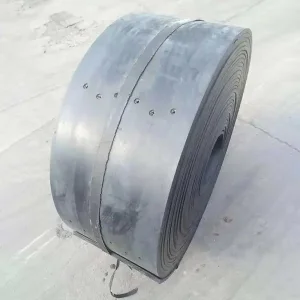
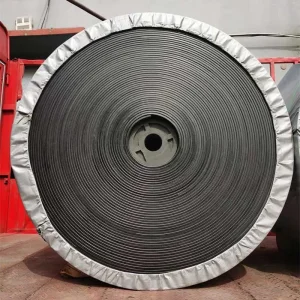
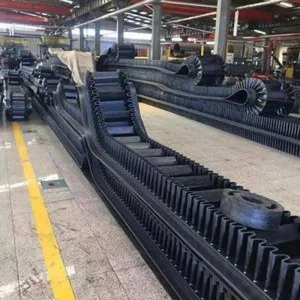
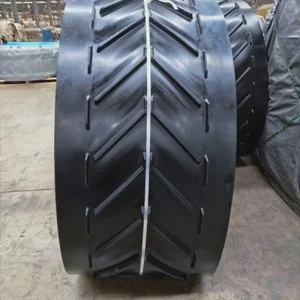
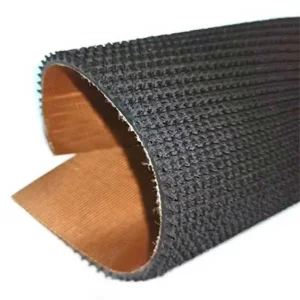
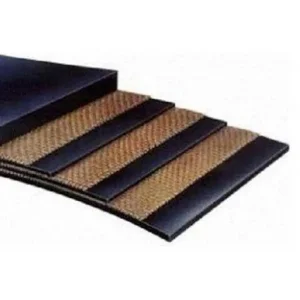
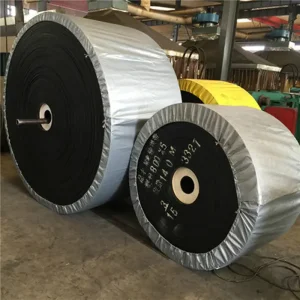
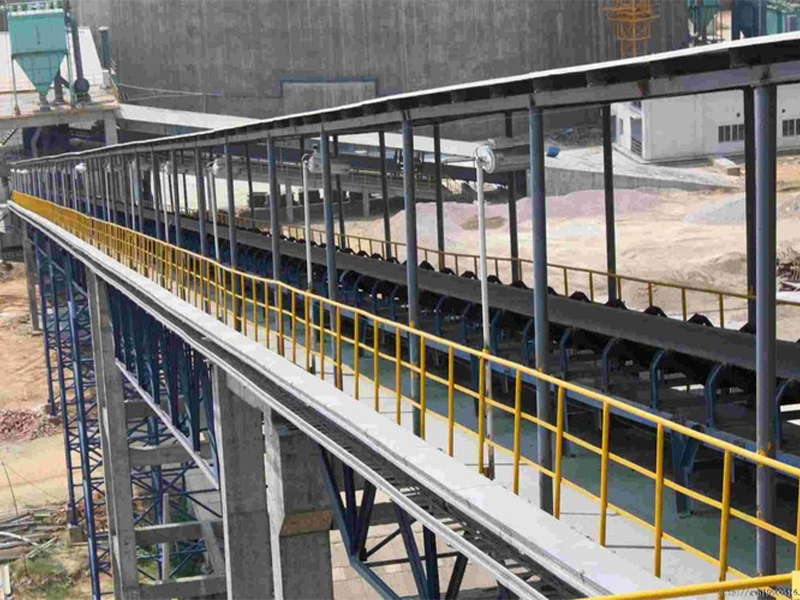
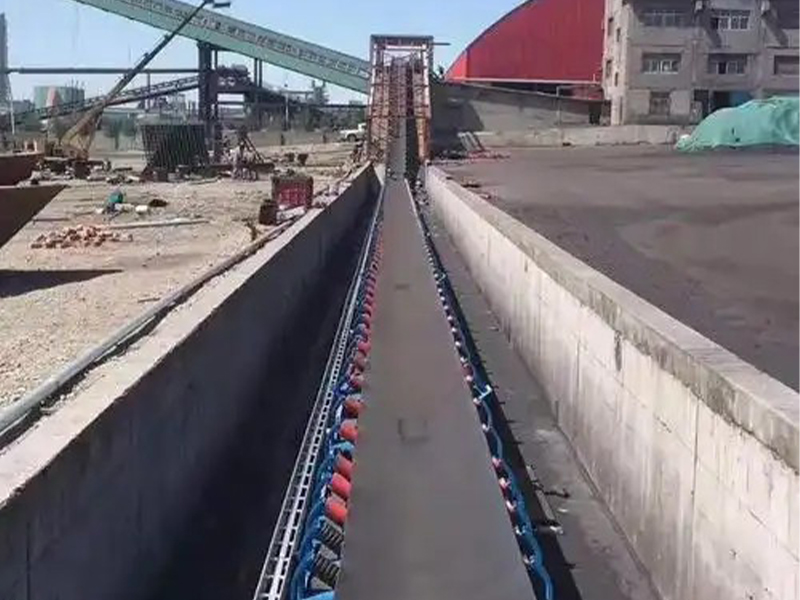
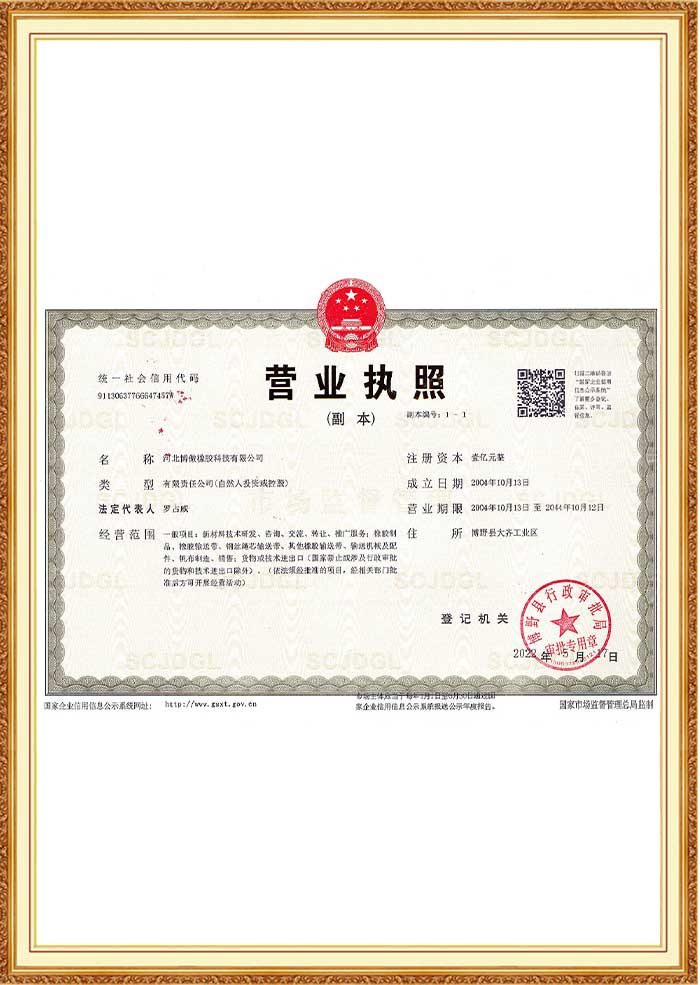
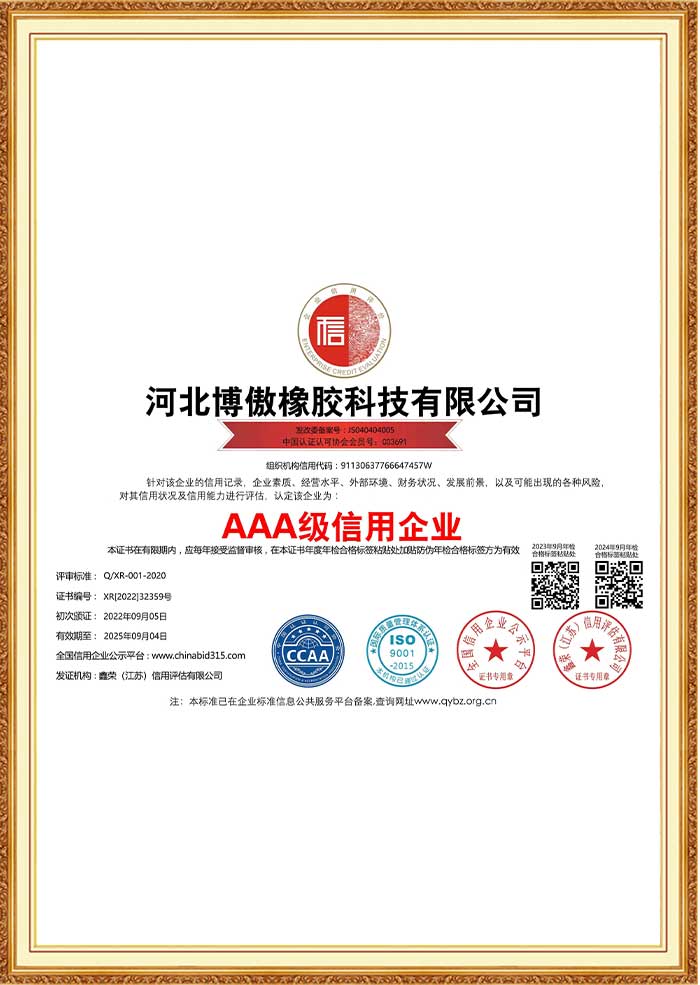
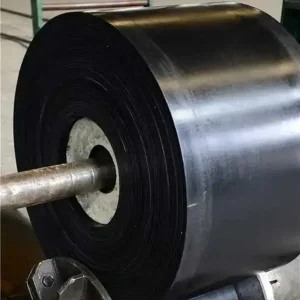
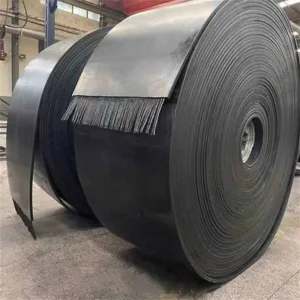
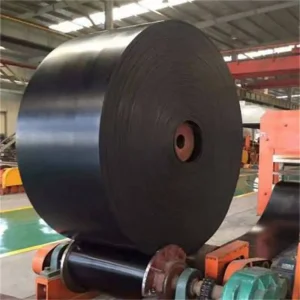
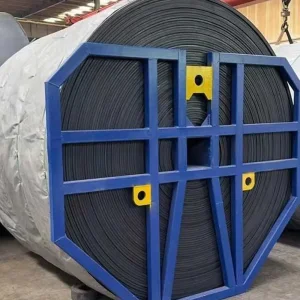
China Supermax Conveyor Belt Manufacturer & Factory

High-Performance Industrial Belting Solutions & Heavy-Duty Material Handling Accessories Engineered for Global Industrial Standards

About Hebei Boao Rubber Technology Co., Ltd.

Pioneering high-durability conveyor solutions for over two decades under the renowned "Jinao" brand.

Founded in 2004 and spanning an expansive manufacturing facility of over 30 acres in the Boye County Rubber Industrial Park, Baoding, Hebei Province, Hebei Boao Rubber Technology Co., Ltd. has established itself as an authoritative leader in the development, research, structural design, and custom compounding of premium rubber conveyor belts.

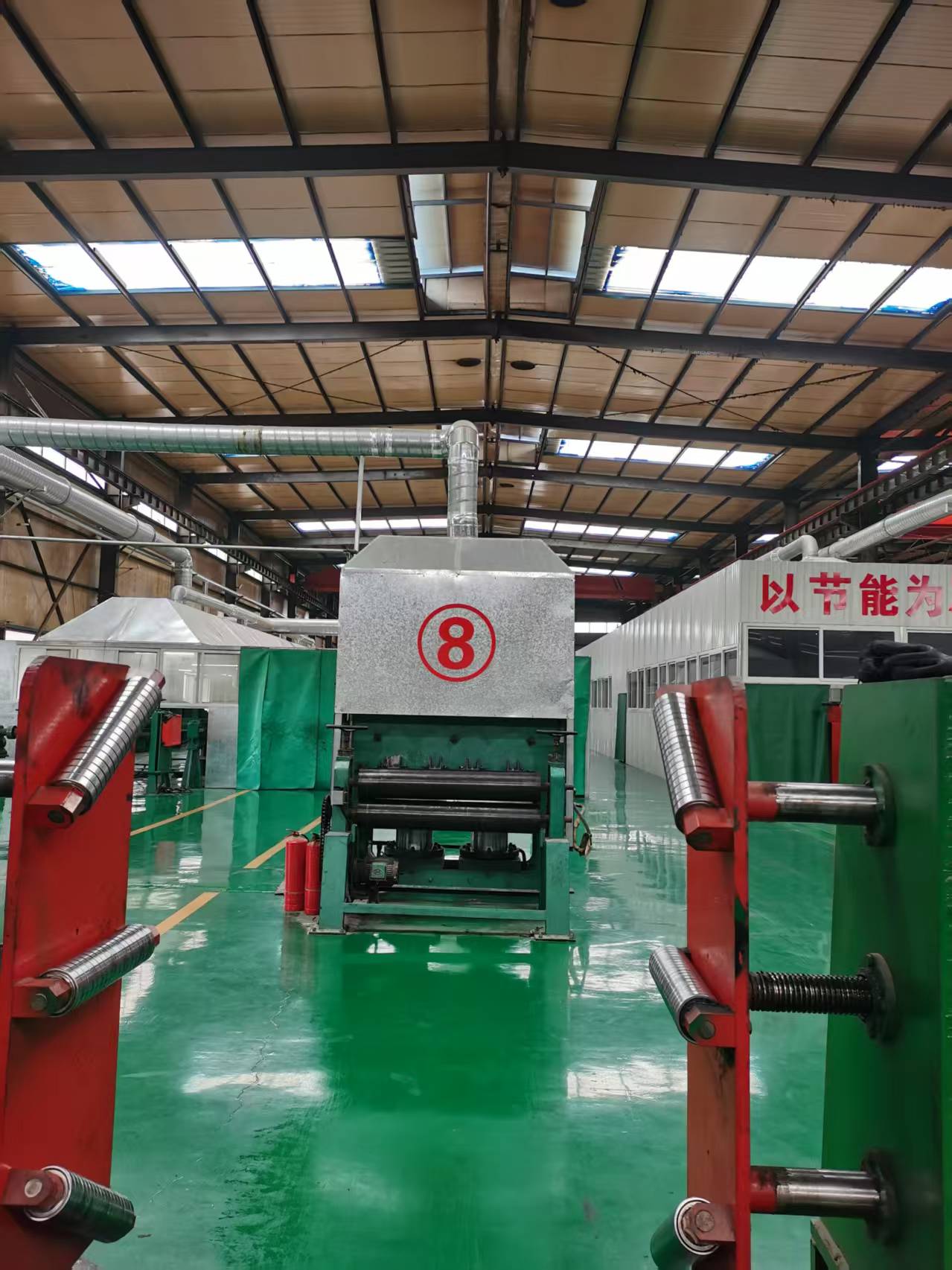
Operating under the recognized "Jinao" brand, our manufacturing systems are certified to meet international quality management standards. With fully integrated processing machinery, our production capacities range from base compound formulation and calendar pressing to state-of-the-art heavy vulcanization and complete raw-material-to-finished-product mechanical testing.

22+
Years Industry Experience
30+
Acres Manufacturing Complex
100%
In-House Quality Audited
ISO
International Certified

Supermax Conveyor Belts: Industry Whitepaper & Sourcing Analysis

Detailed analysis of next-generation compounding, macro-economic industry demands, and lifecycle optimization.

1. The Evolution of Heavy-Duty Belting: Technology Trends

Modern conveyor systems demand significantly higher speeds, steeper inclination angles, and increased loading weights than ever before. Traditional conveyor belts often suffer from splice fatigue, premature abrasion, and excessive elongation under these grueling constraints. To address this, the industry has transitioned toward "Supermax" class specifications, which focus on three critical engineering pillars:

  • Energy-Optimized Rubber (EOR) Cover Compounds: Lowering the indentation rolling resistance (IRR) of backing covers significantly reduces the power required to operate long-distance conveying systems, sometimes cutting operating costs by up to 15%.
  • Smart Monitoring & Sensor Integration: The implementation of rip detection systems embedded directly within the rubber matrix. These system sensors automatically detect tear points or belt drift, triggering system shutdowns to prevent massive catastrophic system failures.
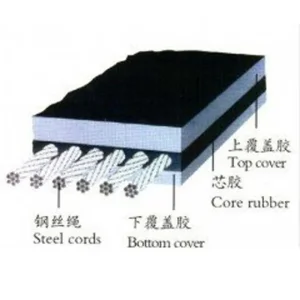
  • High-Modulus Synthetic Fabrics and High-Tensile Steel Wire: Using high-density EP (Polyester-Polyamide) fabrics and zero-twist steel wire ropes to minimize structural elongation, ensuring constant tension stability over kilometers of horizontal and vertical transport routes.

2. Sourcing Requirements for Global Procurement Agents

Global procurement specialists face the complex challenge of aligning procurement budgets with operational longevity. A proper analysis of conveyor belt procurement must extend beyond basic initial pricing per meter. Sourcing agents should focus heavily on the following aspects:

  • Dynamic Rubber Compound Classification: Evaluating according to ISO 4649 or DIN 22102 abrasion ratings. Selecting a cover compound with <90 mm³ wear volume loss under highly abrasive materials (like iron ore or coke) often doubles the service life compared to standard GRADE Y rubber.
  • Optimized Cover Thickness Ratios: Striking the perfect ratio between the top cover and bottom cover thicknesses based on wear profiles. Typical heavy-duty bulk handling setups specify a 6mm top + 2mm bottom or 8mm top + 3mm bottom layout depending on physical drop impact factors.
  • Interlaminar Adhesion Values: Guaranteeing high ply-to-ply and compound-to-ply adhesion (typically >4.5 N/mm for fabric and >8.0 N/mm for steel cords) to eliminate risk of debonding or delamination during wet, humid, or chemically aggressive operation.

Uncompromising Quality & Engineering Infrastructure

Why industrial operators trust Jinao brand conveyor components globally.

Advanced Chemical & Physics Laboratories

Every single batch of incoming raw polymers, accelerators, and carbon black is subjected to rigorous checking. Our in-house test rooms test cure rate profiles, crosslink densities, and polymer properties before calendering, guaranteeing that substandard compounds are rejected immediately.

Comprehensive Quality Control Protocols

We deploy precise thickness sensors, continuous X-ray cord scanners, and automated optical scanners along our vulcanization lines to track core width, tension levels, and ply alignments. We execute physical destructive testing on production run cut-offs for verification.

National Logistics & Installation Support

Backed by deep engineering resources, we manage distribution pipelines globally. We don't just ship belts; our technical teams assist customers with storage guidelines, dynamic splicing parameters, transition distance calculations, and tracking configurations.
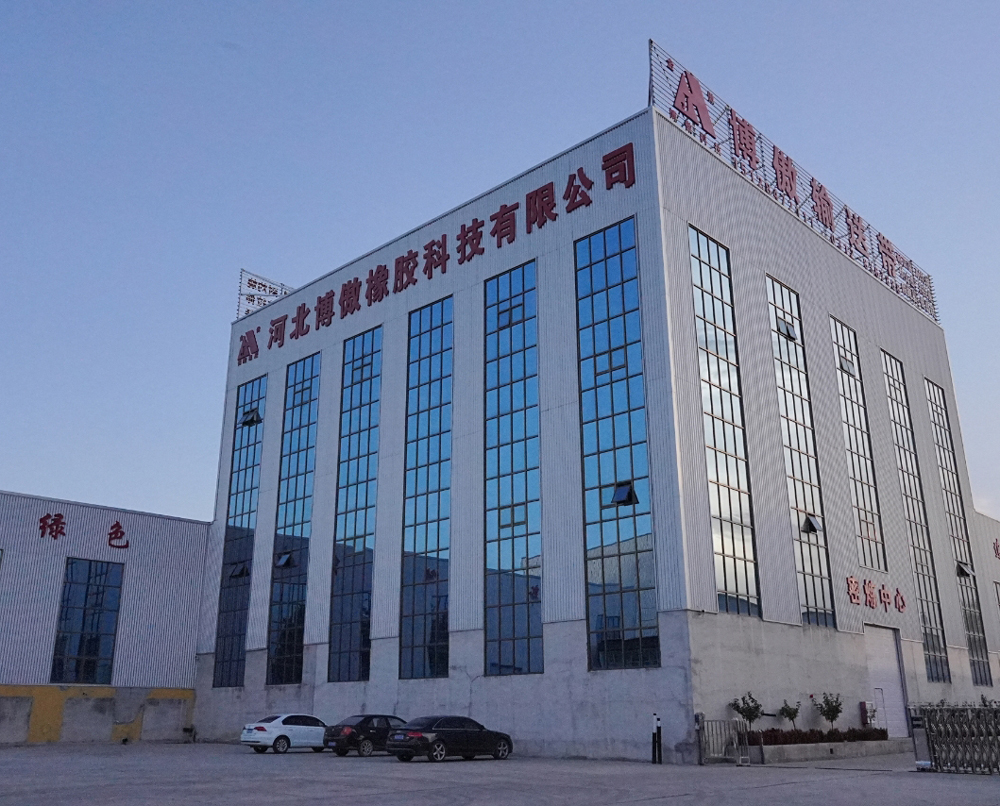
Hebei Boao Rubber Technology Advantage Photo

Optimized for Severe Operating Scenarios

Our engineering focus allows us to design conveyor belts for heavy industrial systems where conventional belts yield within months. Through high-modulus weaving patterns and customized curing parameters, we deliver systems engineered for uninterrupted material handling.

Macro-Industry Material Transport Solutions

Custom-tailored rubber belting solutions aligned with global heavy industrial fields.

Different industrial processes impose unique combinations of stress on conveyor belts. Standard one-size-fits-all belting fails quickly. Below, we lay out how Boao designs customized solutions based on operational environments:

Target Industry Primary Material Transported Predominant Wear Stress Factors Jinao Optimized Belt Solutions
Steel & Metallurgy Hot sinter, coke, slag, pig iron molds Dynamic thermal spikes (up to 350°C), heavy impact deformation Class T3 & T4 Heat-Resistant Belts (EPDM compounds with high-tenacity glass-fiber interlayers)
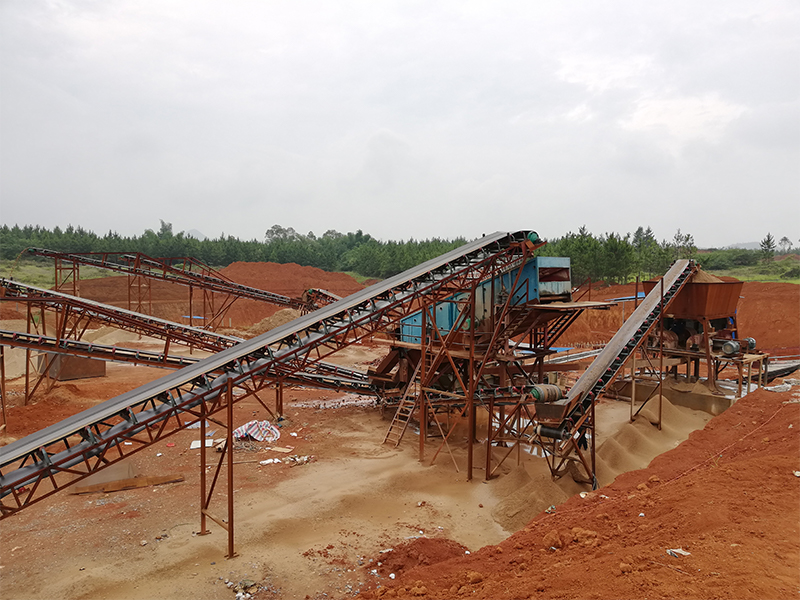
Mining & Aggregates Sharp granite, copper ore, hard coal, gravel Severe cutting, gouging, continuous high impact, moisture absorption Steel Wire Rope Core Belts (ST1000 - ST5400) + Impact-resistant breaker ply configurations
Cement Production Clinker, limestone, hot gypsum powder Fine dust abrasion, high continuous heat, vertical elevators Rubber Lifting Bucket Elevator Belts + Flame-Retardant covers (Class D/V according to safety codes)
Chemical & Fertilizers Sulfates, phosphates, chemical salts Corrosive chemical leaching, cover swelling, cover cracking Synthetic NBR/EPDM chemical, acid & alkali-resistant cover formulations
Ports & Ship Loading Bulk grain, iron ore, coal piles High speeds (up to 5m/s), extreme long span, variable climatic exposure Energy-Optimized Rubber (EOR) covers with low elongation steel cord core and UV stabilizers

Advanced Production & In-House Testing Equipment

Ensuring absolute compliance with target properties via precision machinery and certified diagnostic equipment.
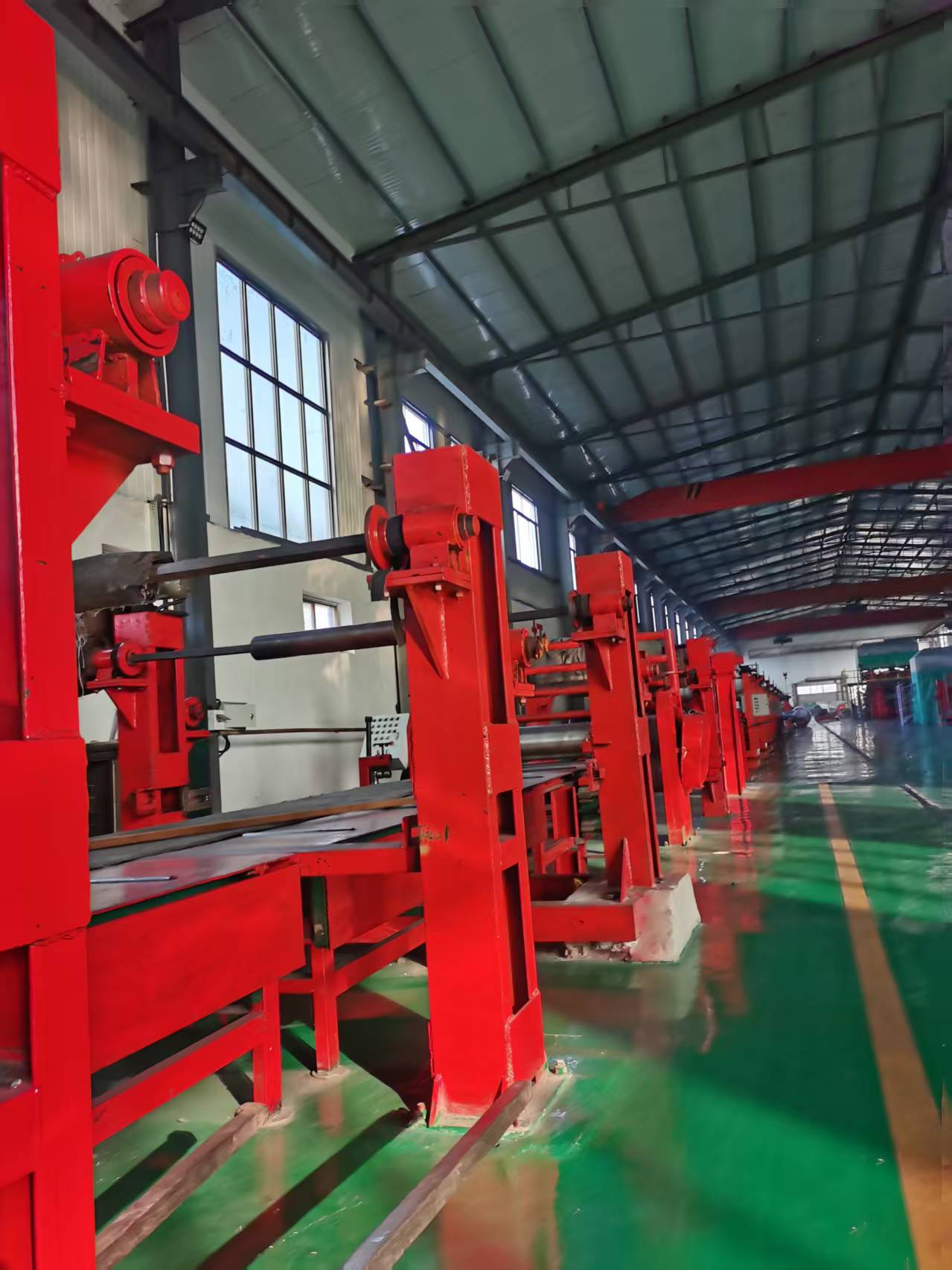
1. Automated Production Infrastructure

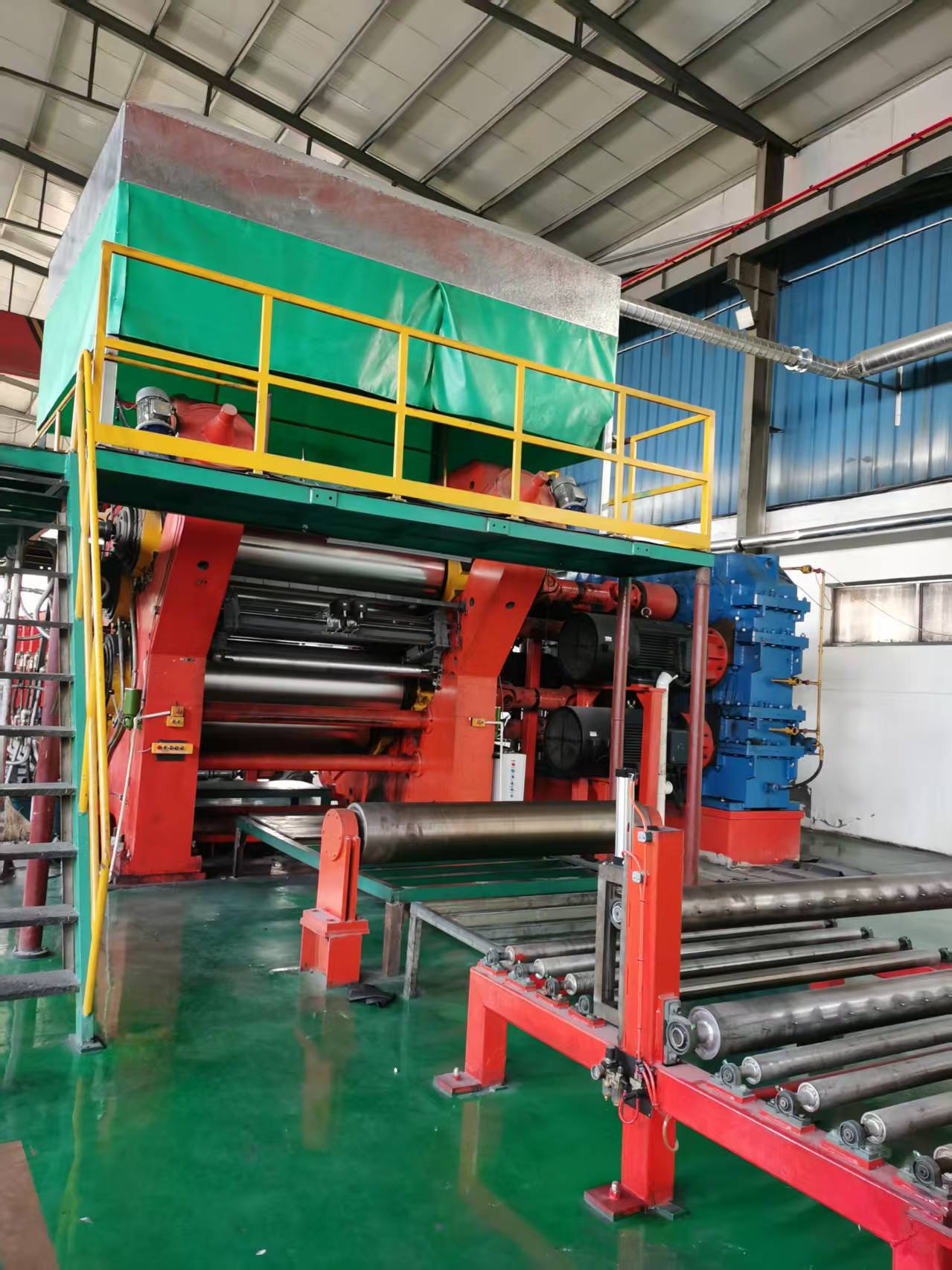
Production Facility 1

Multi-Roll Calendering Assembly

Production Facility 2

Compound Mixing Center

Production Facility 3

High-Pressure Vulcanizer

Production Facility 4

Steel Cord Laying Section

Production Line of Fabric Conveyor Belt
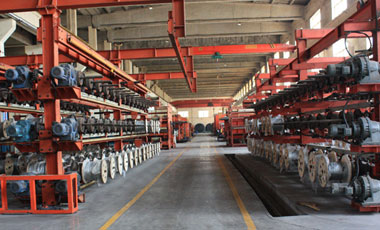
Production Line of Fabric Conveyor Belt

Production Equipment of Steel Cord Conveyor Belt

Steel Cord Belt Production Machine
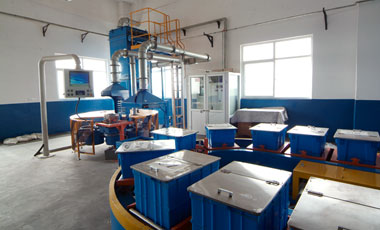
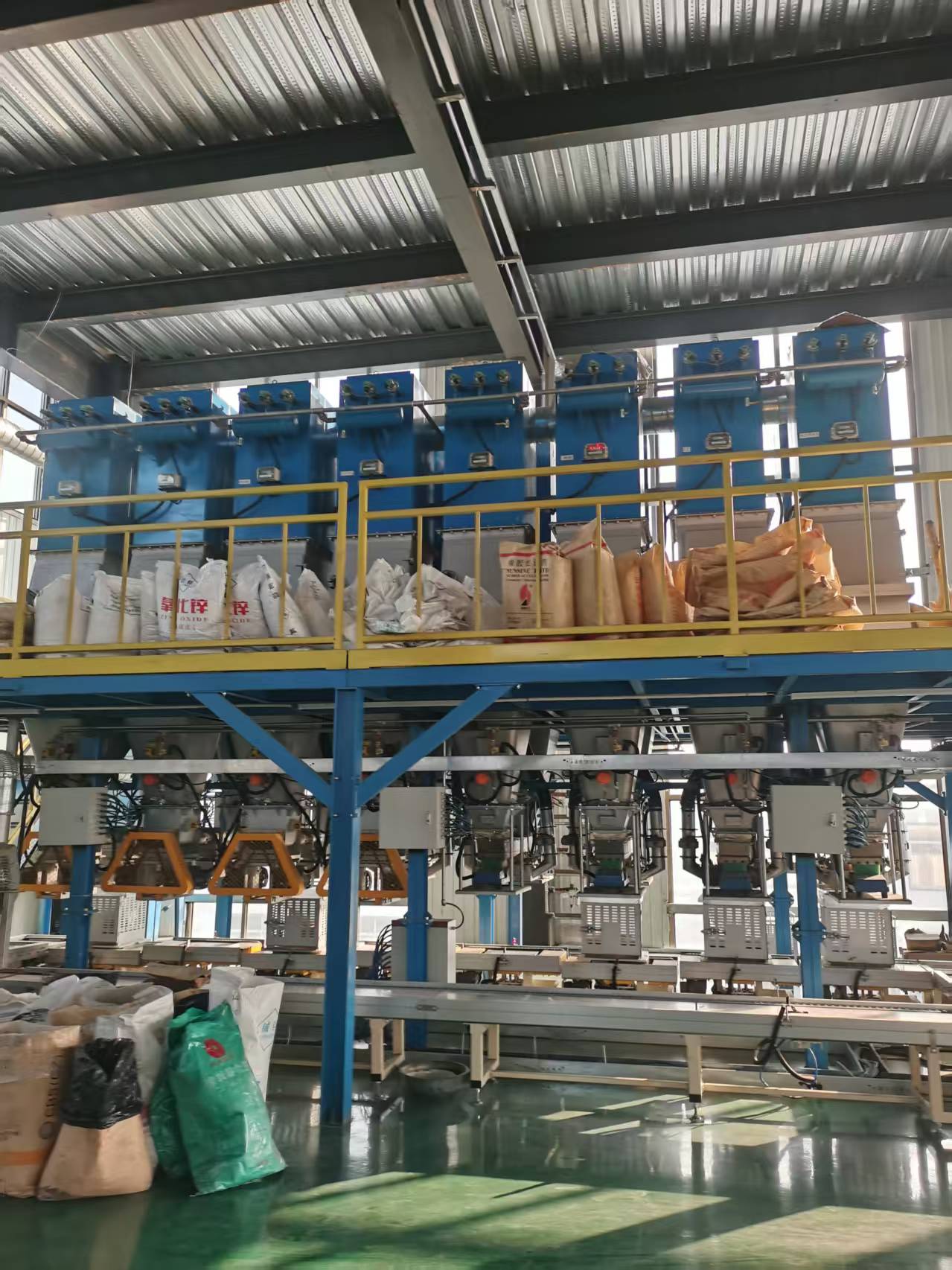
Proportioning Room of Mixing Center
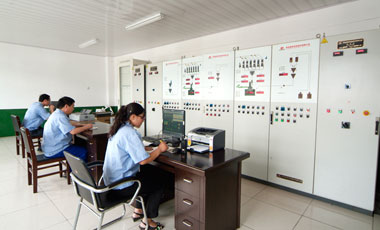
Proportioning Room of Mixing Center

Proportioning System of Mixing Center
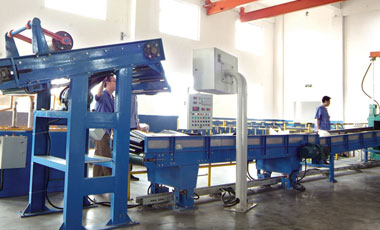
Proportioning System of Mixing Center

Feeding Device

Automatic Feeding Device

Calendering & Shaping Machine
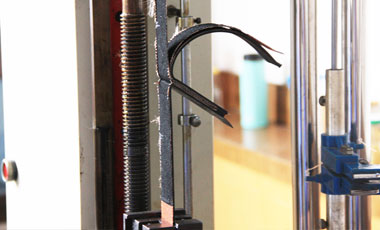
Calendering & Shaping Machine

2. High-Precision Testing & Certification Equipment

Peeling Test

Interply Adhesion Peeling Test

Steel Cord Pull-out Machine

Steel Cord Pull-out Tester

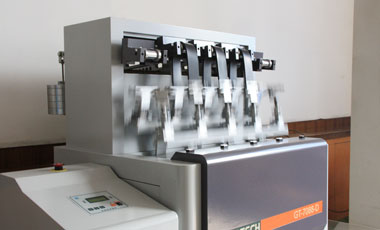
Dynamic Fatigue Tester
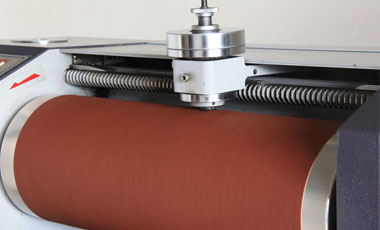
Dynamic Fatigue Tester

Abrasion Tester 1

DIN Rotating Cylindrical Drum Abrasion Tester
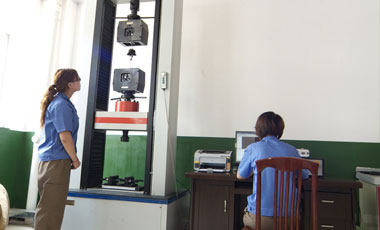
Abrasion Tester 2

Dynamic Wear Abrasion Tester

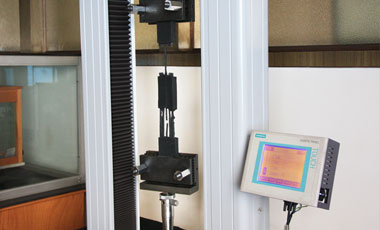
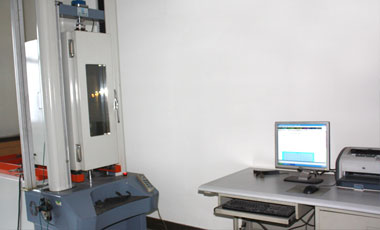
Physical Properties Testing

Physical Tensile & Elongation Testing
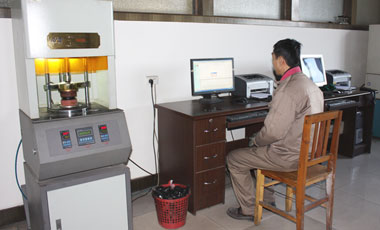
Test

Chemical & Polymer Analysis Station

Industrial Technical Services & Maintenance Standard

Extending belt service life cycle through structured maintenance operations.

Purchasing high-performance belting is only the first step. Proper lifecycle support determines the ultimate operational return on investment (ROI). Boao implements a structured Technical Service & Maintenance SOP designed to eliminate unplanned system down-time:

Operational Splicing & Splicing Kits

Providing customized vulcanization compounds, high-tensile steel cord splice layouts, and hot/cold chemical bonding materials designed to match the specific properties of the main cover compound, ensuring the splice matches 90%+ of the tensile strength of the base belt.

On-Site Inspection & Storage Auditing

Developing specialized warehouse inventory models to prevent UV degradation and humidity deformation during shipping and long-term storage. Our site-inspection framework monitors local factors like idler run-out, misalignments, structural clearance issues, and transition geometries.

Advanced Cover Maintenance Programs

Implementing quick-cure rubber patch formulas and metallic fastener configurations to resolve spot gouges and edge damage before damage propagates to the fabric plies or steel wire ropes. This preventative approach helps save millions in early belt replacements.

Proven Track Record: Heavy Industry Case Studies

Delivering high-durability transport performance across major metallurgical, mining, and cement conglomerates.
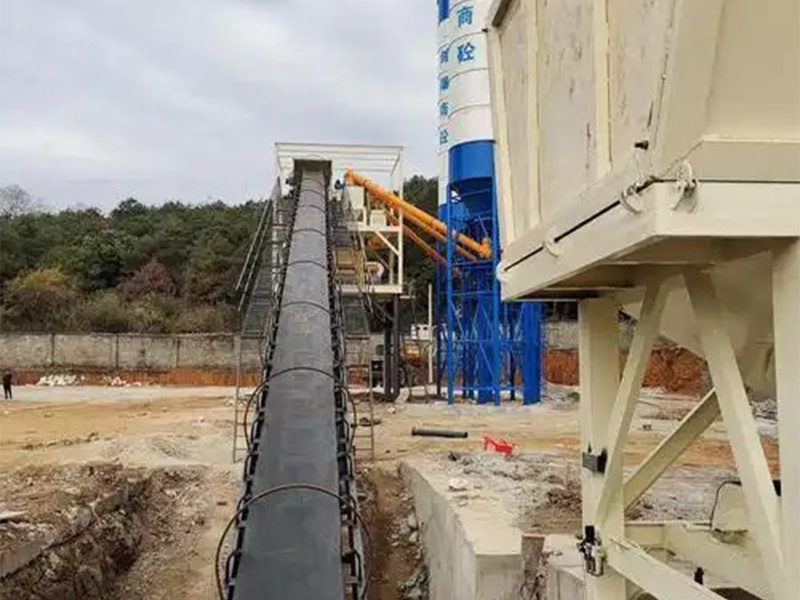
China Railway Group Mixing Plant Case
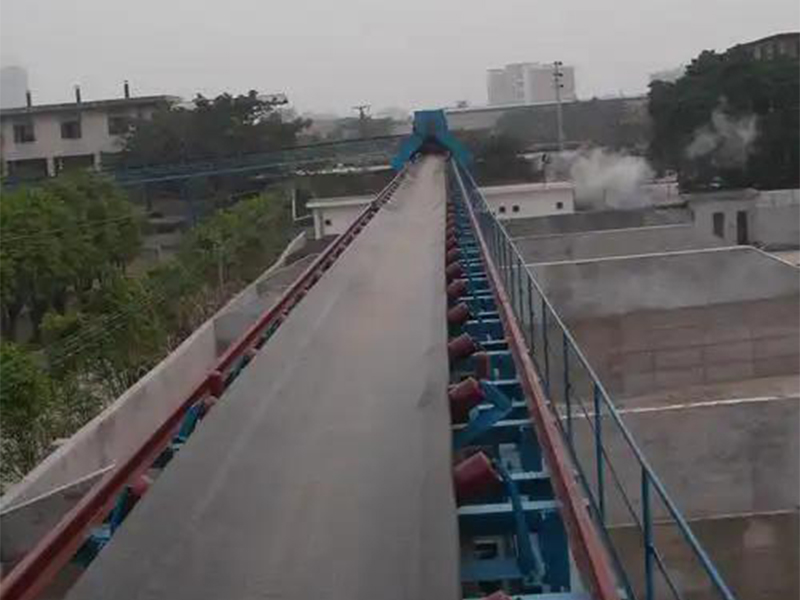
China Railway Group Mixing Plant

Conch Cement Case
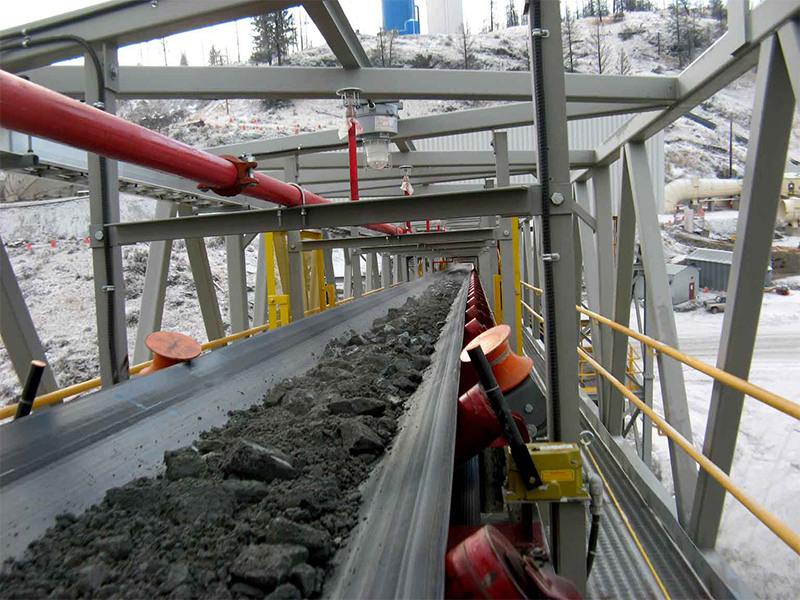
Conch Cement

Datong Coal Group Case

Datong Coal Group

Tsingshan Group Case

Tsingshan Group

Jidong Cement Group Case

Jidong Cement Group

Jinmei Group Coal Conveying Line Case
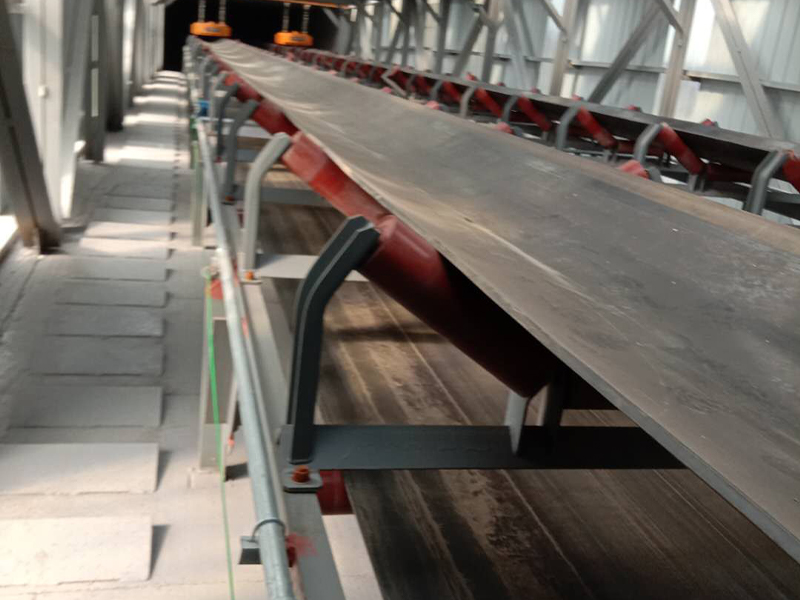
Jinmei Group Coal Conveying Line

Taihang Steel Case
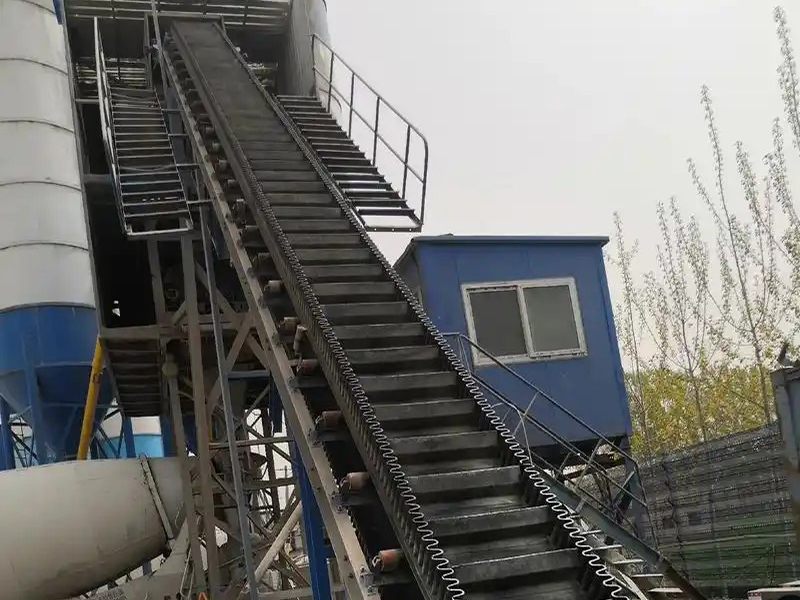
Taihang Steel

Puyang Steel Group Case

Puyang Steel Group

Compliance, Safety Standards, and Technical Future Roadmap

Ensuring compliance with international safety protocols while designing the next generation of conveyor technologies.

1. Global Standards Compliance

Jinao brand conveyor belts undergo independent testing to comply with international regulations and performance certifications. Our production runs match specifications including:
  • Flame Retardancy: MSHA certification, DIN EN 12882, and ISO 340 anti-static/fire-resistant limits for high-risk underground mining operations.
  • Environmental Protection: Certified compliance with REACH and RoHS standards, minimizing toxic plasticizers and dynamic volatile emissions during high-temperature bulk transport.
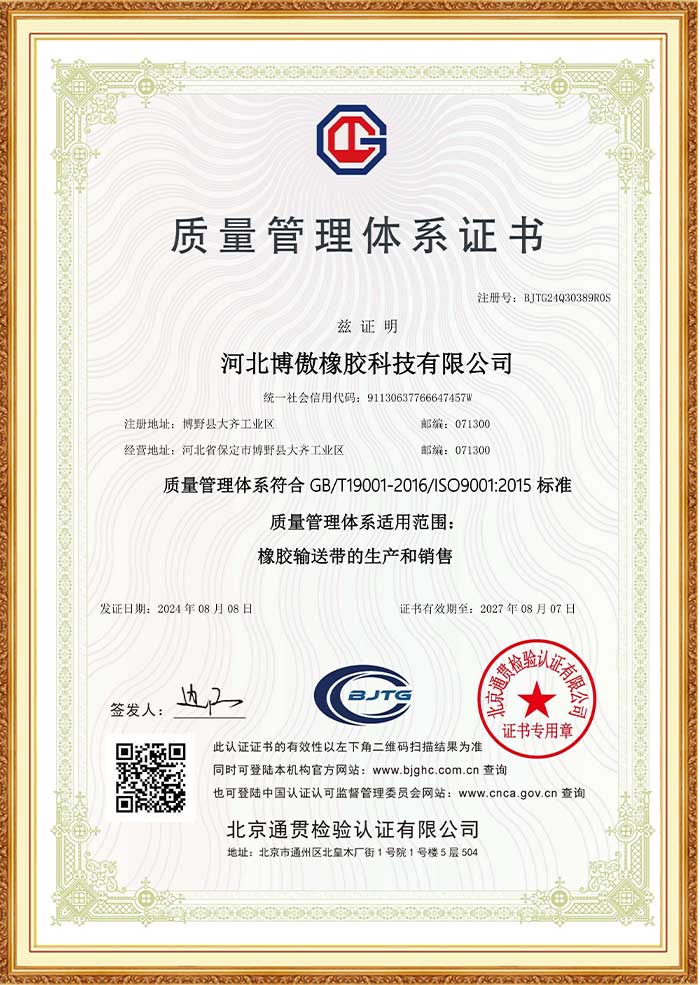
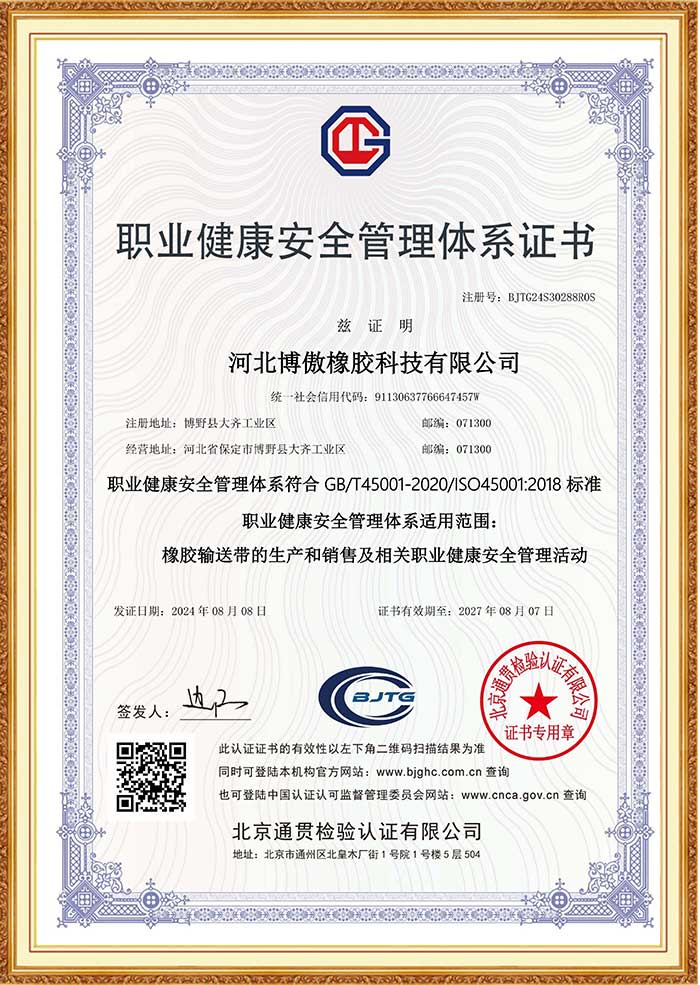
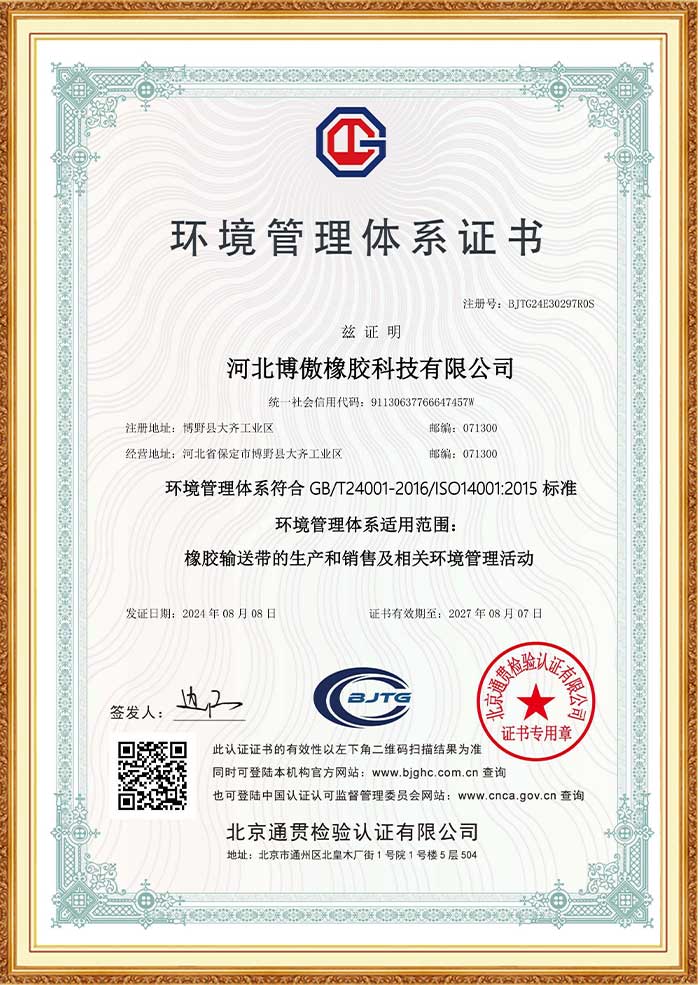
  • Quality Management: ISO 9001 (Quality Control), ISO 14001 (Environmental Preservation), and ISO 45001 (Occupational Health & Safety Systems).
Quality Standard Certificate 1
Quality Standard Certificate 2
Quality Standard Certificate 3
Quality Standard Certificate 4
Quality Standard Certificate 5

2. Technical Engineering Roadmap (2025 - 2030)

In response to global sustainability mandates and smart automation challenges, Hebei Boao Rubber Technology's research roadmap focuses on developing key technological upgrades:

  • Bio-Based Elastomer Development: Replacing petrochemical-derived plasticizers and polymers with renewable botanical sources, targeting a carbon footprint reduction of 30% without sacrificing cover lifetime.
  • Integrated Electromagnetic Rip Protectors: Integrating copper loops at 50-meter intervals inside steel cord belt structures. This pairs with dynamic sensor receivers to halt conveyor machinery in real-time if a foreign steel object punctures the belt core.
  • Ultra-Low Temperature Flex Compounds: Perfecting specialized cold-resistant synthetic blends that maintain flexibility and prevent compound micro-cracking at temperatures down to -55°C, tailored for extreme arctic and sub-zero mining pipelines.

Expert Q&A: Industrial Conveyor Belt Selection & Maintenance

Highly detailed engineering answers to the most common challenges in industrial conveyor operations.

Q1: What are the main differences between EP and NN fabric conveyor belts, and how do you choose?
EP (Polyester-Nylon) belts feature polyester warp cords and nylon weft cords. This design delivers low stretch, minimal tension adjustment travel, and excellent moisture resistance. NN (Nylon-Nylon) belts utilize nylon cords in both warp and weft directions, providing high elasticity, superior impact resistance, and exceptional flex life. Choose EP for long-distance conveyors where low stretch is critical. Select NN for short-to-medium systems with high impact zones and small pulley diameters.
Q2: How do you select the correct cover compound rating (DIN X, Y, W) for highly abrasive materials?
Selection depends on material abrasiveness and particle size:
  • DIN X (Abrasion < 120 mm³): Ideal for heavy, sharp, cutting materials like granite, run-of-mine ore, and metallic slags. It offers high resistance to cutting and tearing.
  • DIN Y (Abrasion < 150 mm³): The standard for general applications handling coal, sand, limestone, and moderately abrasive grain.
  • DIN W (Abrasion < 90 mm³): Specifically designed for highly abrasive, fine, or dry substances like sinter, alumina, coke, and slag dust. It maximizes resistance to sliding wear.
Q3: What causes ply delamination in heavy-duty conveyor belts, and how can it be prevented?
Ply delamination is typically caused by insufficient rubber-to-fabric adhesion, chemical attack from acids or oils, extreme flexing around undersized pulleys, or moisture ingress through cut edges. It can be prevented by specifying high interlaminar adhesion ratings (>4.5 N/mm), choosing dedicated oil/acid-resistant cover compounds when handling contaminated materials, and maintaining recommended pulley diameters to reduce bending strain.
Q4: What is the optimal storage protocol to maximize the shelf life of unused conveyor belts?
To prevent premature aging, store conveyor belts in a cool, dry, dark, well-ventilated indoor warehouse. Keep them off the ground on heavy-duty racks or pallets, away from direct sunlight (UV exposure), ozone-generating electrical motors, and temperatures exceeding 40°C. Protect the rolls with heavy plastic wrapping to keep out moisture and dust, and store them vertically (resting on the edges of the roll rather than flat) to prevent distortion of the belt profile.
Q5: Why is splice planning critical for steel wire rope core conveyor belts?
Steel cord belts rely entirely on the surrounding rubber matrix to transfer load between wire ropes at the splice. Splice planning is crucial because any deviation in cord alignment, cable spacing, rubber density, or vulcanization temperature can cause the splice to fail, leading to catastrophic belt slippage and system downtime. We supply customized splice kits with pre-shaped filler rubber and matched vulcanizing cements, along with detailed stepping charts to ensure long-term joint integrity.

Get a Customized Engineering Quote for Your Conveyor Project

Whether you require heat-resistant compounds for hot clinker transport, rip-stop steel cord belts for heavy metal ores, or specialized chemical-resistant setups, our engineering department will formulate a solution matching your exact mechanical layout.

Inquiry Now & Request Technical Support