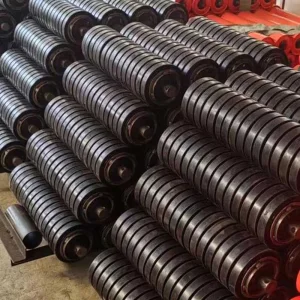
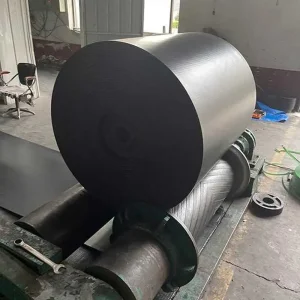
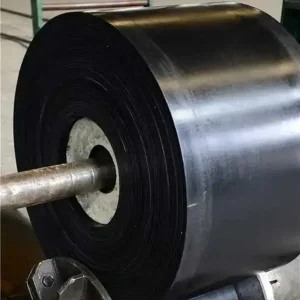
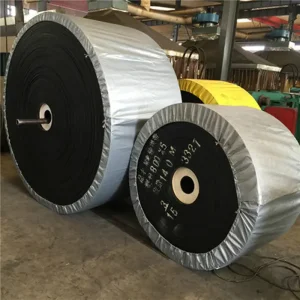
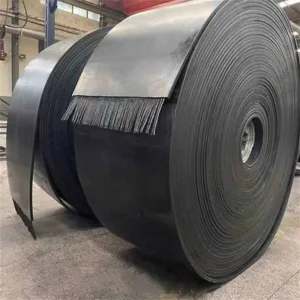
Explore our industrial grade conveyor components engineered for high durability, structural integrity, and optimized performance in extreme conveying environments.
Unlocking vertical bulk transport potentials across global heavy infrastructure, deep mining, and materials management systems.
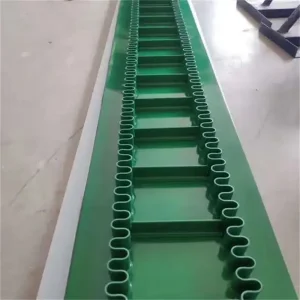
In modern bulk materials handling, footprint reduction and high-inclination transit have transitioned from niche requirements to core engineering imperatives. Traditional troughed conveyor belts are constrained by mechanical slip limits, which restrict elevation inclinations to a maximum range of 15° to 22°. Beyond these angles, gravitational pullback causes materials to roll back, resulting in dangerous spillages, component wear, and lost throughput. Corrugated Sidewall Conveyor Belts solve this constraint by enabling efficient bulk transport at angles ranging from 30° up to vertical 90° transitions.
Globally, industrial trends indicate a substantial rise in vertical conveyor systems due to urbanization and space constraints. Heavy processing plants, maritime terminals, coal-fired power plants, and underground mining chambers cannot afford the spatial footprint of long, shallow-inclined conveyor tunnels. Integrating corrugated sidewalls with structural transverse cleats allows factories to utilize highly space-efficient, steep-angle configurations. By reducing the overall transfer points and eliminate intermediate structural supports, industrial projects save up to 60% of structural costs while significantly minimizing dust emission zones.
According to current market intelligence, high-angle conveying solutions are experiencing growing demand in international projects, specifically across Latin America, Southeast Asia, Australia, and Africa. As environmental regulations become more stringent, closed, steep-incline systems are replacing open, dust-prone bulk transit corridors. This shift drives high requirements for rubber durability, cross-rigid tension layers, and vulcanization performance, positioning certified Chinese manufacturers as key strategic suppliers in the global supply chain.
Understand the component-level structural design that enables high-capacity vertical lifting without transverse deflection.
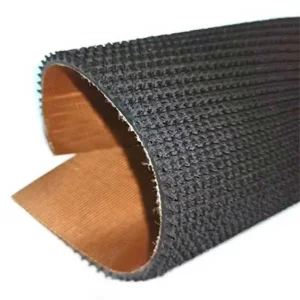
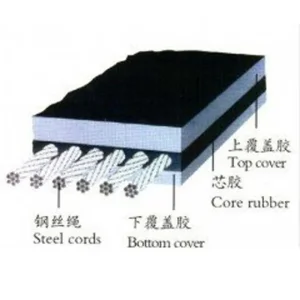
The foundation of any sidewall belt is its base carcass. Unlike traditional flexible conveyor belts, vertical transport requires extreme transverse rigidity to prevent sagging at return idlers, combined with longitudinal flexibility for drum wrapping. Hebei Boao utilizes multi-ply EP/NN fabrics or high-tension steel cord reinforced with transverse stiffening layers (XE-types) to ensure zero deflection under peak loads.
The corrugated rubber walls are hot-vulcanized directly onto the base belt margins. Available in heights ranging from 40mm to 630mm, they flex around the conveyor drums without structural cracking. Fabric-reinforced corrugated configurations (S-type and W-type) are integrated into high-load systems to resist outward pressure from heavy minerals and aggregates.
Cleats act as individual pockets to carry material securely up the incline. We engineer customized profiles—including T (straight), C (curved), and TC (high-angle heavy-duty) profiles. In high-density settings, cleats are bolted or hot-vulcanized directly to the corrugated wall, creating a fully sealed pocket structure that prevents fine-particle back-slippage.
Engineered up to 2500 N/mm for fabric belts, and up to 5000 N/mm for steel-cord reinforced systems.
Optimized using bulk-material dynamics software to match specific density, moisture, and particle size.
Exclusive vulcanization compounds deliver peel strengths exceeding 12 N/mm, preventing premature failure.
Configurable for continuous transit transitions from horizontal, steep-incline, up to 90° pure vertical configurations.
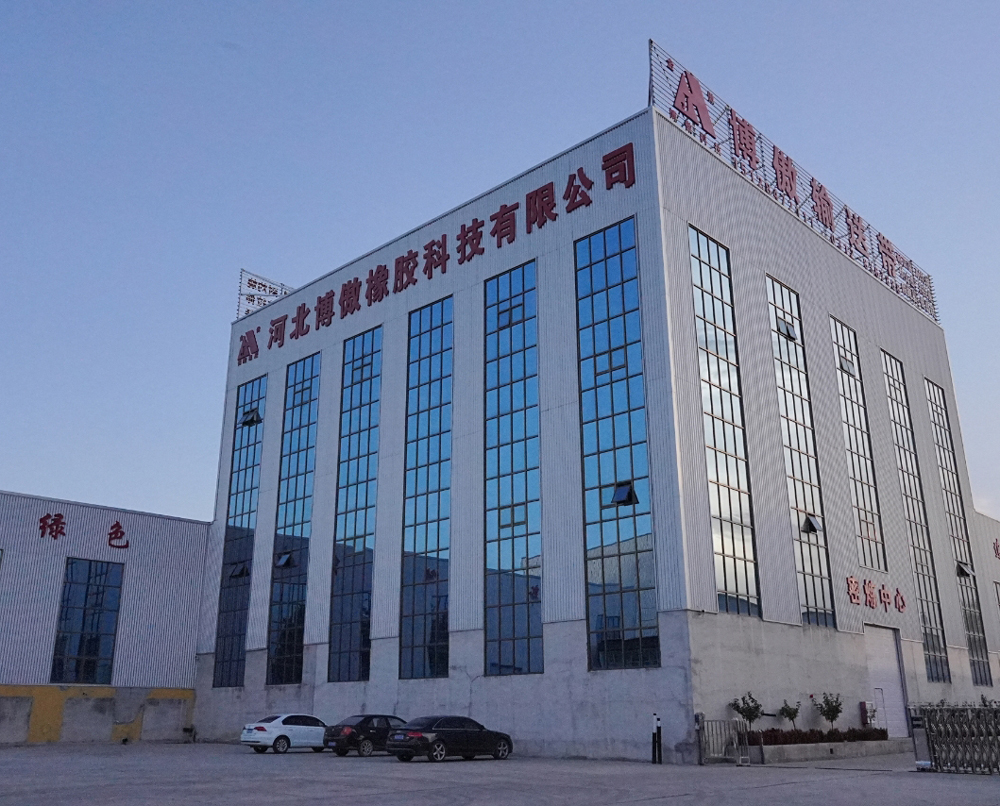
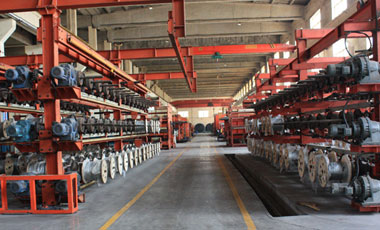
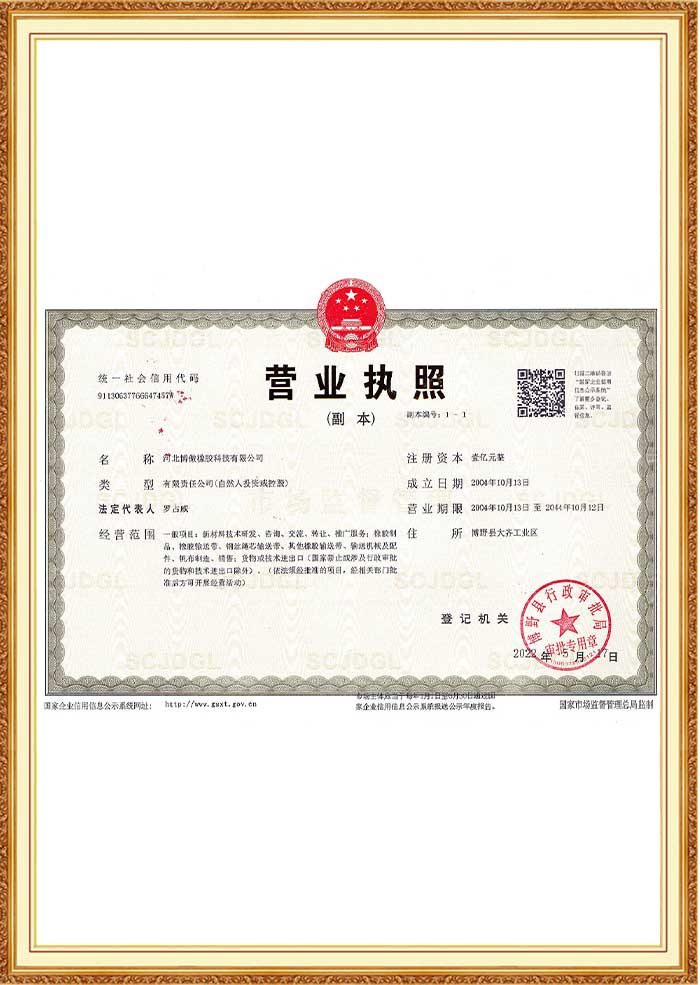
Established in 2004 and situated in the boye Industrial Zone, Baoding, Hebei, China, Hebei Boao Rubber has spent over 22 years building high-performance bulk handling solutions. Operating across a facility spanning over 30 acres, we deliver complete R&D, custom mechanical design, dynamic testing, and volume fabrication under our flagship "Jinao" brand.
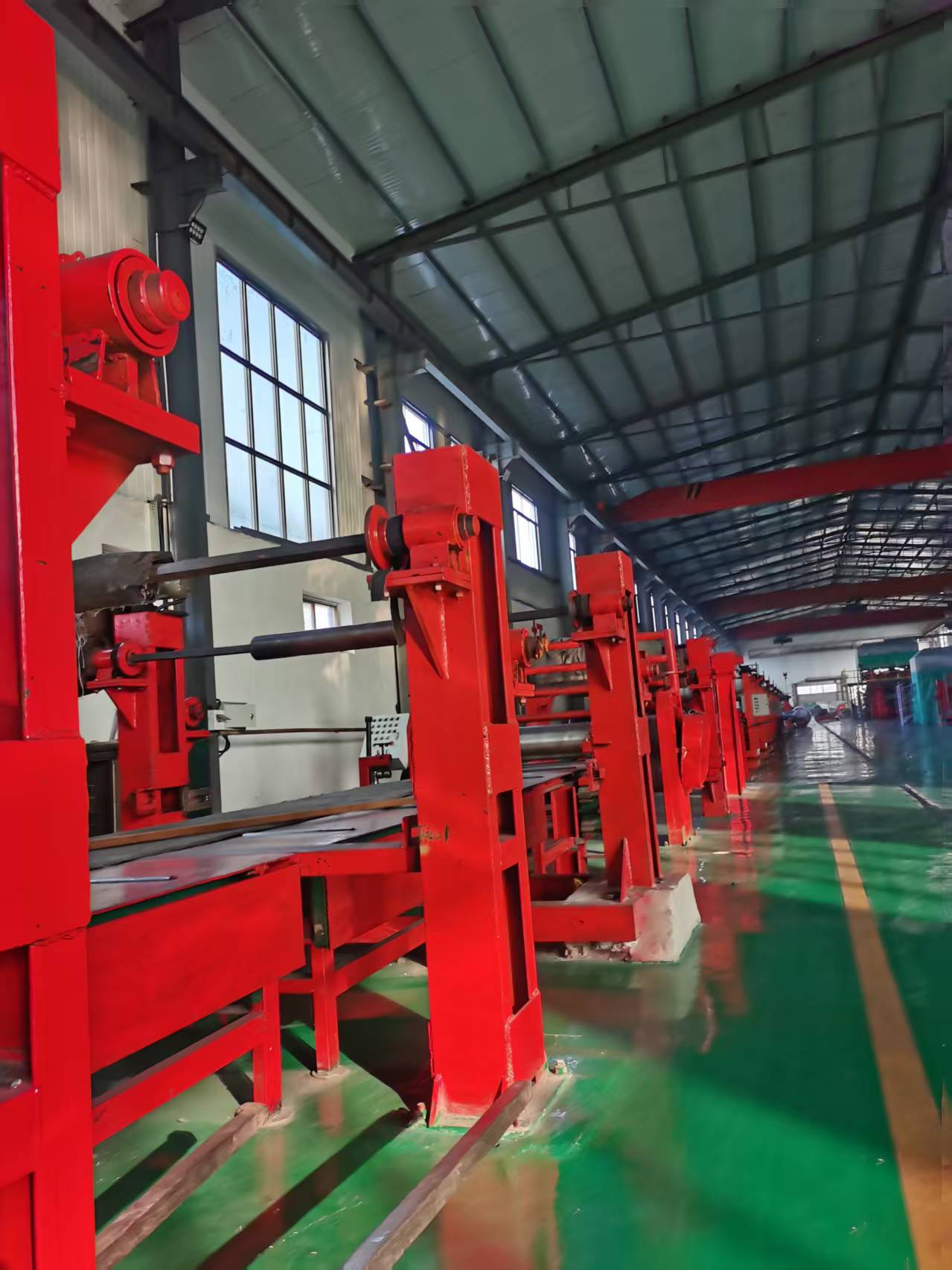
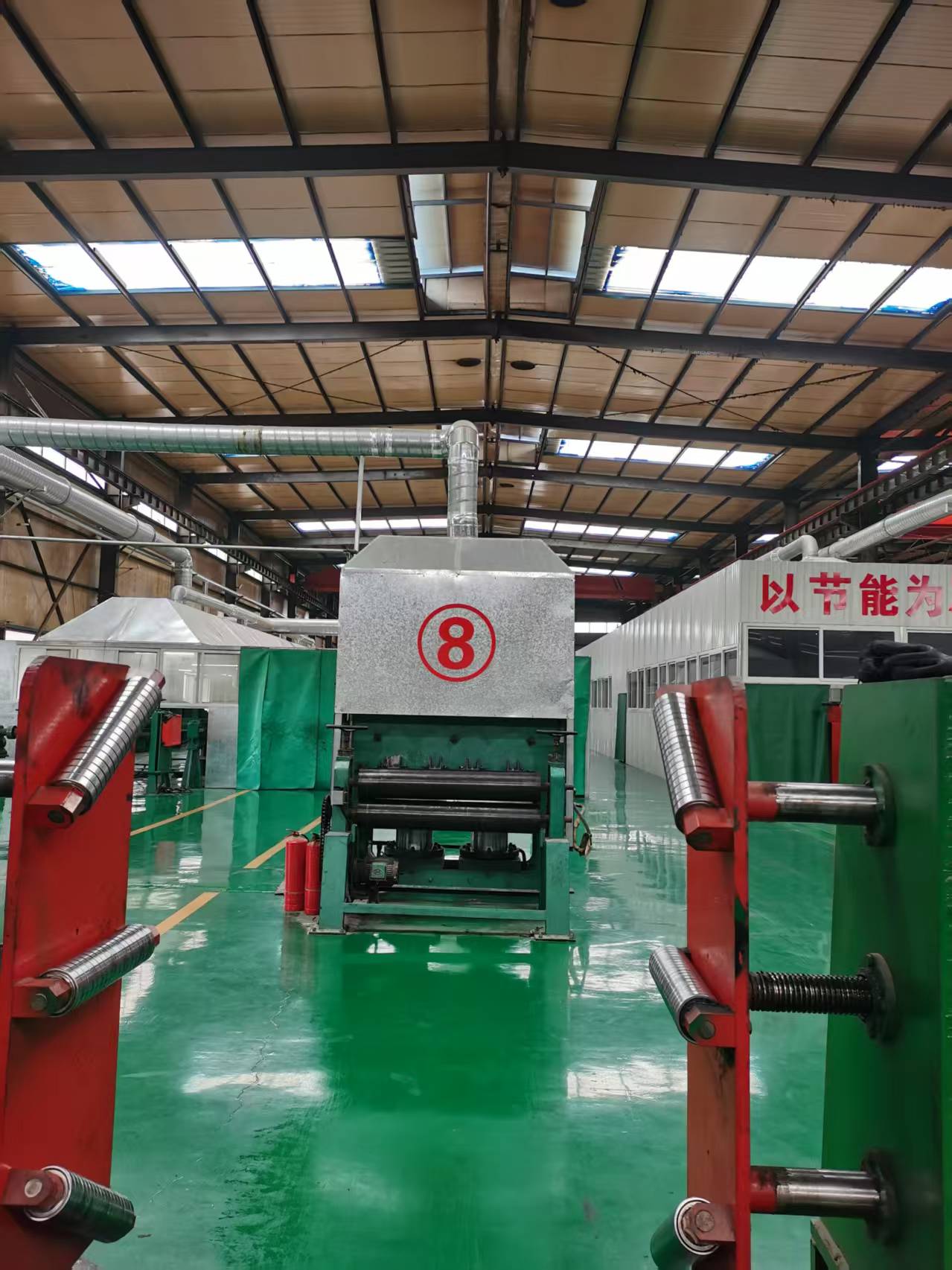
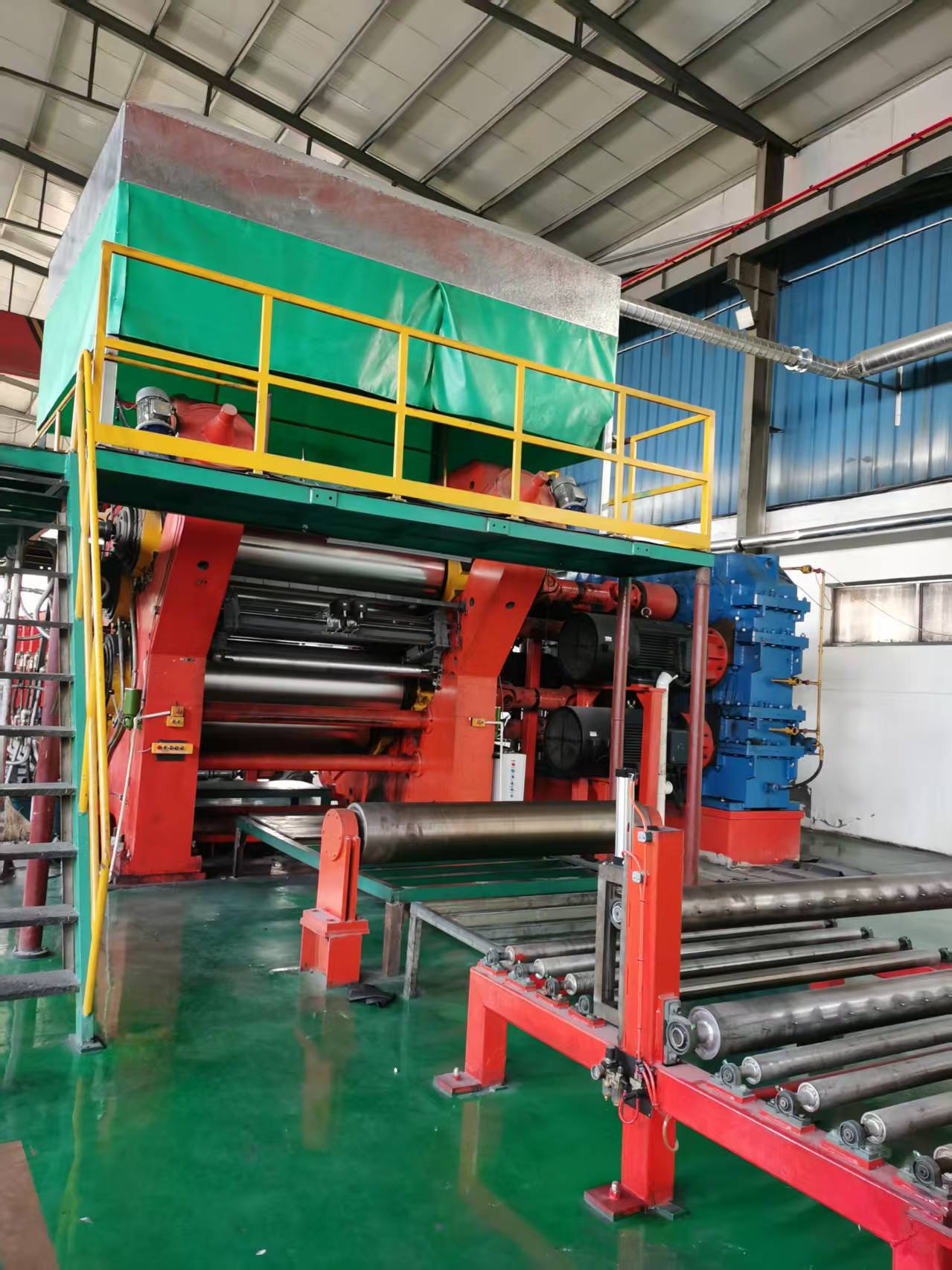
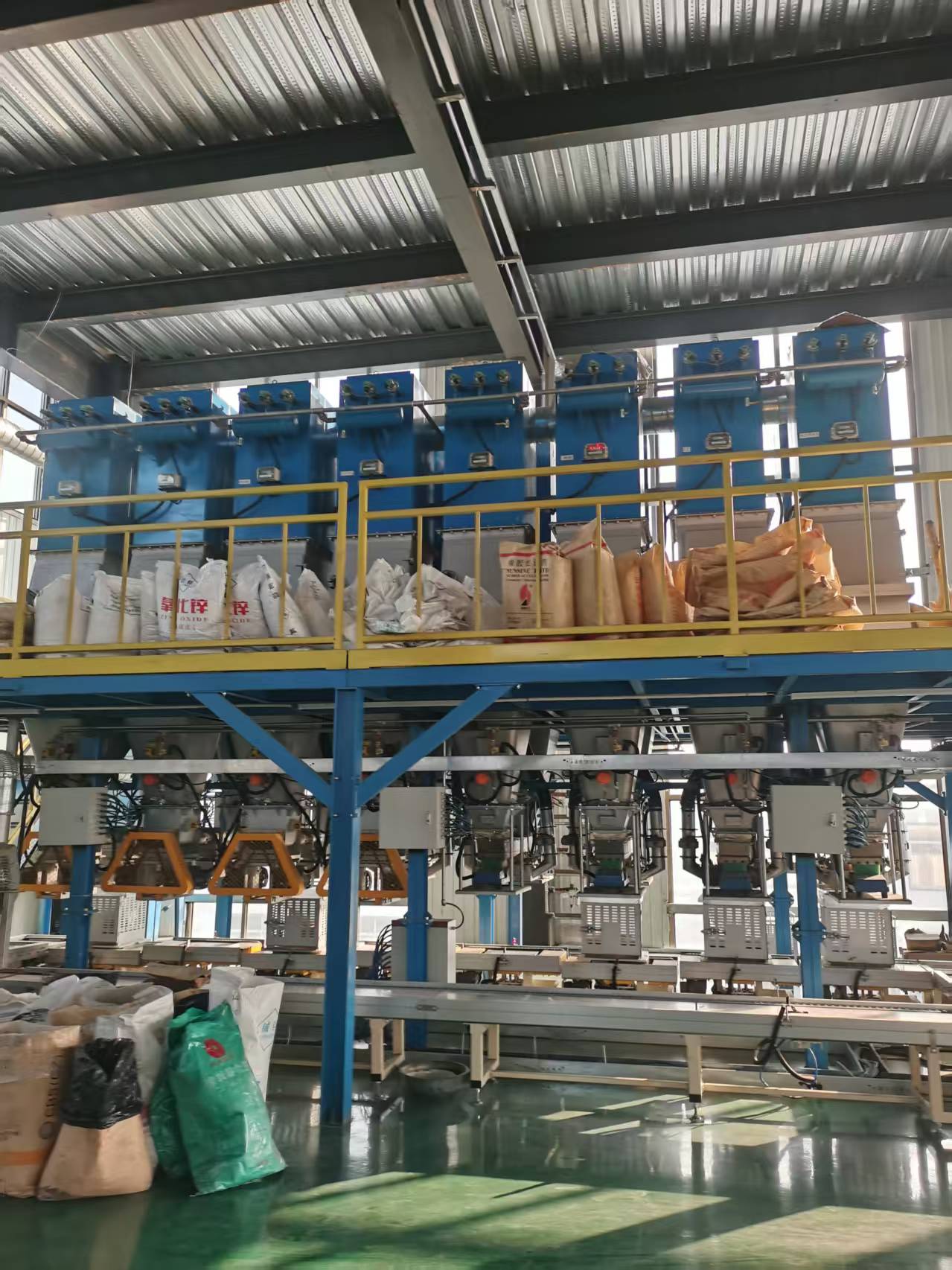
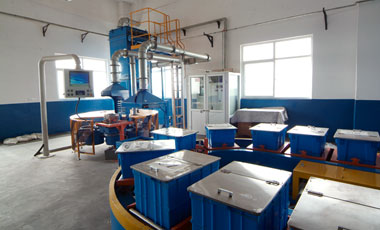
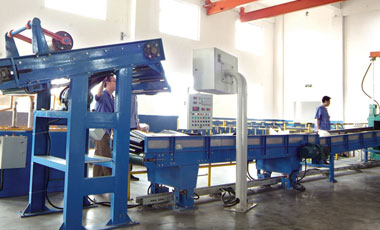
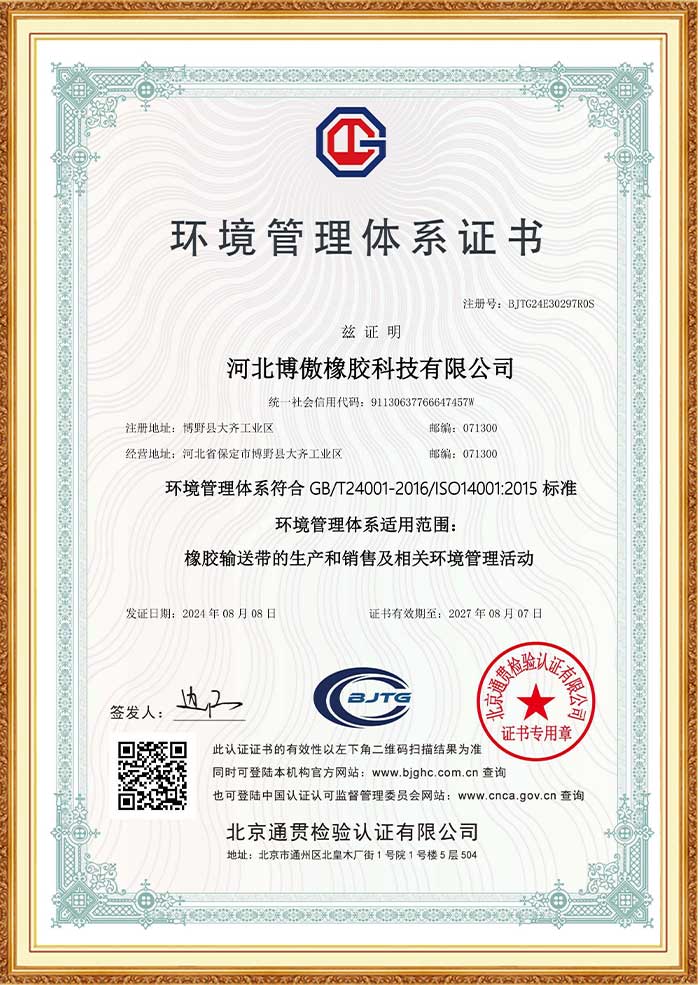
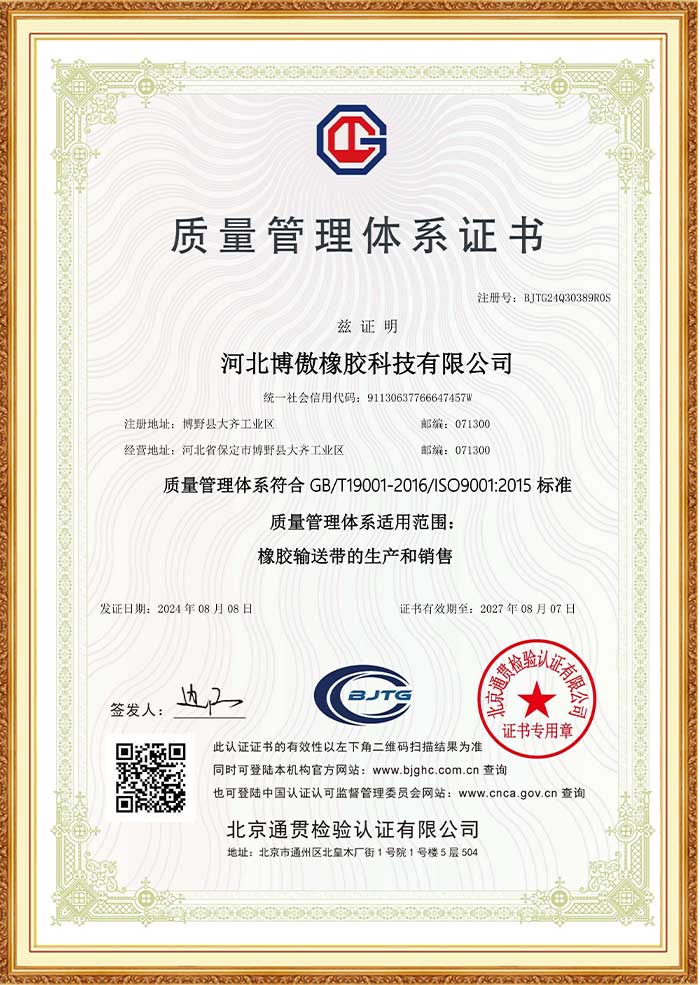
Our vertically integrated facility controls the entire production cycle. Raw materials are mixed in our automated compounding center, rolled through multi-cylinder calendering machinery, and vulcanized under high pressure to ensure reliable performance. We are certified under ISO9001, ISO14001, and ISO45001, allowing us to supply large-scale infrastructure projects across mining, cement plants, steel mills, and maritime shipping networks.
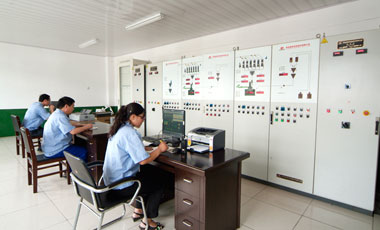
E-E-A-T Verified: Strict laboratory monitoring and machinery control systems ensure zero compromised belts reach the field.
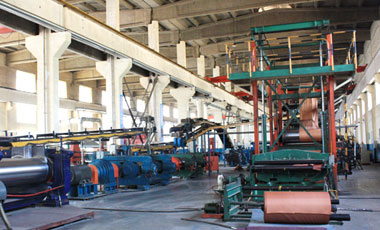
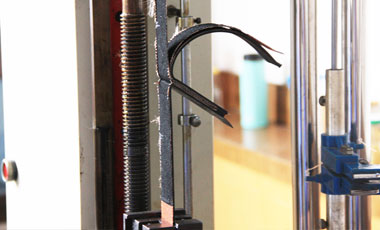
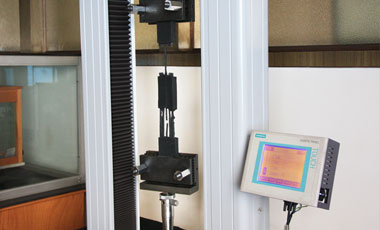
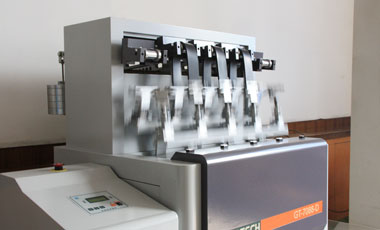
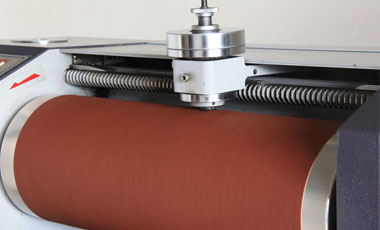
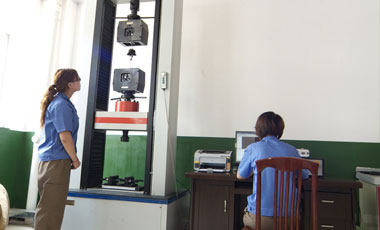
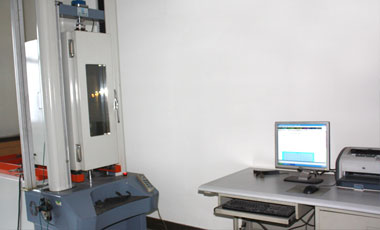
How we solve high-capacity material vertical transportation challenges across various complex industrial ecosystems.
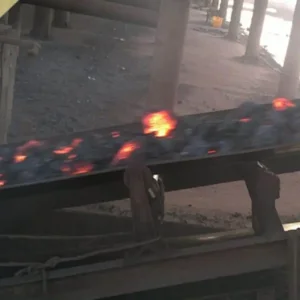
Moving highly abrasive clinker, raw meal, limestone, and hot materials between crushing units and silos. We utilize high-temperature rubber compounds that withstand continuous exposure up to 200°C without sidewall embrittlement.
Our flame-retardant, high-strength sidewall belts feed iron ore and coke into vertical smelting towers. This design avoids the wide ground footprint required by traditional horizontal conveyors, saving critical plant real estate.
Vertical shaft transport requires high tensile strength and flame-retardant safety approvals. Boao's fabric and steel cord core sidewall belts reliably transport minerals from underground caverns directly to surface processing facilities.
Steep angle transit systems speed up ship loader and unloader logistics. Moving grain, fertilizer, or coal directly to harbor warehouse networks without high dust exposure keeps modern ports running efficiently.
Get a complete technical proposal tailored to your specific angle, bandwidth, and material characteristics. Our engineering team assists with CAD layouts, belt tension analysis, and profile selections to optimize performance.
Our solutions conform to international mining and manufacturing standards, trusted by large-scale enterprise partners globally.
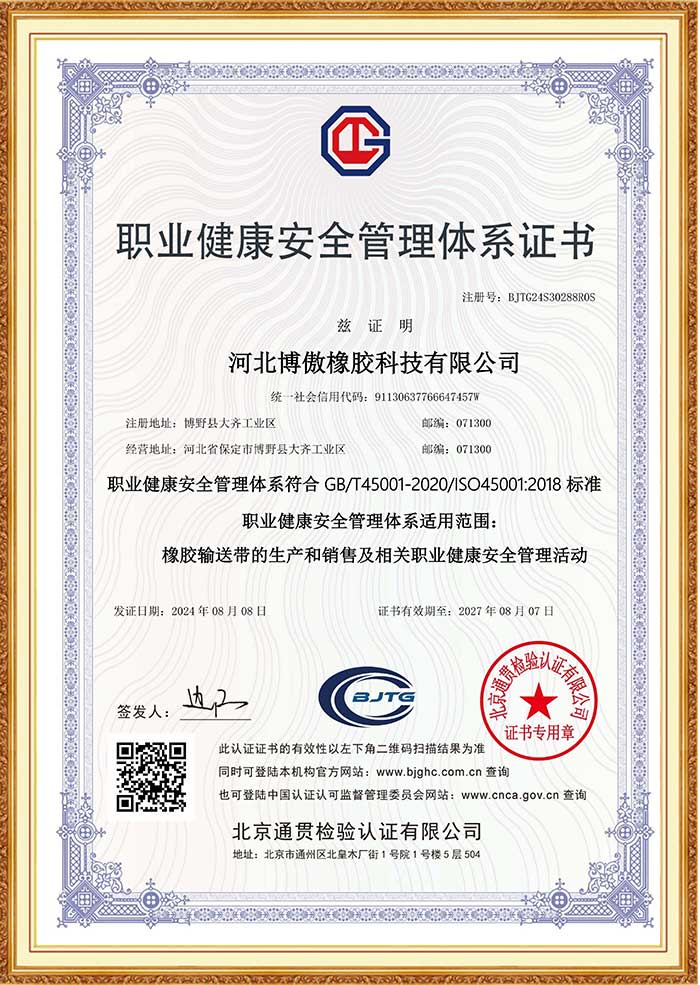
How research in polymer chemistry and digital telemetry is shaping the next generation of steep-incline transport systems.
The next decade of vertical conveyor belt design focuses on energy efficiency and wear prevention. At Boao, our technology roadmap prioritizes key areas:
Direct answers from our engineering desk regarding installation, wear analysis, and mechanical optimization.
Complete your handling system with our range of high-performance belts, rollers, brackets, and accessories.
 Boao Rubber