Engineered to match strict operational parameters, our replacement belts guarantee minimal downtime and maximum longevity in extreme industrial environments.
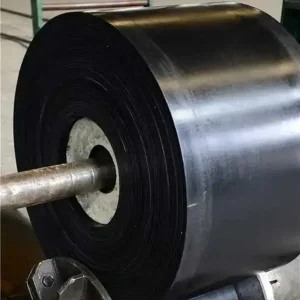
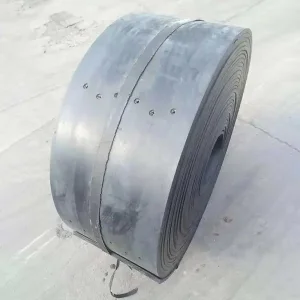
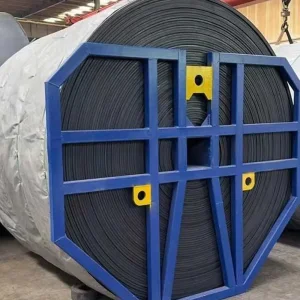
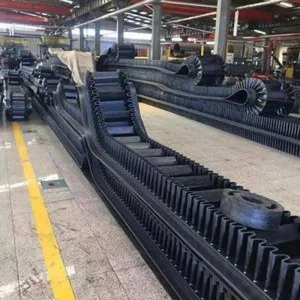
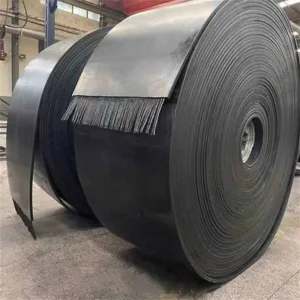
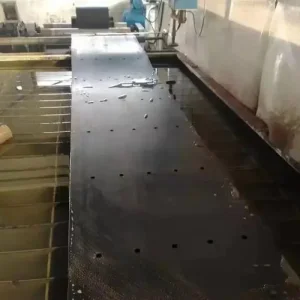
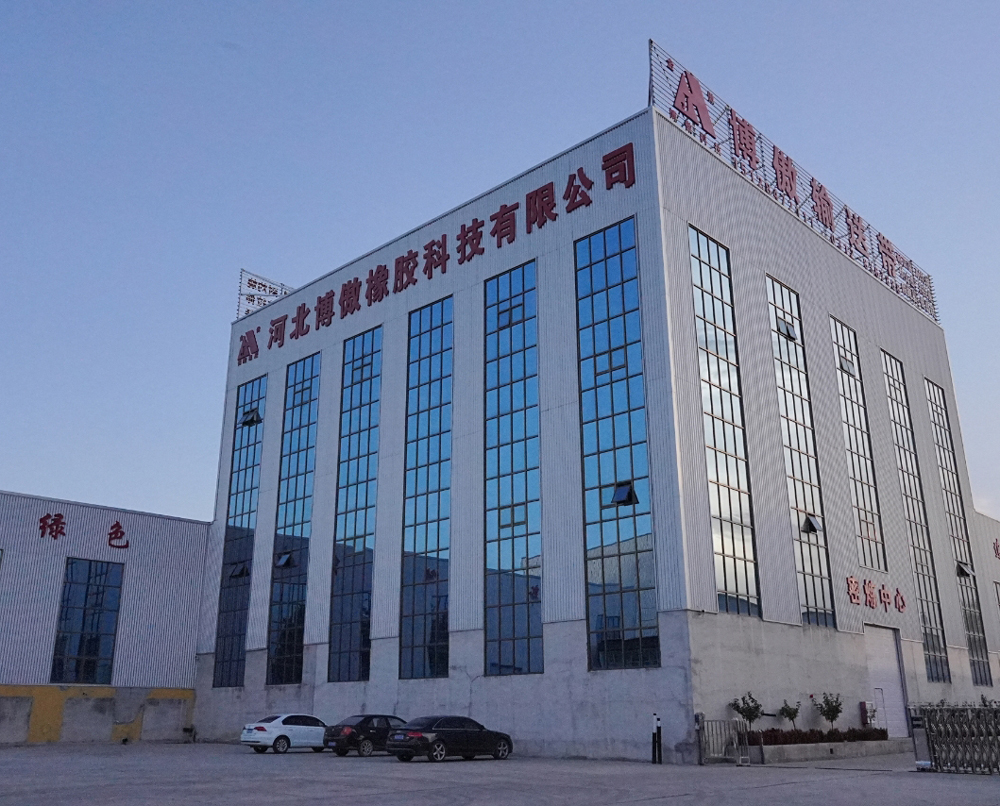
Founded in 2004, and spanning over 30 acres in the Boye County Rubber Industrial Park (Baoding, Hebei, China), Hebei Boao Rubber Technology Co., Ltd. is a global hub for high-performance replacement rubber conveyor belts under the registered brand "Jinao".
We are a state-certified high-tech enterprise that integrates engineering design, raw material testing, advanced mixing systems, curing technologies, and globally compliant logistics support. Over the past 22 years, our specialized research laboratory has formulated rubber compounds capable of operating from -50°C up to +300°C, and resisting the harshest chemical exposures.
Heavy industries cannot afford conveyor failures. Learn how modern supply managers evaluate and mitigate risks when sourcing replacement belts from China.
Iron ore mining and cement quarries expose belts to jagged material falls exceeding 2000 meters/minute. We configure cover rubber formulas with high tensile strength (up to 24 MPa) and superior abrasion resistance (< 90mm³) to absorb sudden mechanical shocks without cover splitting.
Power stations, coke ovens, and chemical fertilizer plants require replacement rubber belts to withstand continuous temperatures of 150°C-200°C and spikes up to 300°C. Standard rubber loses its elastic memory under these parameters, making specialized synthetic blends (EPDM/NBR) essential.
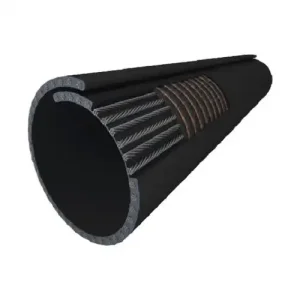
Modern regulatory environments demand eco-friendly bulk transport. Our replacement tubular (pipe) conveyor belts form a sealed circular cross-section that prevents fugitive dust emissions, protects volatile dry materials from rain, and traverses steep, complex horizontal or vertical curves.
A rigorous breakdown of the structural reinforcers, rubber compounds, and mechanical parameters utilized in our manufacturing process.
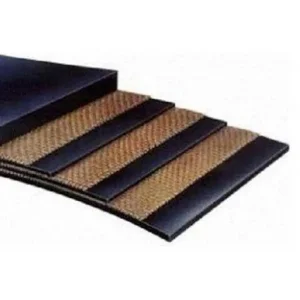
Polyester-Nylon (EP) is our primary recommendation for medium to long-distance applications. It offers low longitudinal elongation, high dimensional stability, and excellent resistance to dampness or moisture rot. Nylon-Nylon (NN) provides superior flexibility for deep trough angles and outstanding impact resistance, making it ideal for high-capacity aggregate handling.
For high-tension long-distance transport networks, our steel cord conveyor belts are built with zinc-galvanized high-carbon steel wires embedded in cohesive core rubber. This construction minimizes splice creep and is backed by in-house steel pull-out resistance tests, ensuring structural stability under high tension load parameters.
Our formulation engineers control compound ratios via computerized feeding systems to meet DIN (X, Y, W, Z), RMA (Grade I, II), and ISO standards. We test each batch for abrasion loss, ozone cracking, chemical swelling, and flame retardancy to maintain consistent, reliable performance.
We enforce a strict quality policy: raw materials must undergo complete physical testing before entering the production line, and finished belts must pass final QA inspection before dispatch.
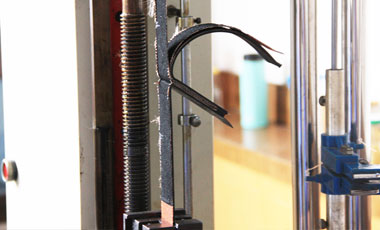
Peeling Adhesion Tester
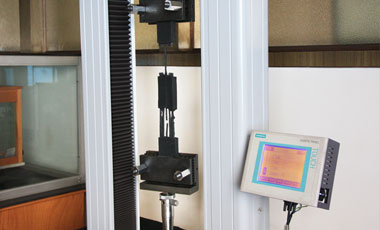
Steel Cord Pull-out Tester
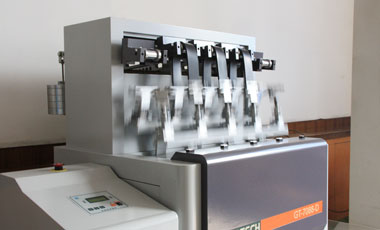
Dynamic Fatigue Testing System
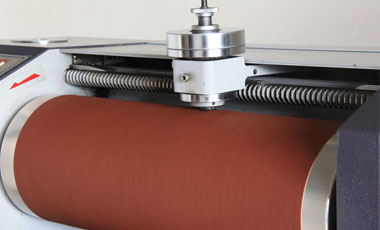
DIN Abrasion Tester
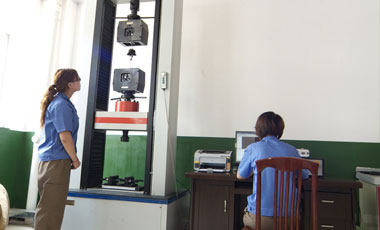
Abrasion Resistance Verification
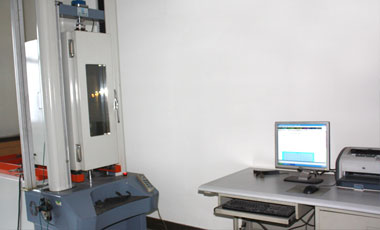
Elastomer Tensile & Elongation Testing
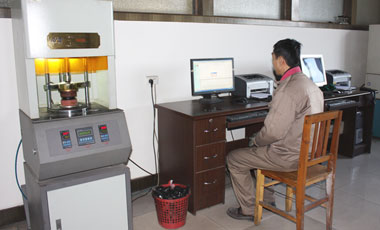
Curing Curve Rheometer Test
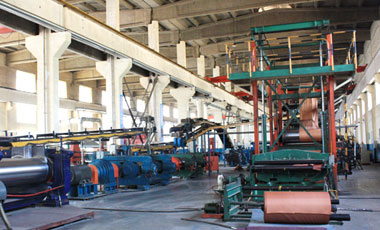
Calendering & Shaping Control System
Discover how we partner with leading industrial conglomerates to engineer customized conveying systems for their material handling operations.
Supplying abrasion-resistant, high-temperature replacement belts for iron ore feeding and sinter transport systems, with proven case performance at Tsingshan Group, Taihang Steel, and Puyang Steel Group.
Providing underground flame retardant rubber conveyor belts that meet global safety standards (MSHA, AS, DIN), keeping production running safely at Datong Coal Group, Zijin Mining, and Jinmei Group.
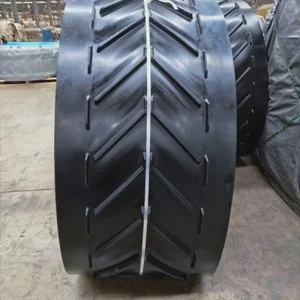
Designing heat-resistant, high-strength vertical elevator and patterned chevron belts to transport clinker and sand at steep angles for Conch Cement and Jidong Cement Group.
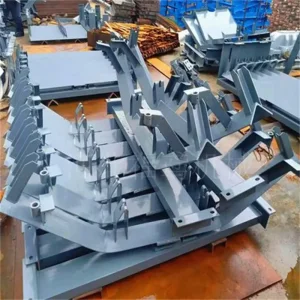
Distributing robust, general-purpose EP belts and impact idler brackets to keep heavy concrete batching plants operating reliably under continuous load cycles for China Railway Group Mixing Plant.
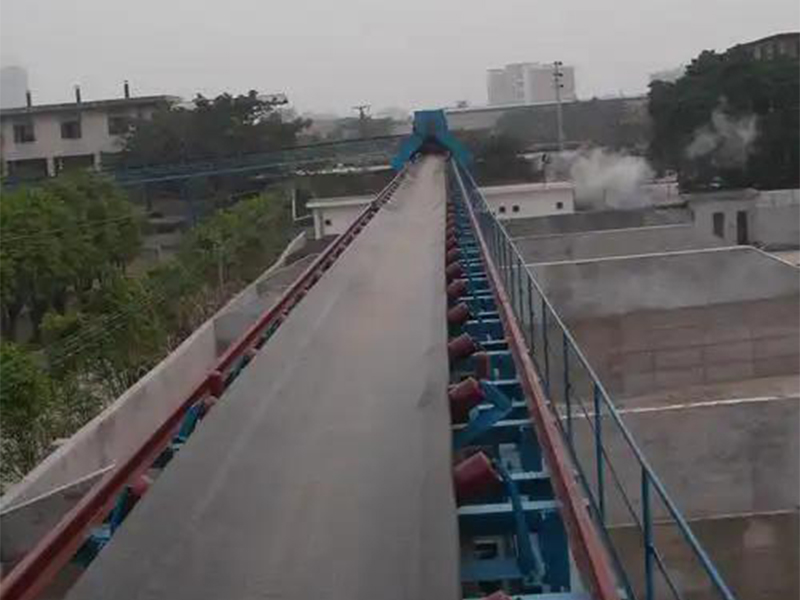
At Hebei Boao Rubber Technology Co., Ltd., we do more than just supply high-quality replacement rubber belts. We work closely with our partners to provide engineered maintenance frameworks that extend the operating life of their conveyor systems.
Our Jinao brand rubber belts are engineered, tested, and certified to meet the demanding requirements of global quality standards.
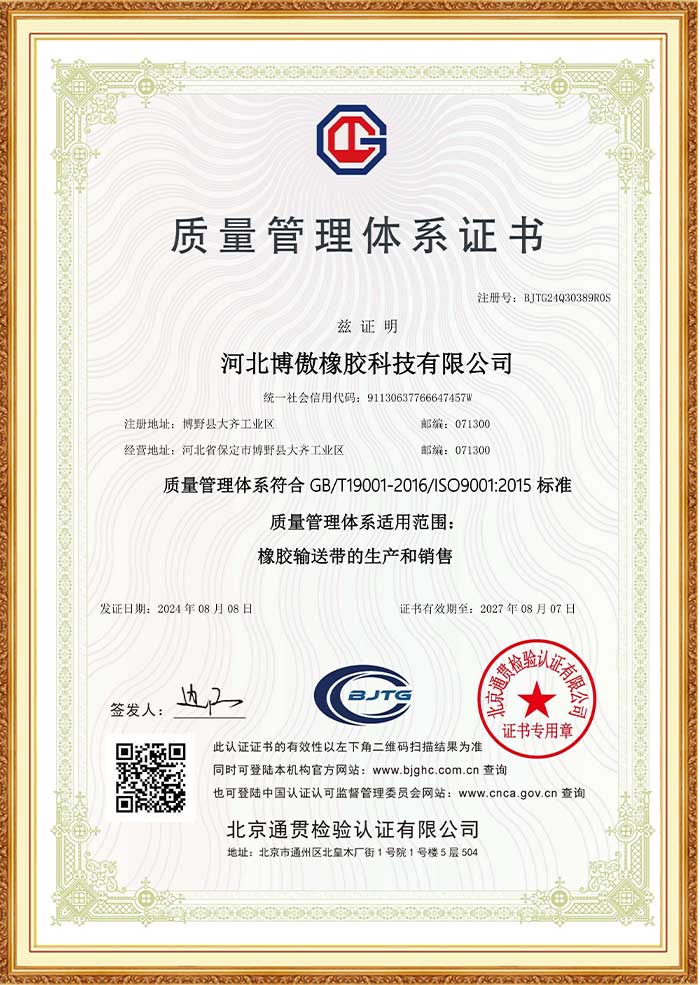
ISO9001 System Registration
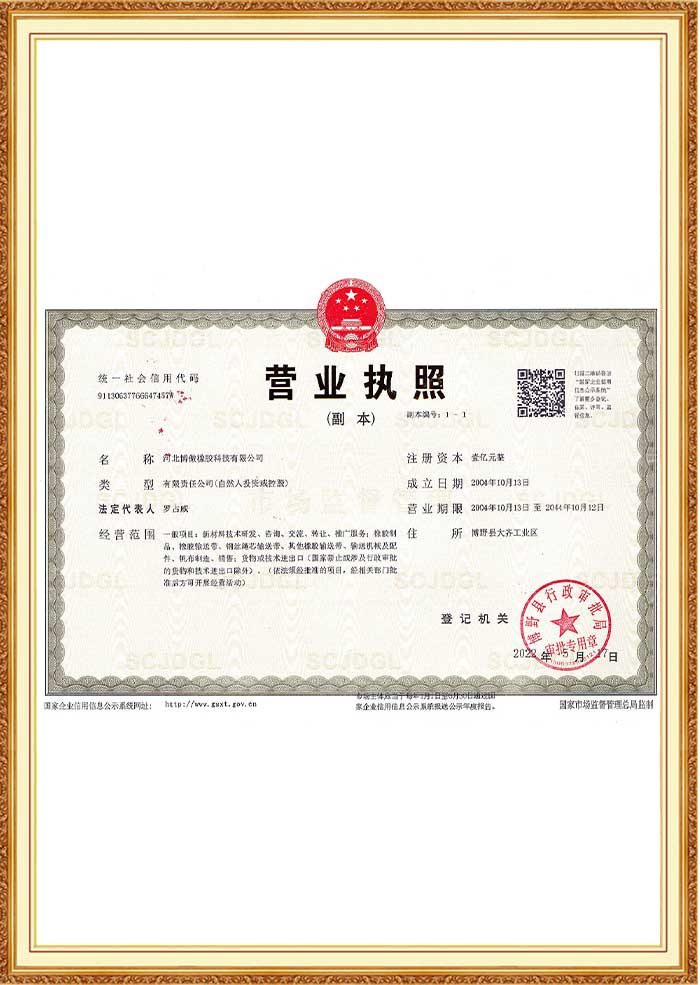
ISO14001 Environmental Audit
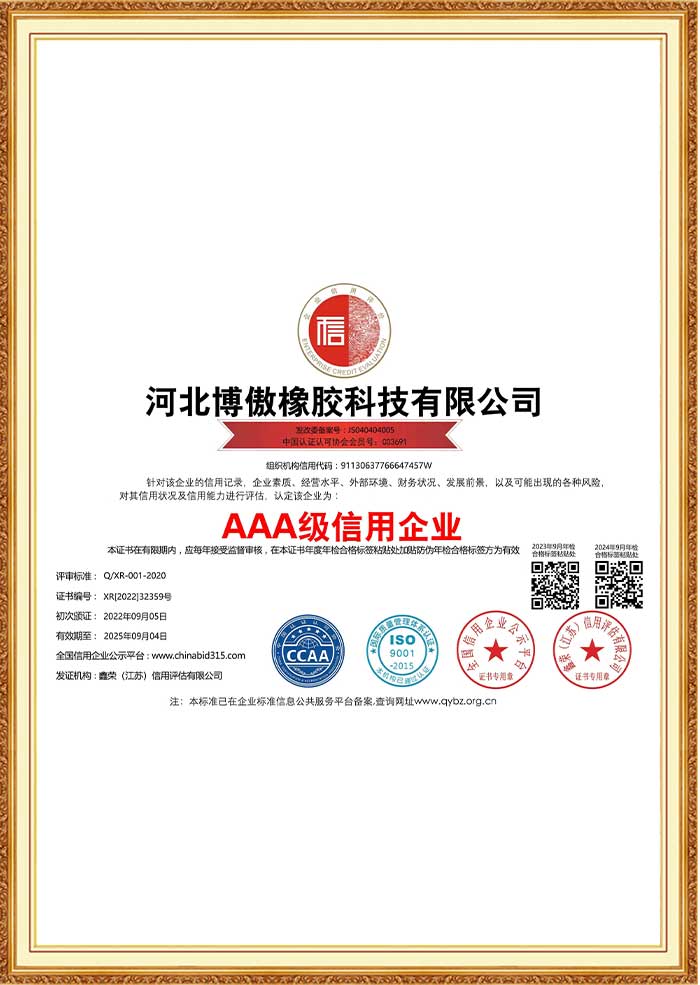
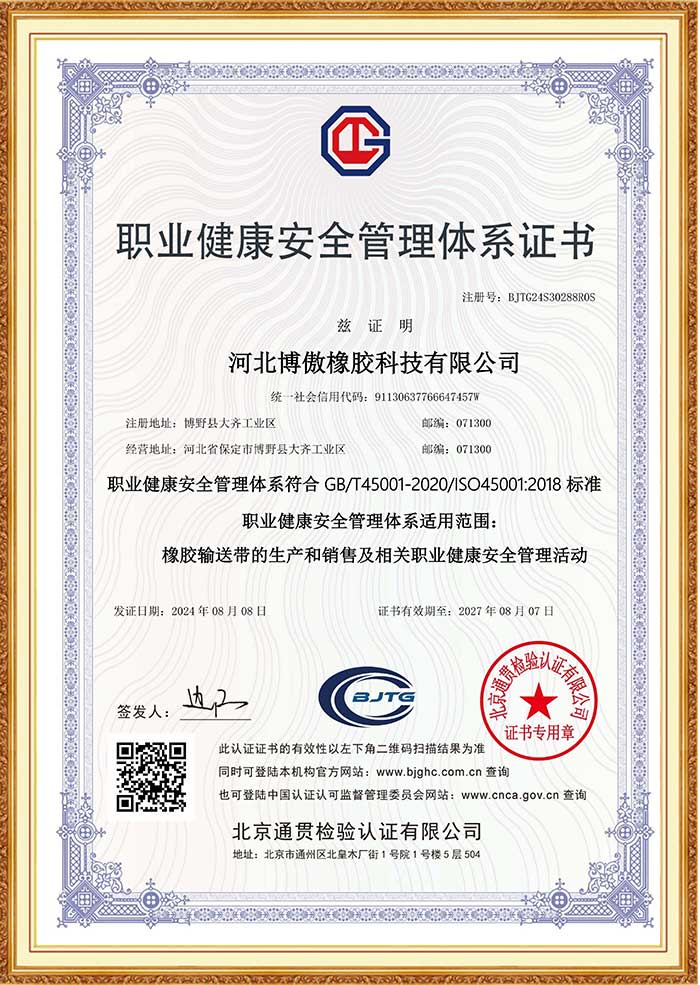
Occupational Safety Certificate
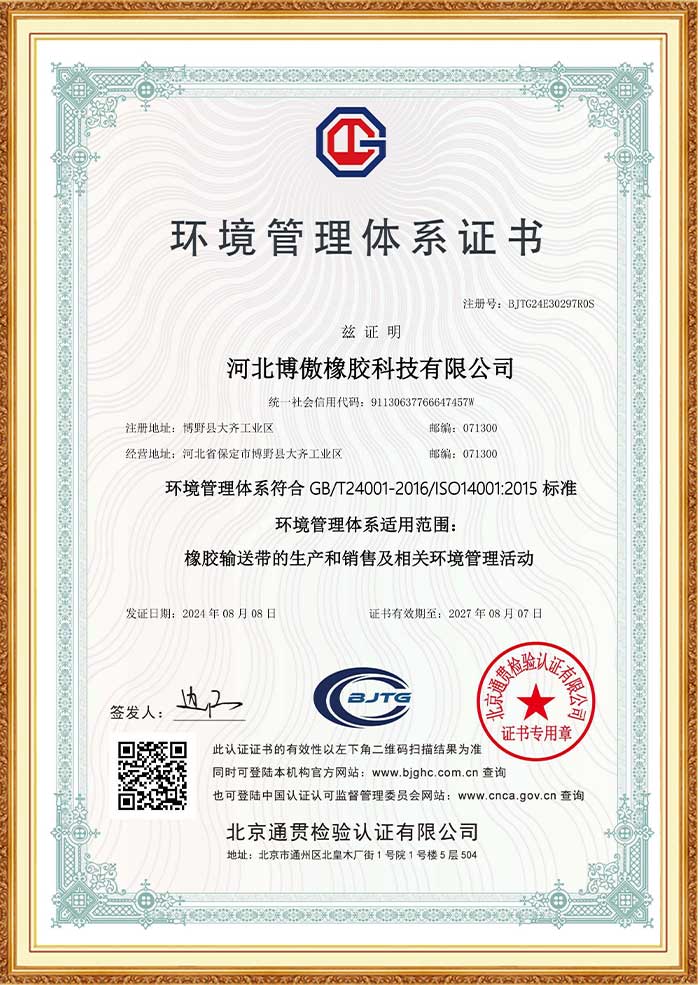
Quality Control Standard Validation
Get professional, engineering-backed answers to the most common questions regarding conveyor belt selection, storage, splicing, and factory sourcing.
The selection is based on the material characteristics and the operating environment. Grade X provides exceptional cut, impact, and gouge resistance, making it ideal for sharp, heavy materials like quartz and iron ore. Grade Y offers excellent general wear and abrasion resistance, suitable for coal, sand, and gravel. Grade W is designed for highly abrasive, fine materials, while Grade Z is a cost-effective option for light-duty transport.
Key indicators include deep carcass exposures (revealing the fabric plies or steel cord core), excessive splice elongation, edge wear that compromises the belt width, persistent tracking issues due to structural deformation, and cover cracking caused by thermal oxidation or chemical exposure.
EP fabric cores exhibit significantly lower longitudinal elongation (tension stretch) than NN cores, which minimizes the take-up travel distance required by tensioning systems. EP belts also offer high dimensional stability and superior moisture resistance, making them ideal for outdoor and long-distance conveying operations.
Our raw materials must pass strict incoming inspection before chemical formulation. We use a computerized feeding system to maintain batch consistency, and verify physical properties using dynamic fatigue testers, DIN abrasion testers, and rheometers in our in-house laboratory before the curing process.
Production cycles typically range from 15 to 30 days, depending on parameters like the belt width, carcass configuration (EP, NN, or Steel Cord), and compound specifications. We maintain stock of standard general-purpose fabric belts to support quick-ship emergency replacement needs.
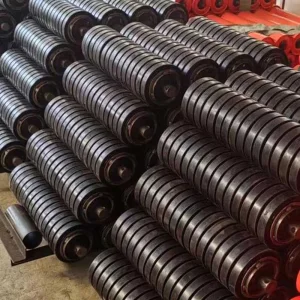
Explore our wider product line, including cold-resistant belts, specialty fabric configurations, dynamic rollers, and robust idler support brackets.
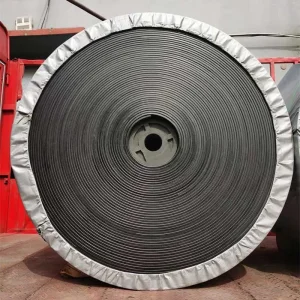
 Boao Rubber