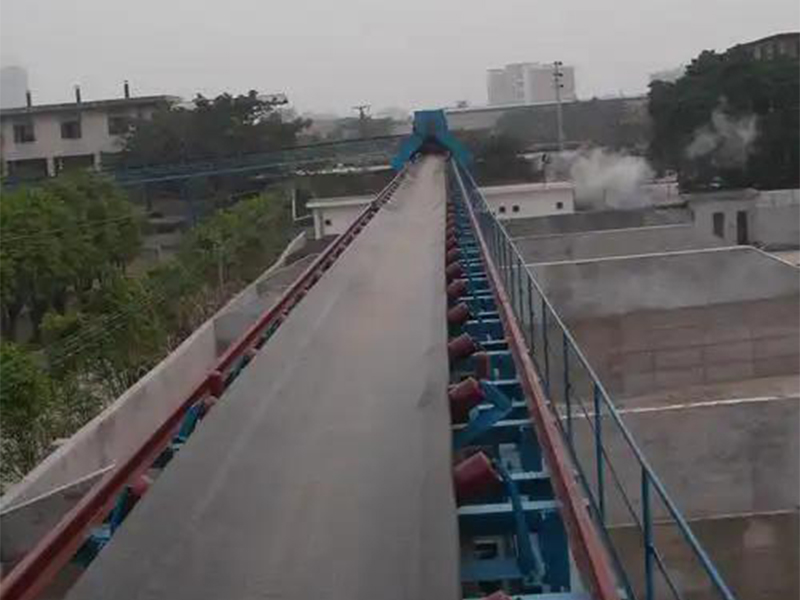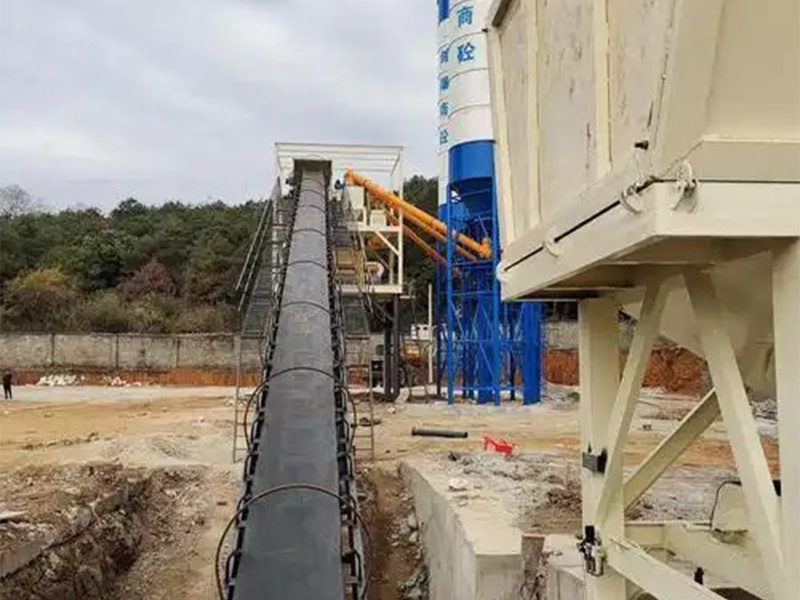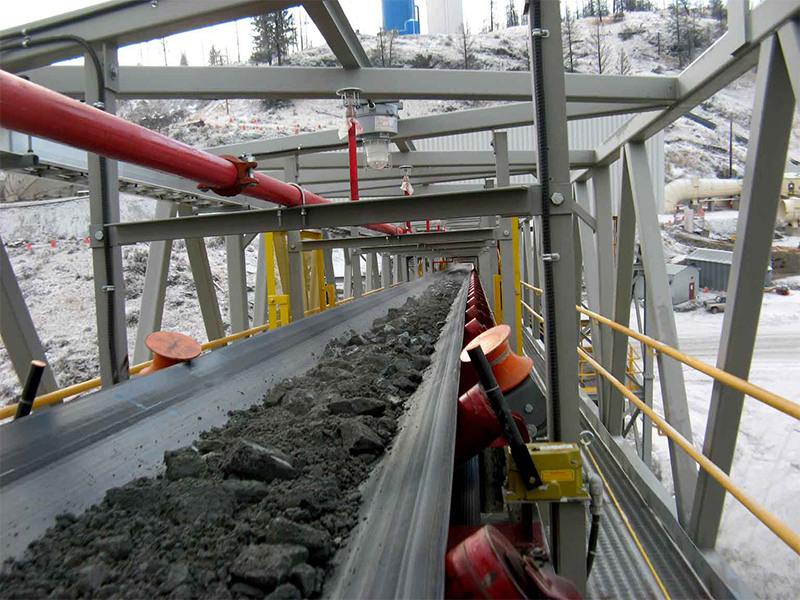
China Raised Herringbone Conveyor Belts Factories & Factory

Your Ultimate Global Guide to High-Incline Material Handling Solutions. Engineered for Superior Grip, Long-Term Durability, and Strict Compliance.

Featured Material Handling Solutions

Premium conveyor system components engineered for extreme performance and dynamic industrial workflows.

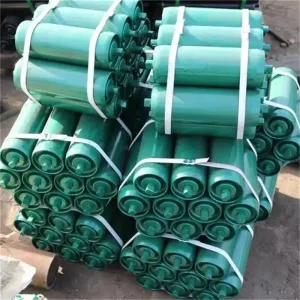
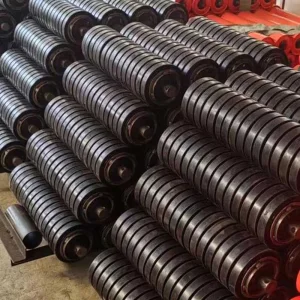
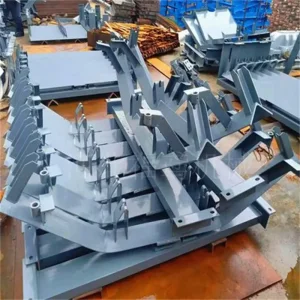
Suspended Trough Shape Conveyor Belt Idlers

Suspended Trough Shape Conveyor Belt Idlers

Learn More
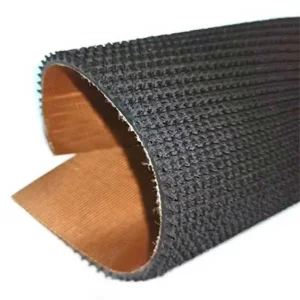
Patterned Conveyor Belts - Magic Carpet

Patterned Conveyor Belts: Magic Carpet Designs

Learn More
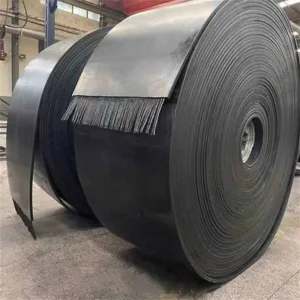
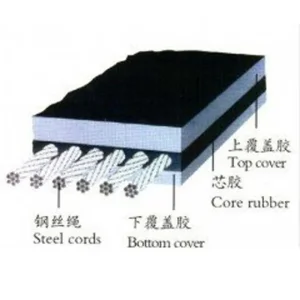
Steel Wire Rope Core Conveyor Belt

Steel Wire Rope Core Conveyor Belt

Learn More
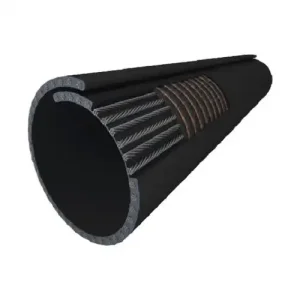
Tubular Conveyor Belt

China Tubular Conveyor Belt

Learn More
Nylon Rubber Conveyor Belt

Nylon Rubber Conveyor Belt (Polyamide NN)

Learn More
Anti Tear Steel Wire Rope Core Conveyor Belt

Anti Tear Steel Wire Rope Core Conveyor Belt

Learn More
Rubber Buffer Idler Roller

Rubber Buffer Idler Roller for Conveyor Protection

Learn More
Anti Tear Steel Wire Rope Core Conveyor Belt

Anti Tear Steel Wire Rope Core Conveyor Belt

Learn More
22
Years of Manufacturing Experience
30+
Acres of Production Facility
100%
In-House Raw-Material Control
API/CE
International Standards Compliance

Understanding Raised Herringbone Conveyor Belts

An Industry Whitepaper on High-Incline Bulk Material Conveying Technology.

In modern industrial bulk logistics, optimizing vertical and high-incline material conveying is critical for maximizing floor efficiency, reducing capital expenditures on extended conveyor lengths, and mitigating spill risks. Flat belt systems fail when processing angles exceed standard friction coefficients (typically 15° to 18° depending on raw material characteristics). At these critical angles, gravitational pull overcomes the dynamic coefficient of friction, leading to backsliding, structural blockage, and material degradation.

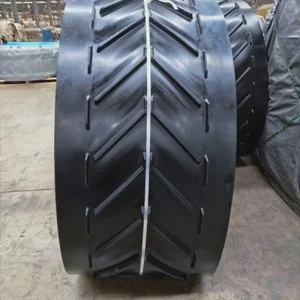
Raised Herringbone Conveyor Belts, also referred to as Chevron or V-patterned belts, solve this limitation. Featuring integrated profile designs (molded vulcanized cleats) that form a series of upward 'V' profiles, these belts mechanically pocket materials to handle inclines up to 40° with minimal dynamic slip. The "Jinao" brand, engineered by Hebei Boao Rubber Technology Co., Ltd., stands at the cutting edge of this design paradigm, merging over two decades of mechanical design experience with advanced polymer vulcanization.

The Physics of Incline & Grip

The raised herringbone structure functions as a dynamic mechanical barrier. The design features a continuous series of v-shaped cleats molded directly into the top rubber cover before the final curing (vulcanization) process. This monolithic cover structure is critical; it prevents mechanical separation under localized shear stress, a common point of failure for cheaper cold-bonded or bolted-on cleats.

As bulk solids (such as coal fines, iron ore, dynamic sand mixtures, or grain) travel up the conveyor, the pocketing action of the V-shape holds the center of mass. This distributes the pressure evenly, minimizing wear on the belt edges and idlers. Standard profile heights vary from 5mm (low profile) for powders and small materials up to 32mm (high profile) for large rocks, aggregates, and demanding agricultural operations.
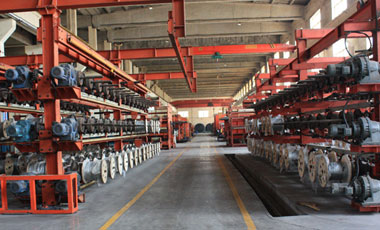
China Factory Supply Chain Advantages & Boye Rubber Cluster

How localized resource ecosystems drive industrial efficiency and structural cost-savings.

Industrial Cluster Economics

Hebei Boao Rubber Technology is located in the Rubber Industrial Park of Boye County, Baoding. This region is China's premier rubber manufacturing cluster, hosting integrated industrial linkages that dramatically lower raw polymer sourcing, custom tooling, and shipping container loading costs.

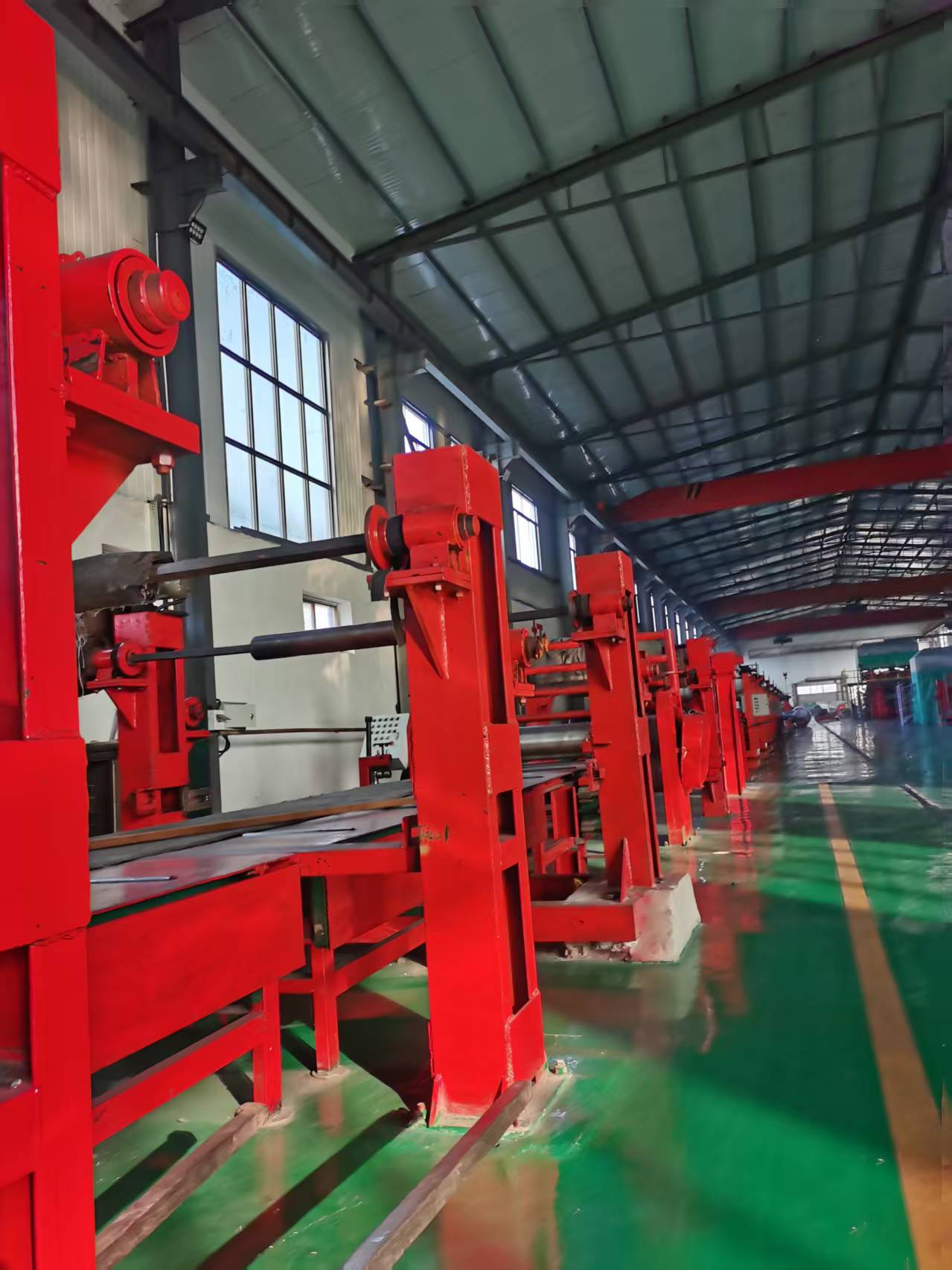
Integrated Vulcanization Lines

From advanced automated Banbury mixing centers to heavy-duty calenders and custom molds, our machinery produces uniform rubber thickness and consistent fabric carcass tension. This eliminates layer delamination risk under continuous load cycles.

Custom Compound Formulation

Unlike standard generic commodity suppliers, our in-house testing laboratory alters rubber compounds to match customer site conditions—whether modifying butadiene-acrylonitrile polymers for oil resistance or EPDM for extreme temperatures.

Technical Configurations: EP vs. NN Carcass vs. Steel Wire Rope Core

Evaluating high-performance core layers to determine long-term operational viability.

Carcass Base Type Material Core Properties Max Splicing Strength Best Application Scenarios Recommended Incline Range
EP (Polyester-Nylon) Low longitudinal elongation, high dimensional stability, excellent humidity resistance. Up to 2500 N/mm Medium to long-distance bulk conveying, coal handling yards, cement dry kilns. 15° - 35°
NN (Nylon-Nylon) Outstanding elasticity, superior resistance to severe impact, superb dynamic flexibility. Up to 3150 N/mm Heavy industrial quarries, scrap metal transport, mining skip systems. 15° - 40°
Steel Wire Rope Core Near-zero stretch, extreme tensile strength, high impact absorption. Up to 5400 N/mm Deep-pit coal mining, high-elevation mountain conveying, bulk ship terminals. 20° - 40°
Lightweight PVC/PU Food-grade synthetic variants, oil/grease resistance, lightweight architecture. Up to 800 N/mm Agricultural packaging plants, food sorting lines, light package distribution. 10° - 25°

Global Compliance, Sourcing Standards, and Engineering Standards

How Hebei Boao Rubber ensures regulatory compliance and long-term durability on-site.

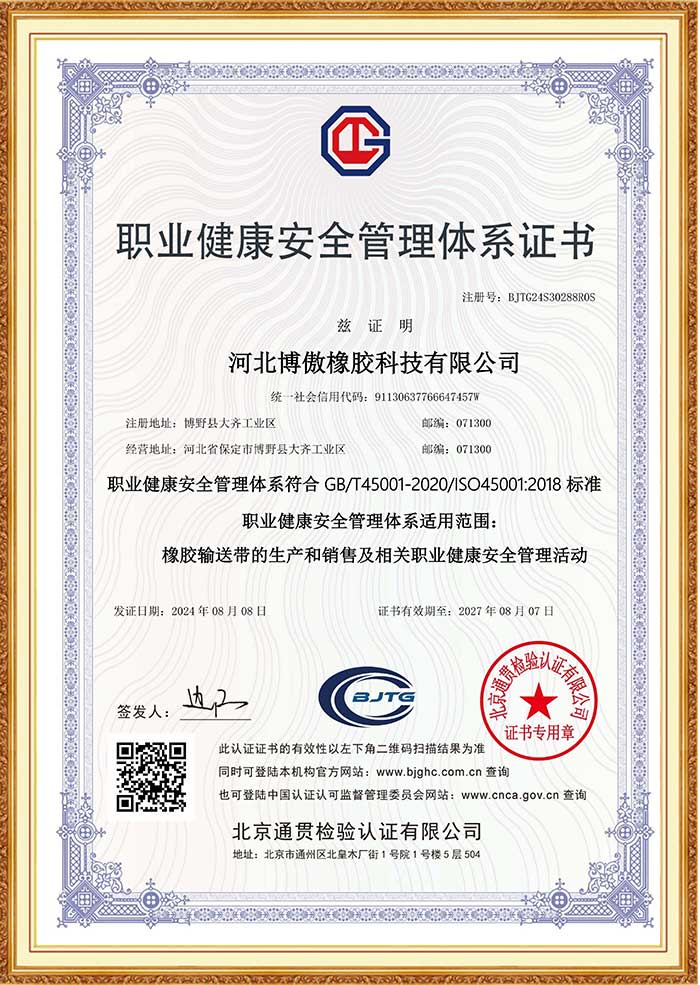
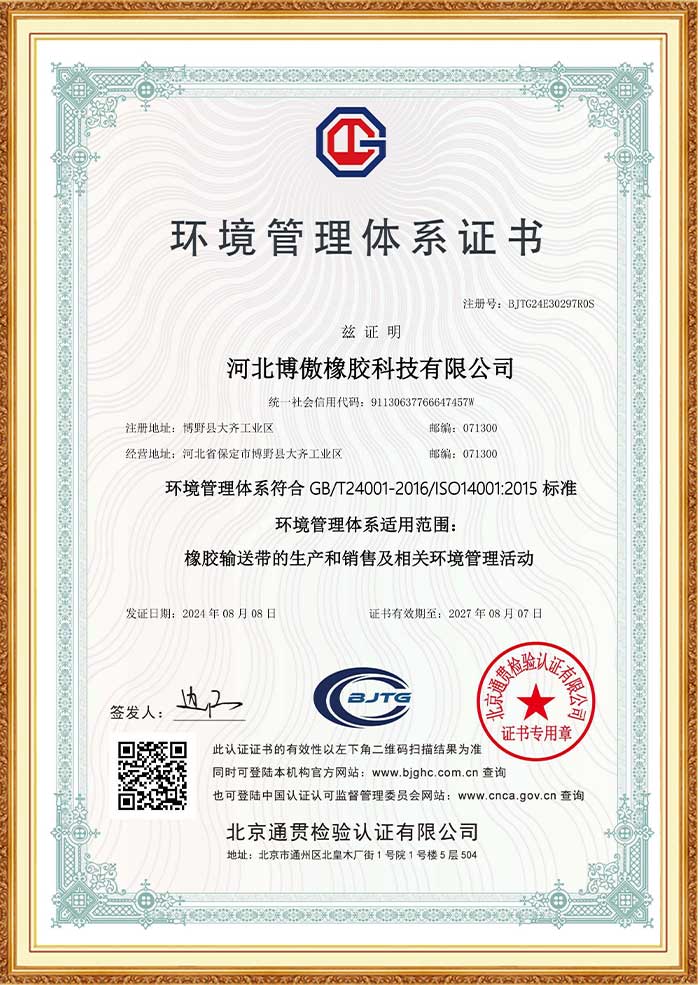
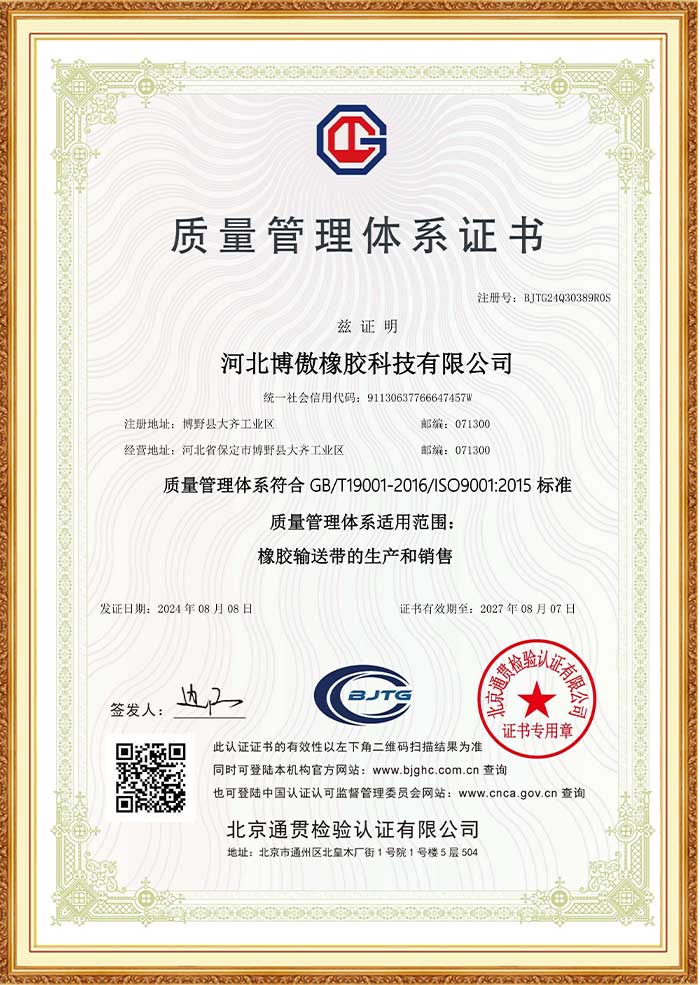
Heavy machinery procurement entails significant risk. Material transport downtime can cost plants up to $50,000 per hour. Consequently, global procurement directors must balance initial acquisition costs against operational lifetime parameters (TCO - Total Cost of Ownership). To maintain reliability, Hebei Boao operates according to the ISO 9001 quality management framework, holding API 6D, API 607, CE, ISO14001, and ISO18001 certifications.

Adherence to Global Standards

Our conveyor belts are manufactured to comply with key international standards:

  • DIN 22102 (Germany): Stringent testing for cover abrasion loss (typically ≤120 mm³ for Grade W, ≤90 mm³ for Grade X) and tensile strength.
  • AS 1332 (Australia): Essential for hard rock mining operations, ensuring the rubber cover resists UV-degradation and dynamic ozone tearing.
  • MSHA / Flame Retardant Standards (USA / CE ISO 340): Safety standards for underground coal mining, ensuring self-extinguishing covers to prevent fire propagation down the conveyor flight.

Comprehensive In-House Testing Laboratory

Each batch of raw material and completed belt undergoes testing in our physical and chemical laboratory. Our key QA tests include:

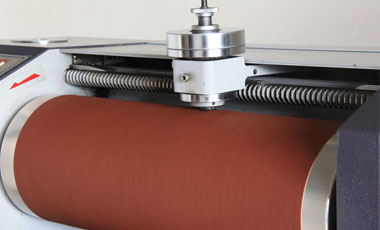
  • Abrasion Resistance Testing: Using standard DIN testers to measure cover wear resistance.
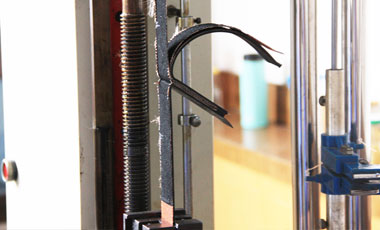
  • Peeling Adhesion Testing: Measuring the bond strength between the rubber cover and fabric layers to prevent ply separation.
  • Steel Cord Pull-Out Testing: Verifying the rubber-to-steel bond for high-tension steel-cord variants.
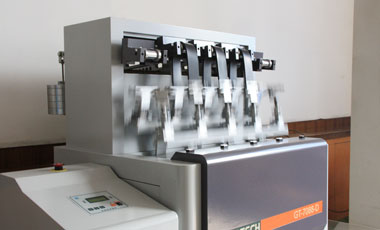
  • Dynamic Fatigue Testing: Simulating tens of thousands of reverse-flex cycles around conveyor pulleys.

Advanced Manufacturing Infrastructure

Exploring the machinery, testing facilities, and dynamic quality assurance systems behind our high-incline conveyor belts.

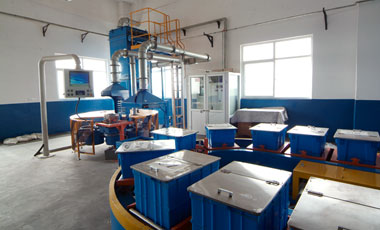
Production Line of Fabric Conveyor Belt

Fabric Belt Production Line

Continuous multi-station vulcanization line ensuring uniform density and ply alignment.

Production Equipment of Steel Cord Conveyor Belt

Steel Cord Line

High-tension wire layout stations for heavy-duty industrial conveyor systems.

Proportioning Room of Mixing Center

Automatic Proportioning Room

Computerized polymer compounding prevents manual weighing errors.

Peeling Test Equipment

Peeling Test Lab

Tensile stress verification to prevent interlaminar separation.

Abrasion Tester

DIN Abrasion Testing

Accurate measurement of rubber cover loss against high-friction bulk solids.

Dynamic Fatigue Tester

Dynamic Fatigue Testing

Evaluates long-term conveyor belt performance over dynamic pulley bends.

Proven Performance Across Global Heavy Industries

Deploying reliable conveying solutions in high-stress, high-incline environments worldwide.

Conch Cement Conveyor Line Cement Industry

Conch Cement

Conveying heavy cement clinker up a 28-degree incline at high temperatures. Custom rubber compounds helped double belt life over standard flat designs.

China Railway Mixing Plant Infrastructure & Rail

China Railway Group

Supplying continuous aggregates and wet concrete mix to high-capacity batching plants. Patterned cleats prevent material rollback during startup cycles.

Datong Coal Group Incline Belt Coal Mining

Datong Coal Group

Installing underground fire-retardant patterned belts for incline shafts. These belts comply with ISO 340 anti-static and flame retardancy safety requirements.

Technical Support Services & Preventative Maintenance Plans

Optimizing belt lifetime and preventing conveyor unscheduled downtime.

Planned Replacements

Preventative belt replacement schedules based on estimated throughput tonnage, preventing unexpected failures on high-incline systems.

Splicing & Joining

Providing expert recommendations and raw splicing compounds for hot vulcanized splicing. Proper joint execution ensures the belt retains up to 90% of its rated tensile strength.

Inventory Management

Supporting safety stock replenishment models for high-priority installations, ensuring standard belt rolls can ship immediately when needed.

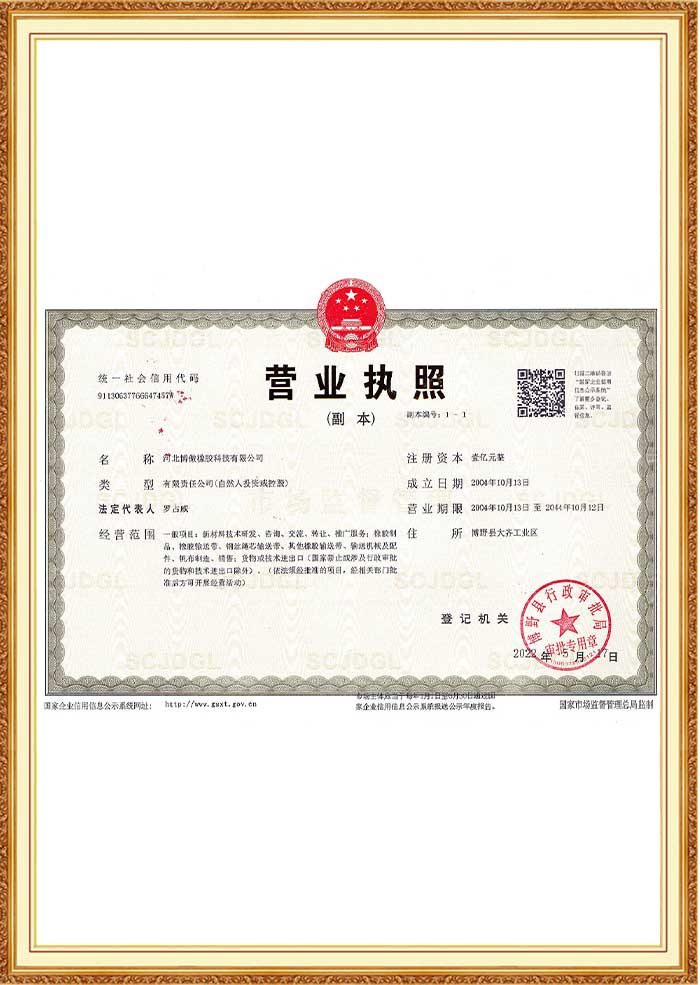
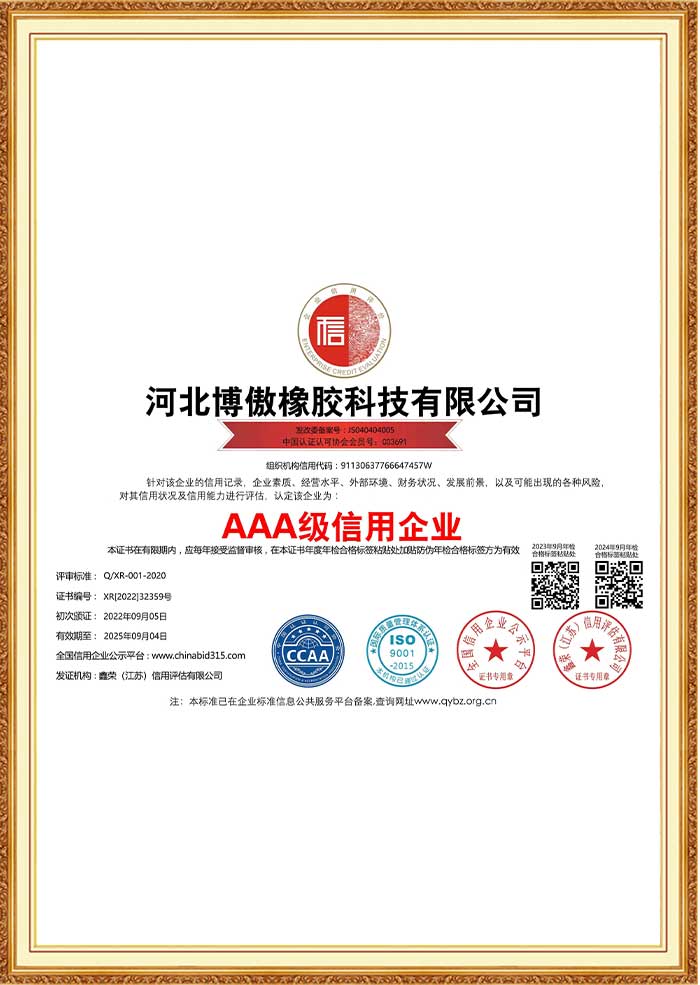
Our Global Certifications

Our facility operates under strict quality standards to ensure consistency across every production run.

ISO Quality Certificate Safety Standard Certificate Environmental Management Certificate Health Safety Certificate Standard Testing Certificate

Frequently Asked Questions (FAQ)

Expert insights on selecting, installing, and maintaining raised herringbone conveyor belts.

1. What is the maximum angle of incline for a raised herringbone conveyor belt?

While standard flat conveyor belts struggle above 15° to 18°, raised herringbone belts (Chevron/V-cleated designs) can handle material conveying at angles up to 35° or 40°, depending on bulk density and surface moisture.

2. How do I choose between EP and NN fabric carcass options?

Use EP (Polyester warp / Polyamide weft) for long conveyor systems where structural stretch must be minimized. Choose NN (Nylon warp / Nylon weft) for high-impact applications like large rock quarries, as nylon provides superior resistance to mechanical tearing.

3. Can chevron/herringbone belts be cleaned with standard belt scrapers?

Standard flat primary scrapers cannot be used because they will damage the molded rubber cleats. Specialized finger scrapers, dynamic rotary brush cleaners, or high-pressure air knives are required to clean out the V-pattern channels.

4. What causes cleat wear, and how can it be reduced?

Cleat wear is typically caused by physical sliding and shifting at loading chutes, or dynamic backsliding on steep inclines. Impact can be reduced by using soft-drop rock boxes at loading points, maintaining correct belt tension, and selecting custom abrasion-resistant cover compounds.

Advanced Product Systems Catalog

Explore our complete range of specialized industrial conveyor belts, engineered for demanding material handling requirements.

Patterned Rubber Conveyor Belts Custom Designs

Patterned Rubber Conveyor Belts: Custom Designs

Learn More
Rubber Lifting Conveyor Belt

Best High-Quality Rubber Lifting Conveyor Belt

Learn More
Cold Resistant Rubber Conveyor Belt

China Cold Resistant Rubber Conveyor Belt

Learn More
Conveyor Belt Idler Roller Suppliers

Conveyor Belt Idler Roller Suppliers

Learn More
Magic Carpet, Concave & Convex Patterned Conveyor Belts

Magic Carpet, Concave & Convex Patterned Belts

Learn More
Acid and Alkali Resistant Conveyor Belt

Acid and Alkali Resistant Conveyor Belt

Learn More
Anti Tear Steel Wire Rope Core Flame Retardant

Flame Retardant Steel Wire Rope Core Belt

Learn More
PVC-PU Lightweight Conveyor Belt

PVC-PU Lightweight Conveyor Belt

Learn More

Get a Customized Technical Proposal

Our engineering team is ready to design a conveying solution tailored to your specific application requirements. Contact us today for standard specifications, custom rubber formulation advice, or pricing details.

  • 24-Hour Engineering Response Guarantee
  • Free Custom Compound Consultations
  • Full Design and Dimension Verification

Partner with an established manufacturer. Request a proposal to optimize your conveyor system performance.

Inquire Now