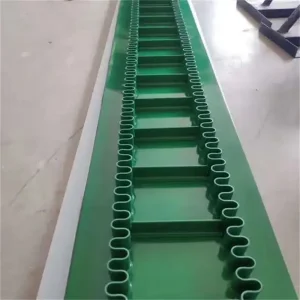
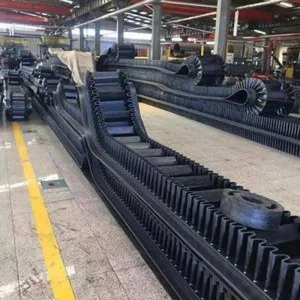
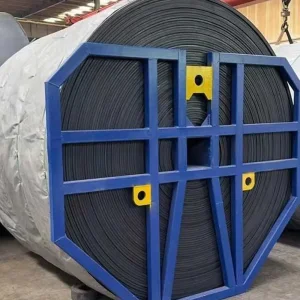
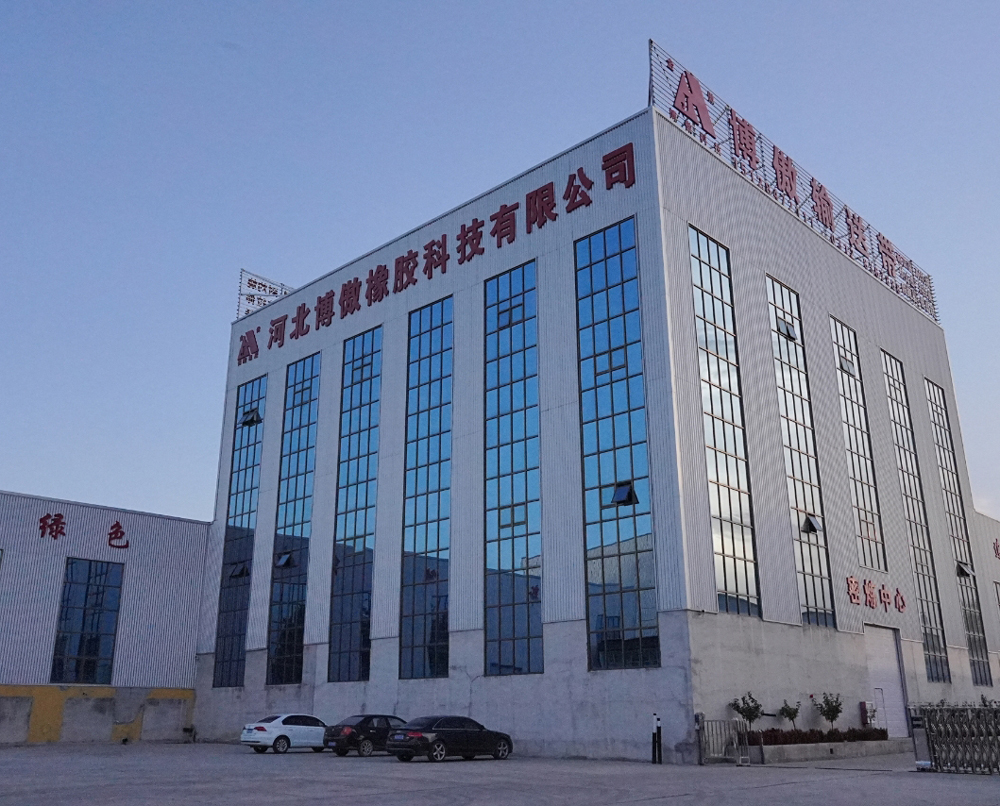
Located in the renowned Rubber Industrial Park of Boye County, Baoding, Hebei Province, Hebei Boao Rubber Technology Co., Ltd. has established itself as an international benchmark for heavy-duty material handling and power transmission systems. Under our flagship brand "Jinao", we integrate product development, advanced chemical research, mechanical design, manufacturing, and comprehensive global technical services.
Our facilities house multiple state-of-the-art production lines for rubber compounding, sheeting, calendering, vulcanization, and finished product inspection. By utilizing advanced laboratory instruments, we ensure that every square meter of conveyor belt and every run of power transmission rubber complies with local and international standards.
Neoprene (polychloroprene) stands as one of the most versatile synthetic elastomers in modern mechanical engineering. Formulated by the polymerization of chloroprene monomer, Neoprene inherits a unique molecular balance that gives it a distinct advantage over natural rubber and standard EPDM under severe working environments. In heavy-duty drive belts (such as synchronous timing belts, V-belts, and multi-ribbed belts), Neoprene provides:
High resistance to degradation from mineral oils, greases, solvents, and environmental ozone. Ideal for petroleum processing, automotive engines, and chemical production lines.
Maintains dynamic elasticity and mechanical strength across a wide temperature range from -30°C to 120°C. Resists heat aging and thermal cracking in continuous high-speed friction setups.
Superb tooth shear strength and flex-fatigue life under high cyclic stress, reducing catastrophic drive failures in high-torque industrial drivetrains.
A premium neoprene drive belt is not merely dynamic rubber. The tensile cord within is the backbone that bears the load. In Hebei Boao’s advanced engineering lab, we analyze and apply diverse reinforcement matrices to match the target application:
As processing industries push boundaries with higher speeds, increased loads, and compact drive configurations, standard transmission belts fall short. International buyers from sectors like steel production, cement processing, mining, and automatic packaging machinery demand drive belts that offer a lower Total Cost of Ownership (TCO) through extended replacement cycles.
Furthermore, modern factories require compliance with REACH and RoHS standards, flame-retardant safety ratings (such as MSHA or ISO certifications), and static-dissipative capabilities (conforming to ISO 1813 standards for hazardous chemical zones). Our R&D works constantly to blend specialized neoprene formulations to meet these global compliance demands.
Consistency is the foundation of quality rubber manufacturing. At Hebei Boao Rubber Technology Co., Ltd., we have upgraded our primary production facilities to semi-automated and automated systems. Our modern mixing center controls the exact weight and sequence of neoprene elastomer, carbon black, vulcanizing agents (such as zinc oxide and magnesium oxide), and anti-degradants. This computerized control eliminates human error, resulting in uniform viscosity and vulcanization properties across batches.
Our production lines feature advanced multi-roll calendering systems that guarantee uniform thickness and density of rubber sheets. This precision is vital for drive belts and multi-ply conveyor belts, preventing tension imbalances that cause belts to track off-center or wear out prematurely.
In an uncertain global economy, procurement agents seek supplier stability. Hebei Boao's strategic location in the Boye Rubber Industrial Park allows direct access to high-grade industrial chemical suppliers, synthetic polymer producers, and high-tensile steel cord manufacturers.
This localized vertical integration protects our clients from supply shocks, keeping lead times steady even during peak shipping seasons. With an in-house logistics coordination office, we manage bulk sea freight, multi-modal transport, and customs declarations efficiently, delivering direct-to-warehouse solutions for international buyers.
We operate a dedicated chemical analysis room and physical laboratory to inspect and test all materials from raw compounds to finished products. Our testing process is strict: we do not accept unqualified raw materials, nor do we ship products that fail our standards.
Our quality control protocols test key mechanical metrics:
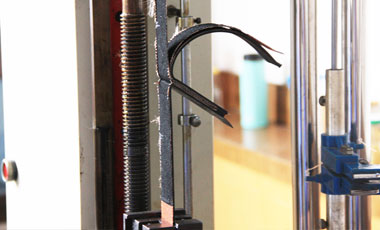
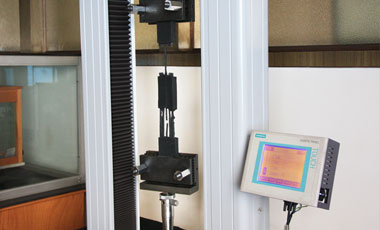
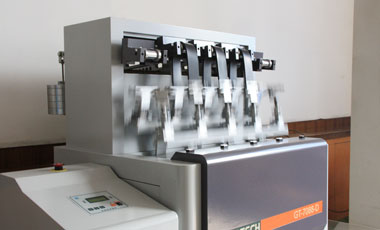
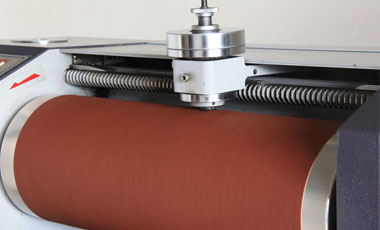
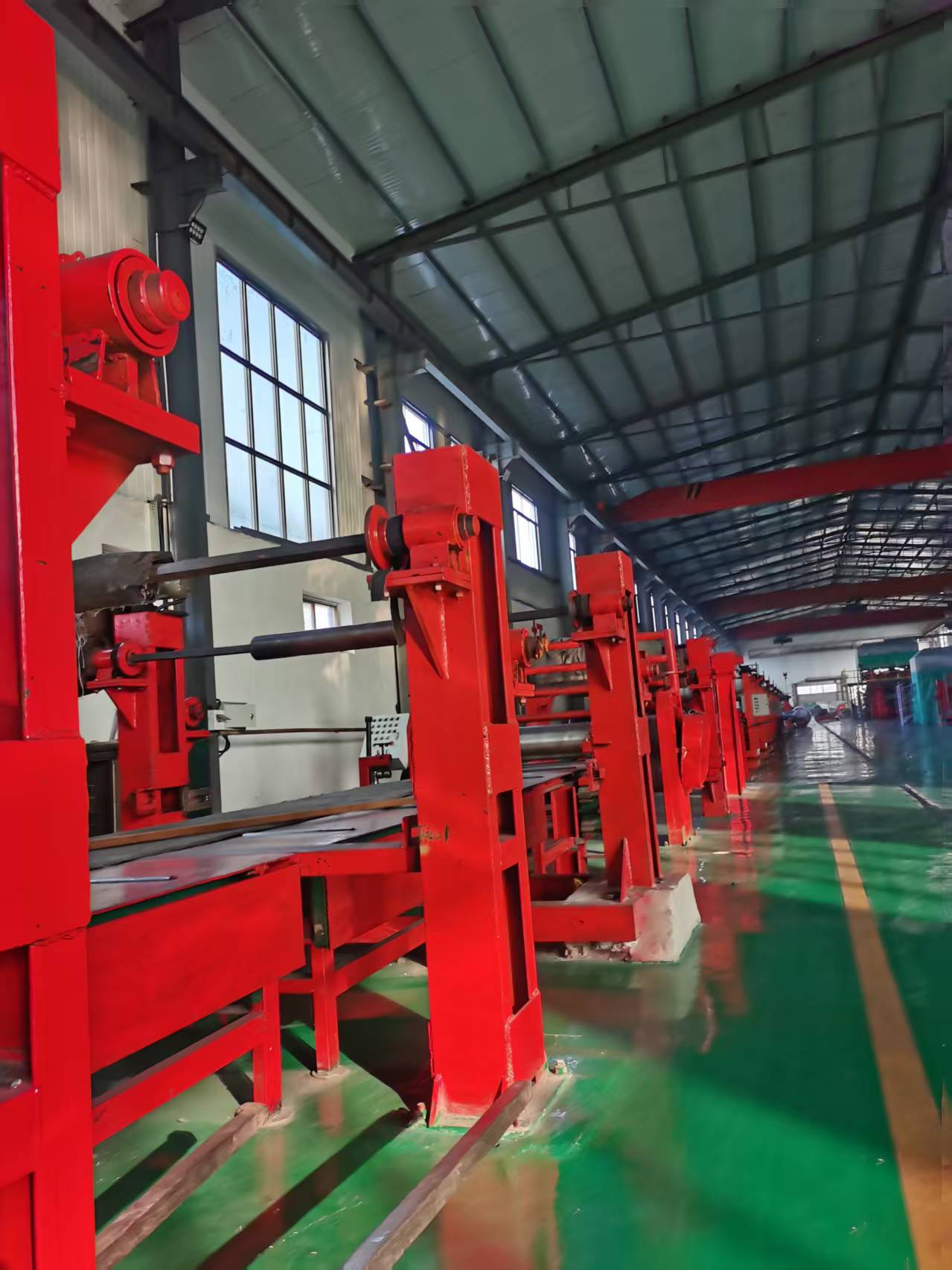
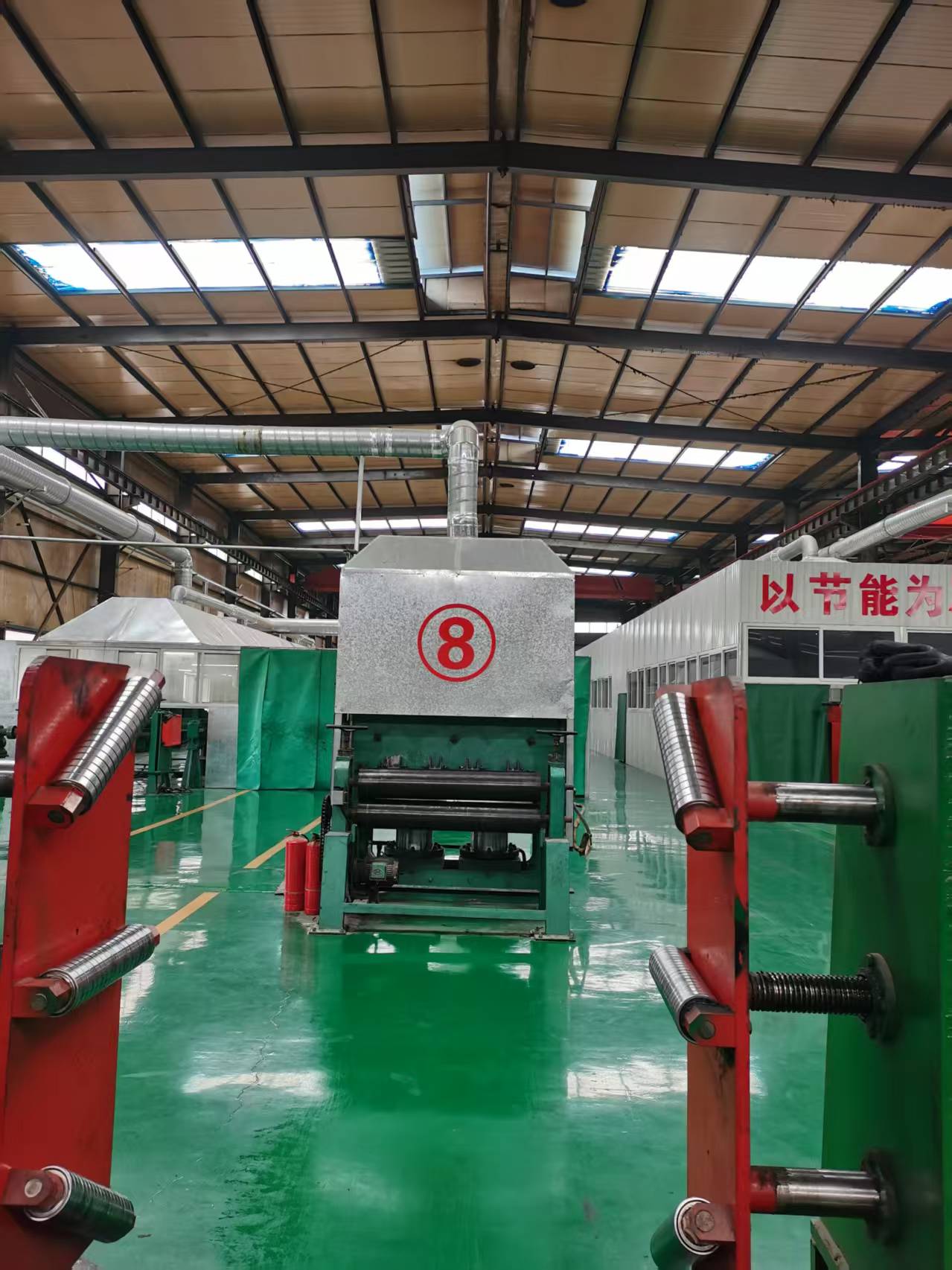
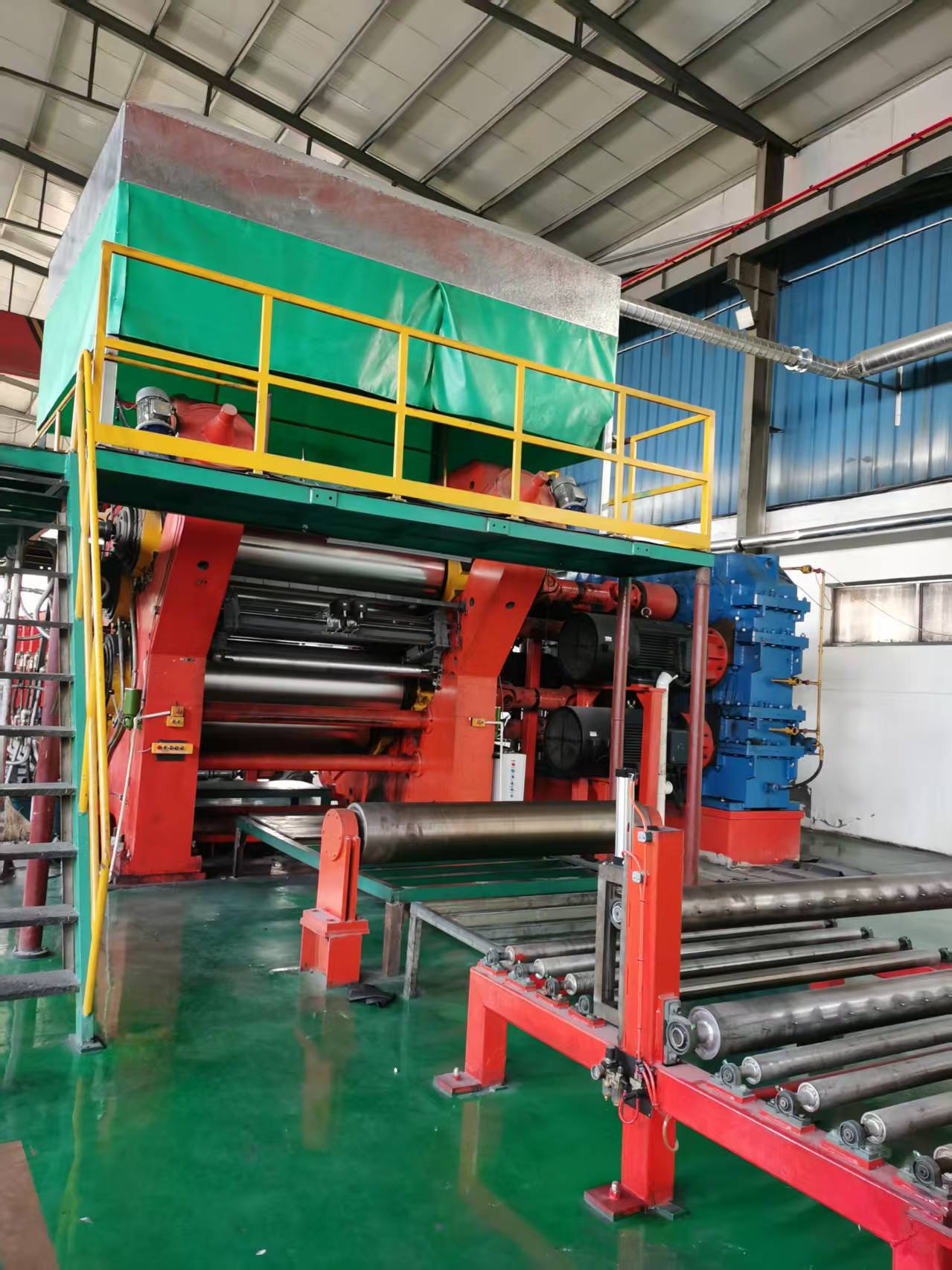
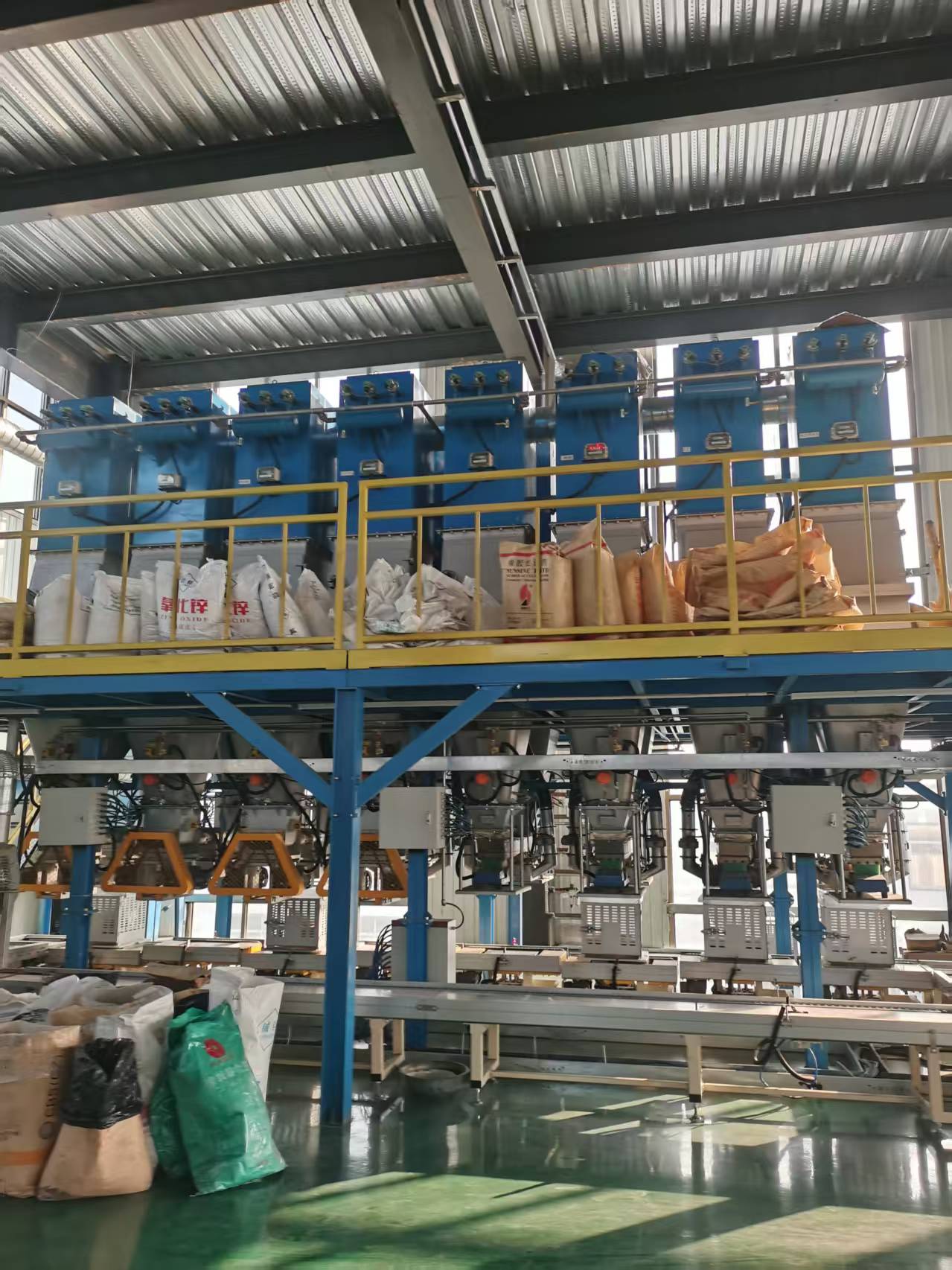
Our "Jinao" brand products deliver reliable performance in challenging heavy industrial environments across the country and overseas.
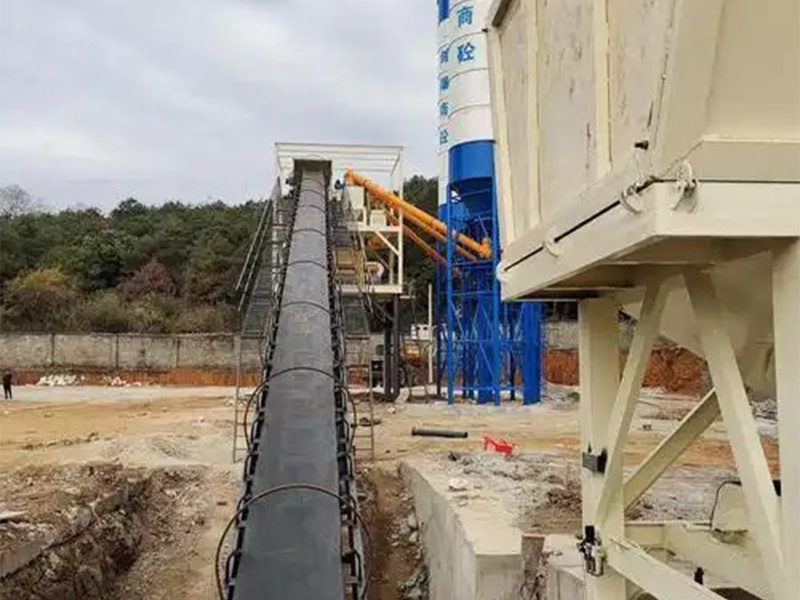
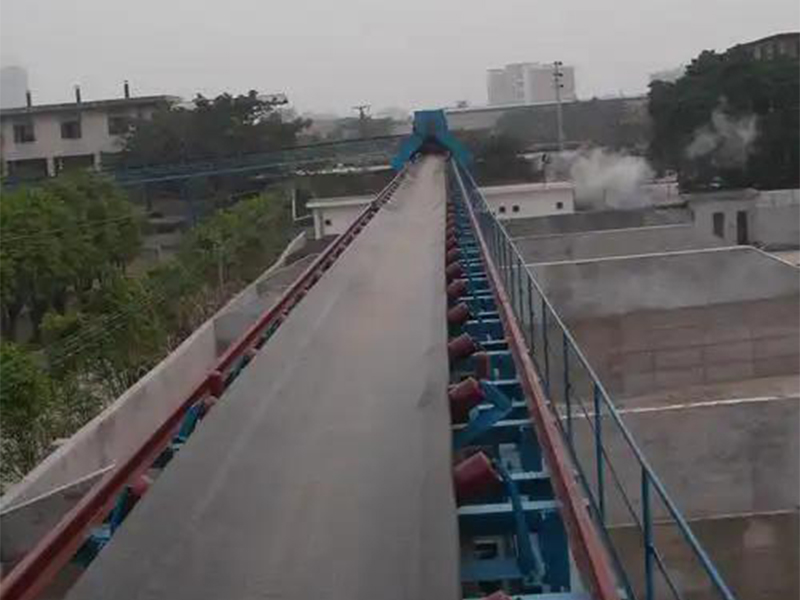
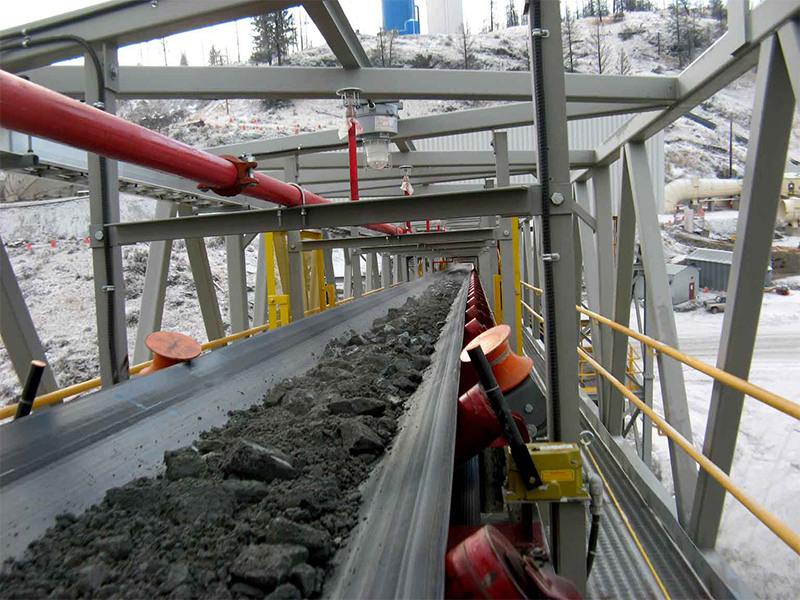
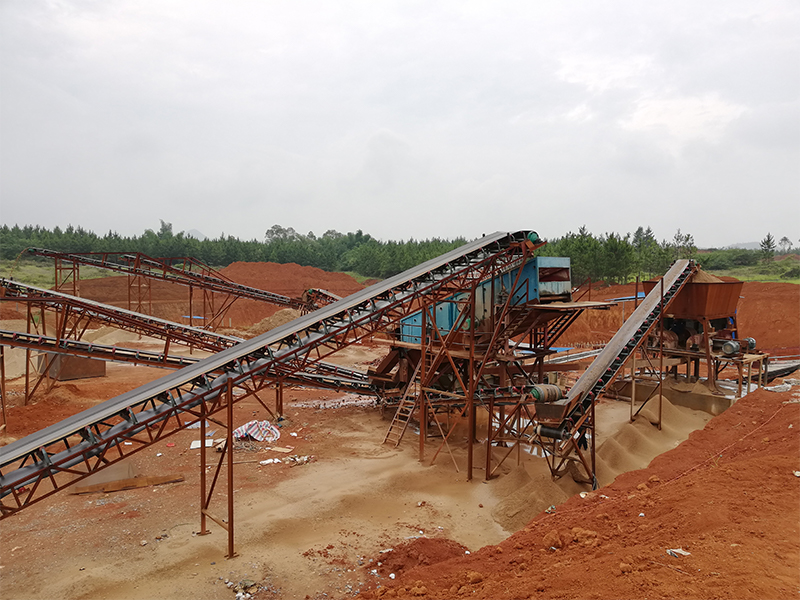
We provide planned replacement, precision belt tracking, on-site splicing, chemical cold-bonding, thermal vulcanization, and proactive maintenance checks for your equipment.
We manage safety stocks, carry out regular inventory audits, perform local wear profiling, and run 24/7 emergency repair operations to minimize unscheduled system downtime.
We aim to optimize energy transmission efficiency, reduce structural friction, and extend operational lifespans, delivering mutual cost benefits for your facility.
While EPDM is well-suited for high-temperature and ozone exposure, Neoprene provides superior resistance to mechanical shear stress and oil-based chemicals. EPDM degrades quickly when in contact with petroleum-based lubricants and greases, whereas Neoprene maintains its mechanical structure. Additionally, Neoprene features a higher coefficient of friction, which reduces belt slippage in high-torque synchronous and multi-ribbed belt systems.
Our internal testing laboratory screens every incoming shipment of polymer, carbon black, and chemical additives. We use computerized rheometers to analyze the cure curve of each batch. If a batch fails to meet the specified viscosity, vulcanization speed, or hardness limits, it is rejected and not released to the production lines.
Yes. Under our "Jinao" brand, we produce specialized heat-resistant conveyor belts using EPDM or modified Neoprene matrices. These belts are designed to handle hot bulk materials (like cement clinker, sintered ore, and fertilizers) at continuous temperatures up to 200°C, and peak spikes up to 400°C, without structural cover cracking.
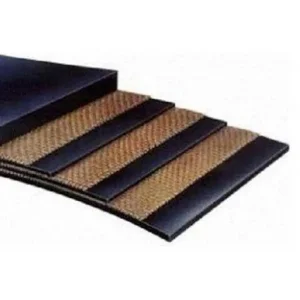
NN (Nylon-Nylon) plies offer excellent elastic recovery, high impact resistance, and superb flexibility, making them suitable for long-distance, high-impact transport. EP (Polyester-Nylon) plies offer high tensile strength at low elongation, which minimizes take-up stroke requirements, making them ideal for short-to-medium conveying paths with tight tolerance controls.
This test measures the mechanical adhesion strength between the zinc-galvanized steel cords and the surrounding rubber. High adhesion is essential to prevent internal shear failure when the belt passes over high-tension drive pulleys. Our manufacturing process uses specialized adhesive agents during the curing stage to establish a strong bond at the molecular level.
Our flame-retardant belts conform to international safety regulations including MT820 (China mining standard), DIN EN ISO 340, and MSHA criteria. These formulations are designed to self-extinguish when removed from an open flame, preventing fire propagation along conveyor galleries in underground coal mines and processing silos.
Get in touch with Hebei Boao’s technical engineering team today. We provide free design evaluations, detailed raw material testing data, and custom quotes designed for your specific operating environment.
Inquire Now & Get Free Quote Boao Rubber