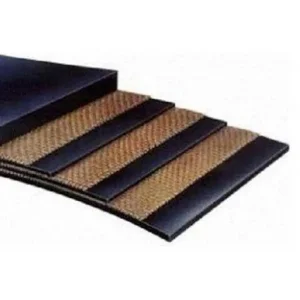
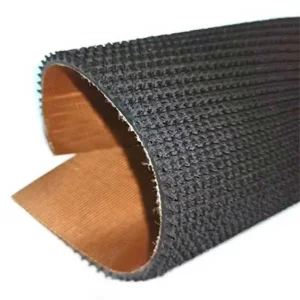
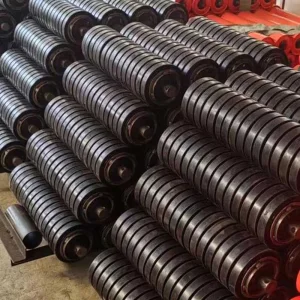
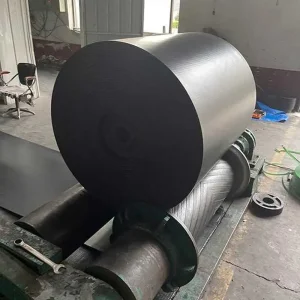
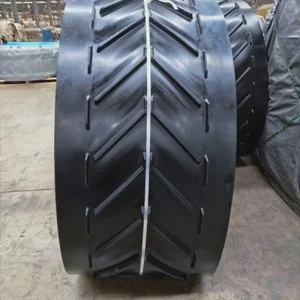
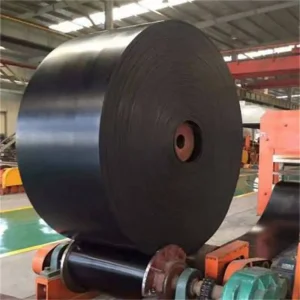
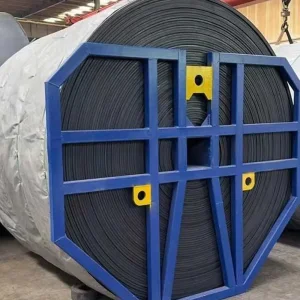
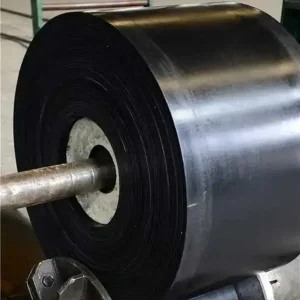
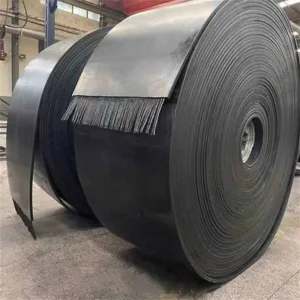
Explore our foundational range of heavy and light duty rubber conveyor belts manufactured to international quality standards.
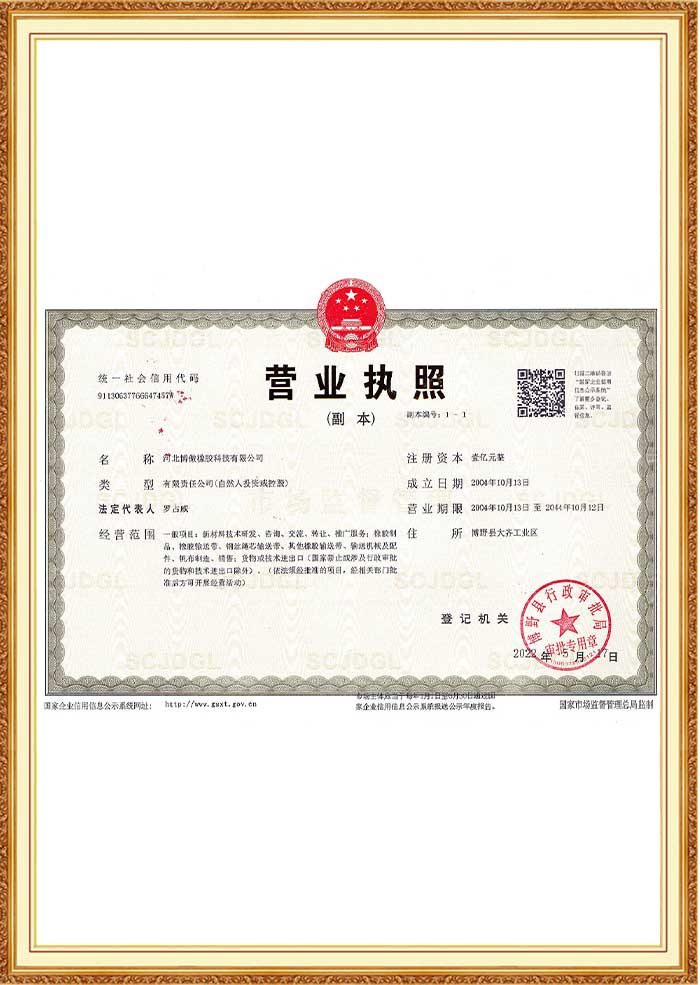
Established in 2004 and spanning over 30 acres in the Boye County Rubber Industrial Park, Baoding City, Hebei Province, Hebei Boao Rubber Technology Co., Ltd. has developed into a leading Chinese industrial entity. Specializing under our flagship brand "Jinao", we provide a vertically integrated infrastructure encompassing design, materials engineering, modern calendering, and technical testing protocols.
By operating advanced internal compounding systems, Multi-ply Calendering machinery, and an independent physical/chemical laboratory, we ensure that every square meter of conveyor belt meets strict international tolerances. This structural integration mitigates supply chain risks for major bulk handling installations, power generators, steel mills, and mining companies.
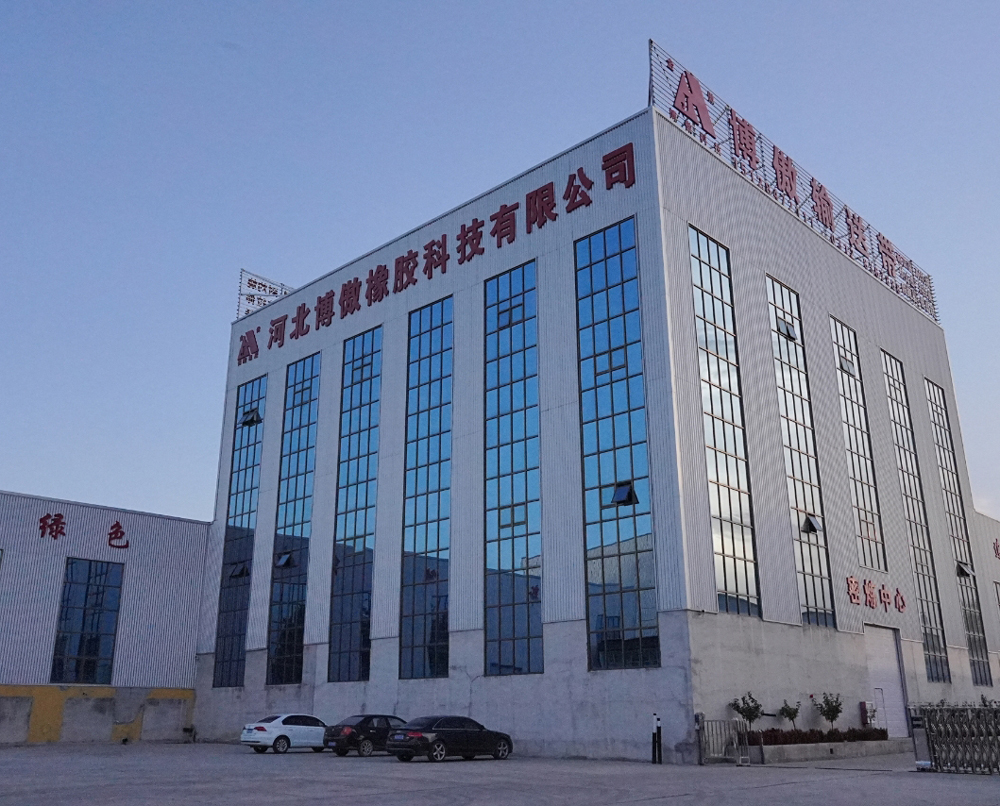
Minimizing operating risks through strict raw material verification and advanced destructive testing protocols.
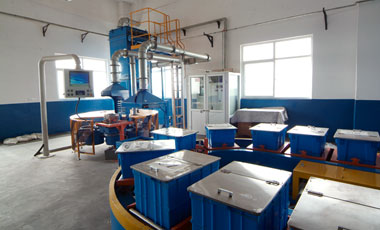
Strict chemistry labs evaluate every batch of polymer, carbon black, and plasticizer. Unqualified raw materials are rejected at our gates, ensuring baseline quality for all rubber compounds.
Integrated gauge sensors monitor compound calendering thicknesses. Continuous vulcanization temperature profiling guarantees stable adhesion across Multi-ply layers.
Physical labs perform DIN abrasion testing, high-tension ply peeling, and steel wire pull-out resistance to verify the mechanical integrity of our heavy-duty products.
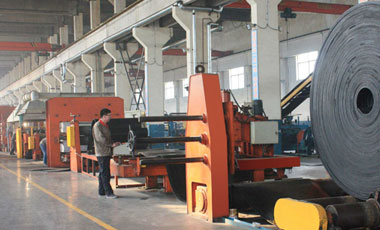
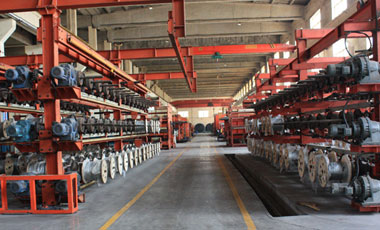
Touring Boao's advanced production floor, showing the equipment that ensures consistent physical properties in our rubber belts.
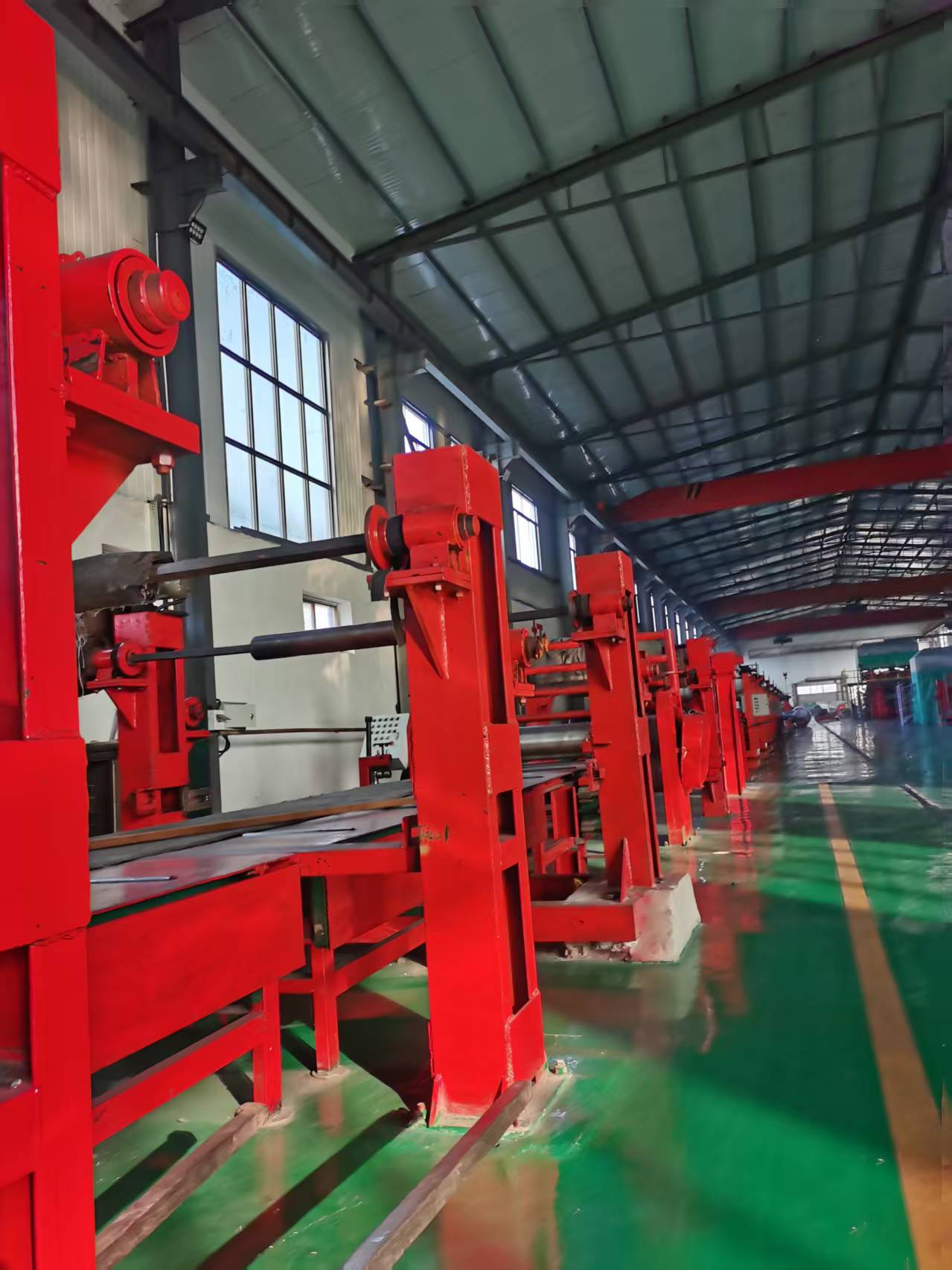
Ensures optimal cross-linking density in the rubber matrix, maximizing wear life and chemical resistance.
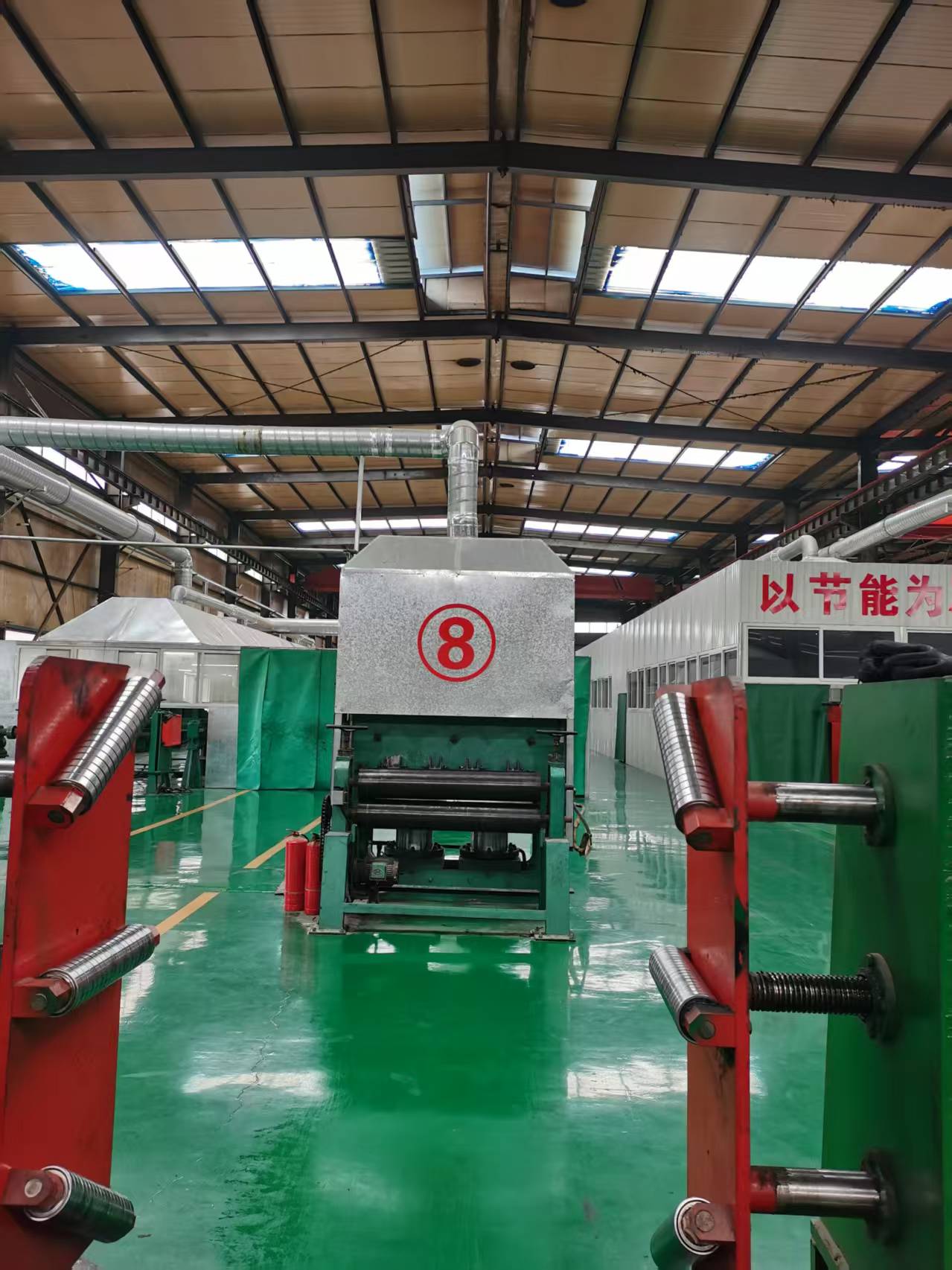
Ensures consistent polymer-filler ratios, minimizing batch-to-batch variation in our cover compounds.
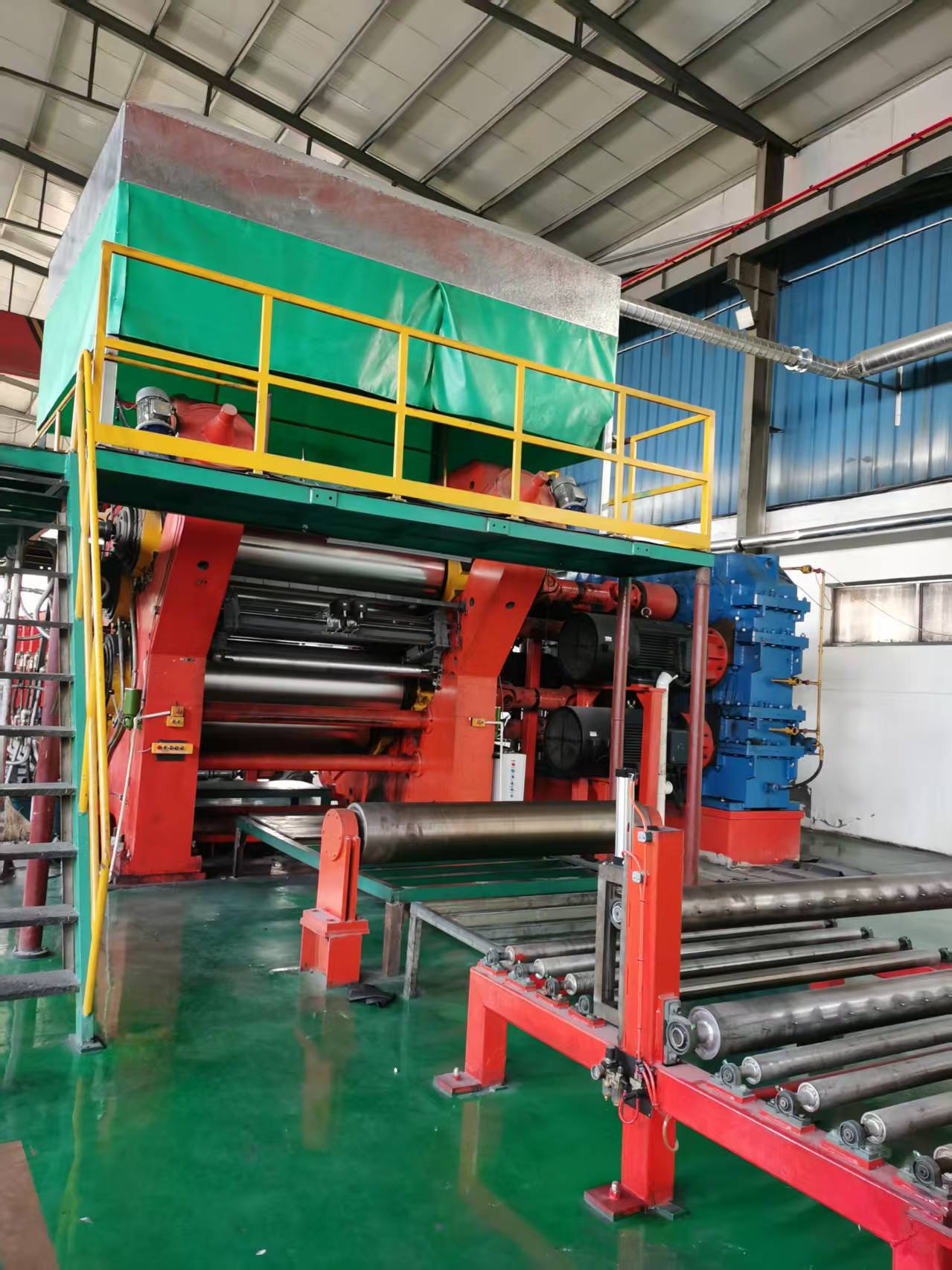
Calculates and controls inter-ply thickness to prevent ply separation under high tension.
Precise width cuts with sealed rubber borders protect inner carcasses from moisture penetration.
Engineered for NN and EP fabrics, optimizing tension settings to maintain carcass alignment.
High-tension wire layout system ensures equal cable tension across the belt width.
Accurate additive control prevents premature rubber degradation under ozone and UV exposure.
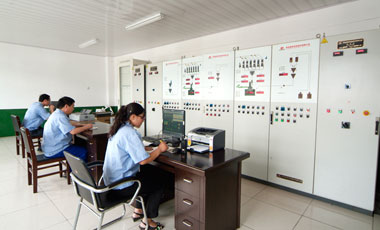
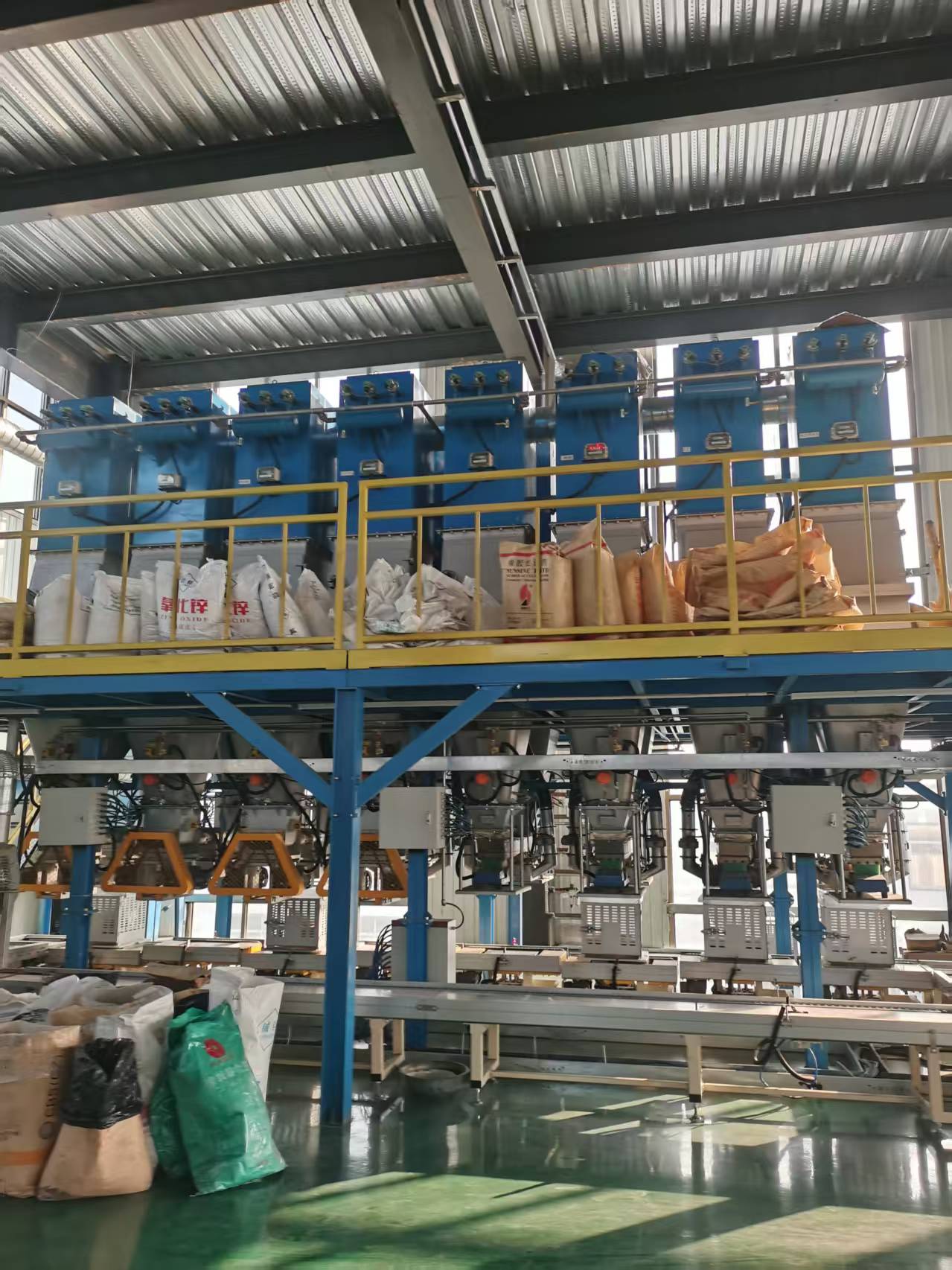
Automated polymer weighing systems ensure repeatable oil and acid resistant cover compounds.
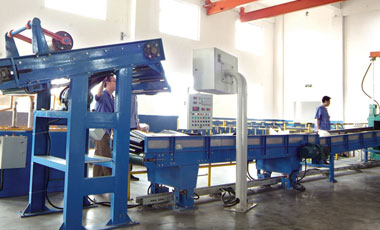
Ensures a continuous compound feed, preventing air bubbles from forming in the raw plies.
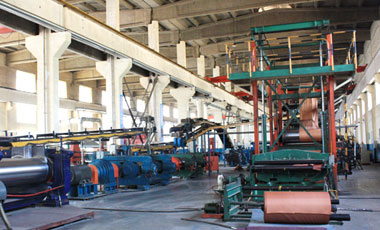
An advanced engineering asset at the Boao manufacturing site. Incorporating computerized thickness diagnostics, this calendering complex provides uniform density profile distribution, preventing tracking issues in extended conveyor lines.
Our internal laboratory validates mechanical performance to DIN, ISO, and AS standards before any product leaves the factory.
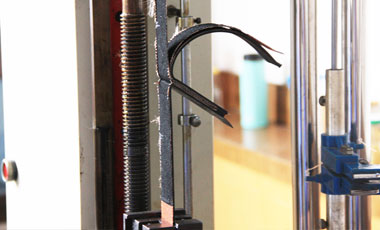
Measures inter-ply bonding strength to ensure the covers will not delaminate under cyclical bending stresses over idler pulleys.
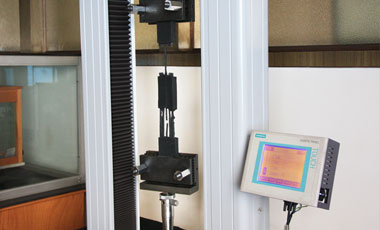
Verifies the chemical bonding strength between zinc-galvanized steel cables and the core rubber matrix to prevent cord pull-out.
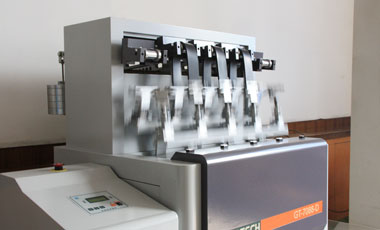
Simulates years of continuous service under cyclical load stresses to identify compound fatigue properties.

Measures volume loss against abrasive friction to ensure long wear life under direct rock and mineral impact.

Validates high wear resistance, verifying that our cover compounds maintain their thickness under abrasive flows.

Evaluates hardness, elongation at break, and tensile strength before and after accelerated heat aging.
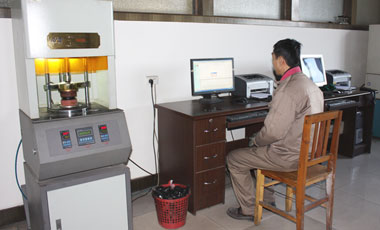
Applies high tension loads to verify actual mechanical break points, ensuring a safe design margin for multi-ply and steel cord constructions.
Selecting a conveyor system requires matching compound chemistry and reinforcement fibers to your specific operating conditions. The carcass design determines load capacity, while cover polymers protect the belt from environmental degradation and wear.
The conveyor belt industry is shifting toward energy-efficient, fire-safe, and smart material handling designs. Our engineering team at Hebei Boao Rubber Technology focuses on three main R&D areas:
Proof of field reliability: Jinao-brand conveyor installations supporting major heavy industry operations.
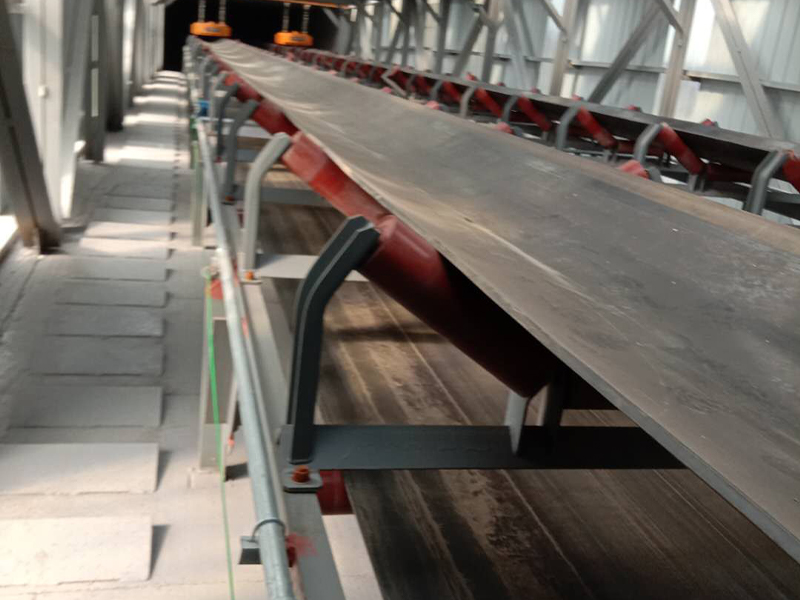
Provides heat-resistant conveyor systems designed to withstand hot sinter and coke transport up to 200°C under continuous load.
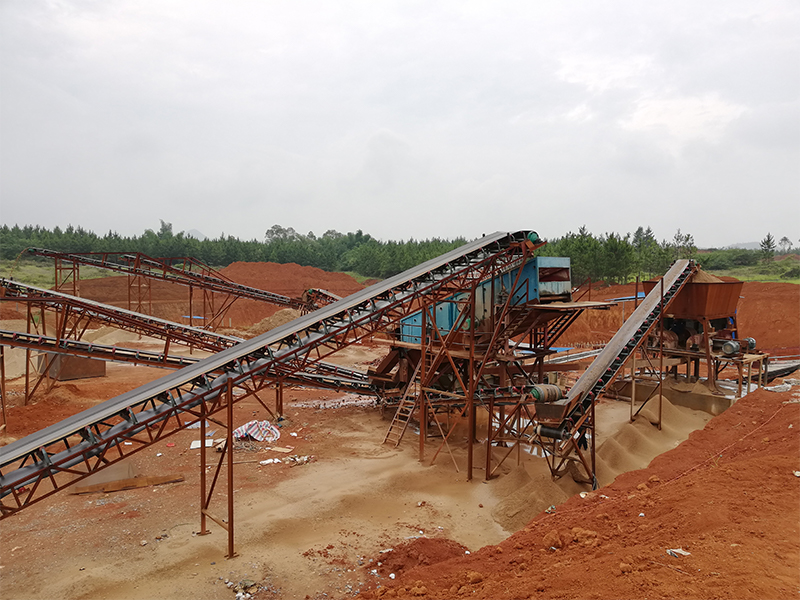
Supplies corrosion and oil resistant conveying solutions for nickel smelting facilities, protecting the belt against aggressive process chemistry.
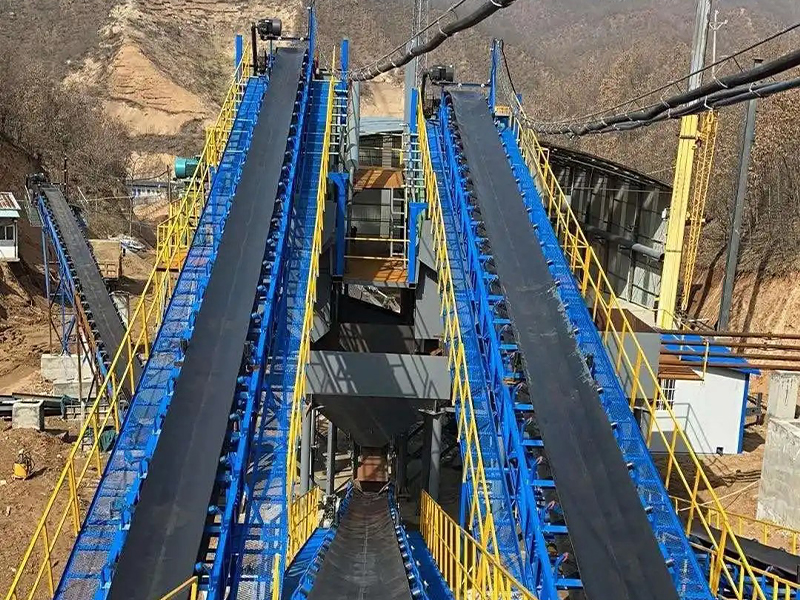
Equipped with high-tension anti-tear steel cord belts, handling heavy, sharp copper ore drops without carcass puncture failures.
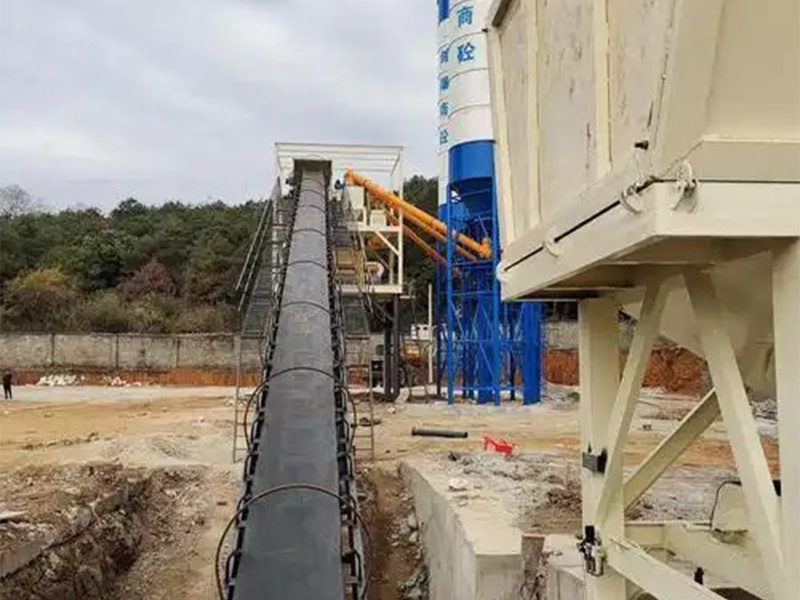
Reliable sand and aggregate conveyor lines providing stable feeding under variable outdoor winter temperatures.
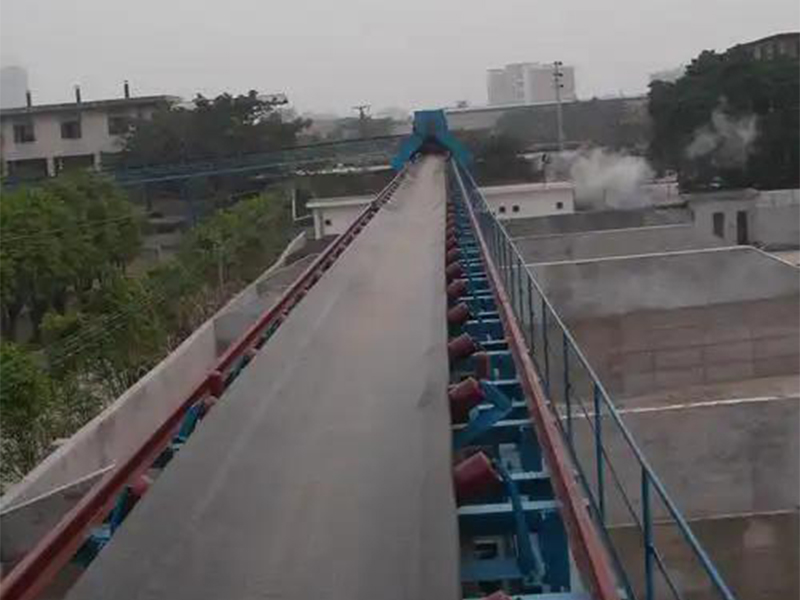
High-abrasion resistance belts for handling raw clinker, reducing maintenance downtime across plant operations.
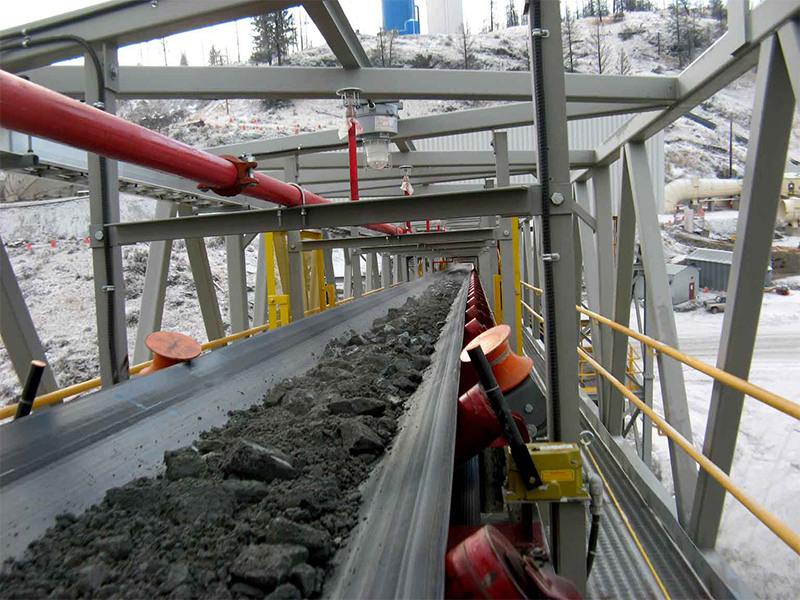
Supplies underground mines with MT91 flame-retardant self-extinguishing belts to meet essential explosion-proof standards.
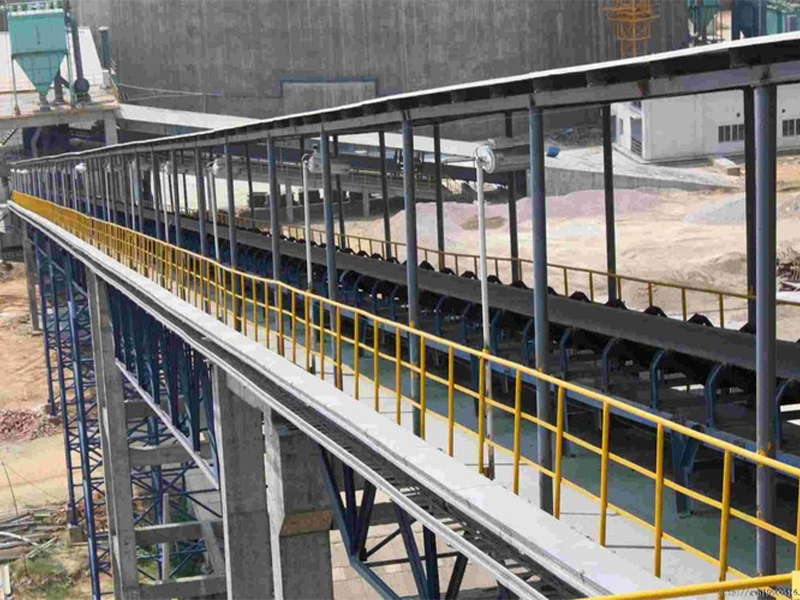
EP reinforcing layer constructions optimize belt troughing angles and prevent load spillage on high-speed runs.
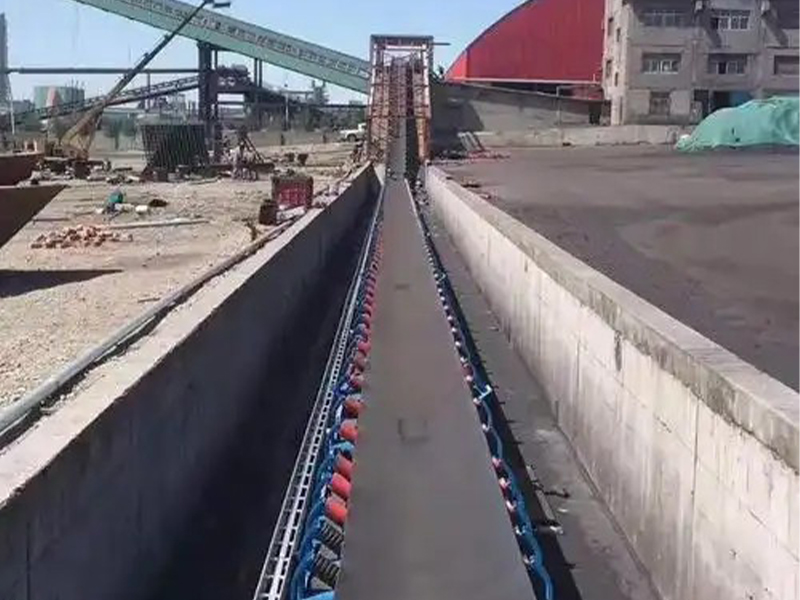
Long-distance overland transport systems engineered for minimal stretch and low power consumption over thousands of operating hours.
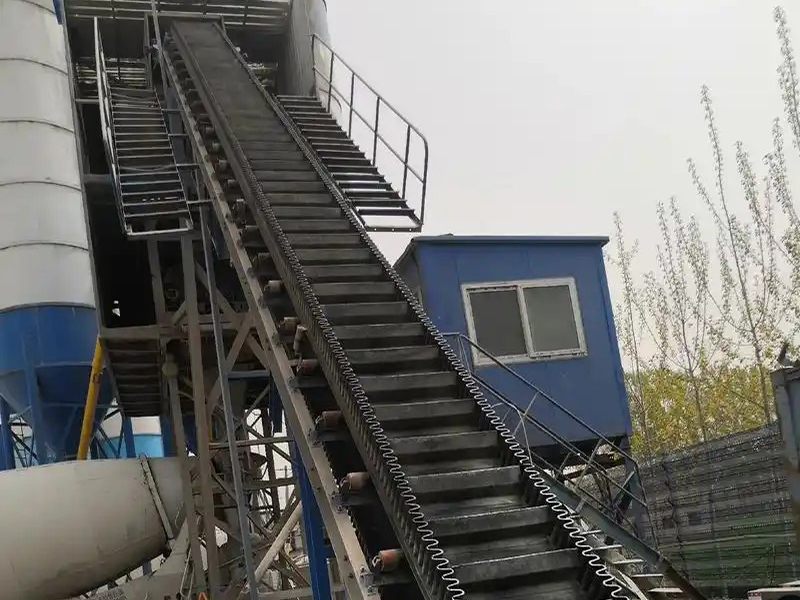
A specialized, high-capacity material handling line using our custom Heat-Resistant Rubber Conveyor Belts. Designed to withstand surface operating peaks up to 250°C, this installation uses a rubber compound containing EPDM elastomers to prevent thermal cracking and preserve core adhesion during continuous cycles.
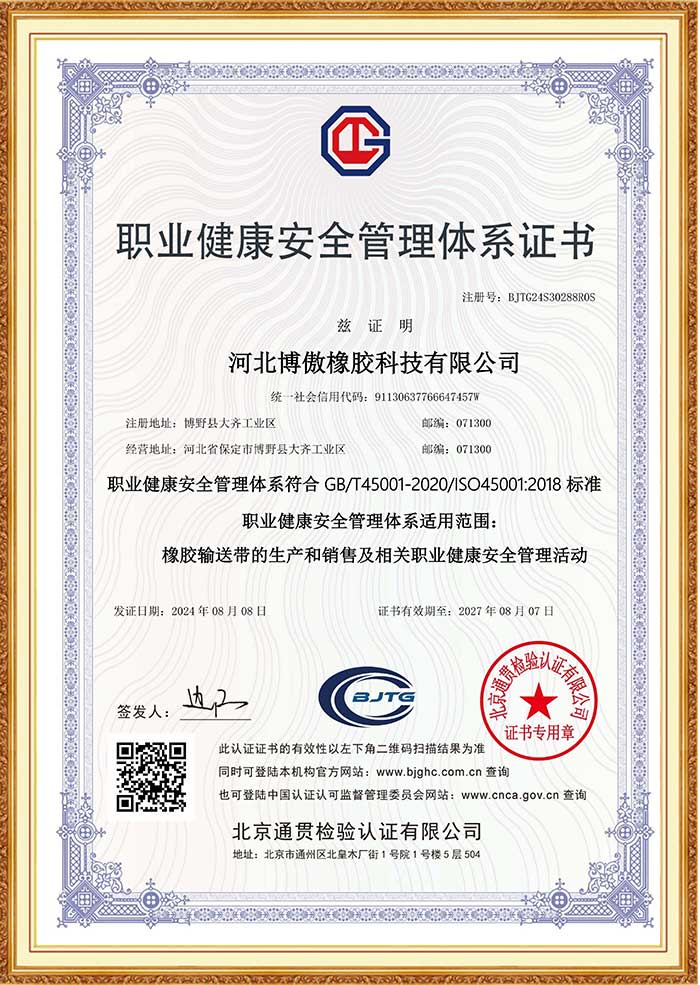
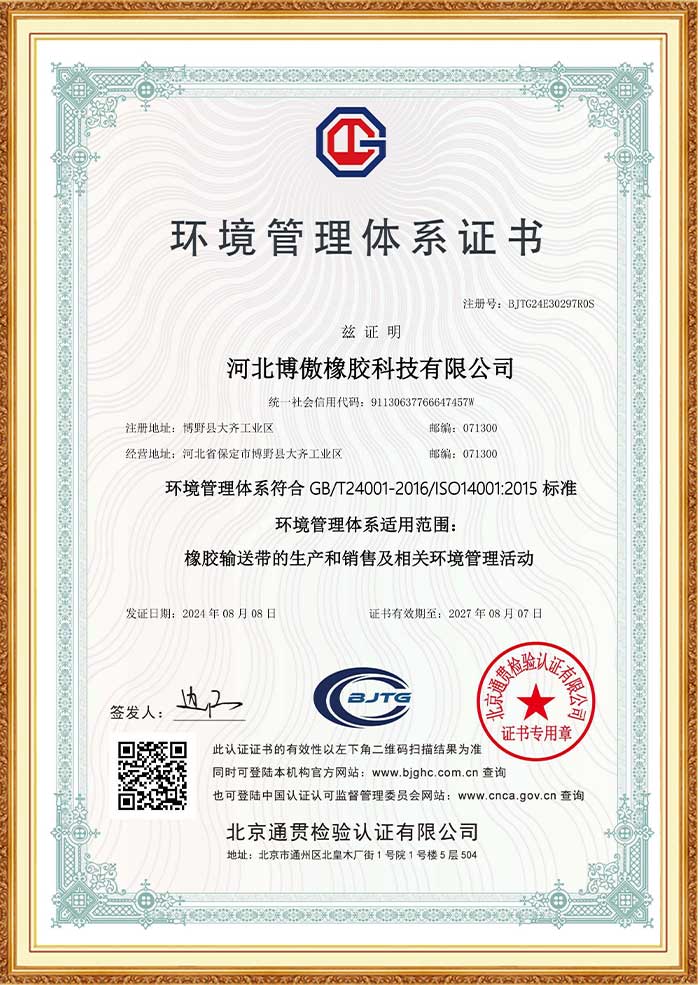
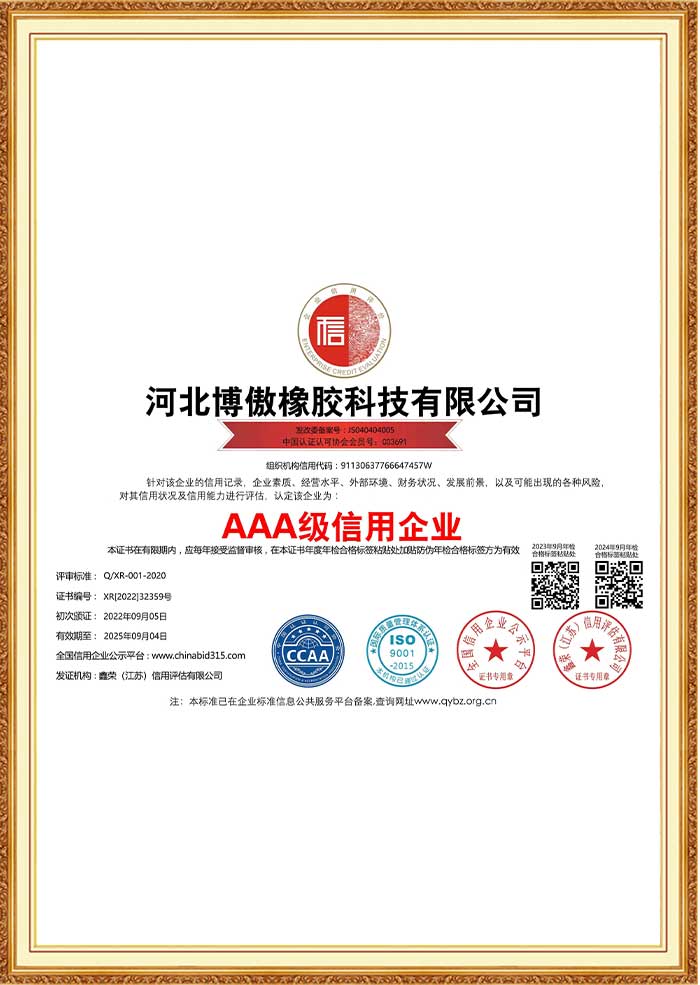
Our quality management systems are verified to international standards to ensure product reliability and traceability.
Hebei Boao Rubber Technology conforms to the following design, manufacturing, and environmental standards:
We offer more than just belt manufacturing. Our technical service plan supports operations from installation through long-term maintenance:
Technical guidance to assist procurement officers and plant engineers in choosing the right conveyor system.
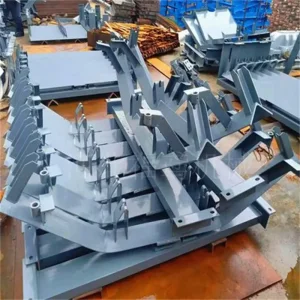
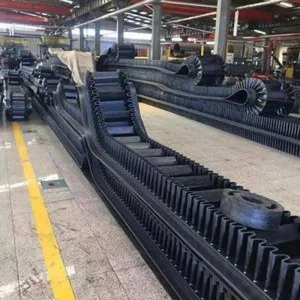
Our complete range of specialty belts and components designed to support complex material handling setups.
Speak directly with Hebei Boao's application engineers to determine the correct carcass, cover rubber formulation, and layout details for your conveyor installation.
Provide details on belt width, operating tension, temperatures, and materials handled. Our technical team will generate a formal proposal within 24 working hours.
 Boao Rubber